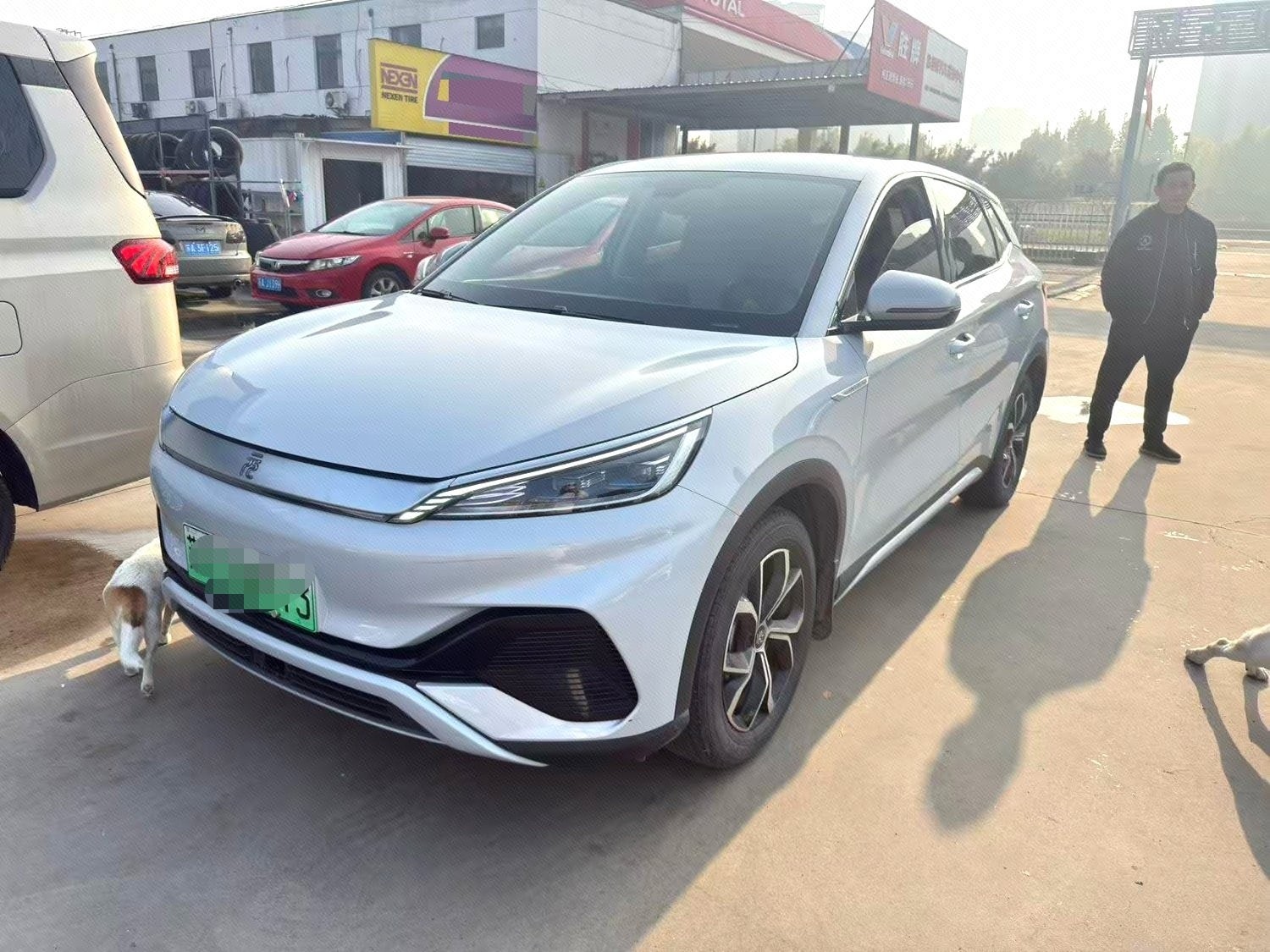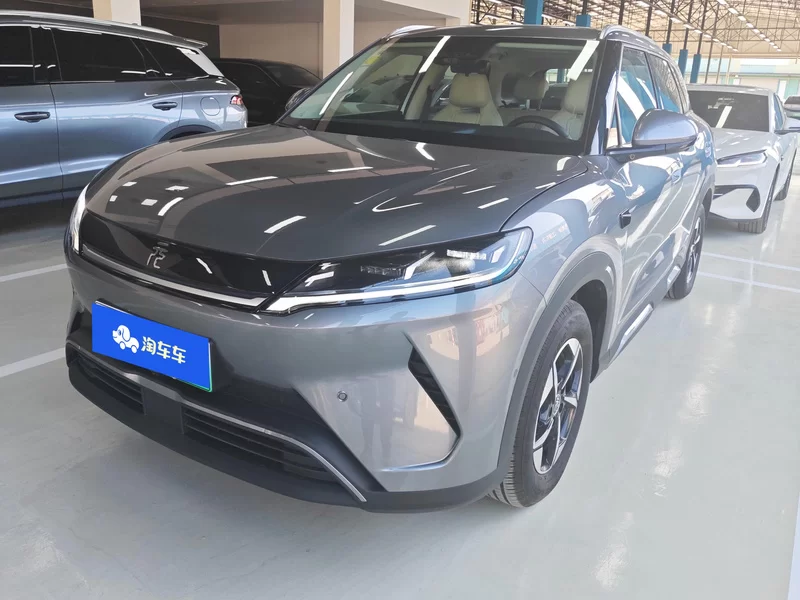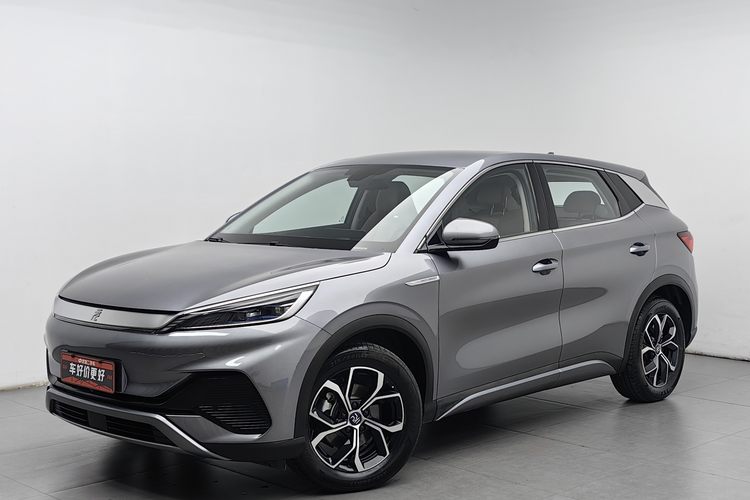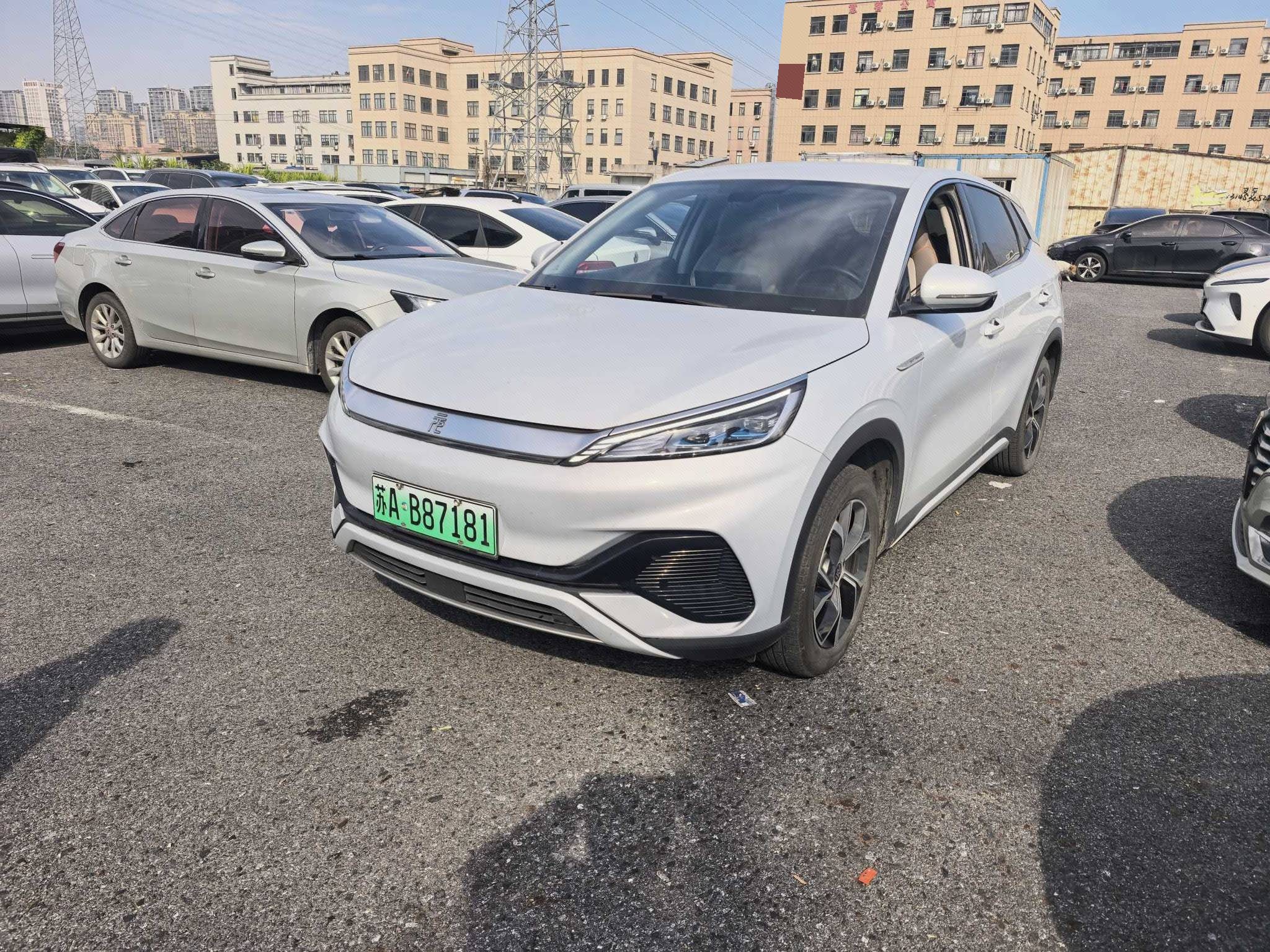
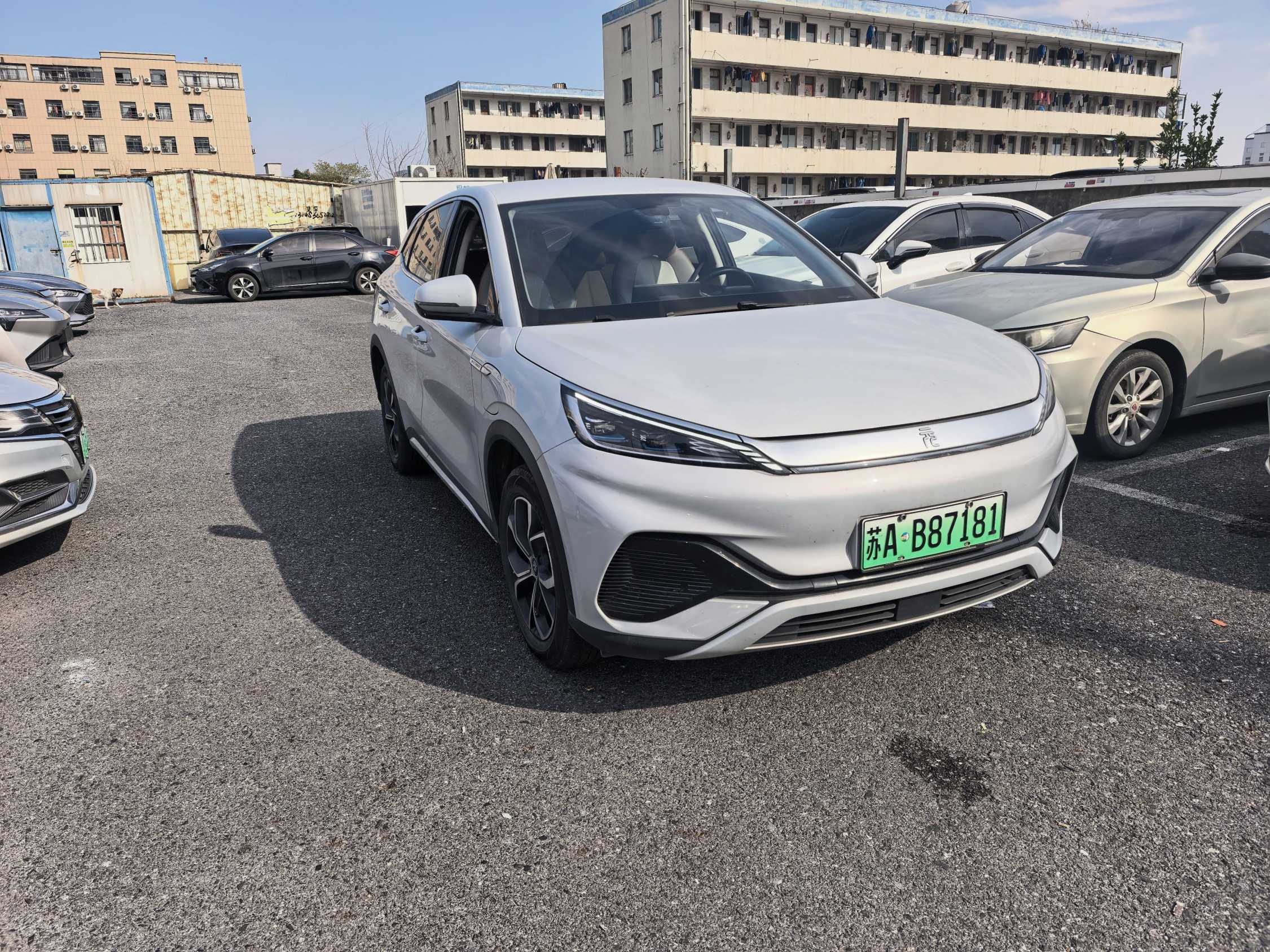
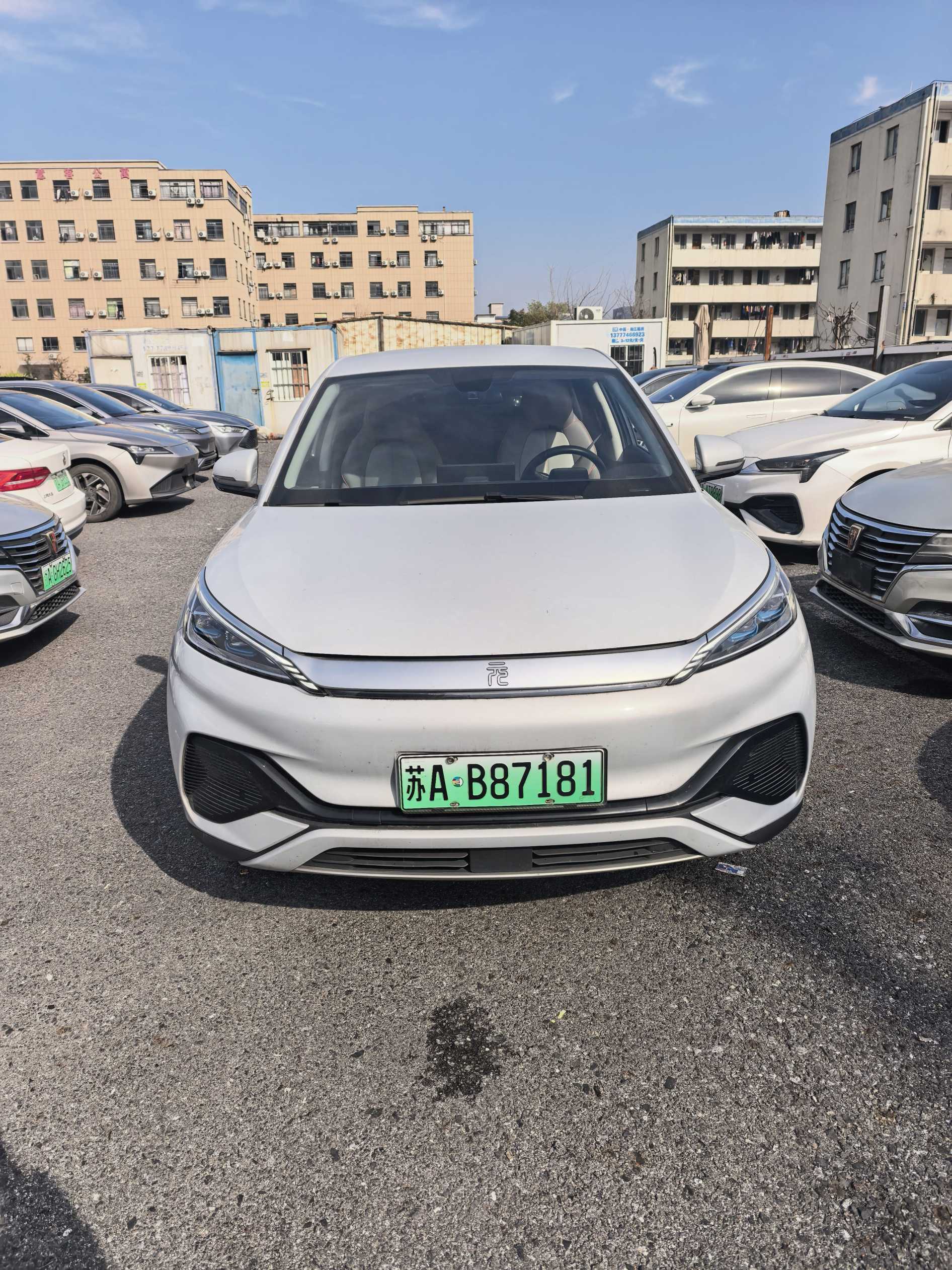
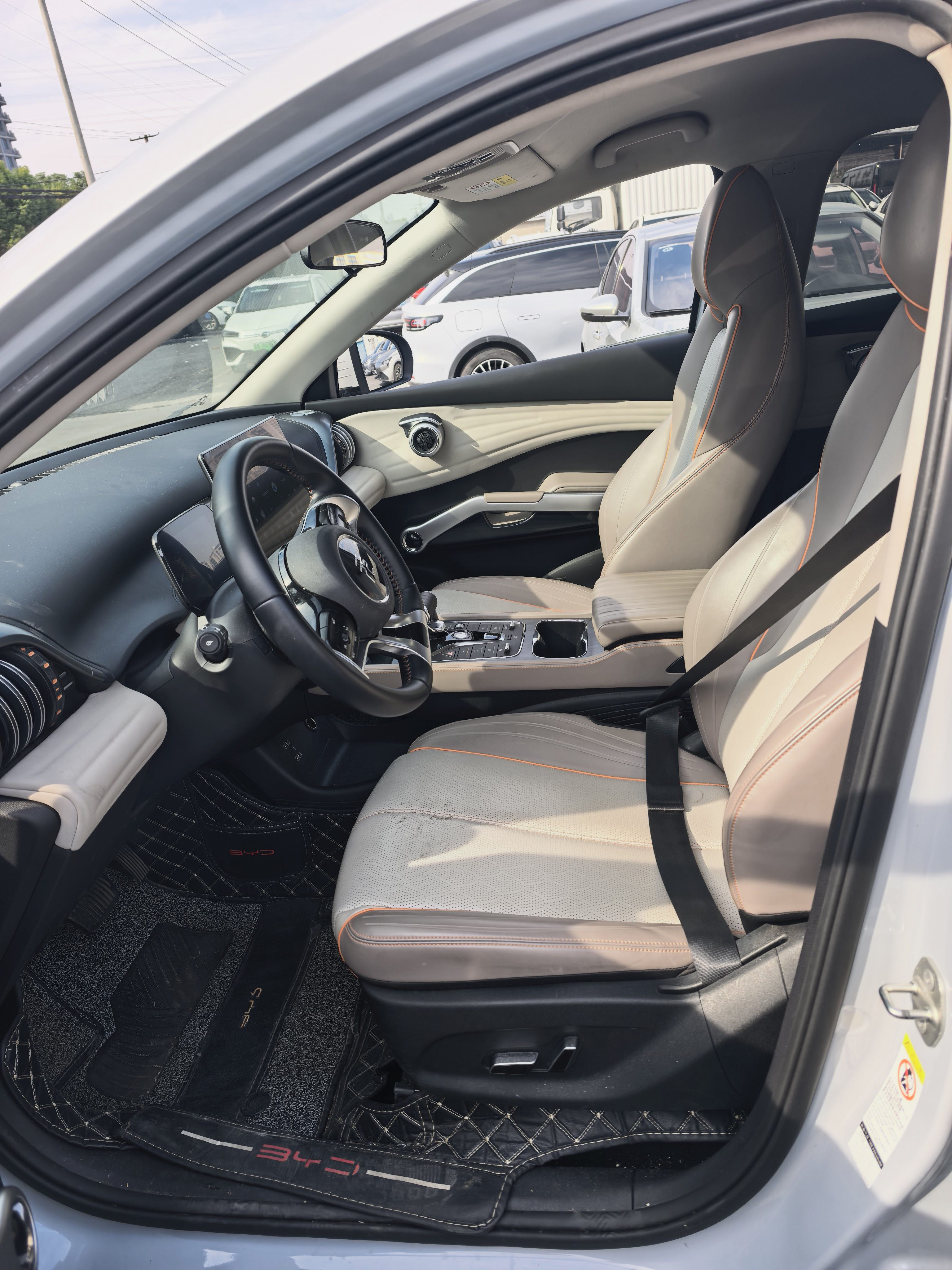
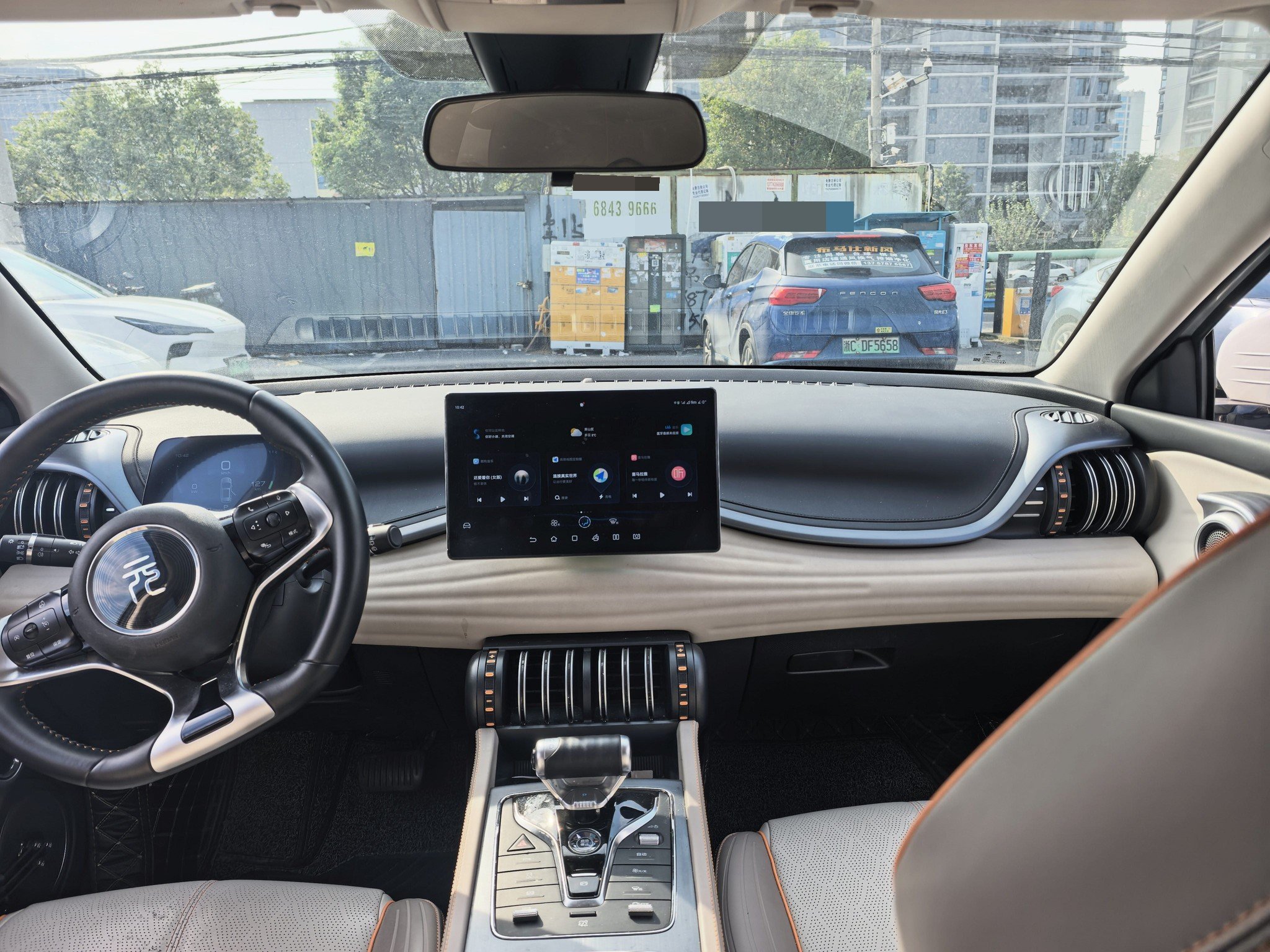
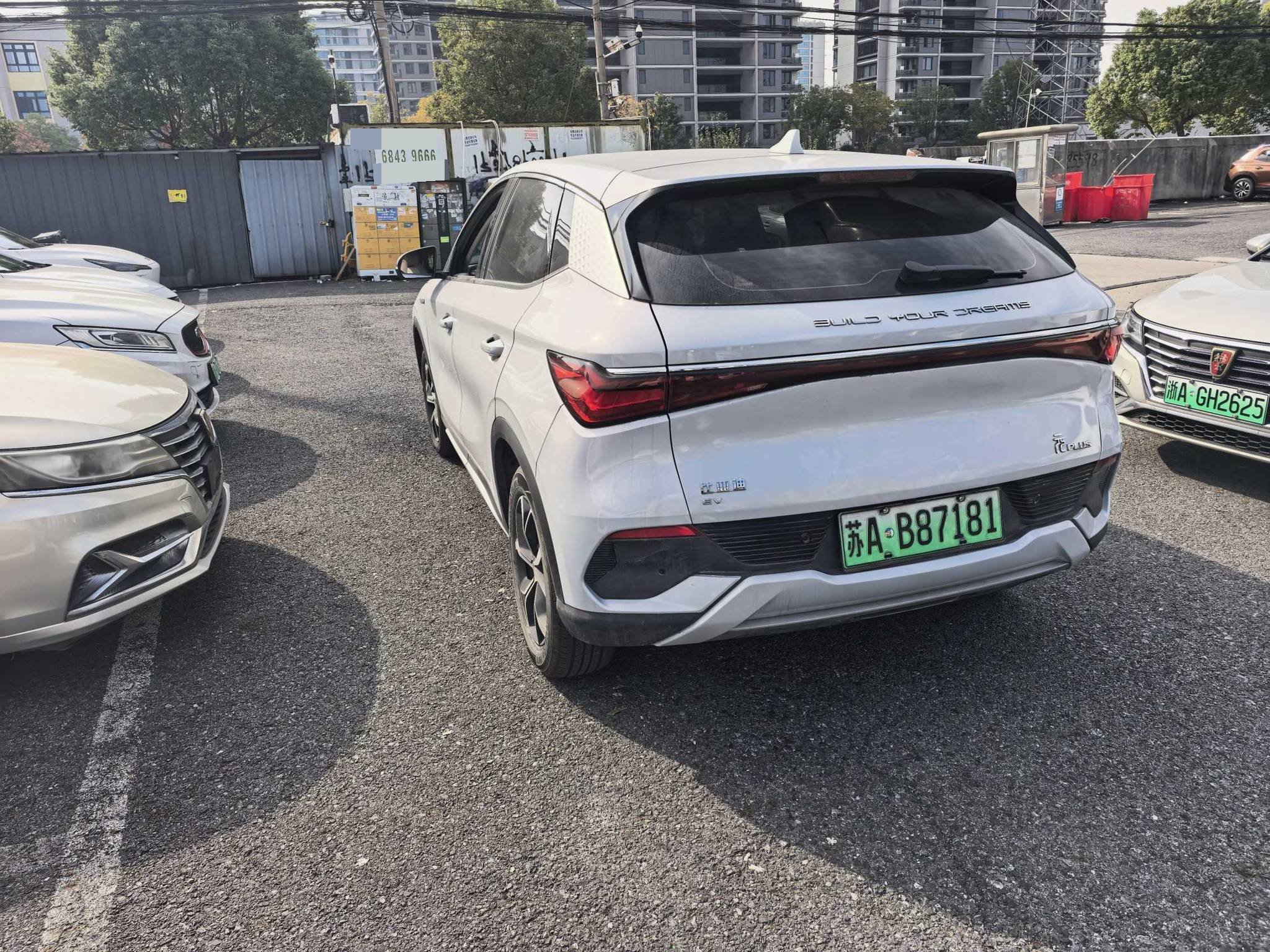
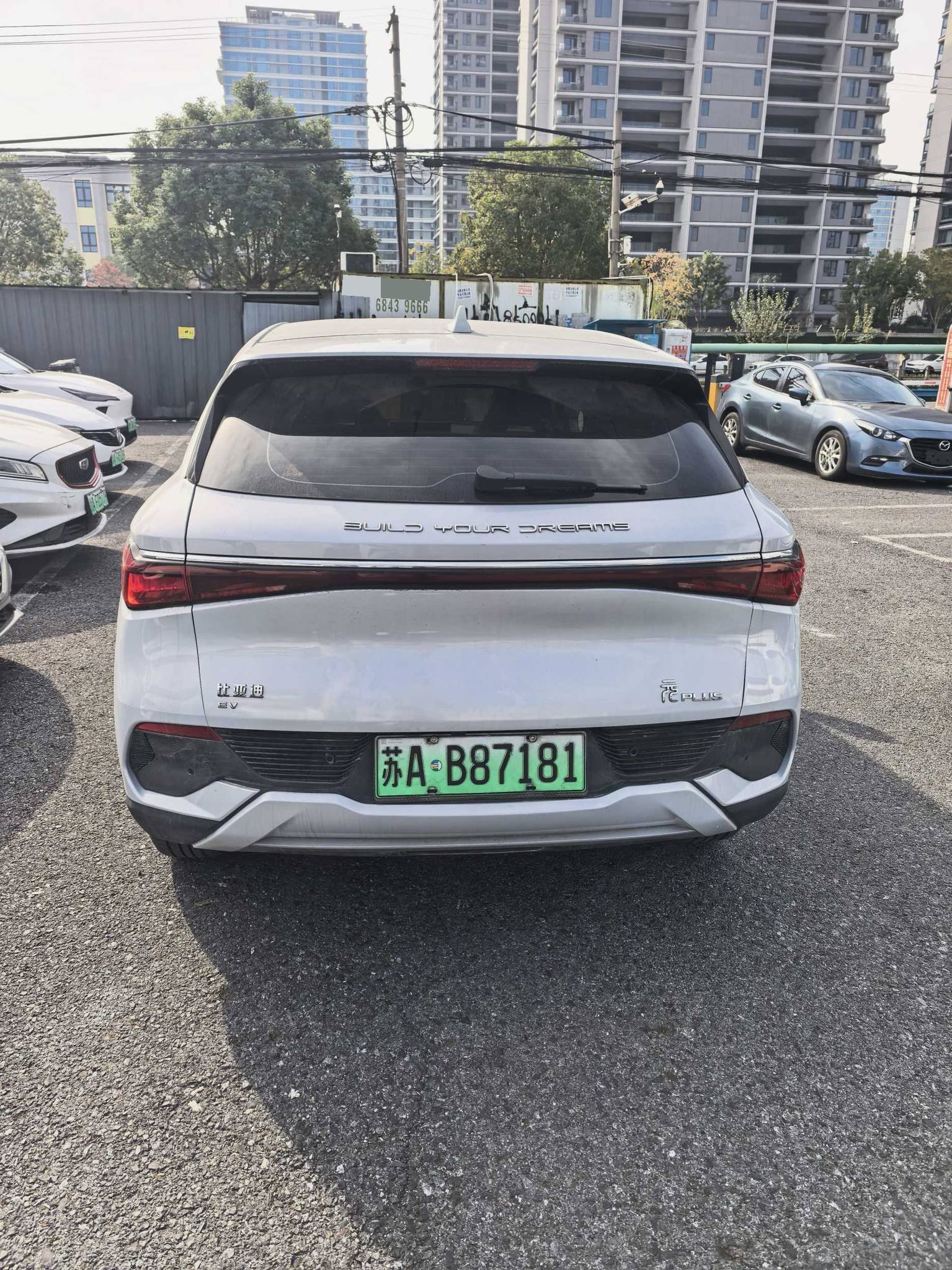
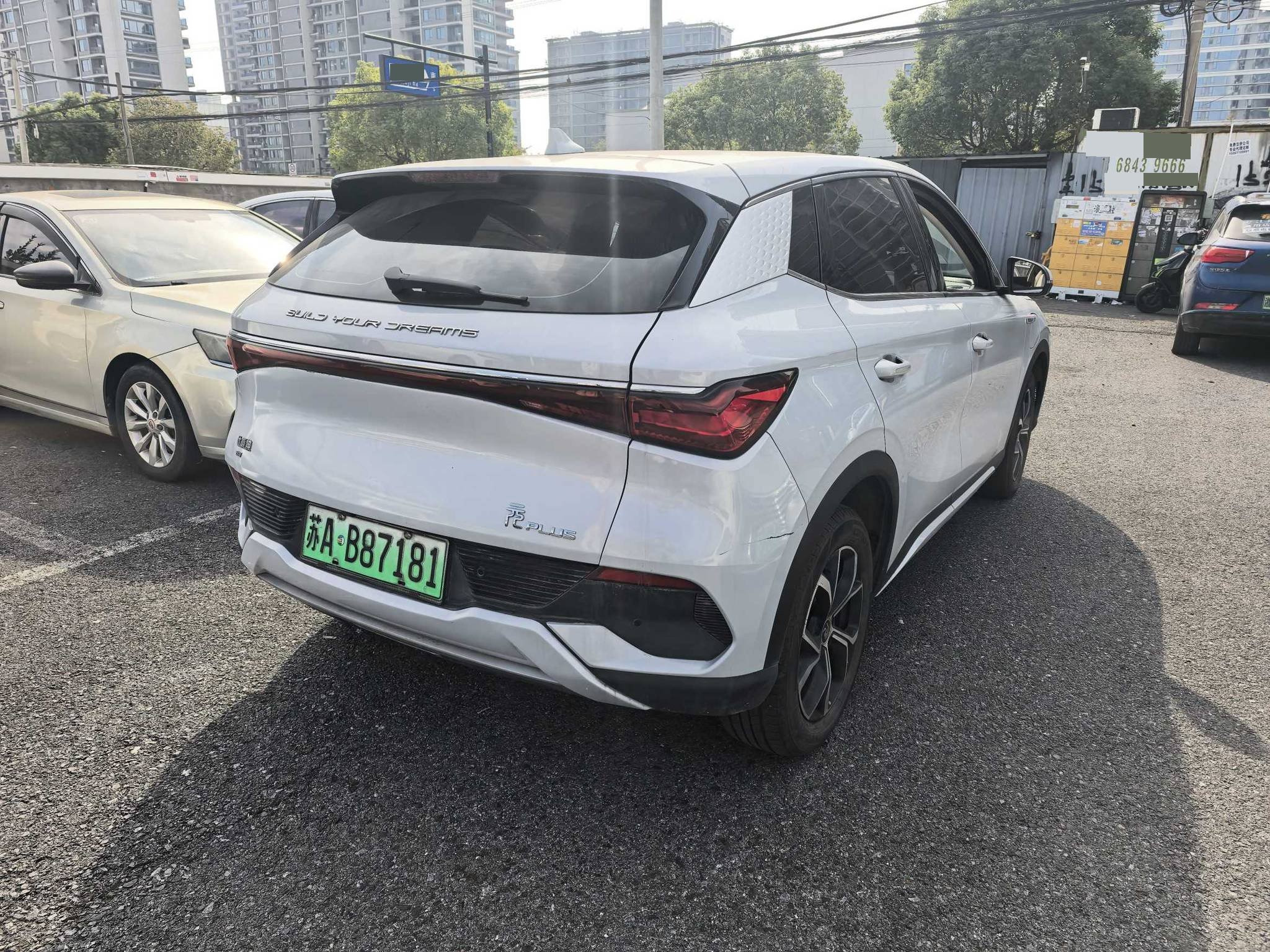
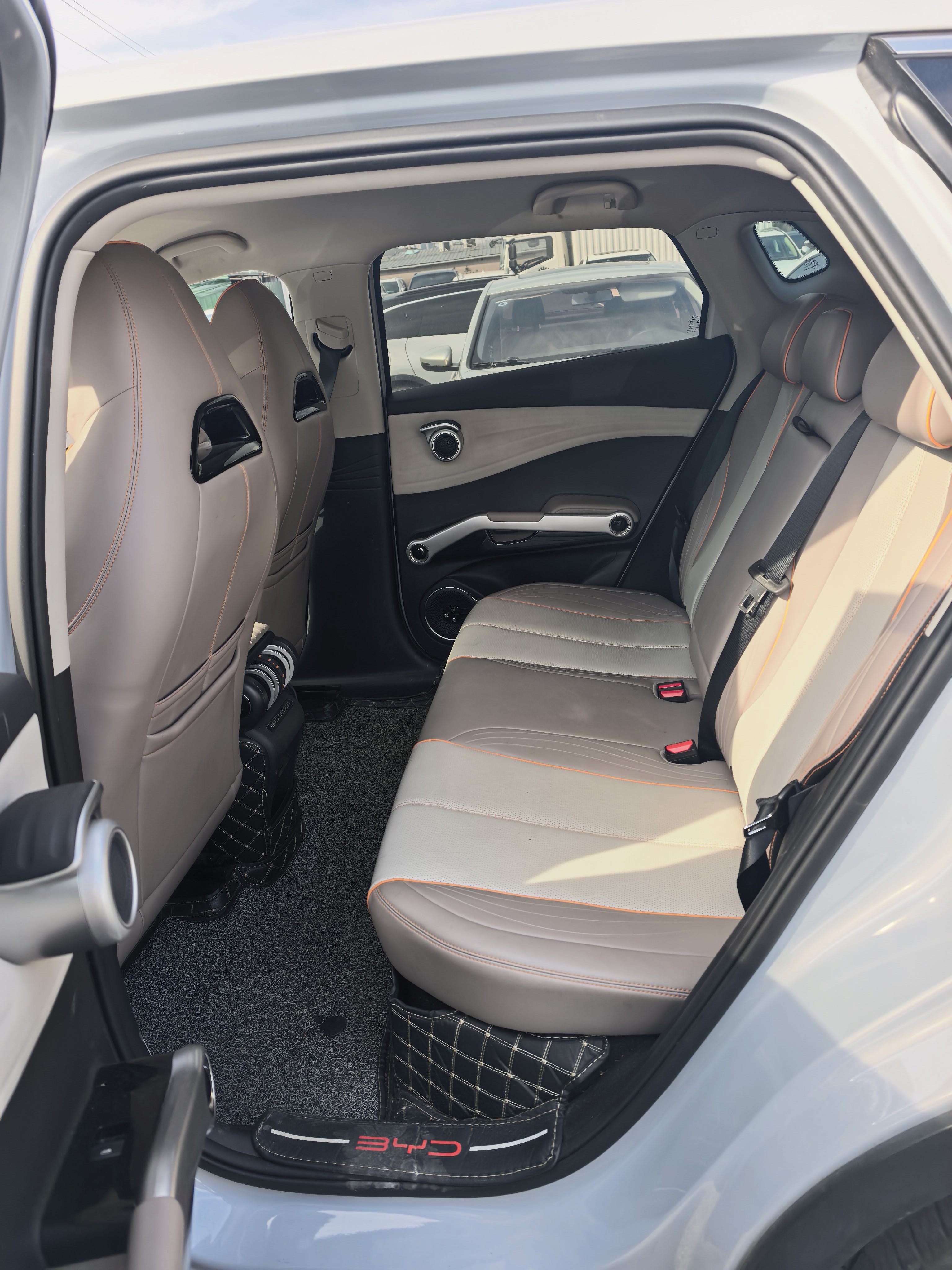



Basic Information

BrandBYD
SeriesYuan Plus
Year2025
First Registration2025/02
Mileage68,000km
Transfer Count0times
FuelElectric
TransmissionOther
Engine-
ColorWhite
Seats5seats

Condition Description

Insurance claim of 5000; no investment.

Document Information

Inspection Expiry Date-
Warranty Expiry Date-
Insurance Expiry Date2027/02

Q&A

More

How can I verify a used car's mileage is genuine and hasn't been rolled back before export?

Odometer rollback is a common risk, so verify mileage through multiple channels rather than trusting the dashboard alone. First, ask the seller for maintenance records from the brand's official service network. Each service entry records the odometer reading with a date, so a consistent upward trend confirms the mileage is genuine. Second, run a VIN-based history report through Chinese platforms (such as CarVertical-style reports covering Chinese records) and check auction records if the car came from a used-car auction — auction sheets always log the mileage. Third, inspect physical wear during your video inspection: pedal rubber, steering wheel shine, seat bolsters, and gear knob wear should match the claimed mileage. A car showing 40,000 km with heavily worn pedals is a red flag. Finally, check the odometer reading in the export documents — Chinese customs and inspection records also capture mileage, giving you an official data point. If the seller refuses to share service records, treat the mileage as unverified and price your offer accordingly.


What should I do if something breaks on my used car shortly after it arrives from China?

Act fast and follow the paper trail you built before buying. First, document everything immediately: take photos and videos of the fault, note the date of arrival and the odometer reading. Most exporters offer a commercial warranty window (typically 15-30 days after arrival) for major components like the engine, transmission and high-voltage battery. Contact the exporter in writing with the evidence, referencing your contract's warranty clause. For minor issues, a common arrangement is that they air-freight the spare part to you or reimburse a capped repair amount at a local workshop. To protect yourself before purchase: get the warranty terms written into the sales contract, including response time, what is covered, and how parts compensation is calculated. Also ask which fast-wearing parts (brake pads, filters, wipers) they recommend buying together with the car, so you are not stuck waiting for a small part from overseas.

What are port free time and demurrage, and how do I avoid storage charges when my car arrives?

When your car reaches the destination port, the shipping line and terminal give you a limited number of free days — typically 5 to 14 — to clear customs and collect the vehicle. After that, storage and demurrage charges start accruing daily, and they add up fast: USD 20–80 per day is common depending on the port. To avoid these fees: 1. Before shipment, confirm the exact free time with your forwarder and get it in writing — it varies by carrier and port. 2. Prepare customs paperwork in advance: import declaration, invoice, bill of lading, and any required certificates. Most delays come from missing documents, not from the port itself. 3. Book a customs broker and a truck before the vessel arrives, not after. 4. Track the vessel online and plan pickup within the first free days. If you know you cannot clear in time, ask about extending free time when booking — it is sometimes negotiable and far cheaper than paying demurrage later.