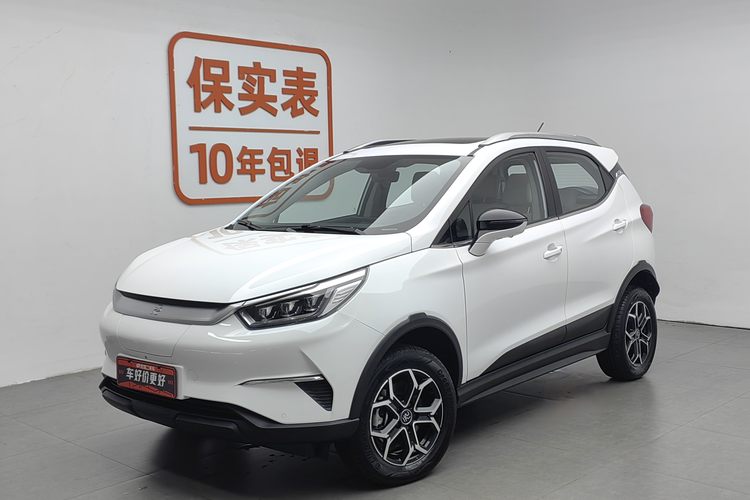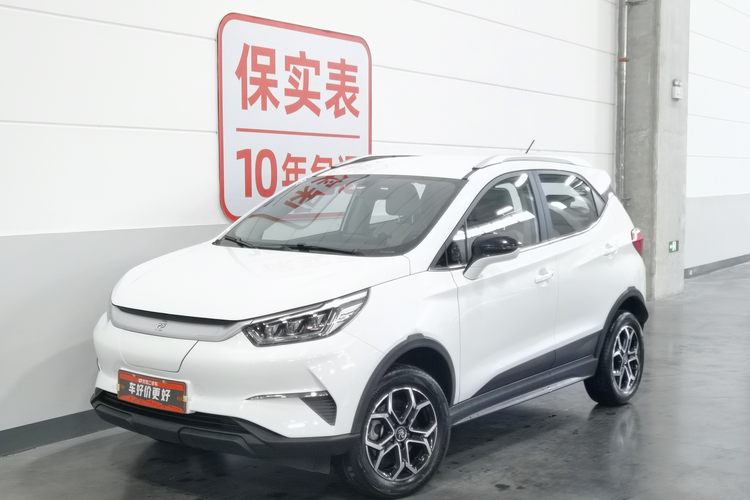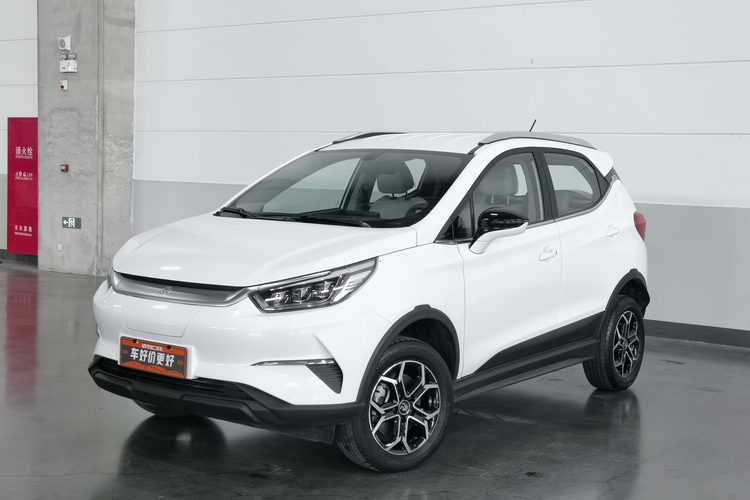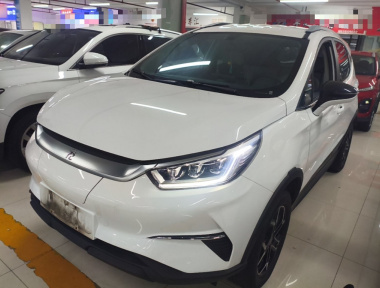
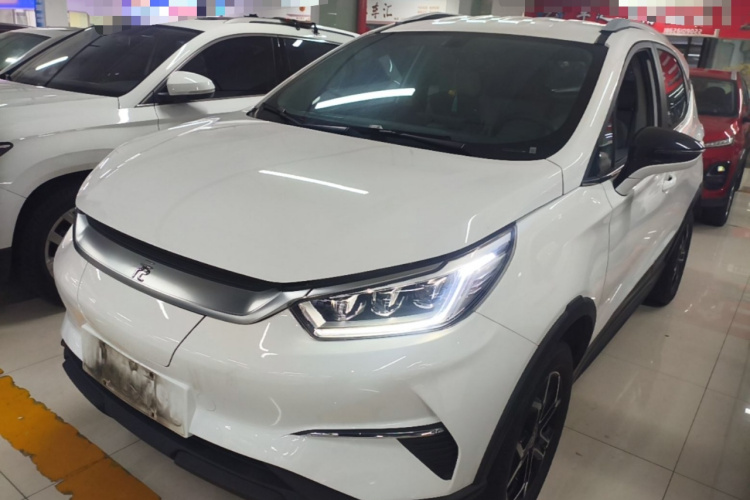
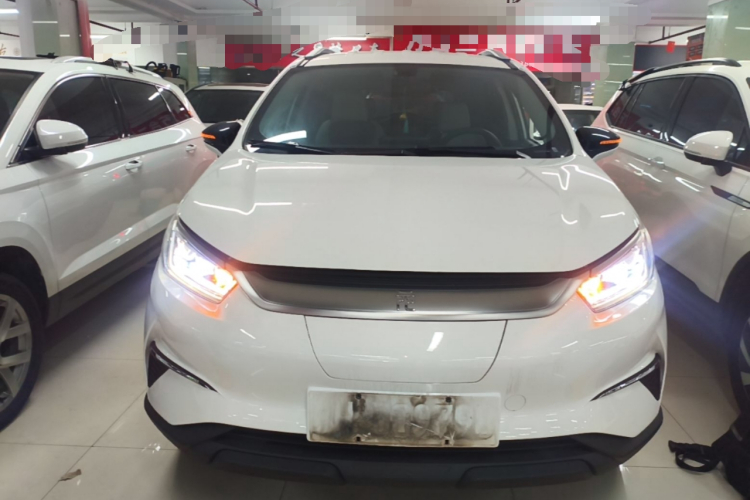
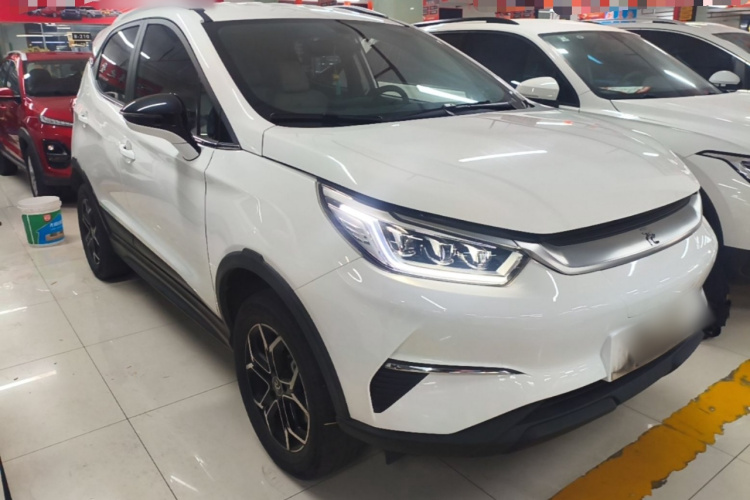
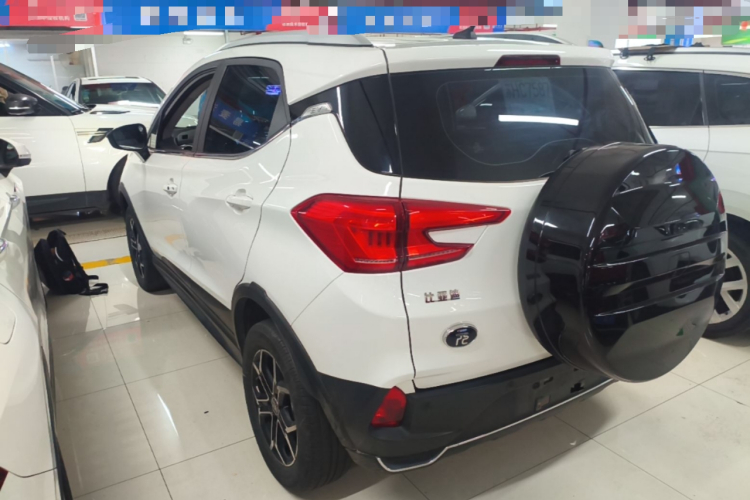
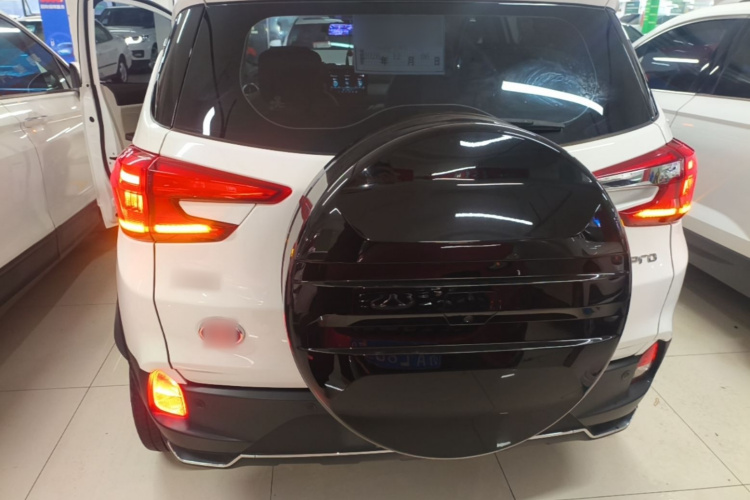
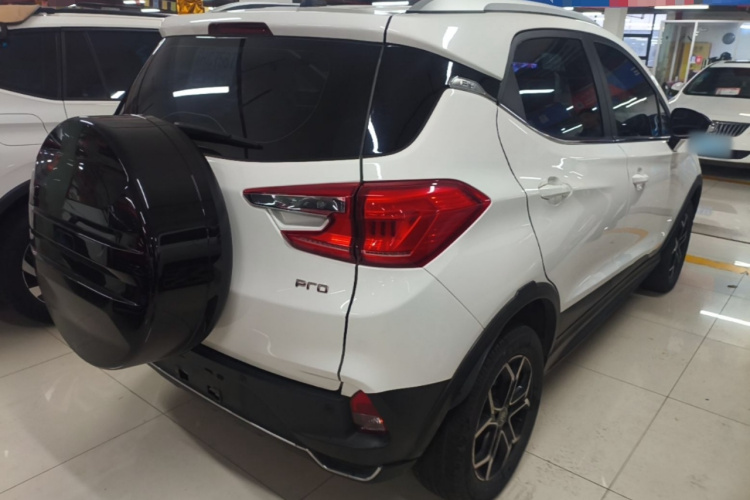
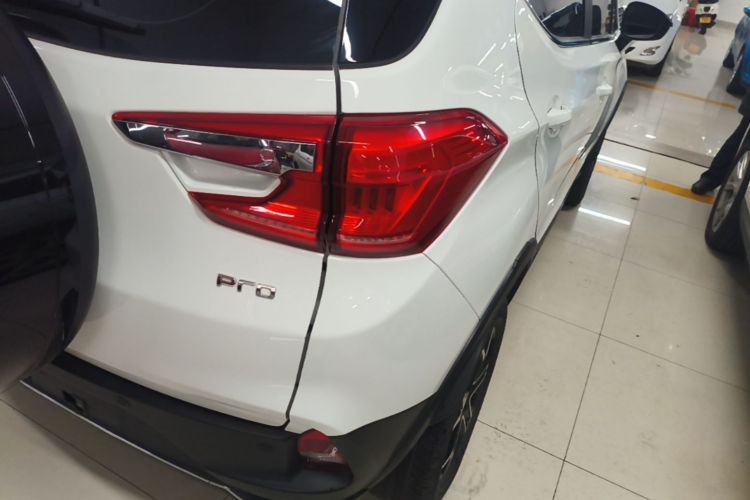
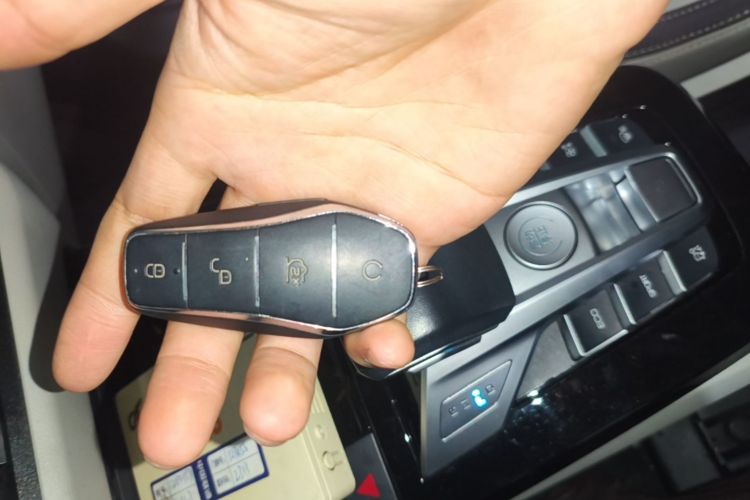
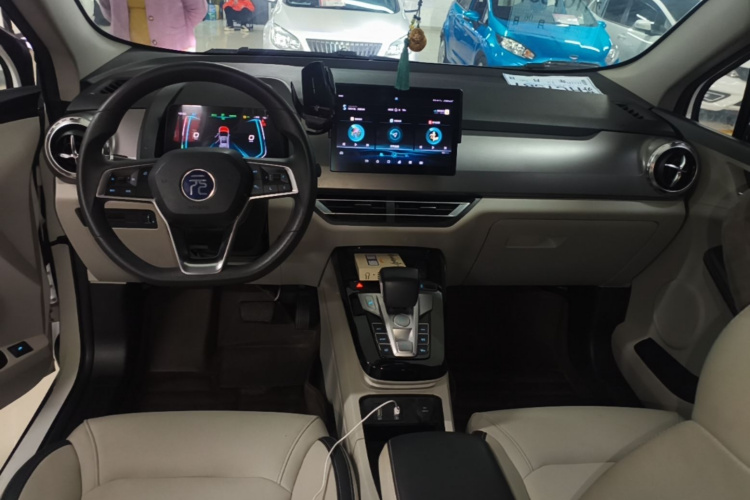
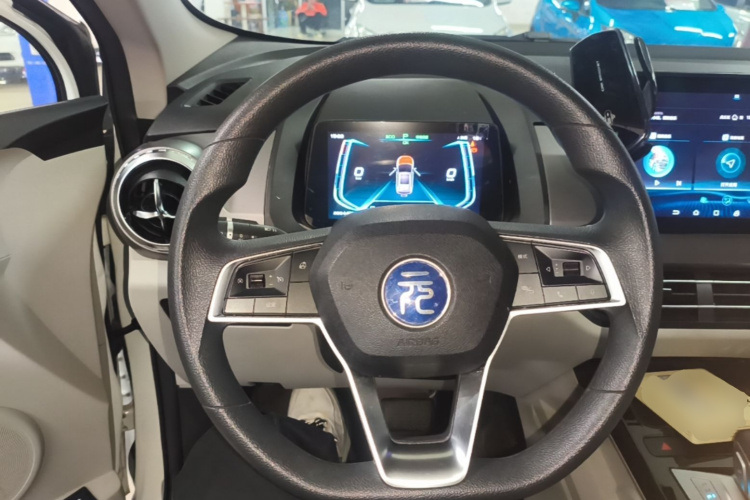
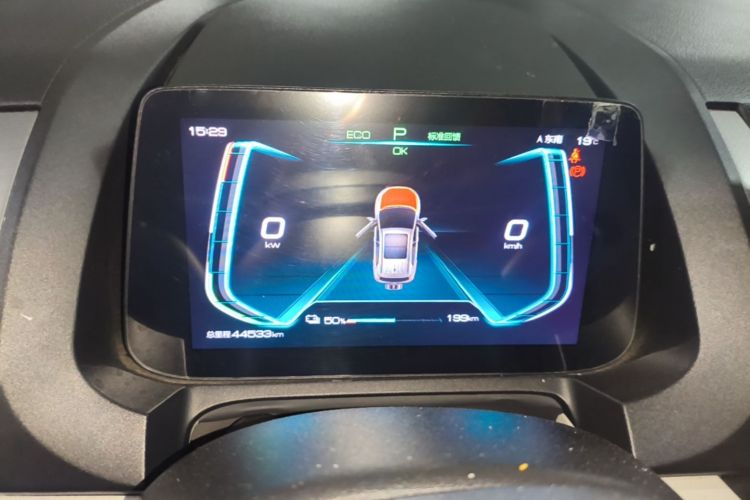
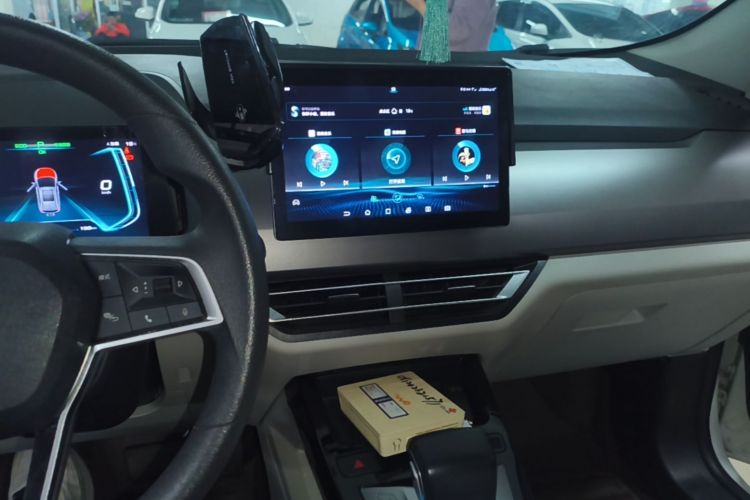
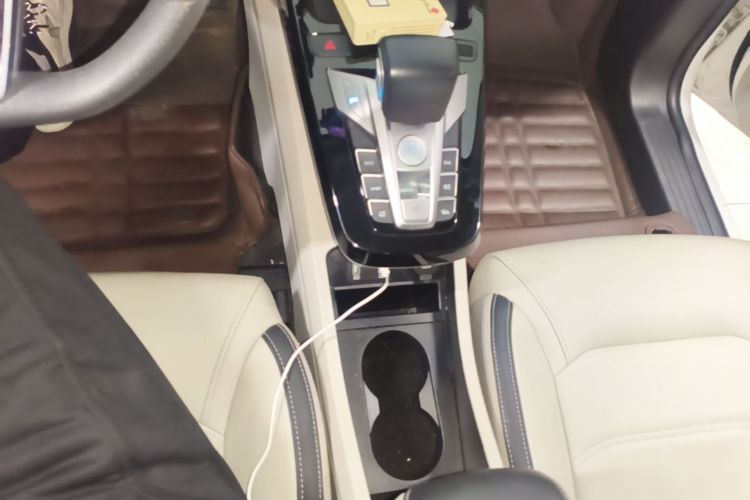
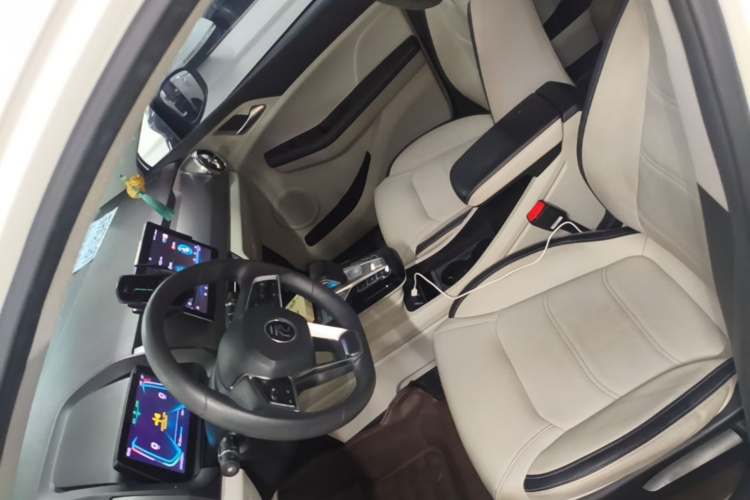
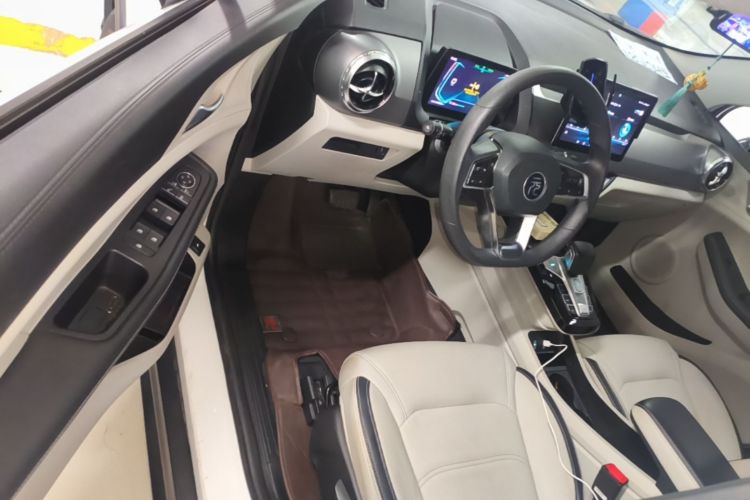
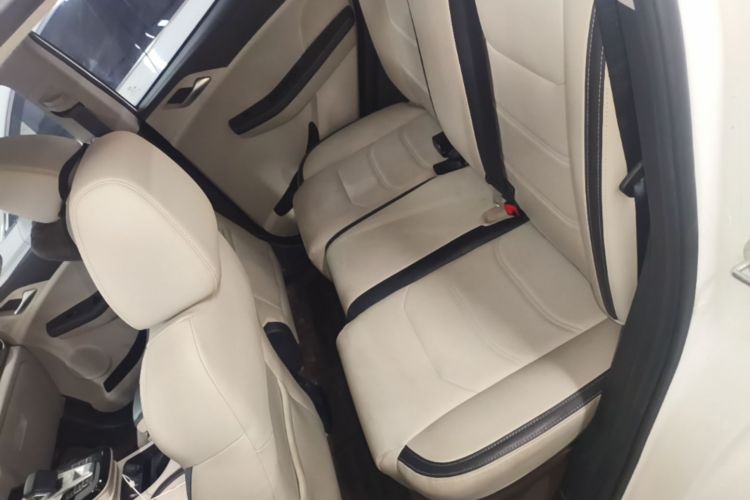

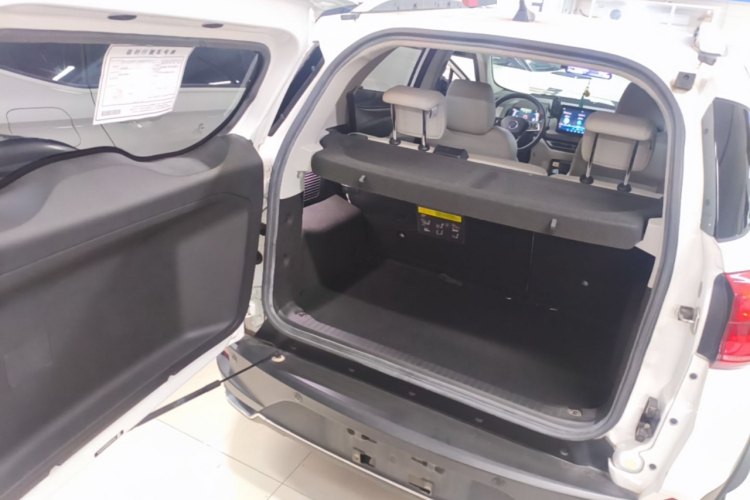
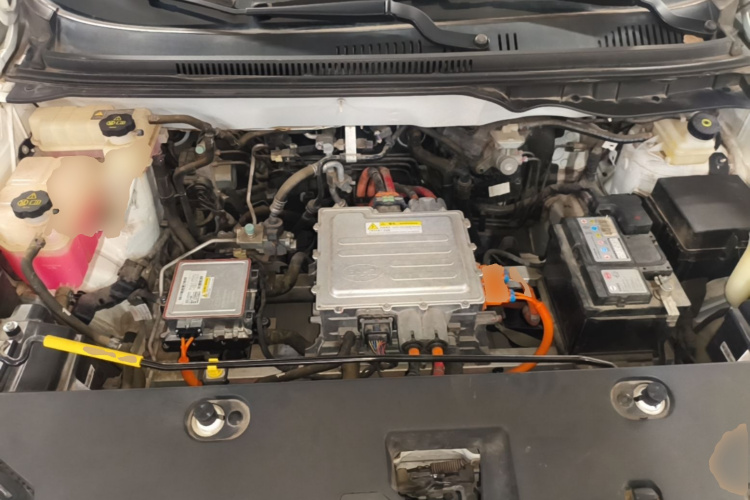



Basic Information

BrandBYD
SeriesYuan Pro
Year2021
First Registration2021/07
Mileage44,500km
Transfer Count0times
FuelOther
TransmissionOther
Engine-
Color
Seats-

Condition Description

Battery health 88% | 1 insurance claim | 0 transfers

Q&A

More

How can I check the underbody and frame of a used Chinese car remotely before buying?

Ask for a specific set of photos and video taken with the car on a lift — generic walk-around videos will not show what matters. Request close-ups of: the sills (rocker panels) on both sides, front and rear subframes, suspension mounting points, brake lines, and the floor pan under the carpets. Surface rust on bolts is normal; bubbling paint, flaking metal or fresh undercoat sprayed over corrosion are warning signs. Also check for flood damage, a common hidden problem: look at the spare wheel well for water marks or mud, pull up the trunk carpet, and check the seat rails and seat belt buckles for rust or silt. A musty smell reported by the inspector is a red flag. A trustworthy exporter will provide a lift inspection report listing measured paint thickness on structural areas. If they refuse to put the car on a lift, treat that as an answer in itself.


When buying remotely, how do I assess the engine, transmission, brakes, and tires of a used car from China over a live video call?

A structured live video inspection can catch most mechanical problems. Ask the seller to do the following in order: Cold start: film the engine bay before starting — check for leaks, cracked hoses, and corrosion. Then start from cold and listen for rattling or knocking during the first minute; abnormal noises on cold start often mean worn internals. Fluids: pull the oil dipstick — milky or foamy oil suggests head gasket issues. Check coolant color and level. Transmission: with the car warmed up, film each gear shift, forward and reverse. Hesitation, harsh jerks, or slipping RPM are red flags. Brakes: test at low speed in a safe area — the pedal should feel firm, not spongy, and the car must not pull to one side. Tires: walk around and film each tire's sidewall and tread. Uneven wear suggests alignment or suspension problems. Combine this with an independent pre-shipment inspection for a professional report — the video call is your first filter, not the final verdict.

Will the manufacturer's smartphone app and connected services work in my country after I import a used Chinese EV?

This is one of the most common disappointments after importing a Chinese EV, so check before you buy. Many Chinese EVs rely on an embedded SIM that only works on Chinese carrier networks. Once the car leaves China, remote functions — battery status, pre-conditioning, charging control, and locating the car — may stop working entirely. Some brands let you transfer the account to a foreign phone number, but many require a Chinese ID or Chinese phone number for registration, which you cannot provide. What to do before purchase: ask the exporter to test the app functions live on video while the car is still in China, including remote air-conditioning and battery percentage reading. Ask the brand's official customer service (in writing) whether overseas account activation is supported for your specific model and year. Workarounds if the official app does not work: some functions may still operate locally through the car's own settings, such as scheduled charging from the dashboard. Third-party OBD dongles with companion apps can sometimes restore battery monitoring and pre-conditioning. The car itself drives fine without connected services, but if app functionality matters to you, treat it as a purchase criterion, not an afterthought.