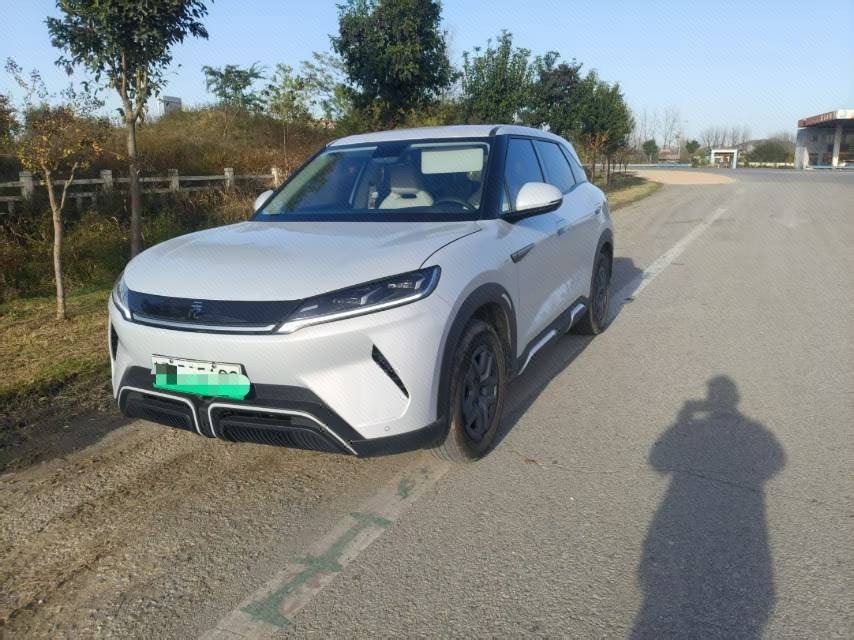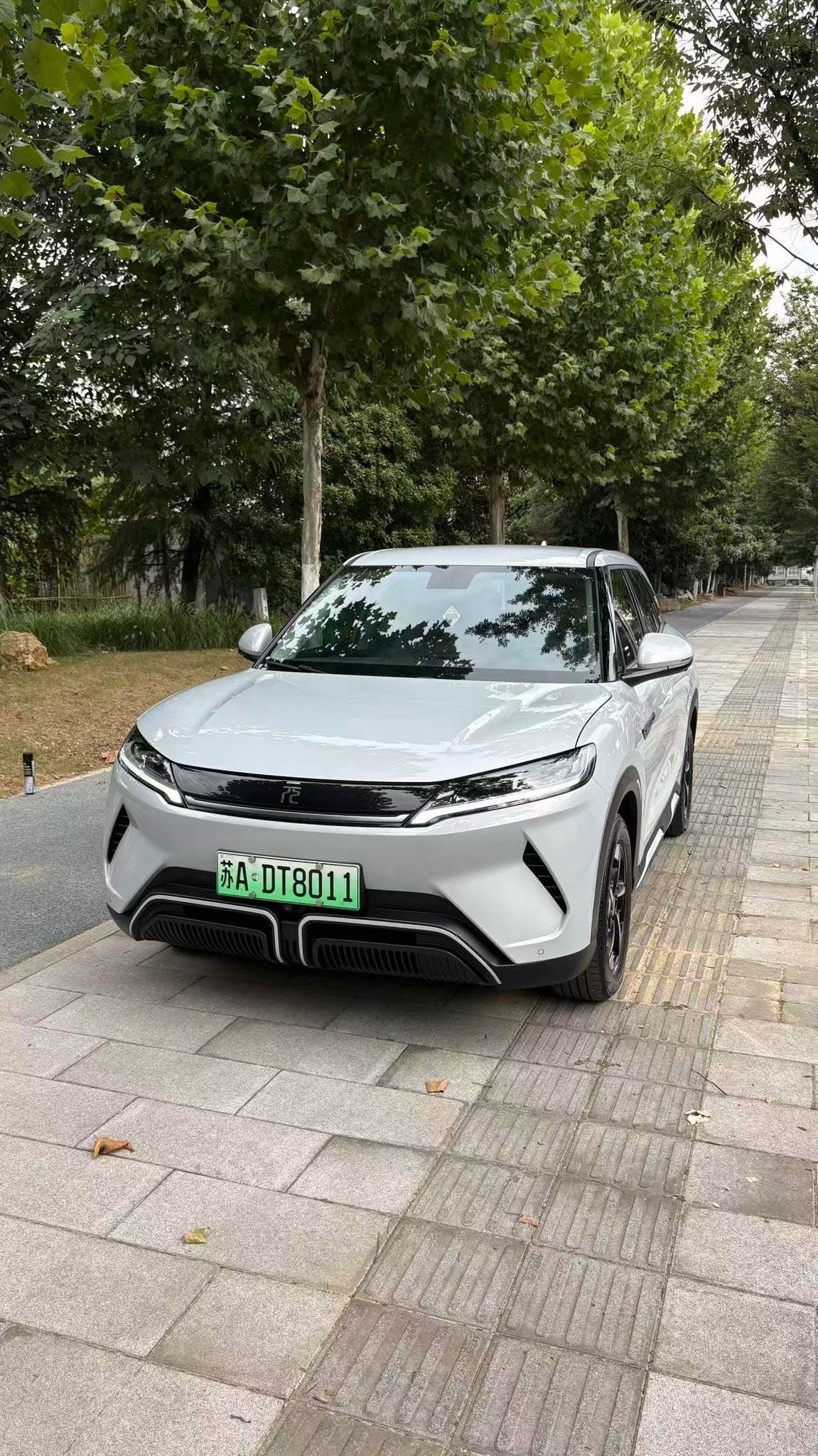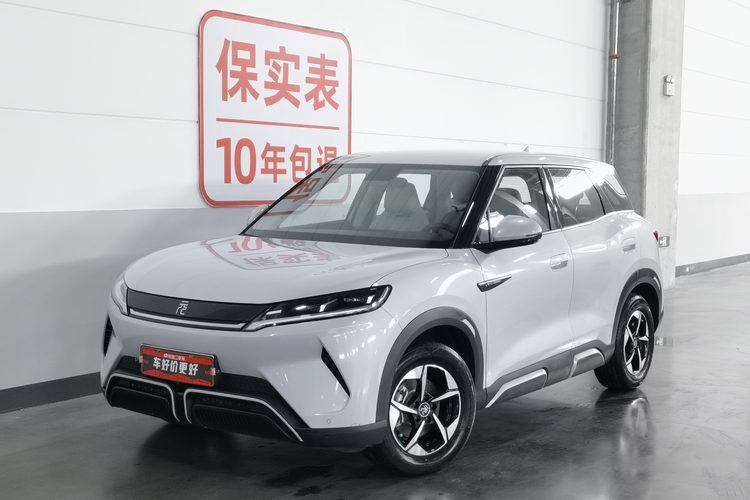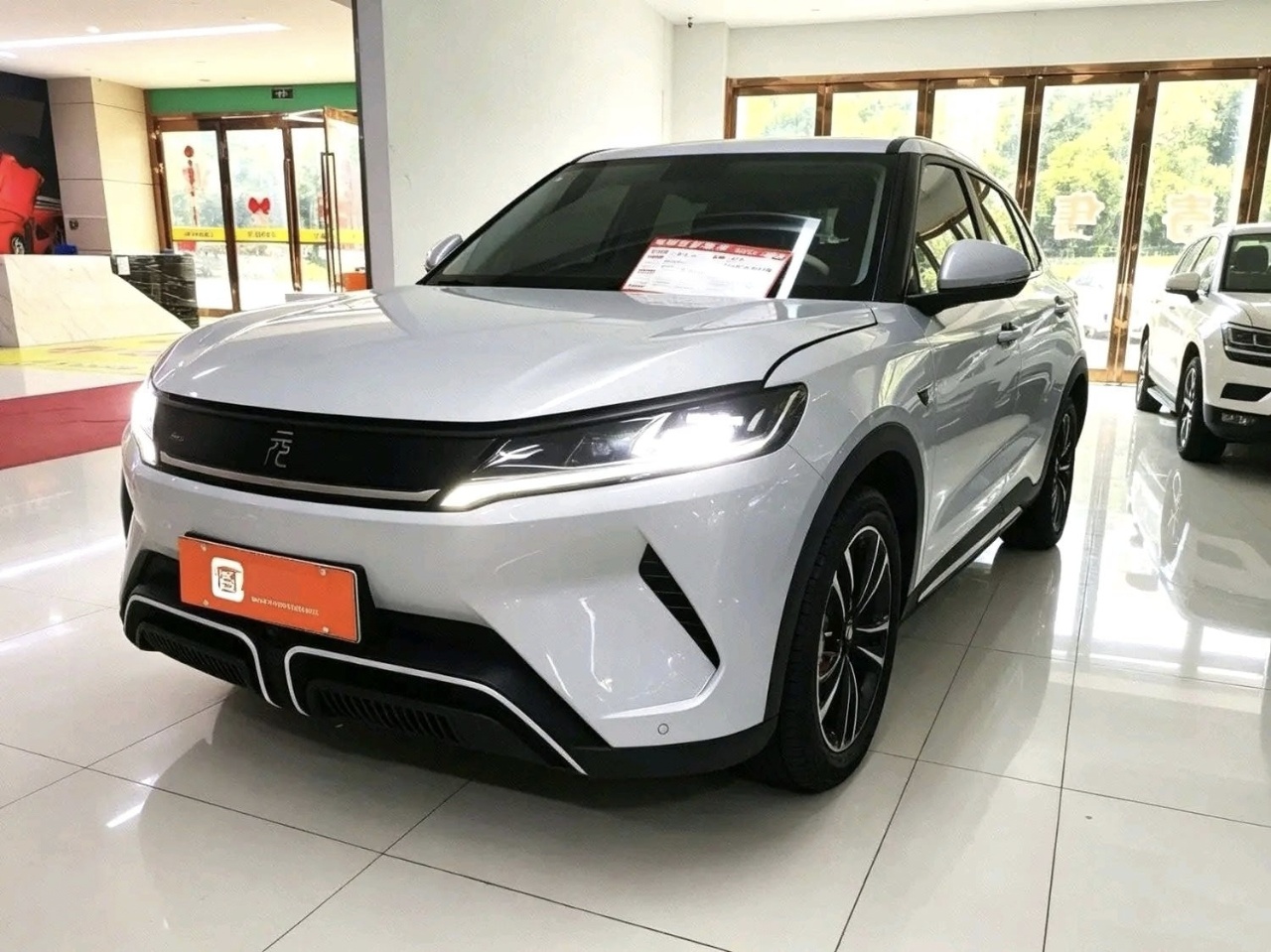


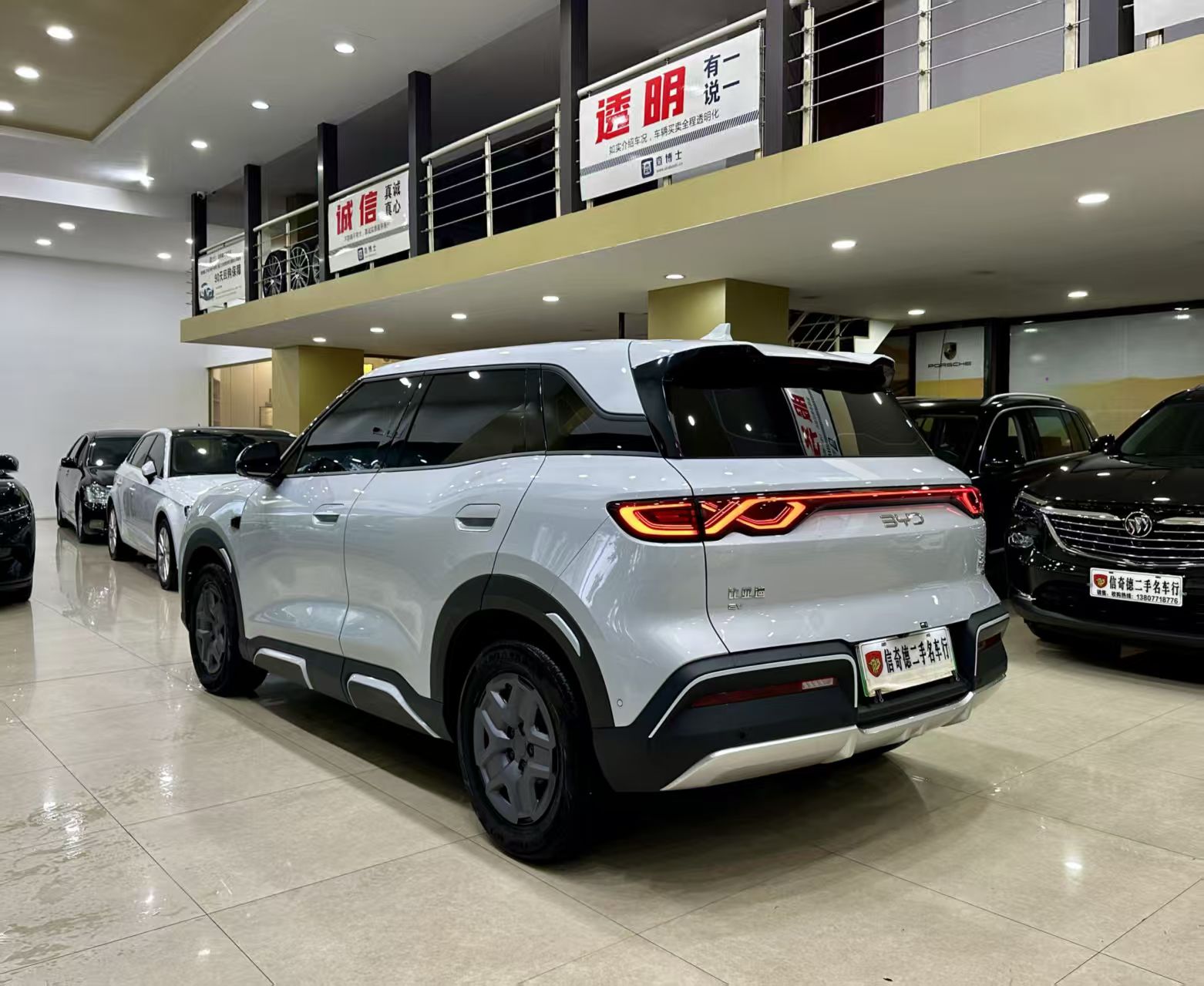
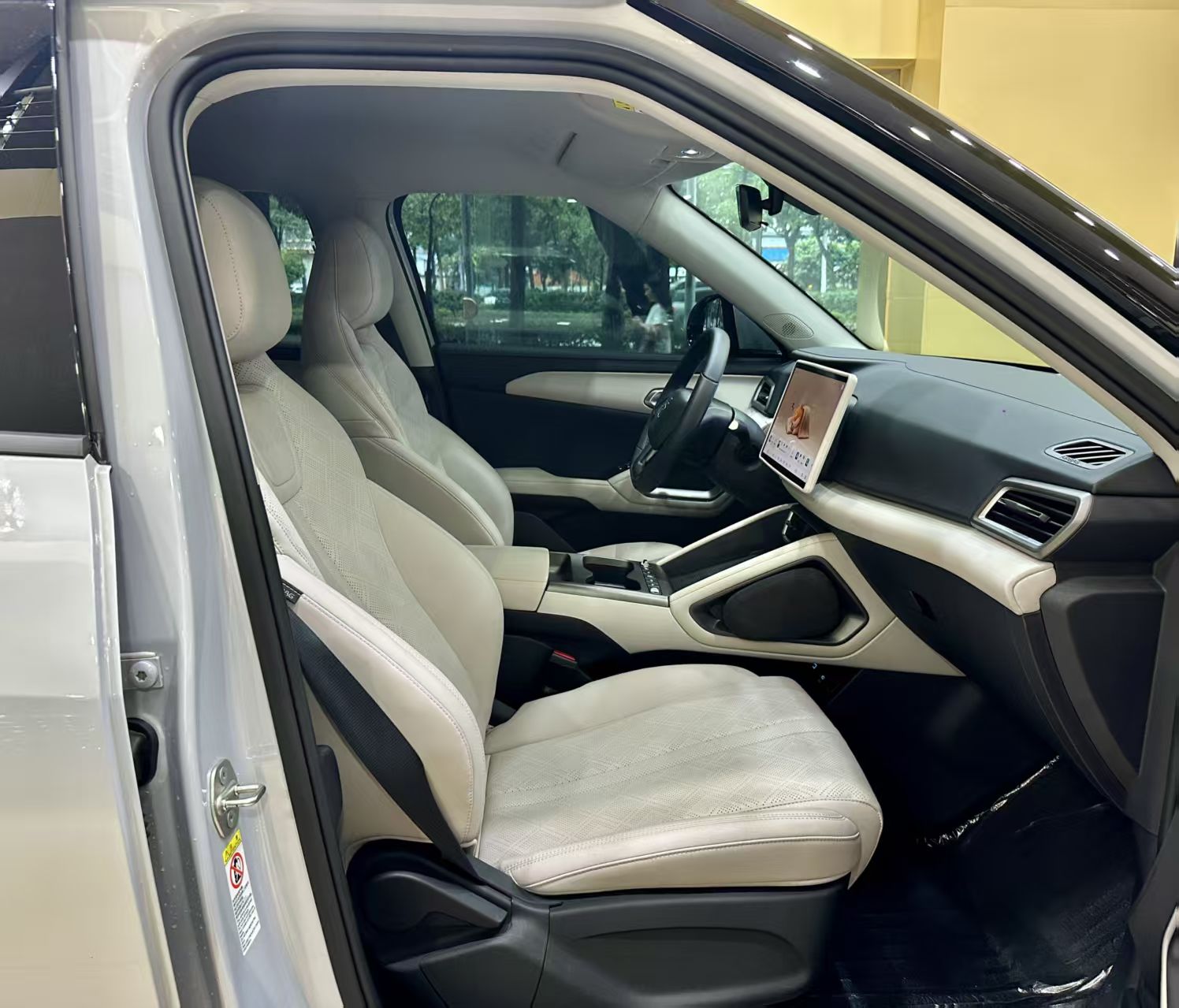
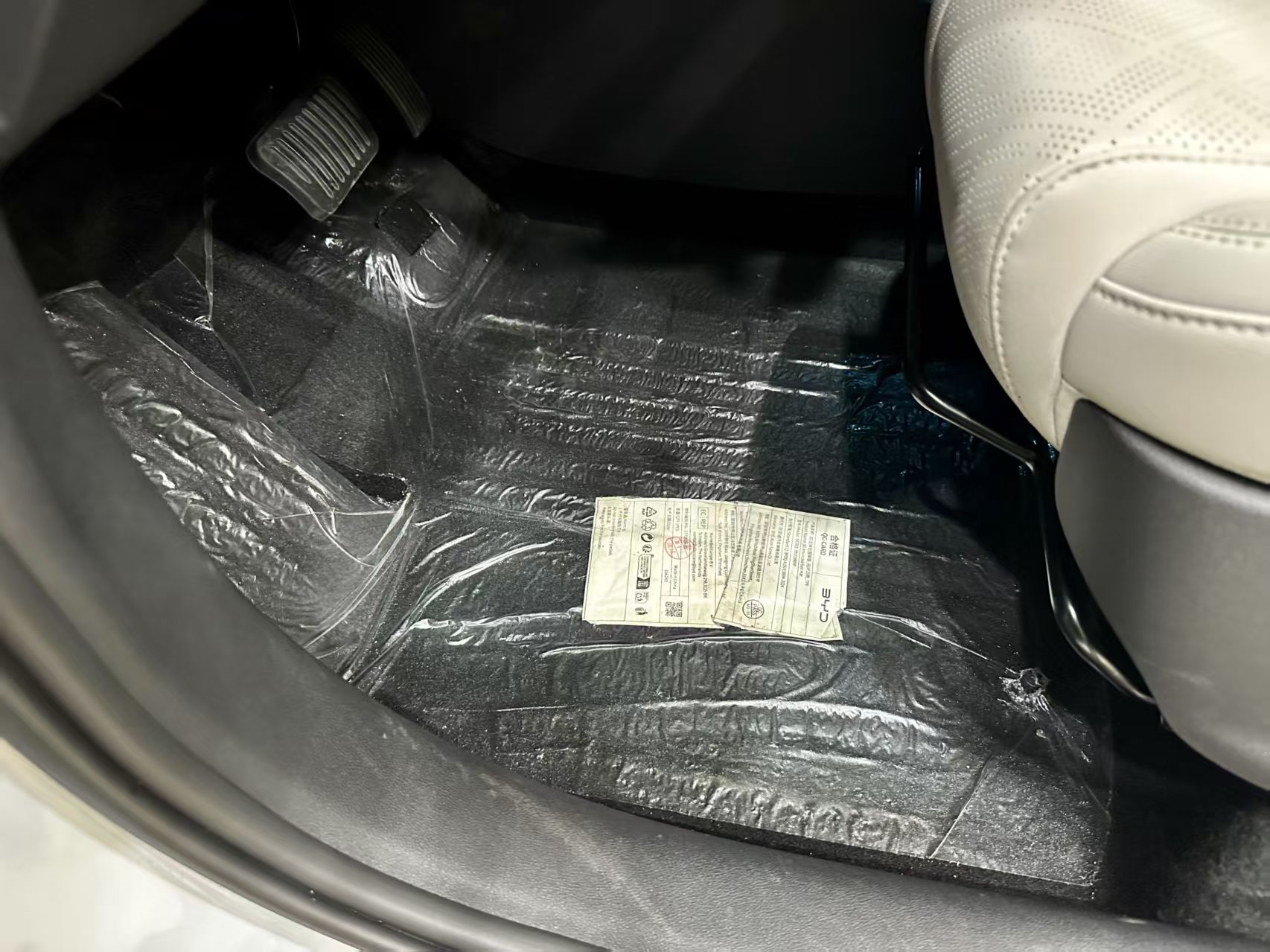
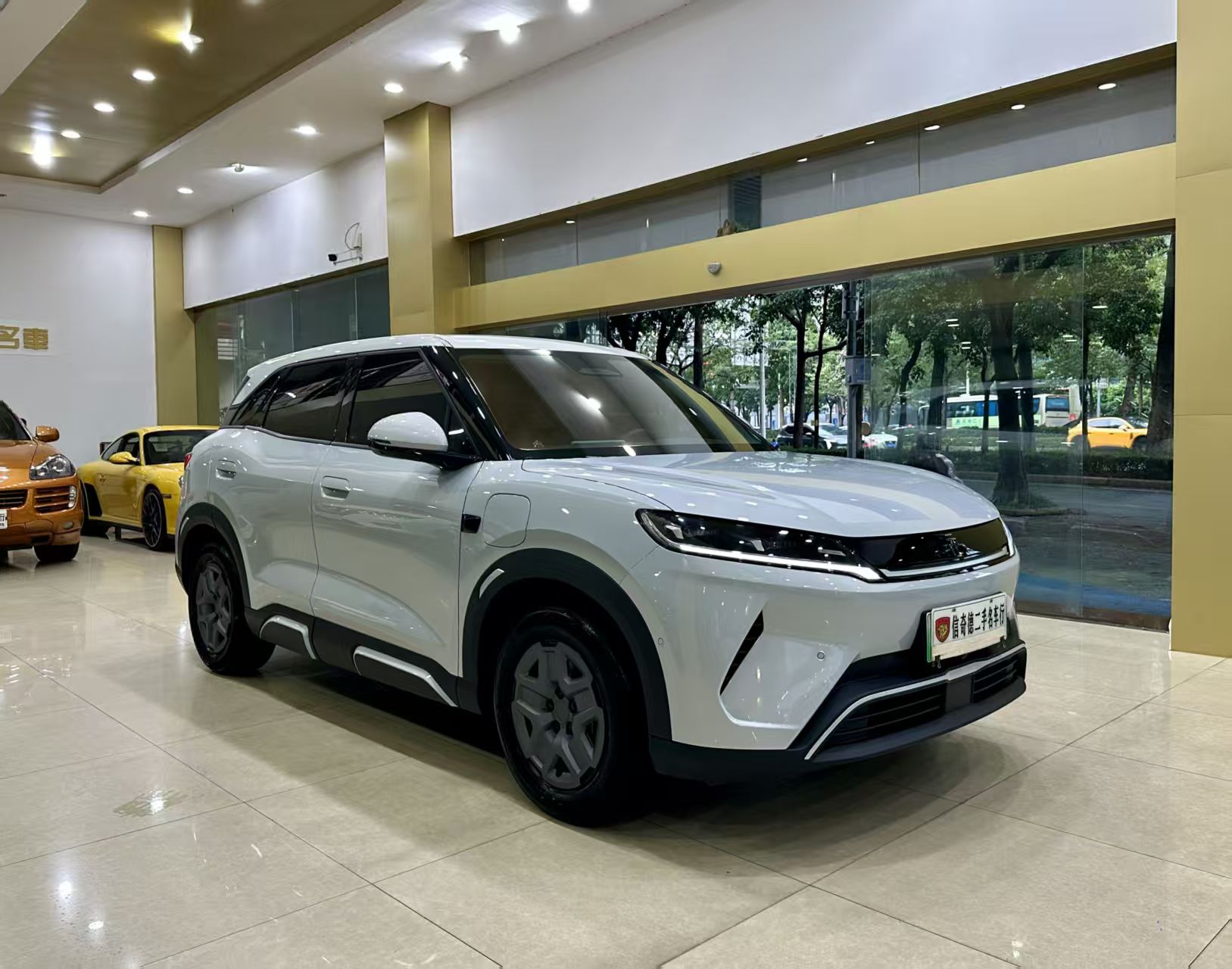




Stock

Basic Information

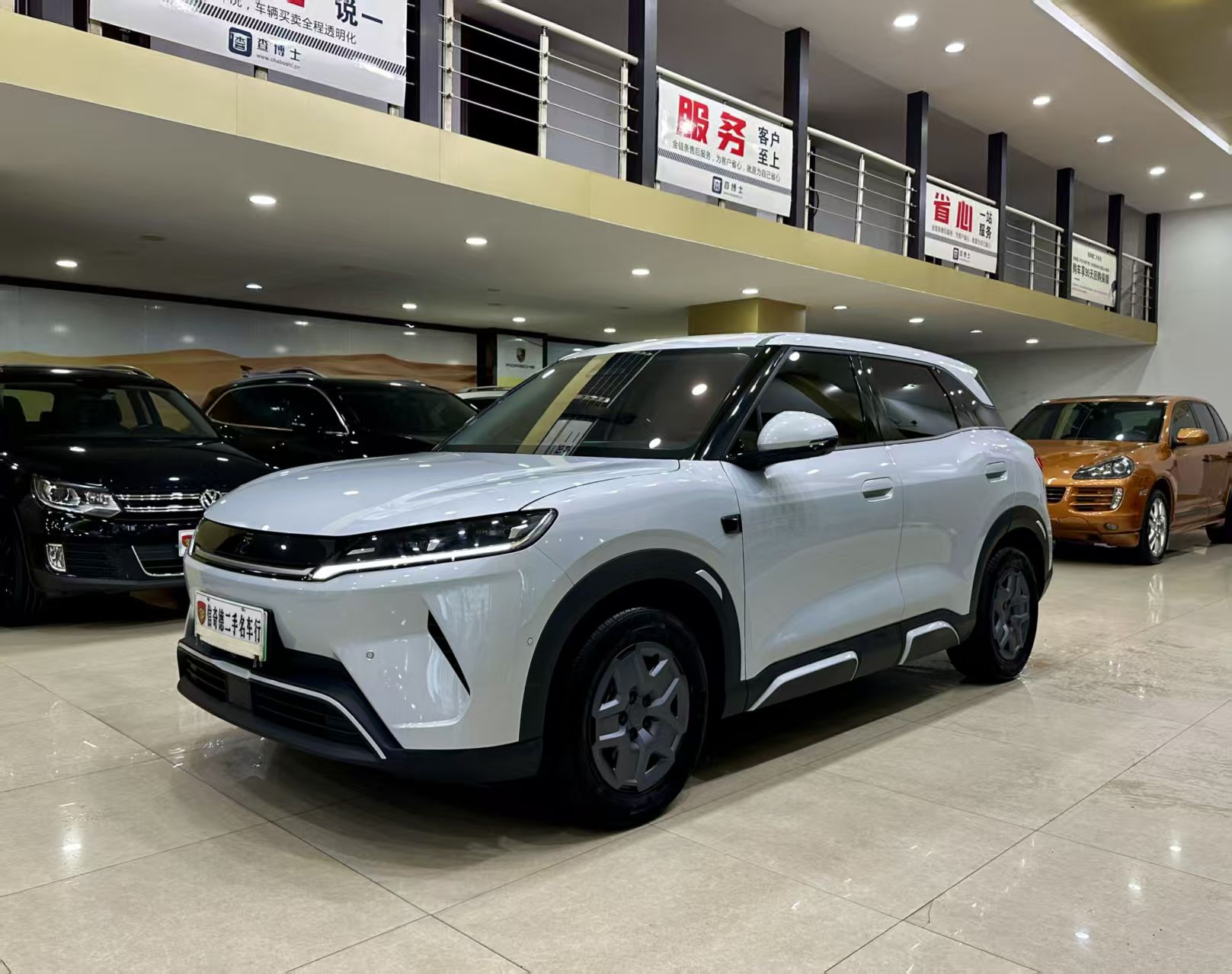
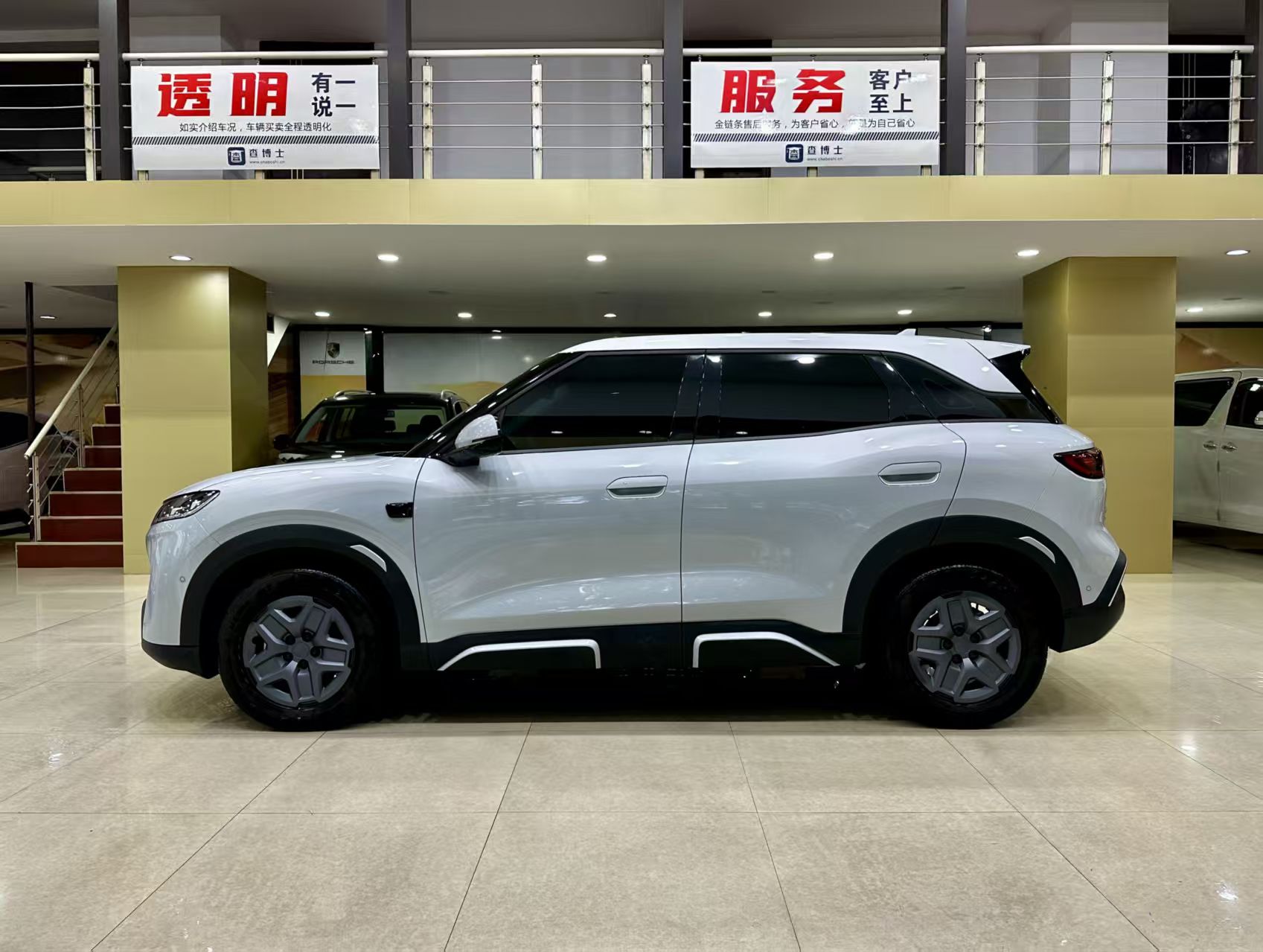
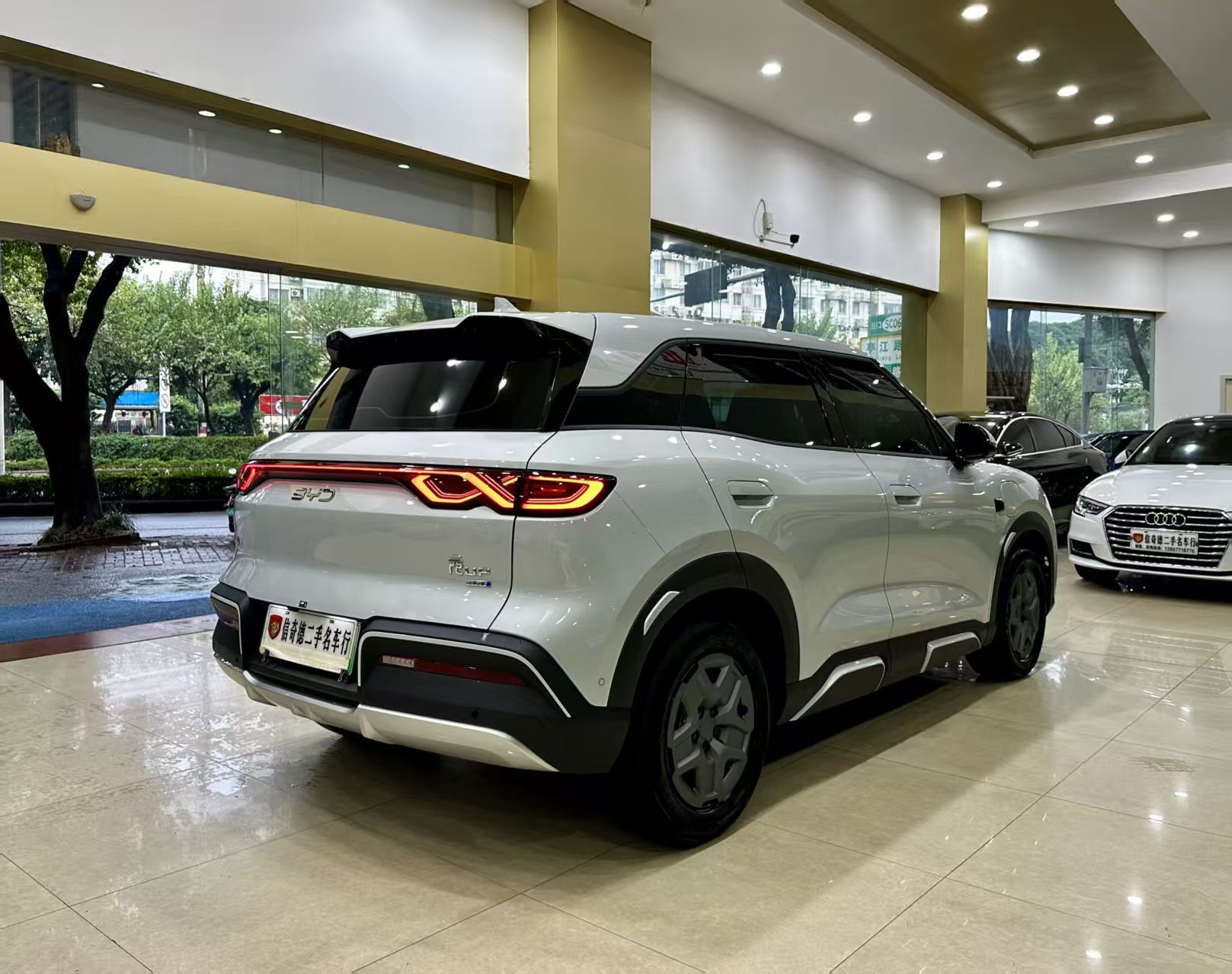
BrandBYD
SeriesYuanUP
Year2025
First Registration2025/11
Mileage10,000km
Transfer Count0times
Fuel-
Transmission-
Engine-
Color银
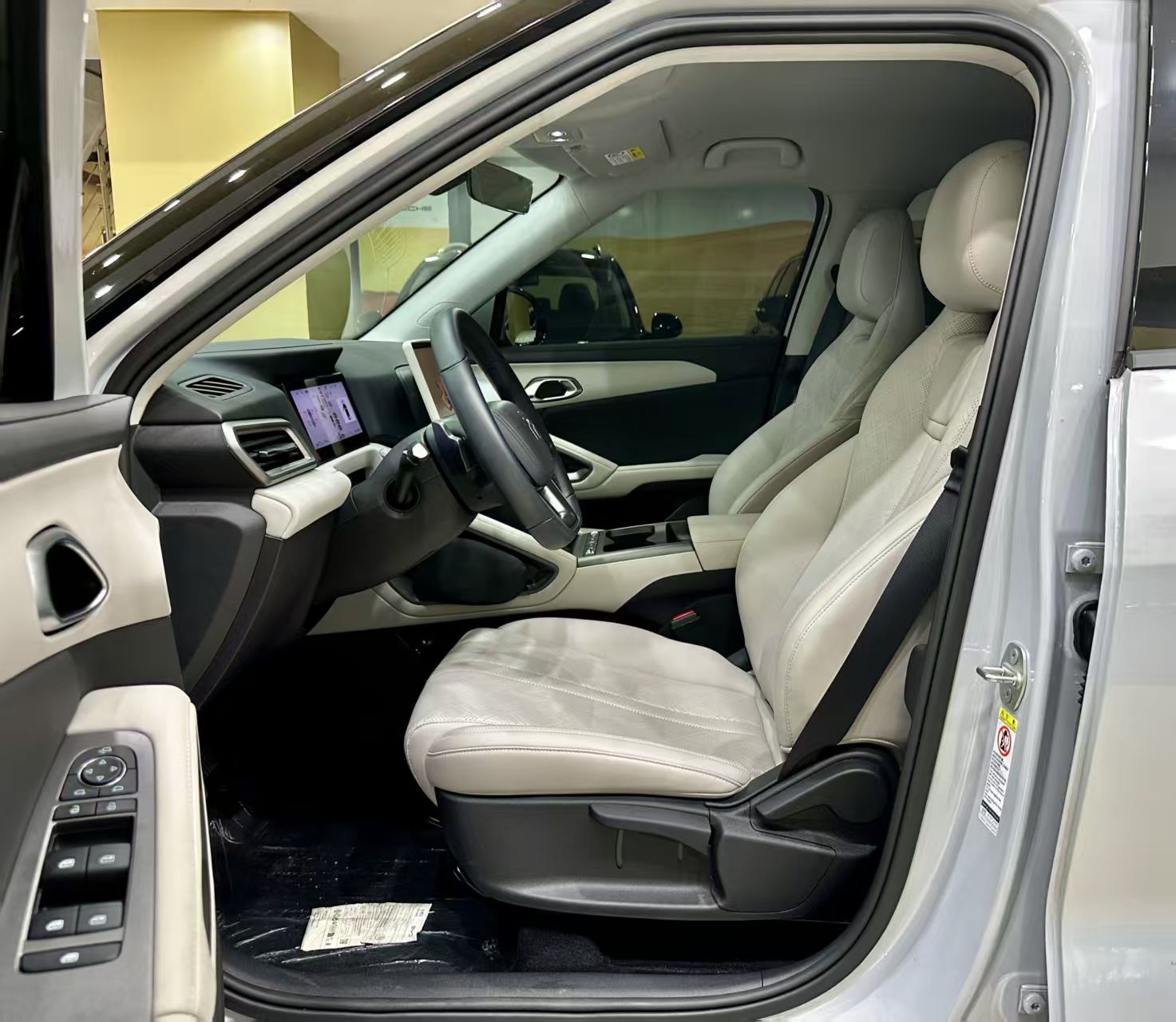
Seats-

Condition Description

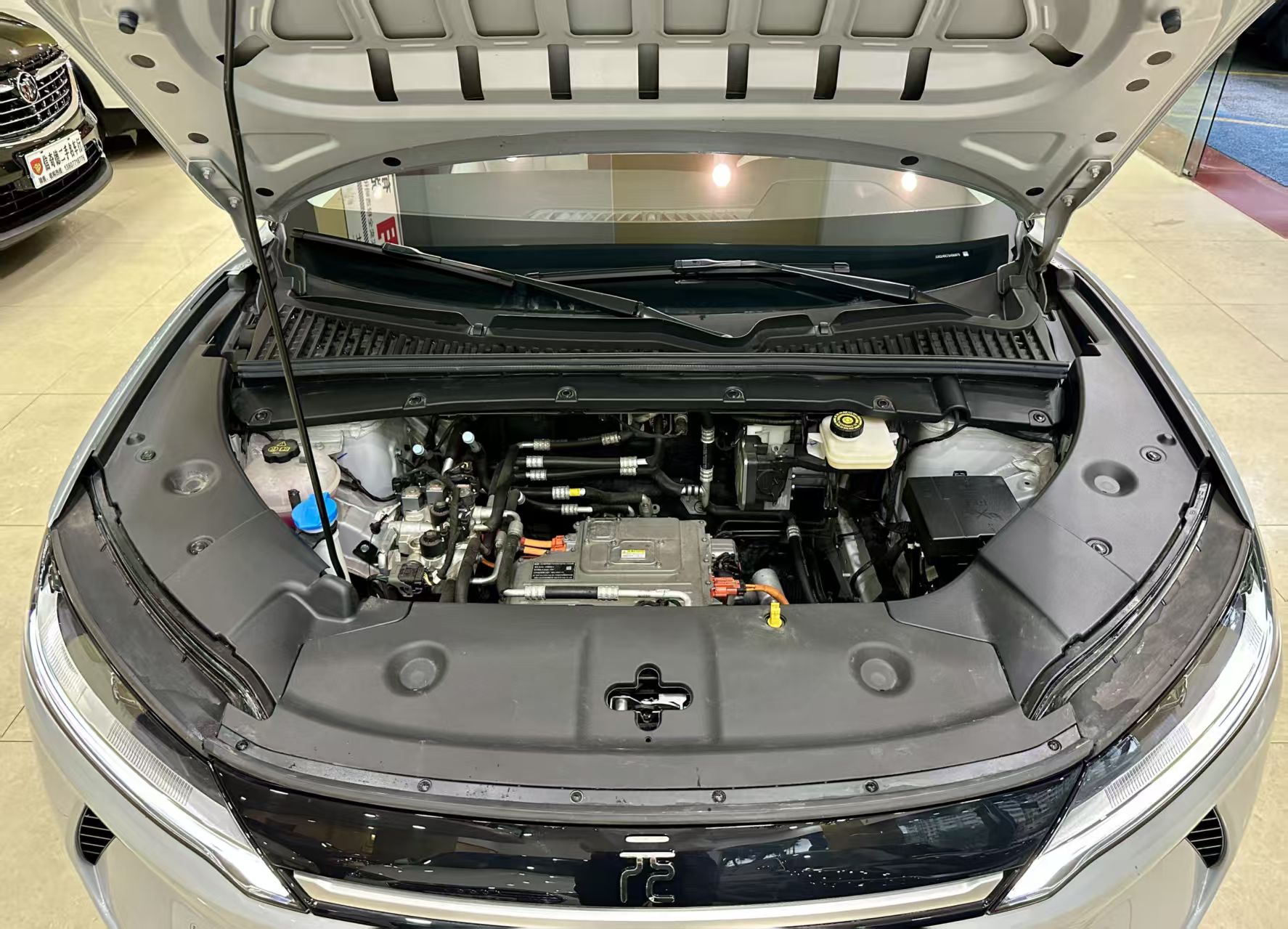
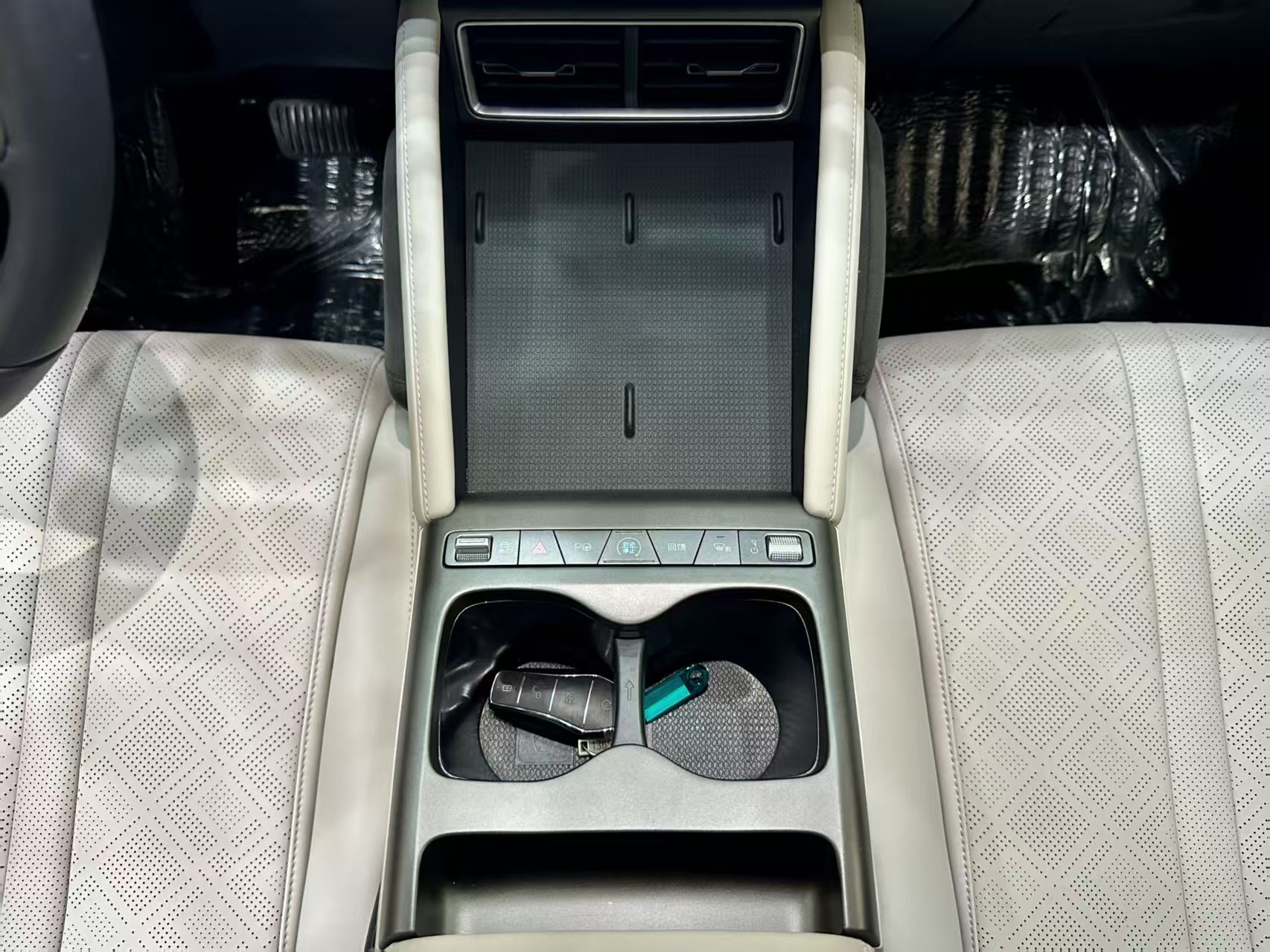
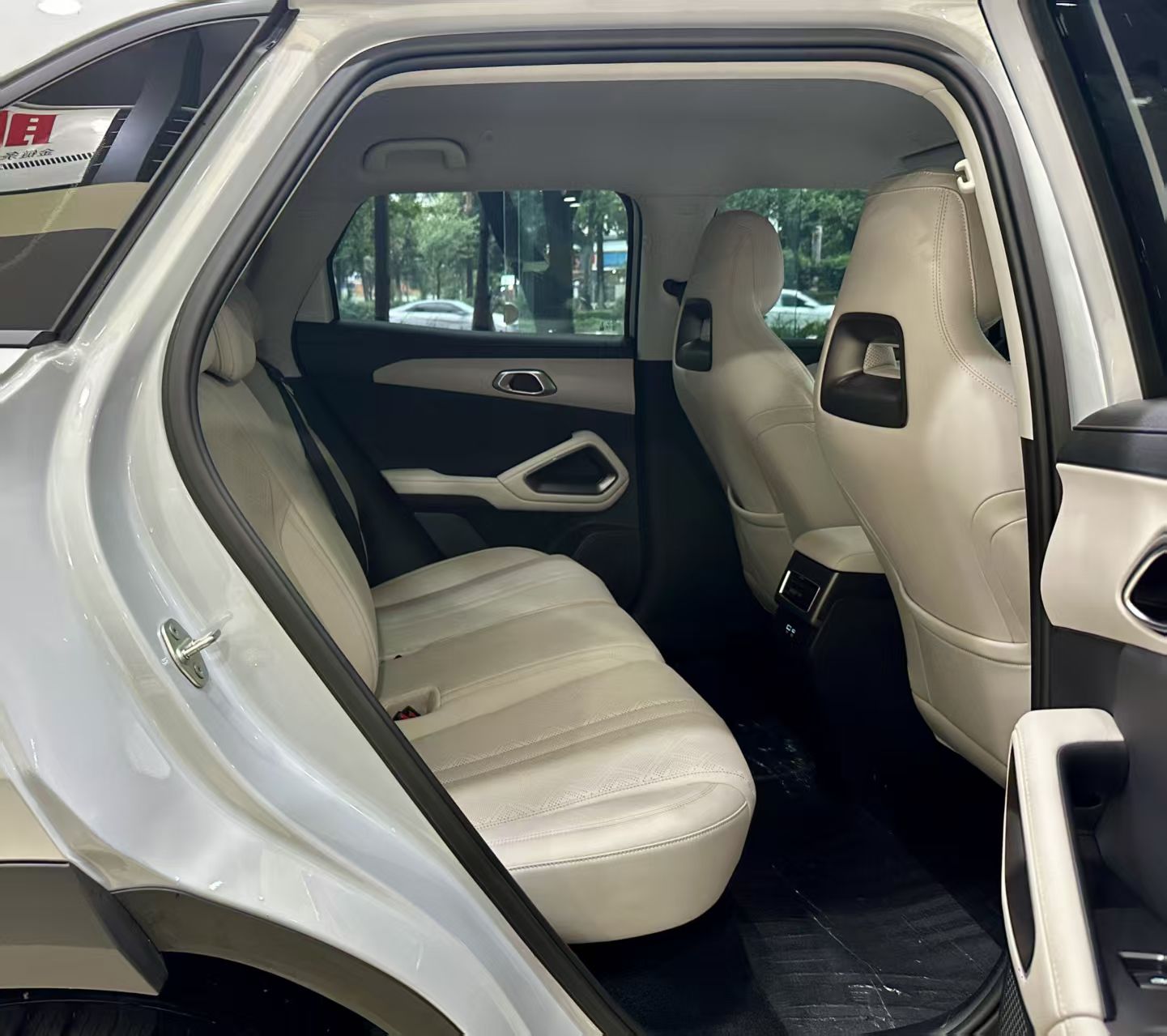
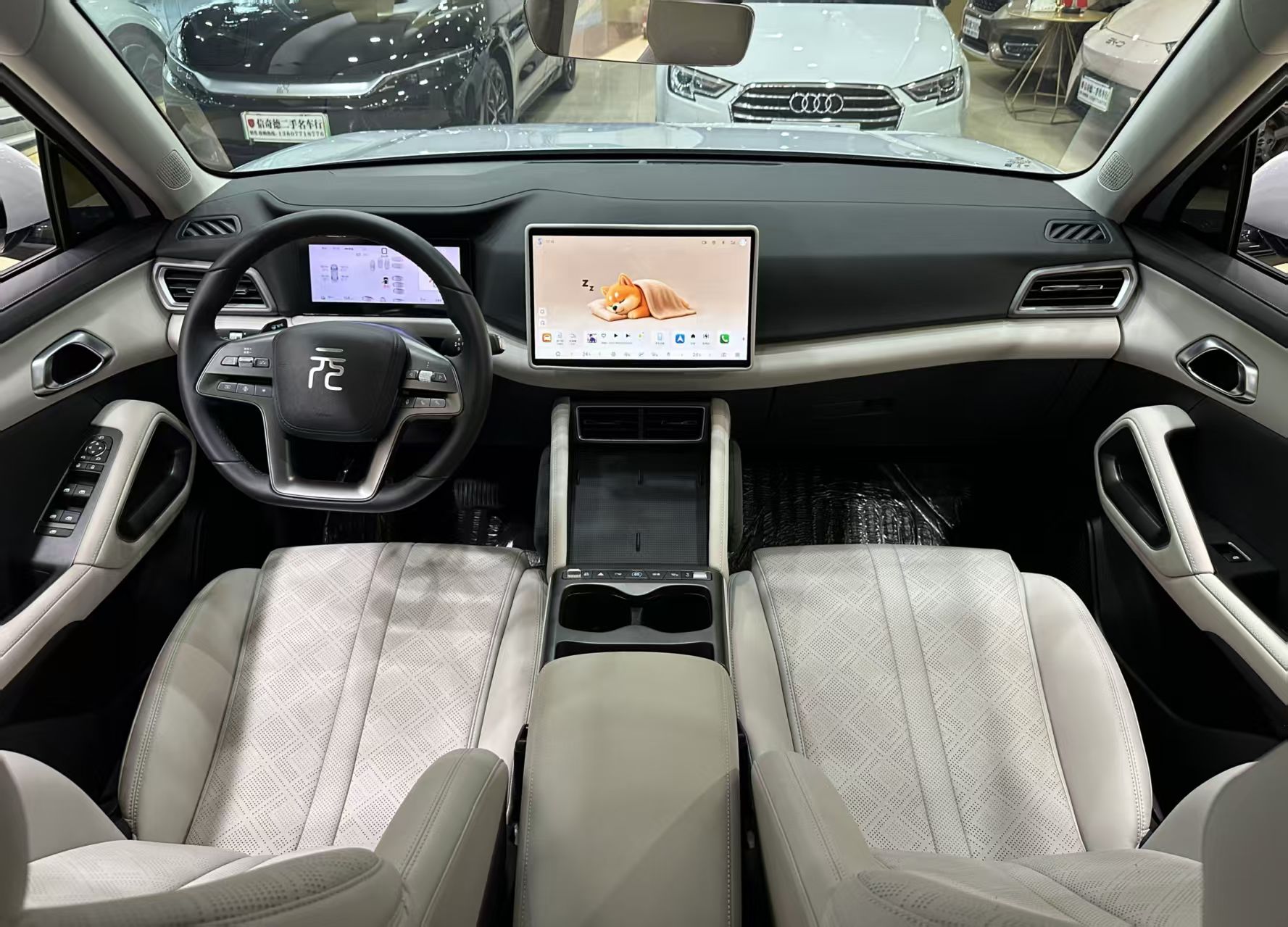
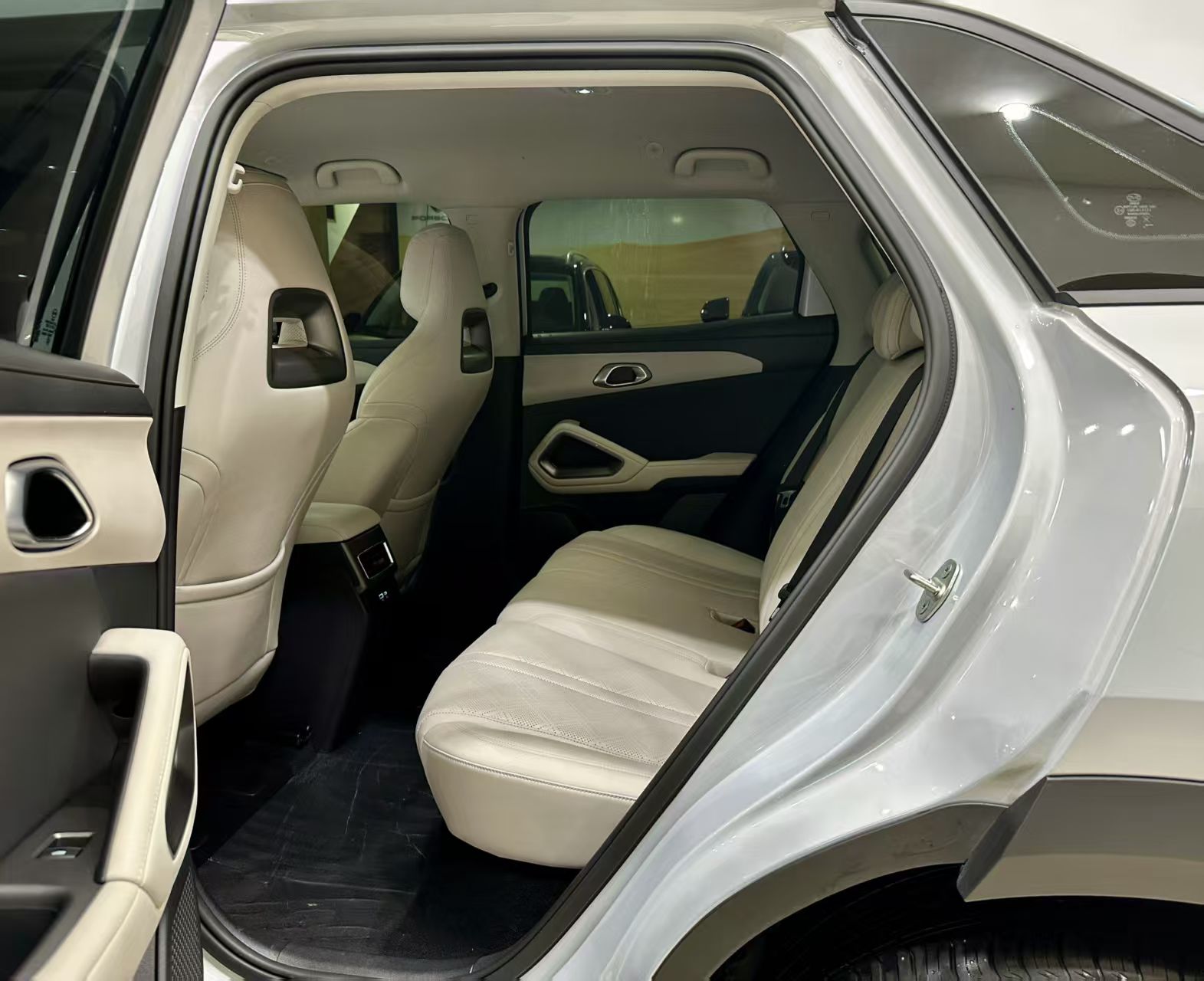
Original paint

Q&A

More

What should I do if the roll-on/roll-off vessel carrying my vehicle experiences a fire or a typhoon at sea causing damage?

Under CIF (Cost, Insurance, and Freight) terms, we will insure your vehicle with a reputable international insurance company for "All Risks" before shipment. If total loss or partial damage occurs during sea transport, the risk transfers to you once the goods cross the ship's rail. However, sellwellauto will not stand by; we will assist you in preparing complete claims documentation (such as the bill of lading, invoice, and damage photos) to initiate a cross-border claim process with the insurance company, minimizing your financial loss.


What engine checks beyond a cold start should a pre-purchase inspection of a used Chinese car include?

A cold start tells you a lot, but it isn't enough. Ask your inspector for these additional checks: Compression test: measures cylinder pressure in each cylinder. Consistent readings across cylinders mean healthy piston rings and valves; one low cylinder suggests internal wear. Timing system: listen at idle and at 2000 rpm for chain rattle or belt squeal. On turbo engines, check for play in the turbo shaft and oil in the intake piping. Exhaust analysis: blue smoke means oil burning (worn rings or valve seals); white sweet-smelling smoke can mean head gasket issues; black smoke points to running too rich. Fluid condition: engine oil on the dipstick should not smell burnt or look milky; coolant should be clean without oil traces. Fault codes: a full OBD scan beyond pending codes — look at misfire counters, fuel trim values, and any history codes that were recently cleared. Ask for photos of the dipstick, exhaust at idle and revving, and the live OBD data. These give you an objective engine health record.

What can a pre-purchase OBD diagnostic scan actually reveal about a used Chinese car?

An OBD scan is one of the most cost-effective tools in a remote pre-purchase inspection, but you need to know what it can and cannot tell you. What it reveals well: current and stored fault codes across the engine, transmission, ABS, airbag, and body modules. A car with dozens of cleared codes in multiple modules may have electrical problems or a history of tampering. It also shows readiness monitors — if all monitors show 「not ready」 on a car that claims to be freshly serviced, the codes were probably cleared recently to hide something. What it reveals with the right software: live data. You can watch engine idle stability, coolant temperature under load, transmission shift behavior, and battery cell voltages on EVs. Abnormal fuel trims or misfire counters can flag worn injectors or coils before any warning light appears. What it cannot do: prove real mileage (odometers can be corrected digitally), detect physical accident repairs, or judge paint and rust. Practical advice: ask your inspector for a full-system scan report with screenshots, not just a 「no codes」 verbal summary. For Chinese brands, make sure the tool supports their protocols — mainstream scanners cover BYD, Geely, and Chery well, but some small brands need brand-specific software.