



48H

Basic Information

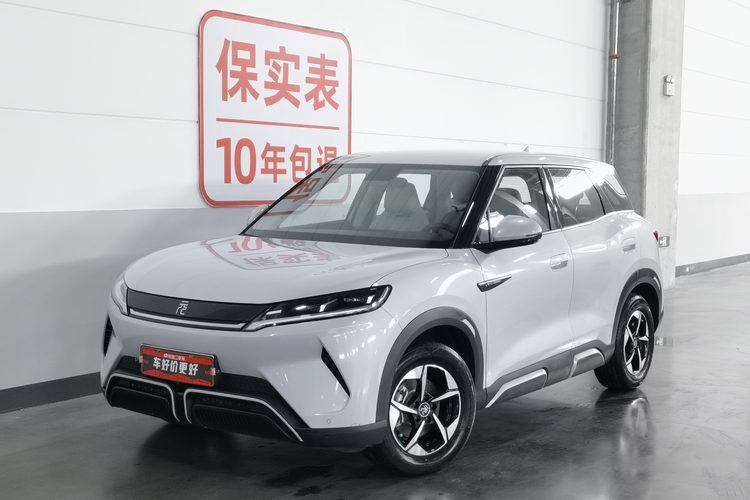
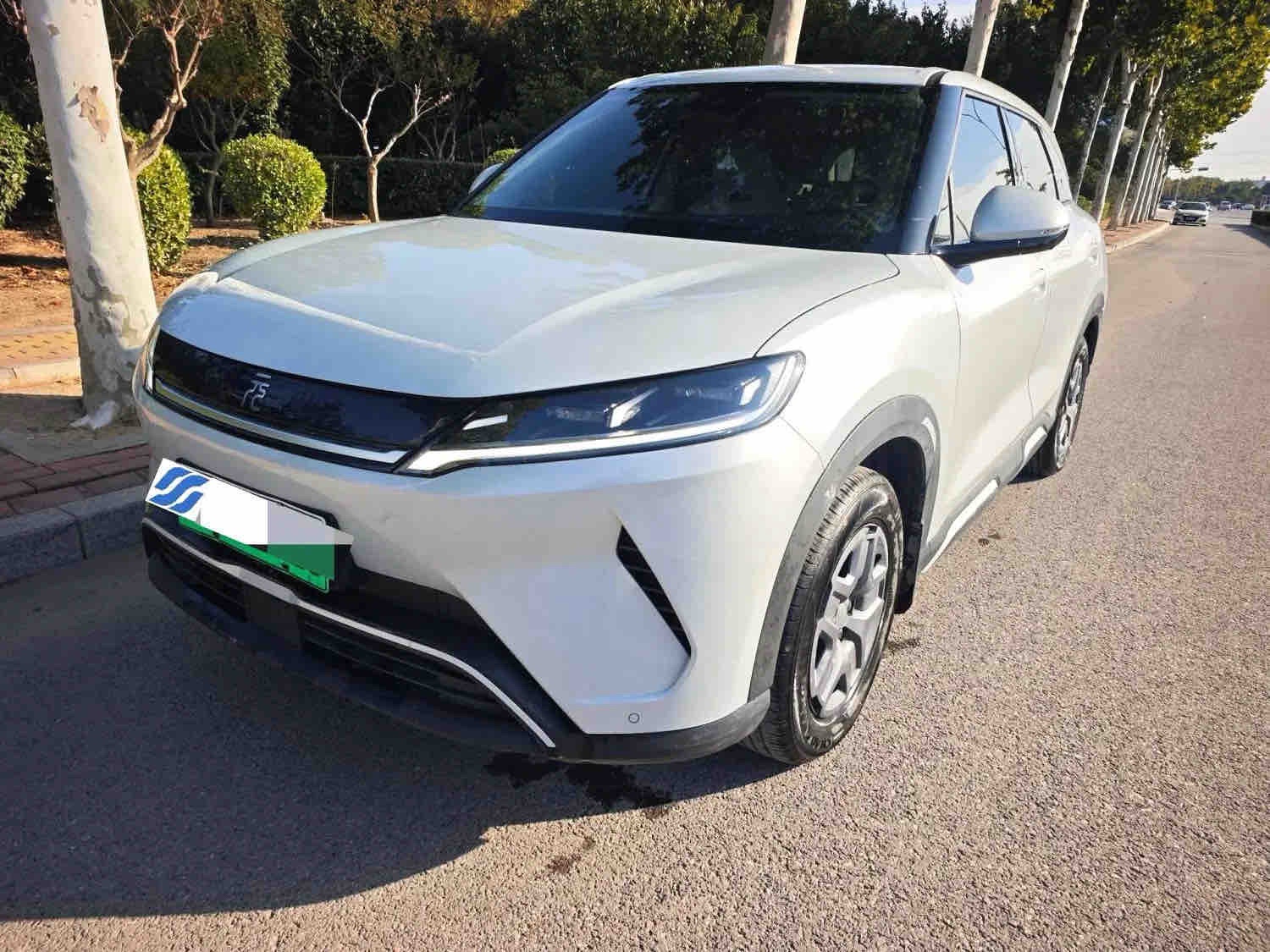
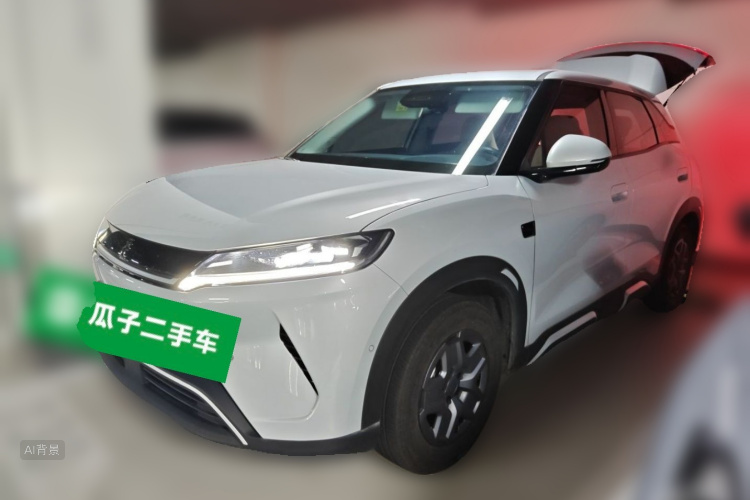
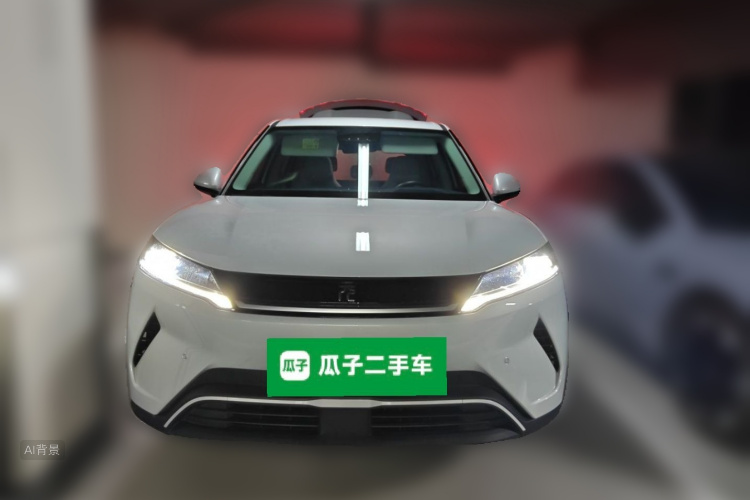
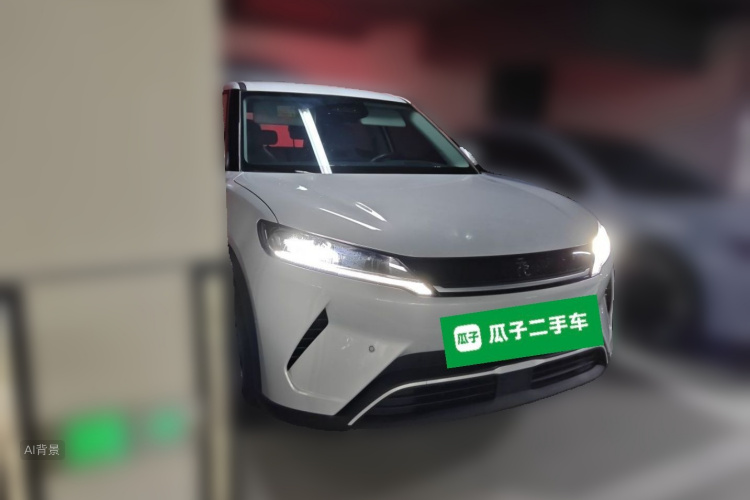
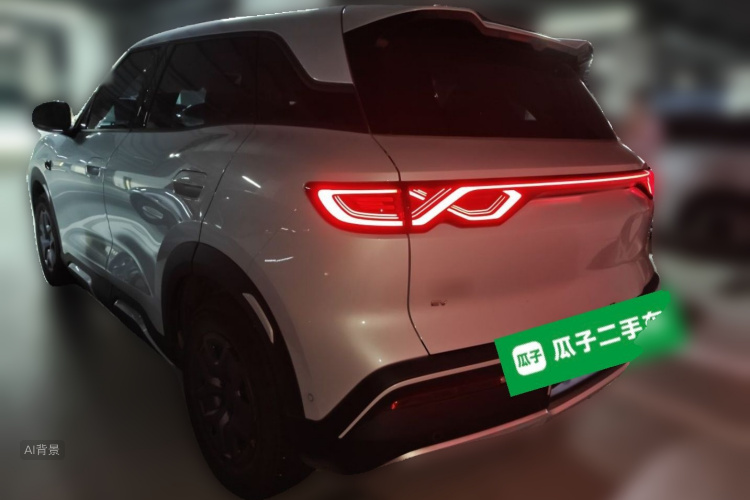
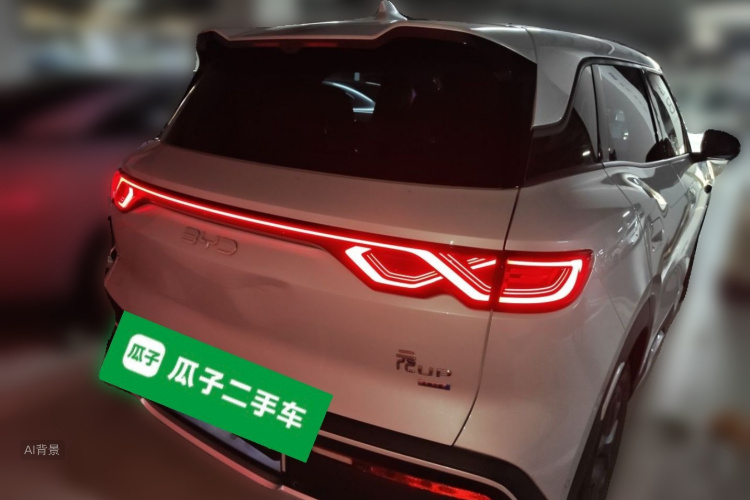
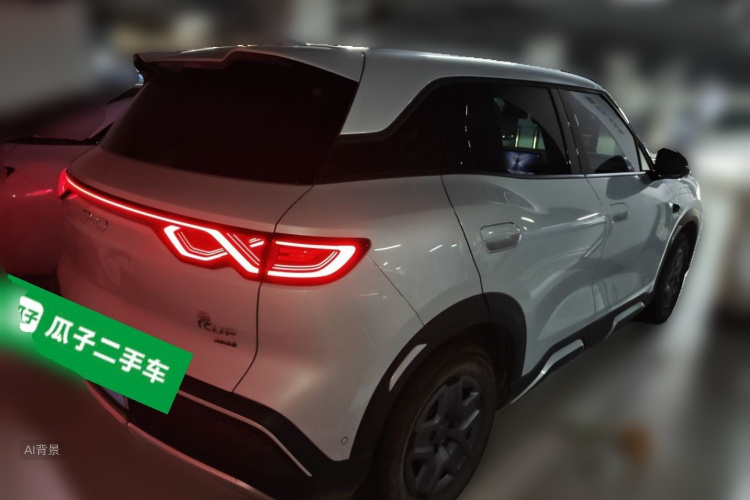
BrandBYD
SeriesYuanUP
Year2025
First Registration2025/09
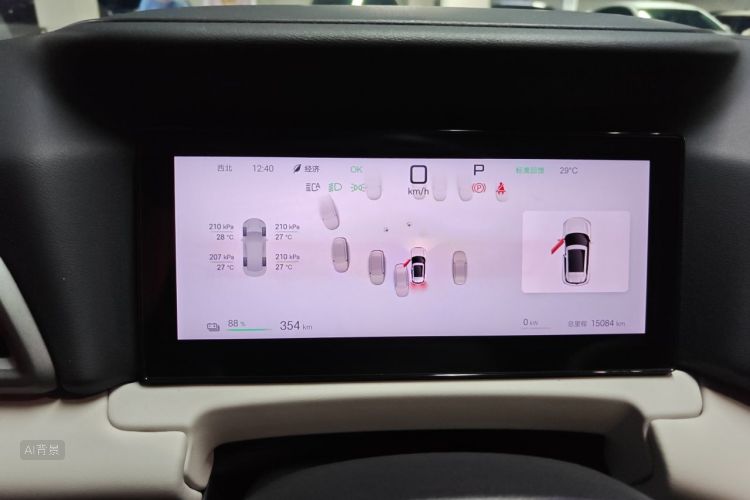
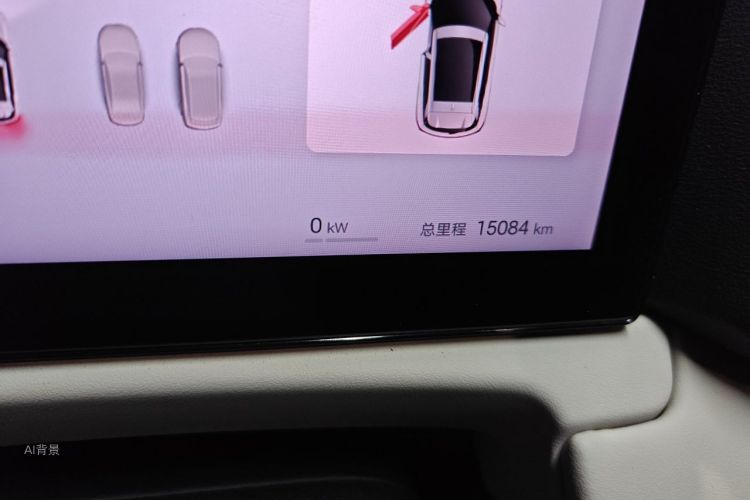
Mileage15,100km
Transfer Count0times
FuelElectric
TransmissionOther
Engine-
Color
Seats5seats

Condition Description

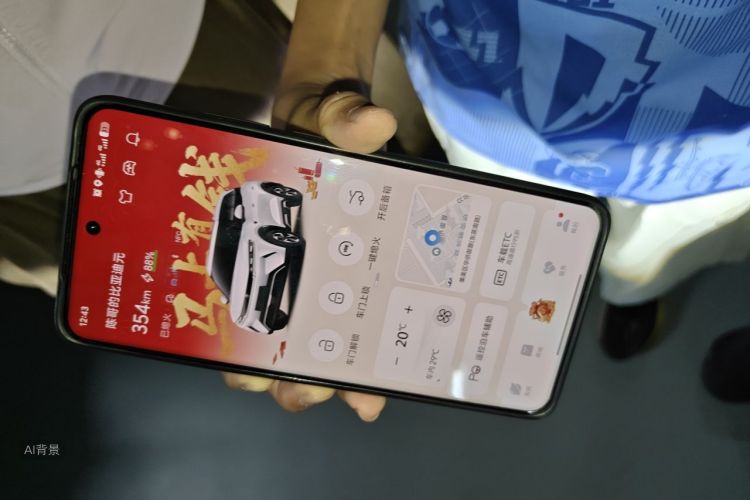
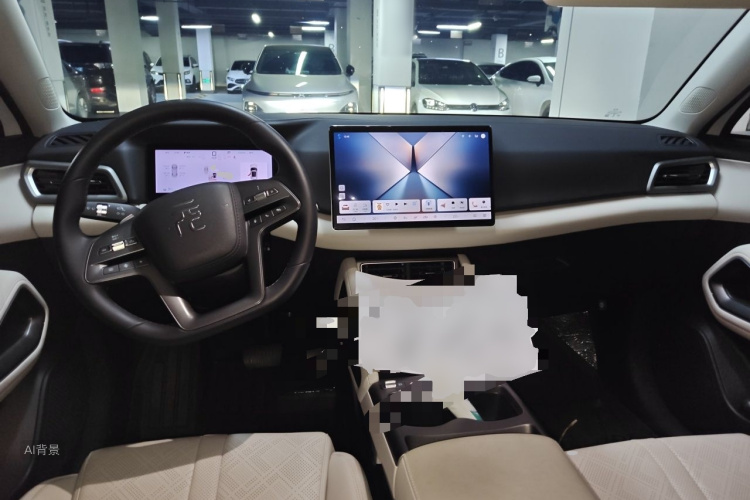
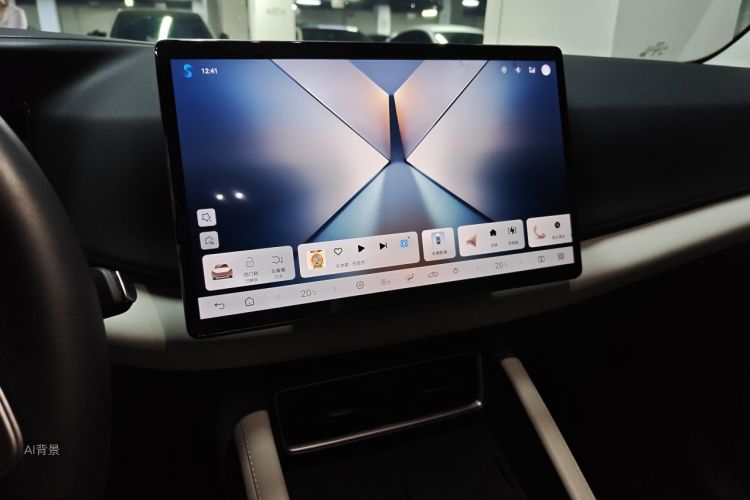
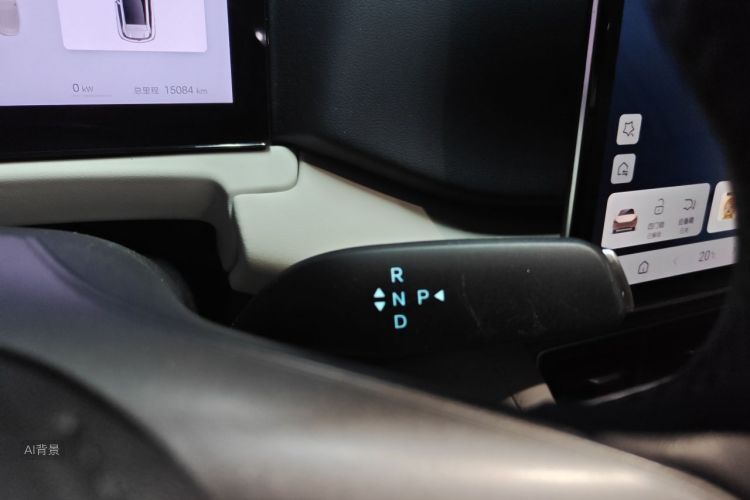
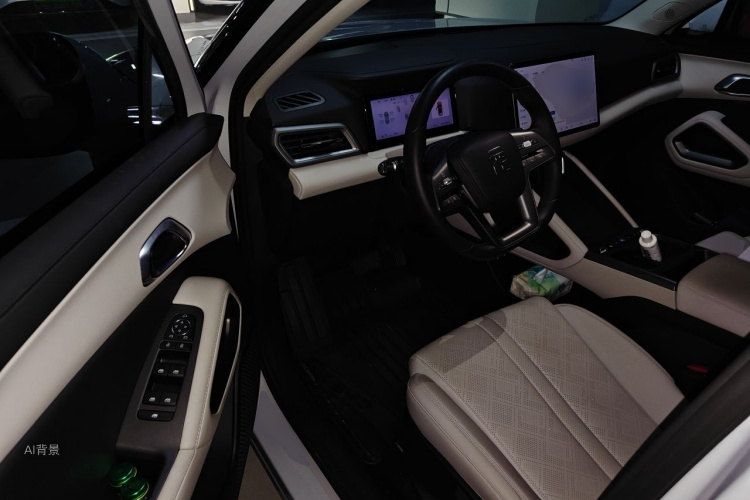
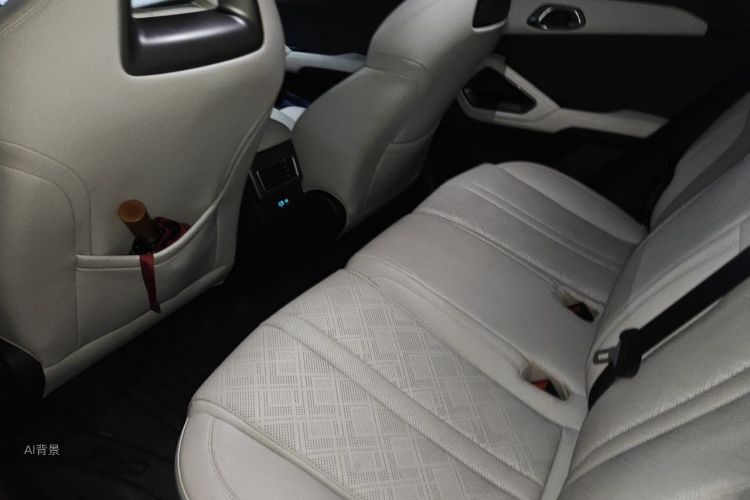
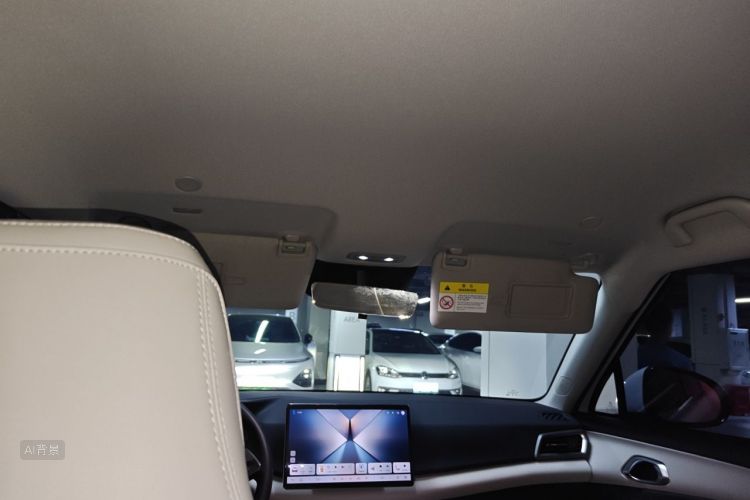
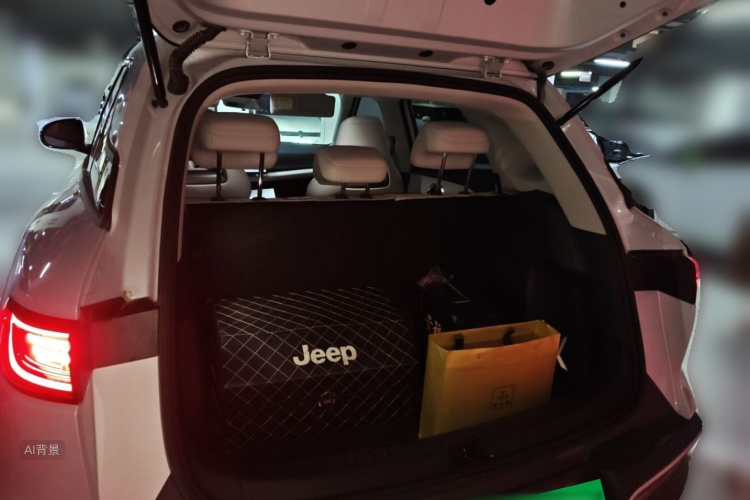
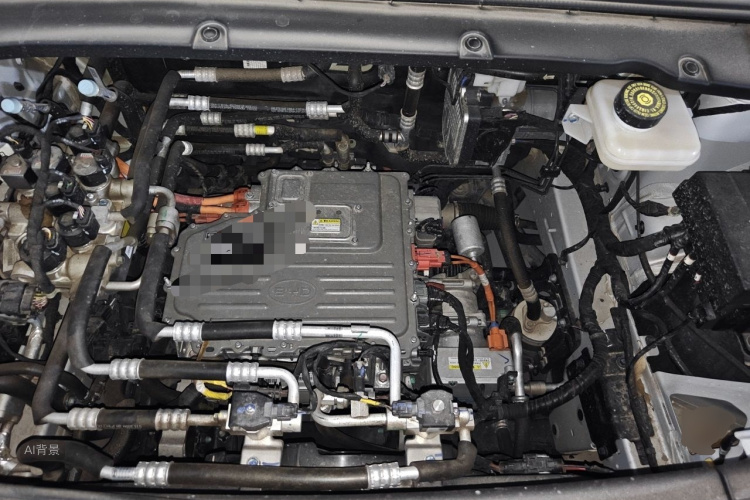
Battery health 94% | 0 claims | 0 transfers

Q&A

More

What does a professional pre-purchase inspection in China include, and which inspection points matter most before shipping?

A professional pre-purchase inspection in China normally covers five parts: exterior and interior condition, a lift inspection of the chassis and frame, engine bay checks, a road test, and OBD diagnostics. Prioritize the chassis rails and A/B/C pillars for cut-and-weld repairs, engine oil leaks and timing noises, transmission shift quality, and OBD fault codes — cleared codes leave telltale history data. For EVs, add battery pack casing, insulation values, and battery state of health (SOH). Insist on original timestamped photos with the VIN visible and a written conclusion such as 'fit for export' or 'major defects found.' A report that only says 'good condition' is not worth paying for.


How can I judge the real mechanical condition of a used car from China without seeing it in person?

Remote mechanical assessment relies on documented evidence: 1. Cold-start video: Ask for a video of the engine starting from cold — listen for rattles, watch for smoke (blue = oil burning, white = possible head gasket issue). 2. OBD scan: A full diagnostic scan reveals fault codes in the engine, gearbox, and electronics. Request the raw scan report, not a screenshot summary. 3. Service records: Cross-check mileage against maintenance records and inspection stickers; consistent records indicate a cared-for car. 4. Fluid check: Photos of the oil dipstick and coolant color tell a lot — milky oil or rusty coolant are red flags. 5. Test drive video: A short drive video shows gear shifts, braking, and steering behavior. Combine these with the pre-shipment inspection report. A seller who refuses to provide cold-start video or OBD data is a warning sign.

What tools and equipment does a professional pre-shipment inspection of a used car use?

A proper inspection relies on equipment, not just eyes. The inspector should use a paint thickness gauge to measure 50-60 points across body panels; original paint is typically 80-150 microns. An OBD diagnostic scanner reads stored and pending fault codes across all control units, and for EVs it also reads battery state of health and charge cycle counts. The car must go on a lift for the underbody check: frame rails, suspension components, oil leaks and accident repair marks are only visible from below. A battery tester checks starting voltage and charging system health, and a tread depth gauge documents tire condition. Ask for the report to include raw readings and dated photos rather than a simple pass/fail summary - that is what makes it verifiable.