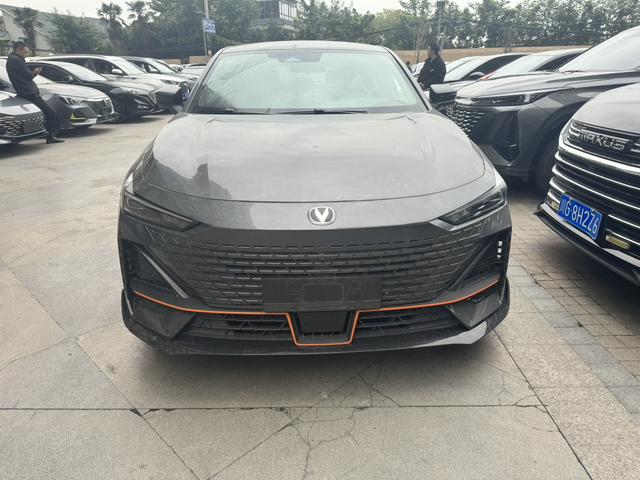
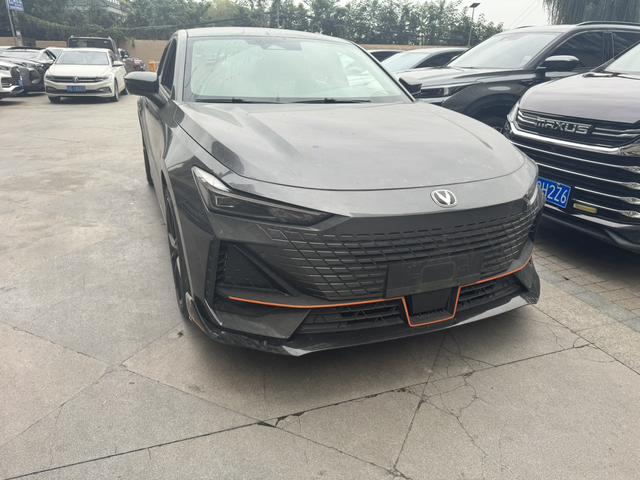
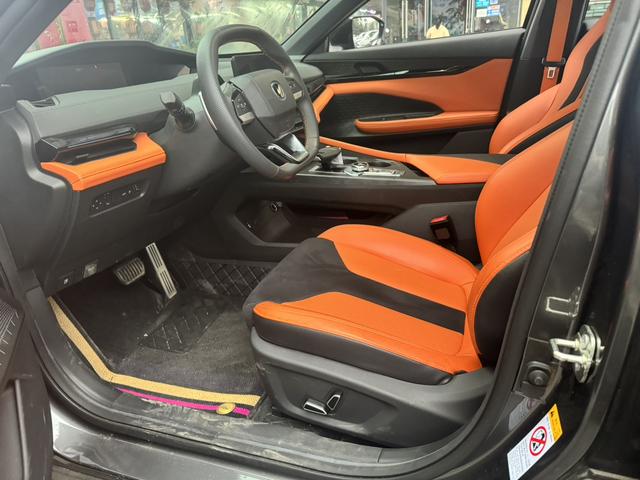
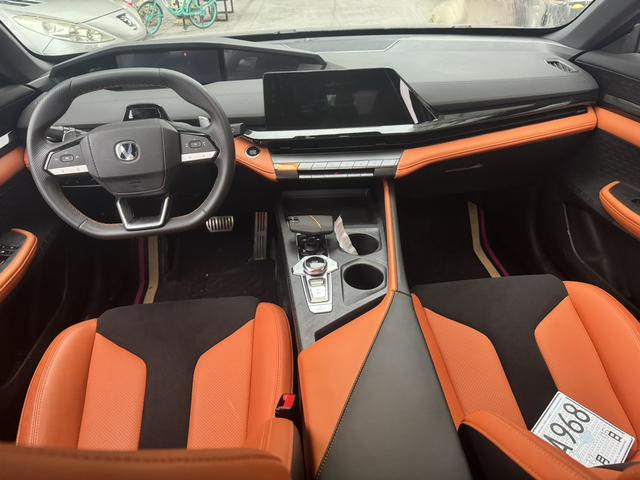
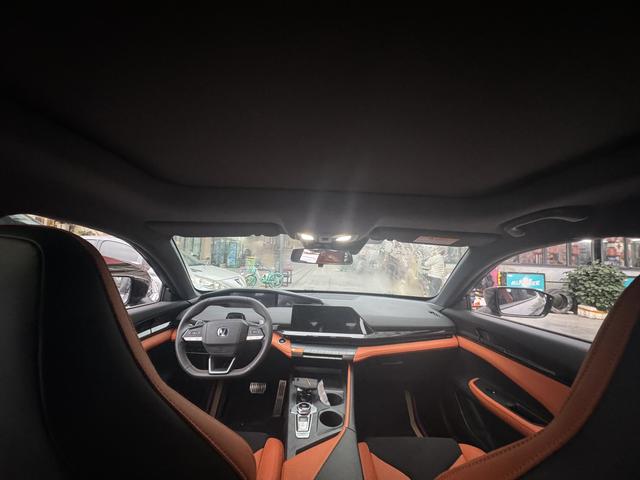
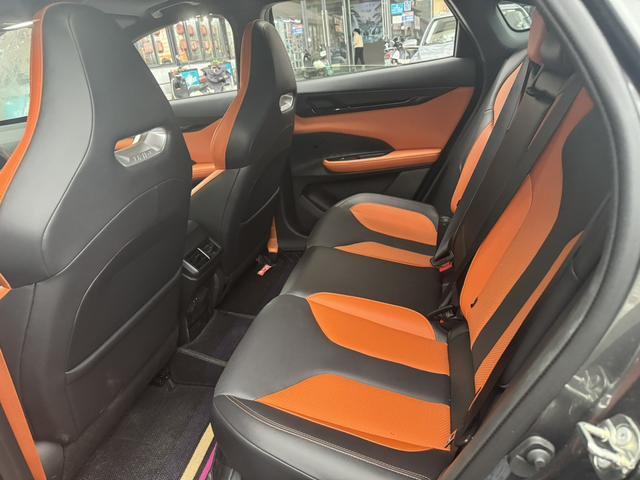
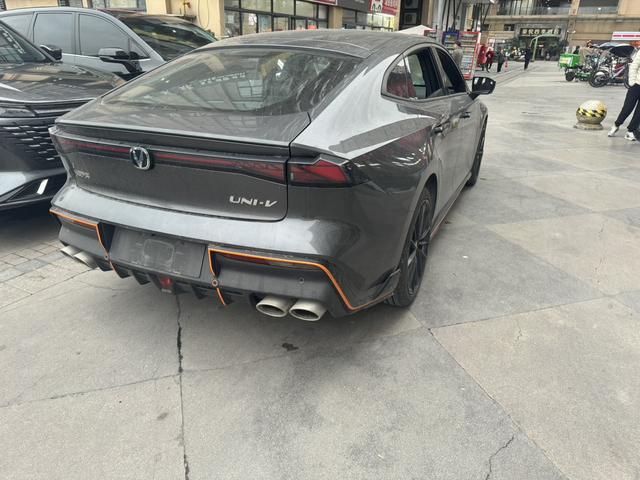
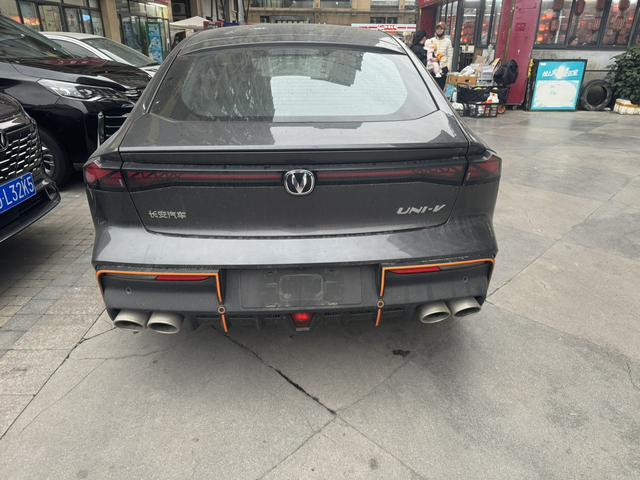
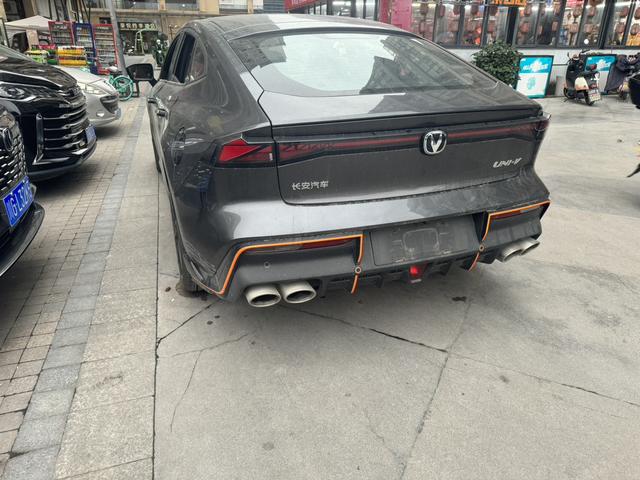
Basic Information

BrandChangan
SeriesBenBen
Year2023
First Registration2023/10
Mileage5,000km
Transfer Count0times
FuelGasoline
TransmissionDCT
Engine1.5T 188 L4
ColorGrey
Seats-

Condition Description

This is a great privately owned car in excellent condition at a very attractive price. All electronic components are in good working order, and the vehicle has a complete set of static and dynamic equipment. It provided an excellent driving experience, especially after a short test drive. The previous owner took extremely good care of the car and is reluctantly selling it due to a change in vehicles. Feel free to call for inquiries! We support any third-party inspection! It comes with a one-year/20,000 km warranty and comprehensive after-sales service. All paperwork is complete, and installment payments are available with simple procedures and fast loan disbursement!

含过户费

Q&A

More

After long-distance sea transport, does the vehicle's air conditioning refrigerant (Freon) need to be vacuumed and recharged?

If there is a minor leak in the lines due to bumps, it is possible that the cooling may not work upon arrival. This is a normal physical loss. The cost of vacuuming, pressure testing, and recharging refrigerant at a local auto repair shop is low and is the buyer's responsibility.

What is a Certificate of Origin and why do I need one when importing a car from China?

A Certificate of Origin (C/O) is an official document stating where the vehicle was manufactured. Customs authorities use it to decide which tariff rates and trade agreements apply to your import. Why it matters: many countries offer preferential tariffs for certain origins. With a valid C/O, such as the ASEAN-China Form E or a GSP Form A, you may pay reduced or zero duty. Without it, you typically pay the standard, higher rate. The certificate must match the vehicle exactly: VIN, make, model and invoice details. It is usually issued by the China Council for the Promotion of International Trade (CCPIT) or customs authorities. Practical tips: request the C/O before shipment, because adding it later is slow; check that your country's customs accepts the specific C/O format; and confirm with your broker whether your vehicle category qualifies for preferential rates. This single document can save you thousands in duty.

Beyond the car price, what costs should I budget when importing a used car from China?

A realistic budget has several layers beyond the vehicle price. First, inland logistics in China: moving the car to the export port typically costs $300-$800. Second, export handling: inspection, customs declaration and paperwork usually add $500-$1,000. Third, ocean freight. A 20ft container to most destinations runs $1,200-$3,000 depending on route; RoRo shipping can be cheaper for driveable cars. Add marine insurance, usually 0.3%-0.5% of the car value. Fourth, destination charges: port handling, customs duties, VAT/GST and local registration fees. These vary widely; some countries charge duties of 20%-80% of the vehicle value plus an excise based on engine capacity. Finally, any compliance work: inspection certificates, modifications to meet local standards, or homologation. Ask your exporter for a full CIF quote and have a local customs broker confirm destination taxes before you commit.
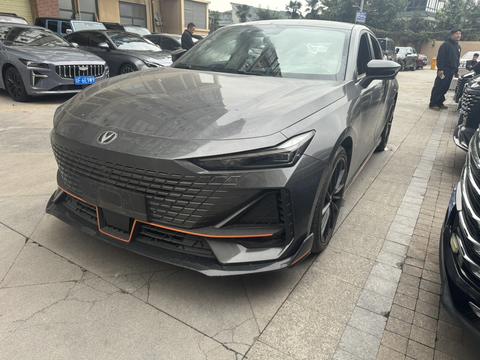
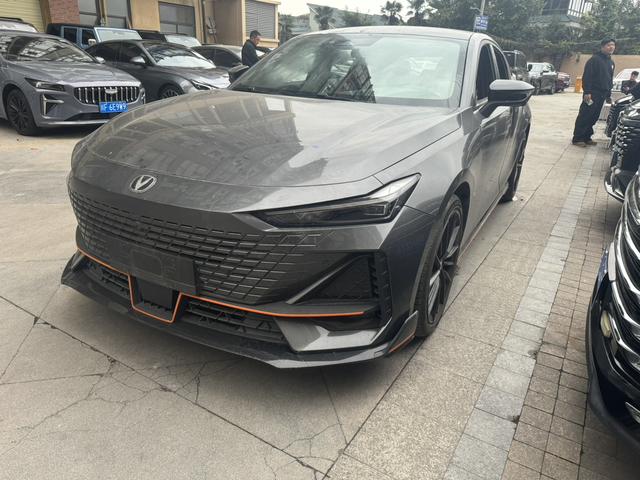
Changan BenBen 1.5T 188 L4

长安UNI-V 2023款 1.5T 运动版

EXW: $12,667
Car CodeSWA1478704
Publish Date