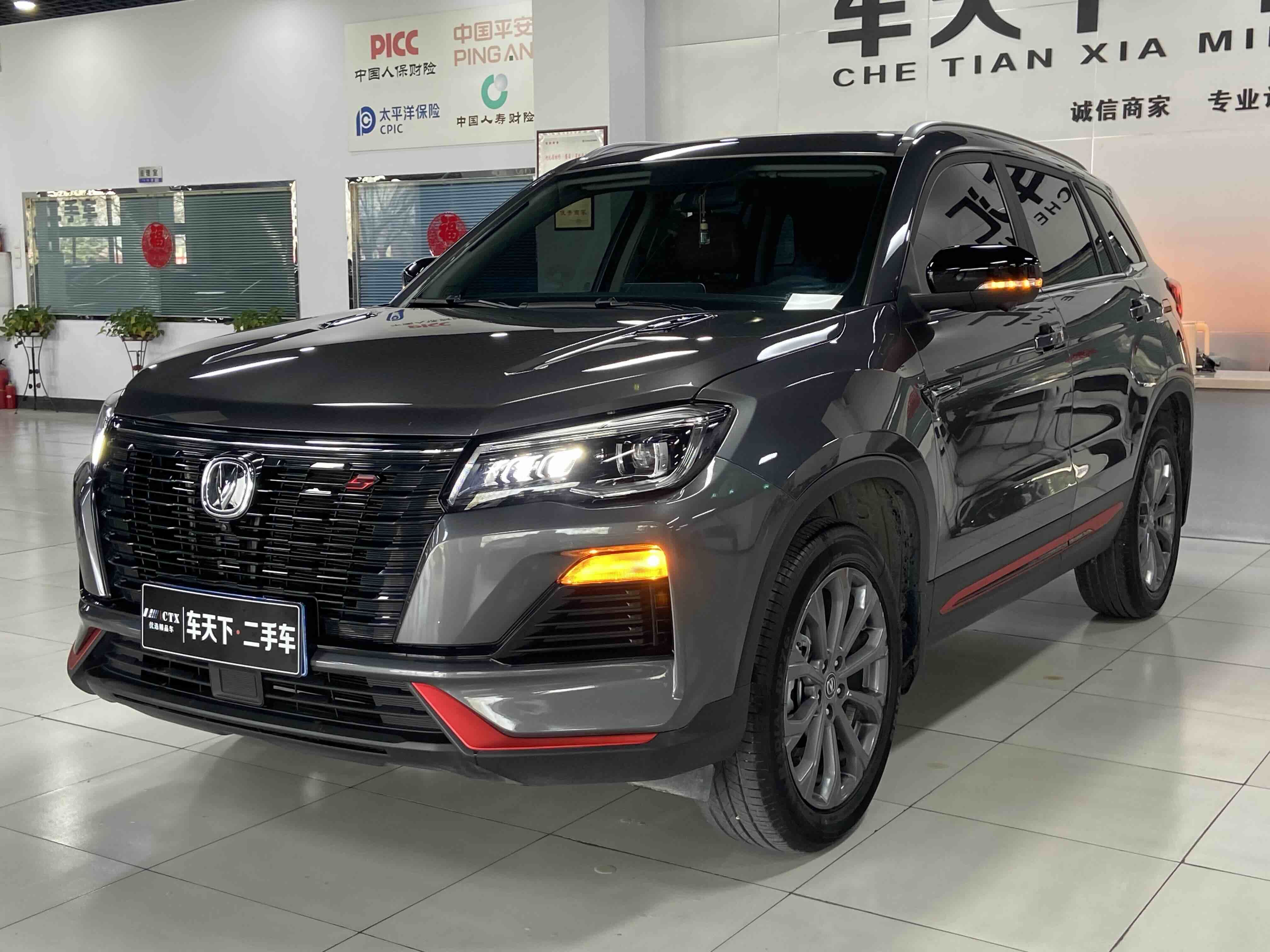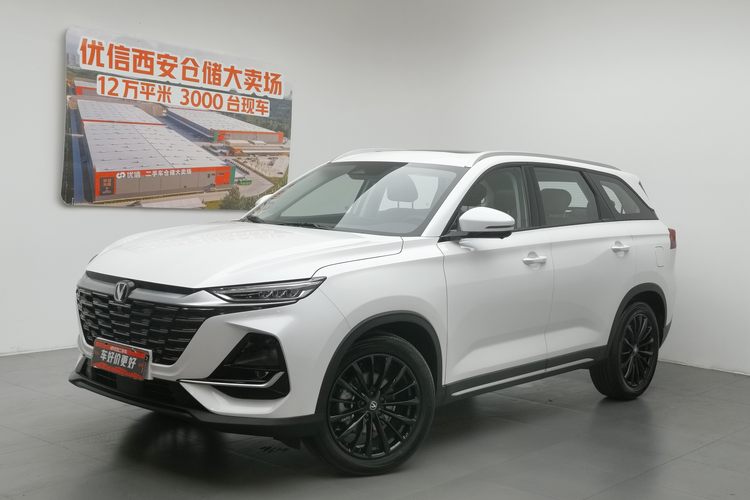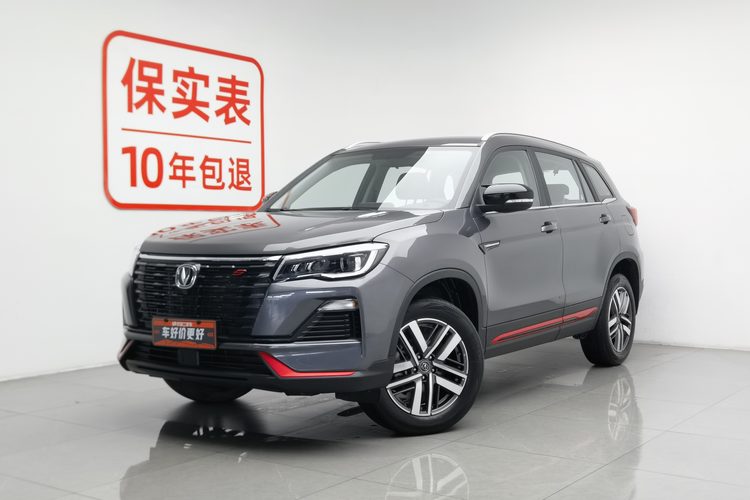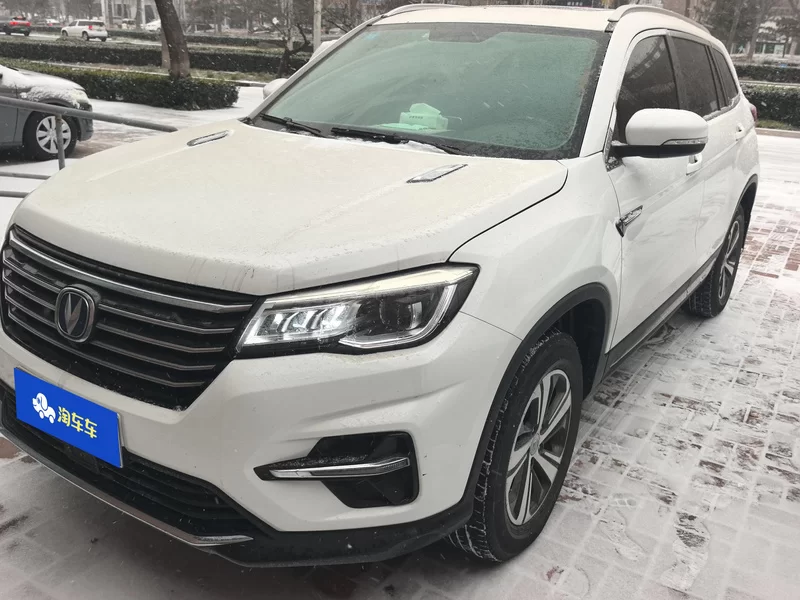
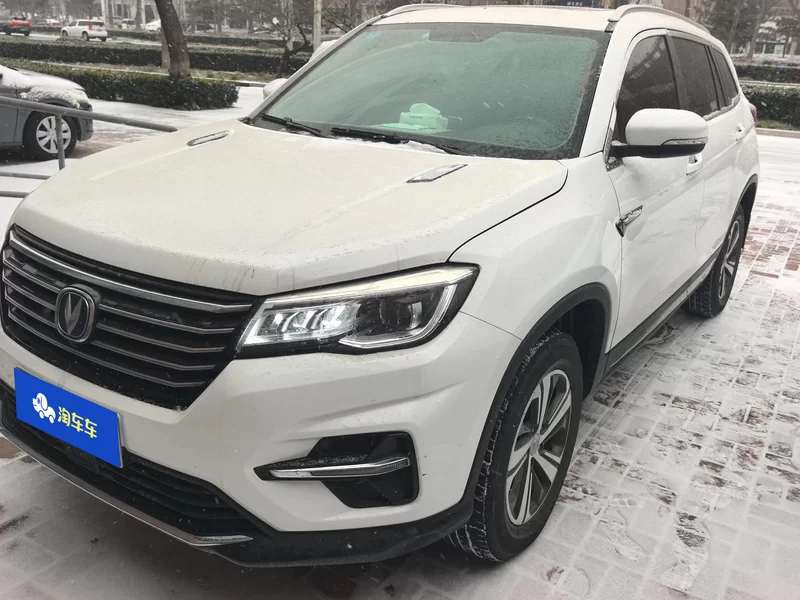
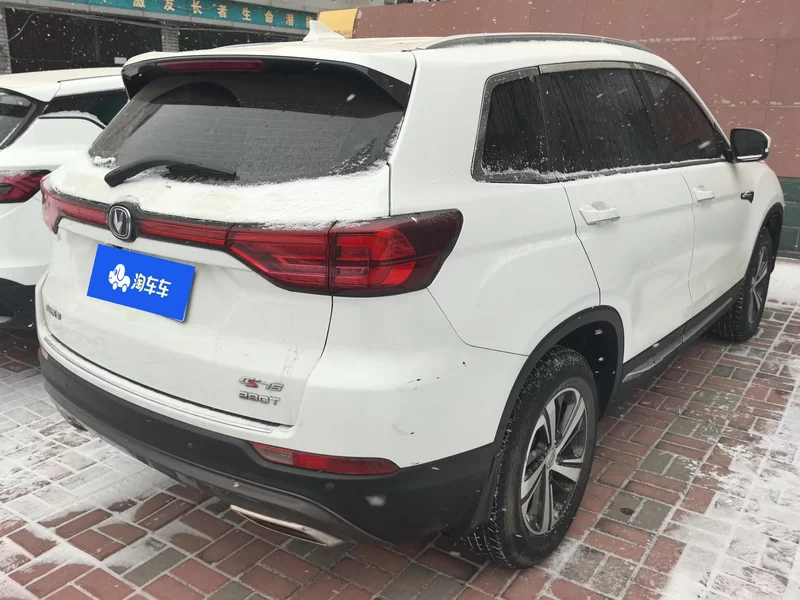
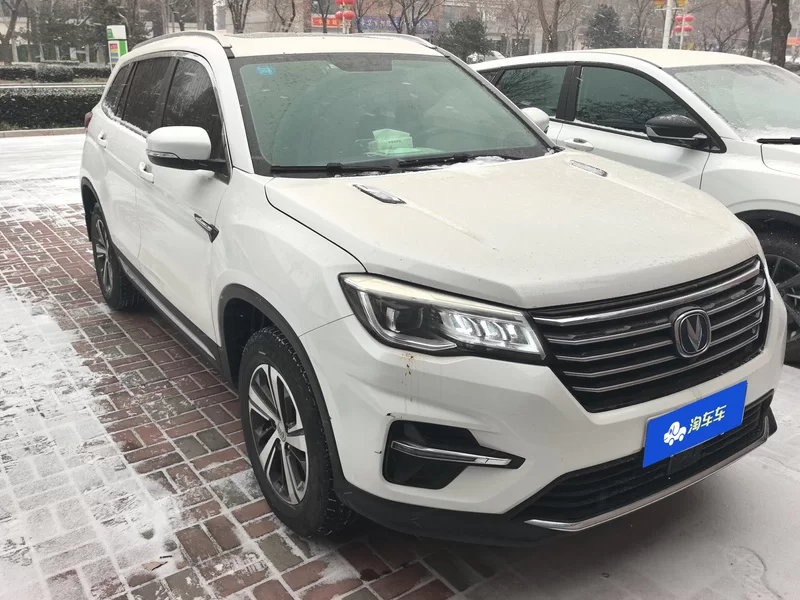
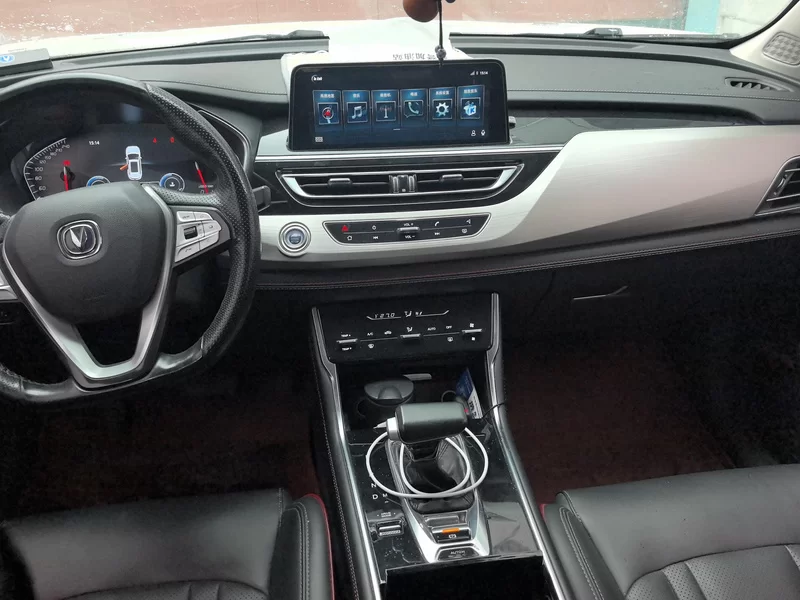
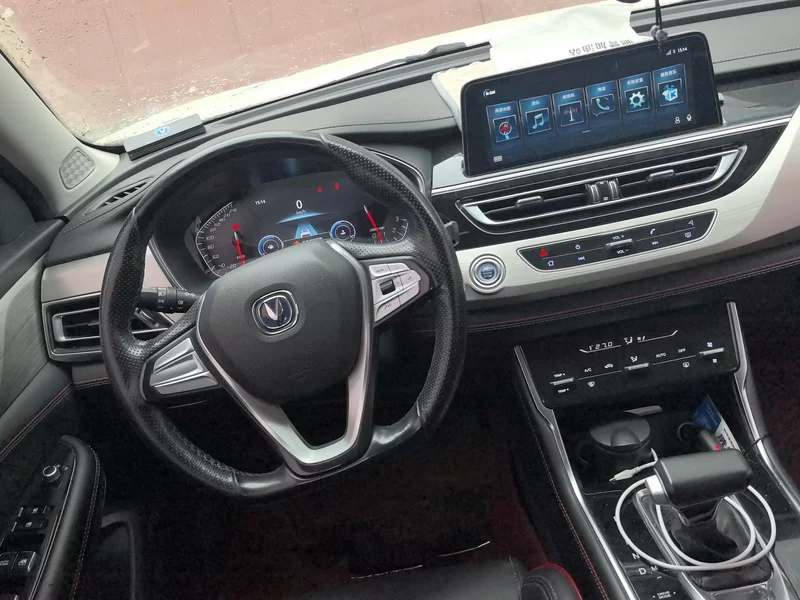
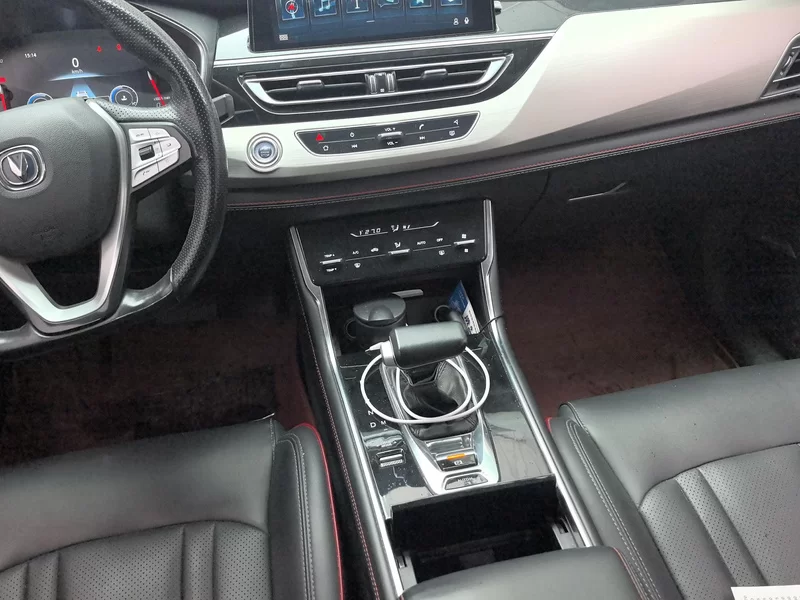
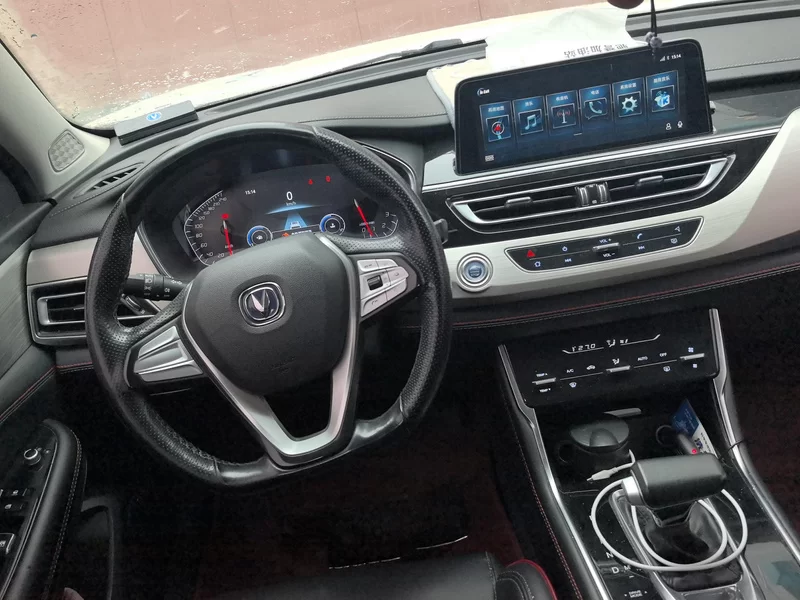



Basic Information

BrandChangan
SeriesCS75
Year2019
First Registration2019/01
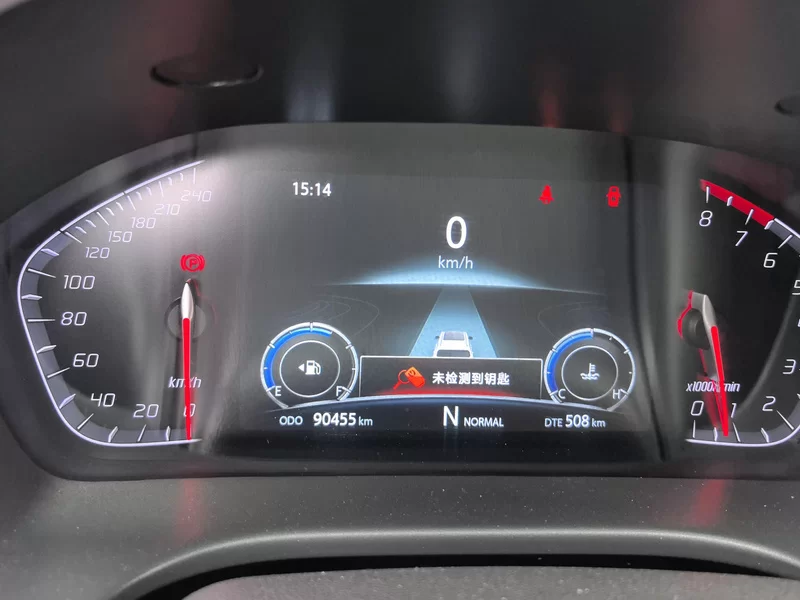
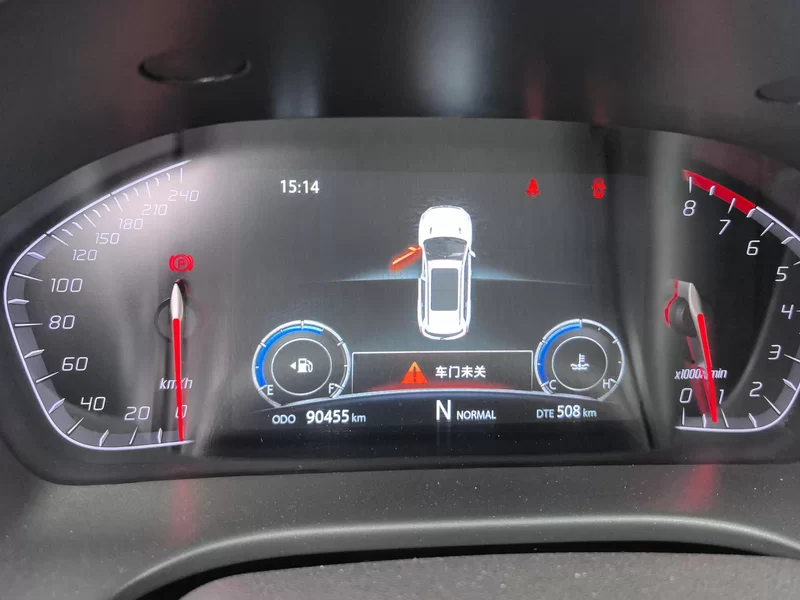
Mileage90,500km
Transfer Count-
FuelGasoline
TransmissionManumatic
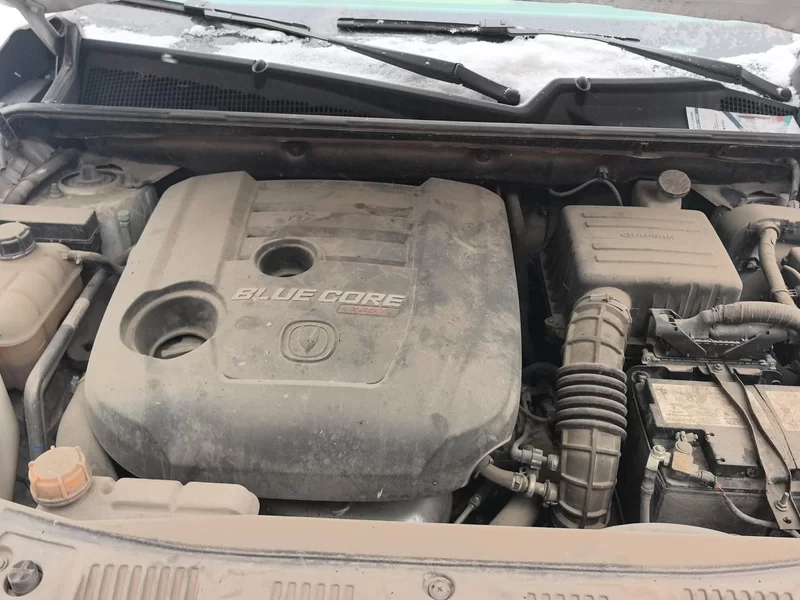
Engine1.5T 178 L4
Color
Seats-

Condition Description

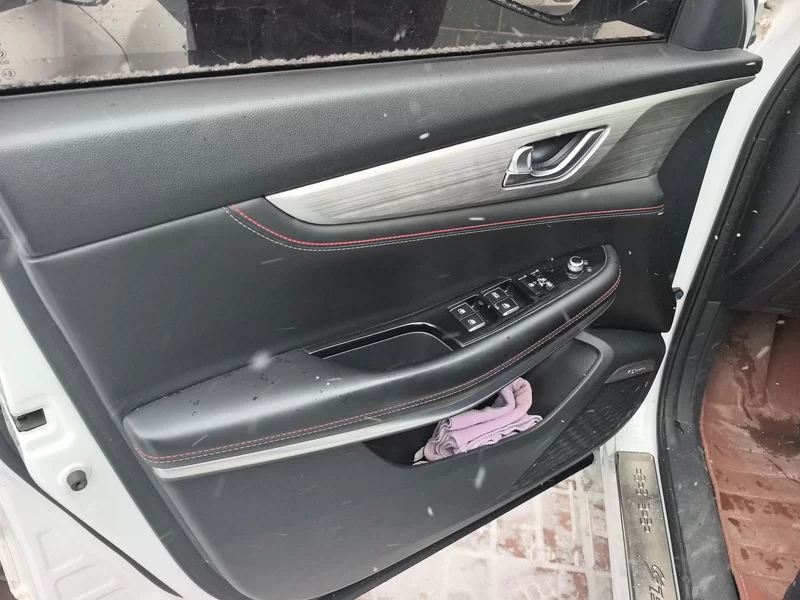
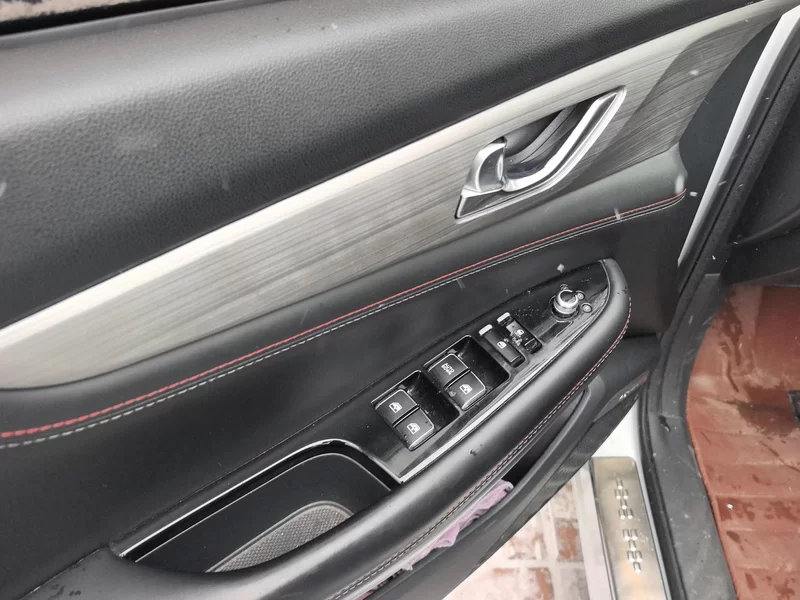
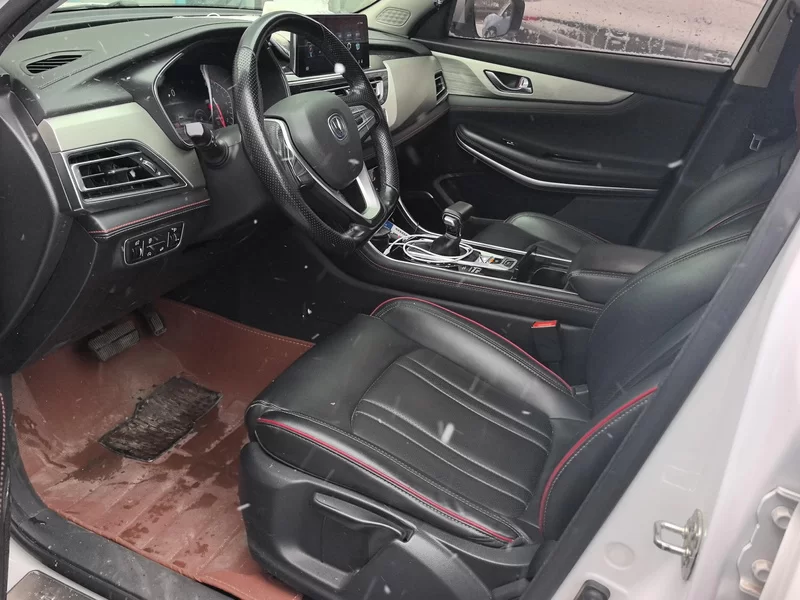
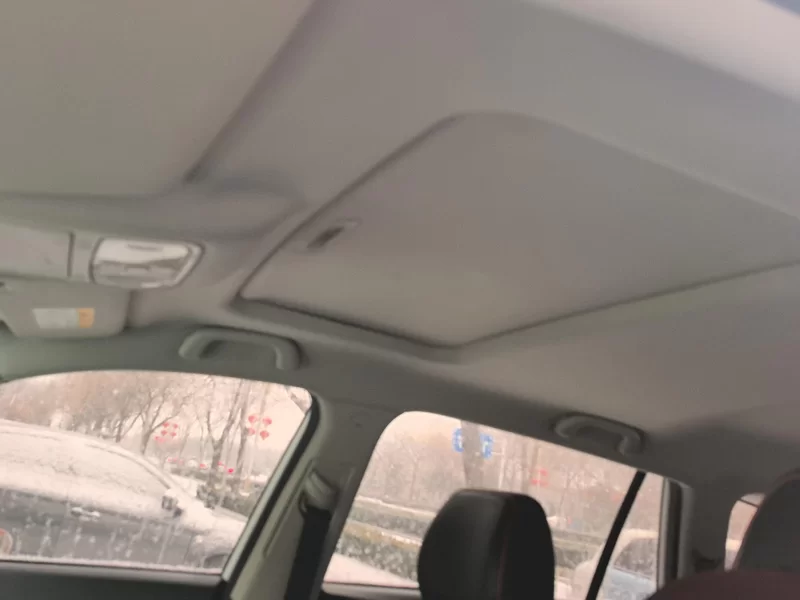
75% new

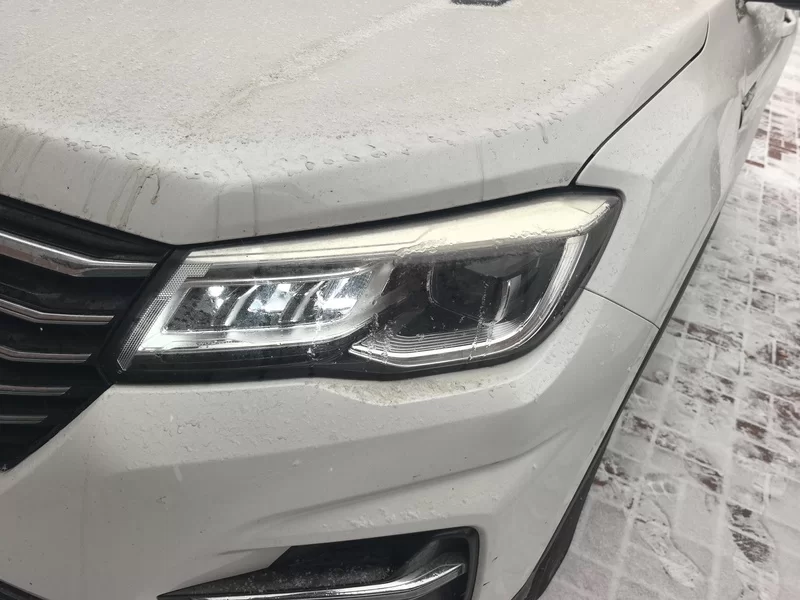
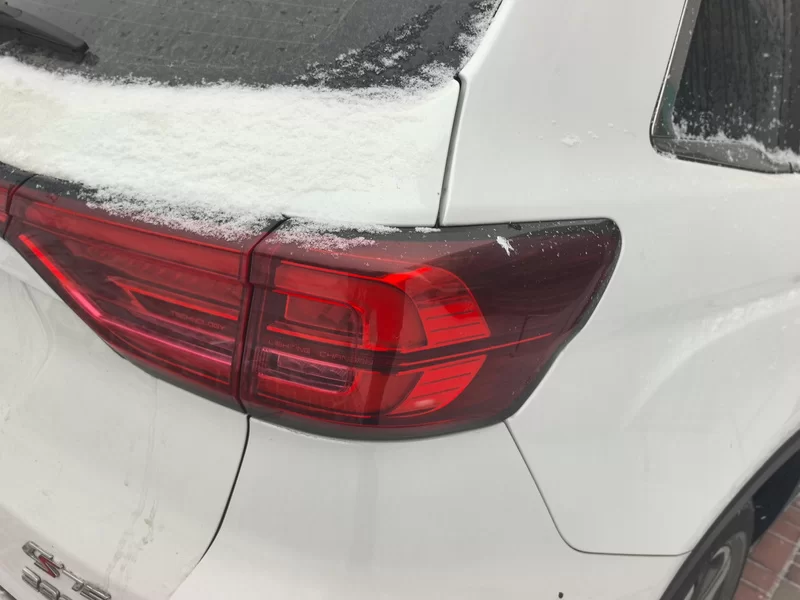
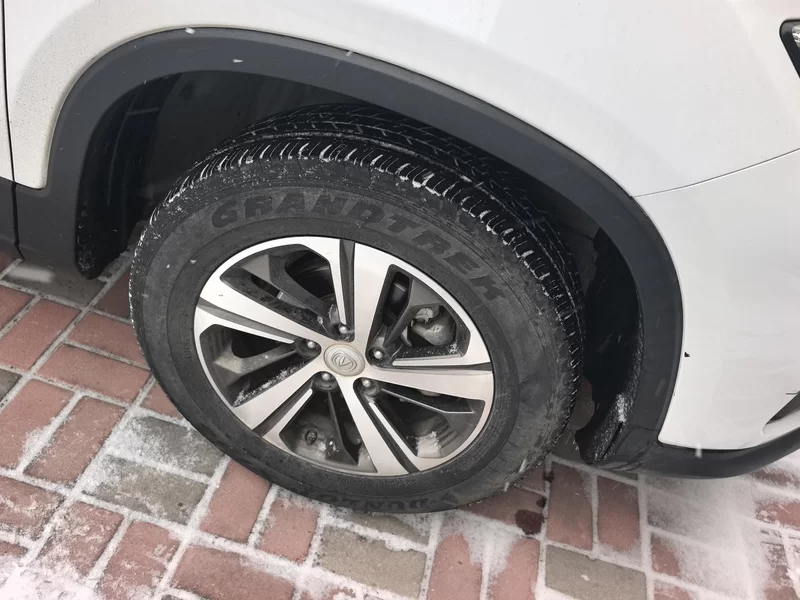
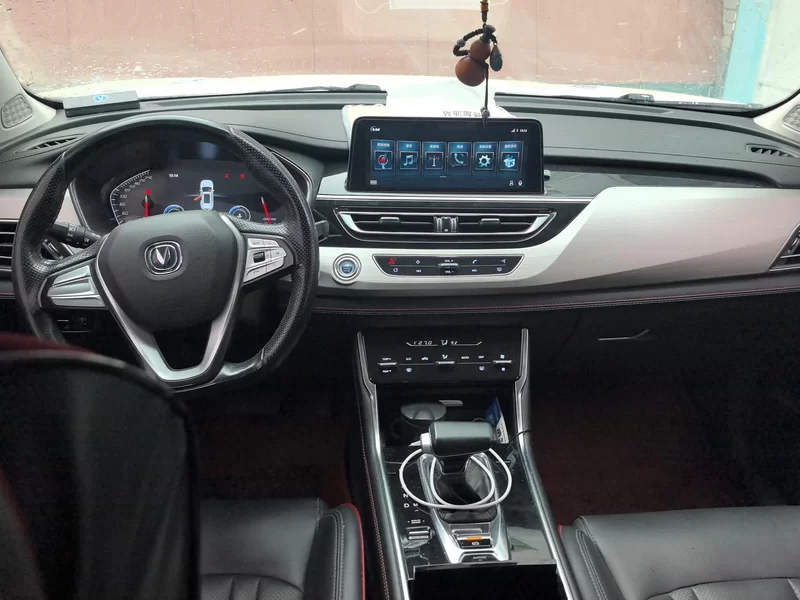
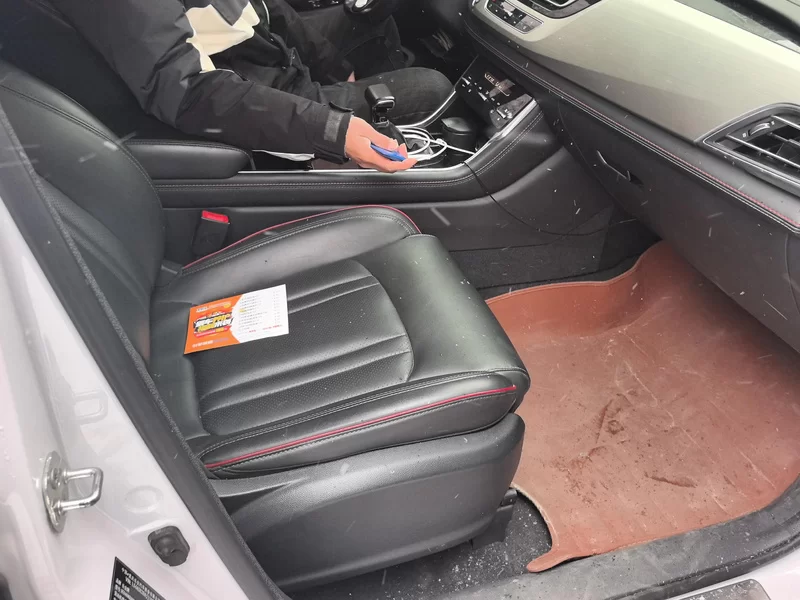
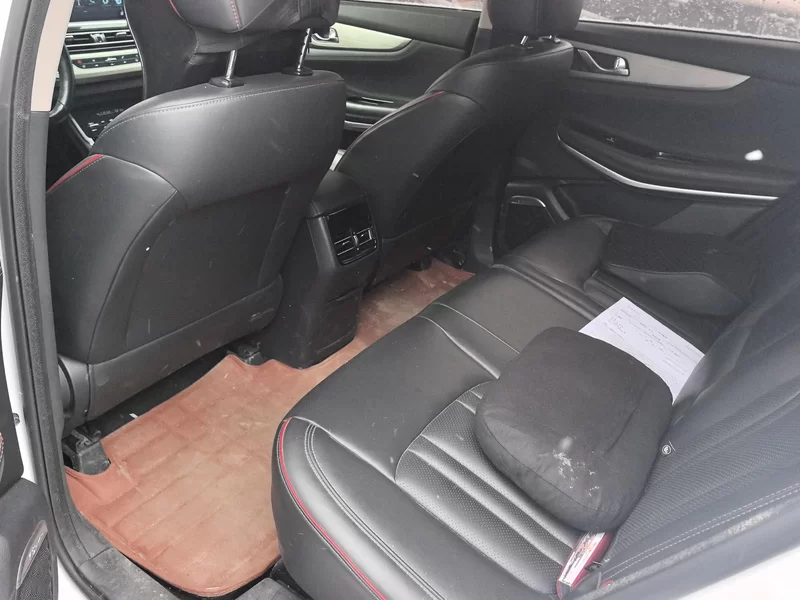
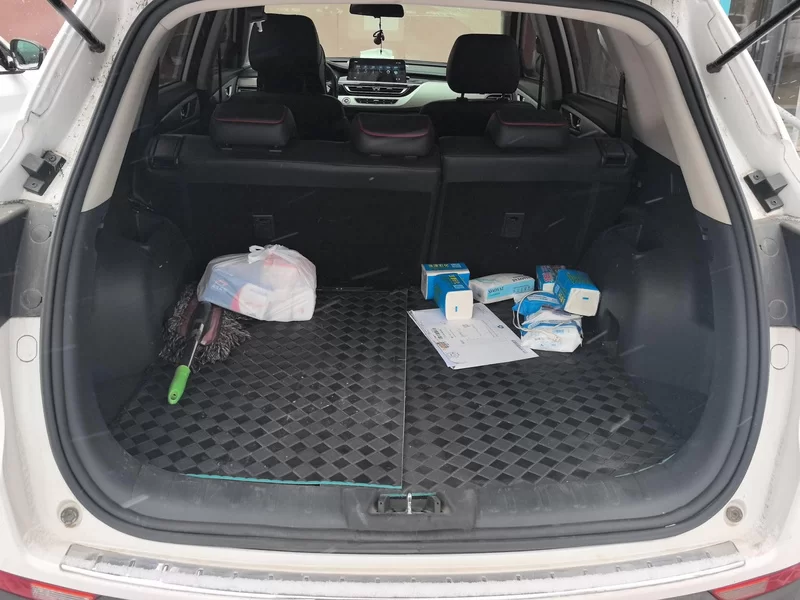
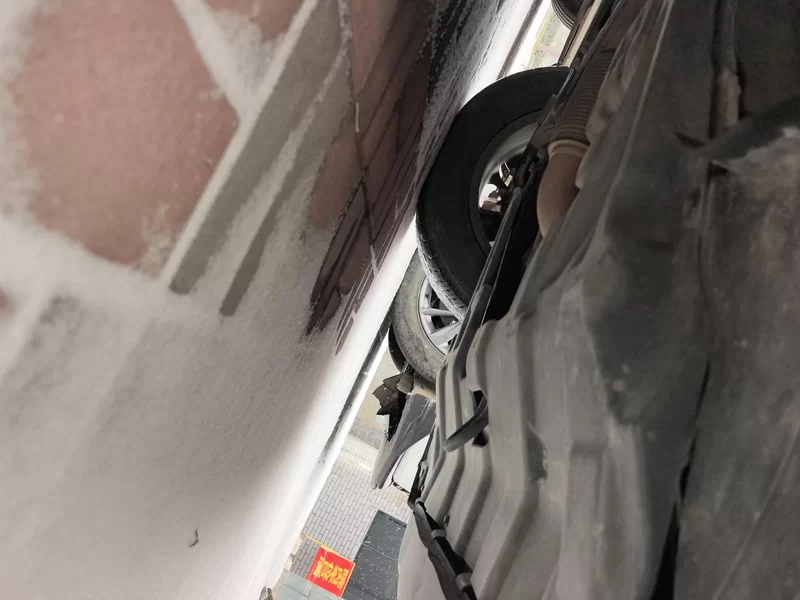
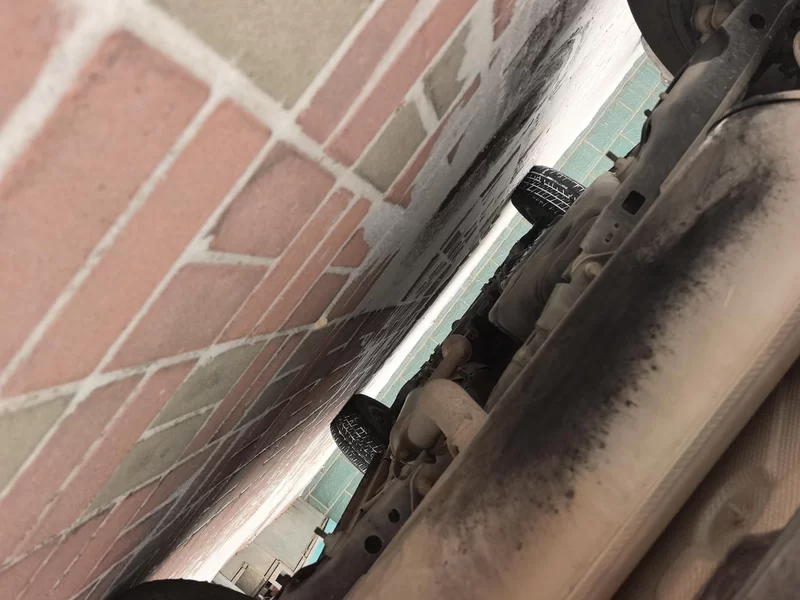
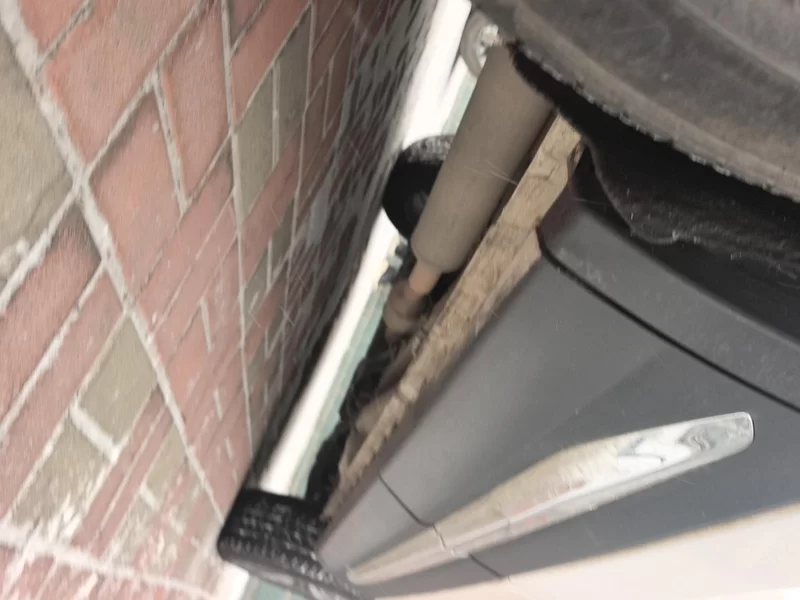
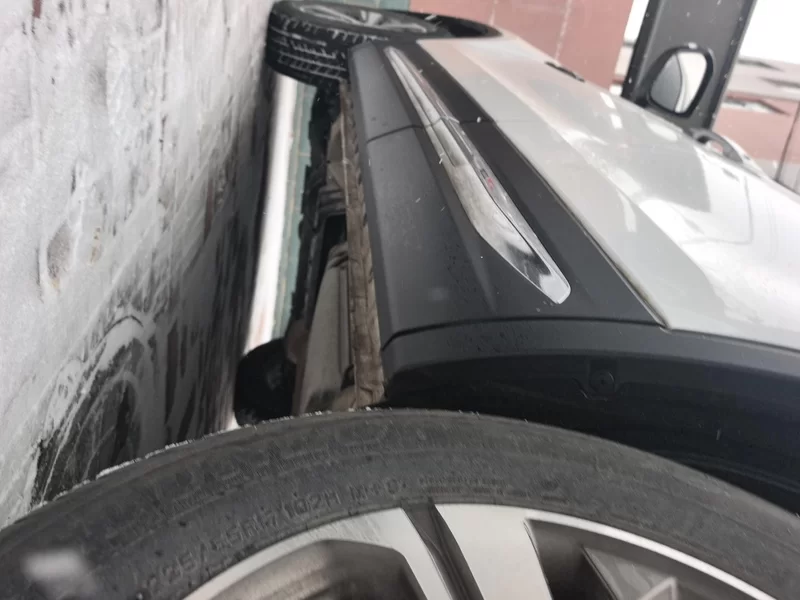
Inspection revealed that the vehicle has been ruled out as a major accident vehicle, a flood-damaged vehicle, or a fire-damaged vehicle. The exterior has minor scratches and damage, the interior is clean with normal wear, the frame is undamaged, the engine shows normal wear, the transmission shifts smoothly, and all electrical fluid levels are normal.

Taoche Direct Sales

Configuration Highlights

✓Keyless Start
✓Engine Start-Stop
✓Auto Hold
✓Backup Camera
✓Rear Parking Sensors
✓Heated Mirrors
✓Rear Air Conditioning

Q&A

More

What does the buying process look like when importing a used car from China?

A typical transaction has six steps. 1. Selection: you confirm the vehicle through photos, a video walkaround, an inspection report and the VIN. 2. Deposit: most exporters ask 20%-30% to reserve the car. Pay by bank transfer to the company's corporate account, never a personal one. 3. Inspection: an independent pre-shipment inspection verifies the condition; you receive the report before paying the balance. 4. Balance payment: usually due before loading. Request the booking confirmation and container number. 5. Shipping: the exporter sends you the draft bill of lading for checking, then the original documents by courier. 6. Arrival: you clear customs with the invoice, C/O, B/L and inspection certificate, then register the vehicle. Total timeline is usually 2-6 weeks. Use payment methods with recourse (T/T or escrow) and keep every contract and receipt.
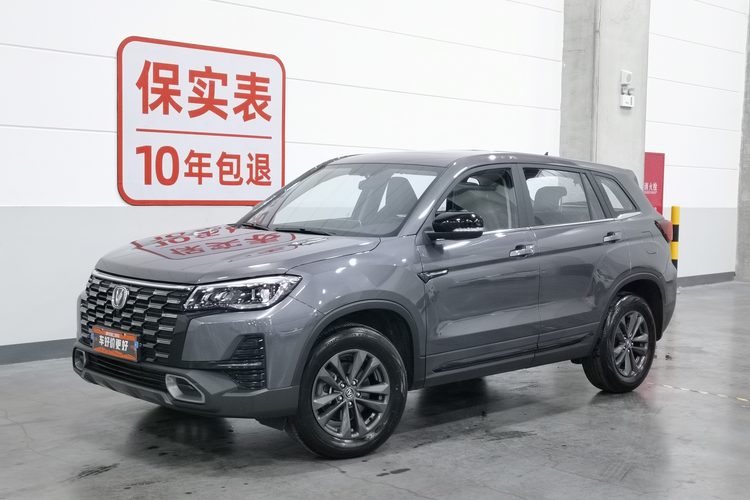
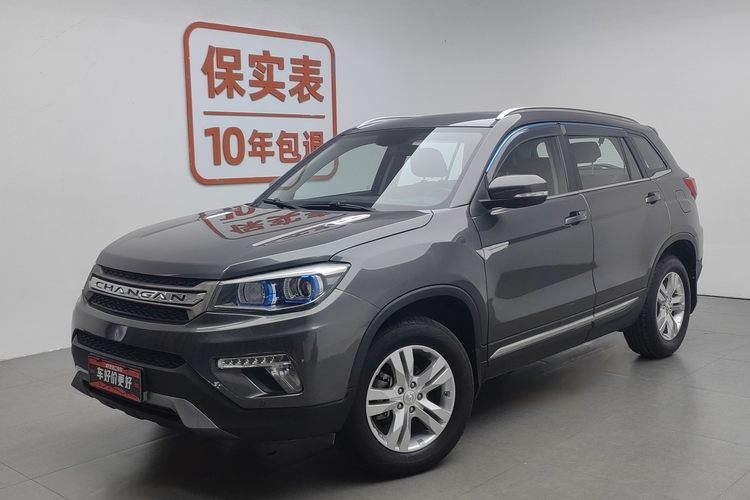
In countries with right-hand drive regulations, even if I bribe local customs to force a left-hand drive car through clearance, will I face irreversible obstacles when insuring and inspecting it later?

Absolutely. Even if you clear customs through gray channels, local commercial insurance companies will refuse to cover third-party liability insurance due to the vehicle not complying with national traffic laws; additionally, the vehicle will definitely fail the annual safety inspection at the local DMV.

Who is responsible for damages to the vehicle during maritime transport?

Be sure to purchase cargo insurance (all-risk or water damage insurance). In case of damage, claim with the bill of lading, insurance policy, and proof of damage at the destination port.