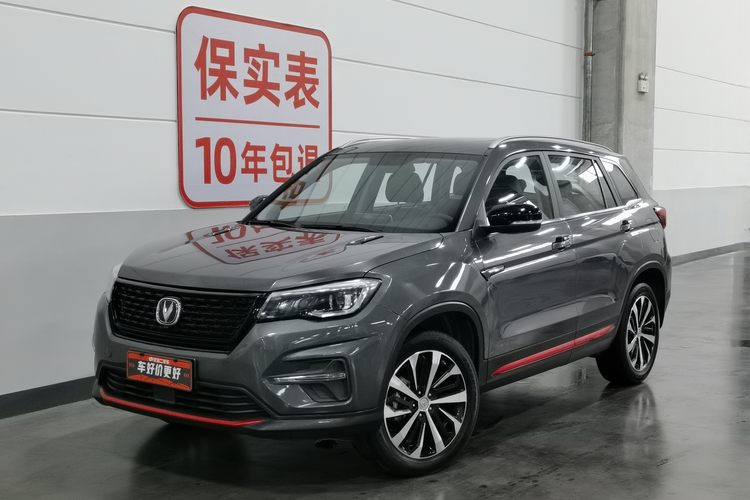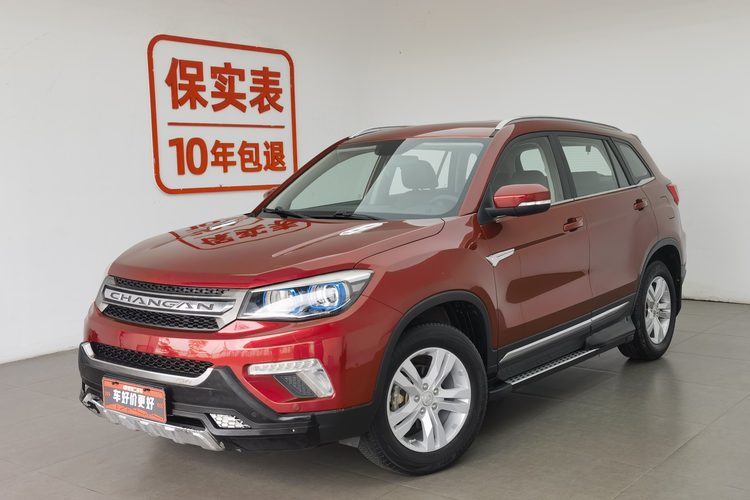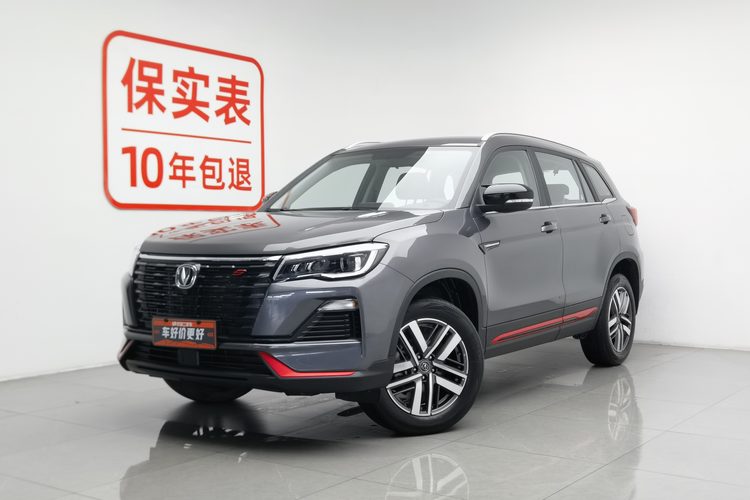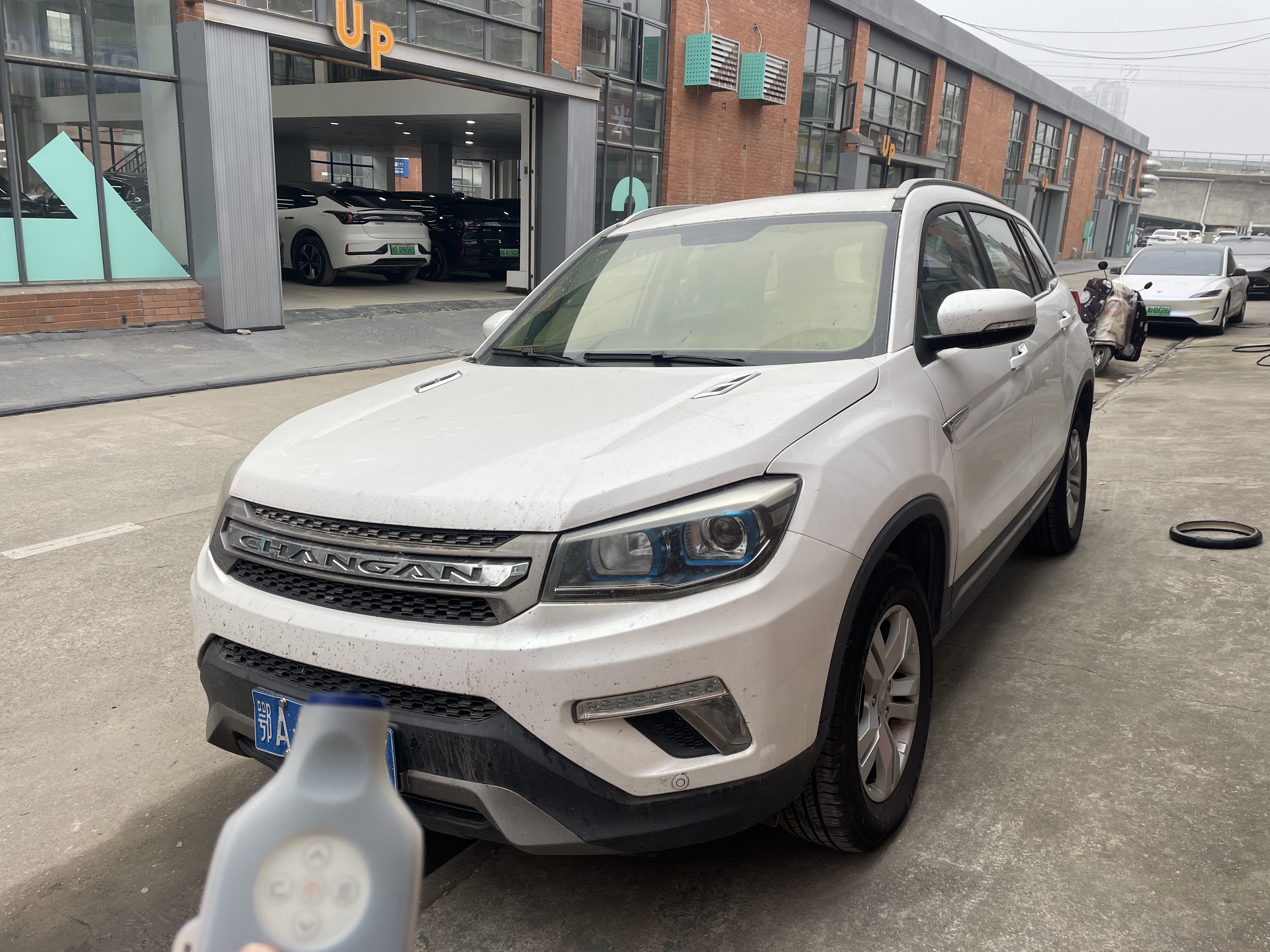
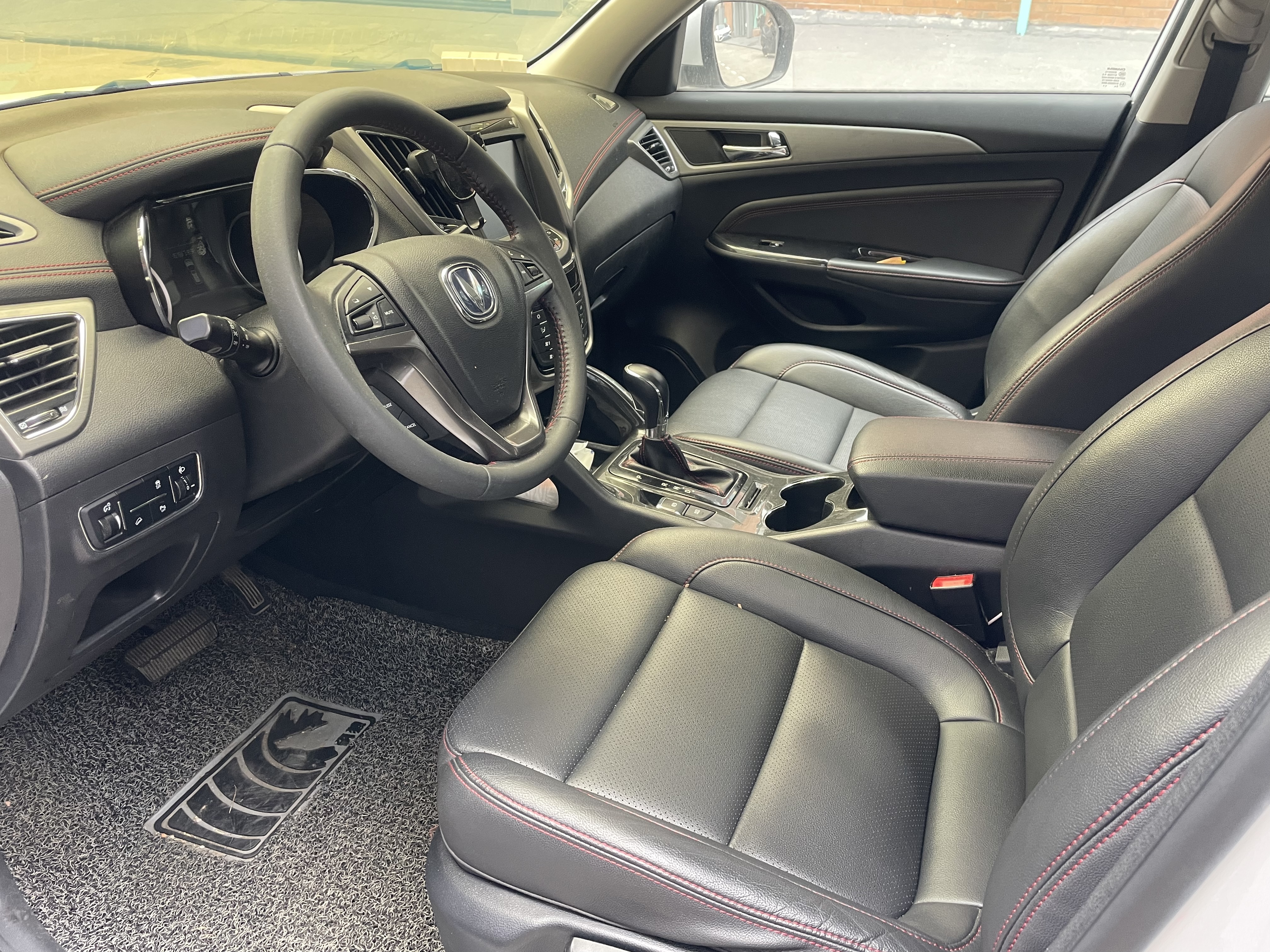
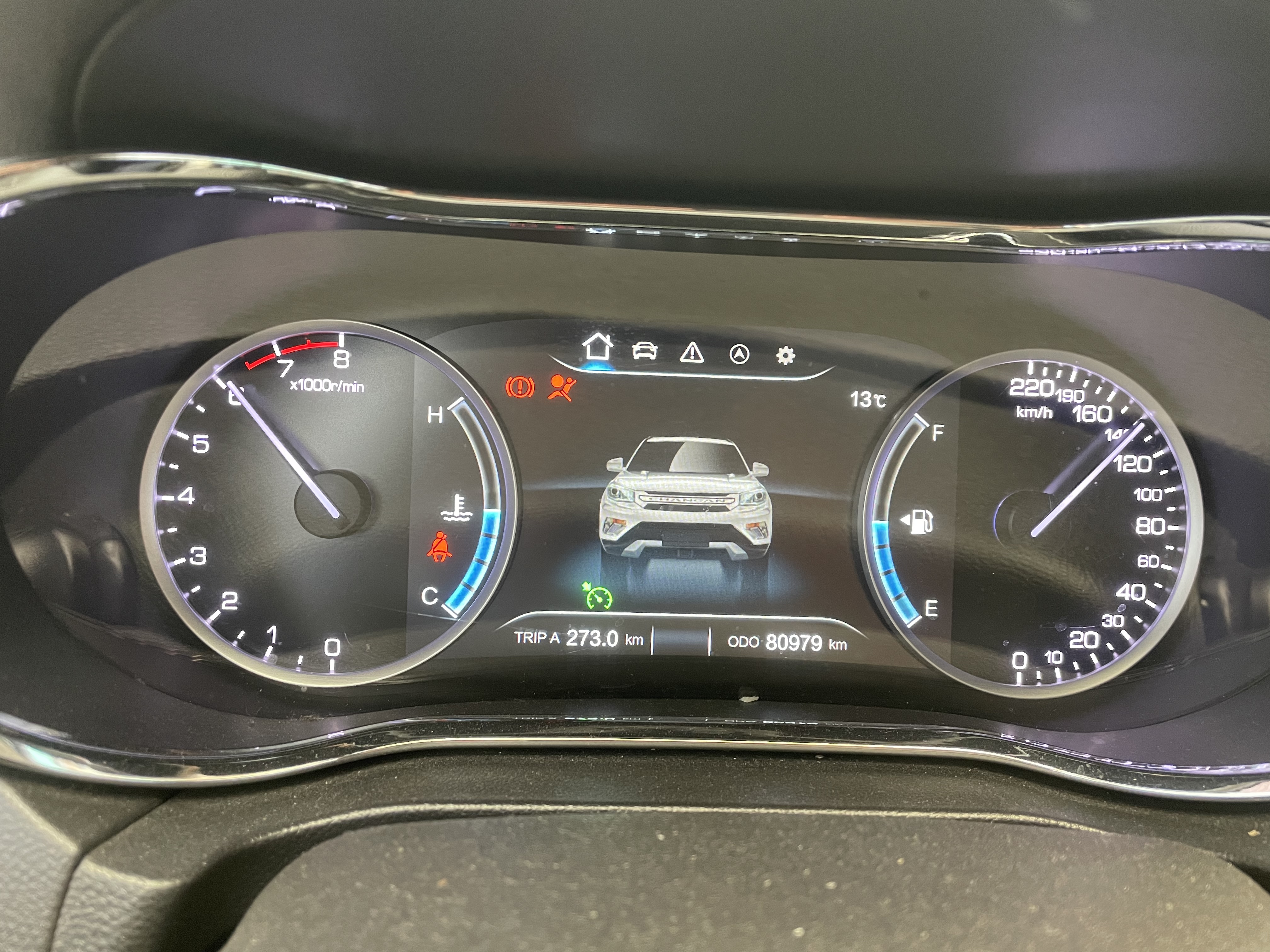
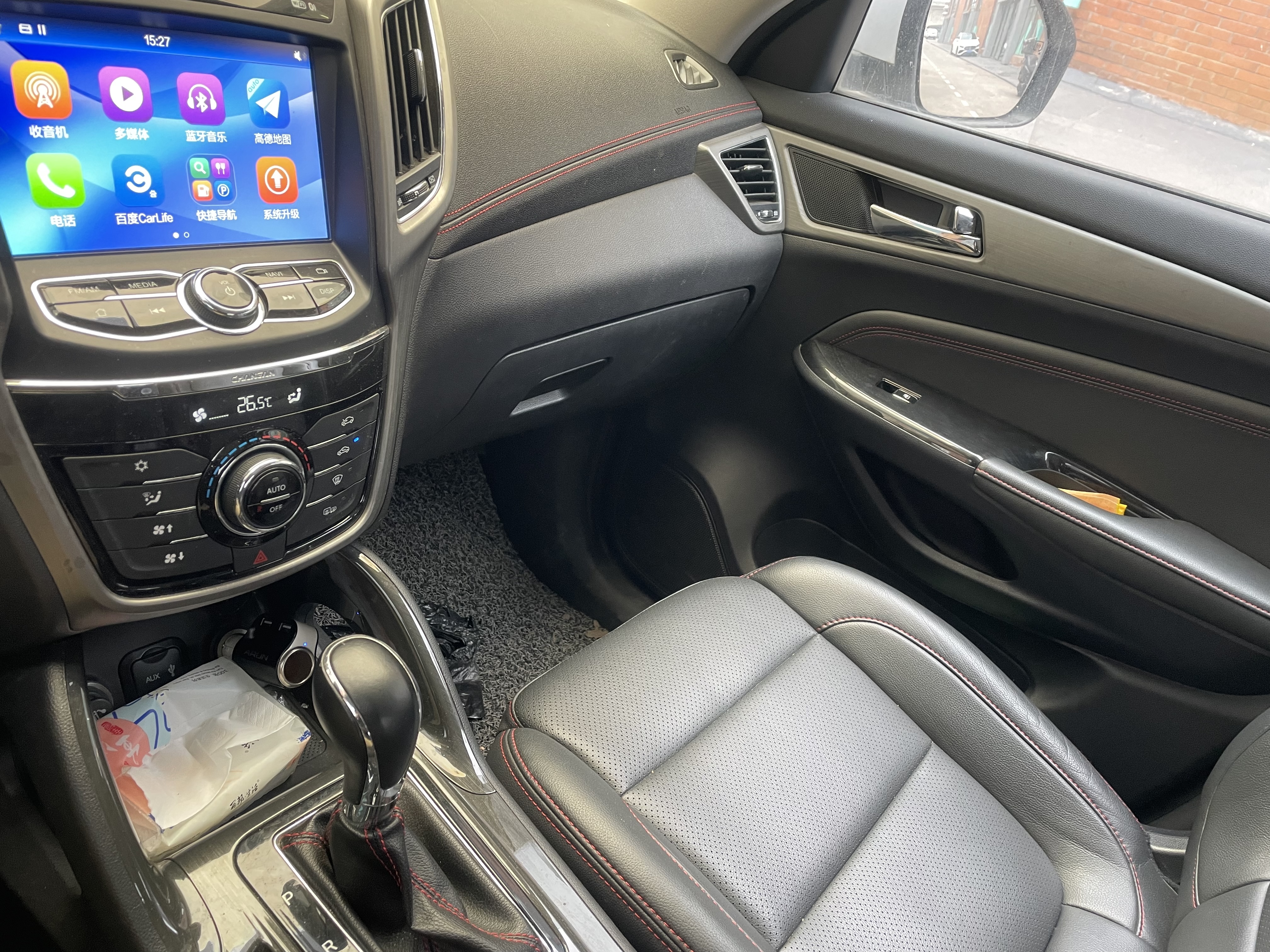
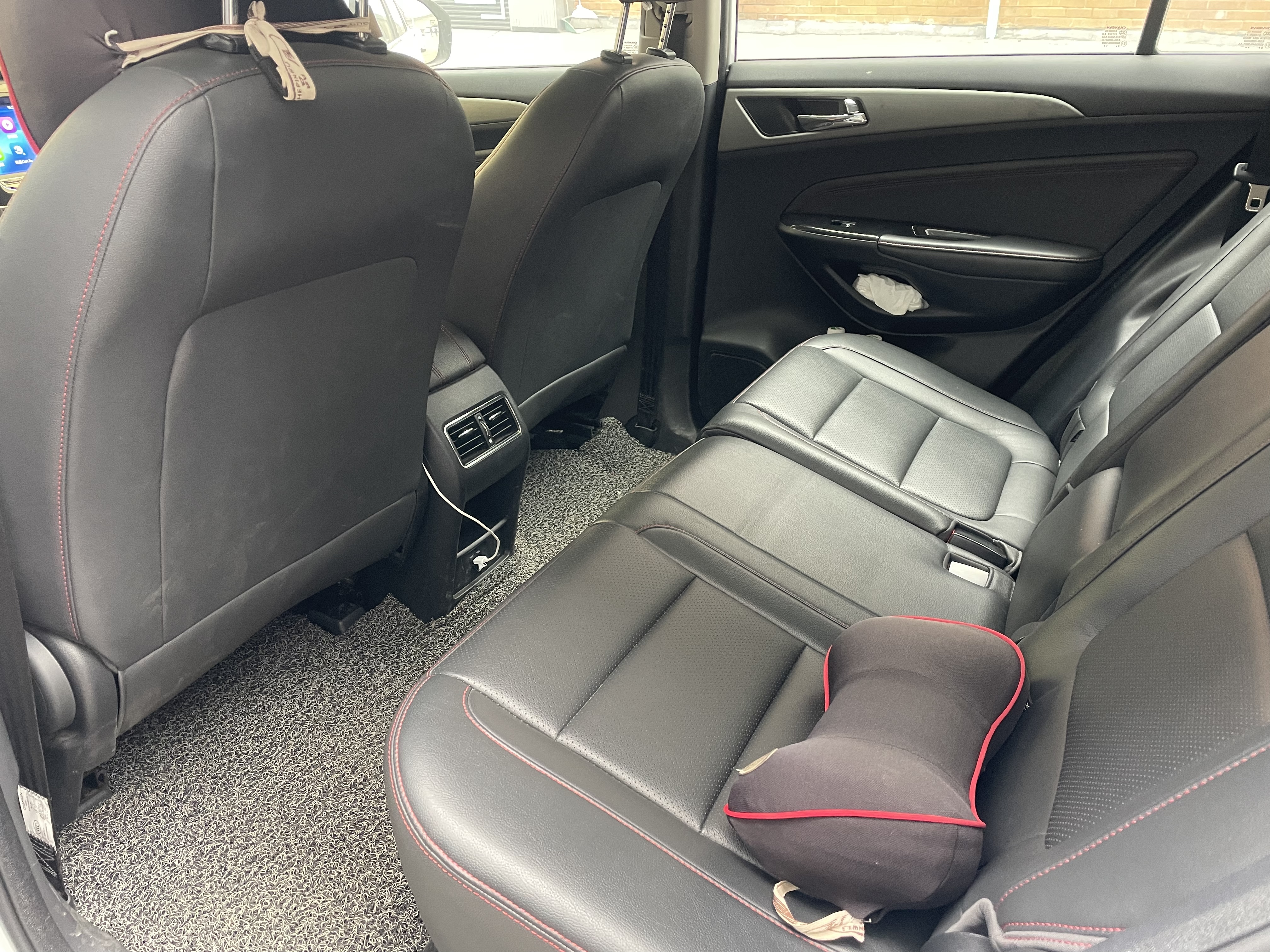
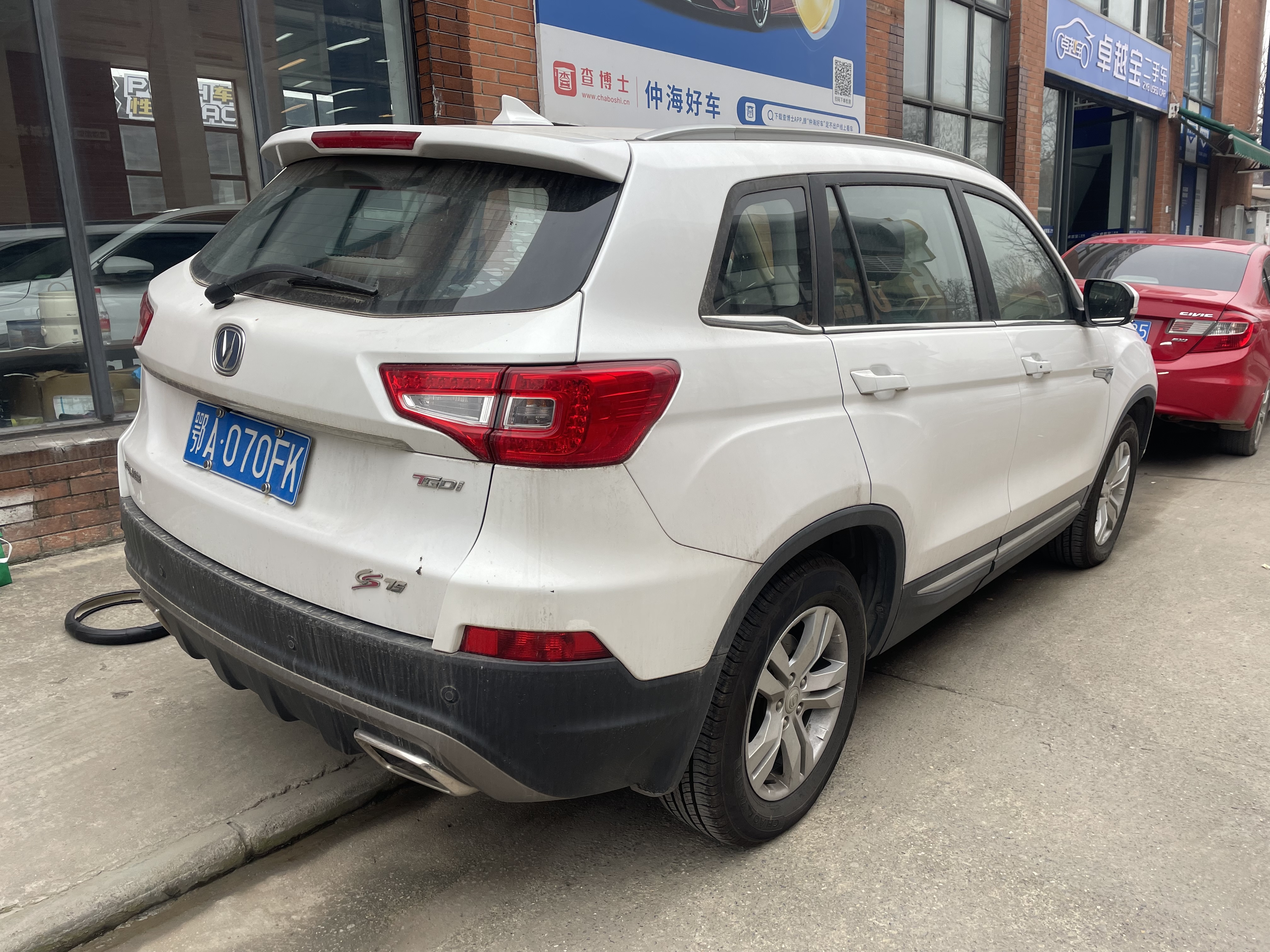
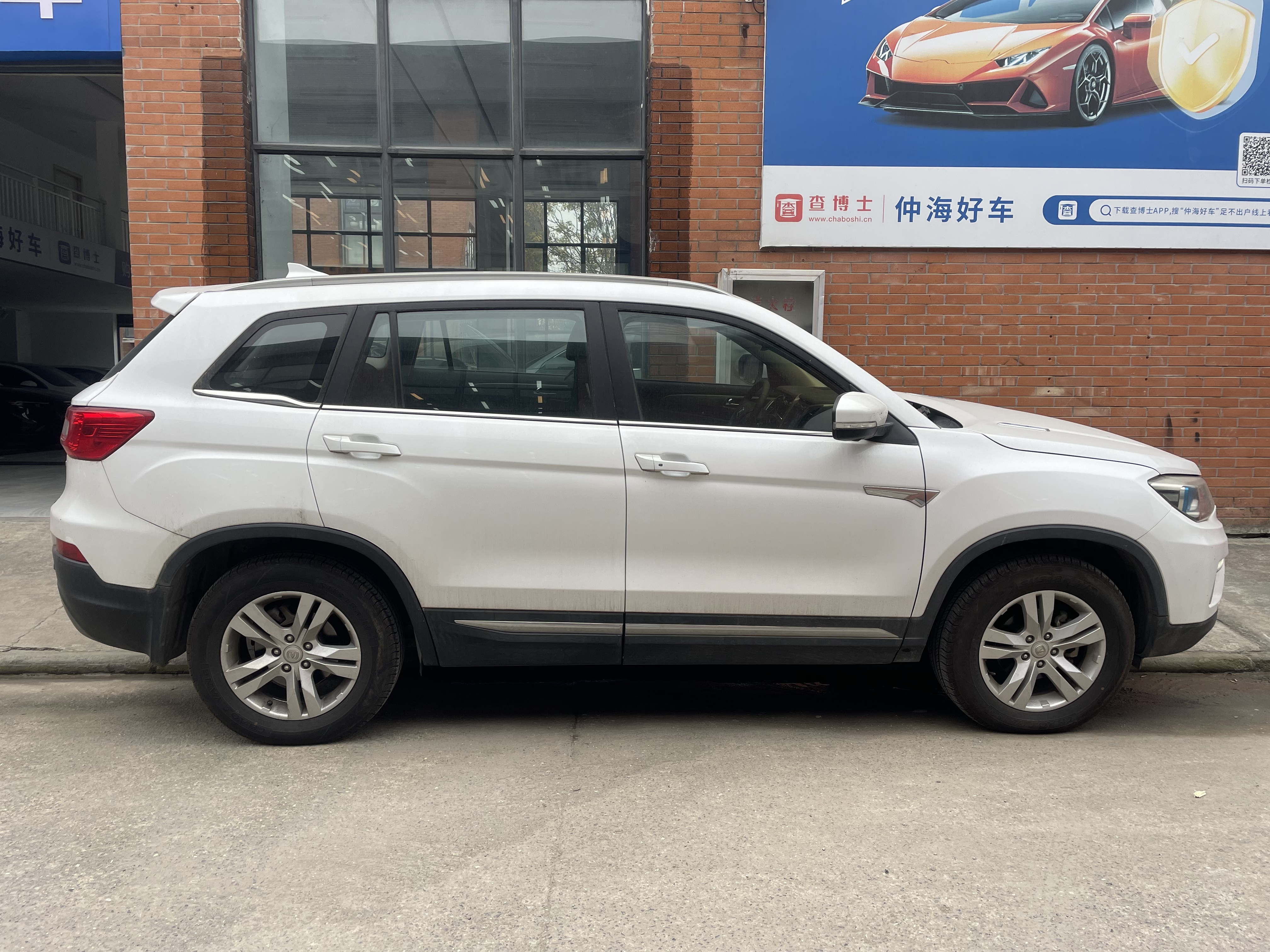
Basic Information

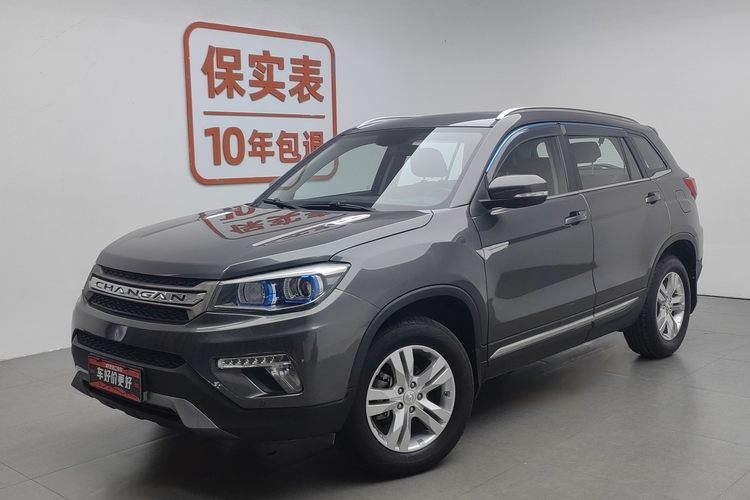
BrandChangan
SeriesCS75
Year2018
First Registration2018/07
Mileage8km
Transfer Count-
FuelGasoline
TransmissionManumatic
Engine1.5T 170 L4
ColorWhite
Seats-

Condition Description

Original paint, firsthand, genuine watch.

Configuration Highlights

✓Driver/Passenger Airbags
✓Front/Rear Side Airbags
✓ISOFIX Child Seat Anchors
✓Keyless Start System
✓Keyless Entry System
✓ABS Anti-lock Braking
✓Electronic Brake Distribution
✓Electronic Stability Control
✓Hill Start Assist
✓Auto Hold
✓Hill Descent Control
✓Panoramic Sunroof
✓Roof Rack
✓Multifunction Steering Wheel
✓Front Parking Sensors
✓Seat Material
✓Rear Cupholders
✓GPS Navigation
✓Low Beam Headlights
✓Daytime Running Lights
✓Auto Headlights
✓Adjustable Headlight Height
✓Power Windows
✓Anti-pinch Windows
✓UV/Heat Insulating Glass
✓Climate Control Type
✓Rear Air Vents

Q&A

More

How to check the condition of the turbocharger (oil leaks, unusual noises, insufficient pressure) for turbocharged vehicles?

Experience turbo lag and power surge during road tests; check for significant oil accumulation at the turbo intake and intercooler connections (slight oil vapor is normal); and use OBD to read the real-time boost pressure peak to see if it meets factory settings.

If a coup occurs in the destination country or if import regulations are suddenly changed, preventing the vehicle from clearing customs, does this count as force majeure?

It completely falls under force majeure. After the delivery is completed (crossing the ship's rail) under FOB or CIF terms, the seller (us) bears no liability for refunds or compensation due to political risks or legal changes in the destination country that hinder customs clearance or lead to confiscation.

When B2B buyers make bulk purchases, can they request to combine the accessory costs and vehicle price on the same commercial invoice to reduce overall tariffs?

No, this is a serious customs violation. Complete vehicles (HS Code 8703) and auto parts (HS Code 8708, etc.) are subject to completely different import tax rates. Combining them on one invoice could lead to the invoice being returned by customs and may expose you to tax fraud accusations at the destination port.