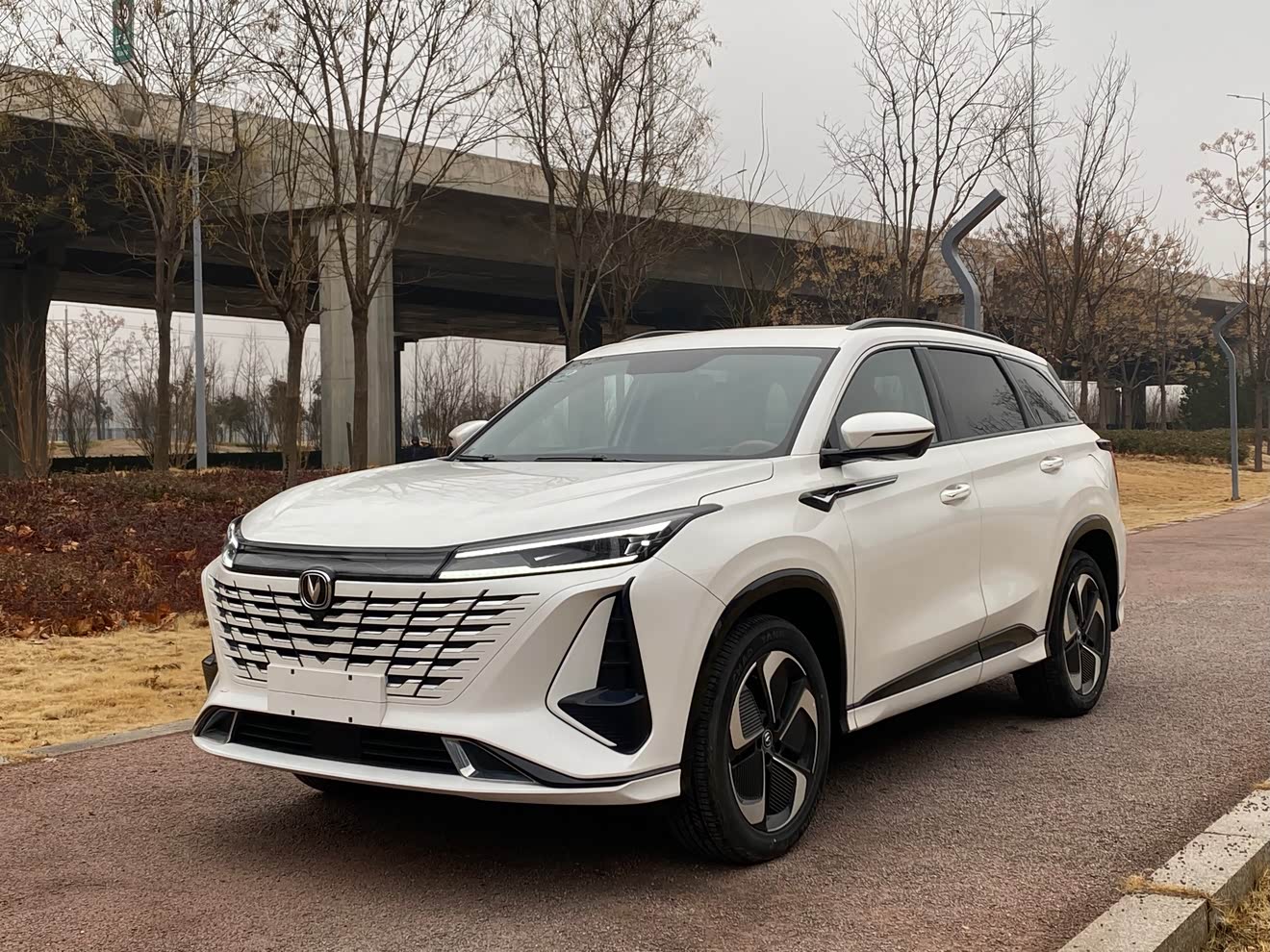
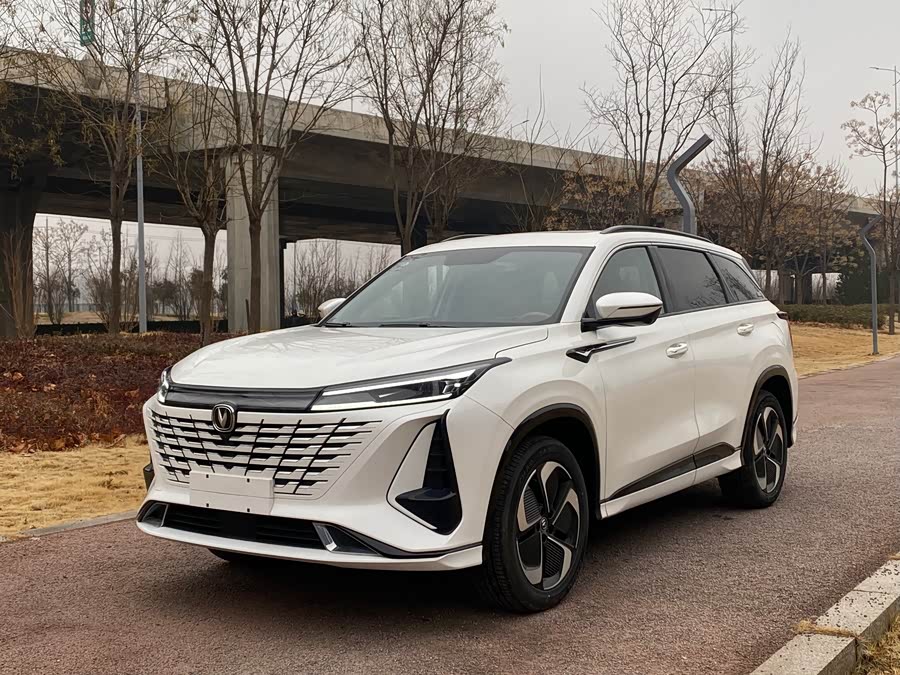
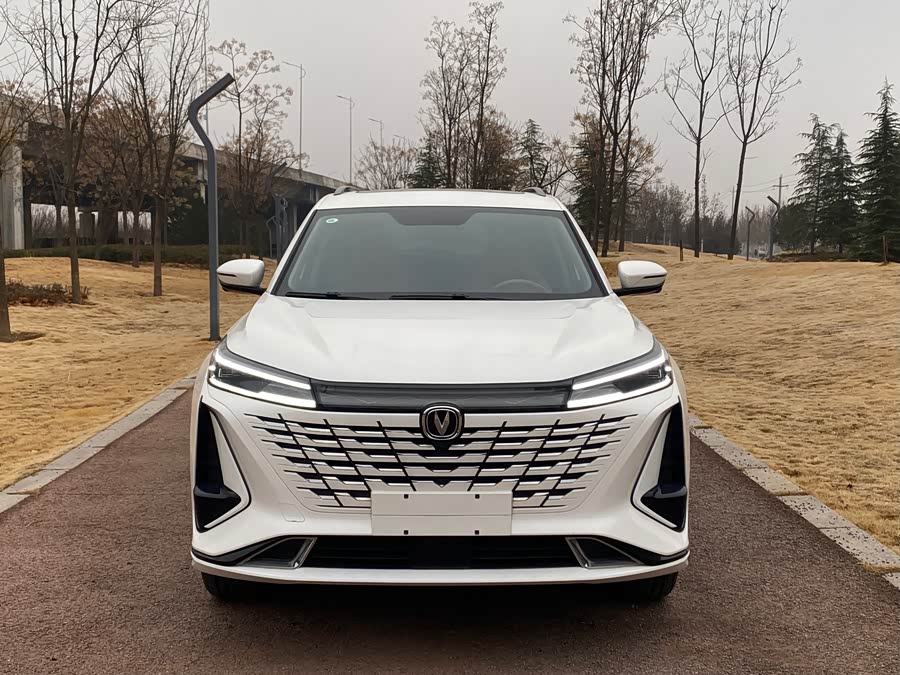
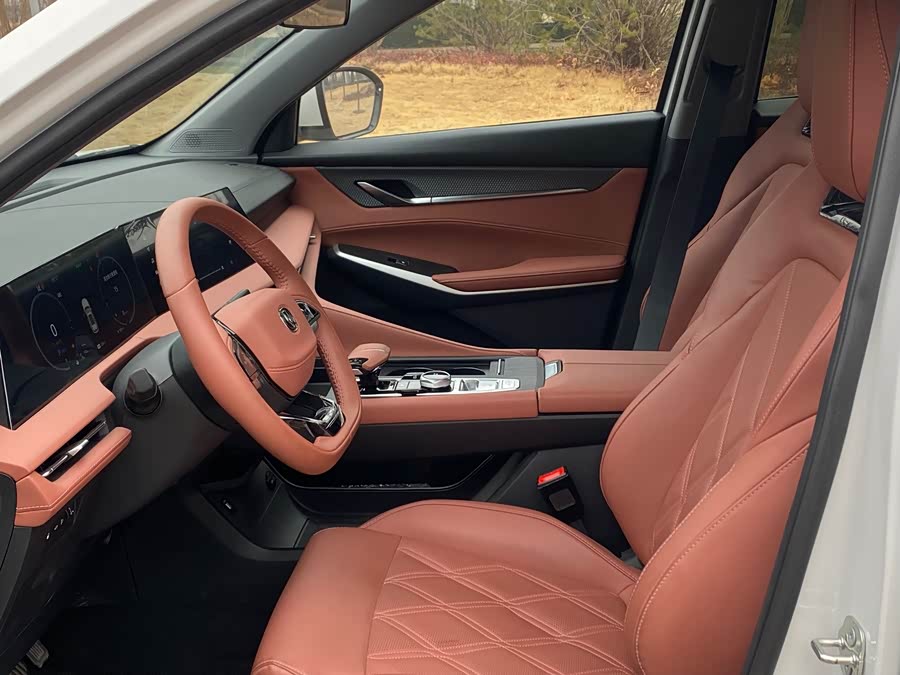
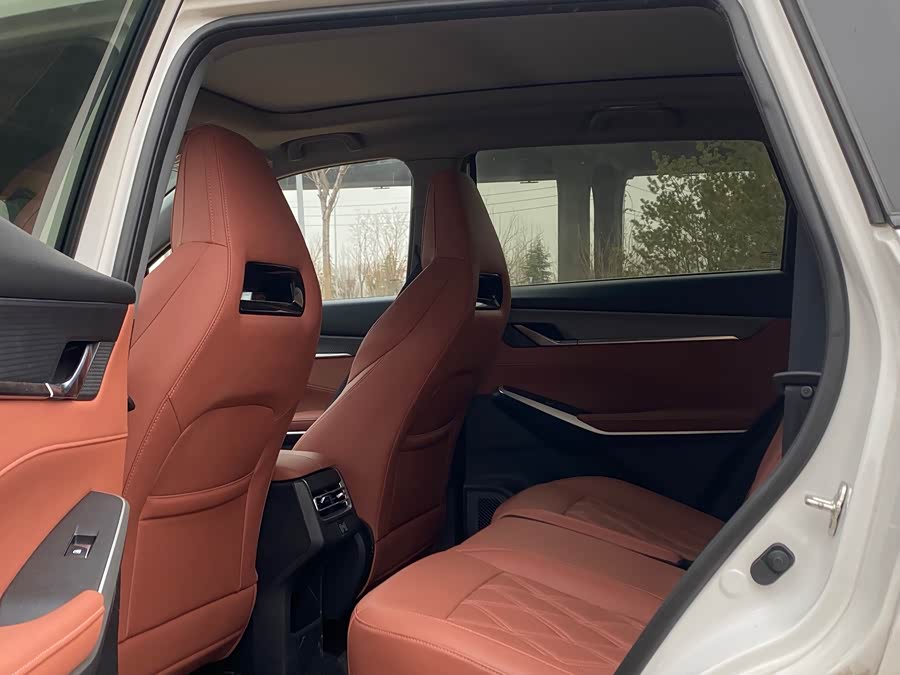
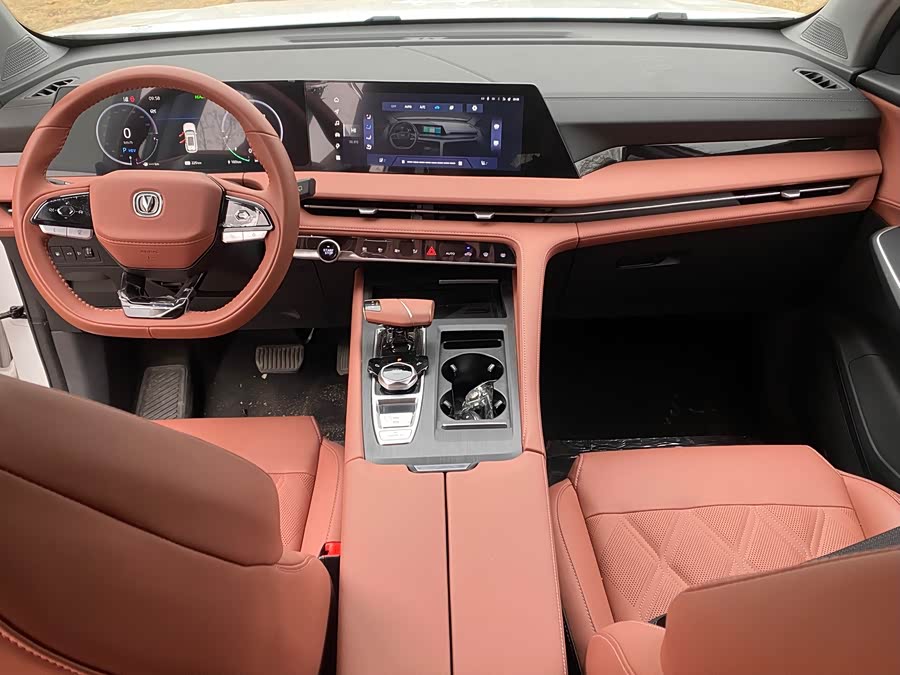
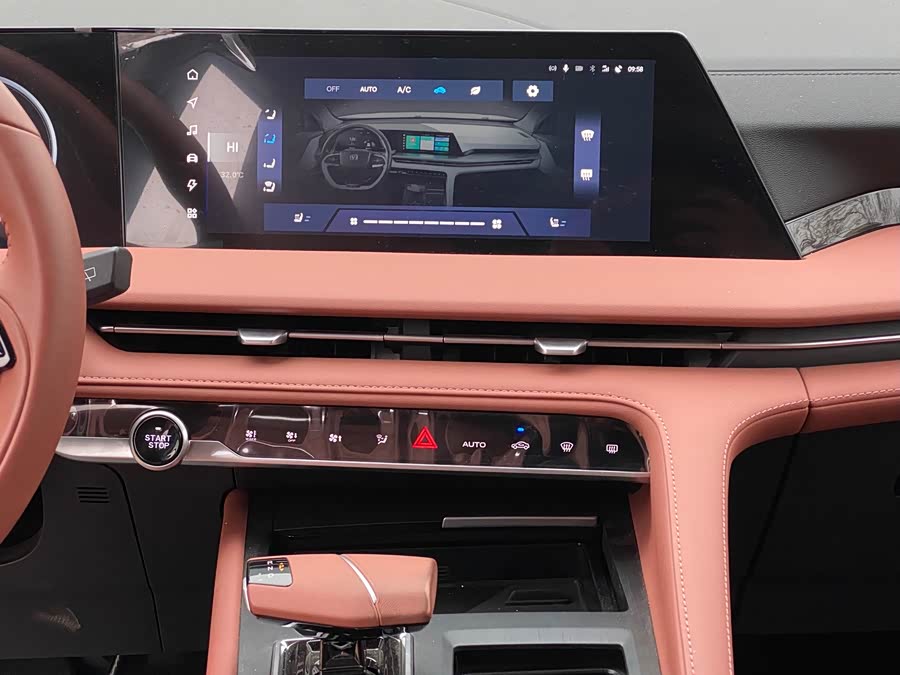
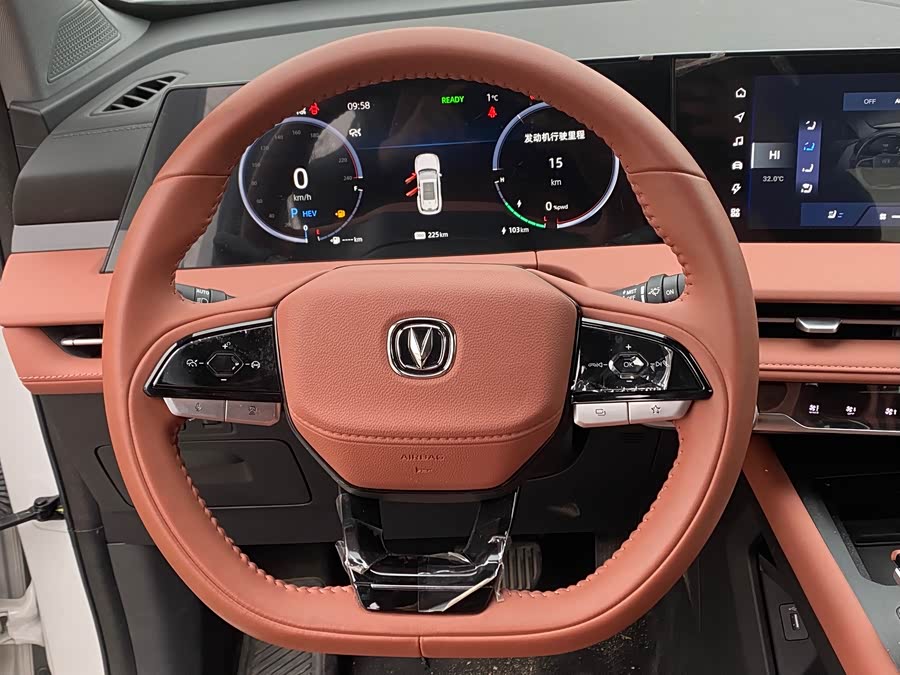
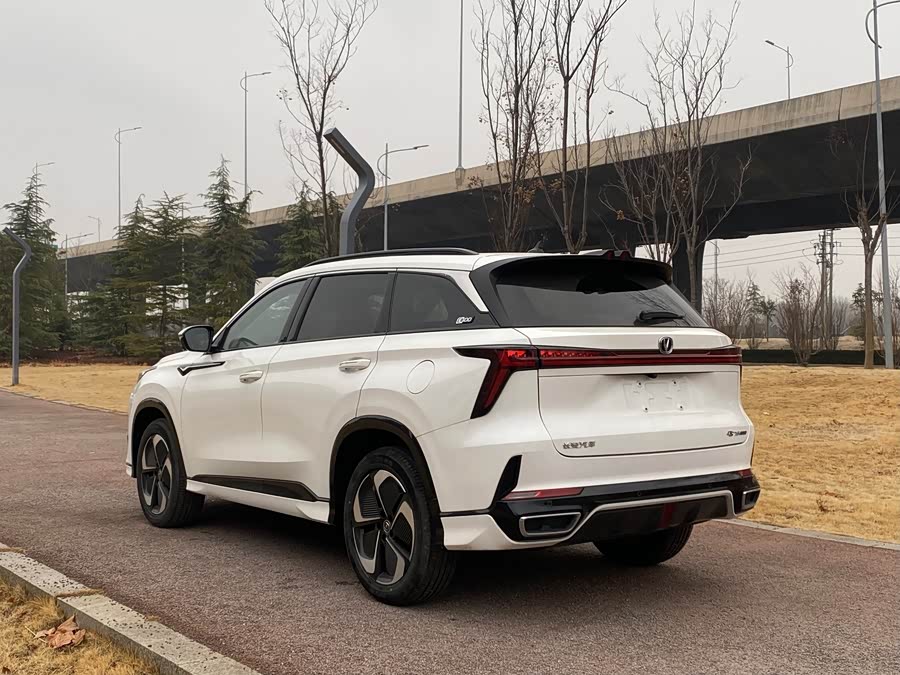
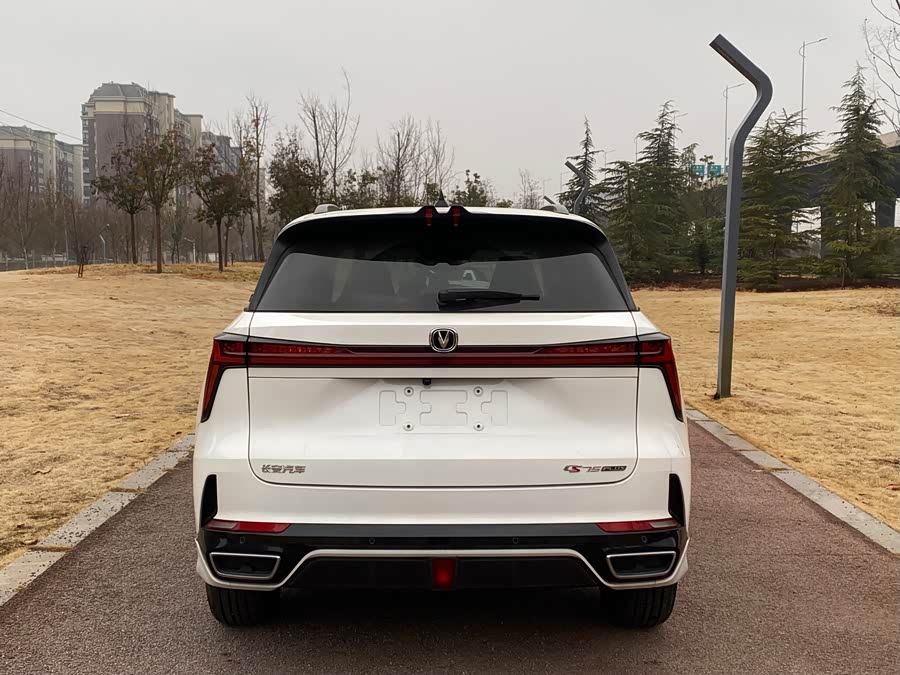



Has the vehicle's VIN (chassis number) been polished or altered?
We will carefully check if the chassis number on the windshield, chassis, and door frame matches.
Excellent
I'm glad you've seen my post. The car listing is absolutely genuine. Our company has long been engaged in the buying and selling of various high-quality used cars, and we're happy to serve you. Our company solemnly declares: we strictly prohibit accident-damaged, flood-damaged, fire-damaged, and illegally owned vehicles. This car has been inspected by our appraisers and all functions are normal. The paperwork is complete, valid, and authentic, allowing for normal ownership transfer. We support any inspection, so please buy with confidence. Our vehicles, within five years or 100,000 kilometers, come with a three-year or 50,000-kilometer warranty, ensuring your peace of mind. We support vehicle trade-ins; our company provides dedicated personnel for ownership transfer; we support vehicle installment plans; we support low down payments; the procedures are simple, legal, safe, and with low interest rates; we can also assist those with poor credit or other reasons who cannot obtain financing.
We will carefully check if the chassis number on the windshield, chassis, and door frame matches.
Parts availability depends on the brand's official presence in your market, but even unsupported brands can be maintained through direct ordering. Check three channels first: the brand's official dealer network (if any), third-party importers who specialize in Chinese auto parts, and generic equivalents. For wear items like brake pads, filters, and wipers, aftermarket suppliers usually stock cross-references by VIN. For model-specific parts — headlights, sensors, control modules — order directly from China. Ask your exporter for the parts catalog by VIN, confirm OEM part numbers, and compare prices. A turbocharger that costs $900 from a local dealer often ships from China for $350 plus $80 freight. Practical tips: bundle multiple parts into one shipment to amortize freight; ask for DDP (delivered duty paid) pricing so customs clearance is handled; and always verify part numbers against your VIN before paying, as Chinese models have running changes mid-year. Keep a small stock of common wear parts — oil filters, air filters, spark plugs — to avoid a 4-6 week wait for routine maintenance.
Both are common, and the right choice depends on budget and destination: 1. Container shipping (20ft/40ft): The car is sealed inside a container, offering better protection and allowing you to load spare parts inside the car. Typical cost from Shanghai to major world ports: $1,500-$3,000 per car. Best for long distances and high-value vehicles. 2. RoRo (roll-on/roll-off): The car is driven onto the ship and secured on deck. Cheaper ($800-$1,800 to most ports) and faster to load, but exposed to weather and port handling. Not all routes offer RoRo service. Transit time examples: to the Gulf 15-25 days, to West Africa 30-45 days, to Latin America 25-40 days, to Europe 20-35 days. Ask your exporter which option serves your destination port, and always insure the shipment for full value.


