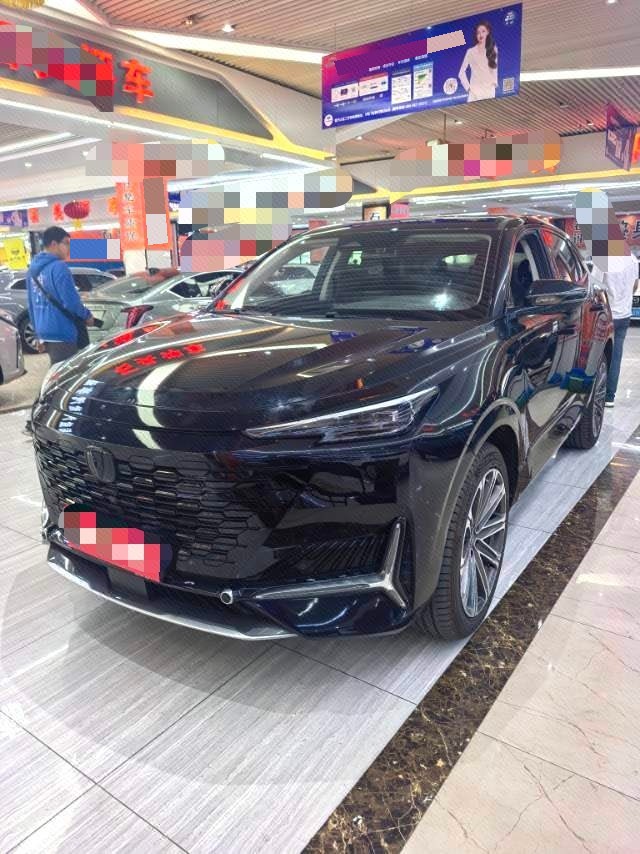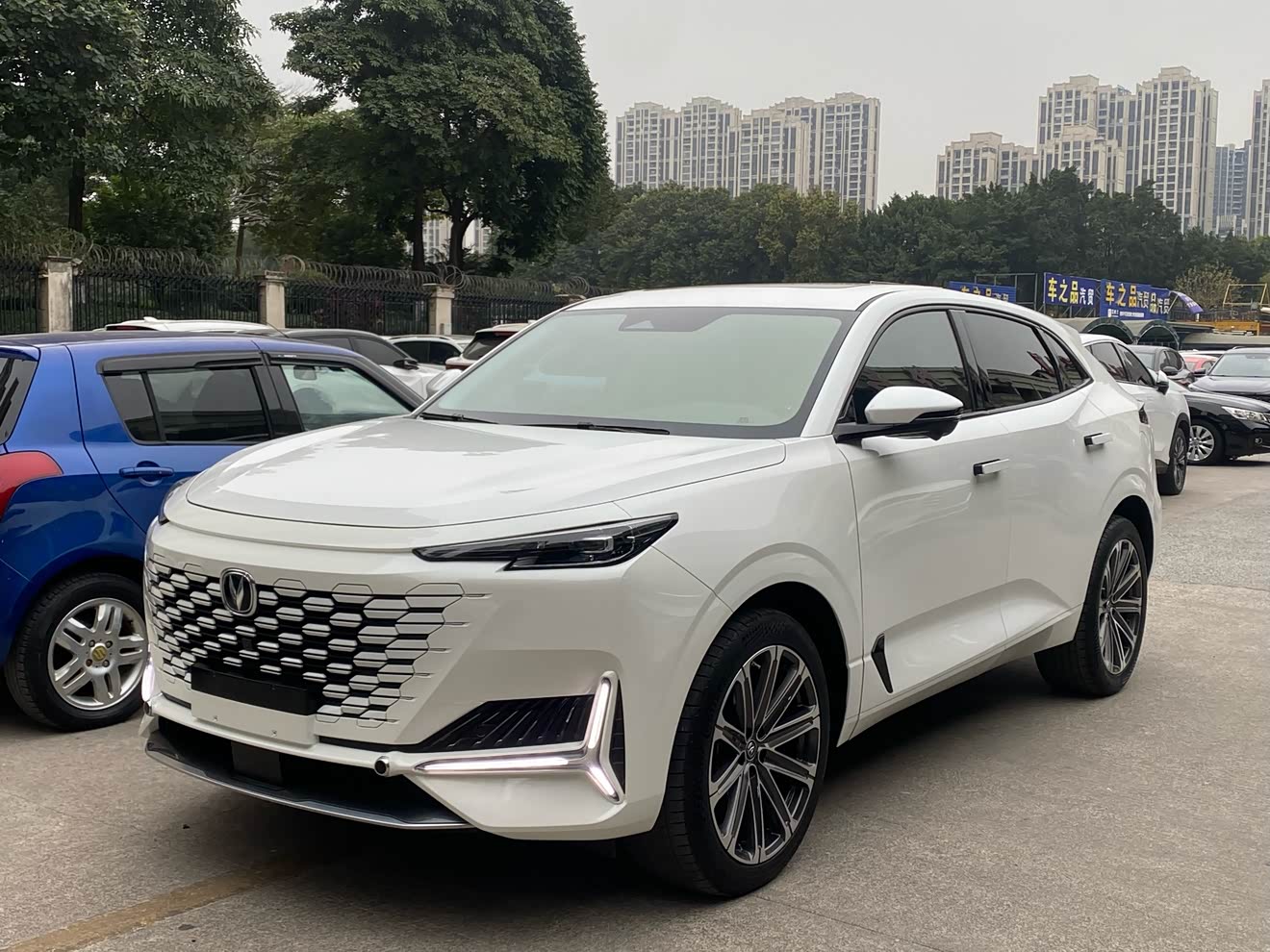
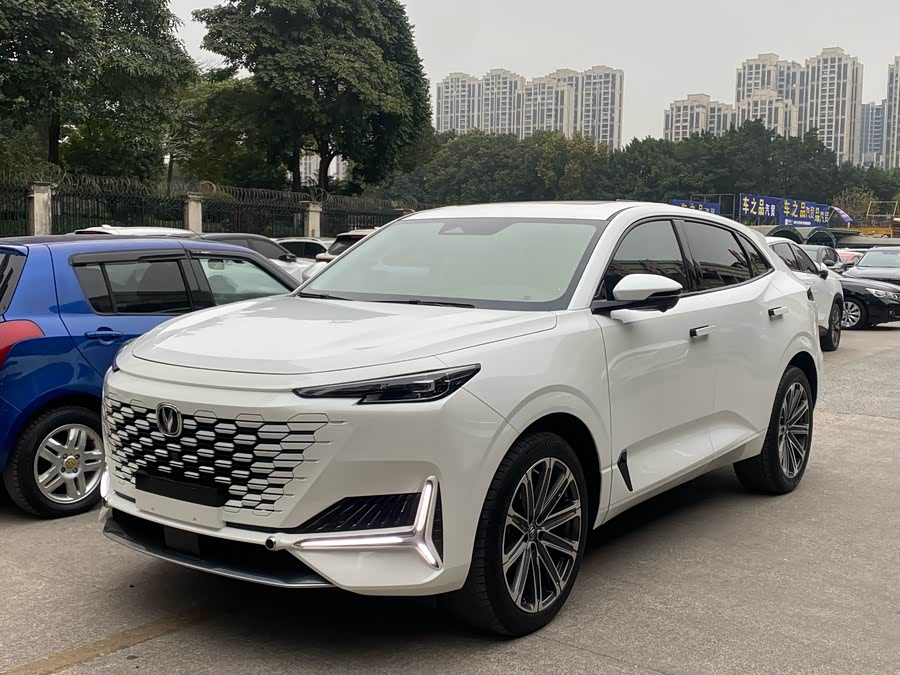
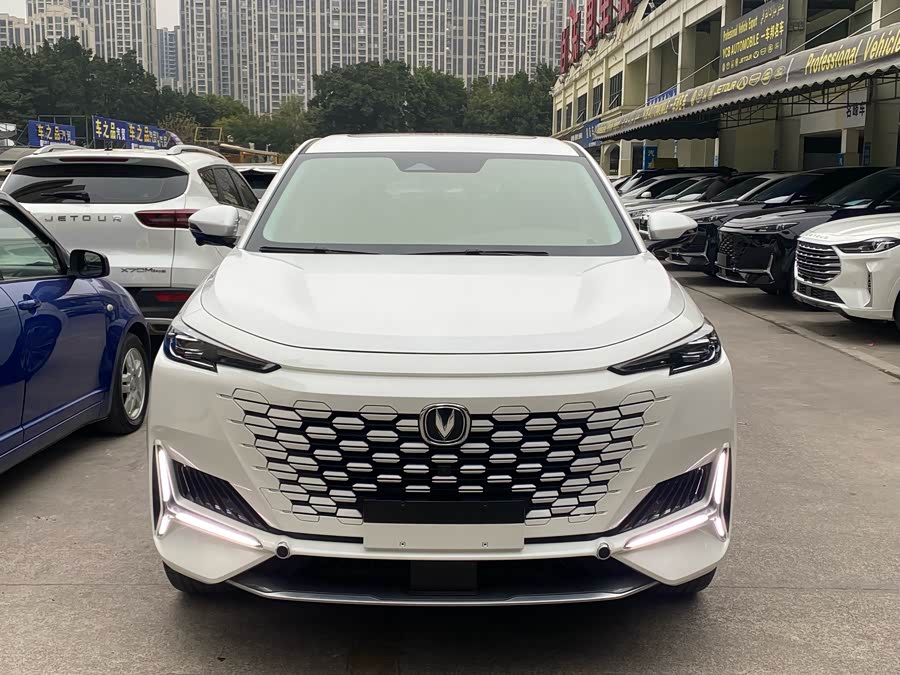

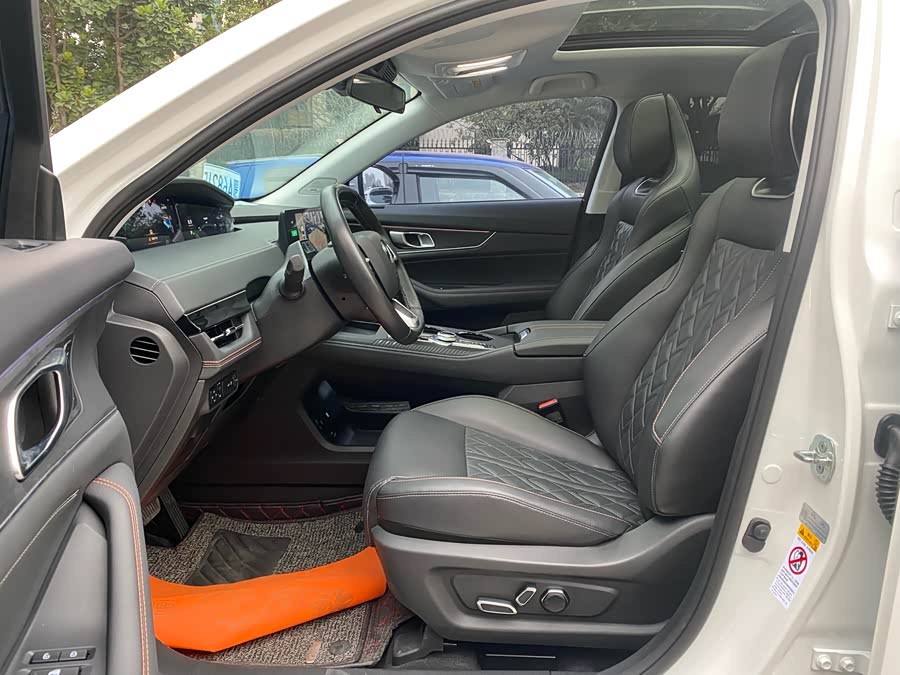
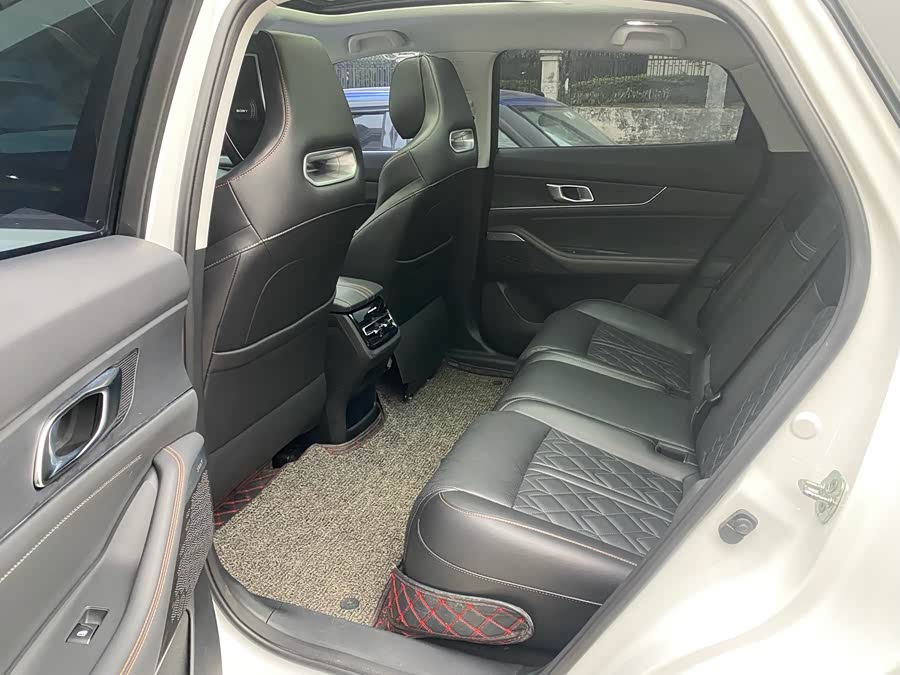
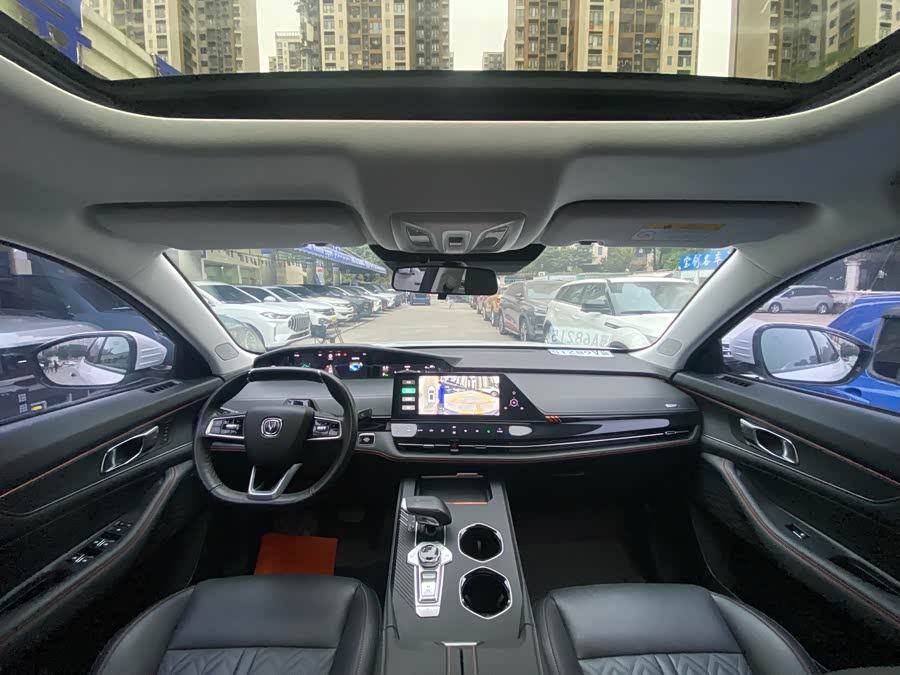
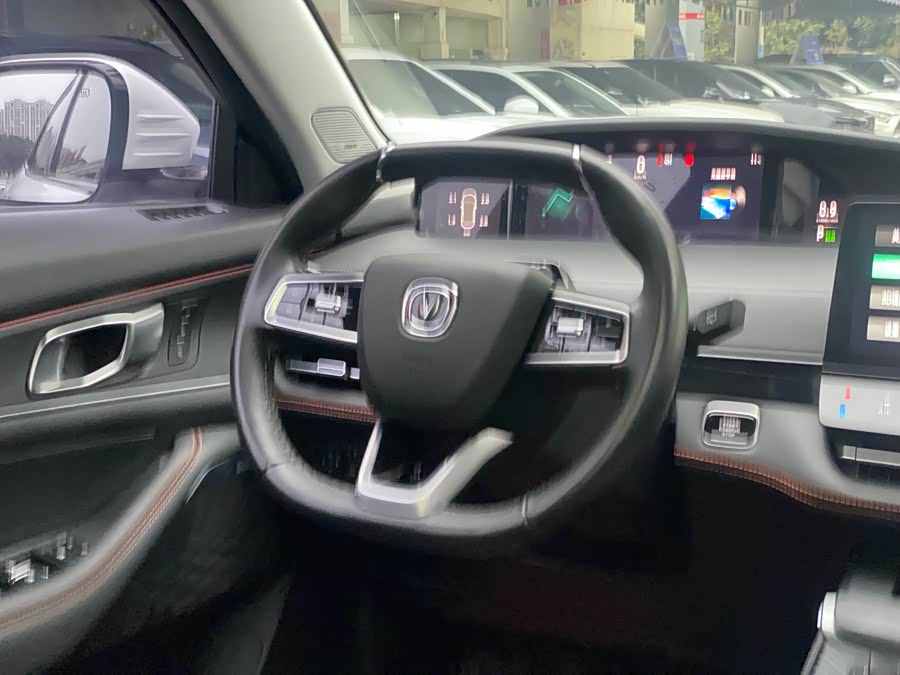
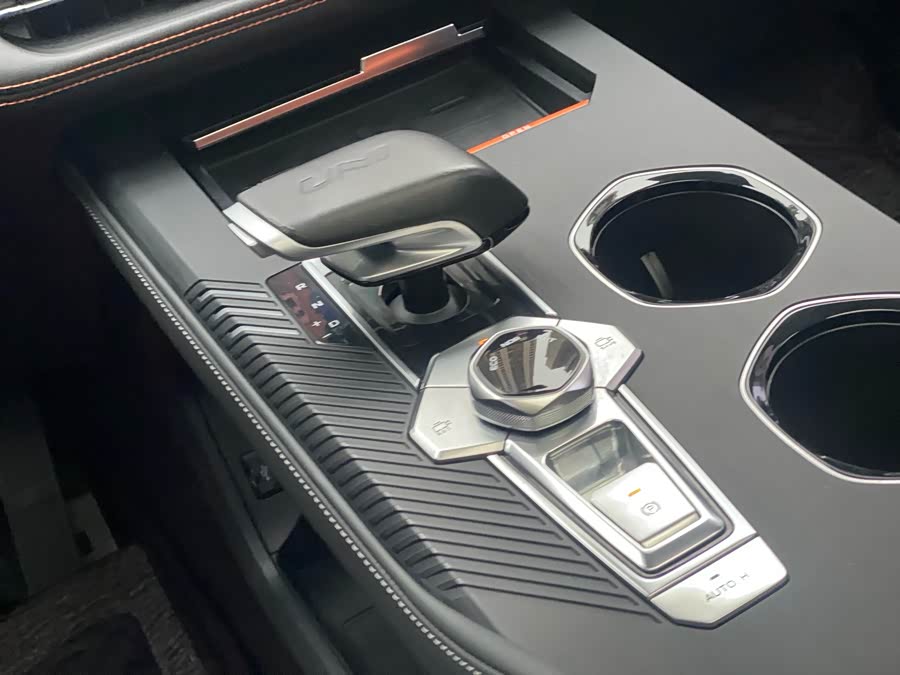
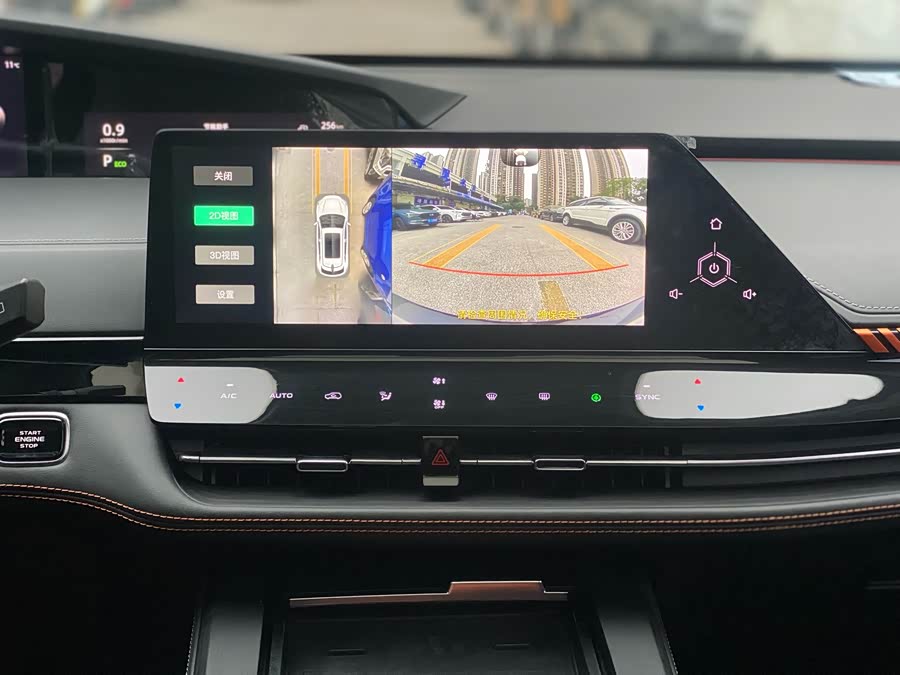
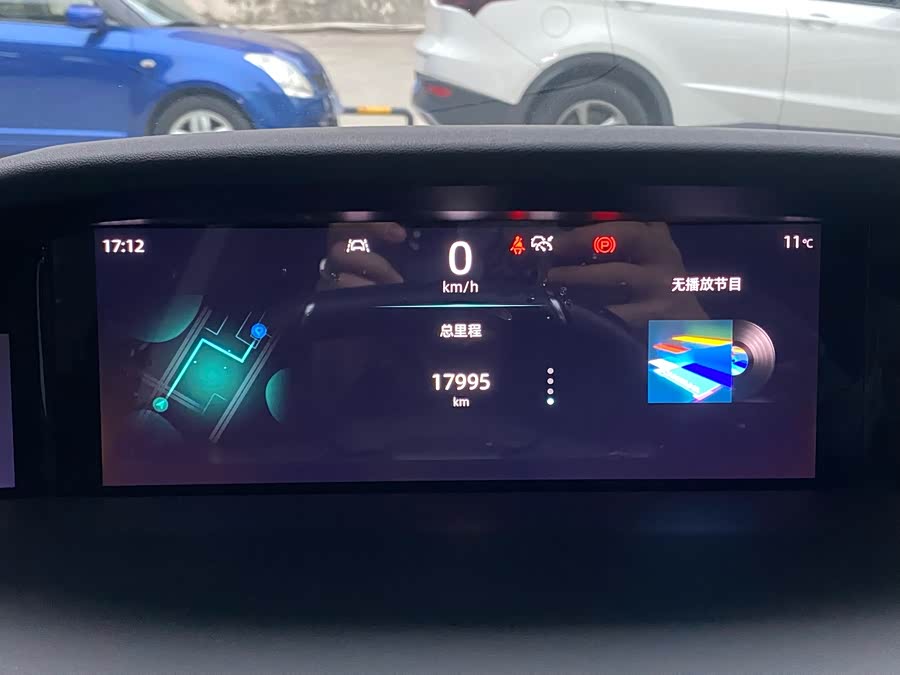



Basic Information

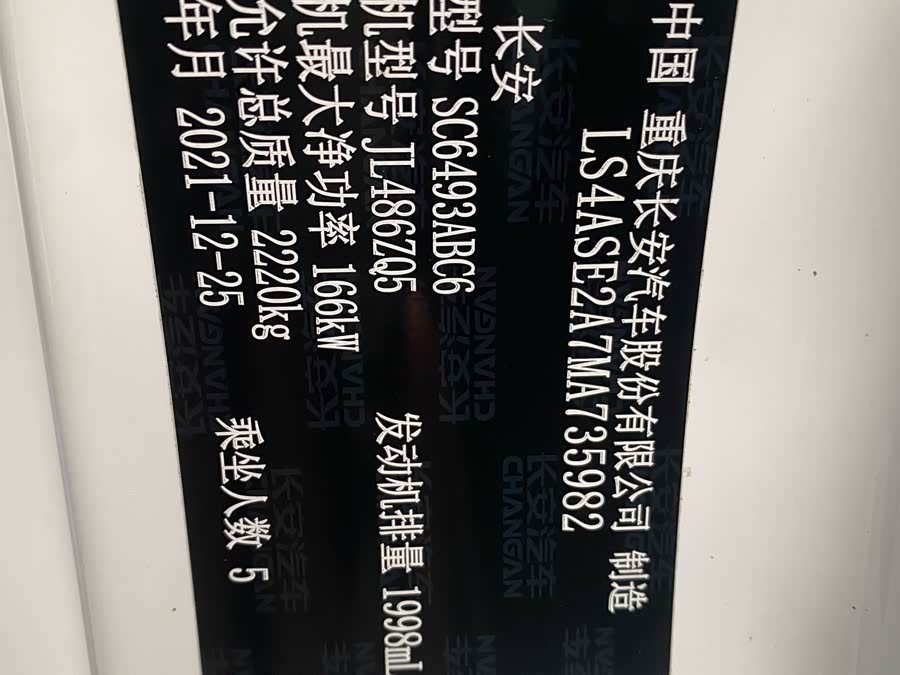
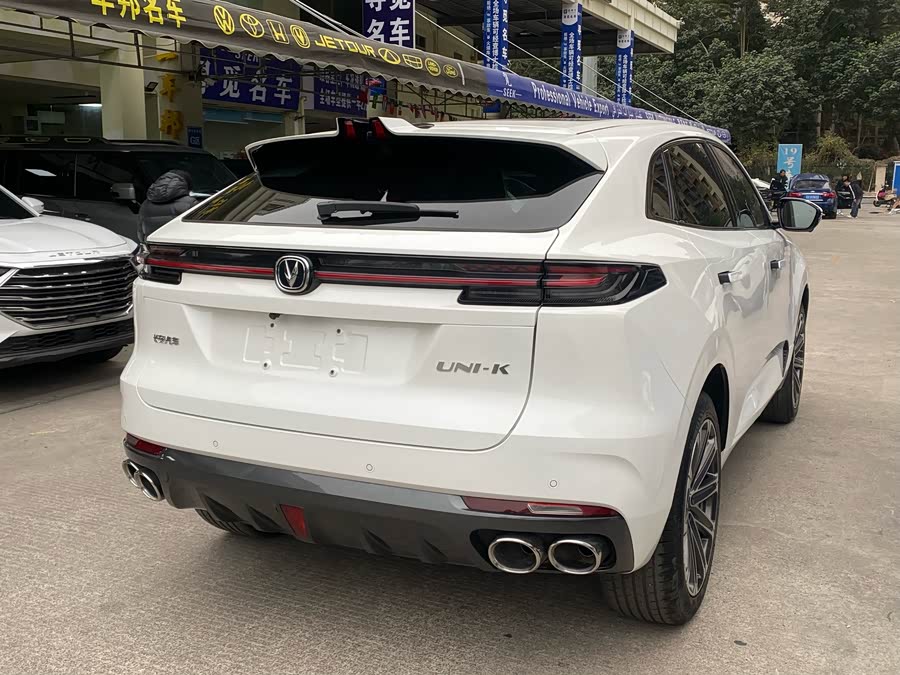
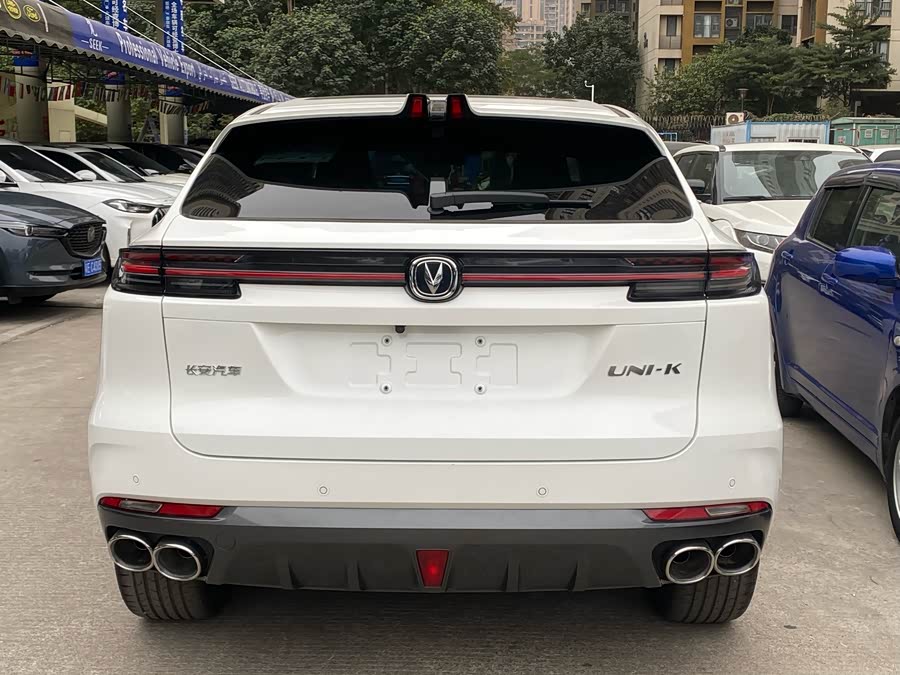
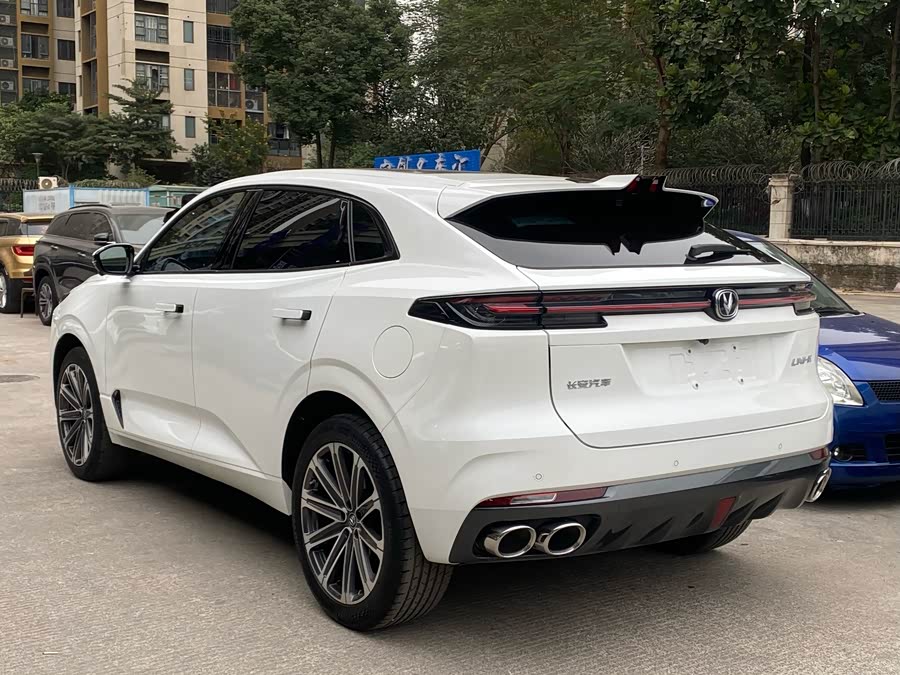
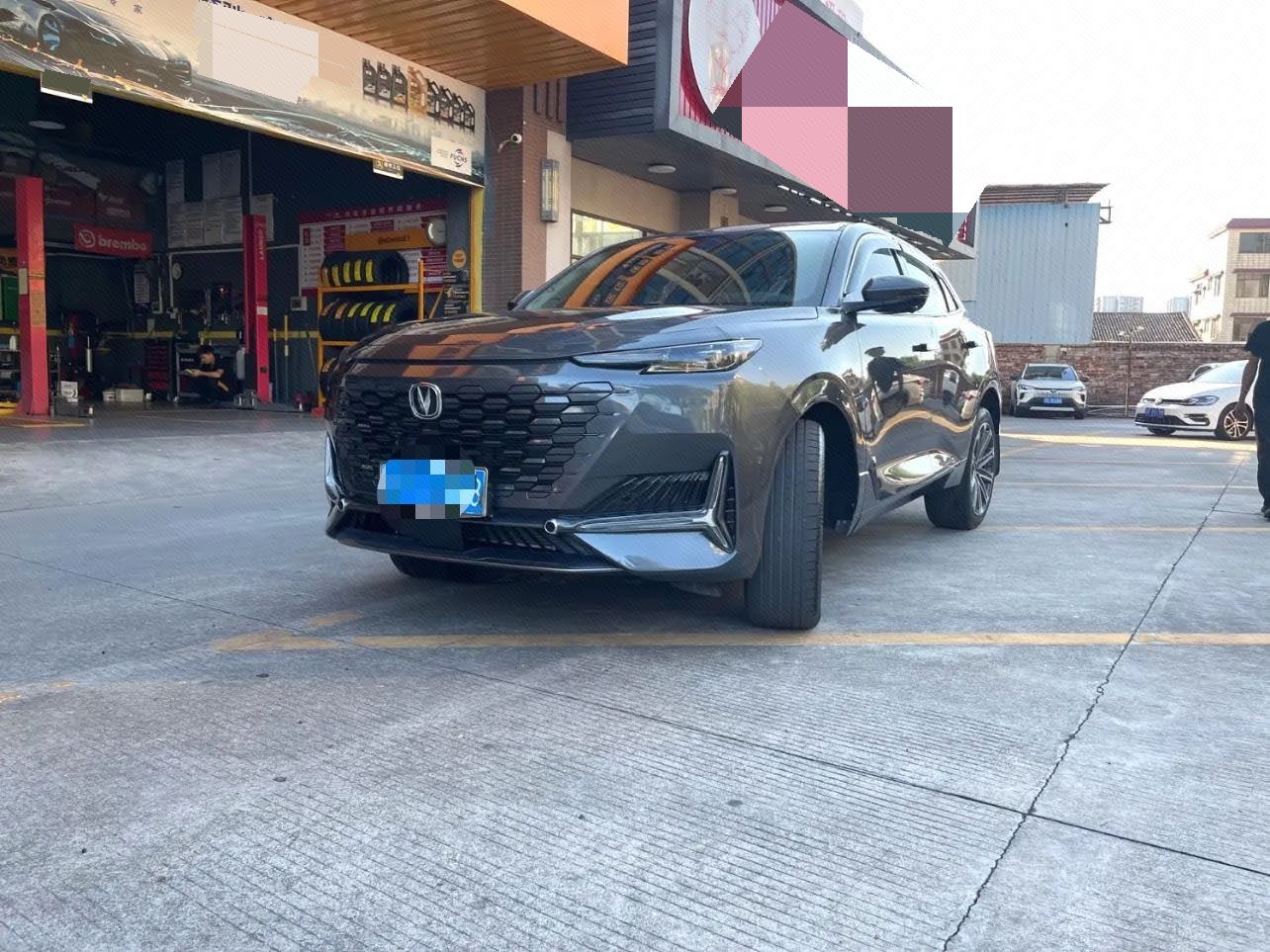
BrandChangan
SeriesUNI-K
Year2022
First Registration2022/01
Mileage30,000km
Transfer Count-
FuelGasoline
TransmissionManumatic
Engine2.0T 233 L4
ColorWhite
Seats-

Condition Description

very good

Our company guarantees that this vehicle is original paint and has not been in any major accidents, flooded, burned, or had its odometer tampered with! We welcome any third-party inspection at any time!

0 transfers

Configuration Highlights

✓Blind Spot Assist
✓Lane Keep Assist
✓Lane Departure Warning
✓Active Safety System
✓ISOFIX Child Seat Anchors
✓Auto Hold
✓Power Trunk
✓Kick-sensor Trunk
✓Keyless Start System
✓Digital Instrument Cluster
✓Built-in Dashcam
✓Bluetooth/Hands-free
✓Connected Car
✓OTA Updates
✓Adaptive Headlights
✓PM2.5 Air Filter
✓Air Purifier
✓Rear Air Vents

Accident & Maintenance Records

Accident Record

🔗 Open Link

Maintenance Record

🔗 Open Link

Document Information

Inspection Expiry Date2026/01
Warranty Expiry Date-
Insurance Expiry Date2026/01

Q&A

More

What is the standard for natural air loss during parking if the vehicle is equipped with air suspension?

Air suspension is very delicate. If, after the vehicle has been stationary for about 12 hours, the height on one side of the vehicle drops more than 1.5 cm when measured from the wheel arch to the tire, we will determine that there is a slight air leak in the air spring or distribution valve on that side and warn you of the high subsequent repair costs.

How will the high-voltage protective armor of an electric vehicle chassis be handled if there are minor scraping marks within safety tolerances?

As long as the scratches do not damage the aluminum battery pack casing and do not cause structural dents in the crash beam, we will document it in the inspection report as "Surface Scuff" and no replacement will be made.

How are the refrigerant pressure, compressor operation, and heating effect of the air conditioning system deeply tested?

The technician will start the vehicle and turn on the air conditioning system, measuring the actual temperature at the vents at the lowest and highest settings with a thermometer; at the same time, they will connect a manifold pressure gauge to check if the refrigerant pressure in the high and low pressure lines is within the normal range, determining if there is a chronic refrigerant leak.