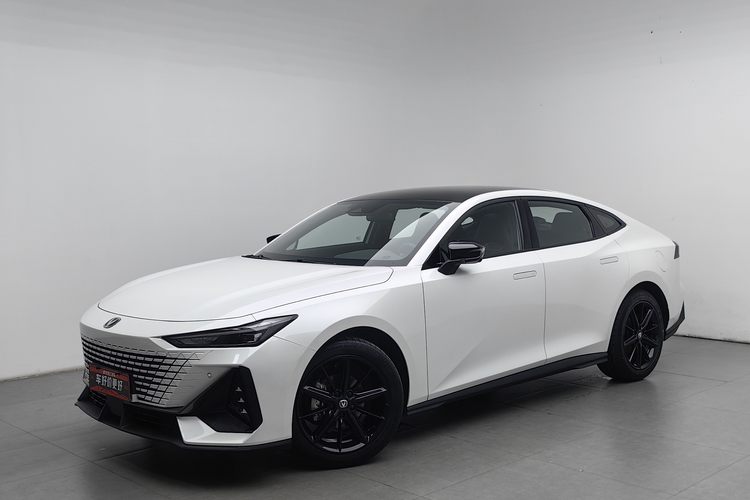
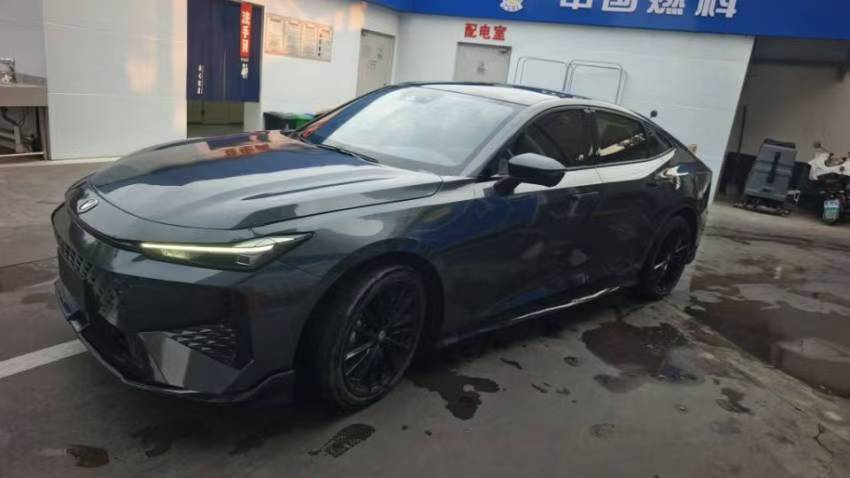
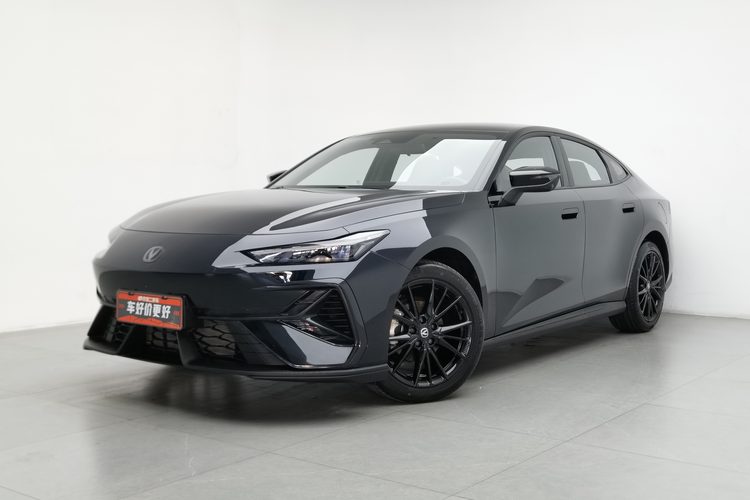
Basic Information

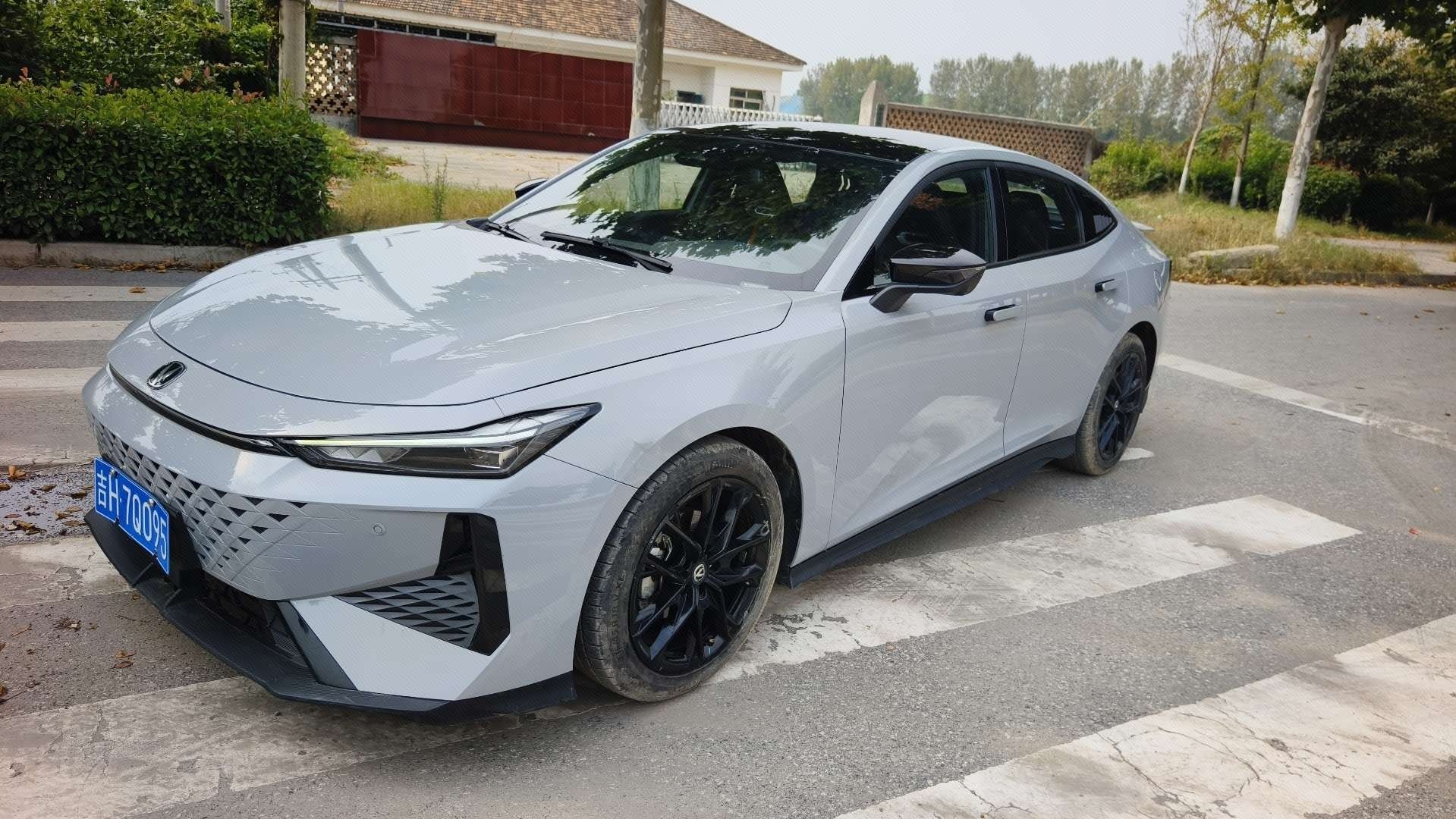
BrandChangan
SeriesUNI-V
Year2022
First Registration2022/08
Mileage4.12km
Transfer Count-
FuelGasoline
TransmissionDCT
Engine1.5T 188 L4
ColorGrey
Seats-

Configuration Highlights

✓Driver/Passenger Airbags
✓Front/Rear Side Airbags
✓Front/Rear Curtain Airbags
✓Tire Pressure Monitoring
✓ISOFIX Child Seat Anchors
✓Keyless Start System
✓Keyless Entry System
✓ABS Anti-lock Braking
✓Electronic Brake Distribution
✓Electronic Stability Control
✓Hill Start Assist
✓Auto Hold
✓Panoramic Sunroof
✓Power Trunk
✓Kick-sensor Trunk
✓Multifunction Steering Wheel
✓Paddle Shifters
✓Front Parking Sensors
✓Seat Material
✓Driver/Passenger Power Seats
✓Rear Cupholders
✓GPS Navigation
✓Low Beam Headlights
✓Daytime Running Lights
✓Auto Headlights
✓Adjustable Headlight Height
✓Power Windows
✓Anti-pinch Windows
✓Climate Control Type
✓Rear Air Vents
✓Start-Stop System
✓Lane Departure Warning
✓Active Safety System

Q&A

More

If a problem arises after the car arrives, how are disputes and claims typically handled with a Chinese exporter?

Handling claims with an overseas exporter works best when expectations are set before payment. Prevention: put the inspection standard, photo/video evidence requirements, and a dispute clause into the sales contract. Keep all chat records and payment receipts. Typical process if issues arise: 1) Notify the exporter within 48-72 hours of delivery with photos/videos as evidence. 2) Most disputes fall into two buckets: shipping damage (handled via marine insurance — this is why insurance matters) or undisclosed mechanical defects (handled per contract, often via partial refund, spare parts, or repair cost sharing). Realistic expectations: exporters rarely accept returns, so negotiate compensation instead. A reputable company will usually cover reasonable repair costs for defects confirmed to pre-exist shipment. Tip: for higher-value cars, hire a local third-party inspection at destination as final evidence — it strengthens any claim significantly.
What should I do if the destination country requires a certificate of origin?

Apply for a certificate of origin from the local customs or trade promotion agency, proving that the country of manufacture is China. This is a necessary document for customs clearance in regions like the Middle East and Southeast Asia.

After receiving the car, I found that the 12V battery was dead and couldn't start, or the wiper rubber was aging. Does this count as a quality breach on your part?

No, it does not. International shipping (especially RoRo) usually takes 30 to 60 days, during which the vehicle is stationary. A dead 12V battery, natural tire pressure loss, and even wiper aging due to temperature differences are all reasonable physical wear during long-distance transport. We strongly recommend that overseas buyers bring a portable jump starter and an air pump when picking up their vehicles at the port.