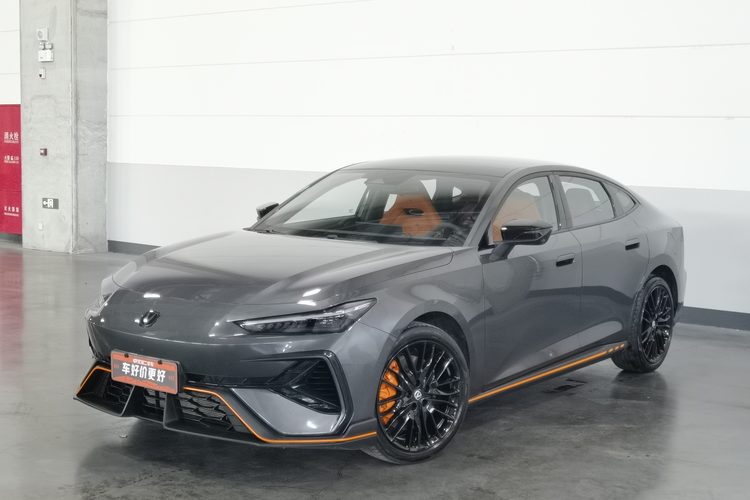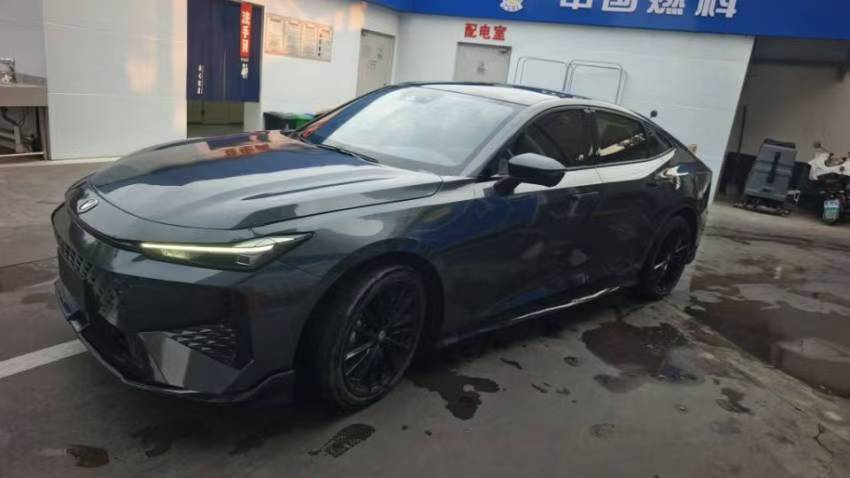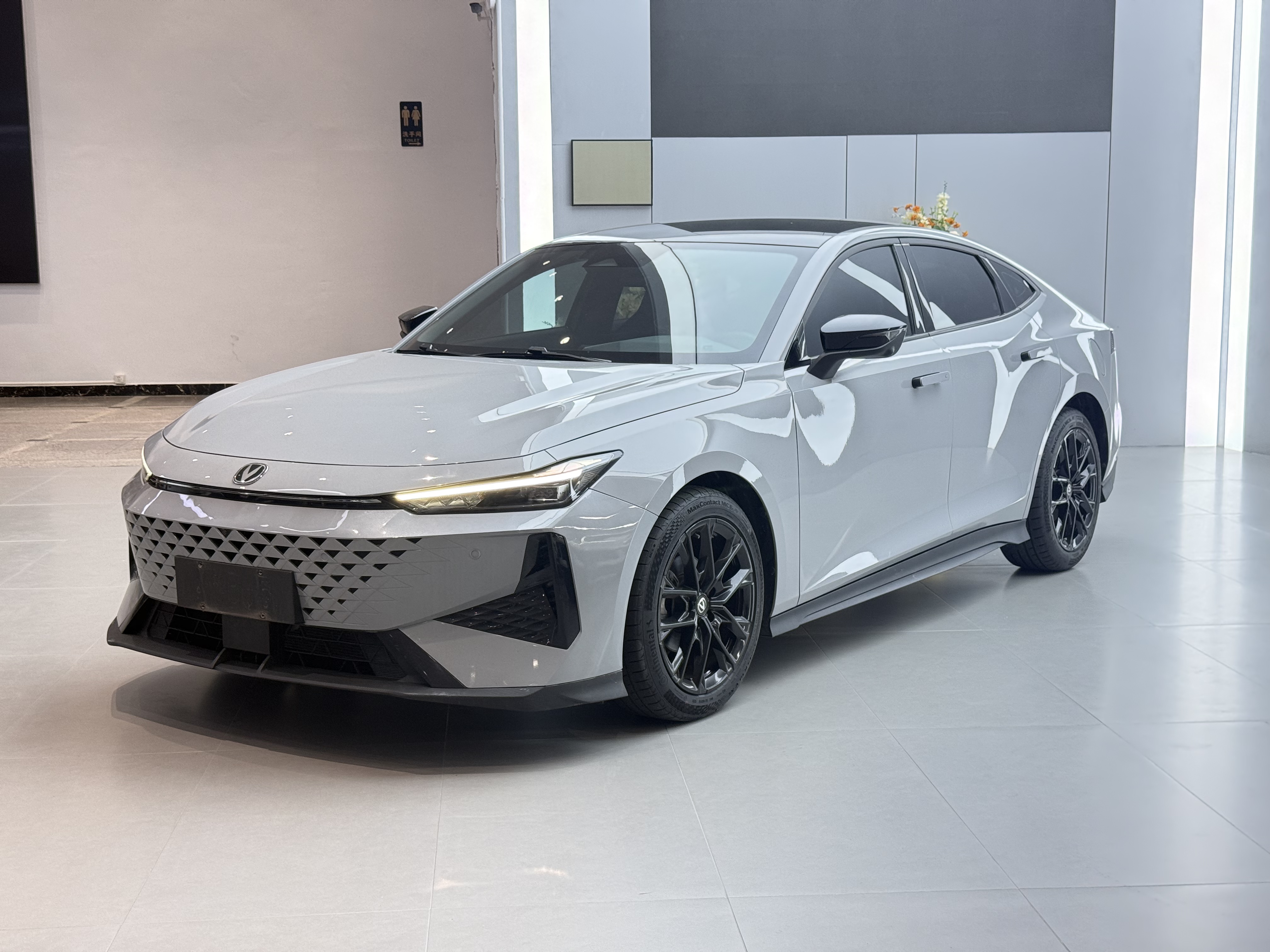
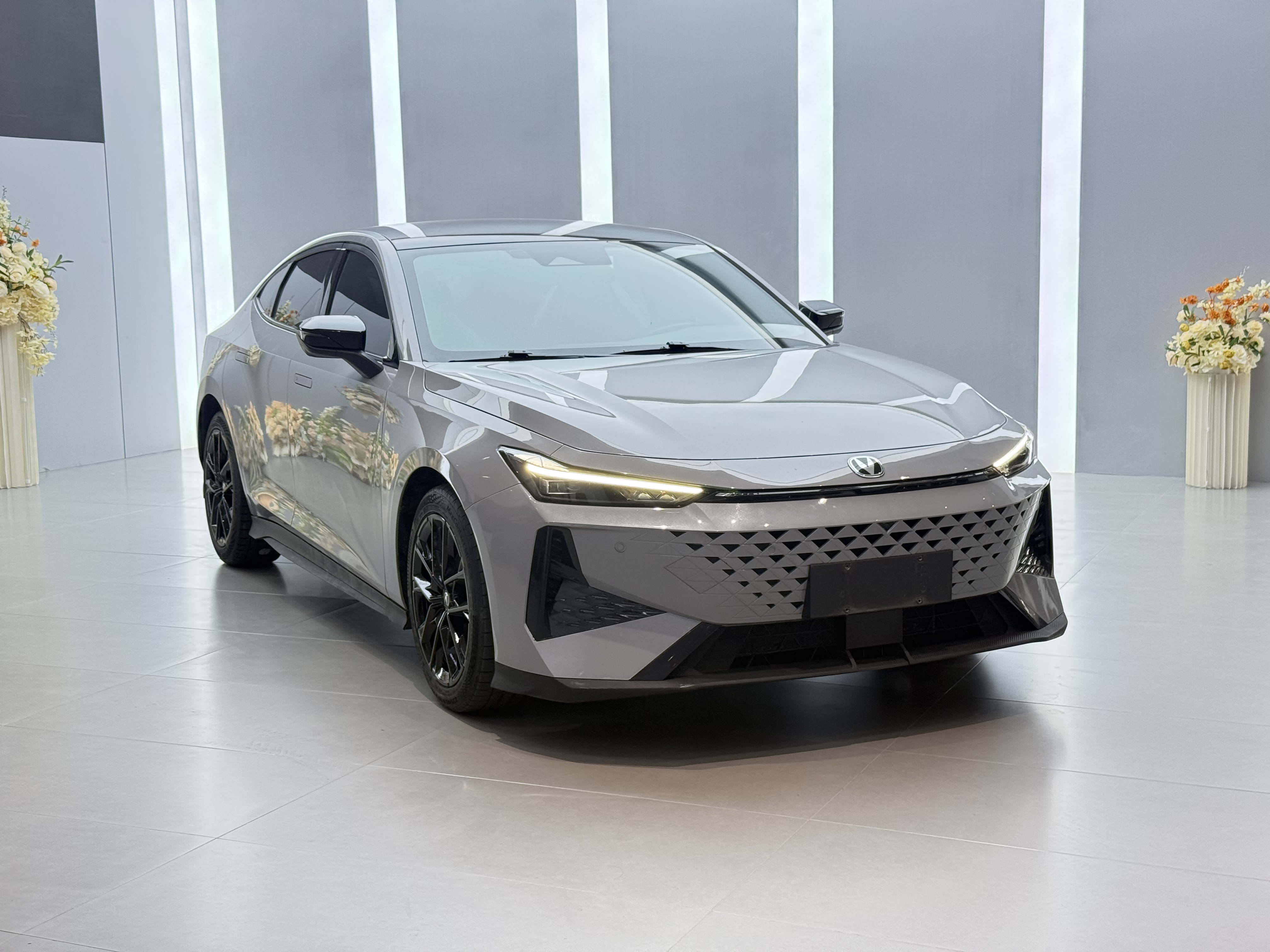
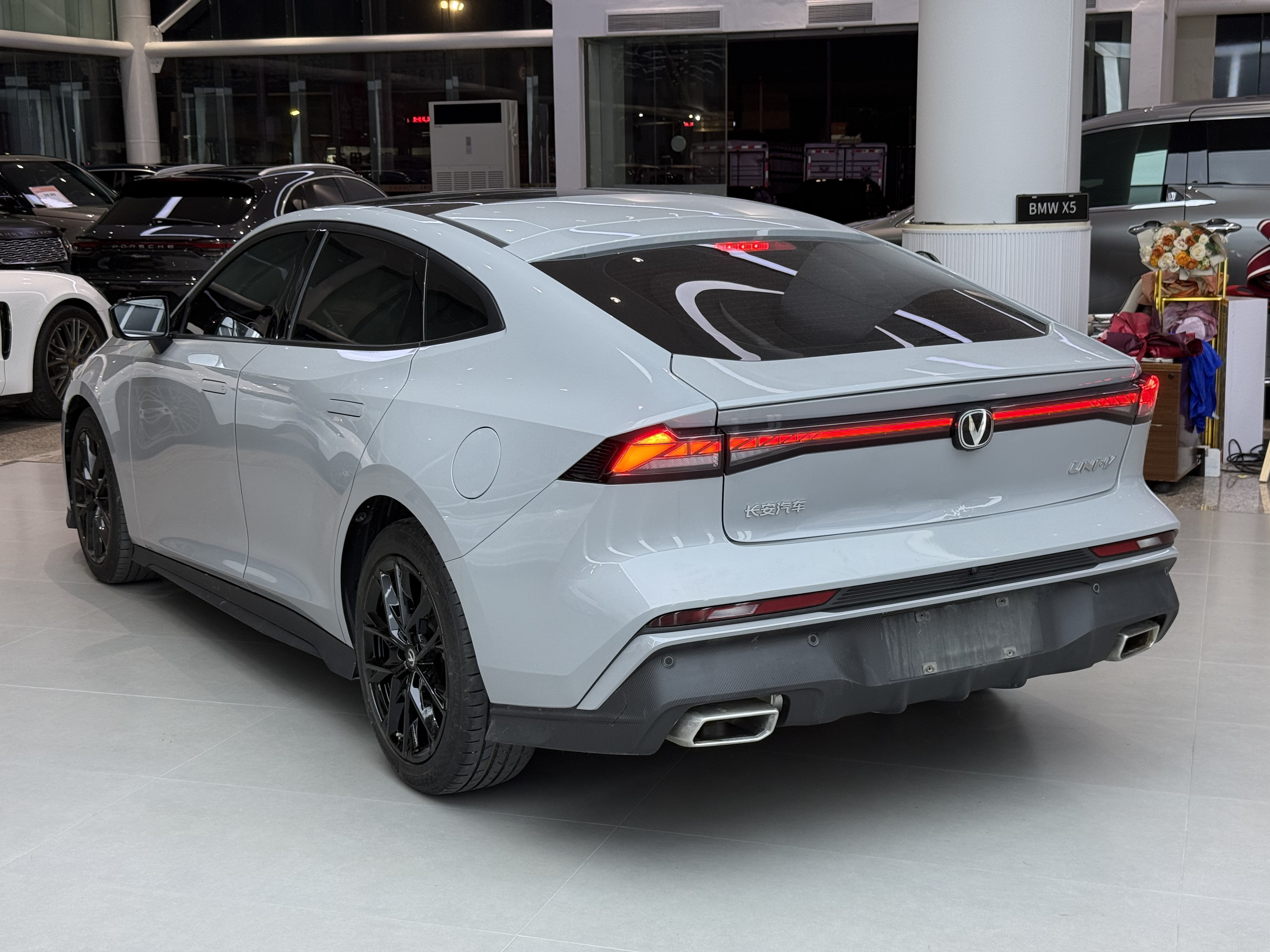
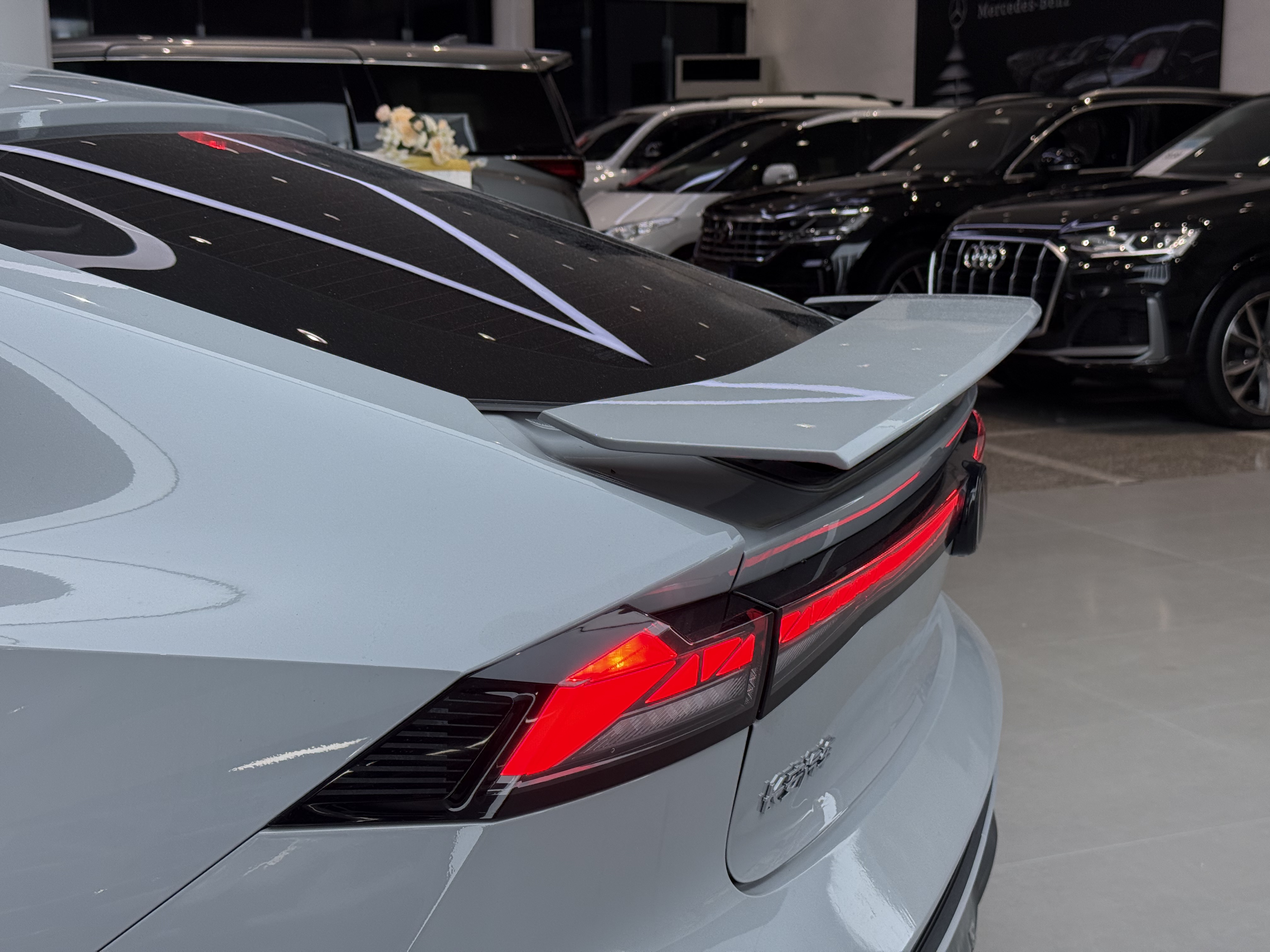

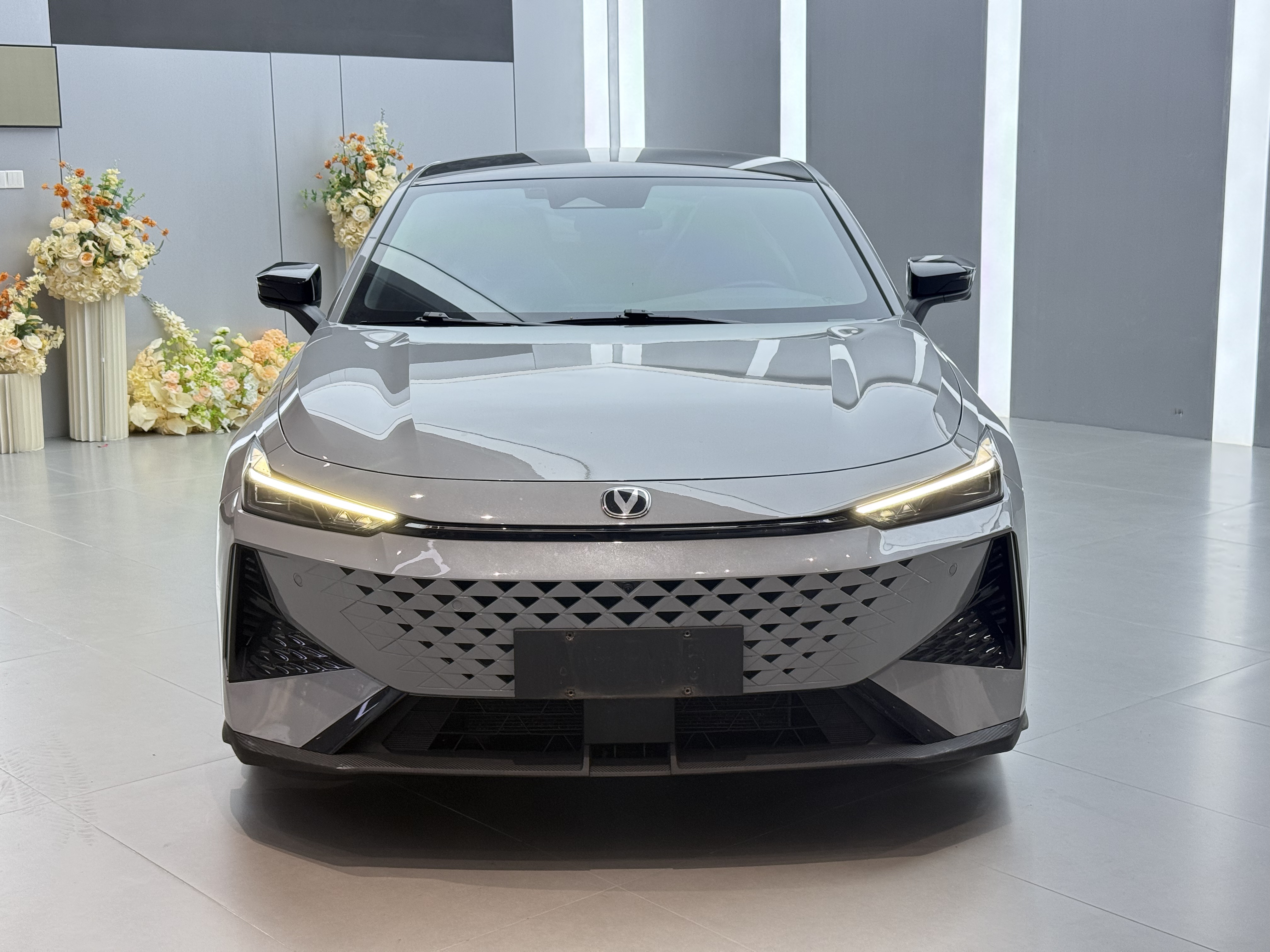
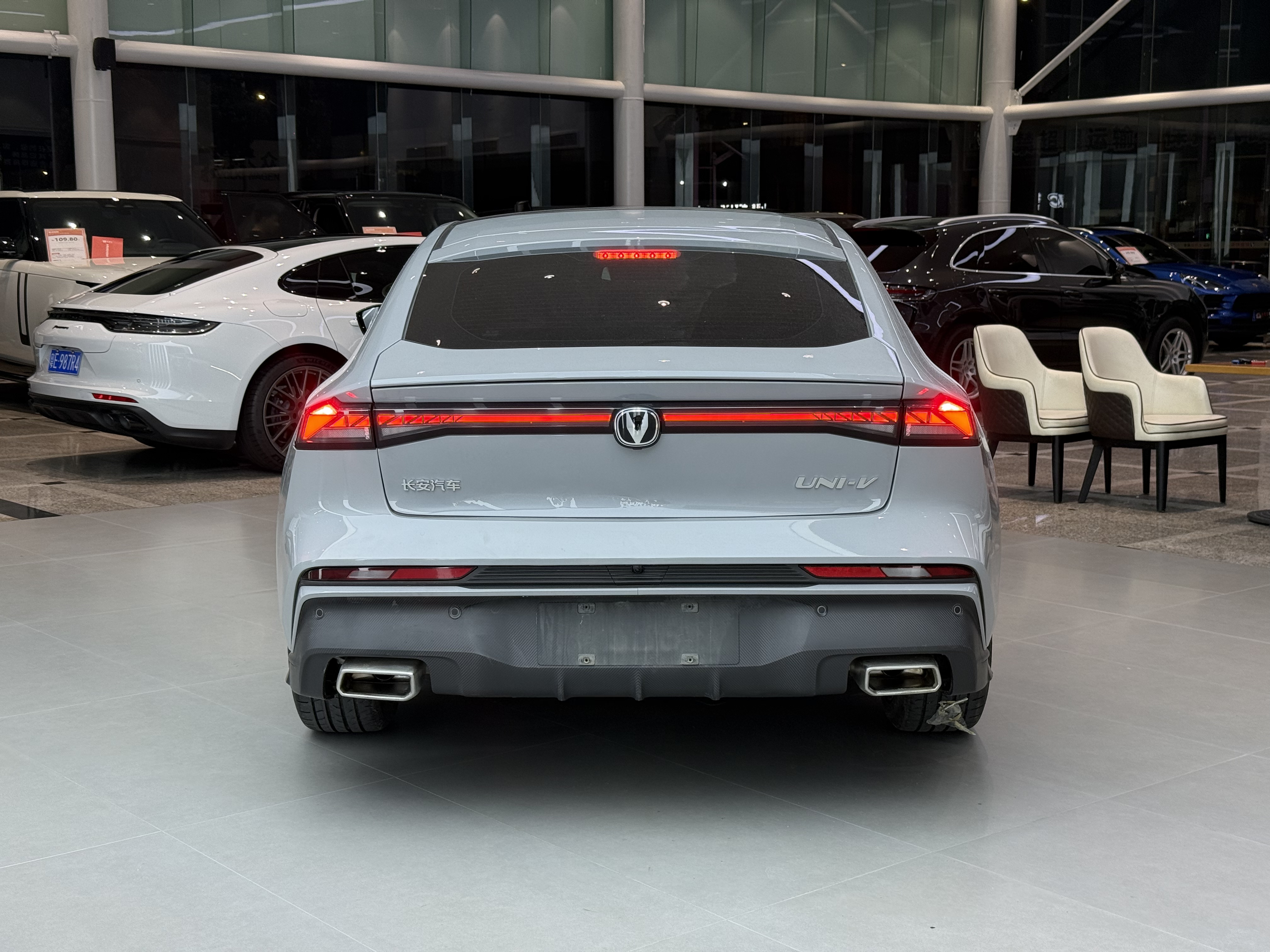
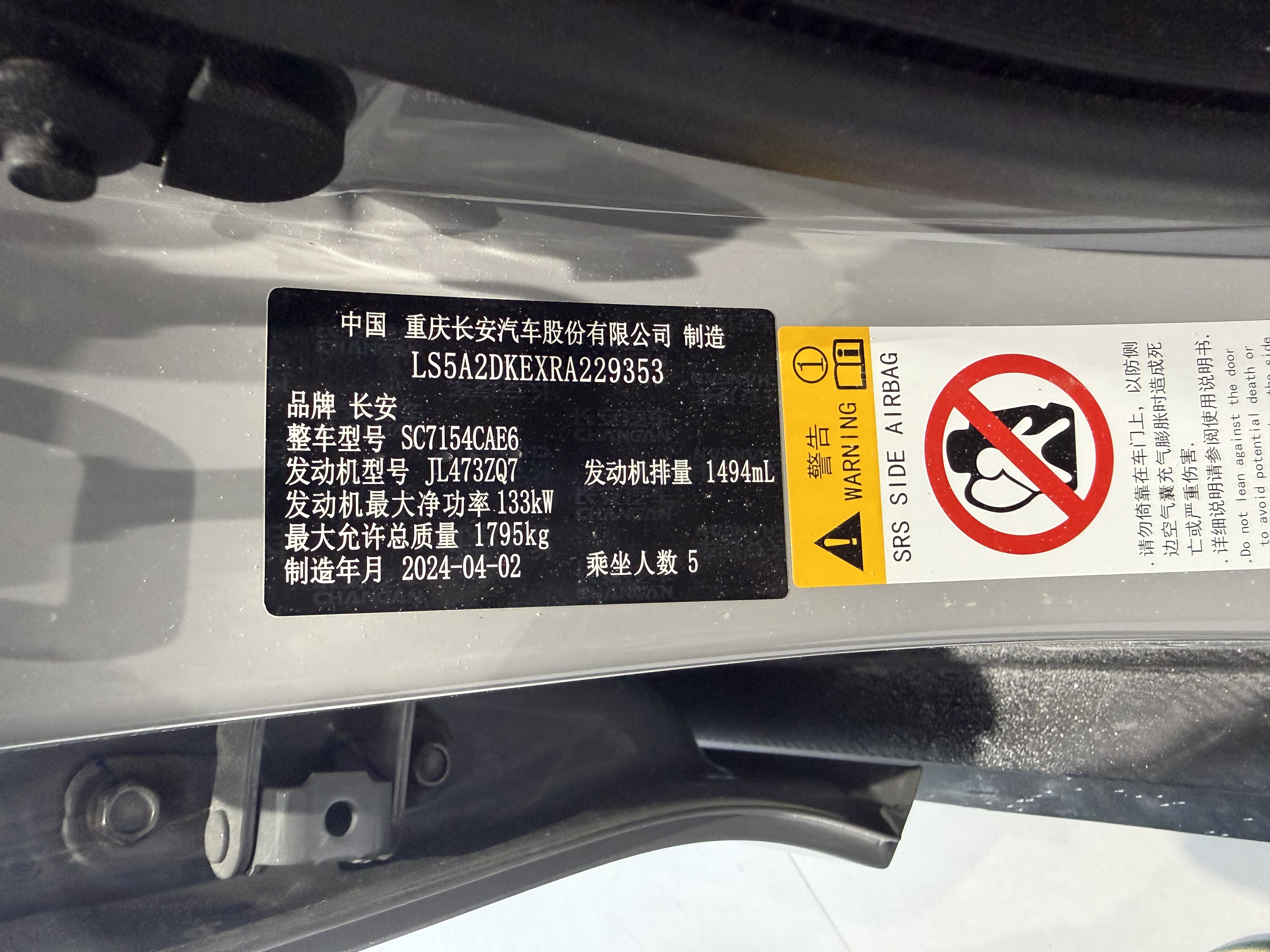
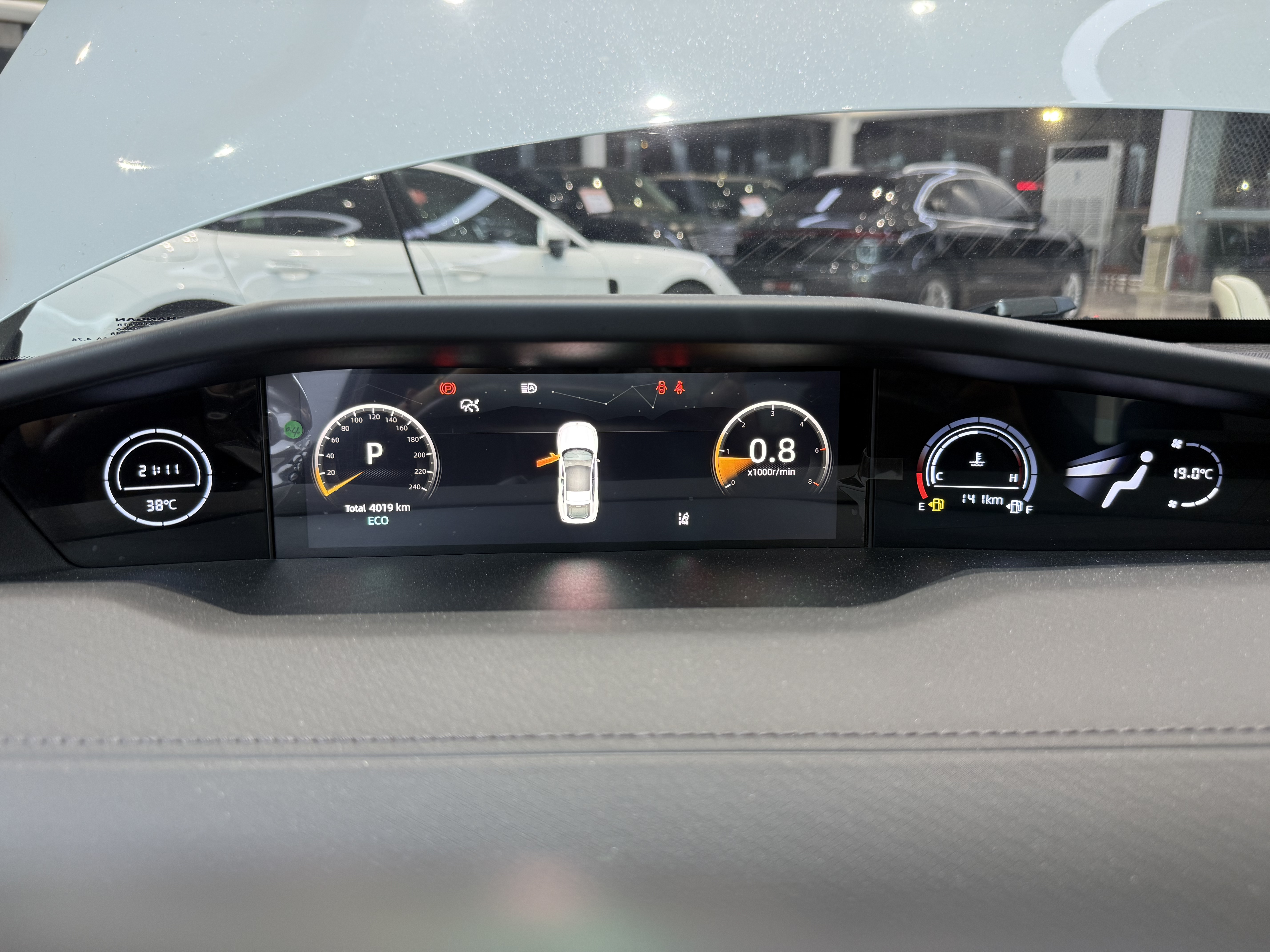
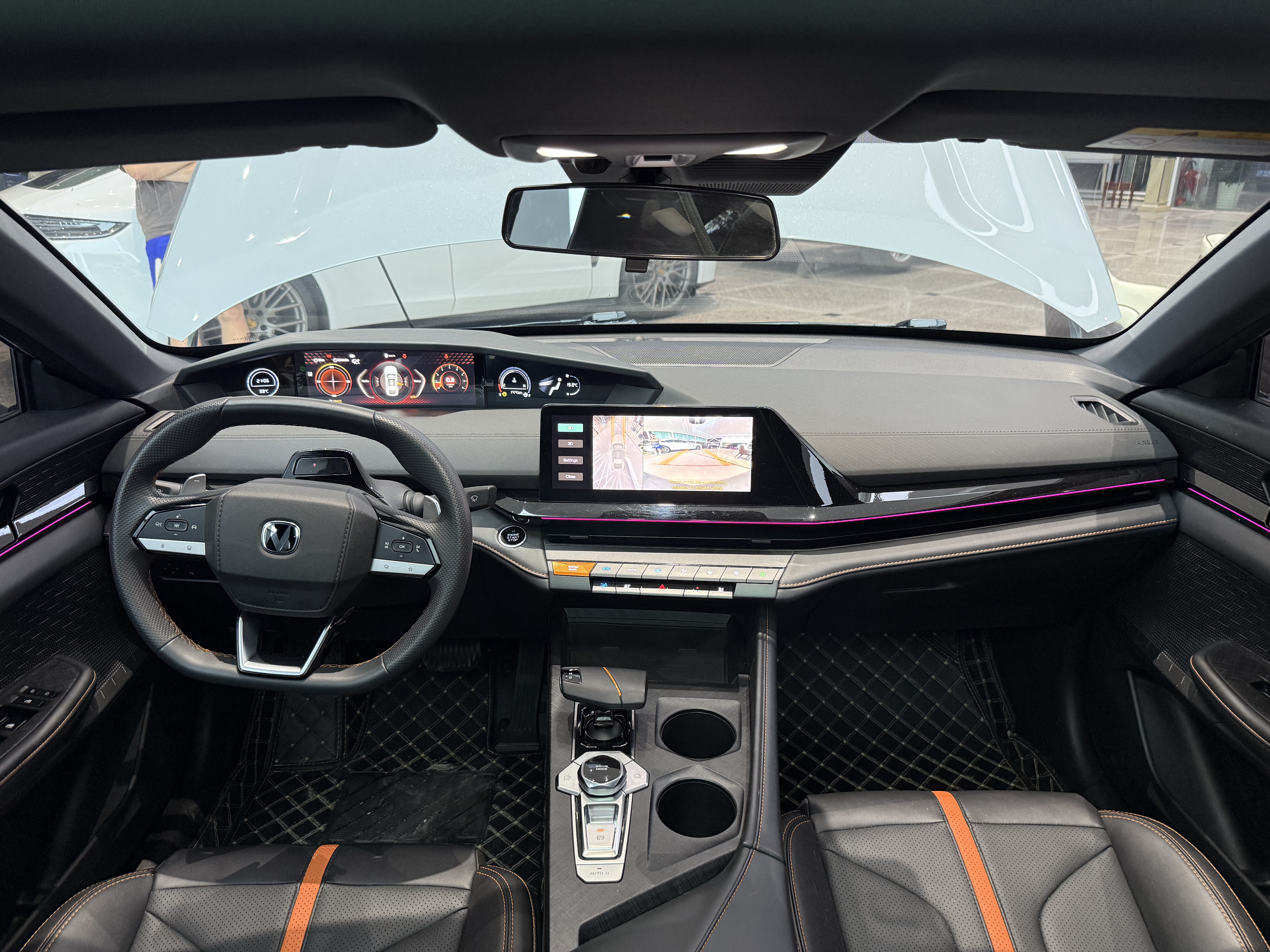



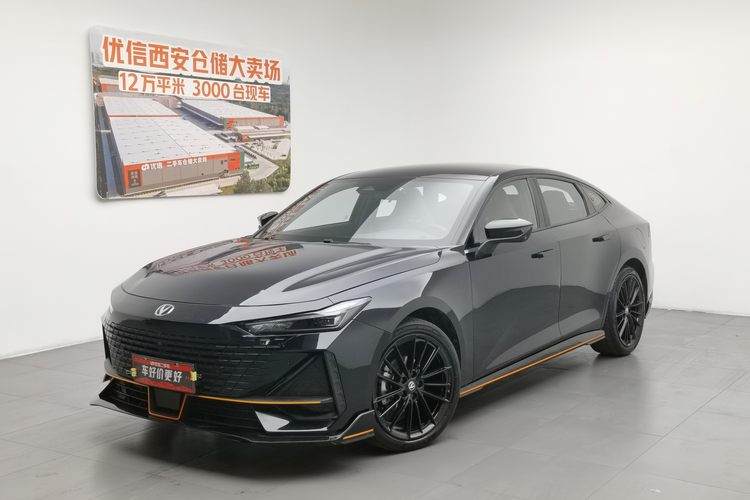
Basic Information

BrandChangan
SeriesUNI-V
Year2024
First Registration2024/04
Mileage4,099km
Transfer Count0times
FuelGasoline
TransmissionDCT
Engine1.5T 188 L4
ColorGrey
Seats5seats

Condition Description

Premium quality, manufactured in April 2024.

Q&A

More

How can I make sure a used car from China has a clean title and no outstanding loan or lien?

Start by asking the seller for a photo of the full vehicle registration certificate. Check that the registered owner matches the seller's company name. Any change of ownership should appear with a transfer stamp and date. Second, request a lien check. In China, vehicle mortgages are registered with the vehicle management office. A clean certificate shows no mortgage registration; if one exists, the car cannot be legally exported until the loan is settled and the lien released. Third, verify there are no unpaid traffic fines and no gaps in compulsory insurance, since these can block export clearance. Ask the platform to include a title verification step in the transaction flow, and only pay the balance after the title transfer to the export company is confirmed.

Who bears the intermediary bank fees incurred by bank wire transfers (T/T)?

International wire transfers generally follow "shared (SHA)" or "sender pays all (OUR)" principles. To ensure we receive the full remaining payment to release the bill of lading, we require all buyers to choose the "OUR" option when remitting, covering all intermediary bank fees.

What export documents come with a used car shipped from China, and which ones do customs in my country require?

A compliant shipment from China includes a standard document set. Verify you receive all of them before the ship departs, because correcting documents mid-transit is slow and expensive. The core set: commercial invoice, bill of lading (original, if your country requires presentation for customs), packing list, certificate of origin, and the export customs declaration. For used cars, also expect the Chinese registration certificate copy, deregistration proof, and a condition/inspection report. Some destinations require additional certificates — GCC states need GSO conformity, EU countries need COC or individual approval, several African nations require BESC/ECTN tracking numbers issued before loading. Your customs broker will typically need the invoice and bill of lading at minimum, plus proof of vehicle age and emissions where age limits apply. Ask your exporter for scanned copies the day the vessel sails, not when it arrives: pre-clearance can cut port storage fees significantly. One caution: the invoice value must match your payment records. Under-declaring to save duties is customs fraud in most countries and risks seizure.