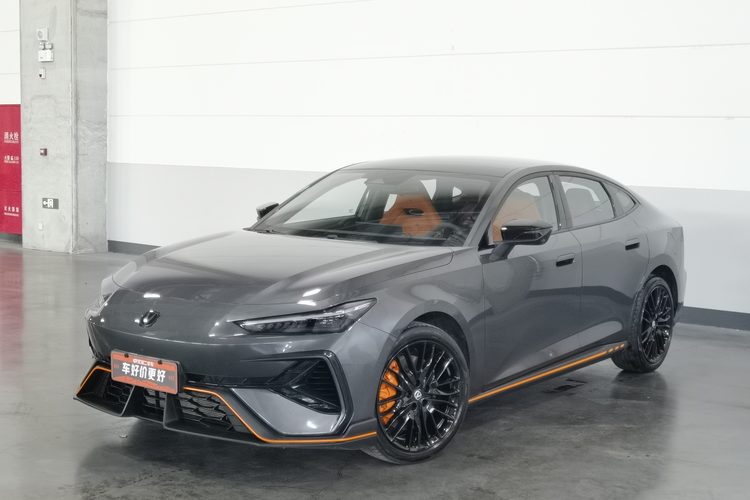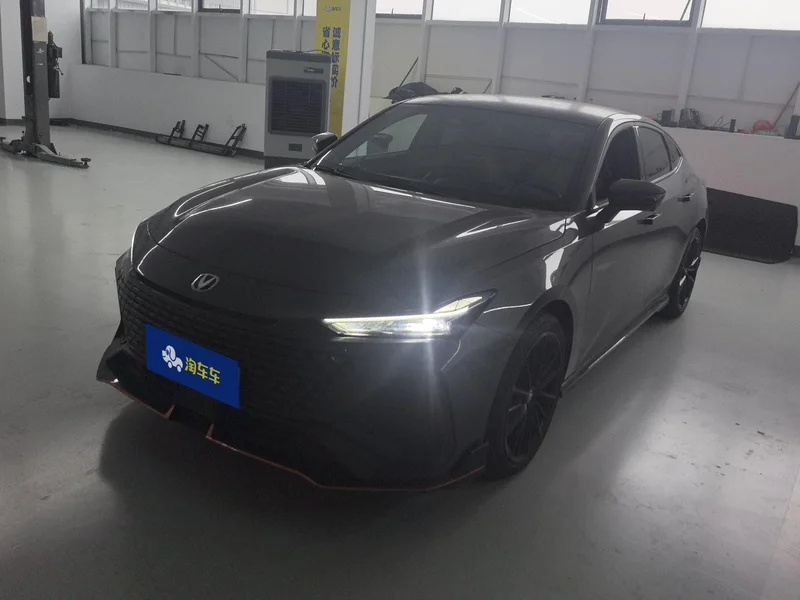
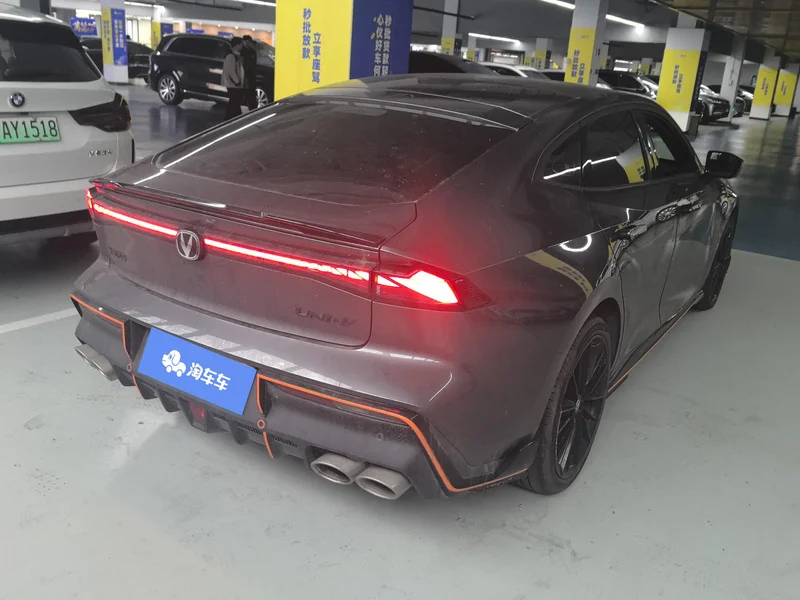
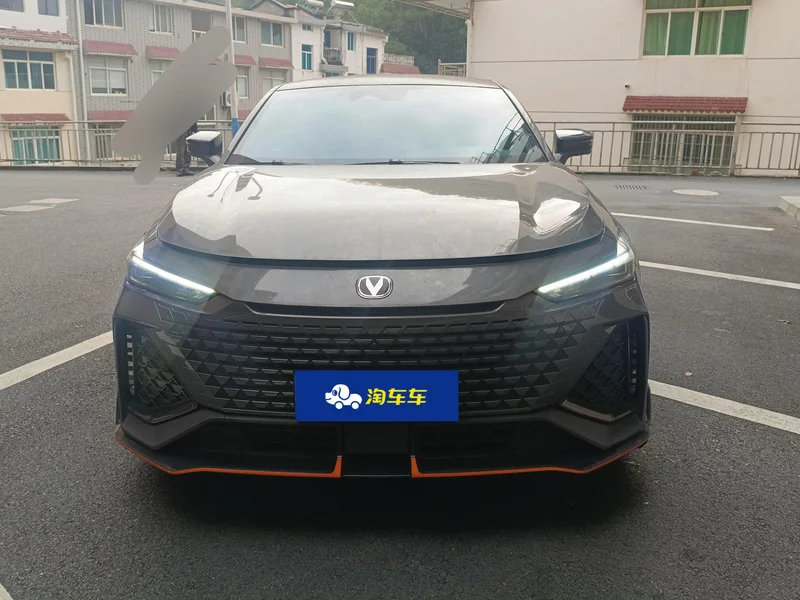
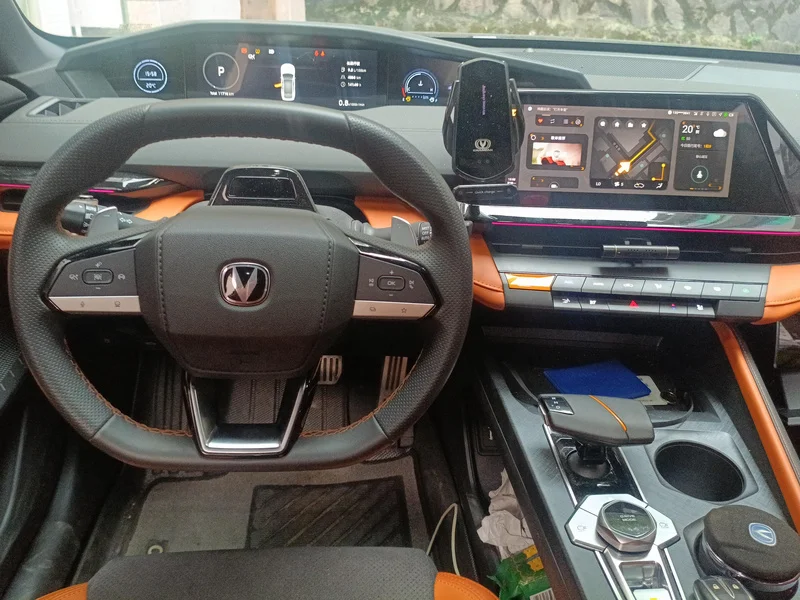
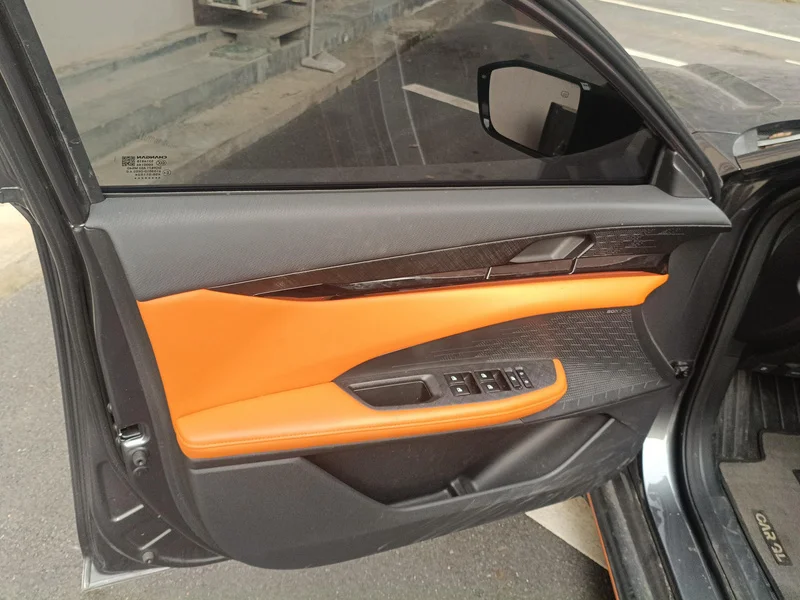
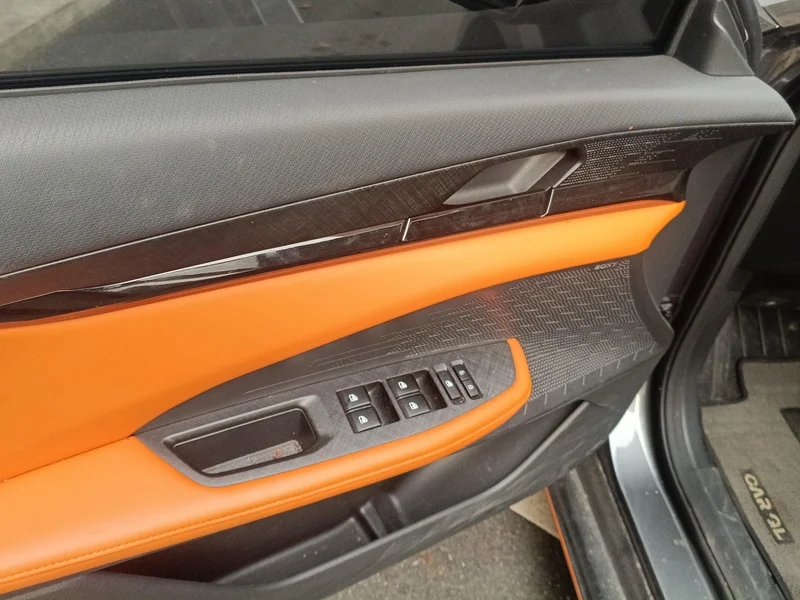
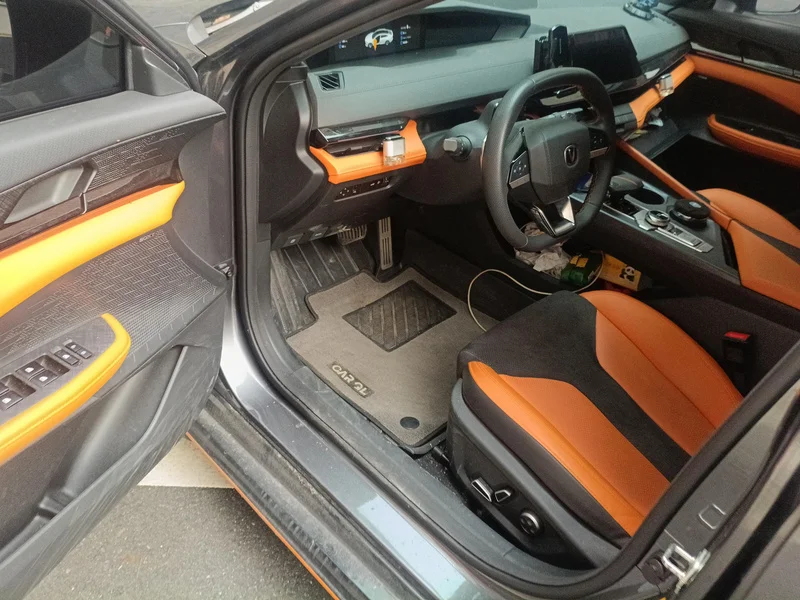
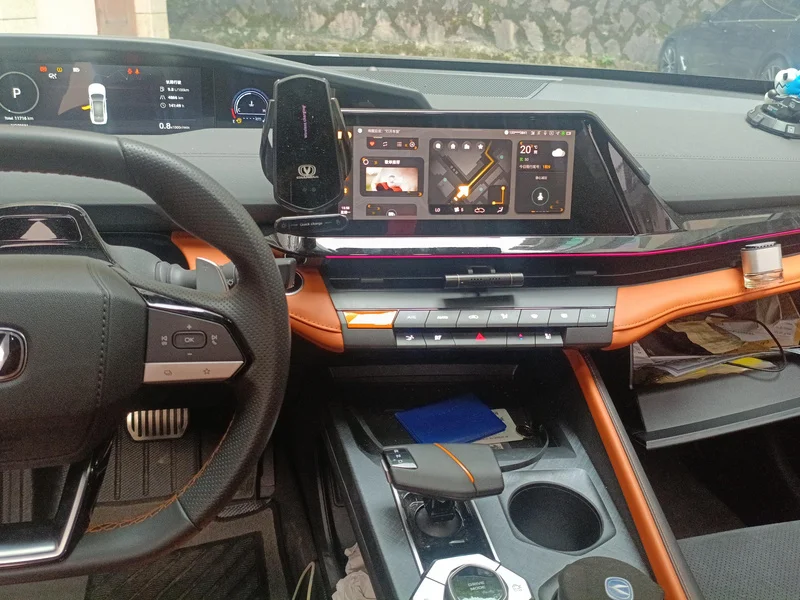
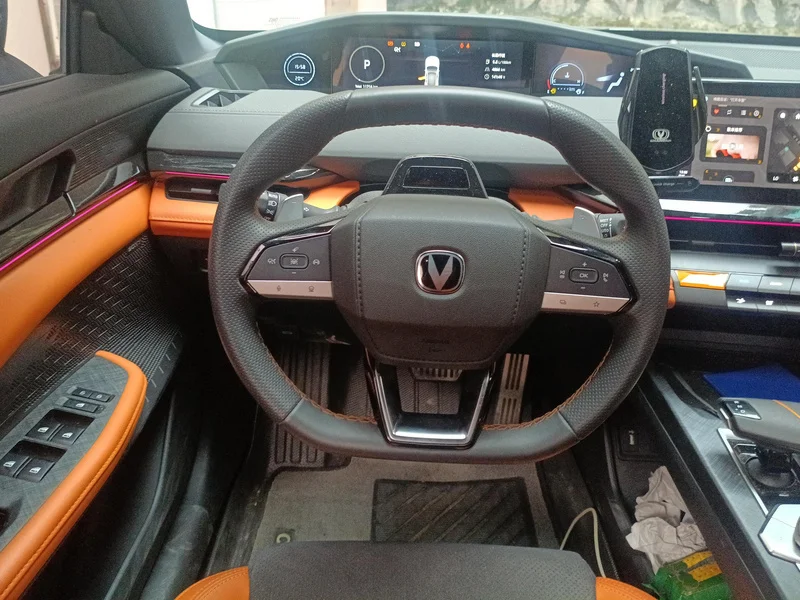
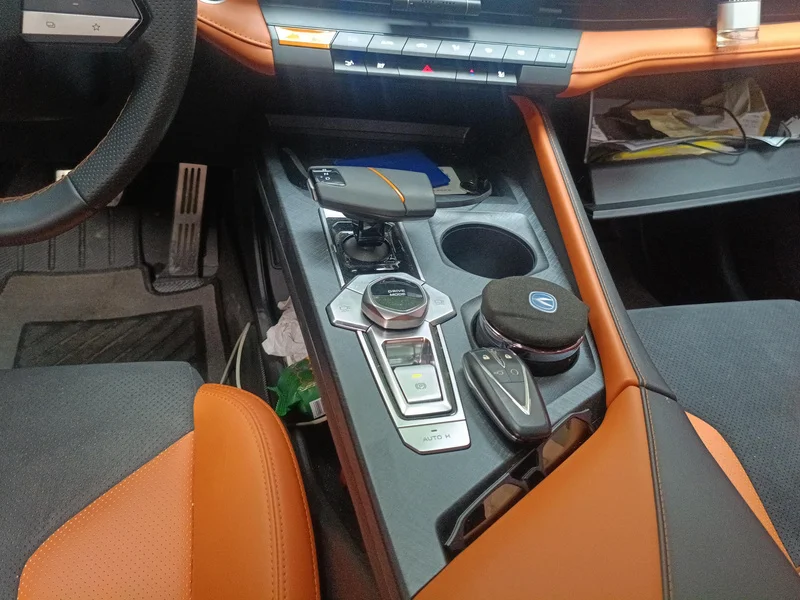



Stock

Basic Information

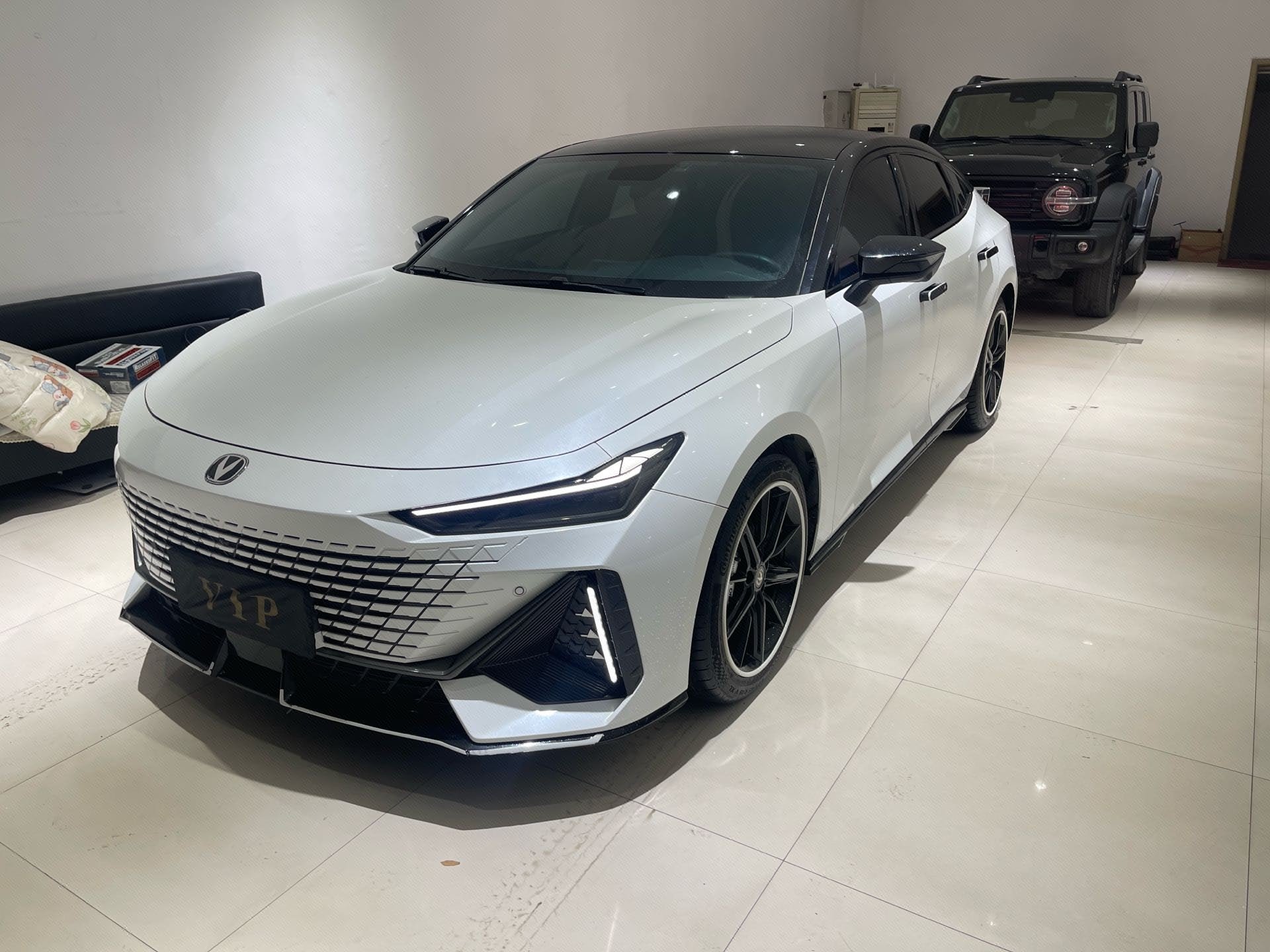
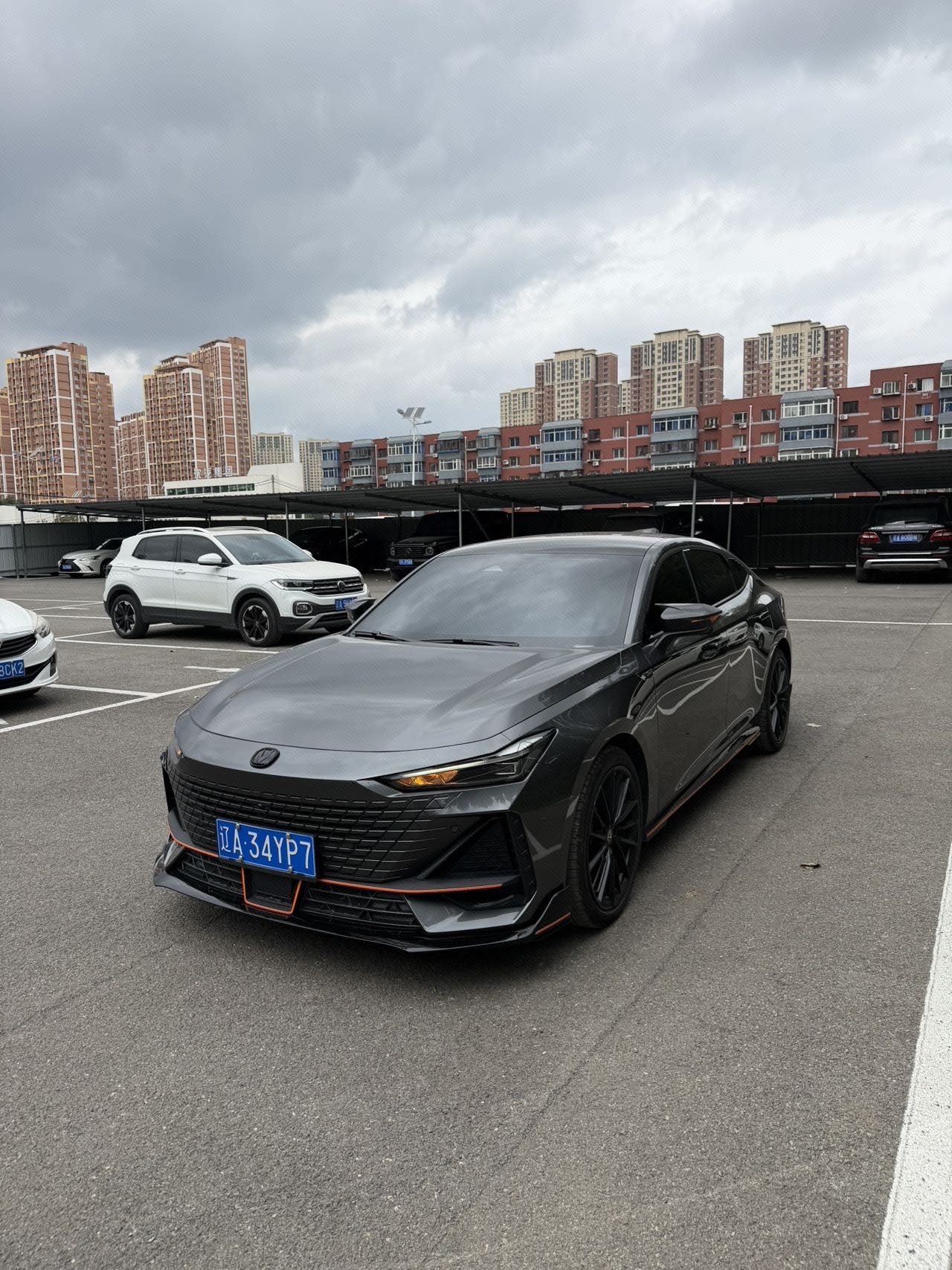
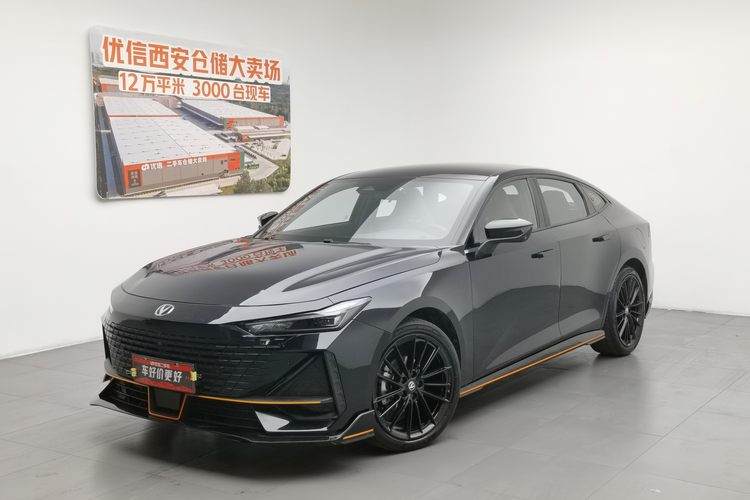
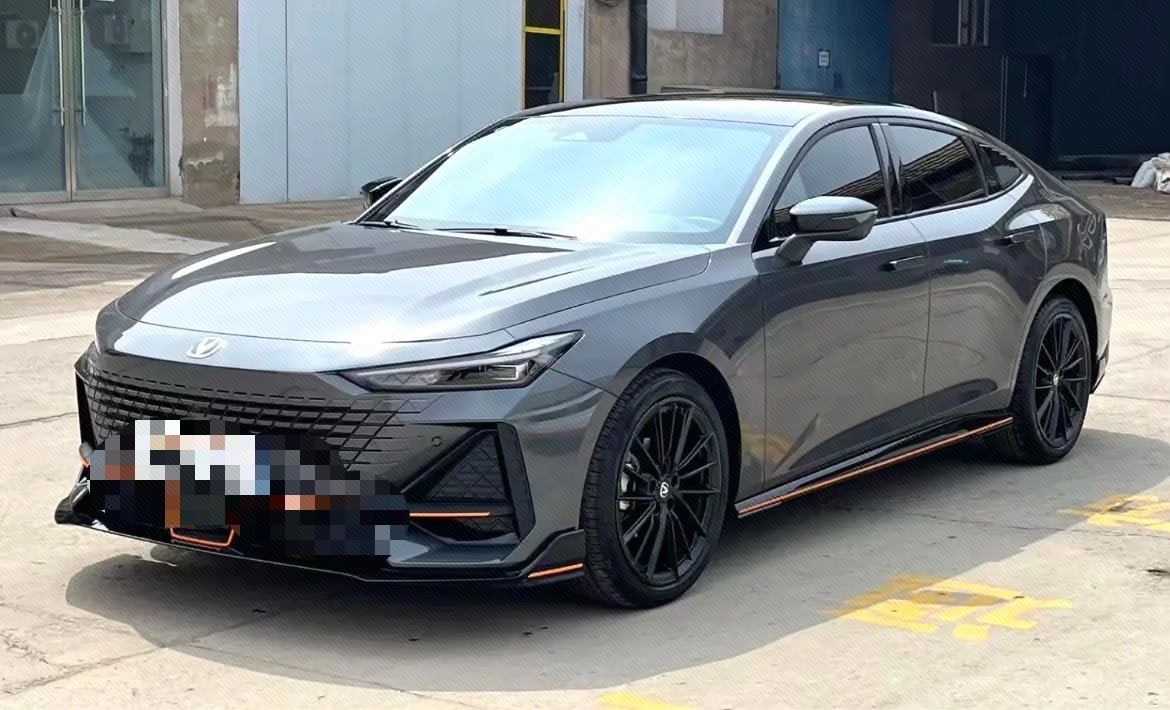
BrandChangan
SeriesUNI-V
Year2025
First Registration2025/02
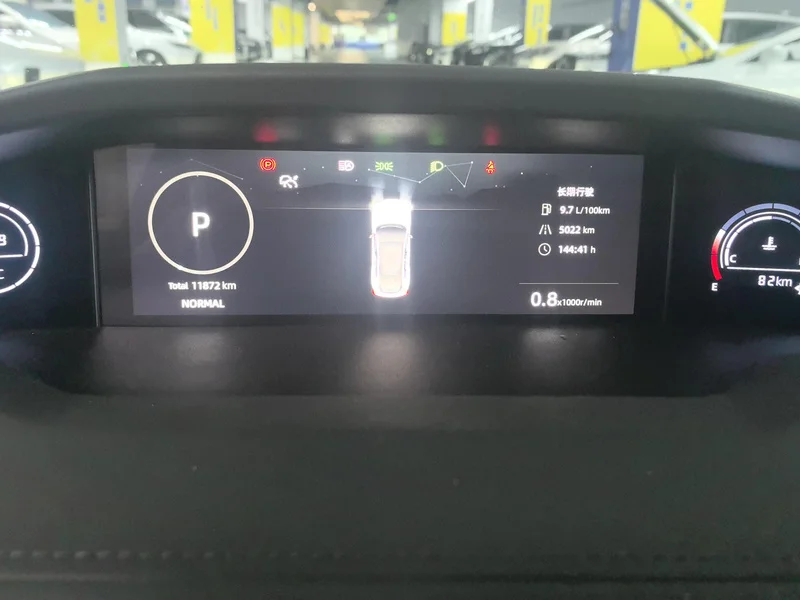
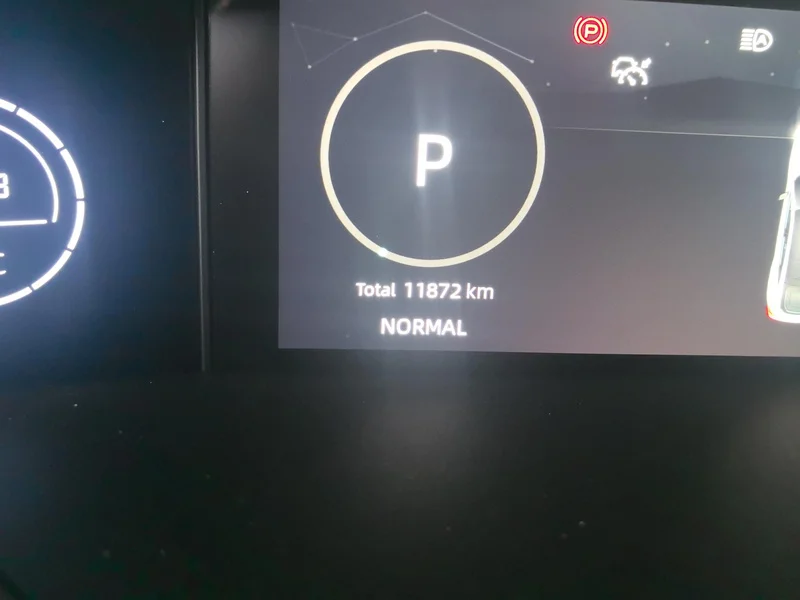
Mileage11,900km
Transfer Count0times
FuelGasoline
TransmissionManumatic
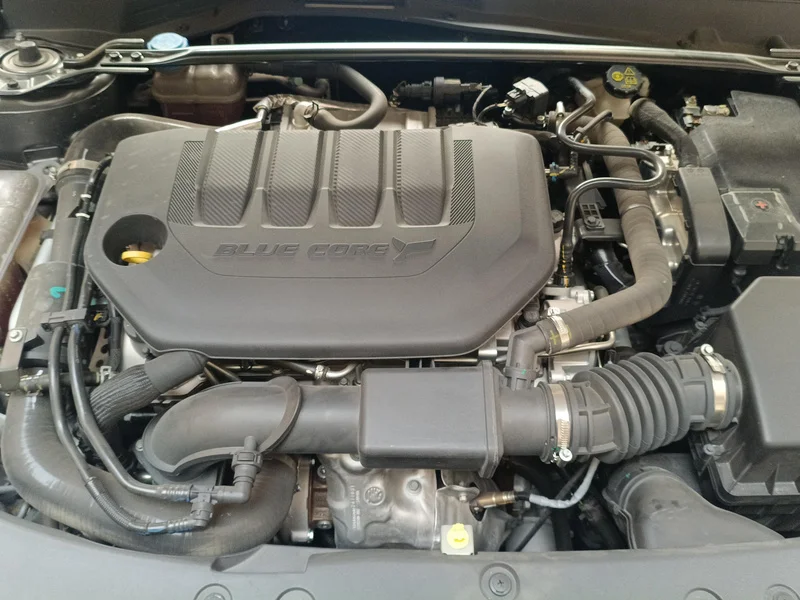
Engine2.0T 233 L4
ColorGrey
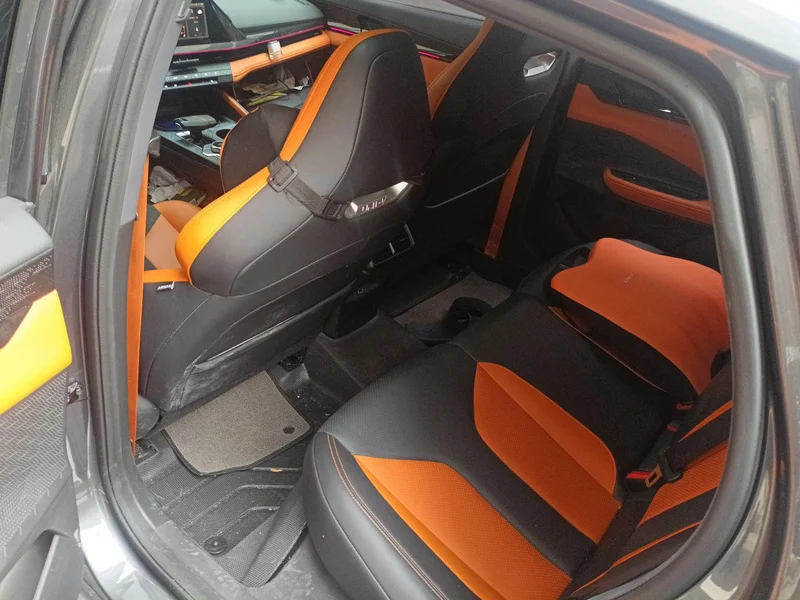
Seats5seats

Condition Description

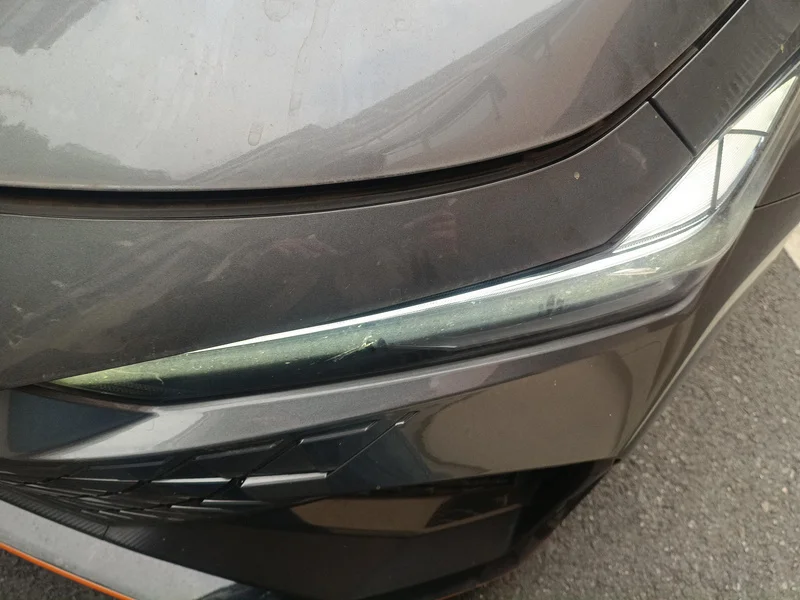
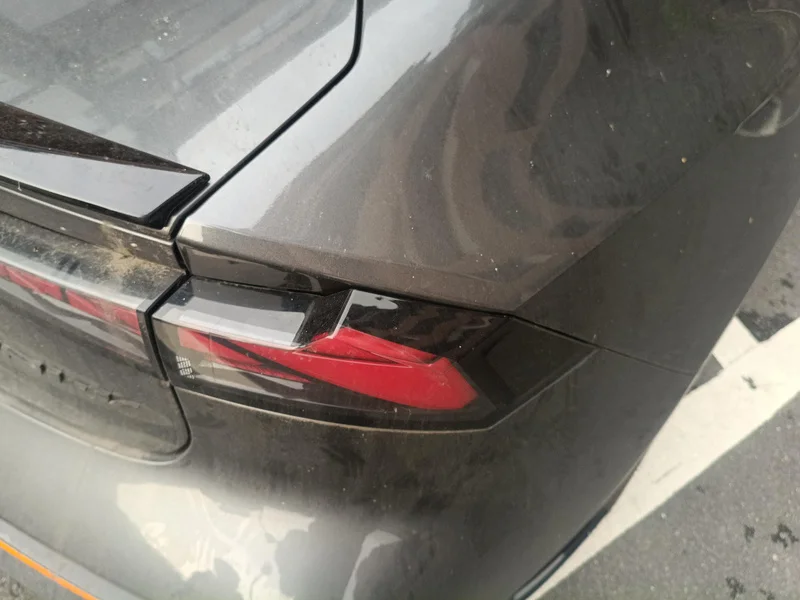
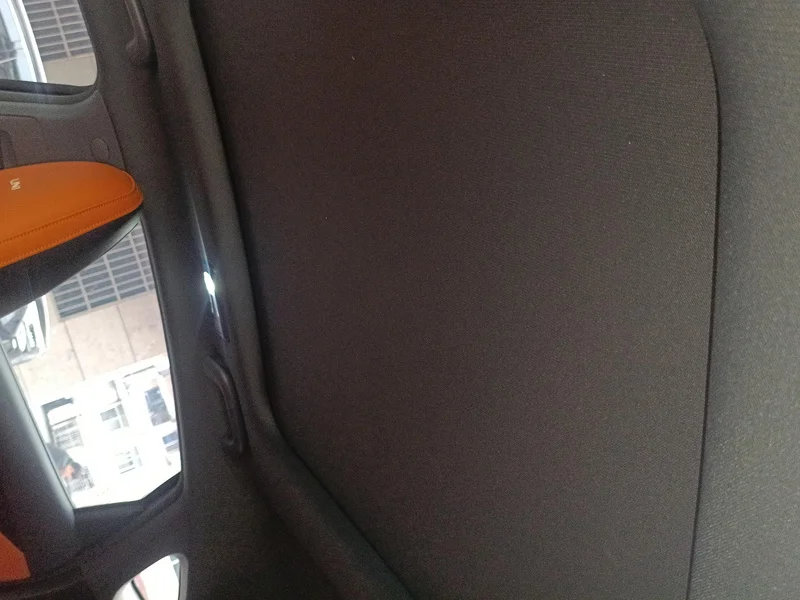
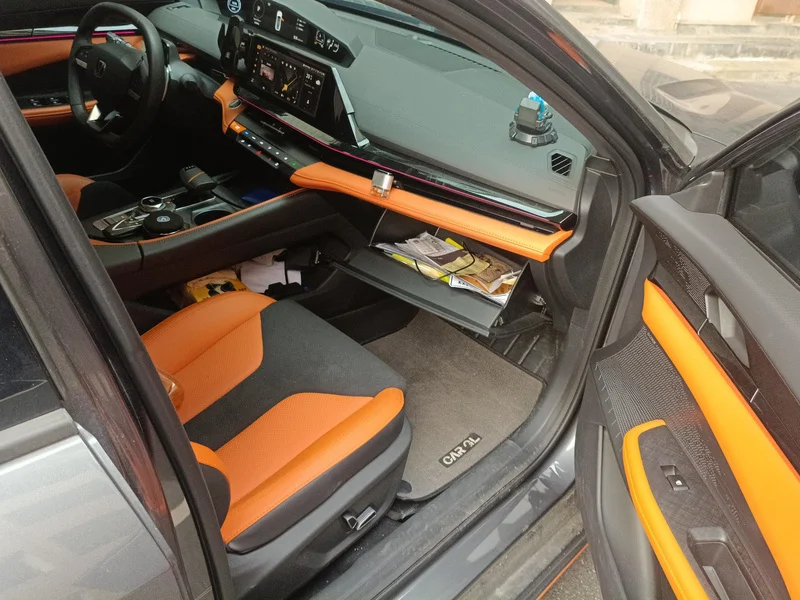
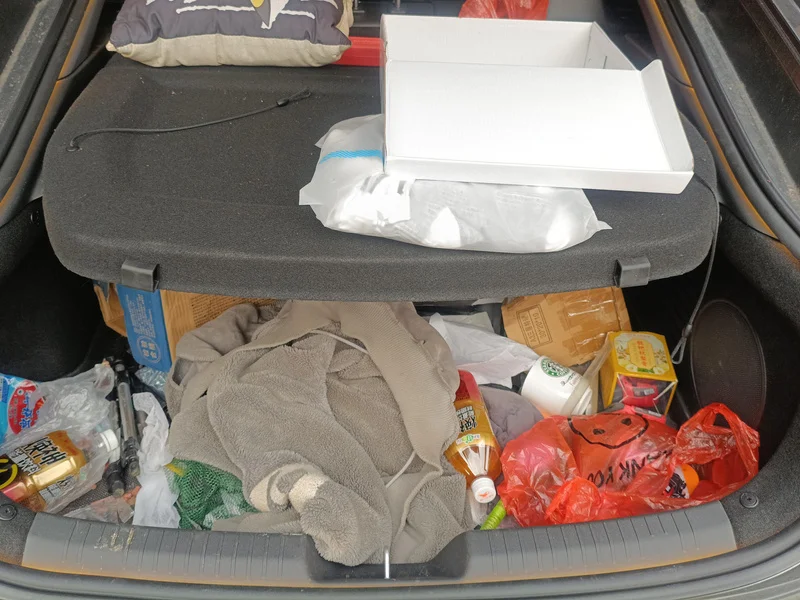
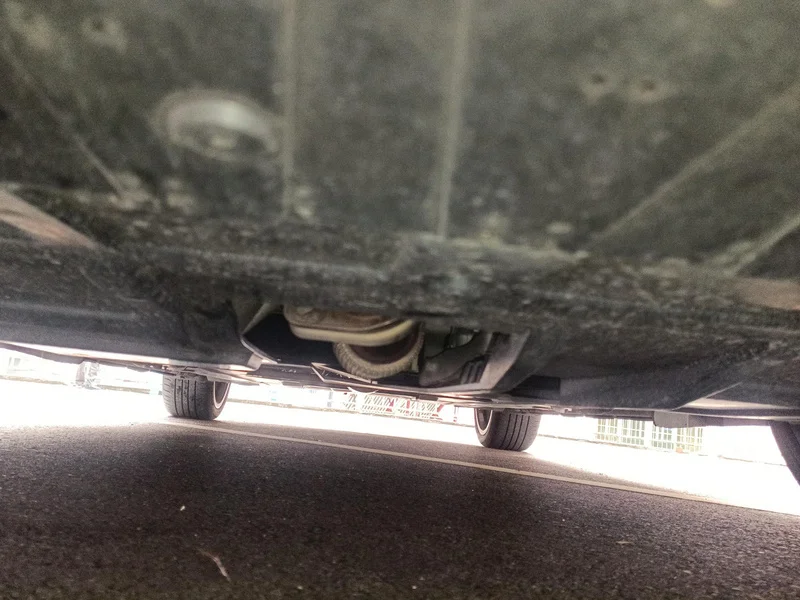
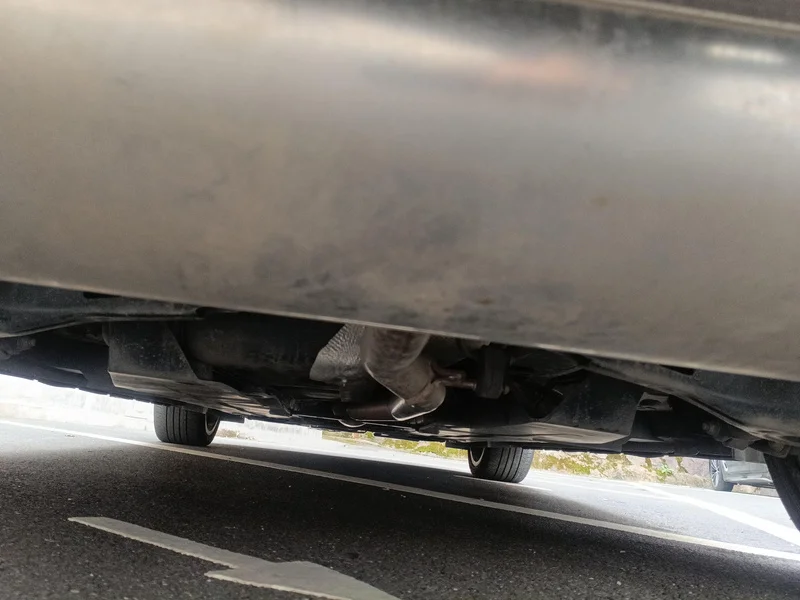
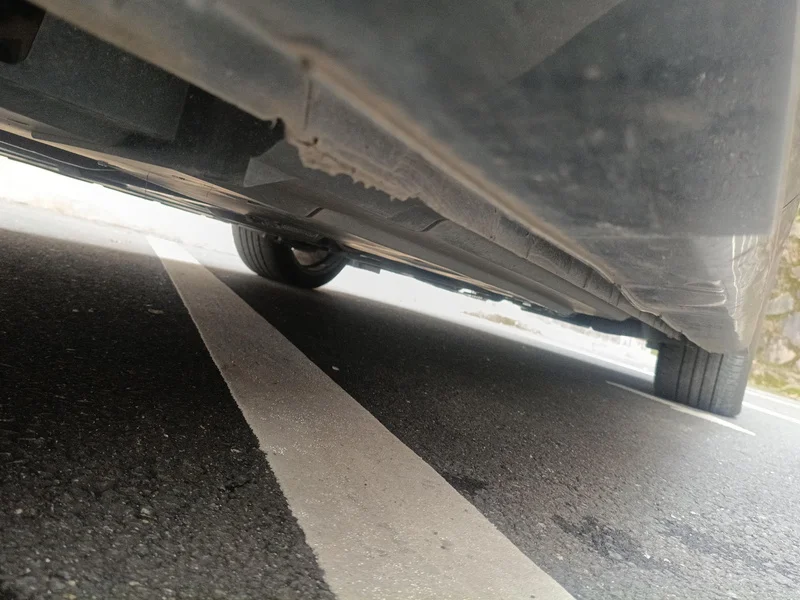
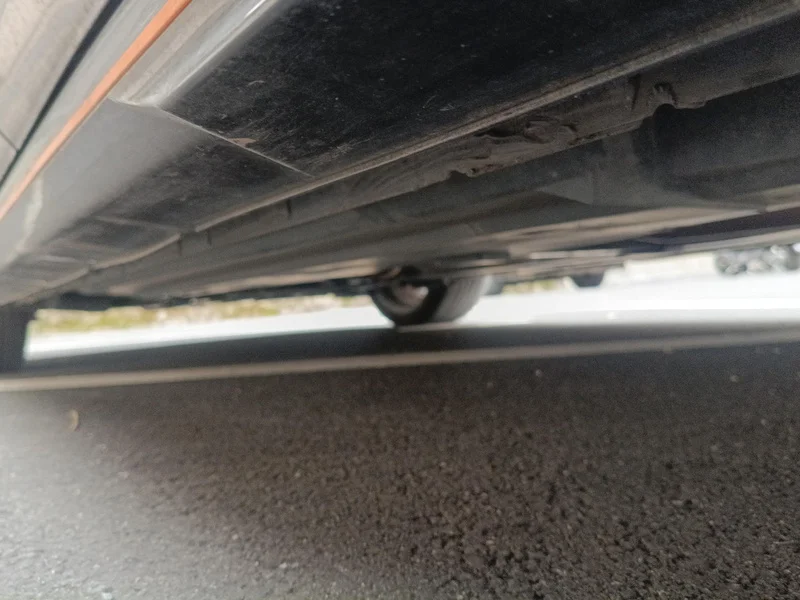
Exterior paint in good condition, body structure intact, no repairs to body structure, no major accidents

Configuration Highlights

✓Panoramic Sunroof
✓Power Seats
✓Heated Seats
✓Ventilated Seats
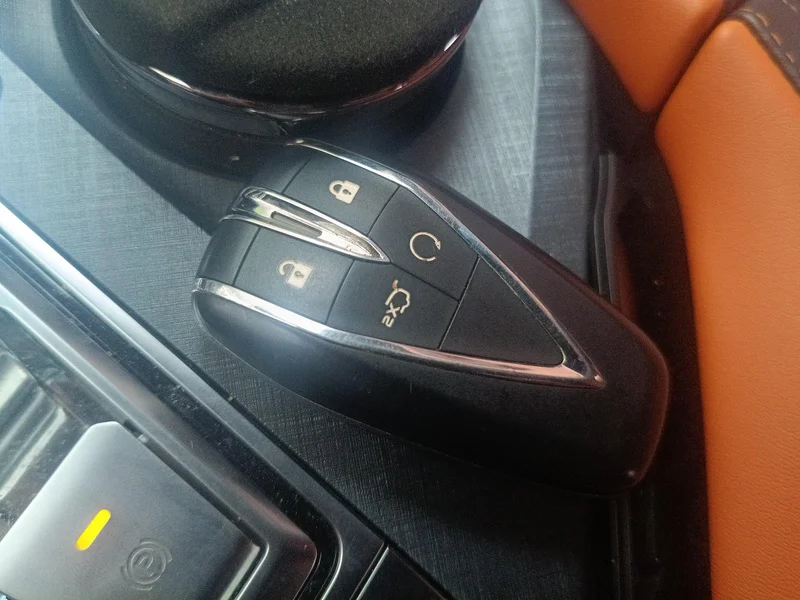
✓Keyless Start
✓Engine Start-Stop
✓Auto Hold
✓Backup Camera
✓Front Radar
✓Rear Parking Sensors

Q&A

More

Is there a mileage adjustment phenomenon in the Chinese used car market? How do you ensure the absolute authenticity of the odometer?

Odometer tampering is a common risk in the global used car industry. We verify the data by extracting transmission mileage from the OBD computer, checking the most recent maintenance record's mileage, and consulting the national traffic management app for annual inspection records. If there are irreconcilable discrepancies or conflicts in the data, we classify it as a tampered vehicle and refuse to export it.


How can I judge the real mechanical condition of a used car from China without seeing it in person?

Remote mechanical assessment relies on documented evidence: 1. Cold-start video: Ask for a video of the engine starting from cold — listen for rattles, watch for smoke (blue = oil burning, white = possible head gasket issue). 2. OBD scan: A full diagnostic scan reveals fault codes in the engine, gearbox, and electronics. Request the raw scan report, not a screenshot summary. 3. Service records: Cross-check mileage against maintenance records and inspection stickers; consistent records indicate a cared-for car. 4. Fluid check: Photos of the oil dipstick and coolant color tell a lot — milky oil or rusty coolant are red flags. 5. Test drive video: A short drive video shows gear shifts, braking, and steering behavior. Combine these with the pre-shipment inspection report. A seller who refuses to provide cold-start video or OBD data is a warning sign.

Is China's "National VI B" emission standard equivalent to Europe's Euro VI standard?

From a technical perspective, China's "National VI B (China VI-b)" is one of the strictest emission standards globally, with limits on carbon monoxide, nitrogen oxides, and particulate matter that are even stricter than some of Europe's Euro VI standards. However, the two are not legally recognized by each other, depending on your country's import regulations.