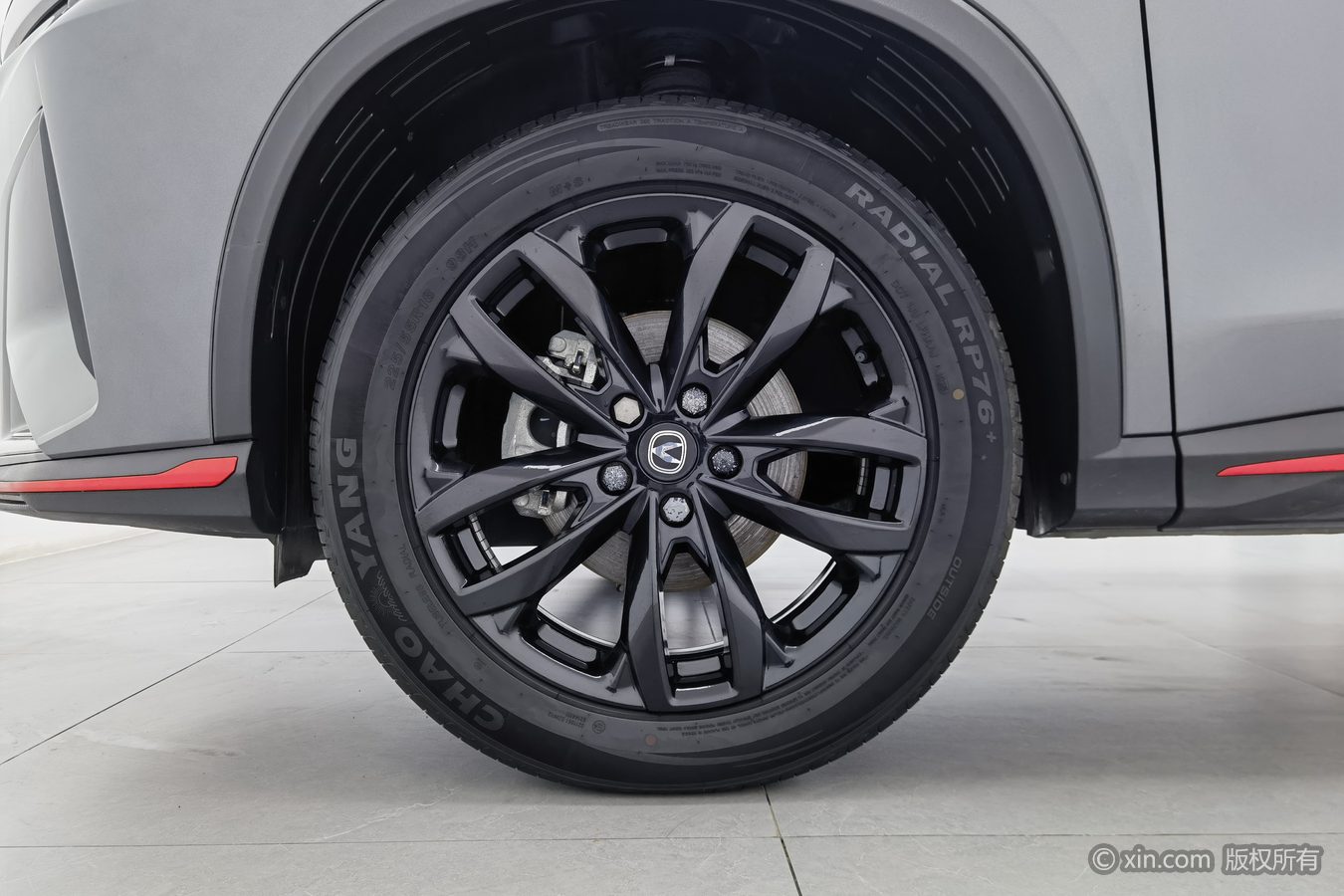
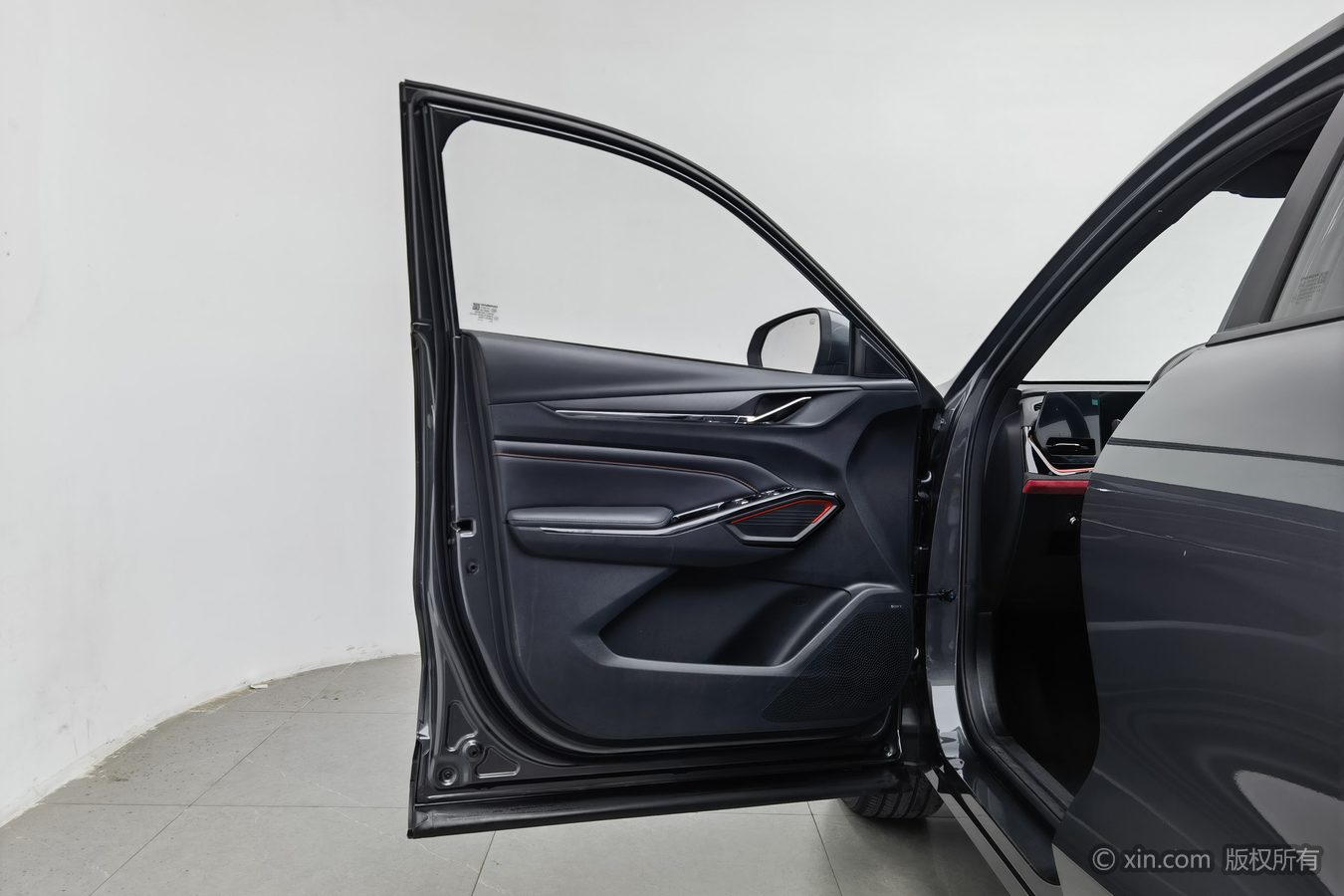
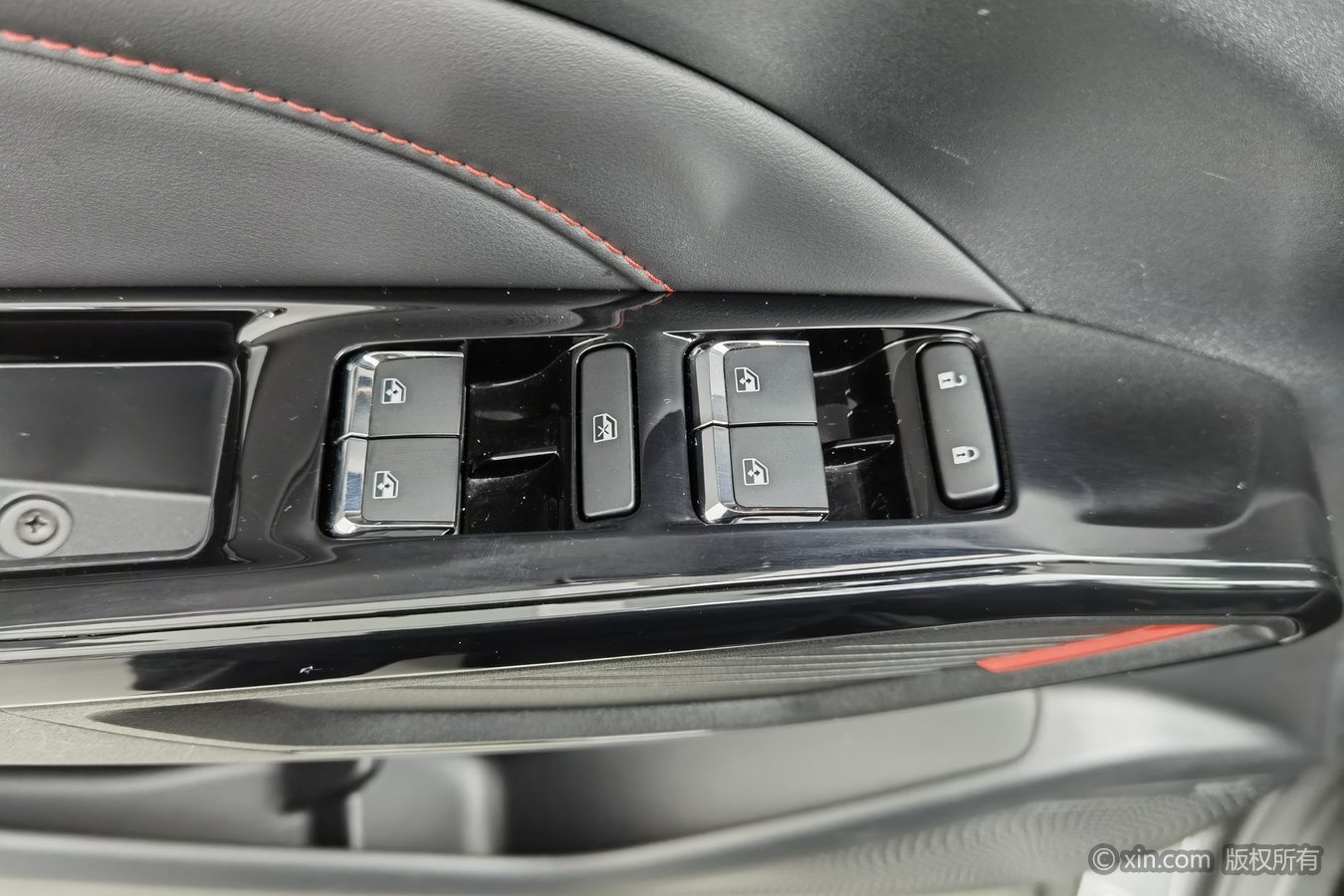
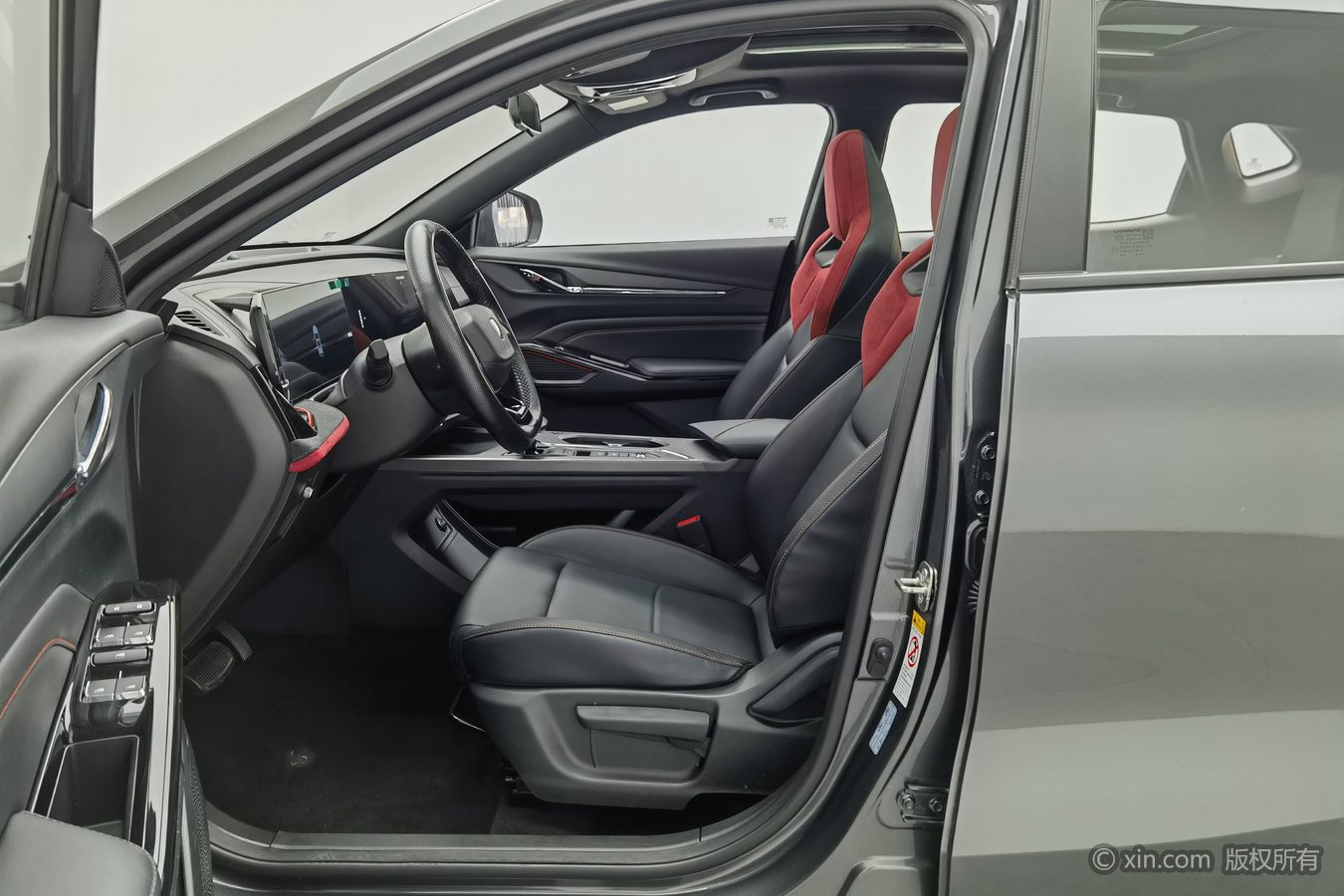
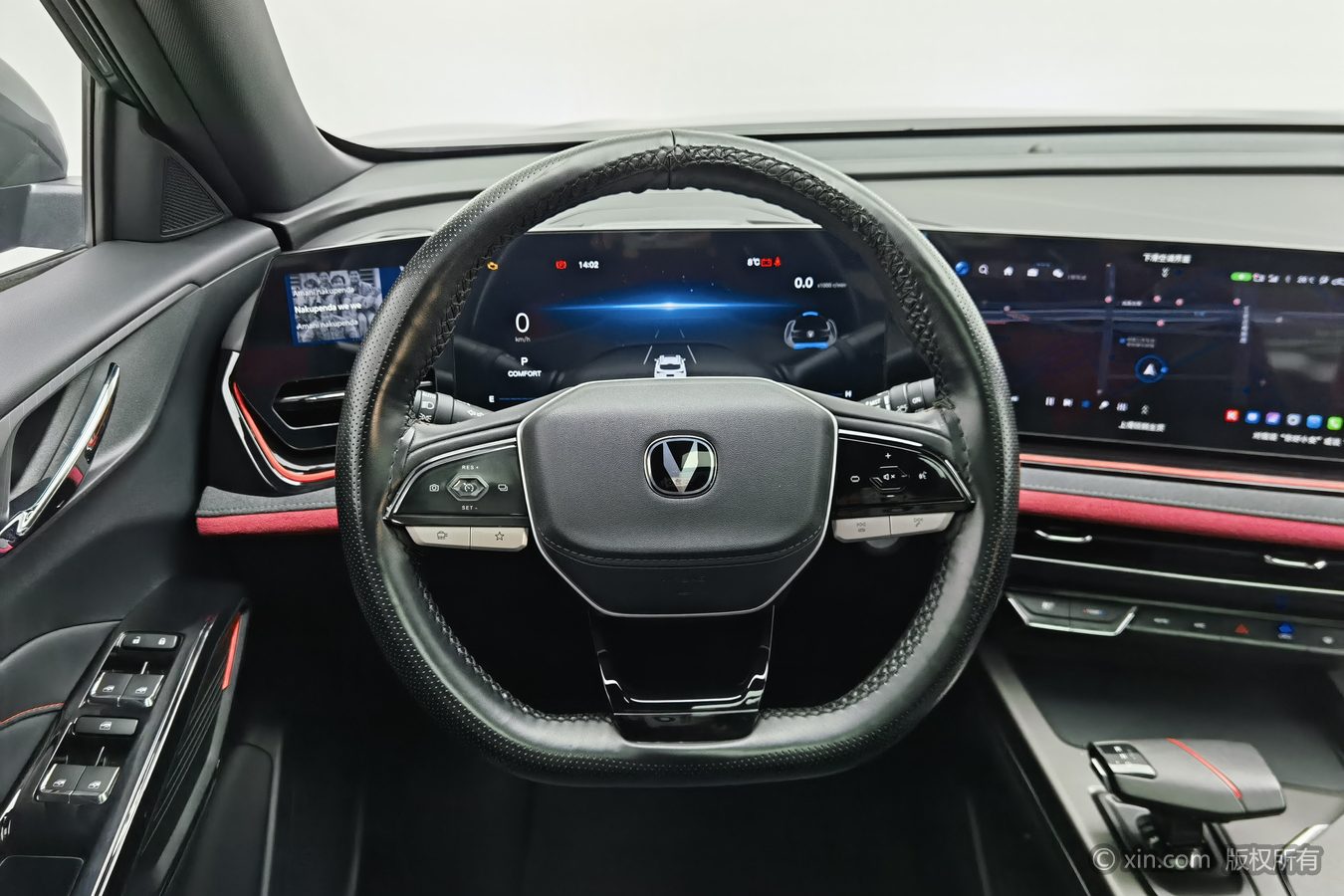
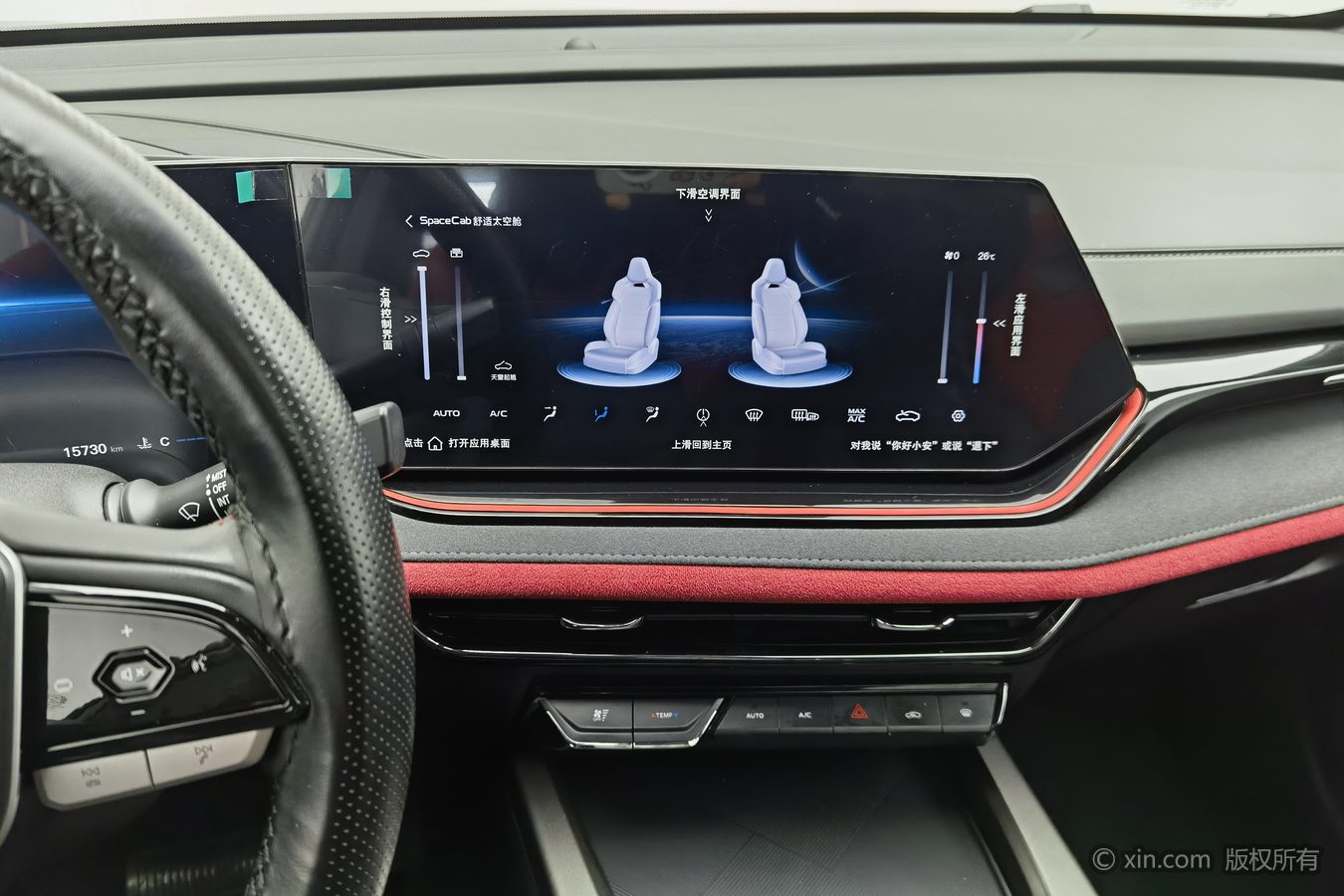
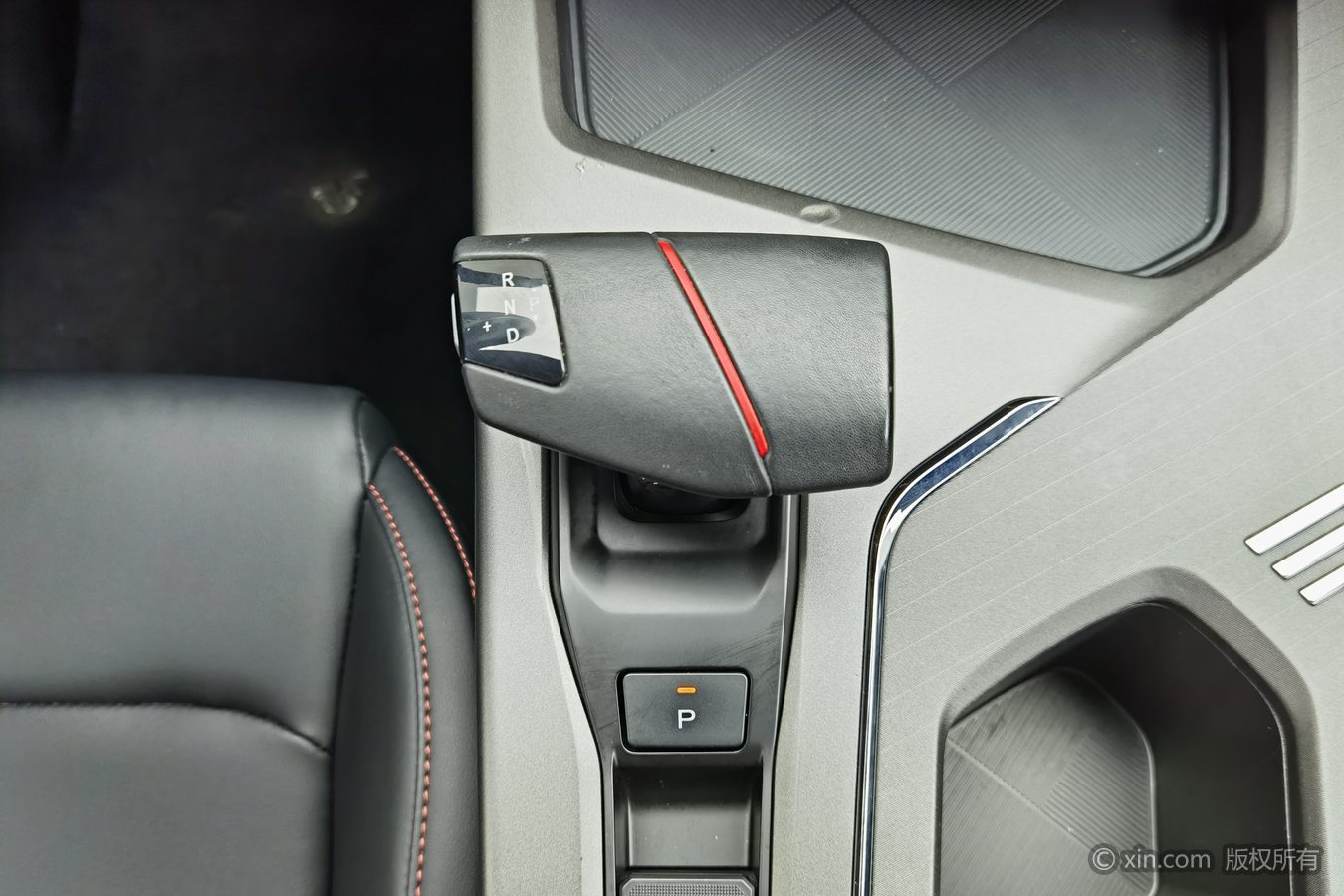
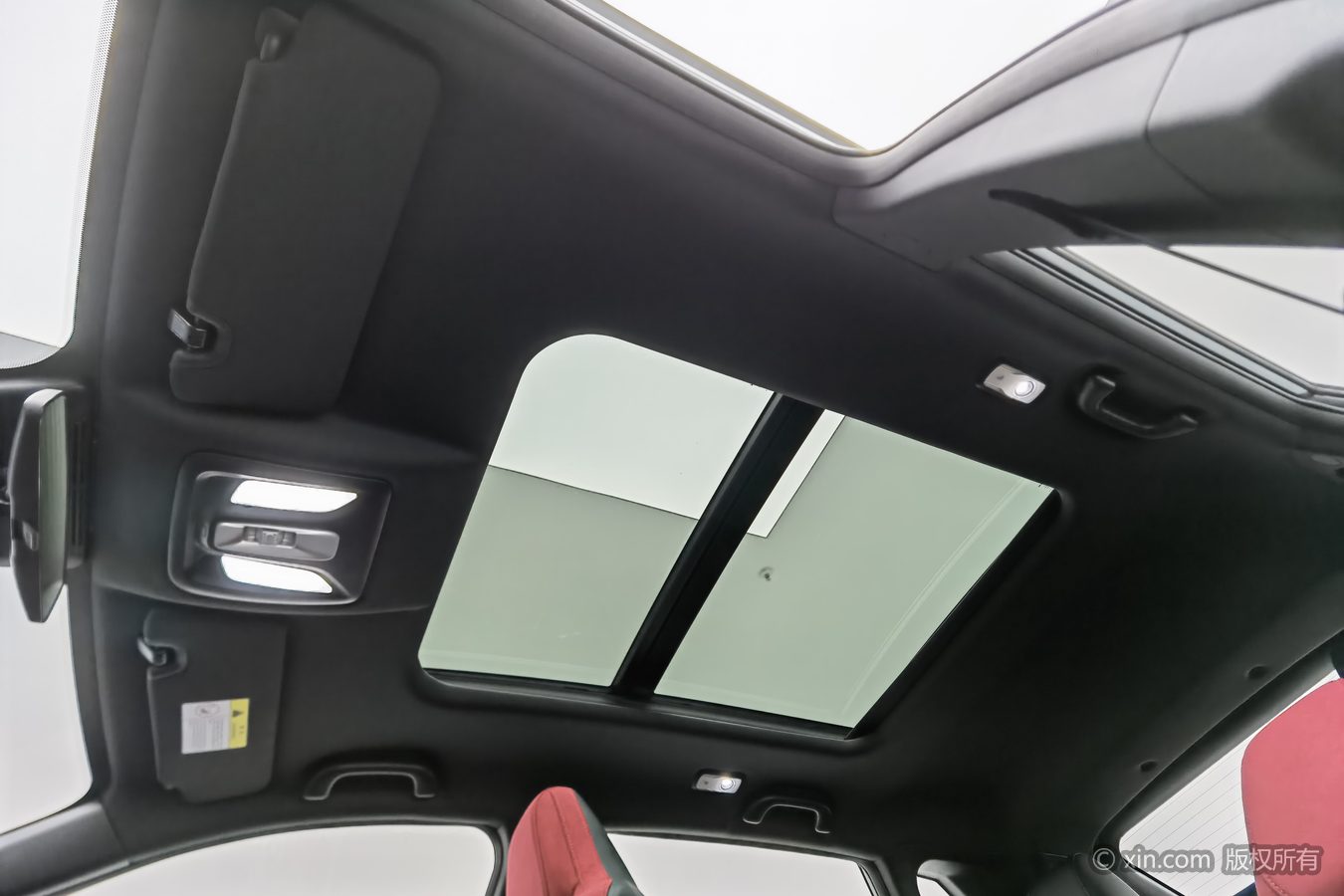
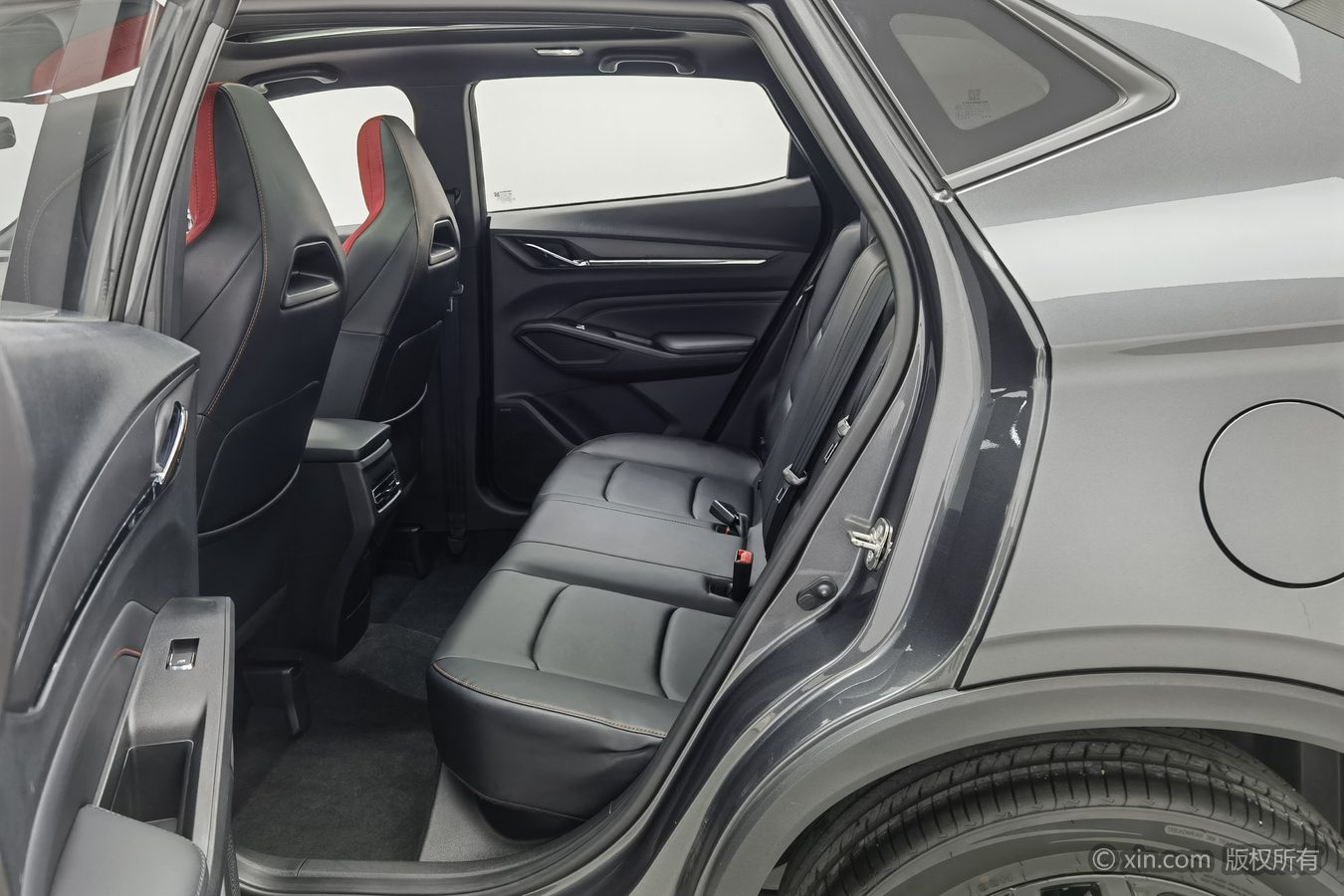
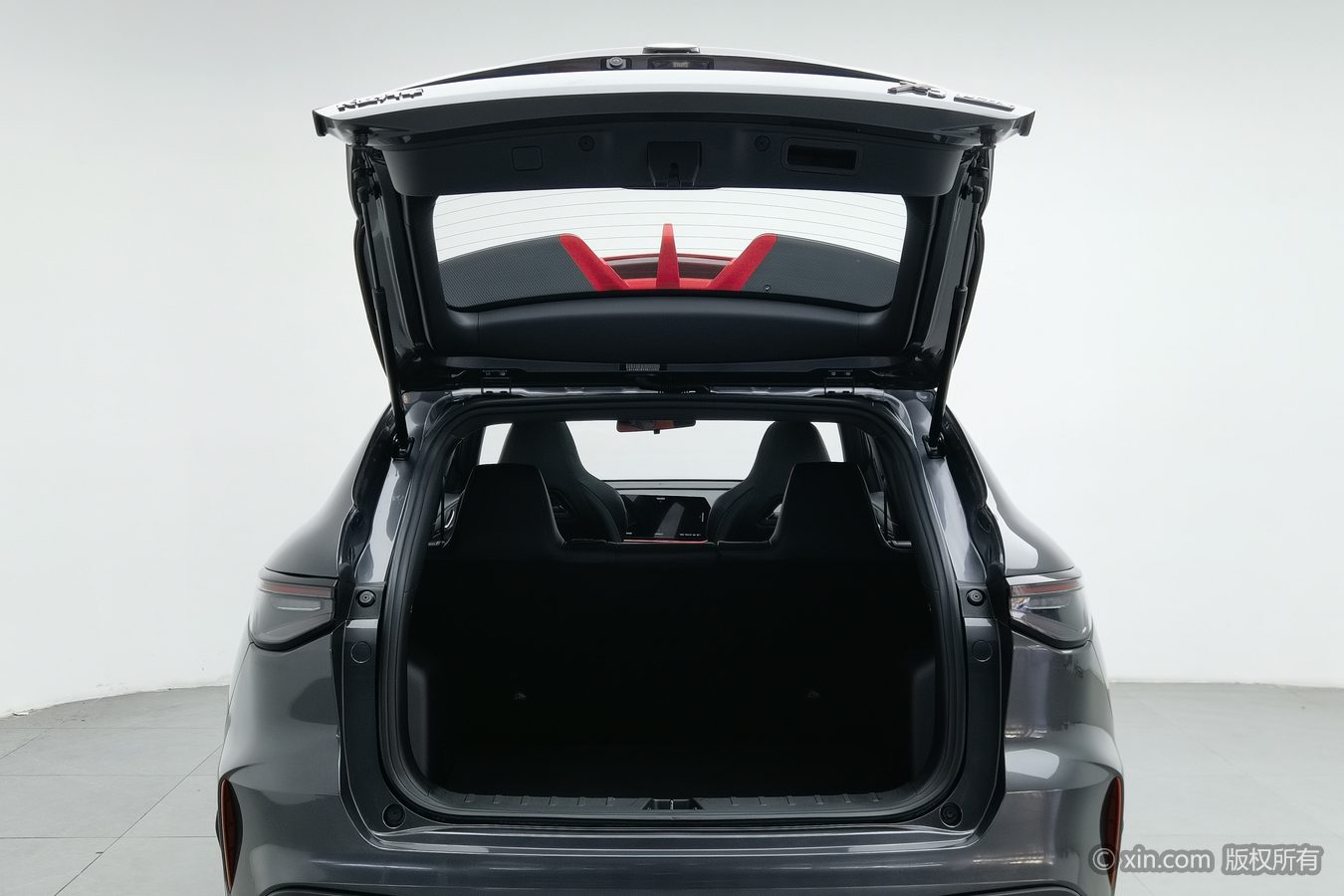
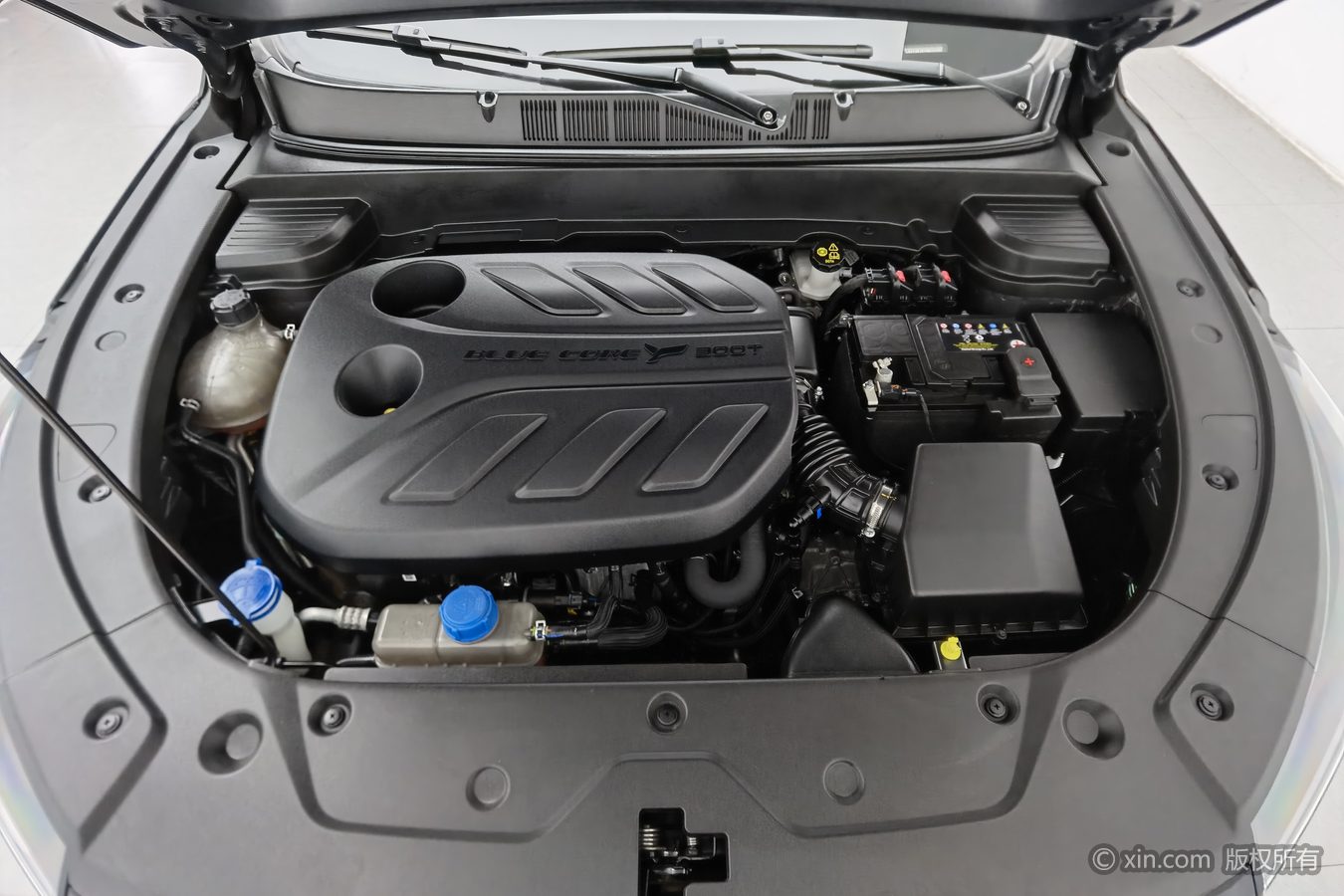
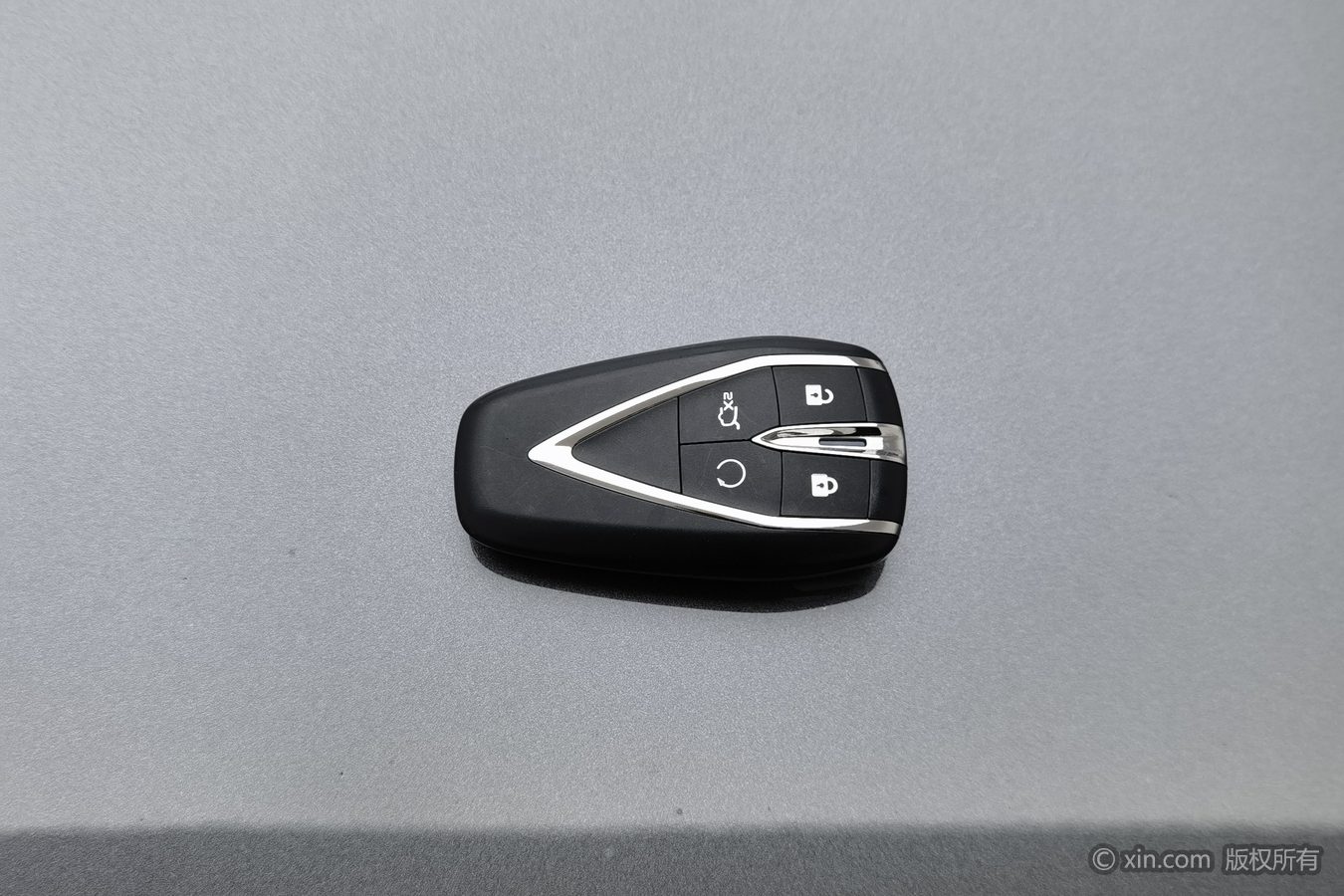
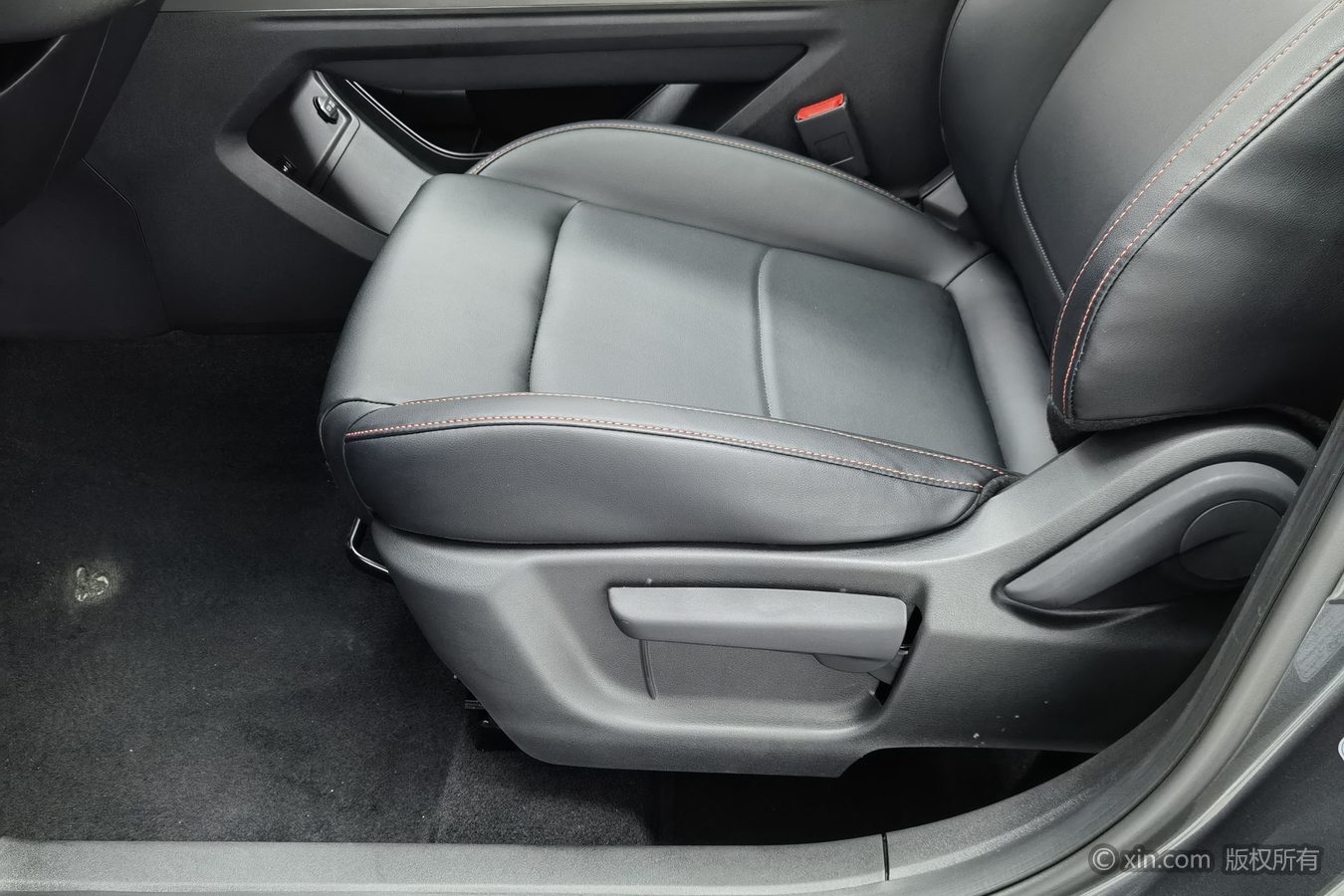
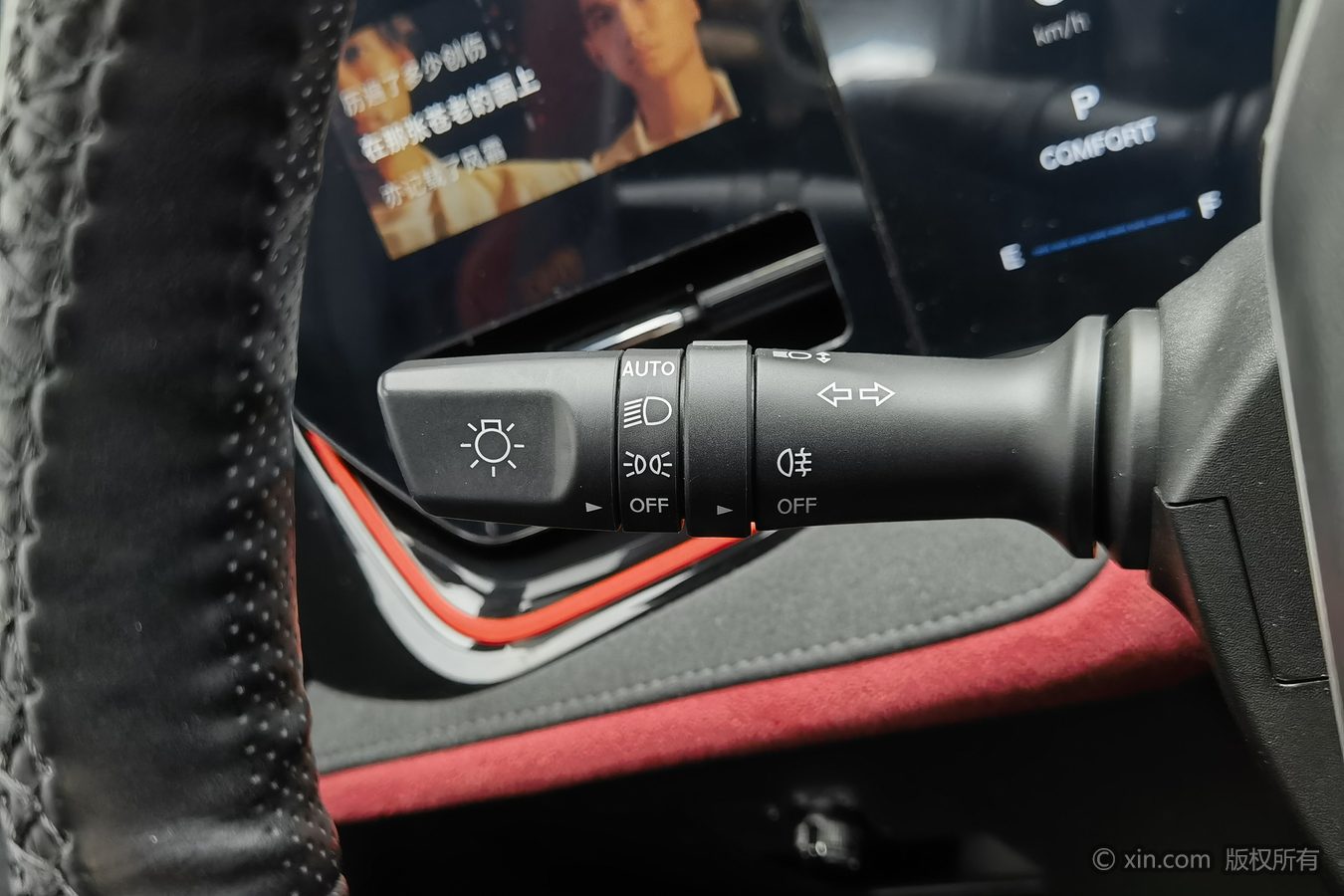
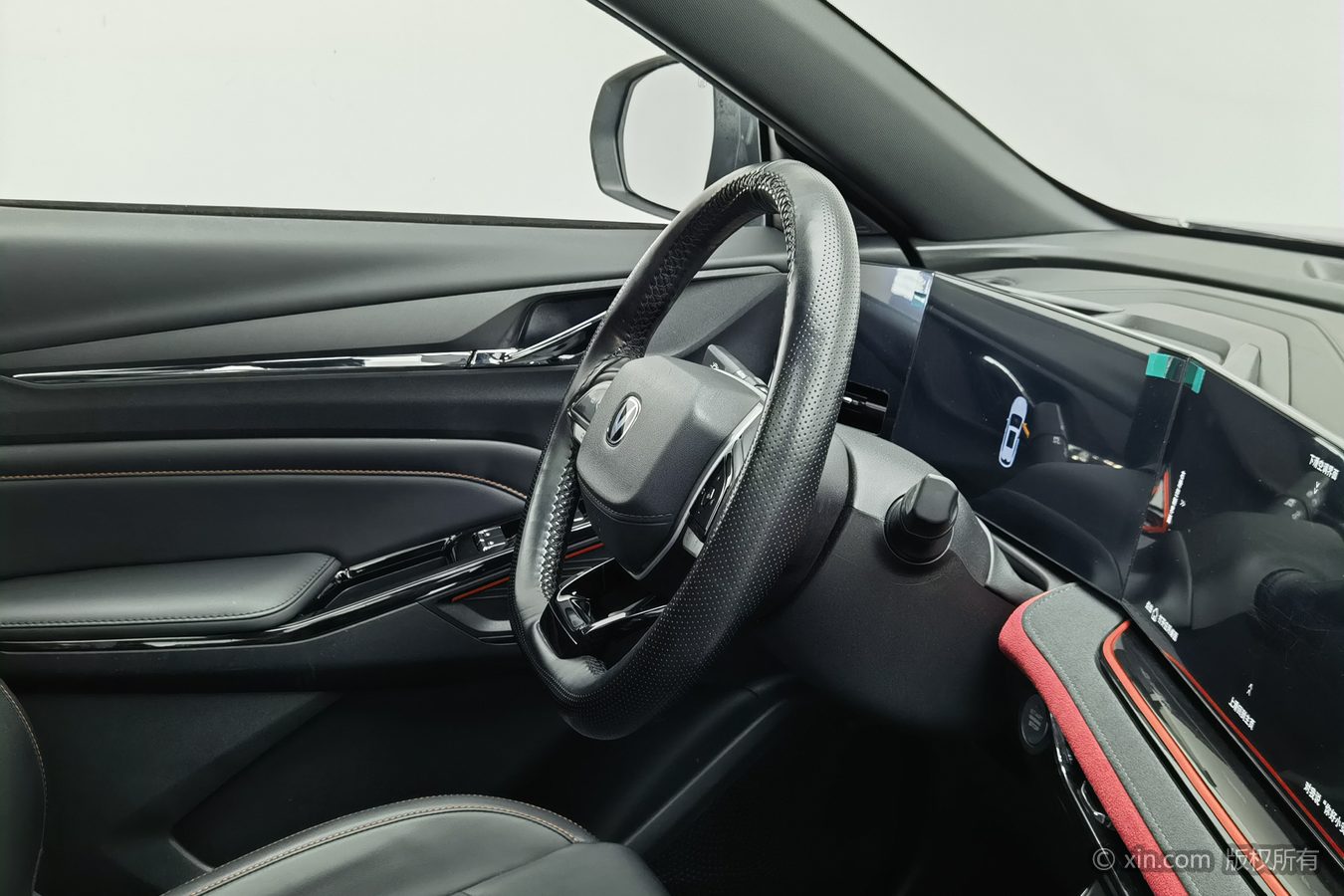
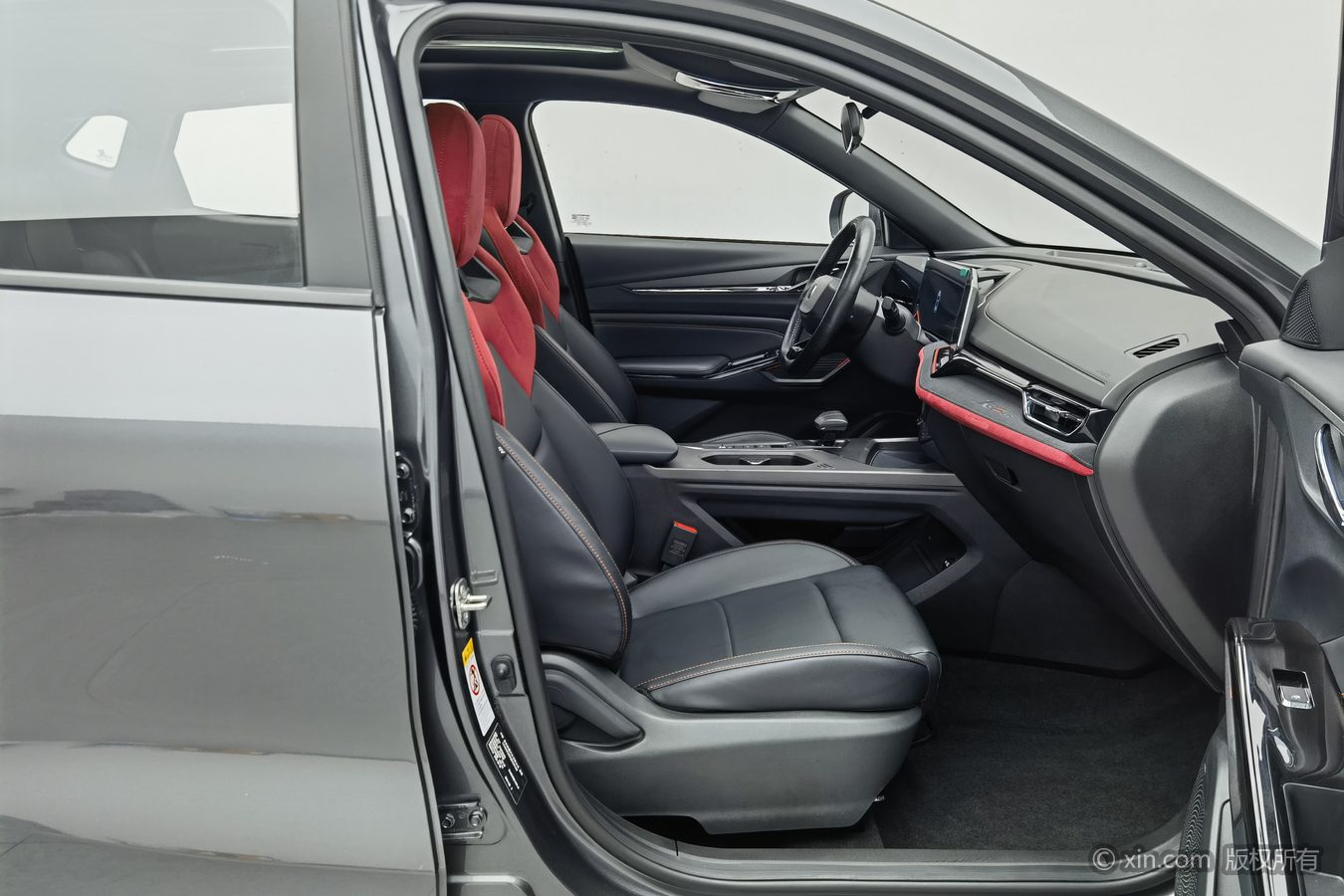
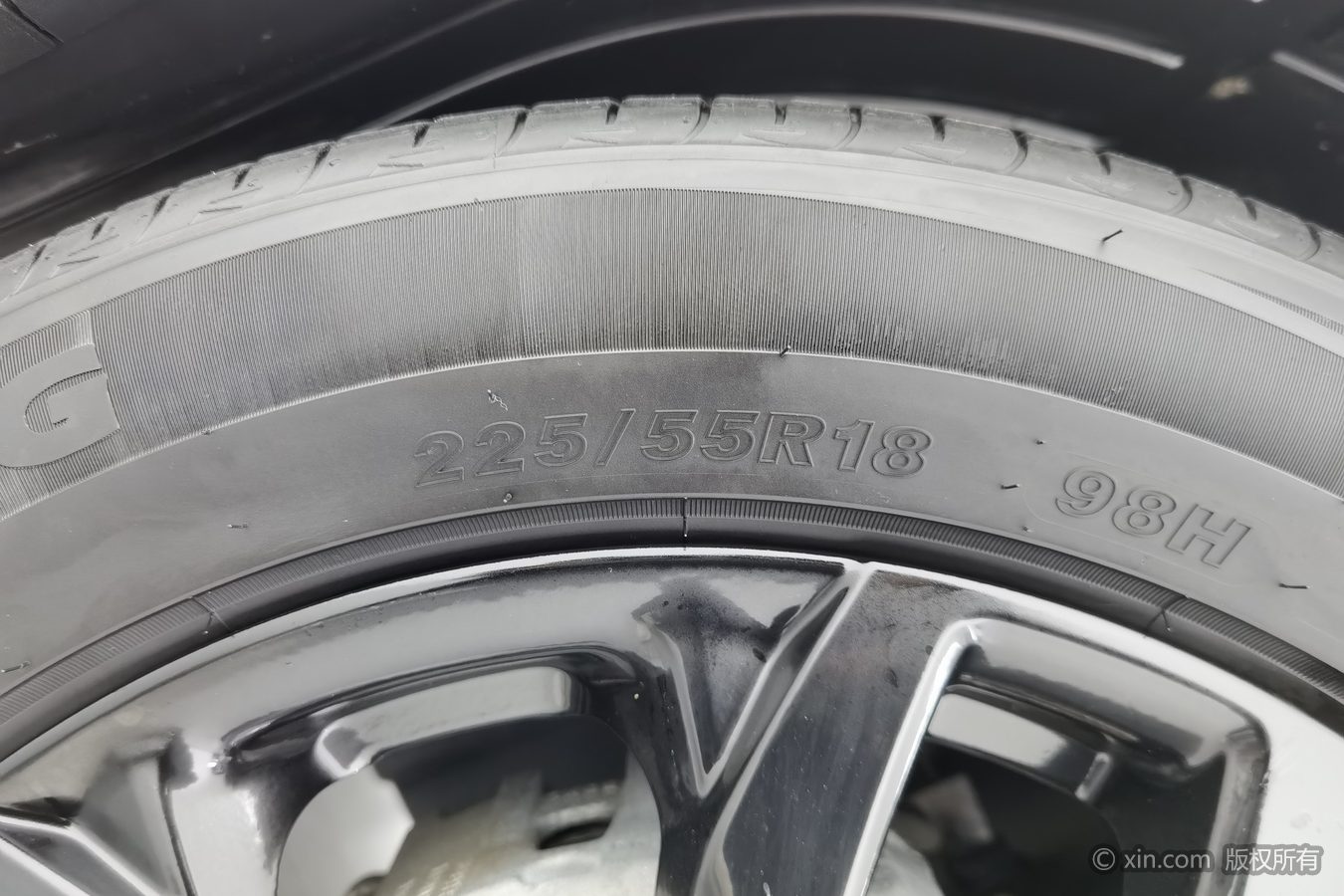
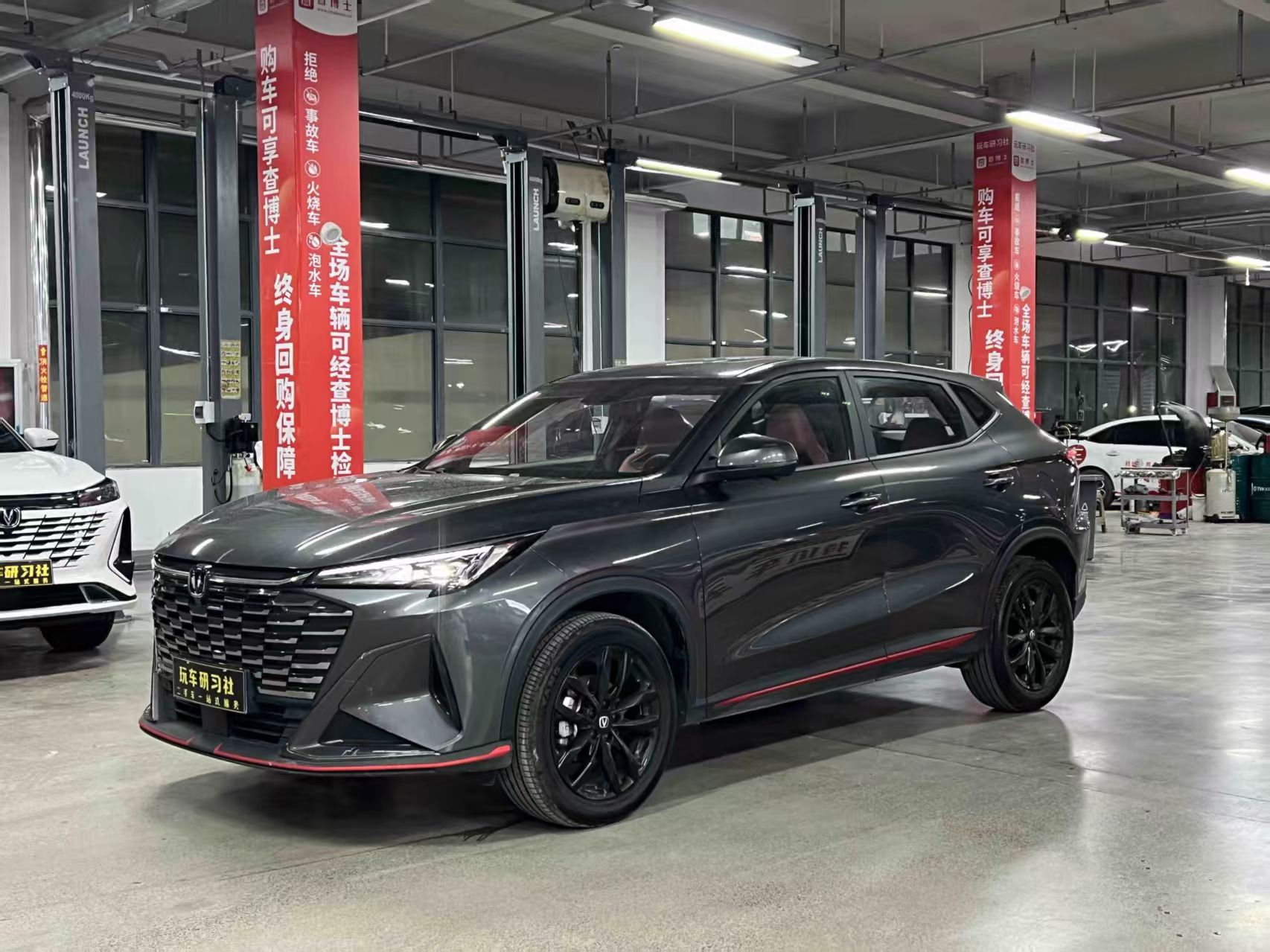
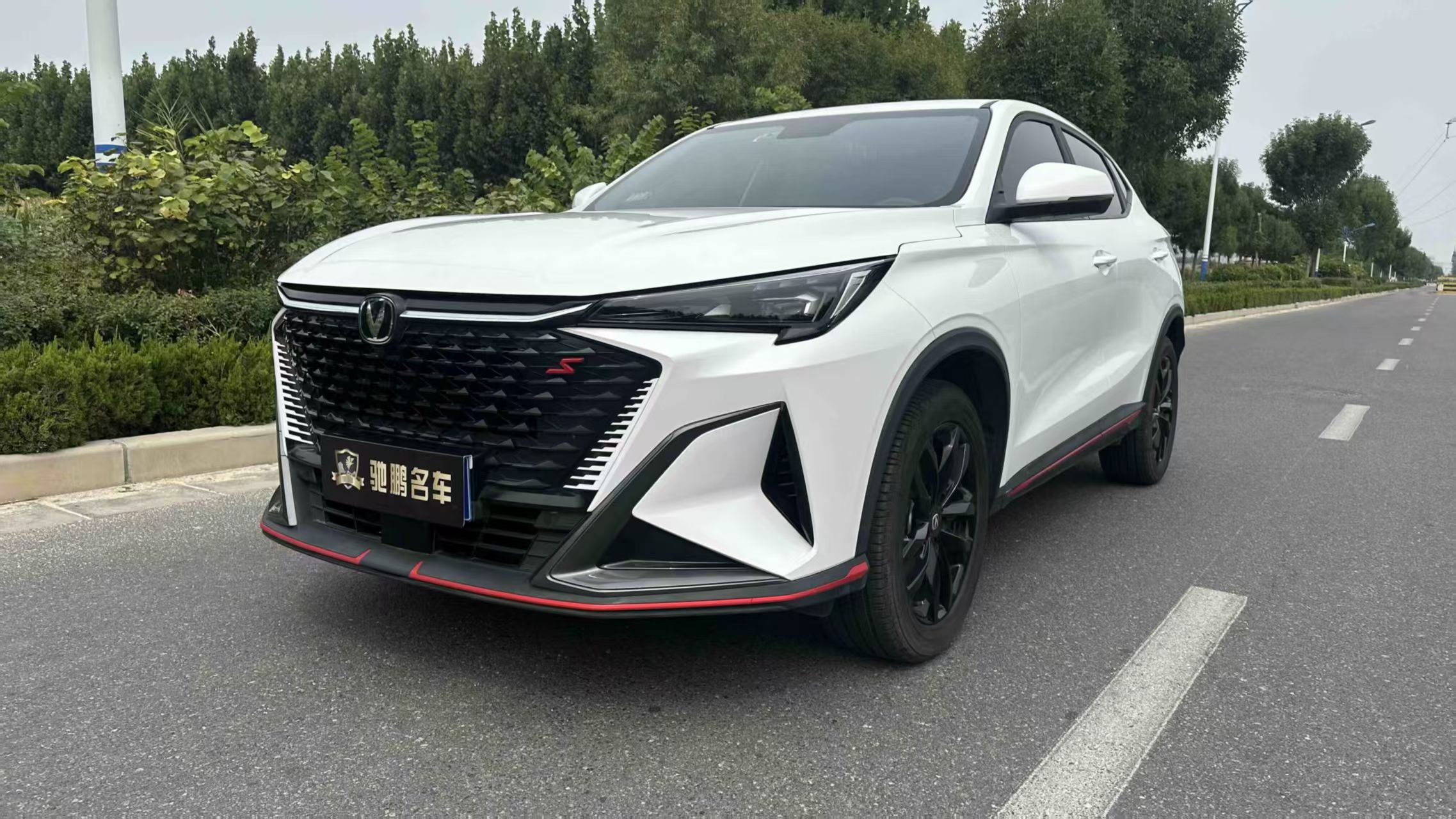
Basic Information

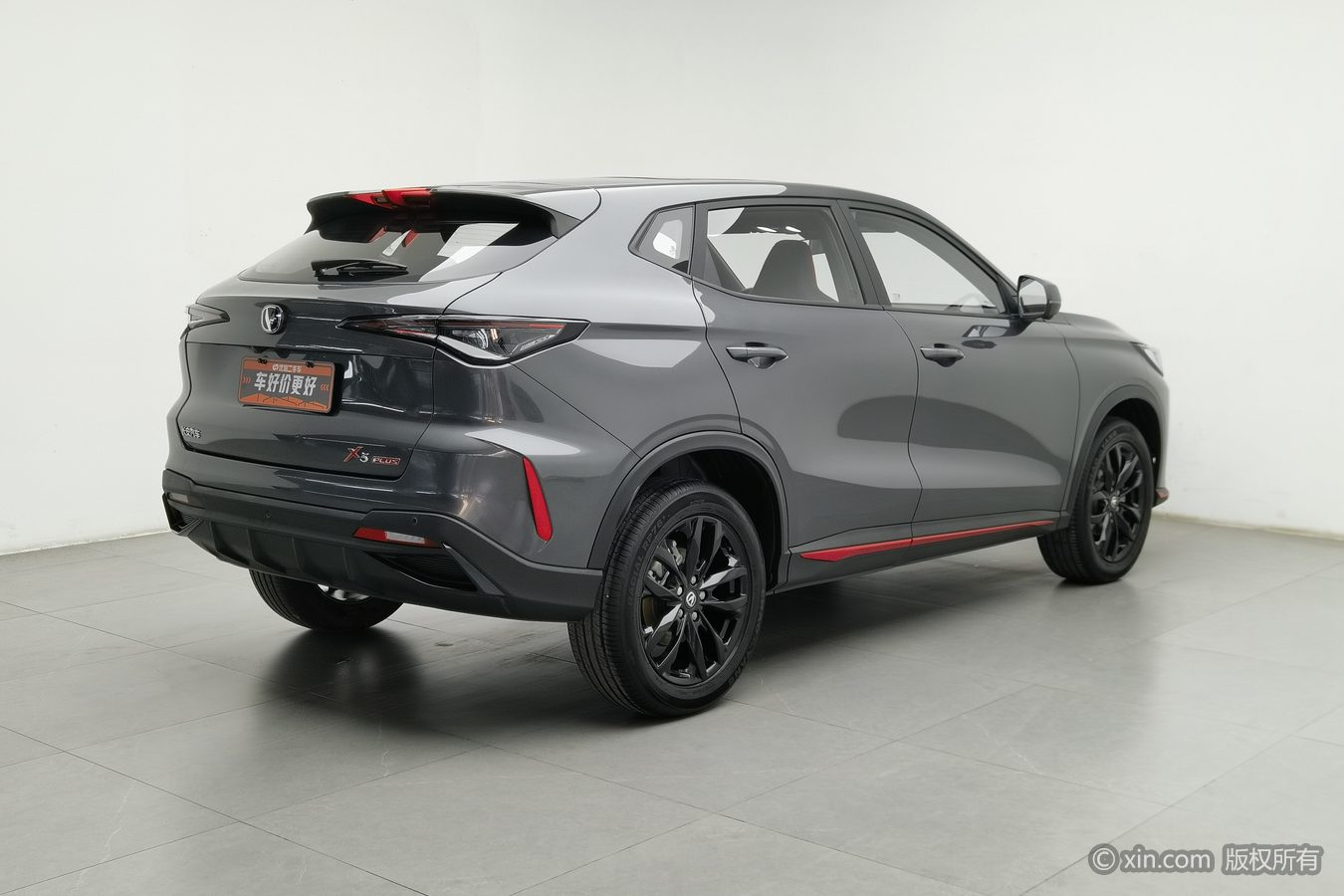
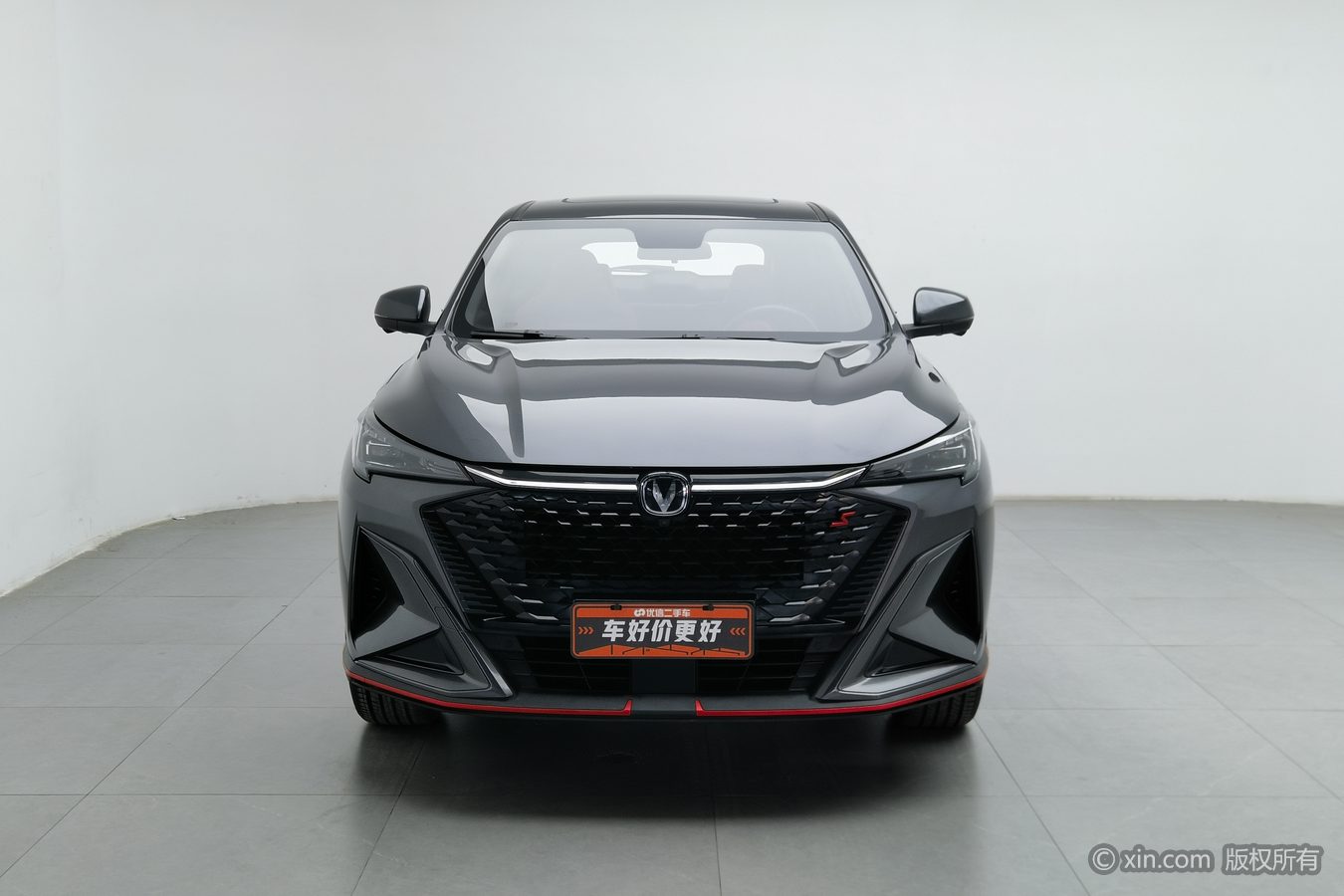
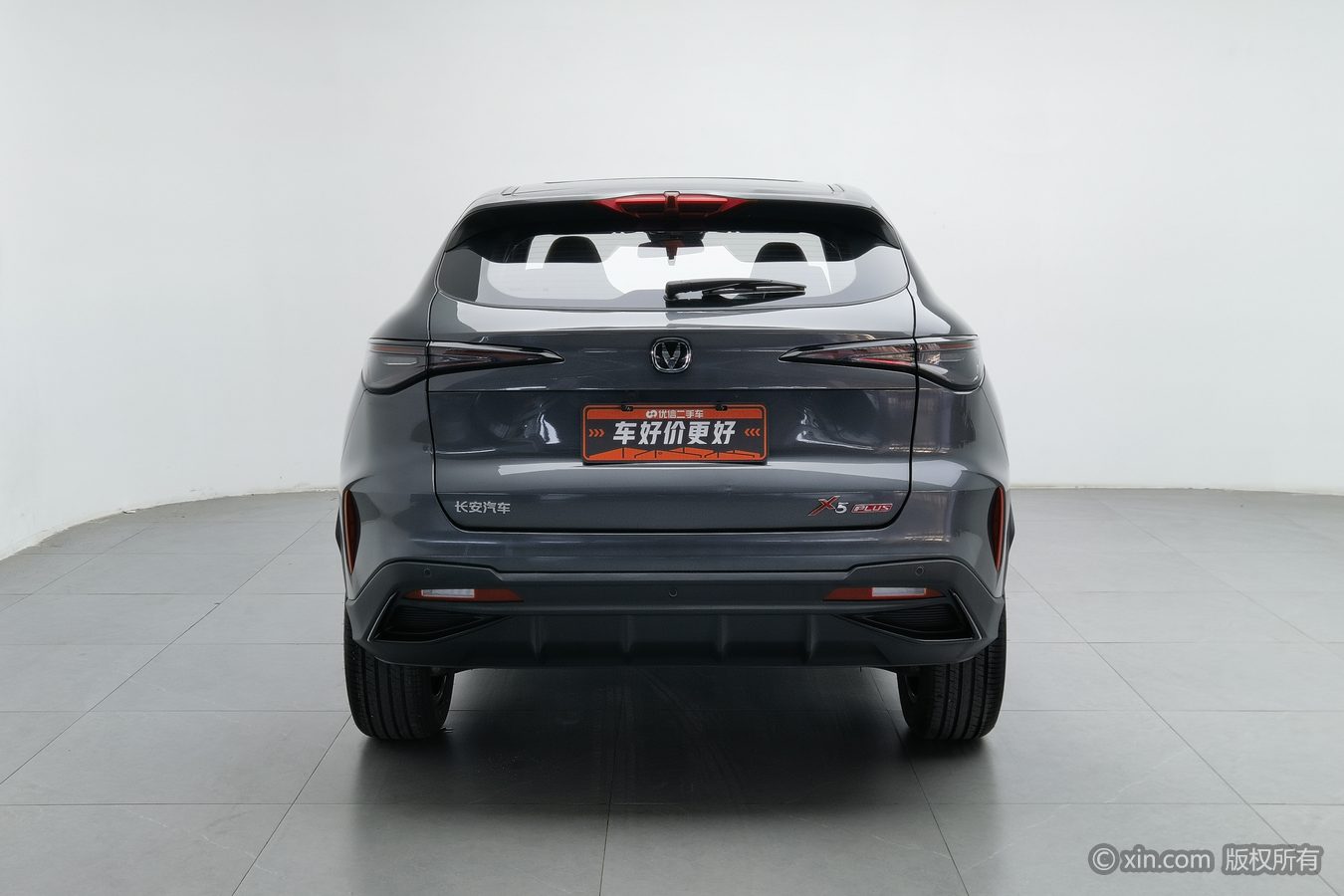
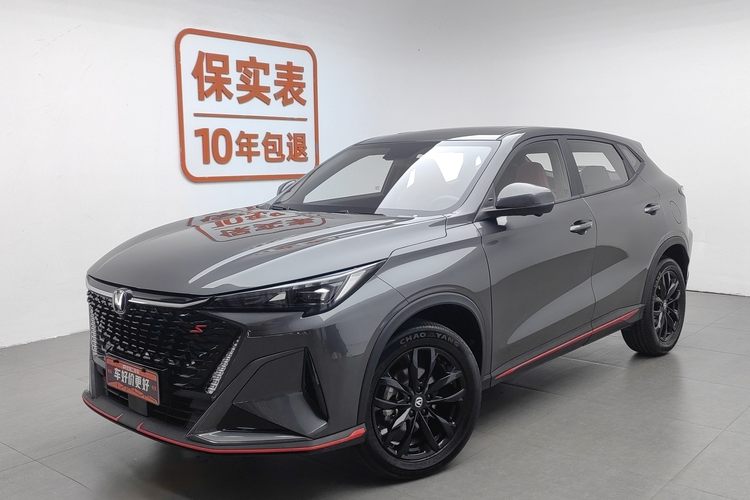
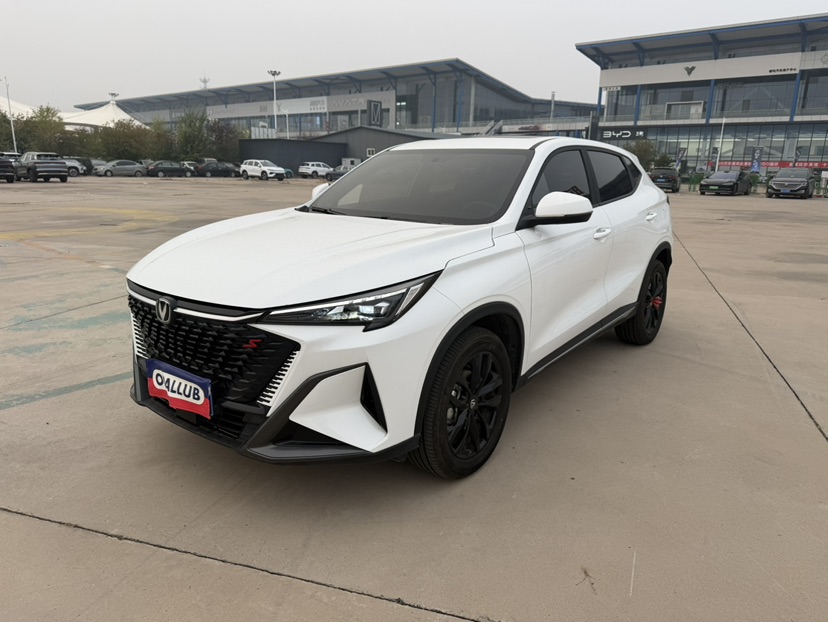
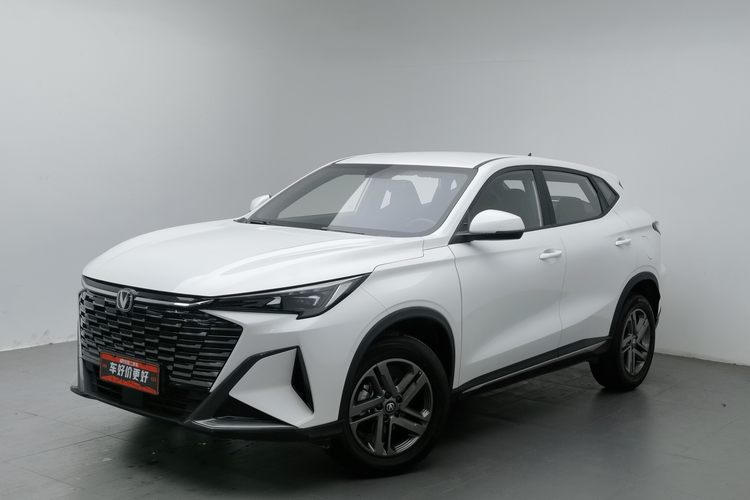
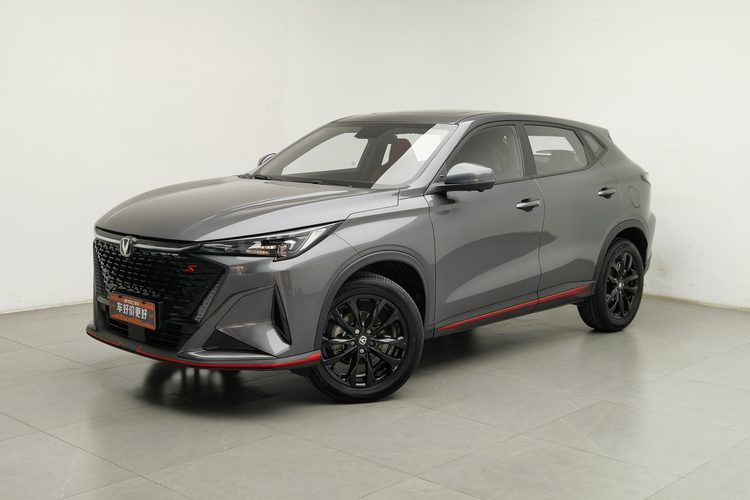
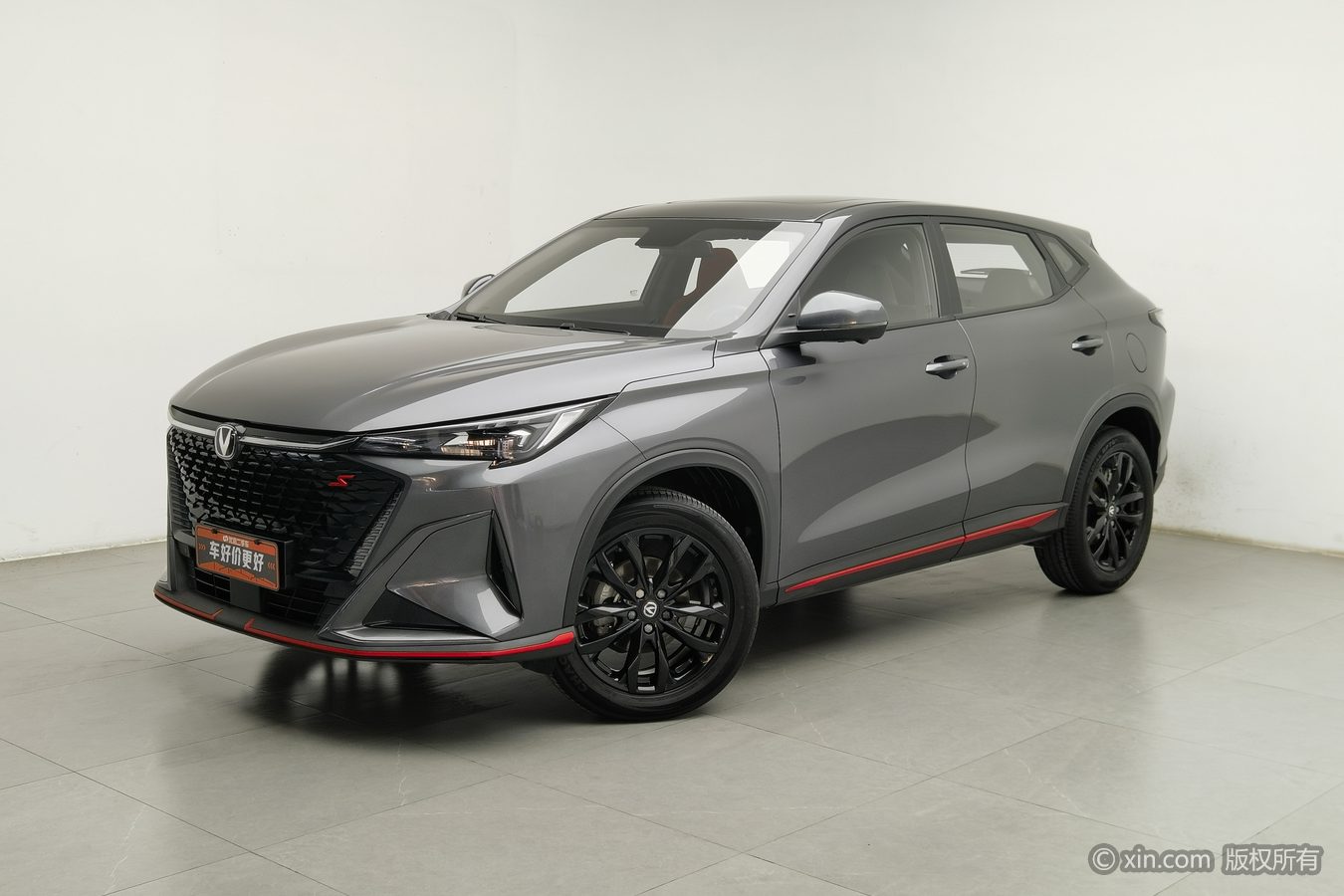
BrandChangan
SeriesX5 PLUS
Year2025
First Registration2025/08
Mileage15,000km
Transfer Count0times
FuelGasoline
TransmissionDCT
Engine1.5T 188 L4
ColorGrey
Seats5seats

Condition Description

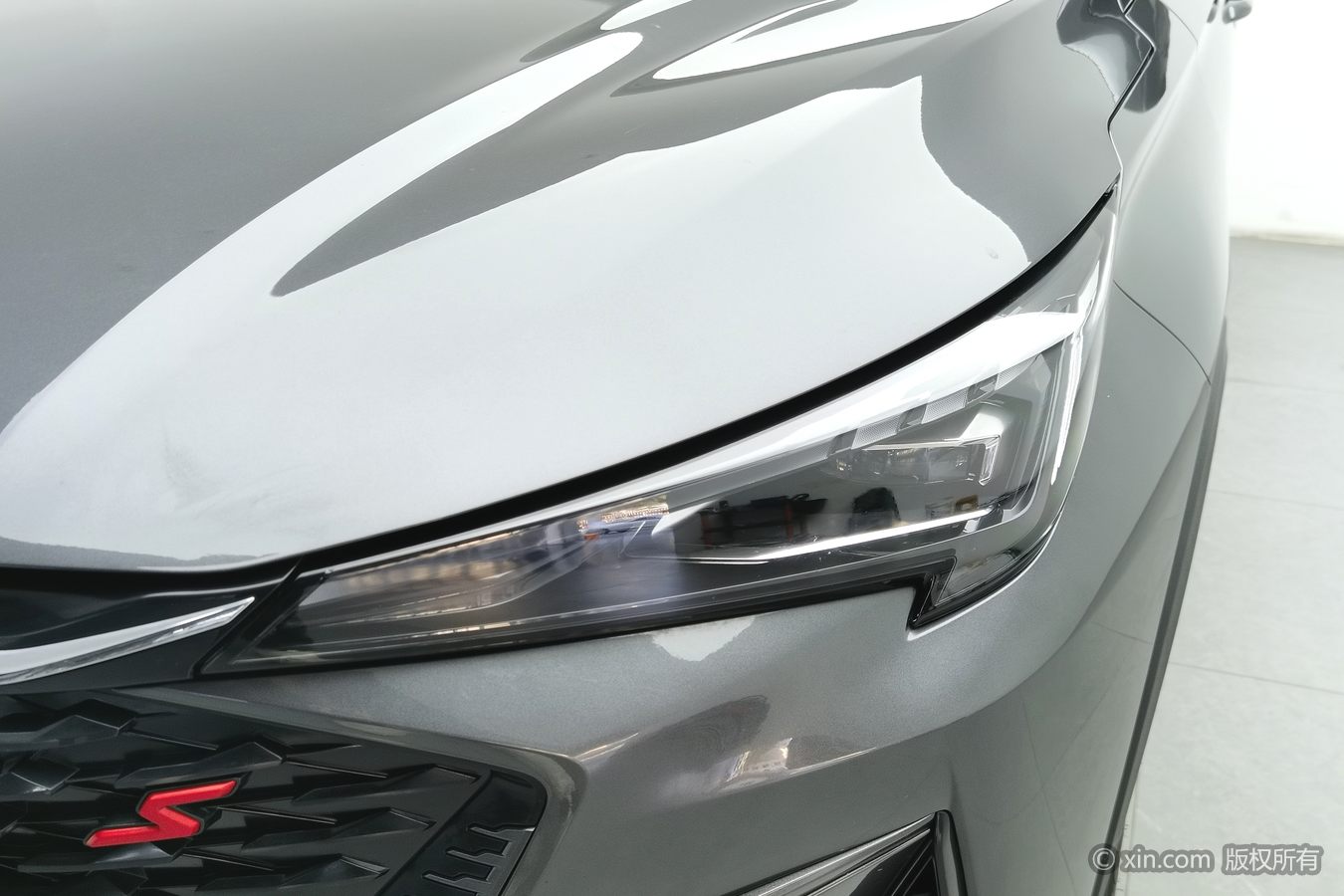
No odometer tampering, no structural damage, no water damage, no fire damage.

Configuration Highlights

✓液晶仪表盘
✓Lane Departure Warning
✓Remote Start
✓Auto Hold

Document Information

Inspection Expiry Date2027/08
Warranty Expiry Date-
Insurance Expiry Date-

Q&A

More

Is the vehicle's catalytic converter in good condition? Will it be maliciously removed before export?

The catalytic converter contains precious metals, making it a target for theft. During chassis inspection, we check if the welding points of the catalytic converter are in their original state. Once verified, the vehicle will be sealed after being handed over to port logistics to prevent disassembly and resale.

What maintenance schedule should I follow for a used Chinese car during its first year after import?

Treat the first year as a baseline period. Do a full fluid service immediately after registration: engine oil and filter, coolant, brake fluid, and transmission fluid, since you don't know when they were last changed in China. First 1,000 km: check for loose trim, retorque wheel nuts, and listen for new noises as the car adapts to local fuel and roads. At 5,000-10,000 km: inspect brake pads and rotors, rotate tires, and scan the ECU for stored fault codes even if no warning light shows. Annually or every 15,000 km: replace the cabin and engine air filters, check the battery health (especially for hybrids and EVs), and verify that software updates from the Chinese brand's international channel apply to your car. Keep a simple log with dates and receipts. It protects any warranty claim and makes the car far easier to sell later.
How to use technology to verify that a vehicle's emissions standards comply with our country's import regulations.

Our technical report will read the environmental information from the vehicle's factory-issued documentation (including certifications like National V, National VI, etc.). You need to submit the specific emission limit data we provide (such as grams of CO, THC, NOx emissions) to your country's environmental or customs authorities for compliance comparison.