


24H

Basic Information

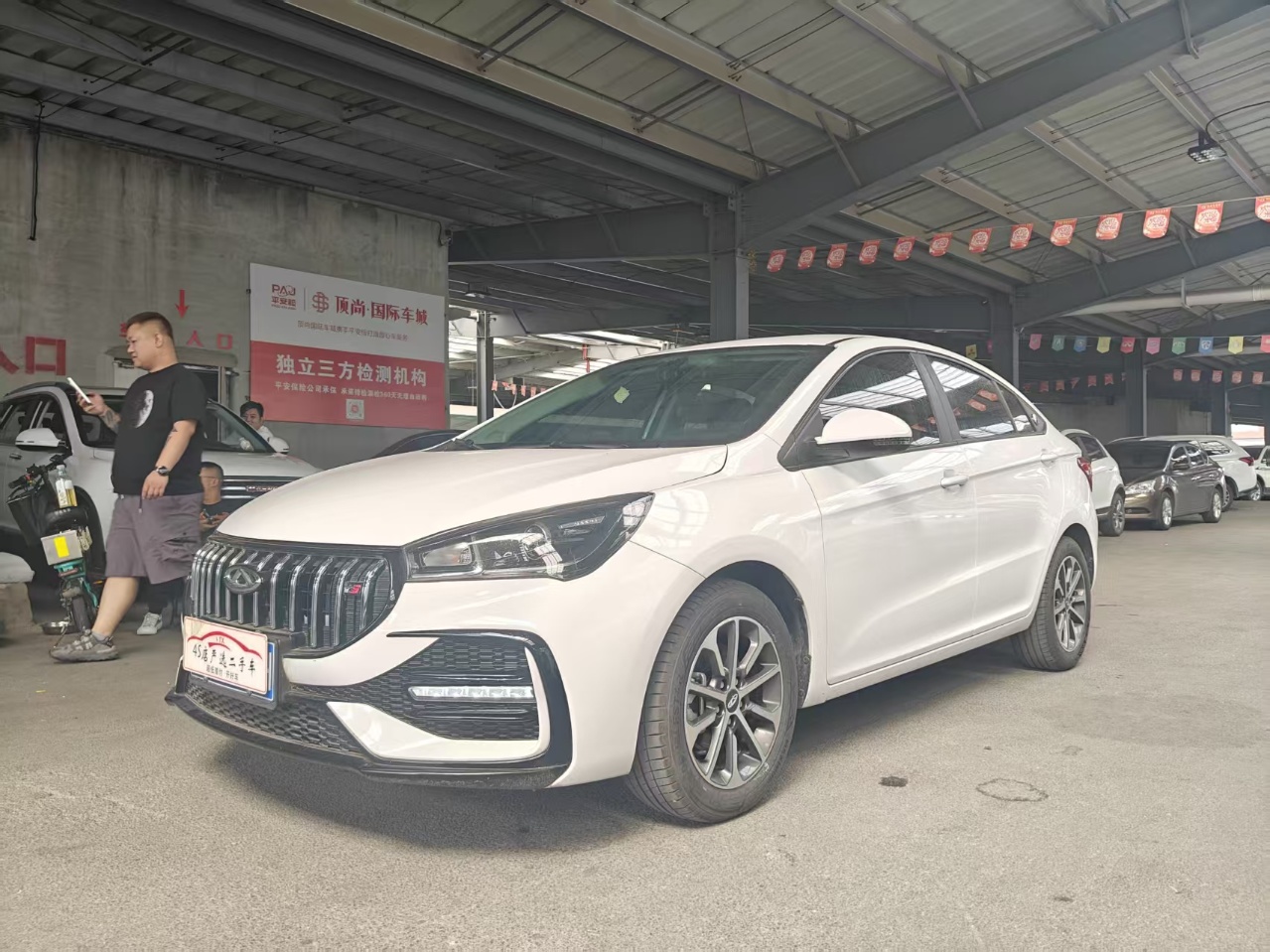
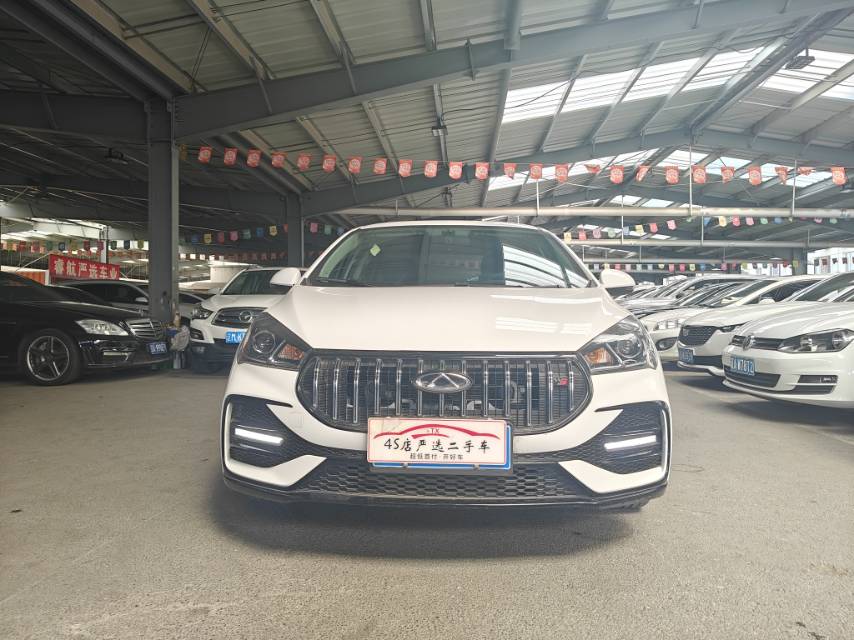
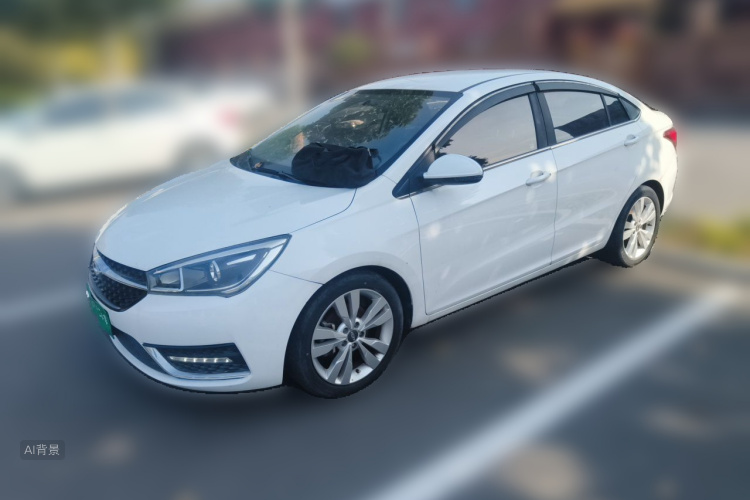
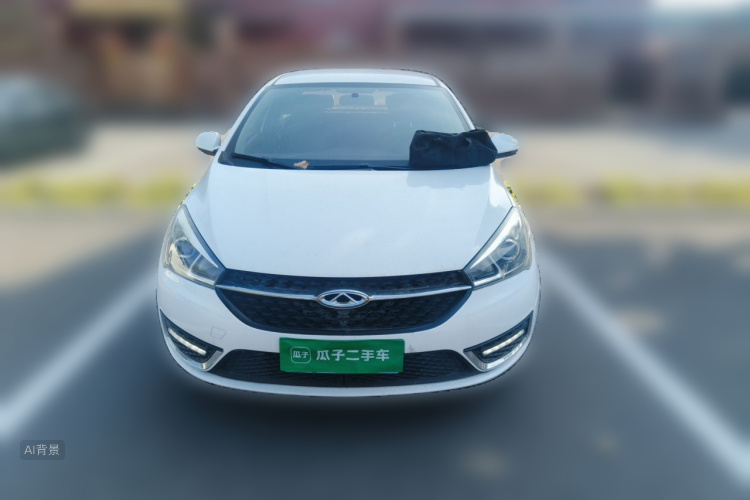
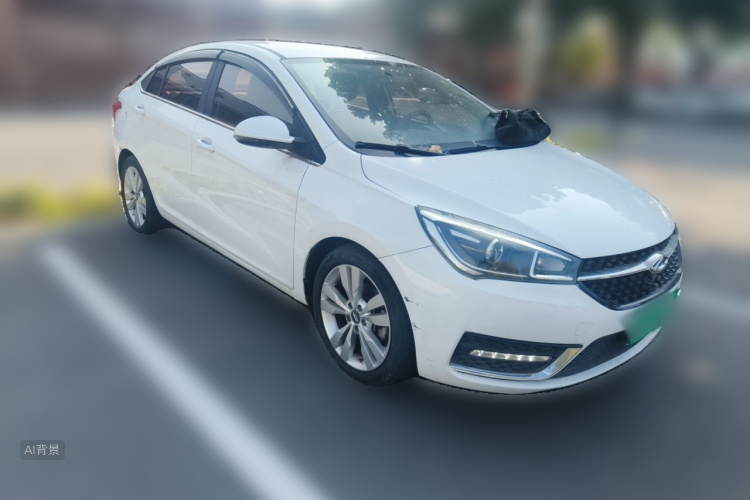
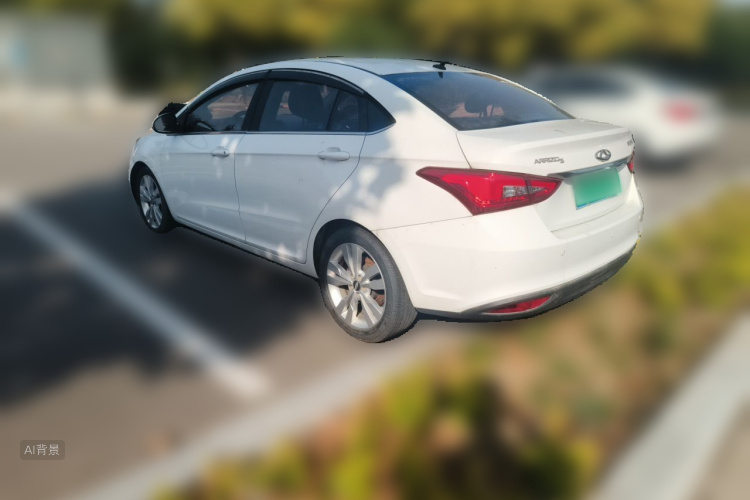
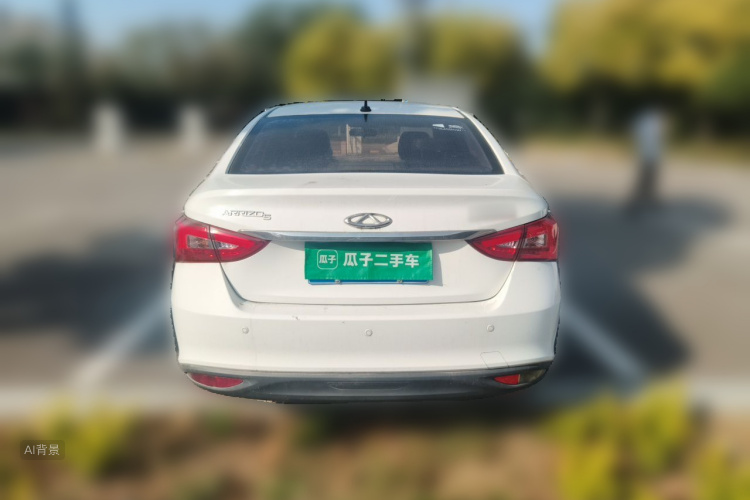
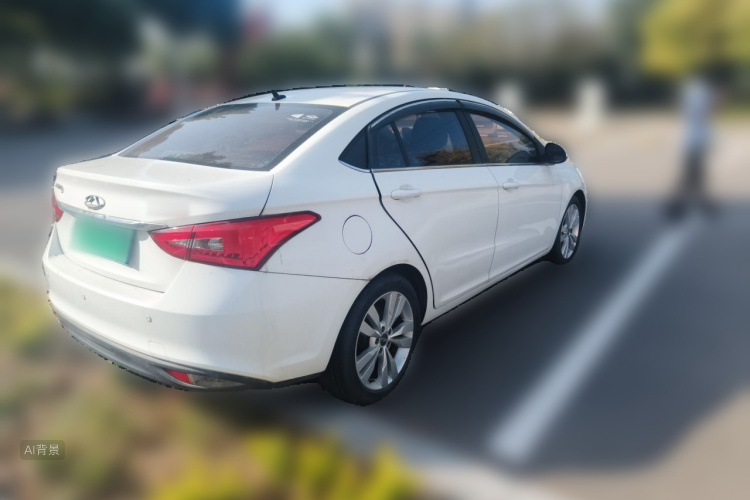
BrandChery
SeriesArrizo 5
Year2016
First Registration2016/11
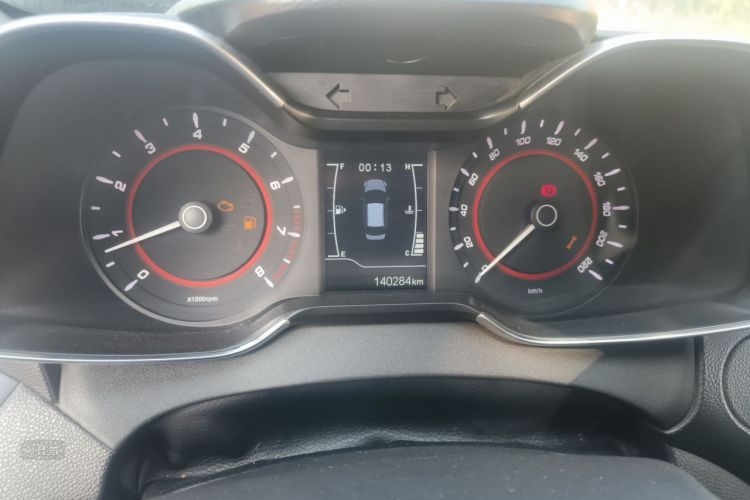
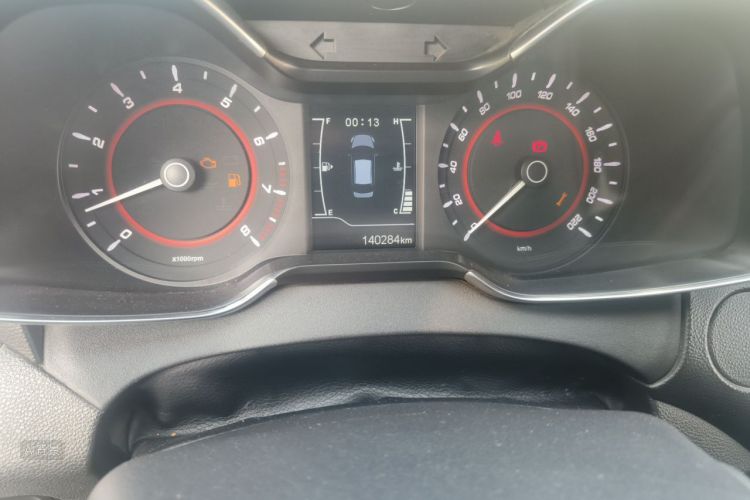
Mileage140,200km
Transfer Count1times
FuelGasoline
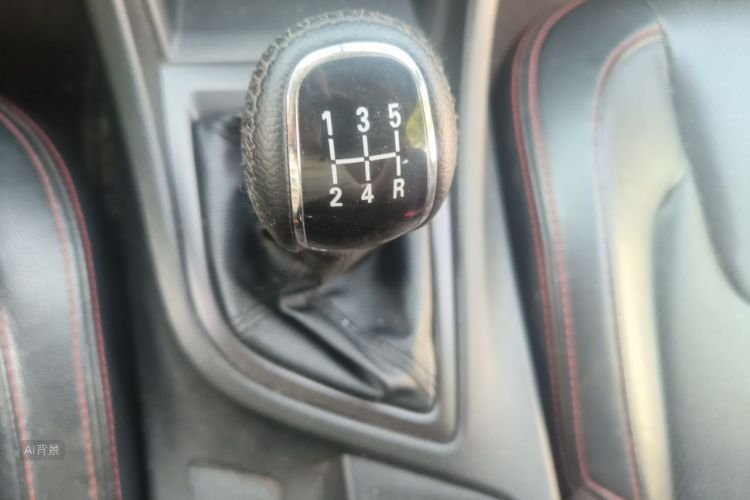
TransmissionManual
Engine1.5L 116 L4
Color
Seats-

Condition Description

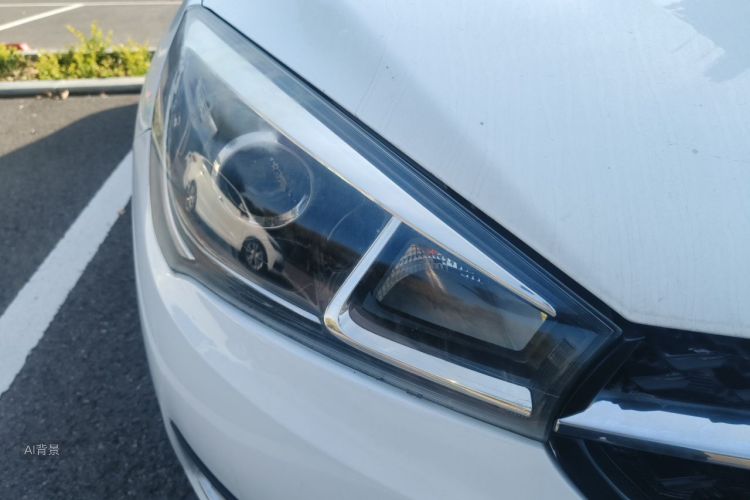
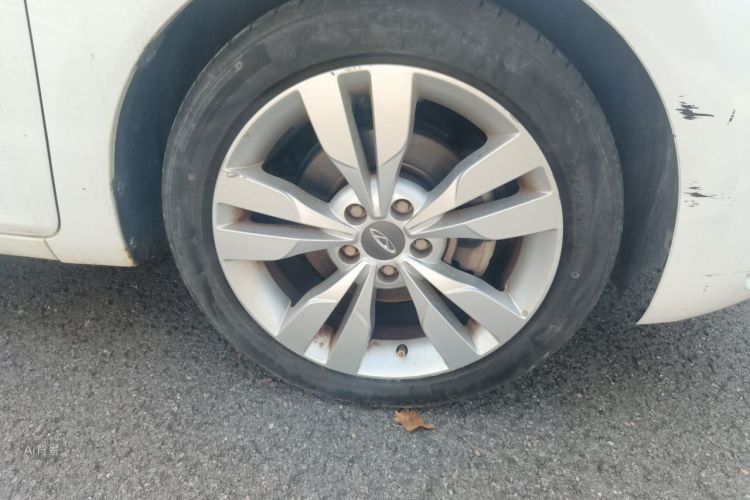
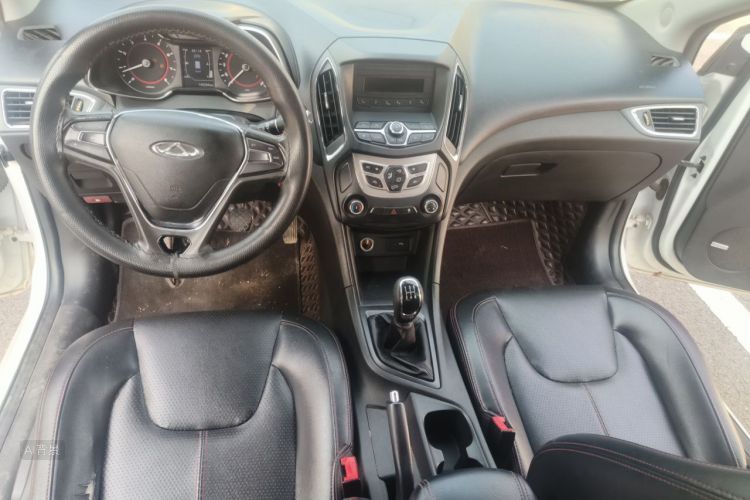
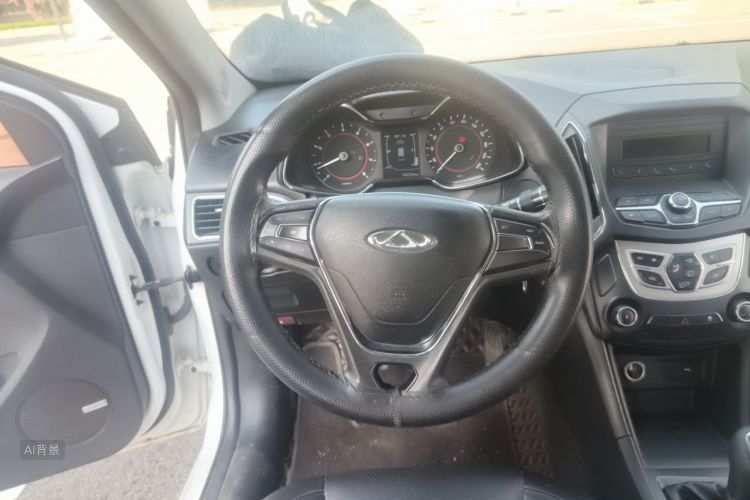
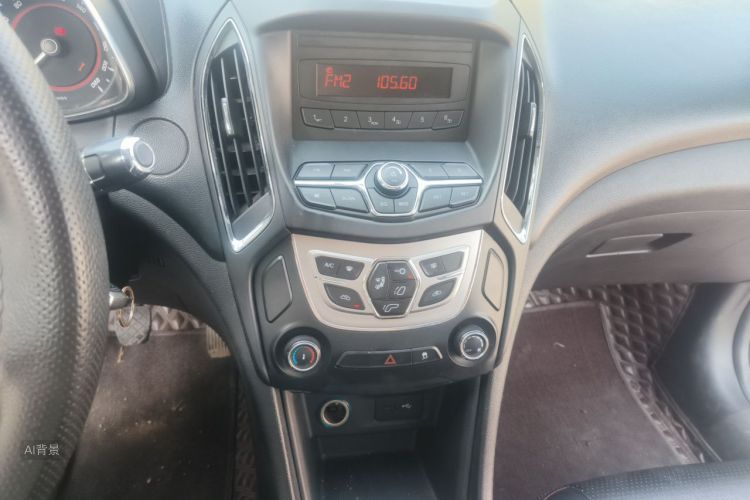
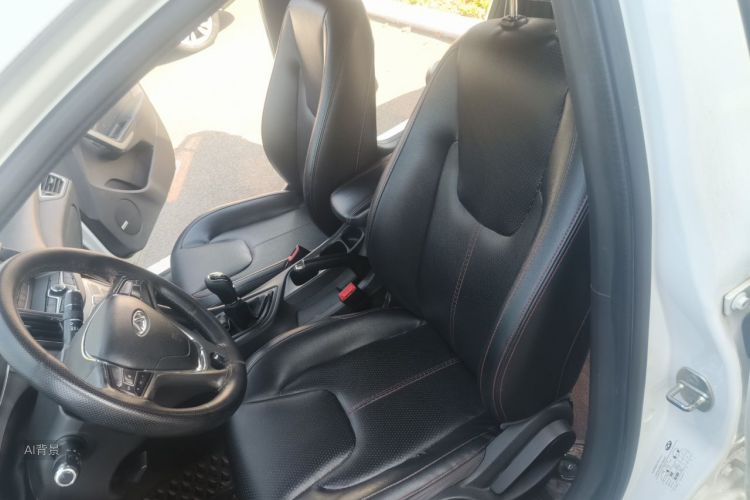
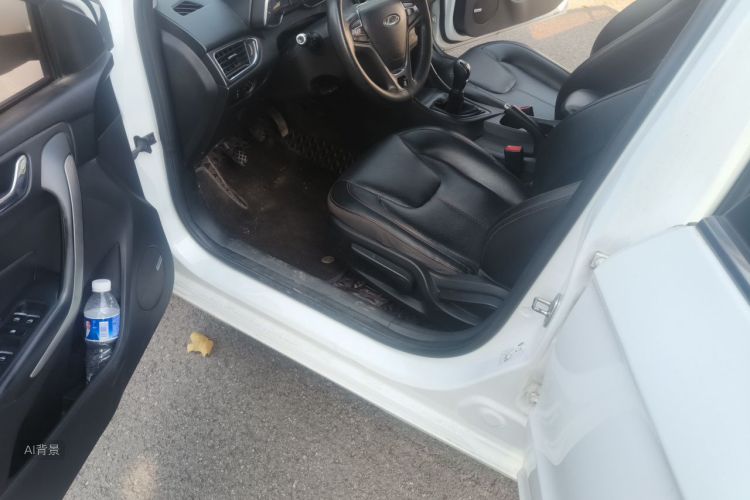
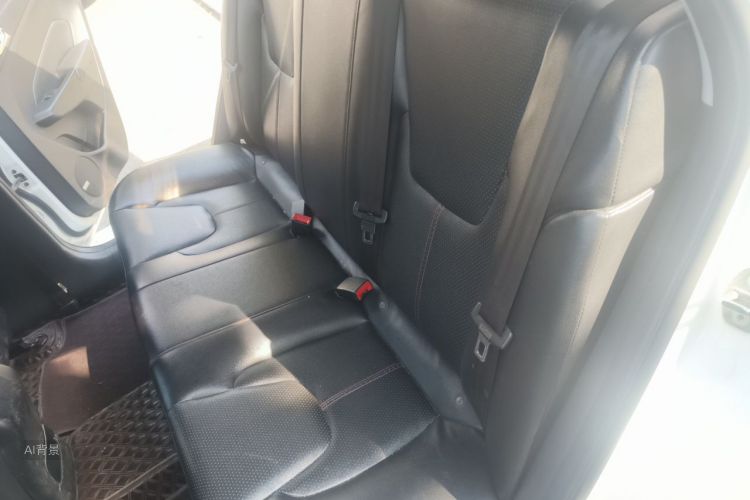
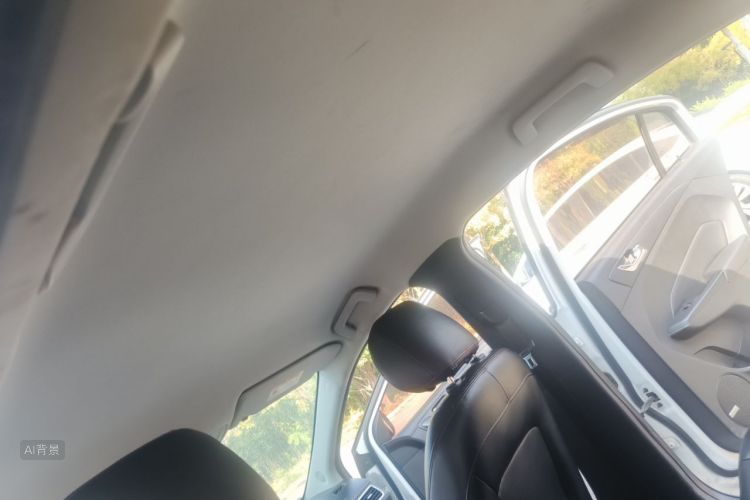
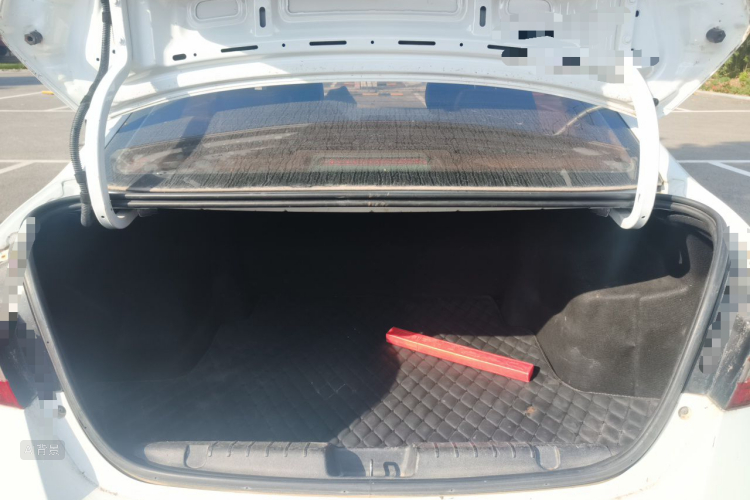
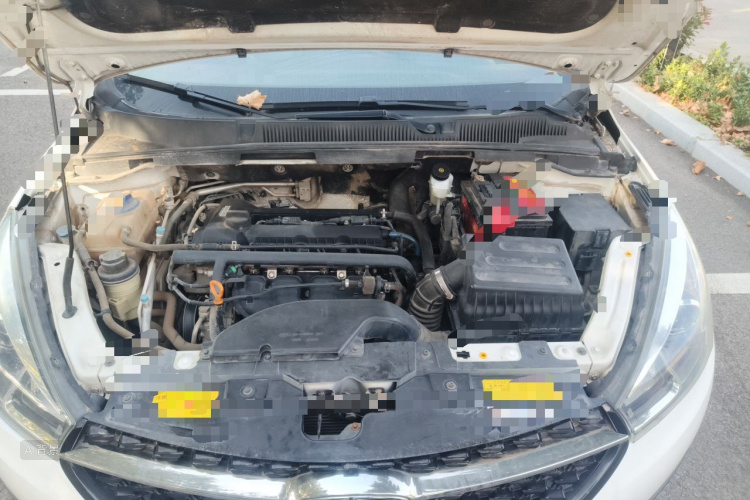
Basic condition: good | 1 claim | 1 transfer

Q&A

More

What does the buying process look like when importing a used car from China?

A typical transaction has six steps. 1. Selection: you confirm the vehicle through photos, a video walkaround, an inspection report and the VIN. 2. Deposit: most exporters ask 20%-30% to reserve the car. Pay by bank transfer to the company's corporate account, never a personal one. 3. Inspection: an independent pre-shipment inspection verifies the condition; you receive the report before paying the balance. 4. Balance payment: usually due before loading. Request the booking confirmation and container number. 5. Shipping: the exporter sends you the draft bill of lading for checking, then the original documents by courier. 6. Arrival: you clear customs with the invoice, C/O, B/L and inspection certificate, then register the vehicle. Total timeline is usually 2-6 weeks. Use payment methods with recourse (T/T or escrow) and keep every contract and receipt.


The target country has strict age and emission (such as Euro V/Euro VI) restrictions on imported used cars. Will you help me review this?

Our system provides basic risk alerts based on the general regulations of the main exporting countries, but the final responsibility for confirming whether the vehicle meets the import country's regulations lies with the buyer. We will rigorously indicate the vehicle's production year, first registration date, and Chinese emission standards (such as National V, National VI) on the details page. We recommend that you submit this accurate data to the local vehicle management department or customs agent for verification before placing an order.

When B2B buyers make bulk purchases, can they request to combine the accessory costs and vehicle price on the same commercial invoice to reduce overall tariffs?

No, this is a serious customs violation. Complete vehicles (HS Code 8703) and auto parts (HS Code 8708, etc.) are subject to completely different import tax rates. Combining them on one invoice could lead to the invoice being returned by customs and may expose you to tax fraud accusations at the destination port.