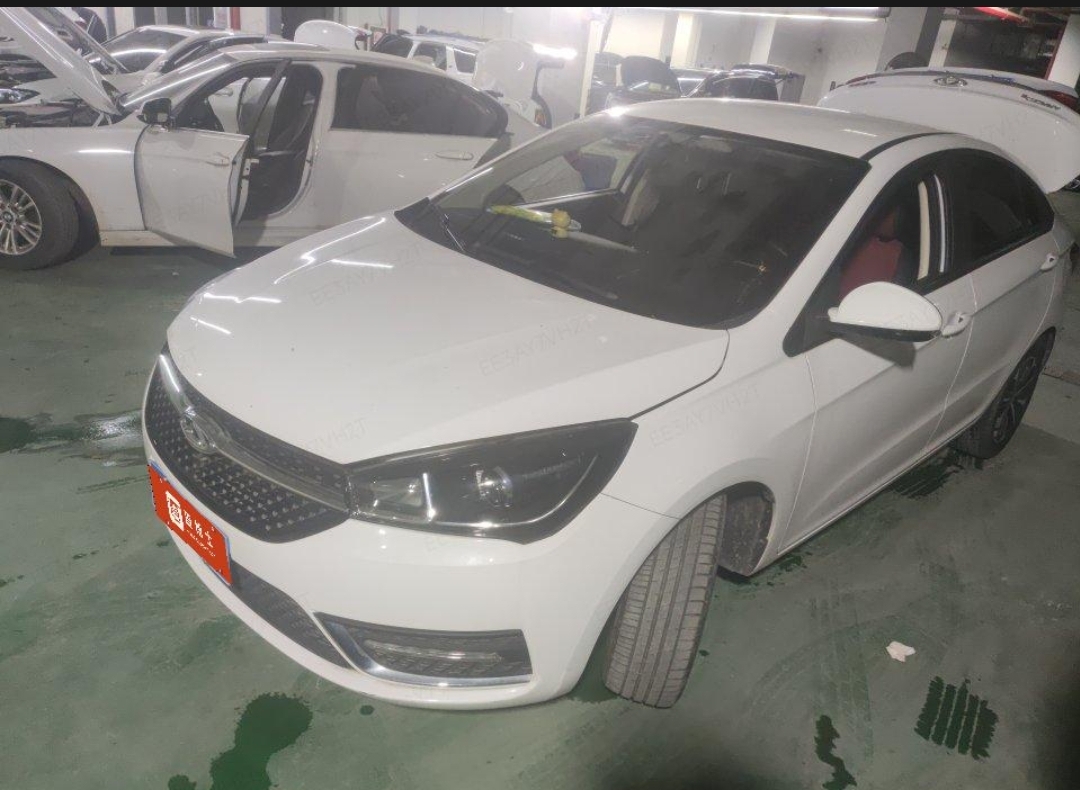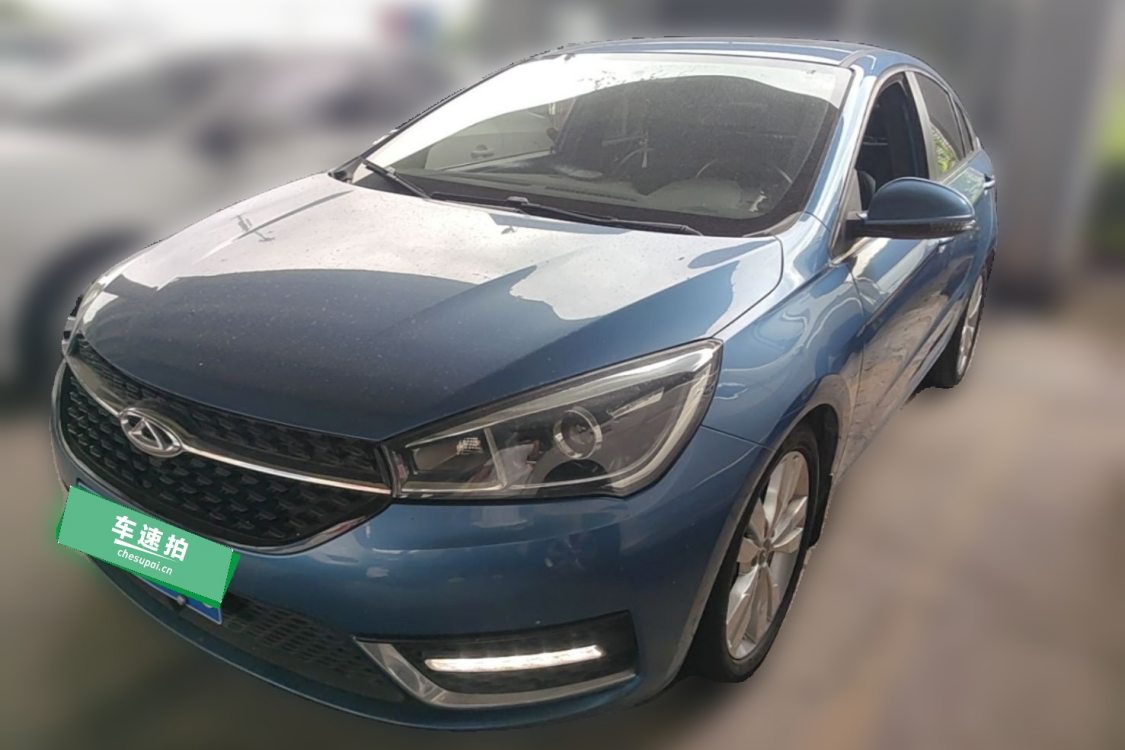

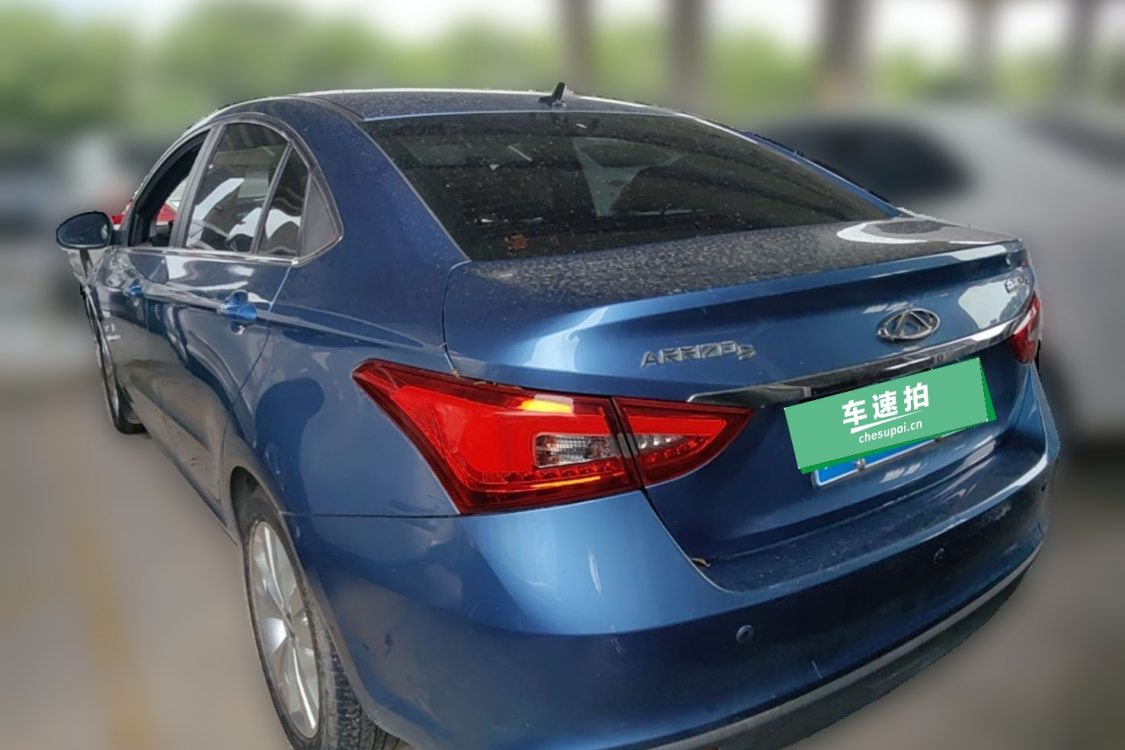
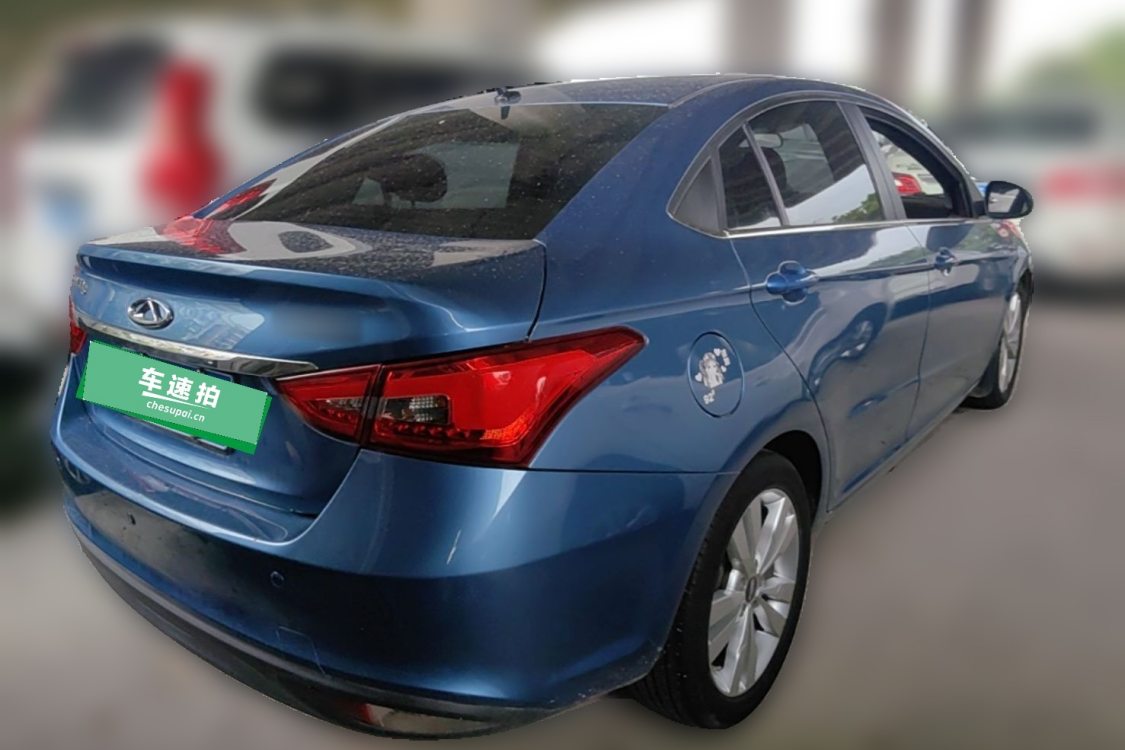
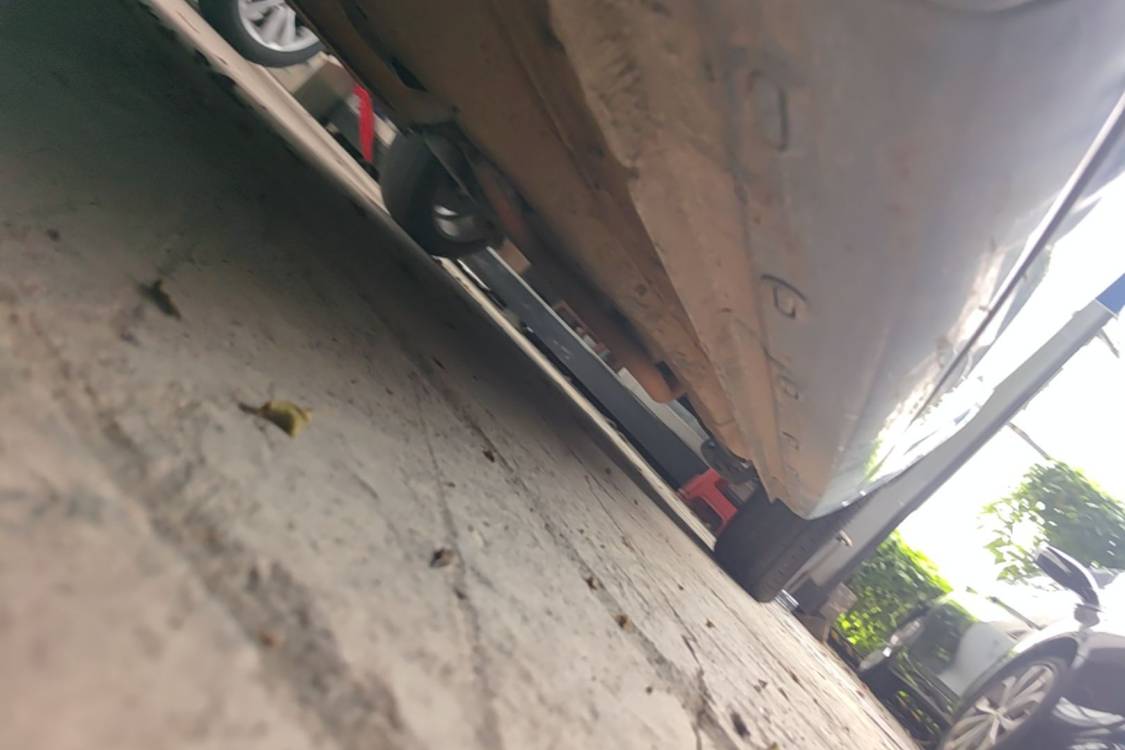
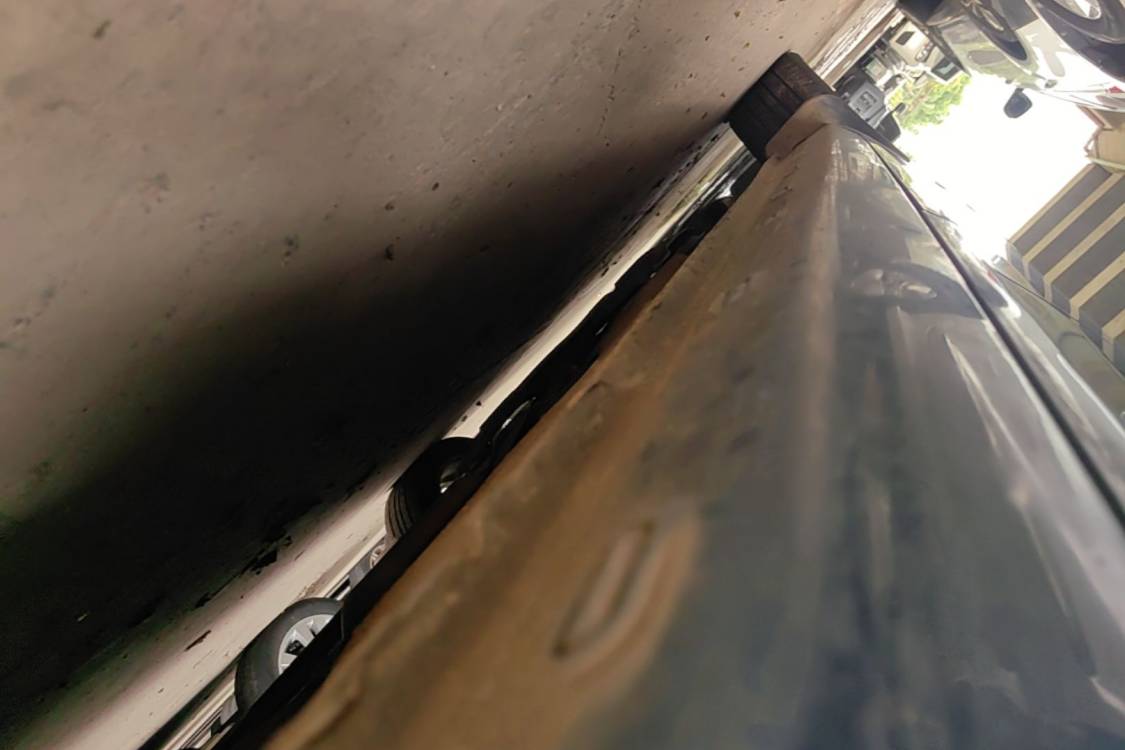
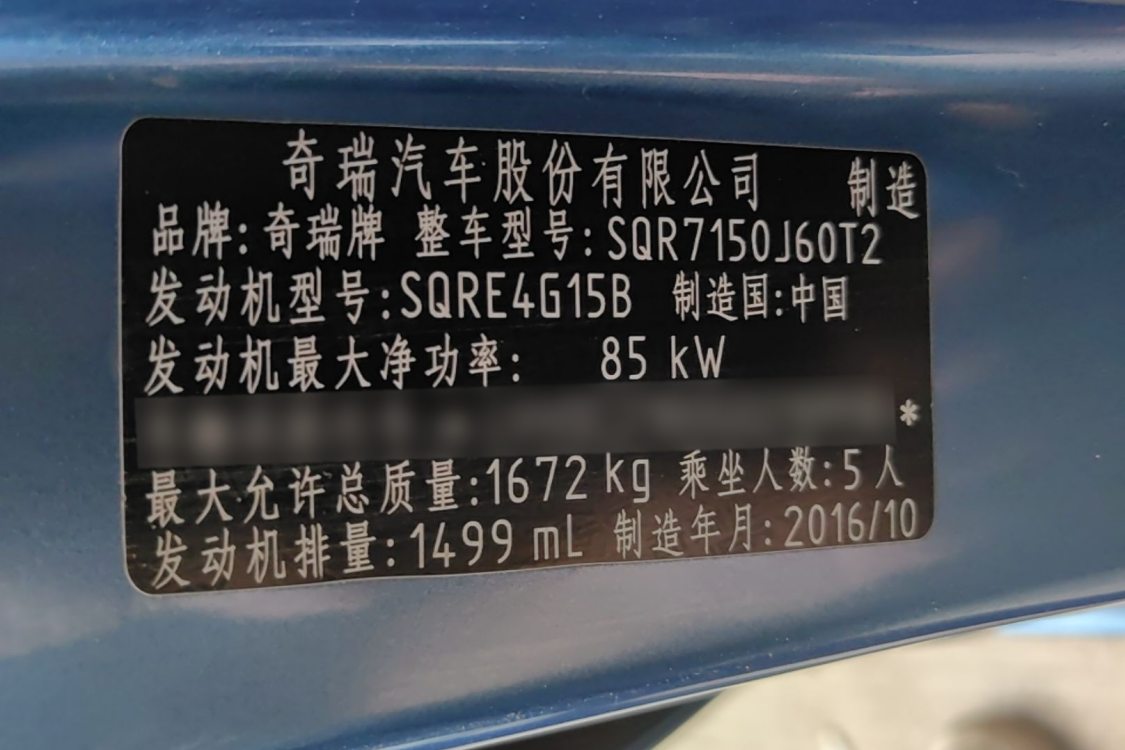
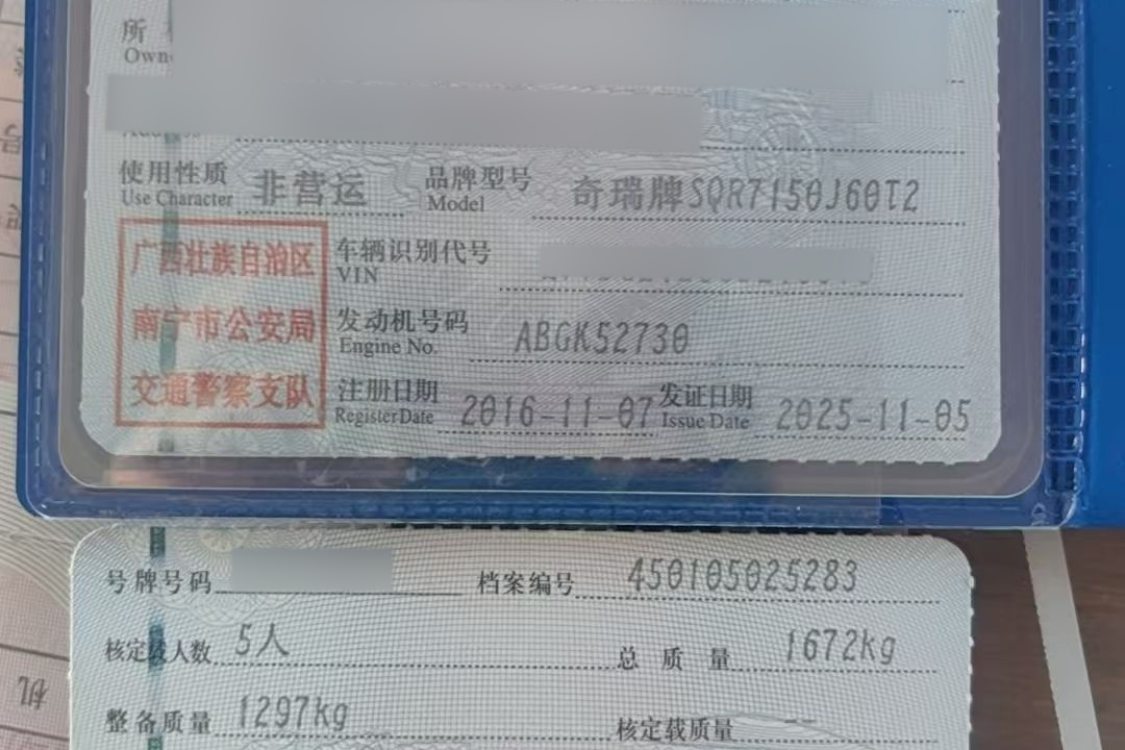





Has the vehicle's VIN (chassis number) been polished or altered?
We will carefully check if the chassis number on the windshield, chassis, and door frame matches.
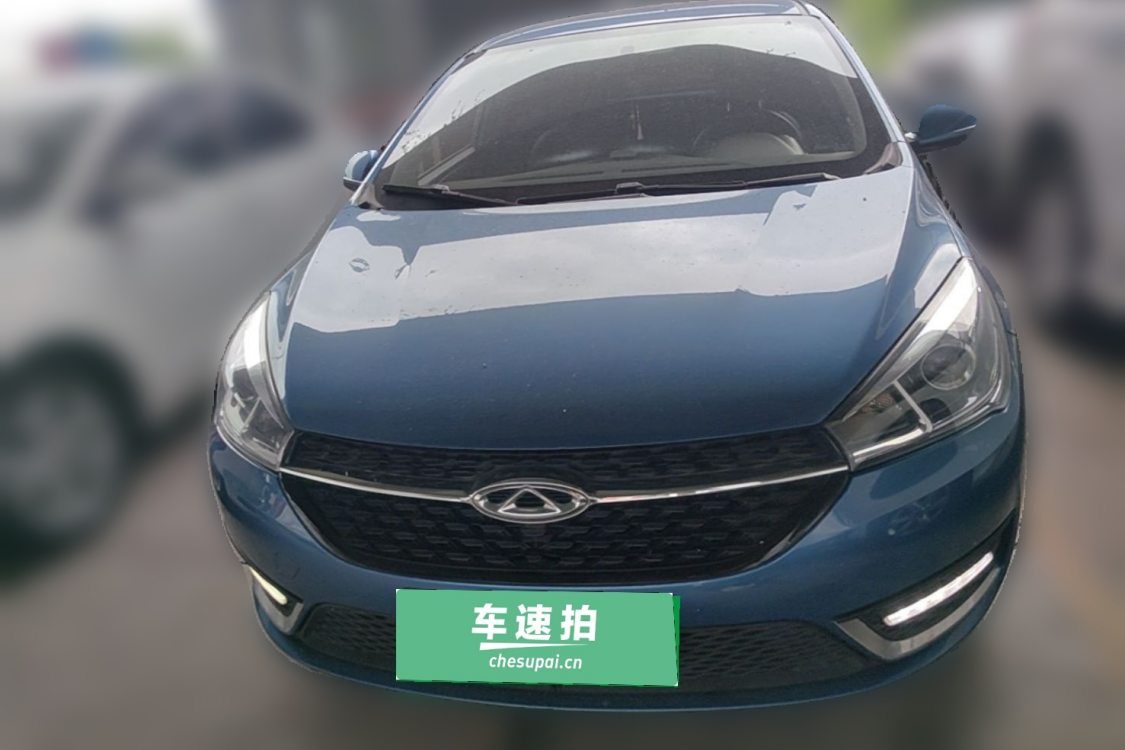
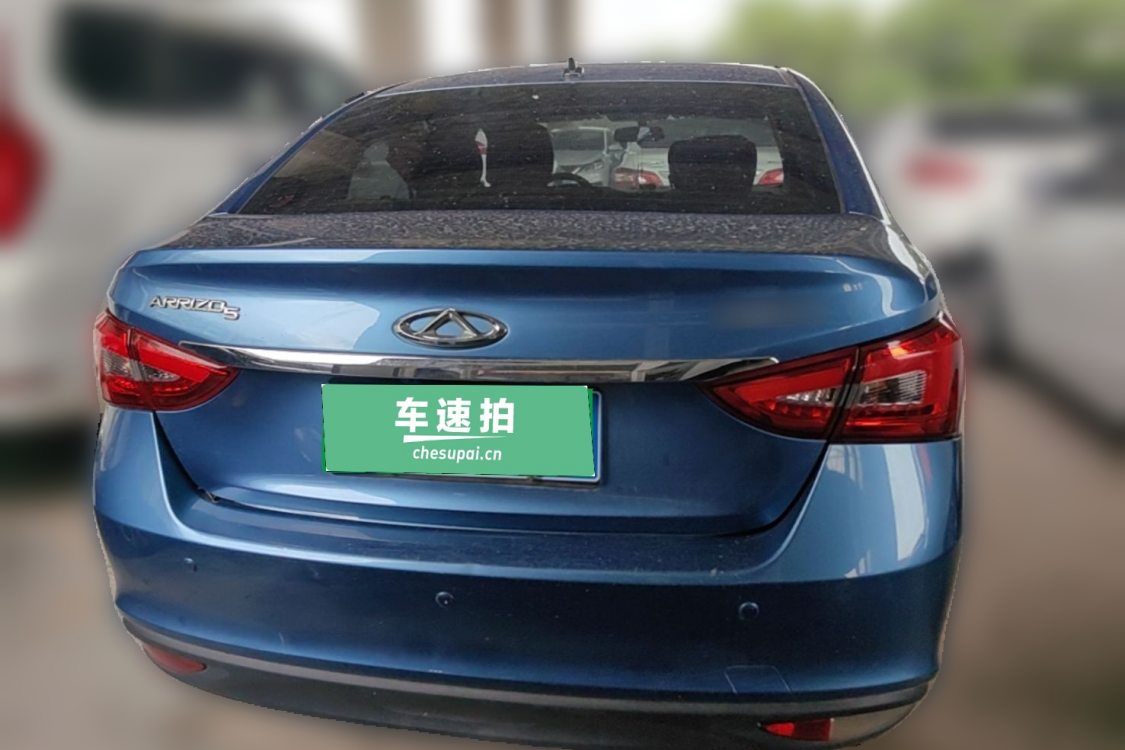
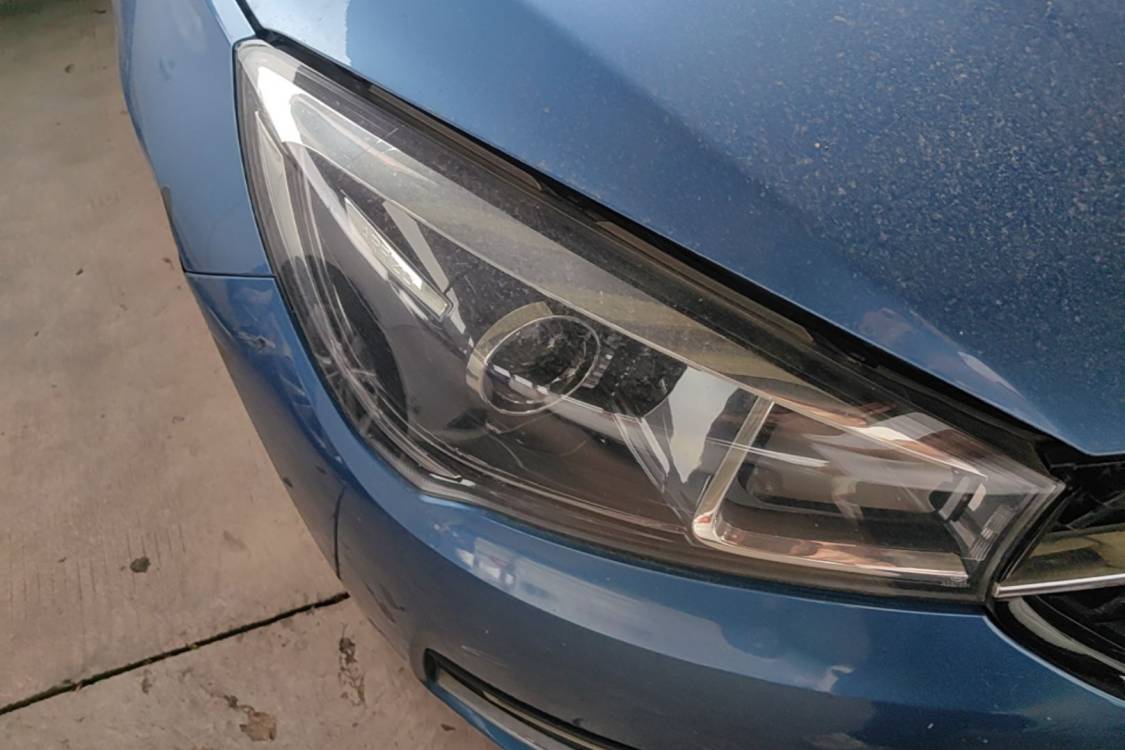
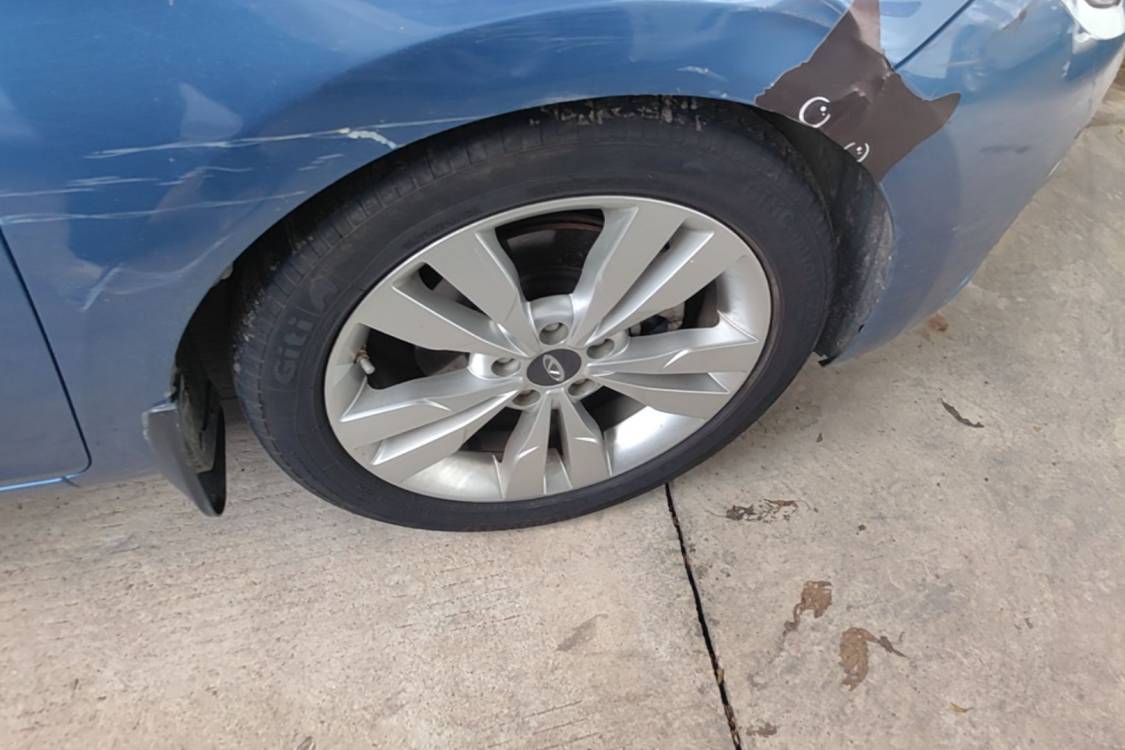
Localized body damage or repair marks present. No accident-related damage or repairs to structural or reinforcing components. Vehicle performance (including three-electric system) has degraded or is limited.
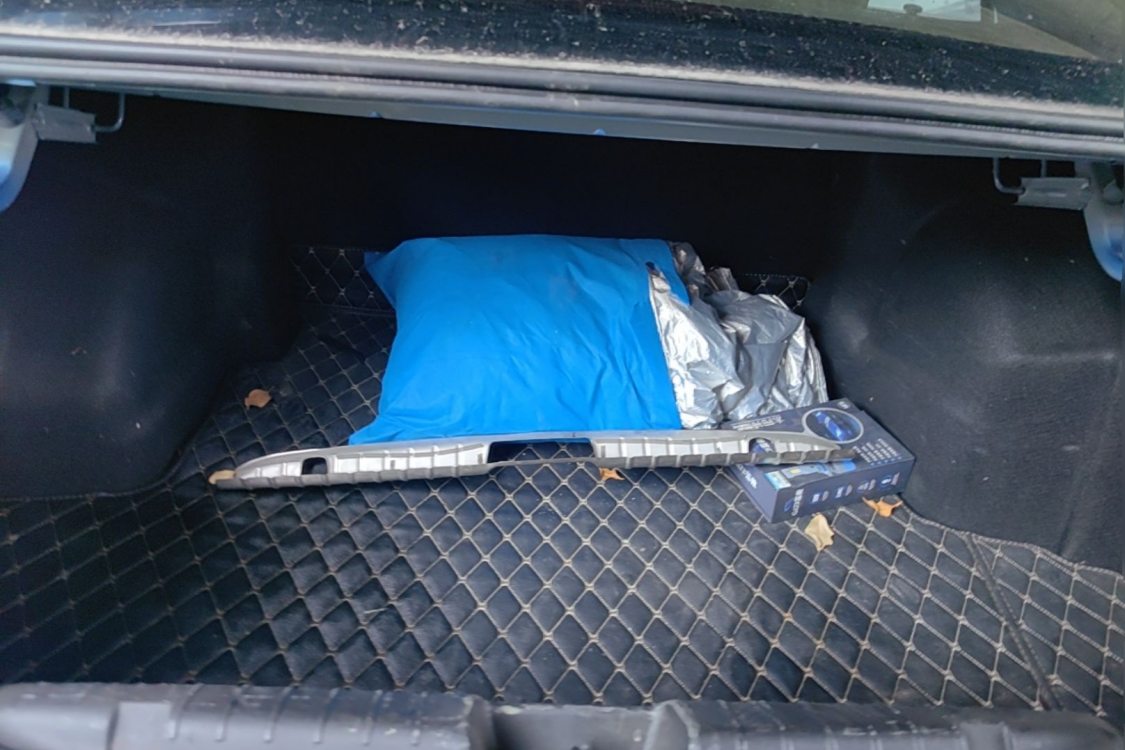
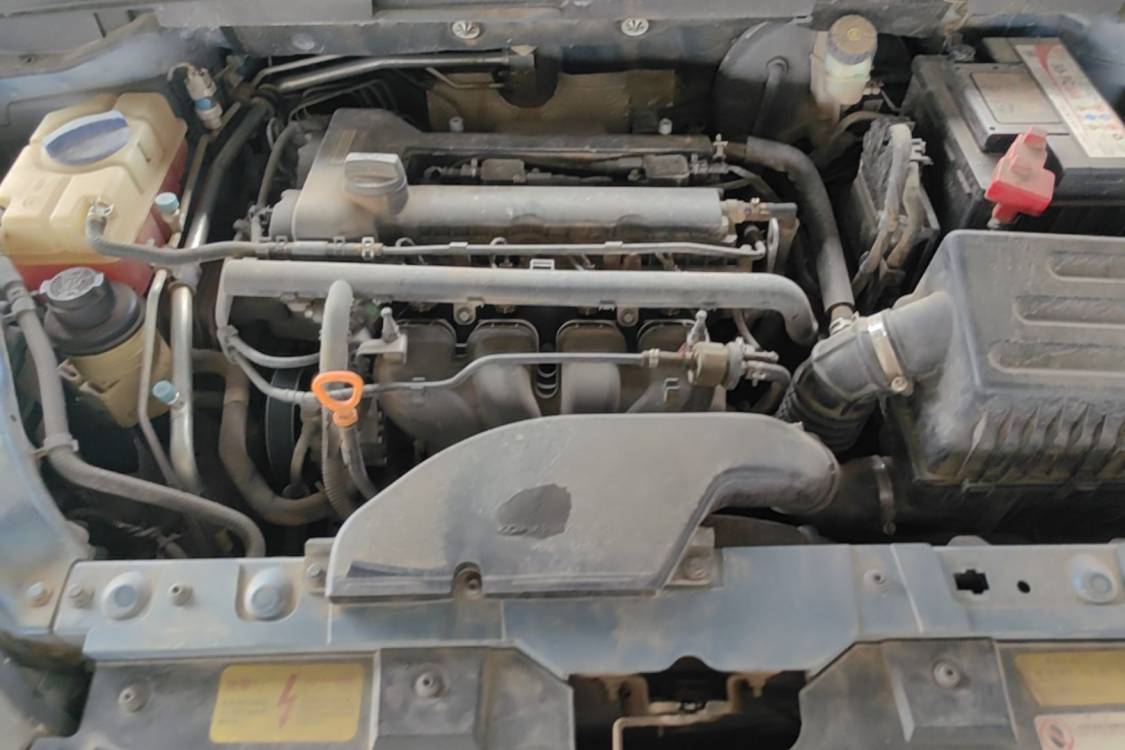
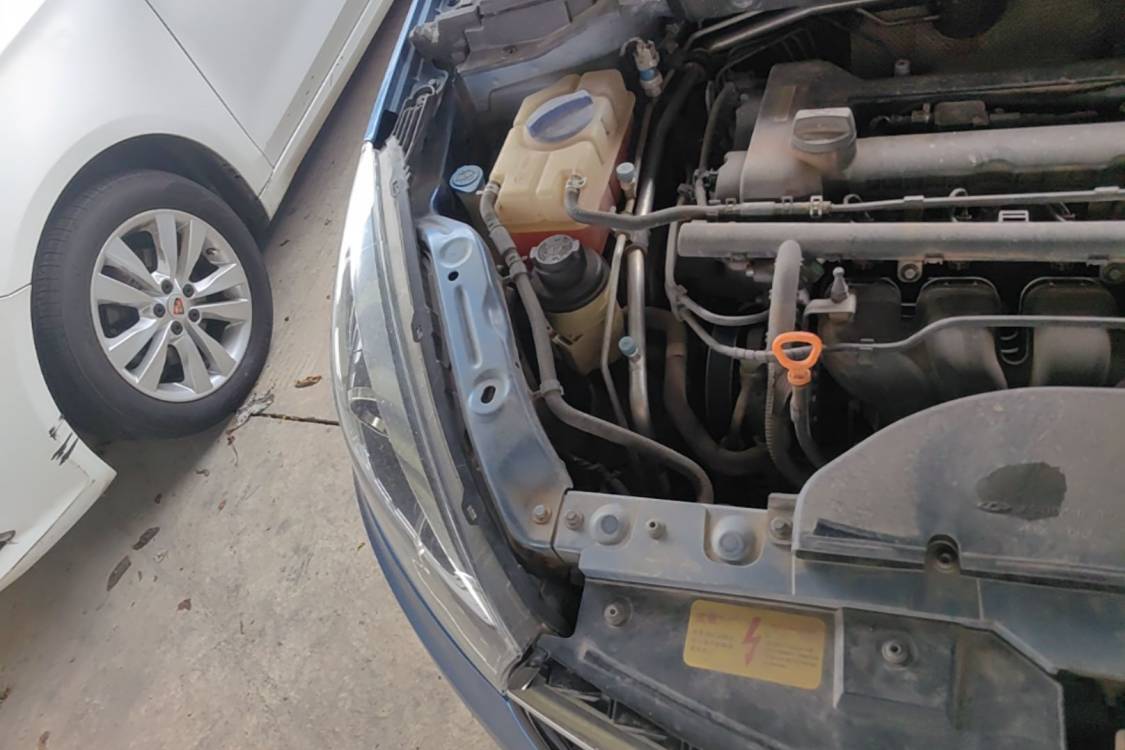
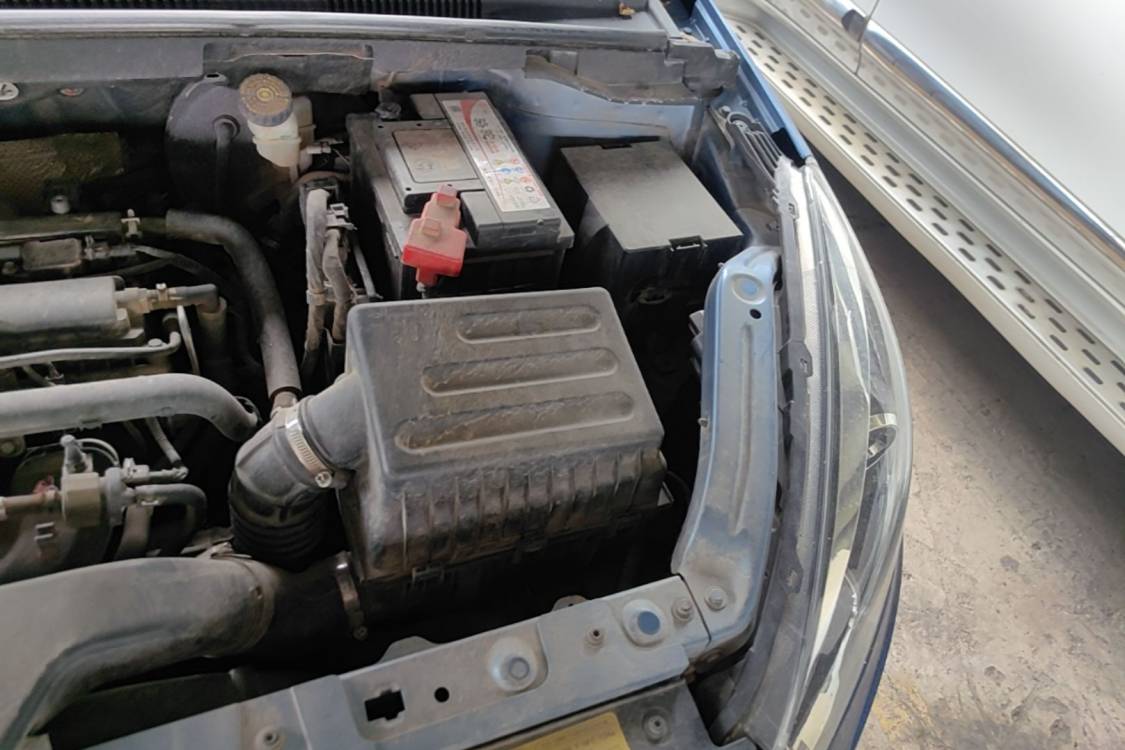
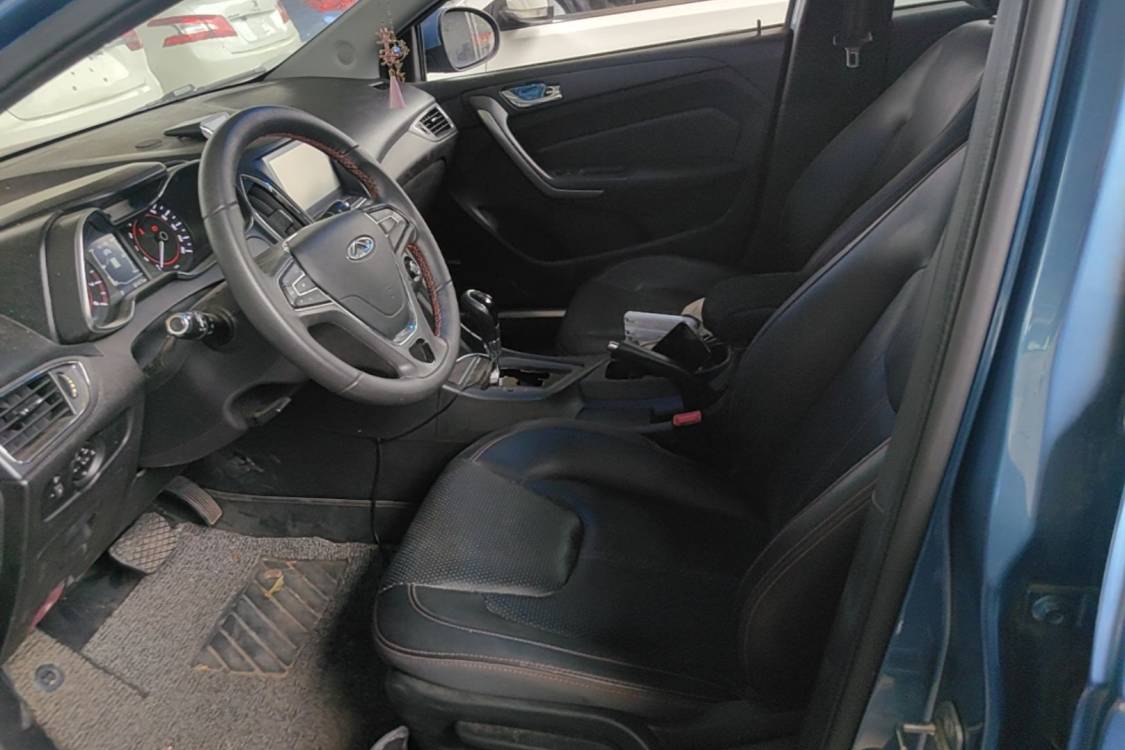
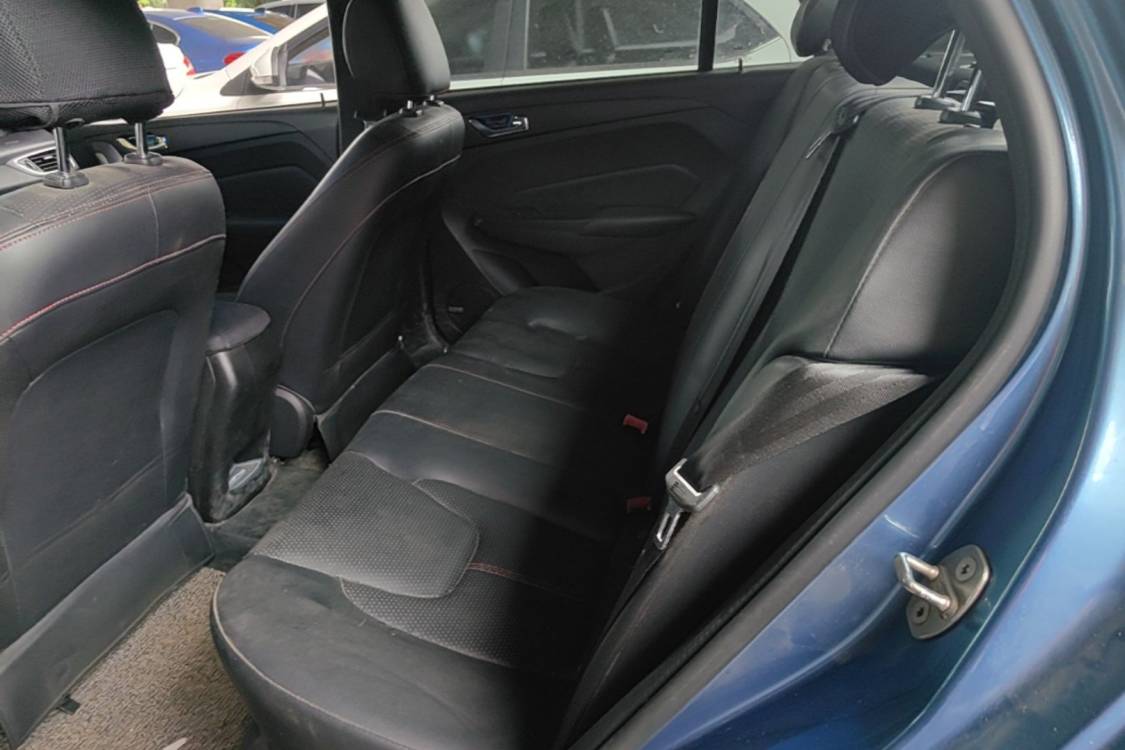
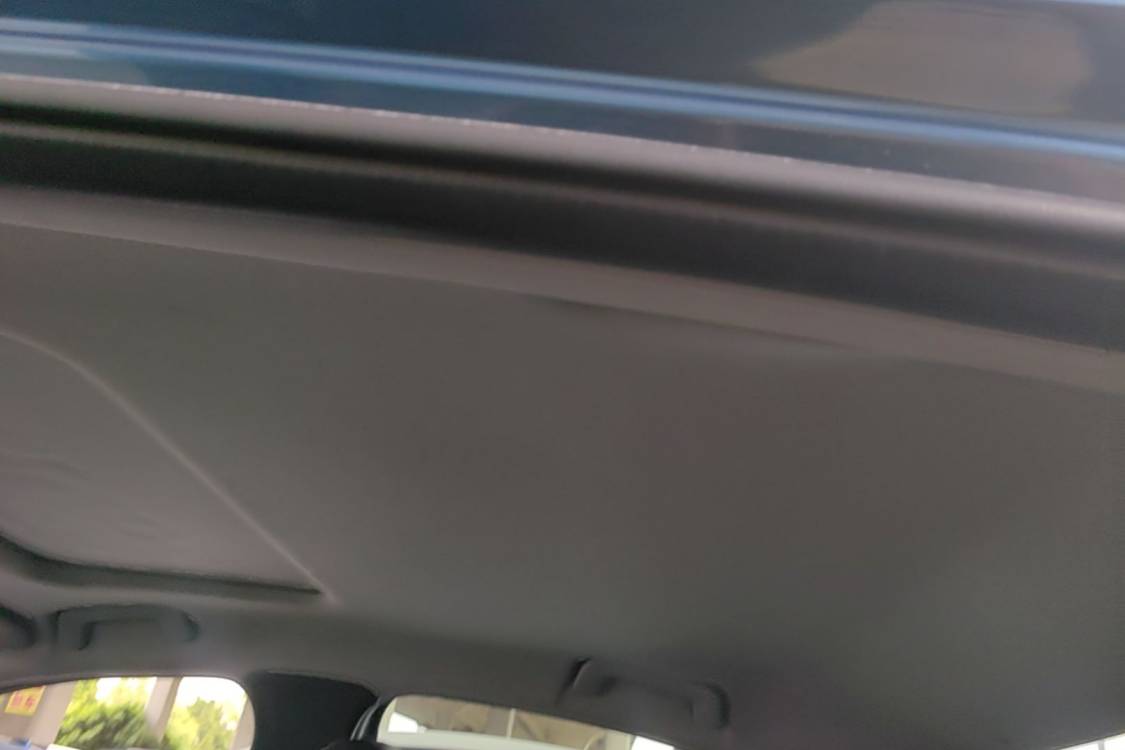
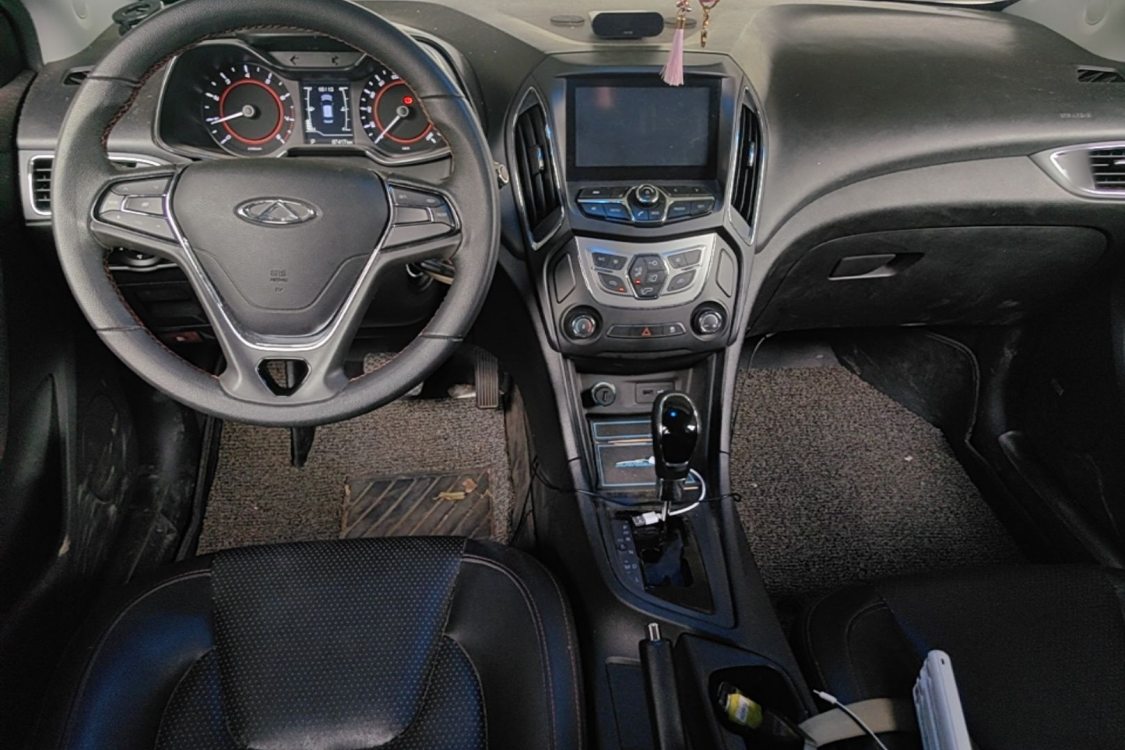
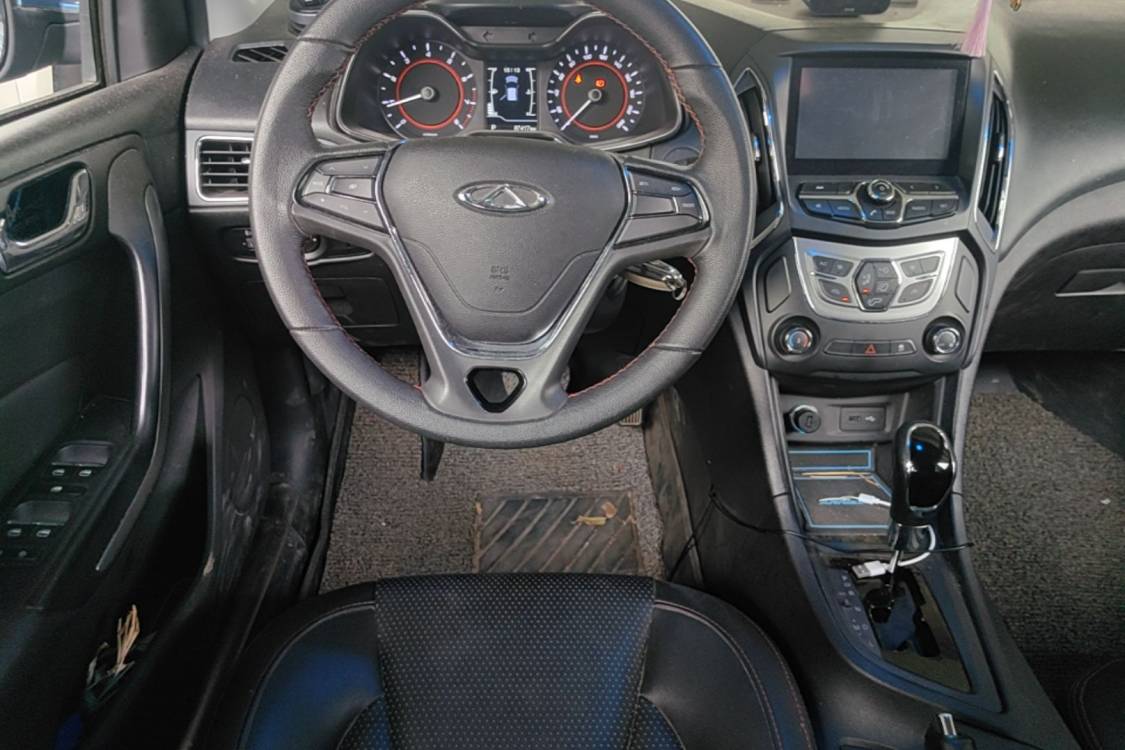
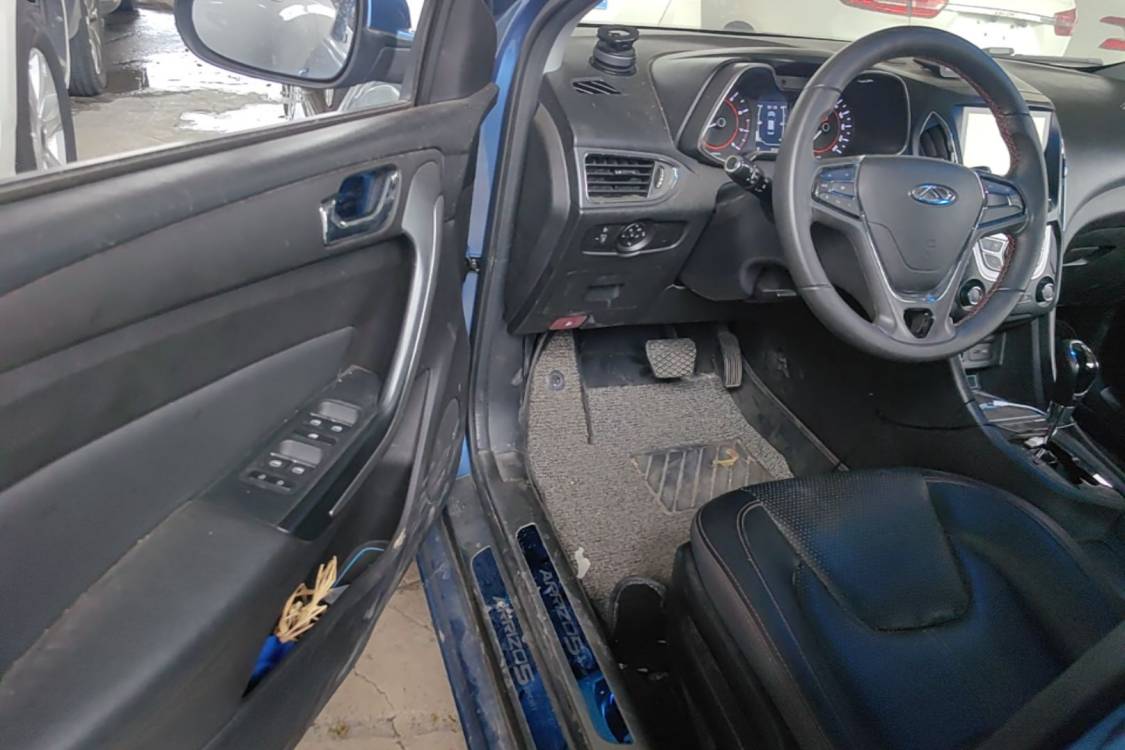
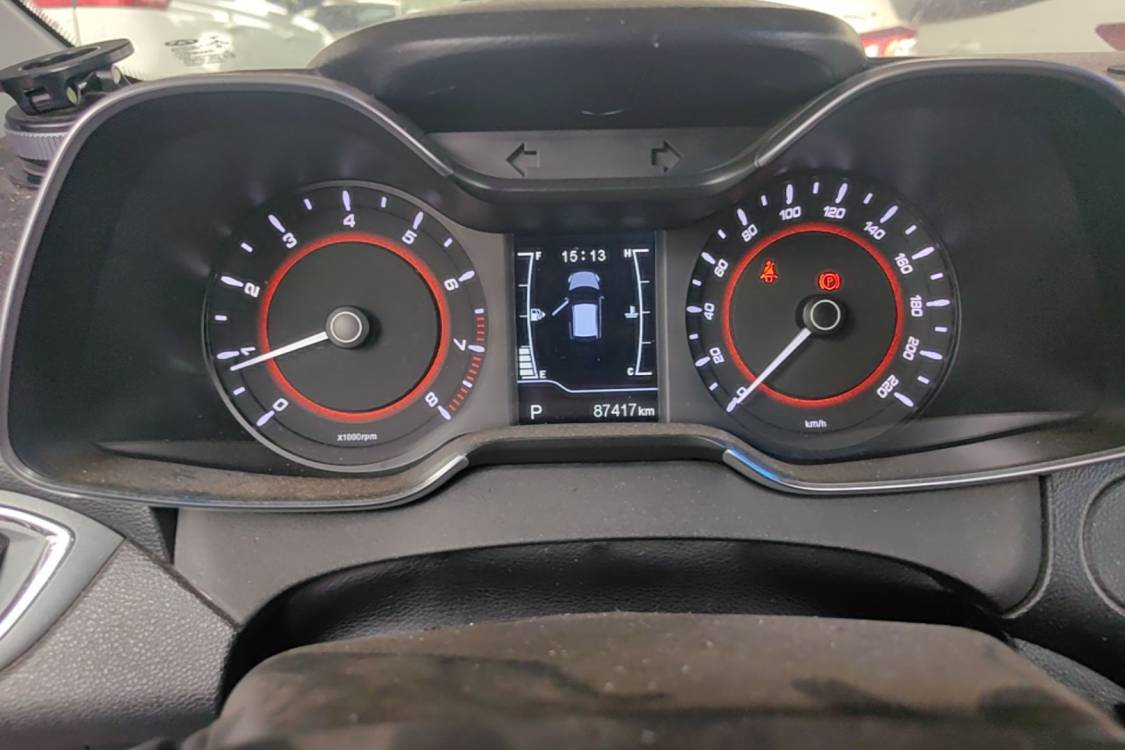
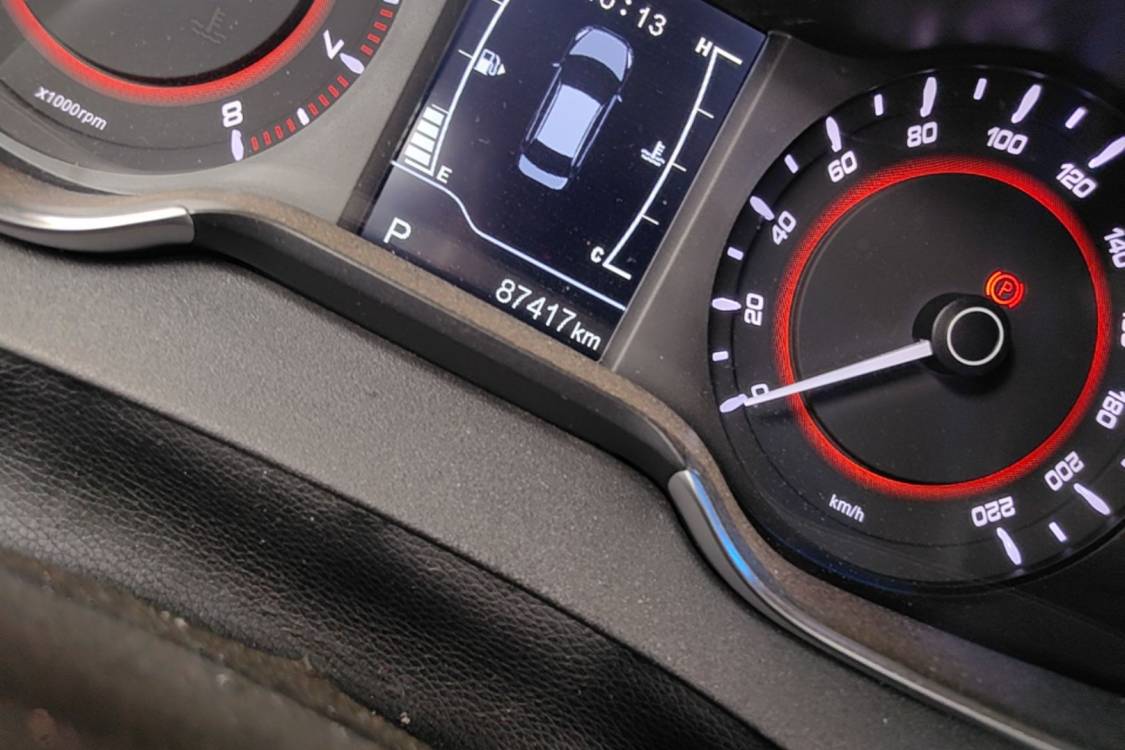
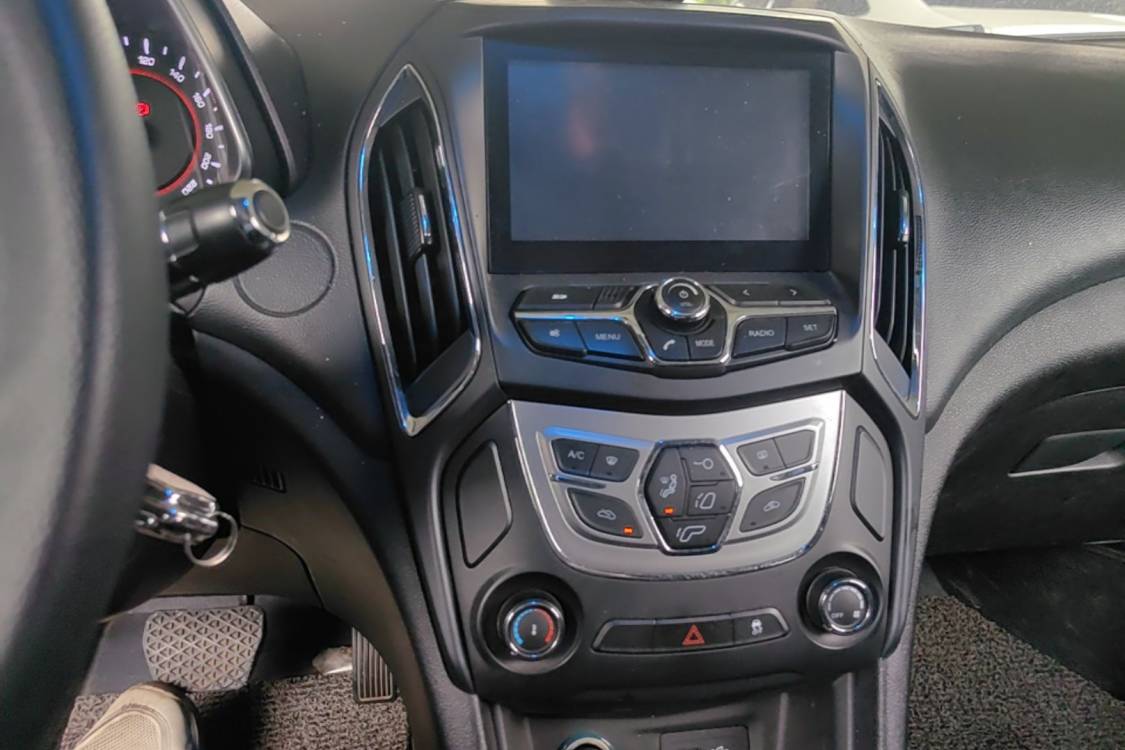
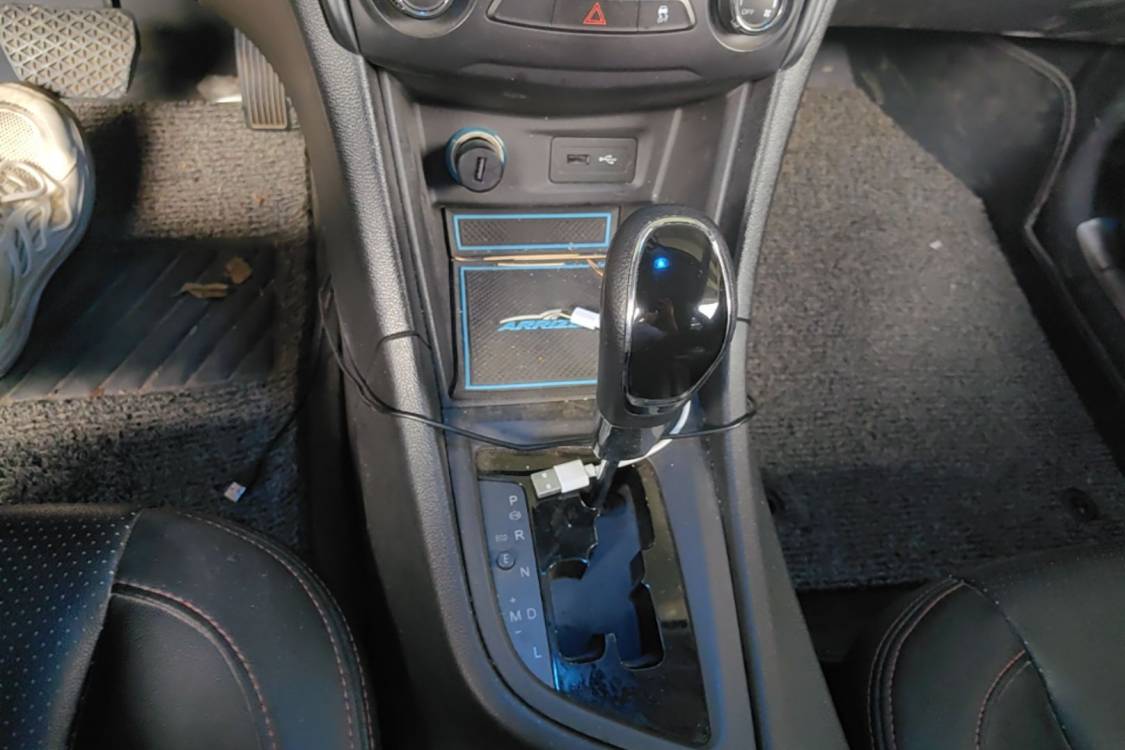
Accident inspection: main structure undamaged, reinforcing components undamaged, cover panels damaged, hinges normal. Engine bay: key mechanical components normal. Exterior: 2 areas of sheet metal repair, 4 areas of repaint. Interior: most functions normal, airbags normal, seatbelts normal, dashboard normal, instrument readings normal, lighting system normal. Startup check: main components normal. Tools: spare tire present.
We will carefully check if the chassis number on the windshield, chassis, and door frame matches.
For older vehicles or those used in high temperature and humidity areas, we will focus on opening the hood to check if the insulation of the wiring harness in the high-temperature area of the engine compartment is cracked or brittle, to identify potential short circuit risks that could lead to spontaneous combustion.
During the stationary steering test, the technician will check the smoothness of the steering wheel from full left to full right, looking for any unusual noises from the steering gear; they will also inspect the hydraulic power steering pump (if present) and the seals of the steering column for any hydraulic fluid leakage.