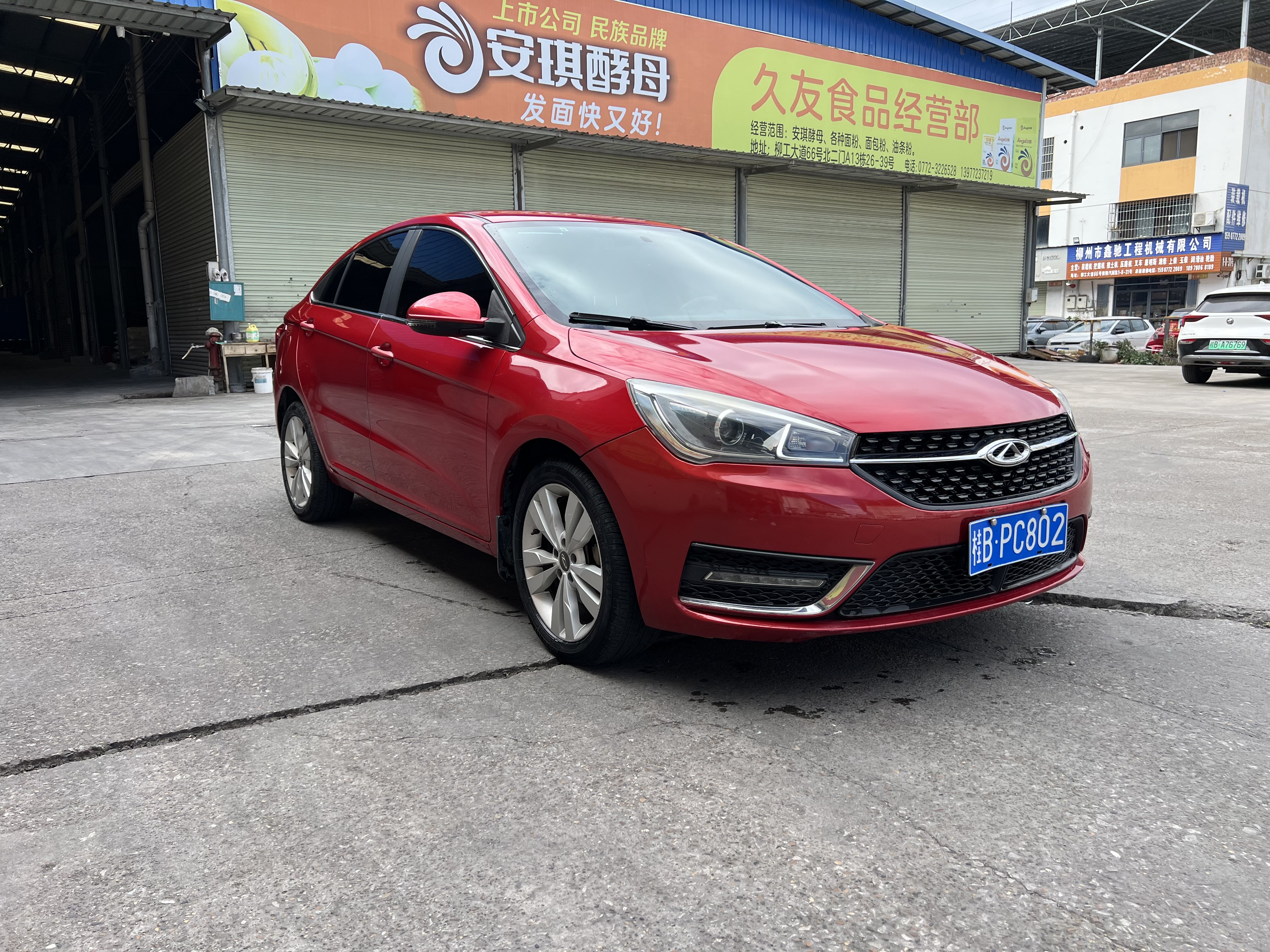
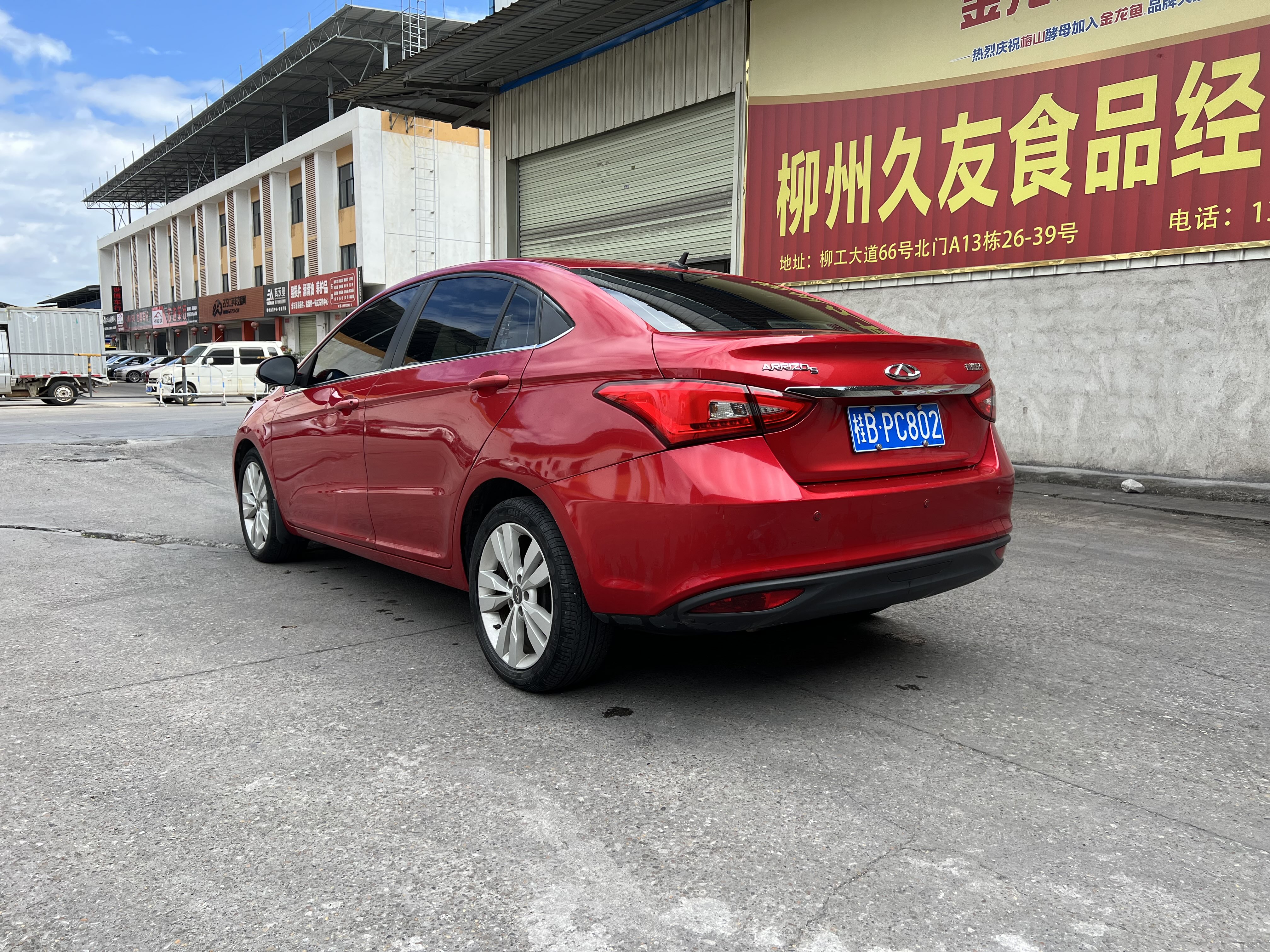
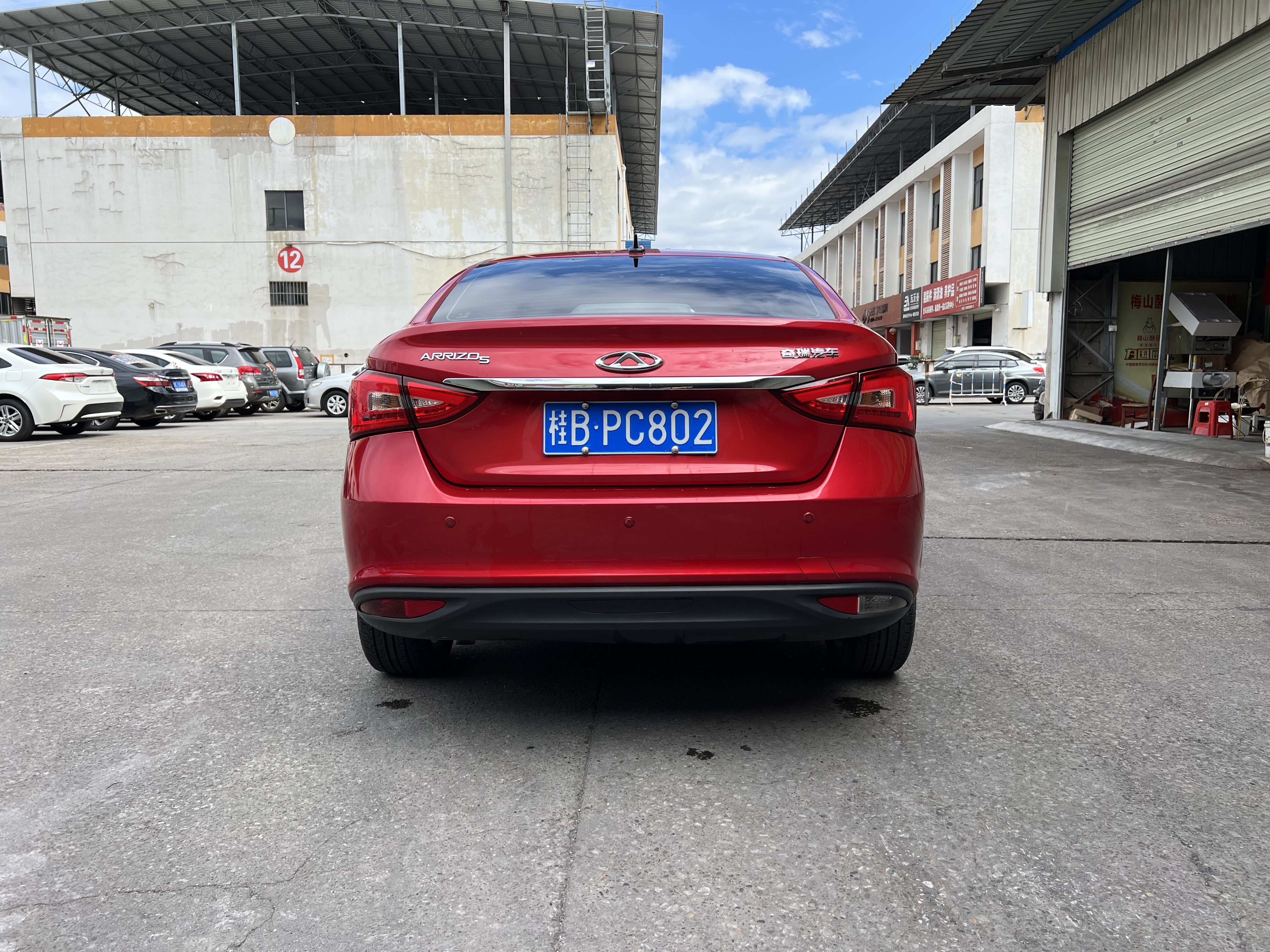
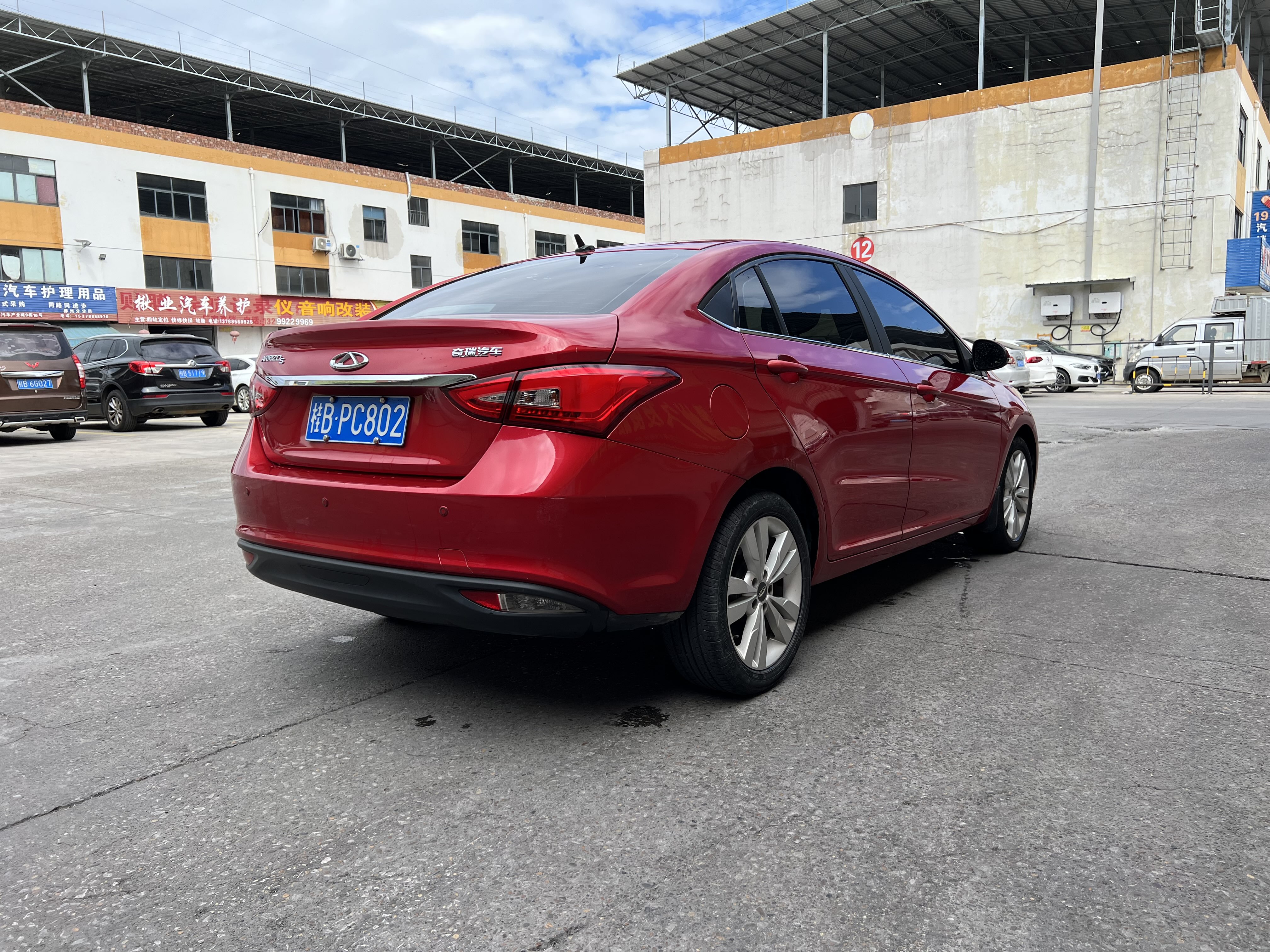
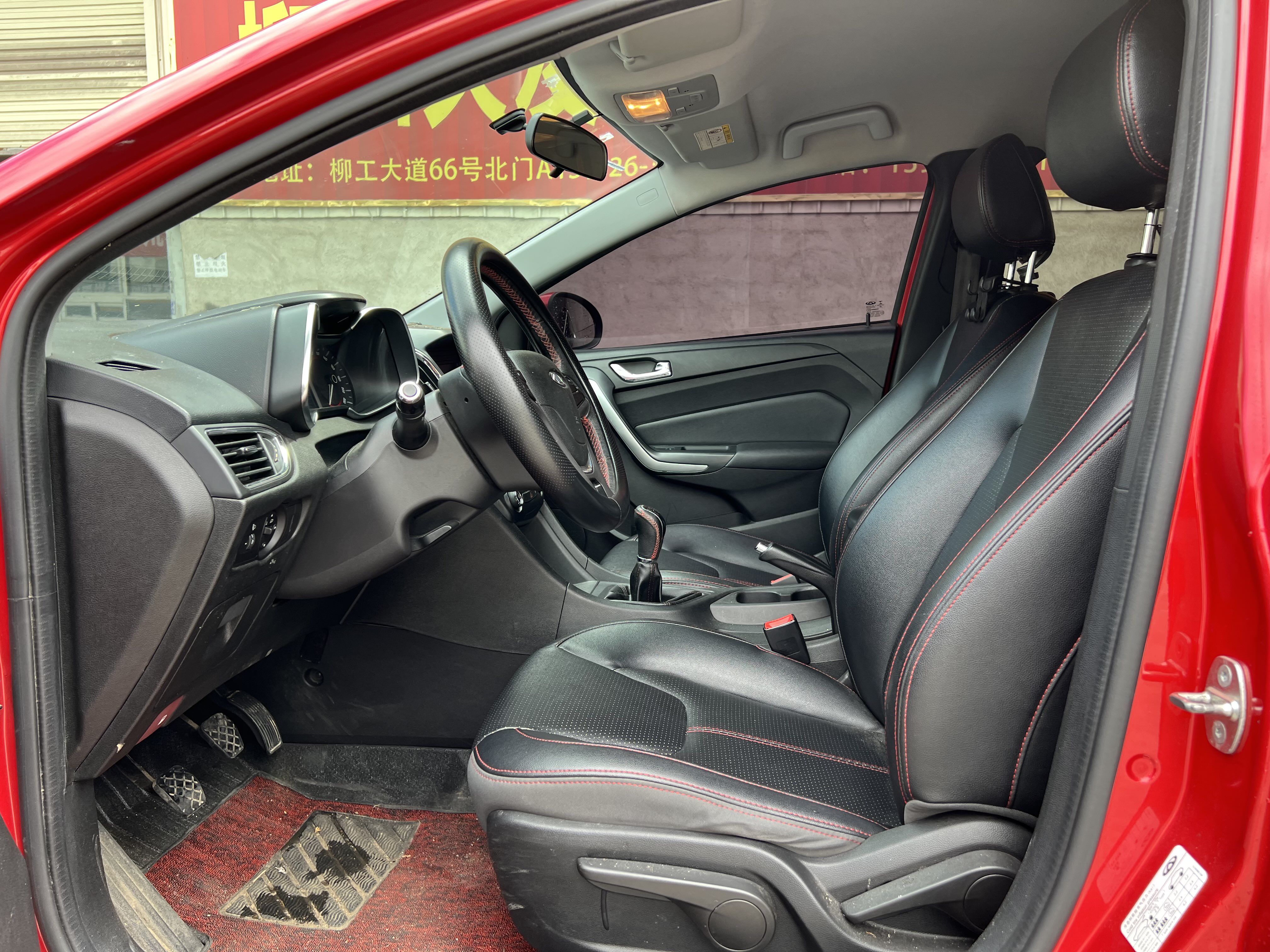
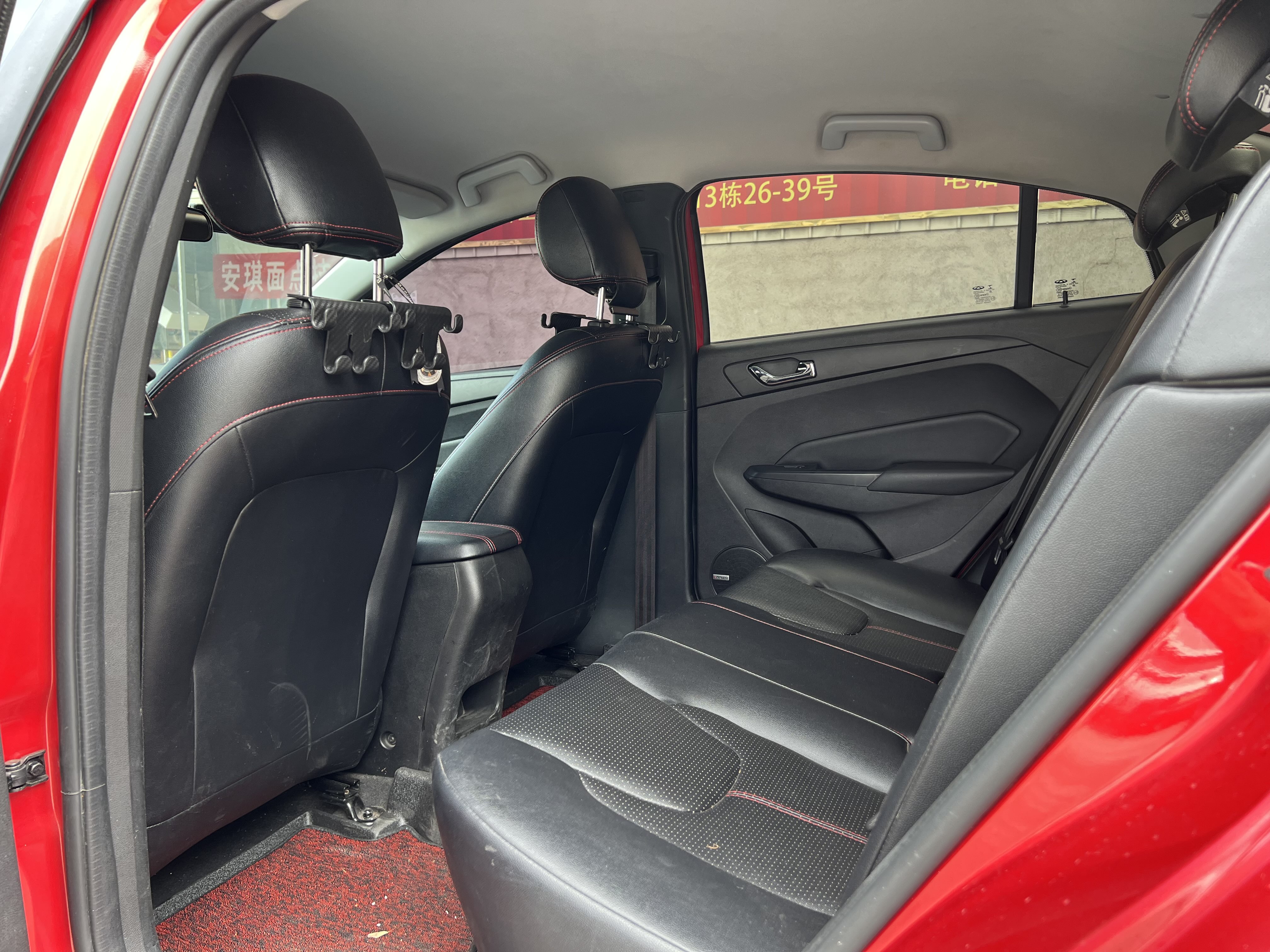
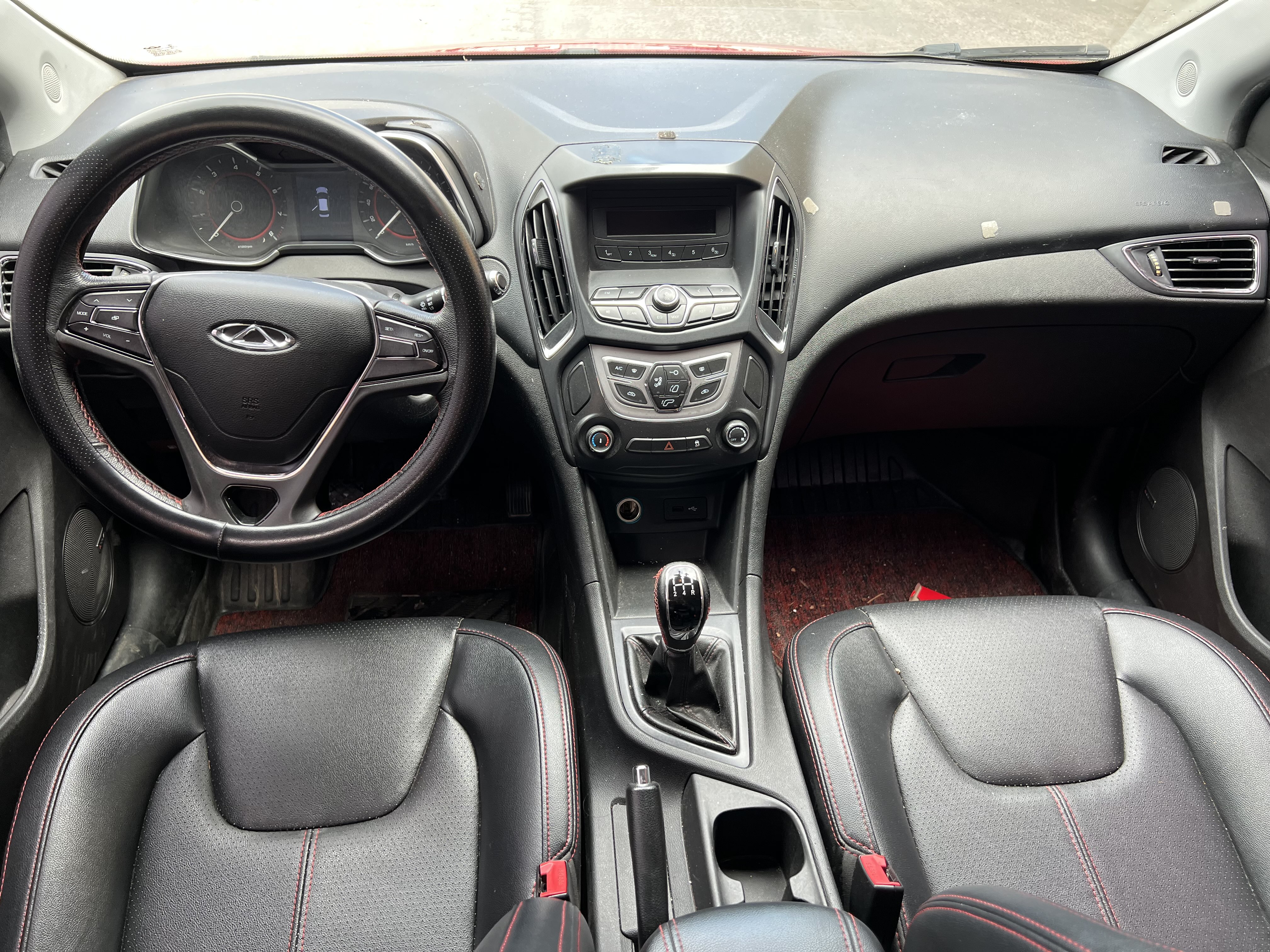



Basic Information

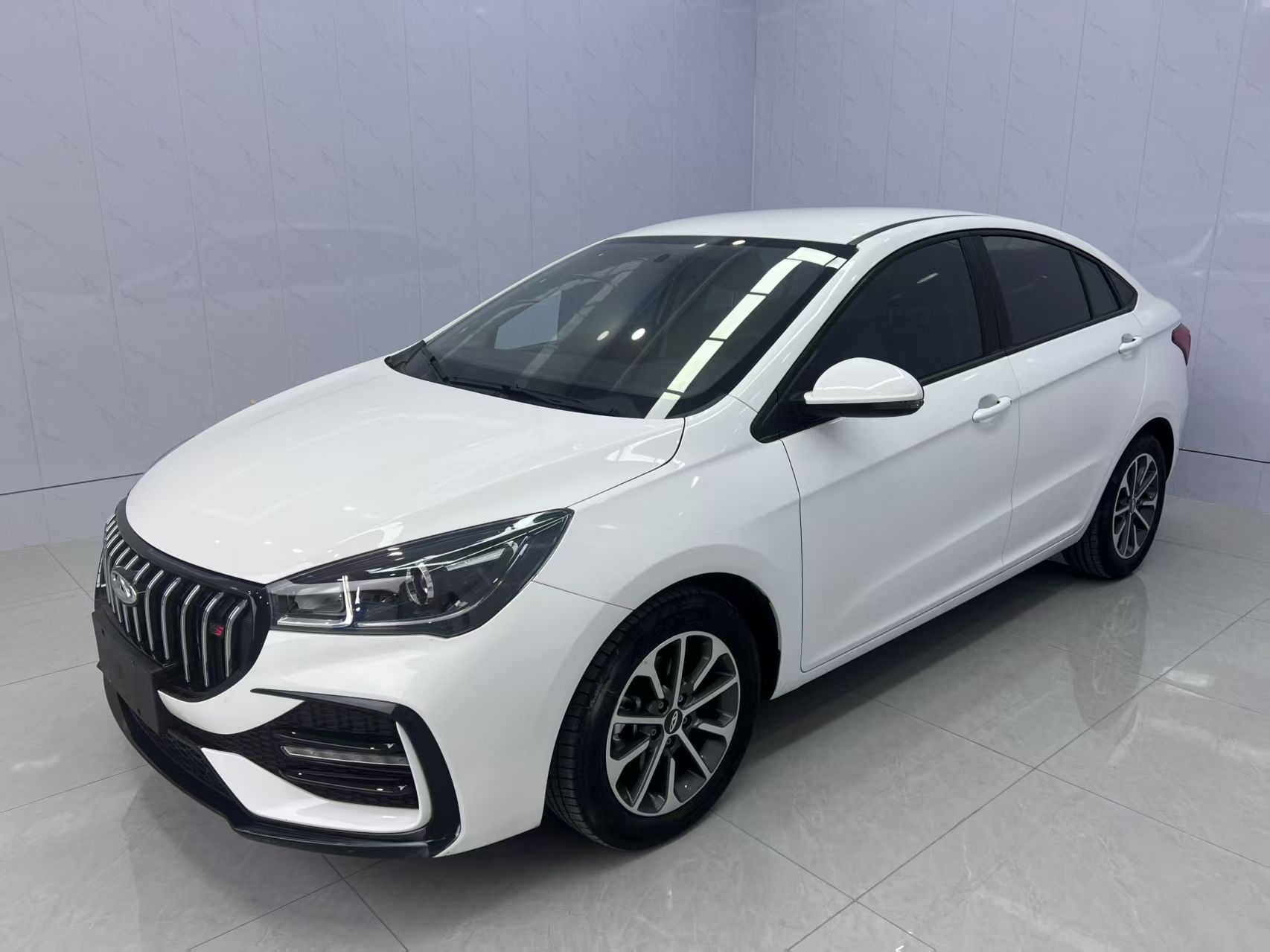
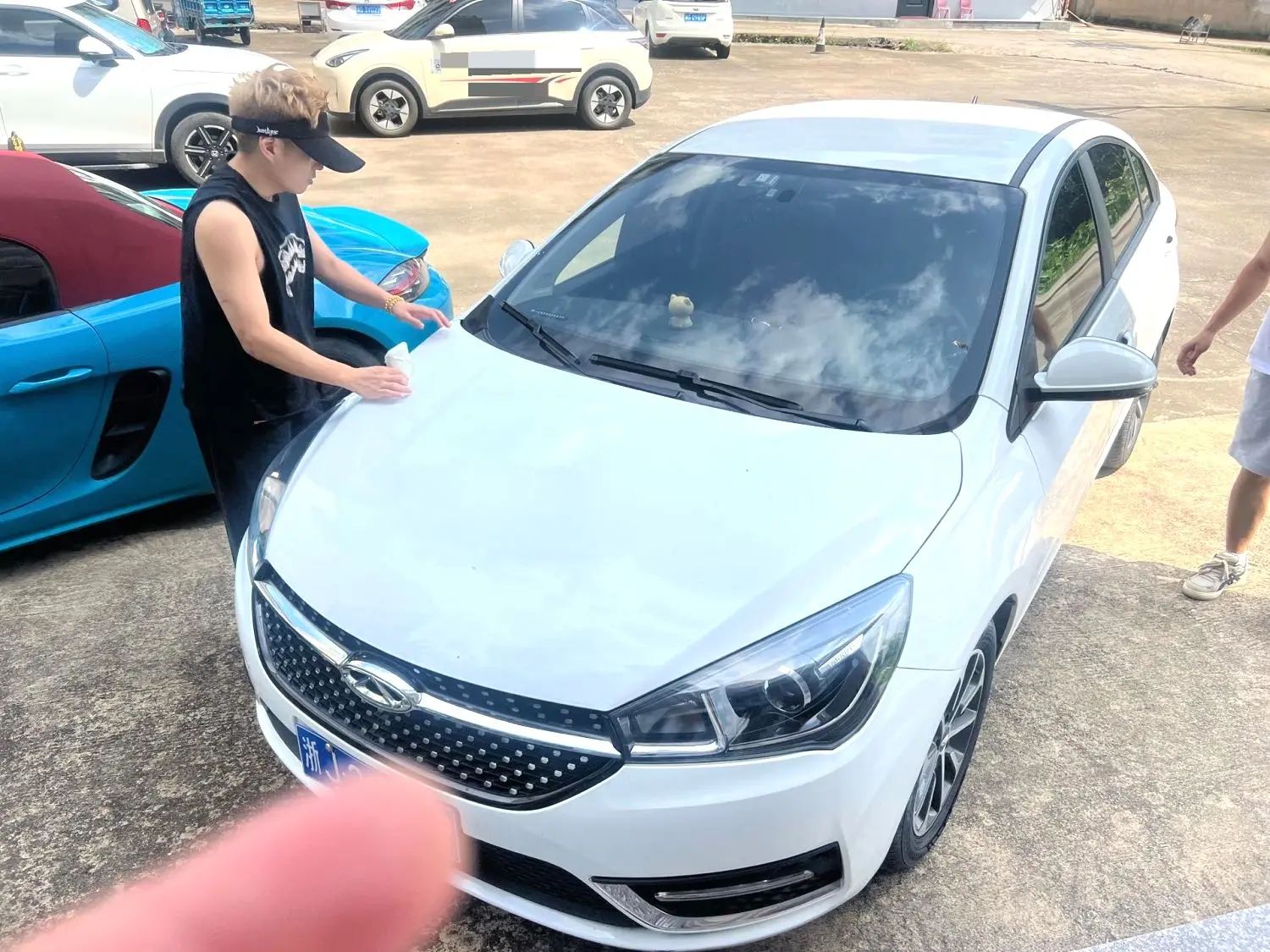
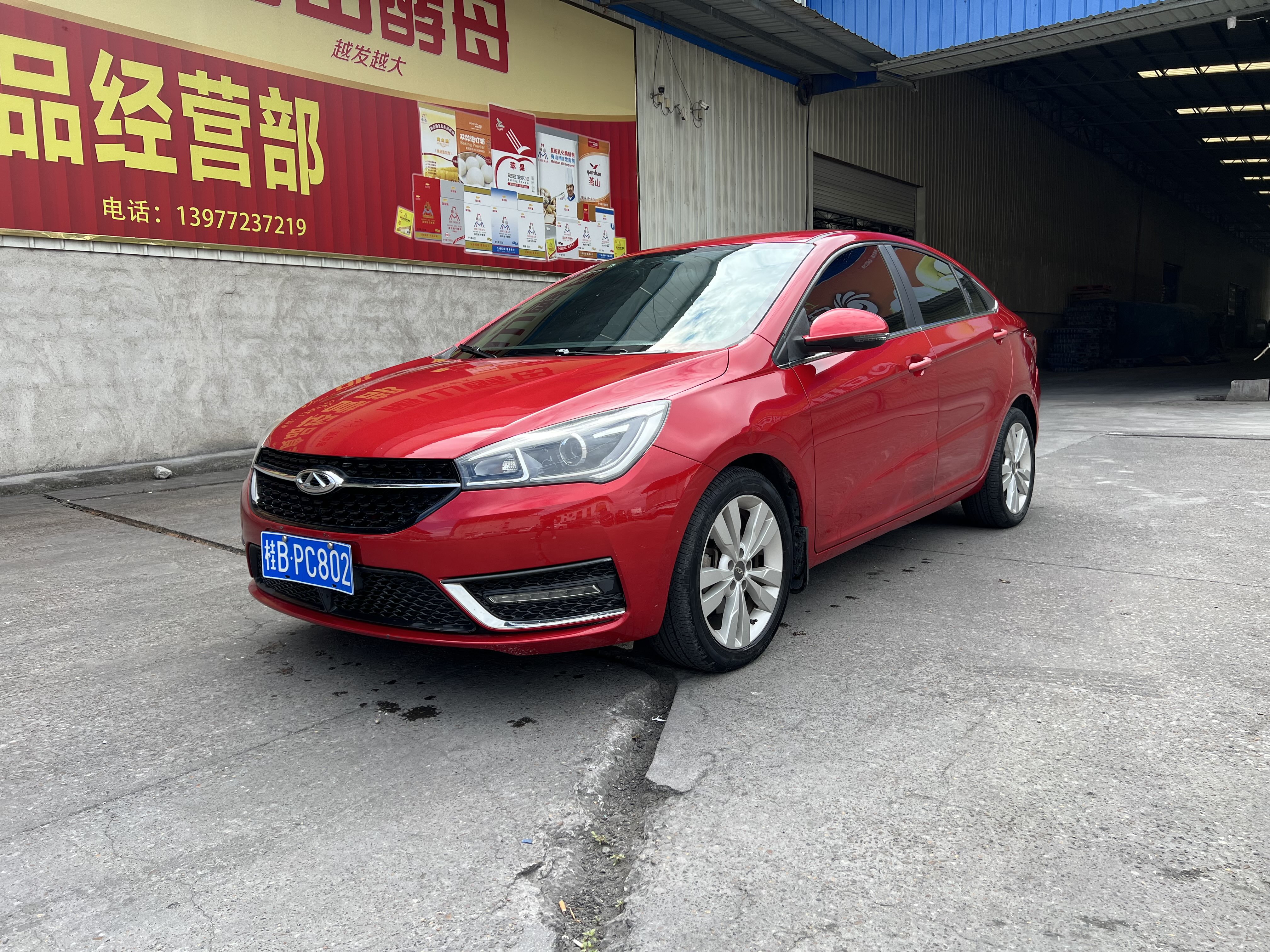
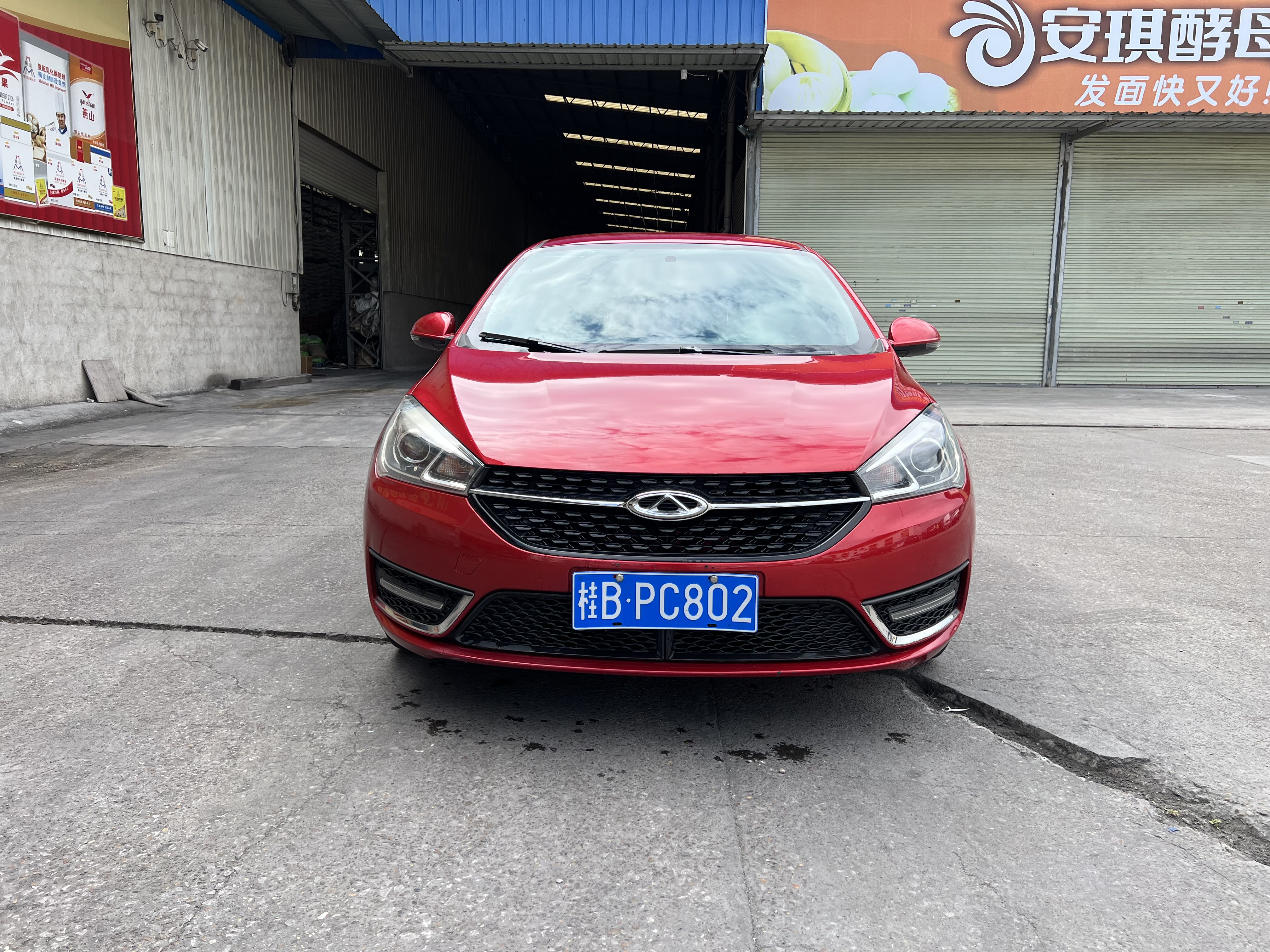
BrandChery
SeriesArrizo 5
Year2017
First Registration2017/02
Mileage11.4km
Transfer Count-
FuelGasoline
TransmissionManual
Engine1.5L 116 L4
ColorRed
Seats-

Condition Description

Vehicle Condition Description: Mo Liu is looking to buy the vehicle. Document Notes: Inspection Report; Bodywork & Painting: Only touch-up paint; Accident Claims: No accidents; Vehicle Annual Inspection: February 2027; Vehicle Insurance: August 21, 2026; Number of Keys: 1; Number of Ownership Transfers: 2

Configuration Highlights

✓Driver/Passenger Airbags
✓ISOFIX Child Seat Anchors
✓ABS Anti-lock Braking
✓Electronic Brake Distribution
✓Multifunction Steering Wheel
✓Seat Material
✓Low Beam Headlights
✓Adjustable Headlight Height
✓Power Windows
✓Climate Control Type
✓Start-Stop System

Q&A

More

What should I do if the roll-on/roll-off vessel carrying my vehicle experiences a fire or a typhoon at sea causing damage?

Under CIF (Cost, Insurance, and Freight) terms, we will insure your vehicle with a reputable international insurance company for "All Risks" before shipment. If total loss or partial damage occurs during sea transport, the risk transfers to you once the goods cross the ship's rail. However, sellwellauto will not stand by; we will assist you in preparing complete claims documentation (such as the bill of lading, invoice, and damage photos) to initiate a cross-border claim process with the insurance company, minimizing your financial loss.

If a third-party inspection report misses significant technical defects and they are discovered upon arrival at the destination port, how is liability determined?

This is a key legal issue. If the inspection is conducted by a third party appointed by us, we will be the primary responsible party and provide limited compensation to you, after which we will seek reimbursement from the inspection agency; if the inspection agency is designated by you personally (such as SGS), you will need to file a claim directly with that agency according to its service terms.

Why are the shipping costs for used electric vehicles (EVs) usually higher than for internal combustion engine vehicles (ICEs)?

Pure electric vehicles are classified as Class 9 Dangerous Goods due to their large lithium batteries, leading to strict shipping regulations. Shipping companies have high requirements for the loading position and fire isolation measures for dangerous goods, and some roll-on/roll-off ships refuse to accept used EVs. As a result, EVs often require more expensive special container shipping and incur additional handling fees for hazardous materials.