Basic Information

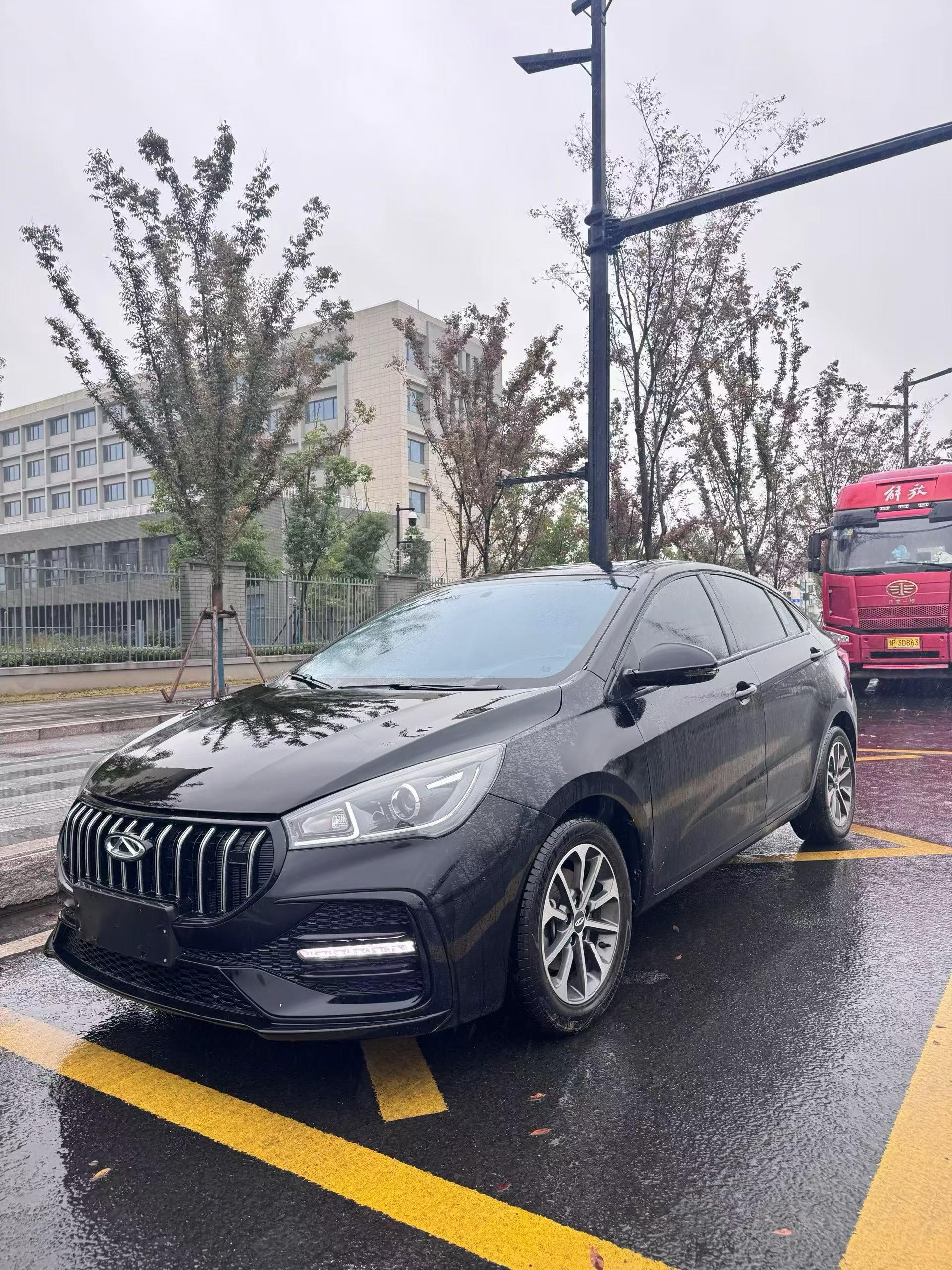
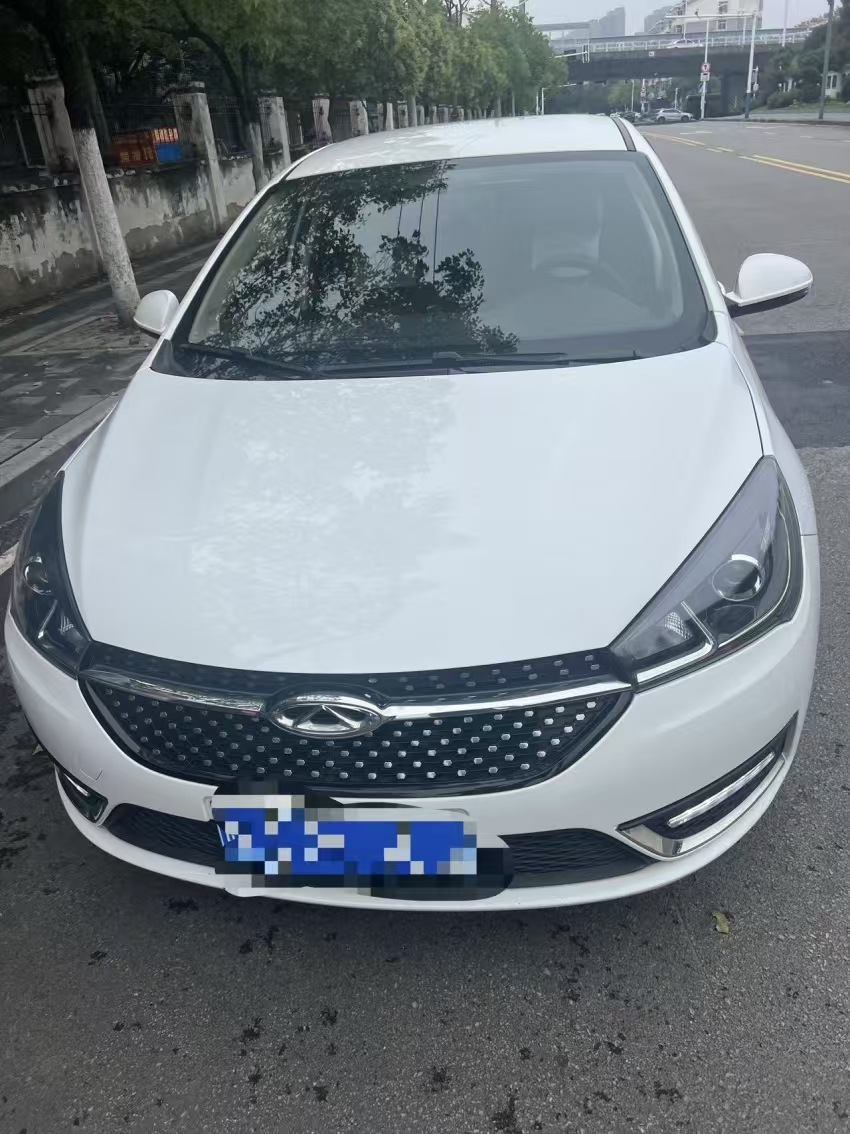
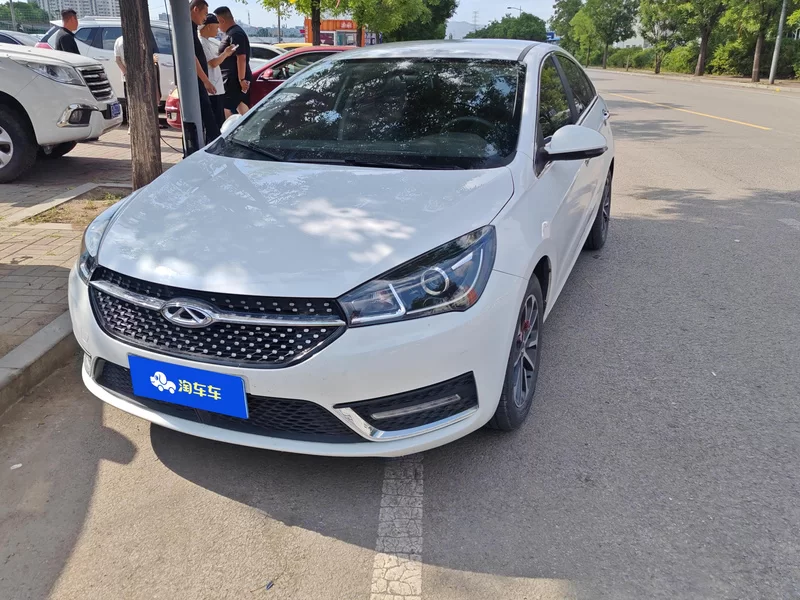
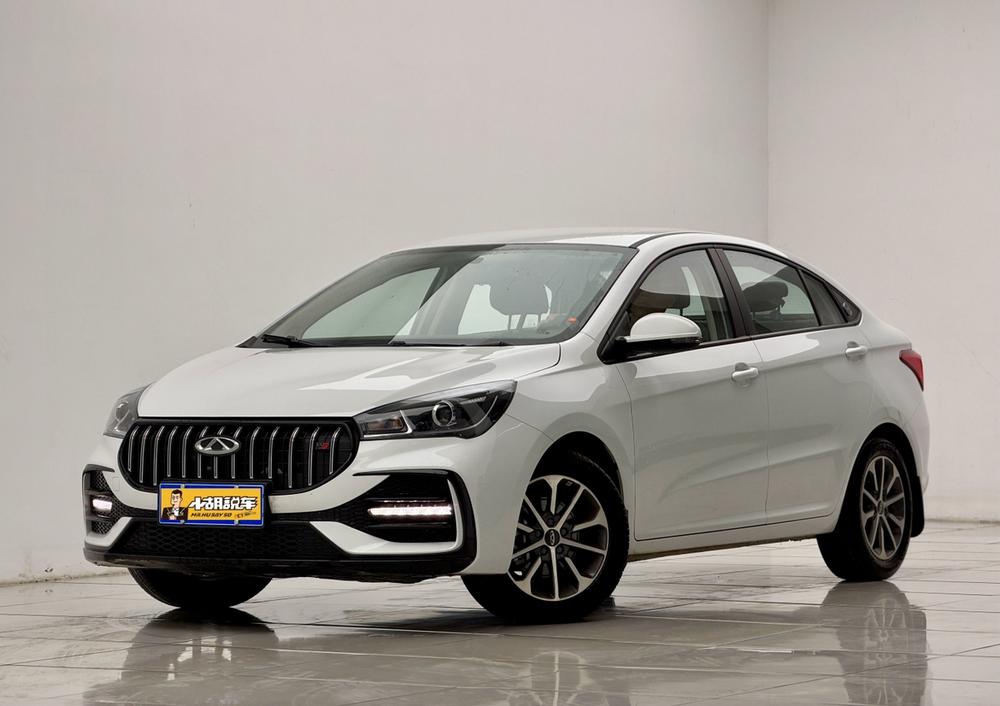
BrandChery
SeriesArrizo 5
Year2018
First Registration2018/02
Mileage72,000km
Transfer Count0times
FuelGasoline
TransmissionCVT
Engine1.5L 116 L4
Color
Seats-

Condition Description

官方质检 · 60天全车质保· 7天无理由有偿退车

Configuration Highlights

✓上牌时间: 2018-02
✓表显里程: 7.2万公里
✓车源地: 吉安
✓排放标准: 国五
✓发动机: 1.5L
✓轴距: 2670mm
✓变速箱: 自动
✓最大功率: 85kW
✓功能配置: 11项
✓安全配置: 2项
✓动力类型: 前驱
✓空间舒适性: 一般

Q&A

More

How do I verify the ownership and registration history of a used car in China before buying it for export?

Verifying ownership protects you from buying a car that can't legally be exported. Start with the registration certificate (机动车登记证书), China's title document. It lists every owner change with dates. Ask the seller for clear photos of all pages — check that the current seller's name matches the latest entry. Next, ask for the seller's ID (or business license for a dealer) and confirm it matches the registration certificate. A mismatch is a red flag unless there's a documented agency arrangement. Also verify the vehicle isn't mortgaged or seized: the registration certificate has a section for mortgage records, and your inspection agent can check the official vehicle management system by VIN. Finally, confirm the car is deregistered (or can be) before export — Chinese law requires deregistration and an export certificate for used cars leaving the country. Summary: title photos, seller ID match, no mortgage flags, export-ready status. Any gap in this chain should stop the deal.


Should I choose RoRo or container shipping when importing a used car from China, and what does marine insurance actually cover?

RoRo (roll-on/roll-off) is cheaper and faster for a single car—you drive it onto the vessel and it is secured on the car deck. Container shipping costs more but offers better protection from weather, salt air, and handling damage, and allows you to load spare parts inside the car. Marine insurance is essential either way. Standard cover protects total loss and major damage, but read the exclusions: many policies do not cover pre-existing mechanical faults, cosmetic scratches below a deductible, or damage caused by improper securing (lashings). Ask for ICC(A) or All Risks coverage rather than basic total-loss-only policies. Practical tips: 1. Photograph and video the car thoroughly at loading, with the VIN visible 2. Note existing scratches on the bill of lading 3. Inspect immediately at destination—claims windows are often 3-7 days 4. For EVs, declare the battery; some insurers charge a supplement or exclude battery damage altogether

How are import duties on used cars from China calculated, and which HS code applies?

Used cars are classified under HS heading 8703 (motor vehicles for transport of persons), with the last four digits determined by engine type and size. Gasoline cars usually fall in 8703.21–8703.80 depending on displacement; pure EVs fall under 8703.80; hybrids have their own subheadings. The duty amount depends on your country's tariff schedule: 1. Most countries charge duty on the CIF value (car price + freight + insurance), not the FOB price. 2. Many developing markets levy higher duties on used vehicles than new ones, and some add a surcharge based on age — older cars can cost significantly more to clear. 3. After duty, you typically pay VAT/GST on the CIF + duty total, plus port and customs fees. Practical tips: ask your exporter to state the exact HS code on the commercial invoice and confirm it with a local customs broker before shipping. A wrong code can trigger reclassification, penalties, or delays. Also budget for any excise tax tied to engine capacity — in several markets a 2.5L car clears far cheaper than a 3.5L one.