Basic Information

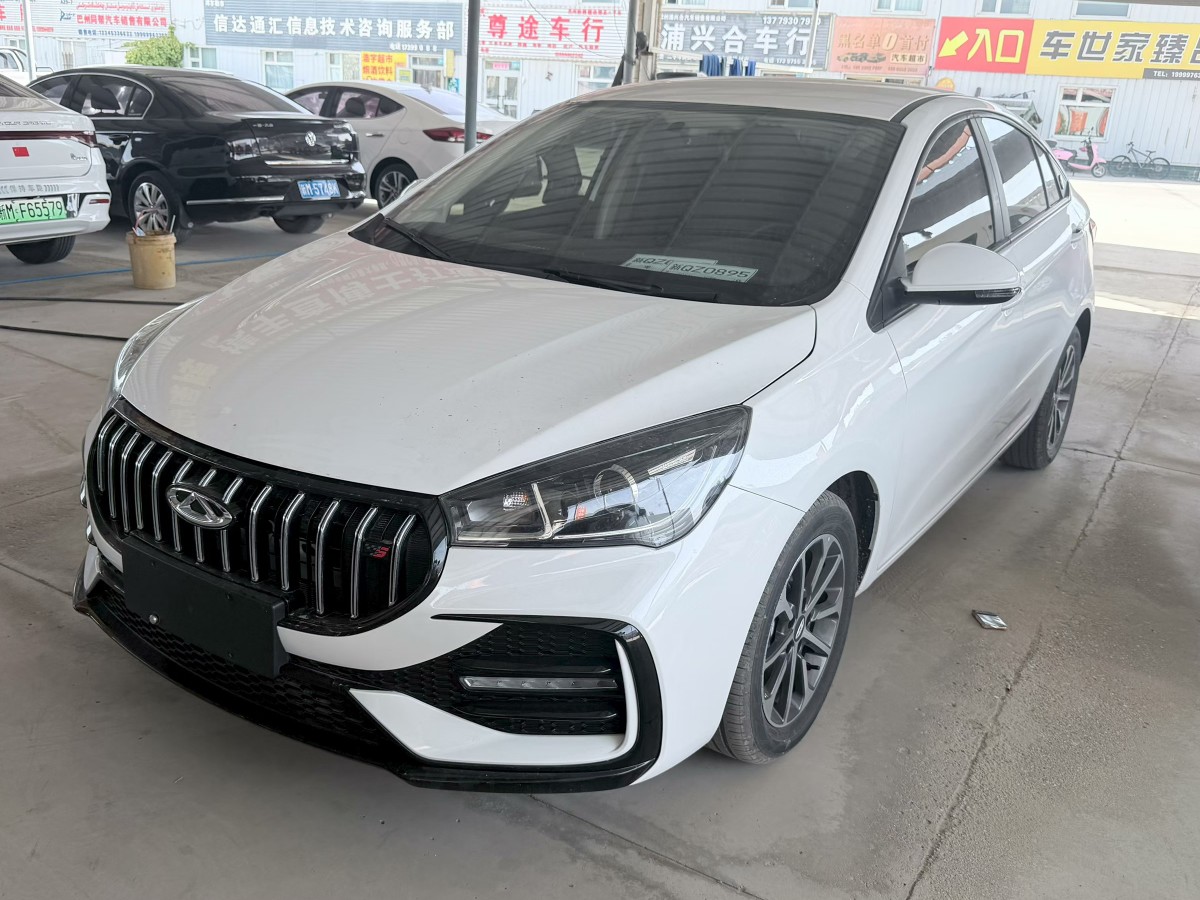
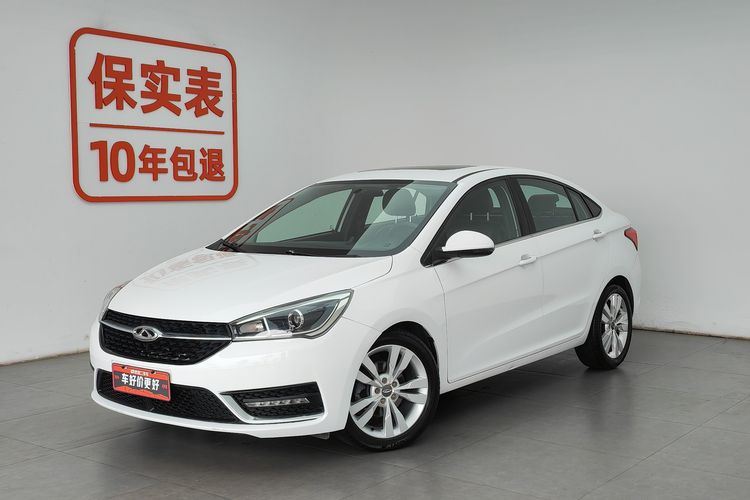
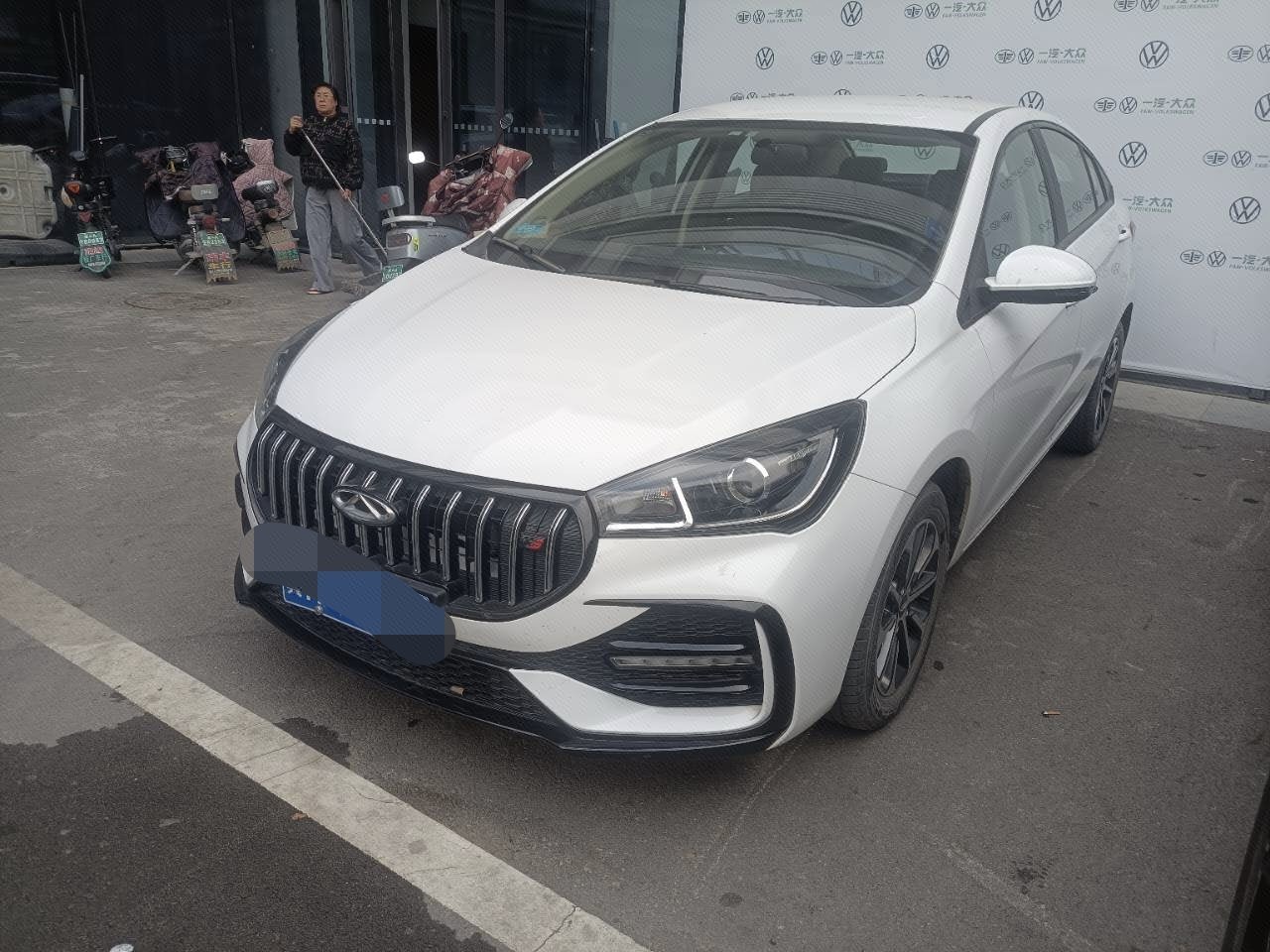
BrandChery
SeriesArrizo 5
Year2024
First Registration2024/03
Mileage46,200km
Transfer Count0times
FuelGasoline
TransmissionCVT
Engine1.5L 120 L4
ColorWhite
Seats-

Condition Description

Basic condition: excellent | 1 insurance claim | 0 transfers

Q&A

More

How to check the condition of the turbocharger (oil leaks, unusual noises, insufficient pressure) for turbocharged vehicles?

Experience turbo lag and power surge during road tests; check for significant oil accumulation at the turbo intake and intercooler connections (slight oil vapor is normal); and use OBD to read the real-time boost pressure peak to see if it meets factory settings.

How do I calculate the true total landed cost of importing a used car from China before I commit?

Work backwards from the car's price at the destination, not the seller's quote. Add these layers: 1. Vehicle price: negotiated with the exporter, usually FOB (free on board) China port. 2. Inland China costs: transport to port, export customs clearance, and documentation fees. Ask whether these are included in the FOB price or billed separately (typically $200–500). 3. Freight: ocean shipping to your port. RoRo is cheaper ($800–1,500); a 20ft container costs $1,200–2,500 depending on route. Add BAF/PSS surcharges, which fluctuate monthly. 4. Insurance: usually 1–2% of (vehicle value + freight) for all-risk cover. 5. Destination charges: port handling, terminal fees, customs duties, VAT/GST, and homologation or inspection fees. These vary enormously by country — in some markets duties alone add 30–80% of the car's value. 6. Local delivery: trucking from the port to your city. Get a written itemized estimate from a licensed customs broker in your country before paying any deposit. Rule of thumb: add 40–70% on top of the FOB price for most African and Latin American destinations, 20–35% for GCC countries.

How is the degree of wear on the interior defined? (e.g., steering wheel, seat patina or cracking)

Interior assessment is divided into three core areas: the driver's high-frequency contact area (steering wheel, gear shift, edge of the driver's seat), central control button area, and rear seats and ceiling. The natural sheen of leather surfaces (patina) is normal; however, any physical damage (such as leather tearing, fabric burn holes, or plastic breakage) will be classified as "structural interior damage" and clearly marked.