






Stock

Basic Information

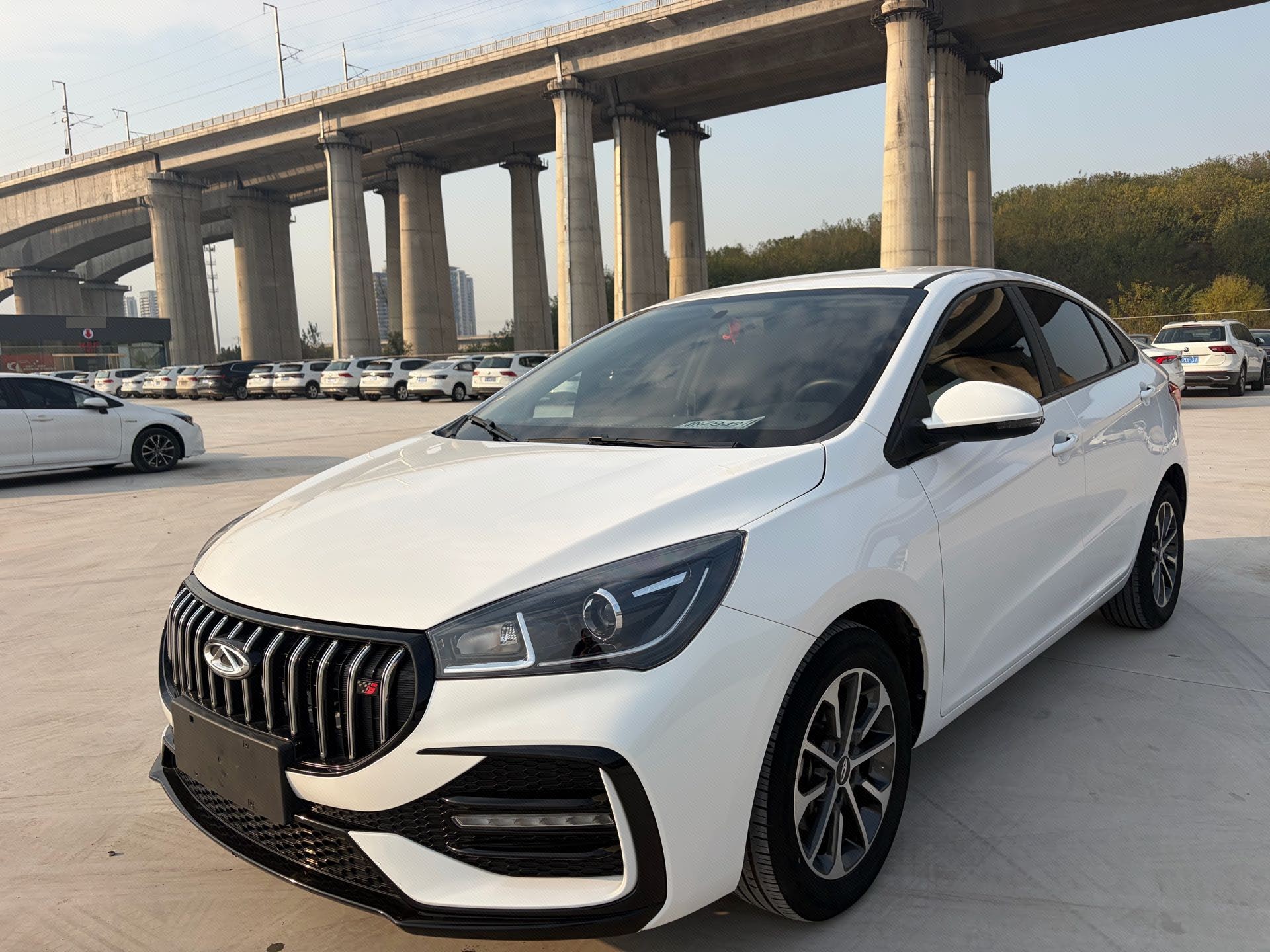
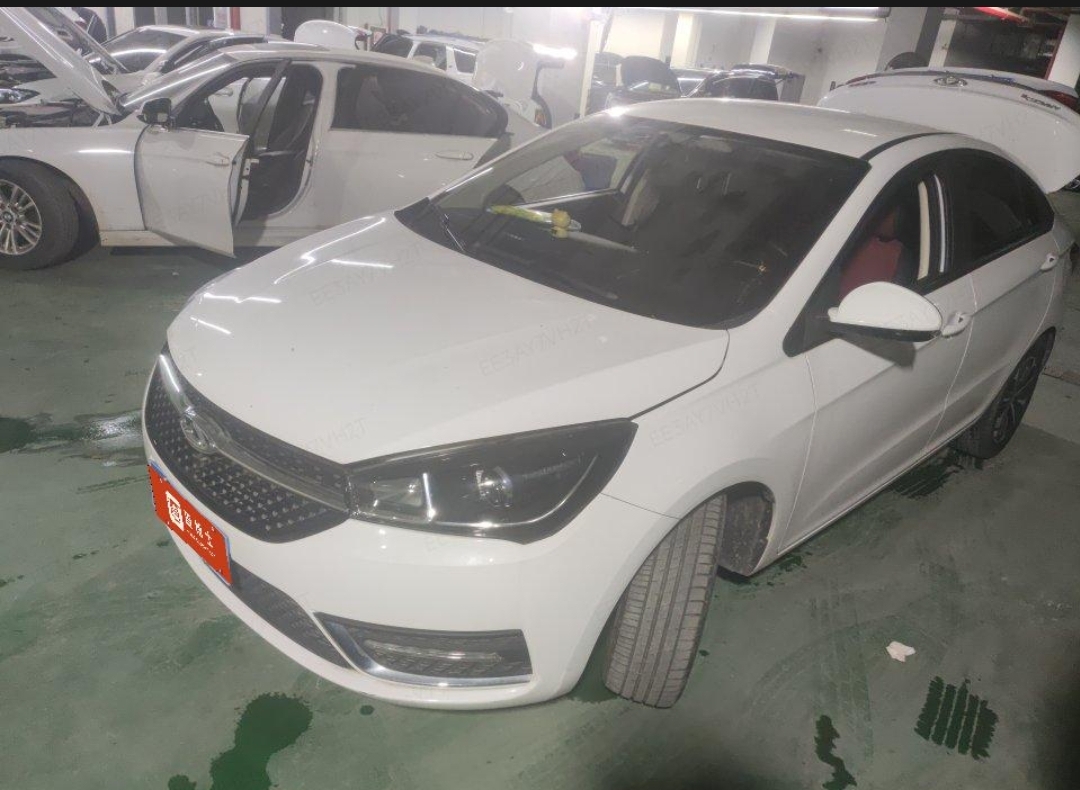
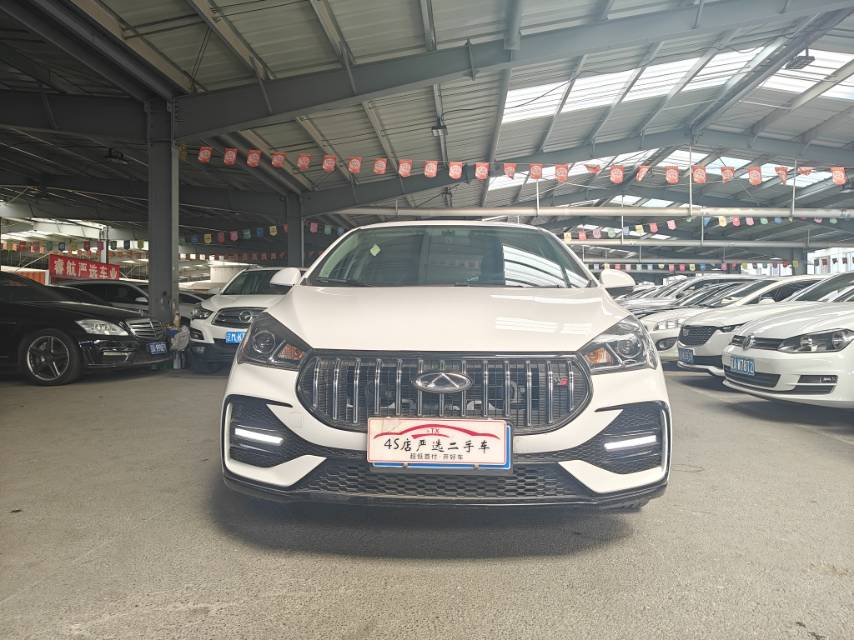
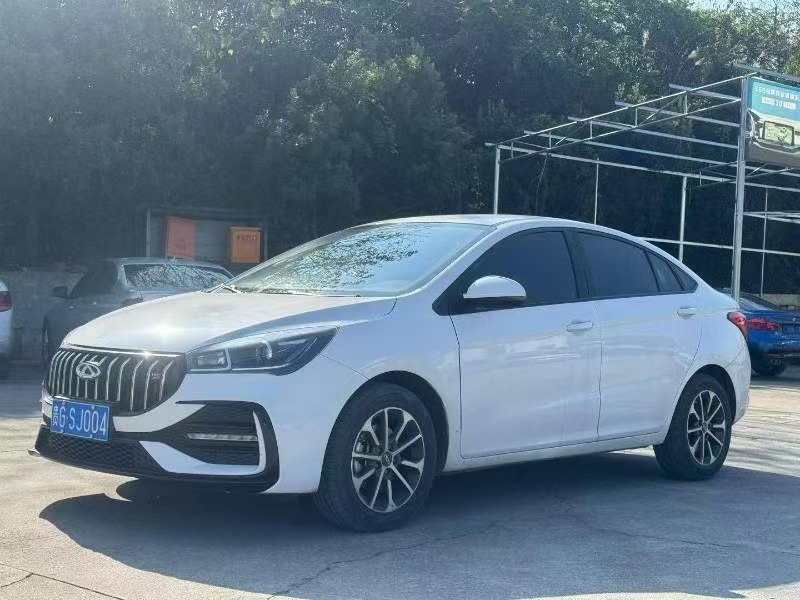
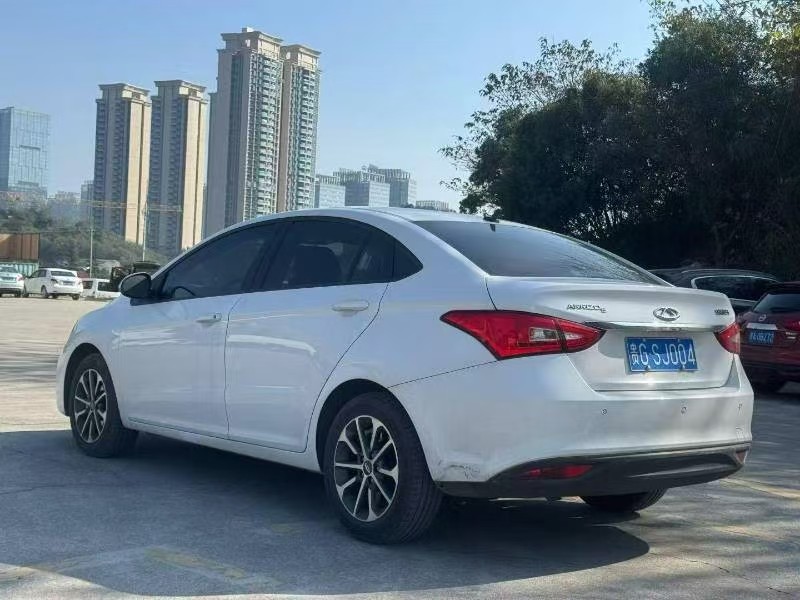
BrandChery
SeriesArrizo 5
Year2024
First Registration2024/05
Mileage26,100km
Transfer Count0times
Fuel-
Transmission-
Engine-
ColorWhite
Seats-

Condition Description

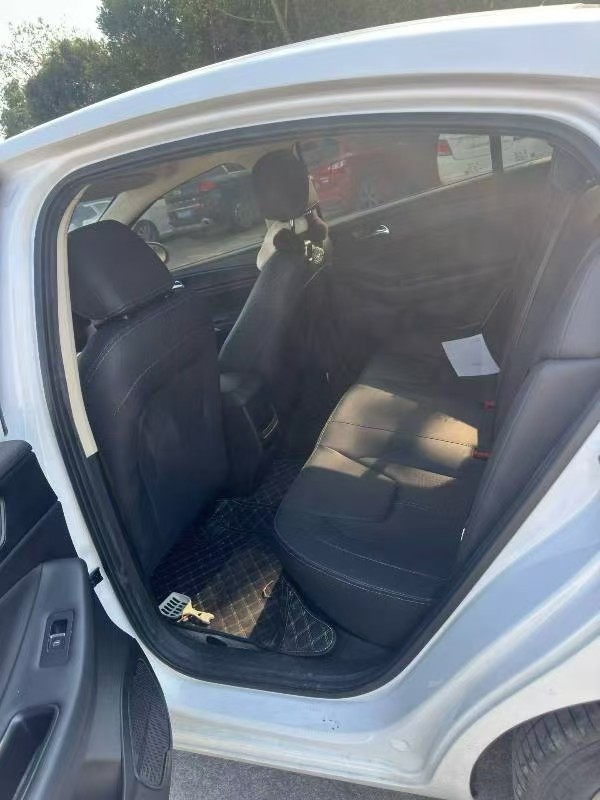
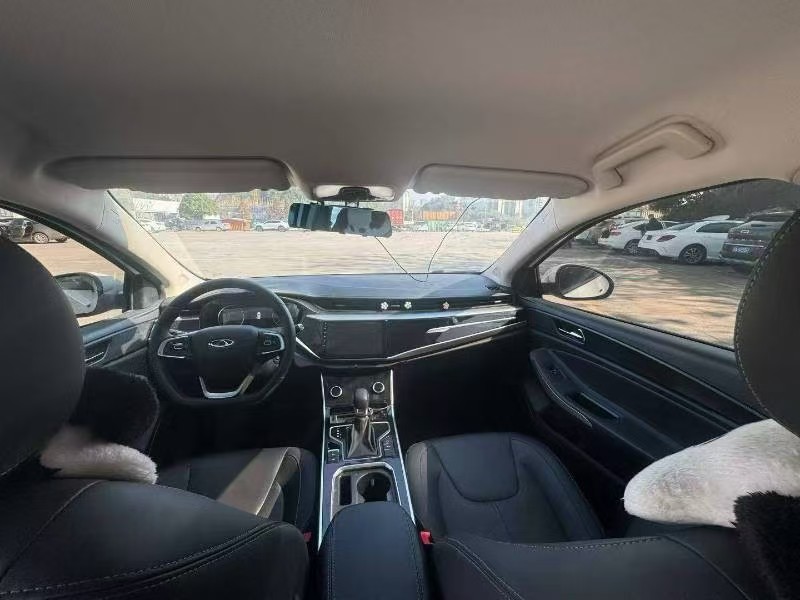
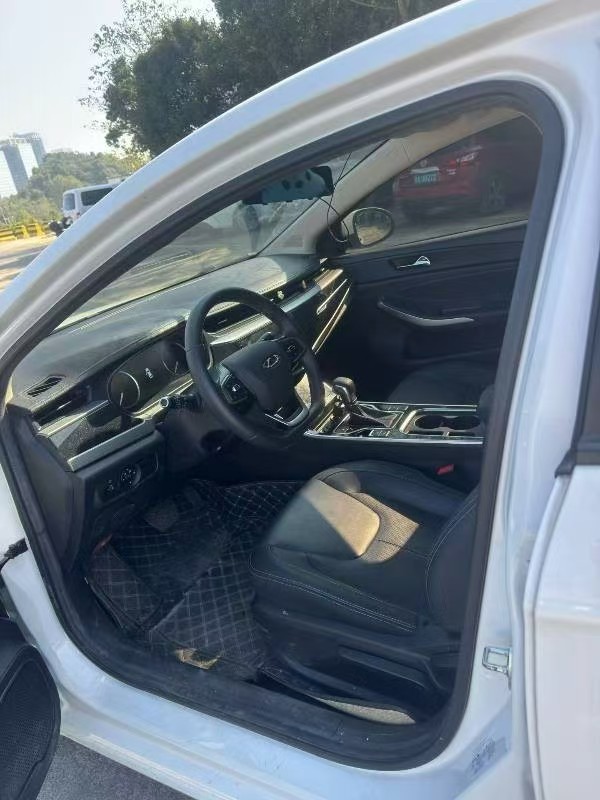
Left front accident, accident video available.

Q&A

More

How do I track my car's shipment from China, and which shipping documents should I receive?

Once the car is loaded, the exporter (or freight forwarder) should send you a booking confirmation and, after departure, the Bill of Lading (B/L). The B/L is the key document: it shows the shipper, consignee, vessel, ports, and usually the VIN and container number. You can track the vessel on the shipping line's website using the B/L number or container number, or through third-party trackers like MarineTraffic. As the shipment approaches, the agent at destination issues an Arrival Notice. To collect the car you will typically need the original B/L (or a telex release/e-release), the arrival notice, your ID, and customs clearance paperwork. Check the B/L carefully as soon as you receive it—VIN, container number, and your name must be exactly right, because correcting a B/L mid-voyage is slow and expensive.


How does customs clearance work at destination when importing a used car from China, and who handles it?

Customs clearance at destination is usually handled by a licensed customs broker, not the exporter. You can hire one yourself or use a broker recommended by your shipping agent. The typical flow: your broker files the import declaration using the documents the exporter must provide — the commercial invoice, packing list, bill of lading, and the certificate of origin. Depending on your country's rules, you will also need to pay import duty, VAT or sales tax, and any excise or environmental levies before the car is released. Things that commonly delay clearance: mismatched VIN numbers between documents, missing pre-shipment inspection certificates (required in some African and Middle Eastern countries), or non-compliance with your country's used-car import age limits. Budget 3–10 working days for clearance after the vessel arrives, plus storage fees if documents are incomplete. Tip: send all documents to your broker for review before the ship departs China — fixing errors at origin is much cheaper than demurrage at destination.

How can I verify the odometer reading is genuine on a Chinese used car from abroad?

Odometer fraud exists everywhere, but cross-checking several data points makes it hard to fake: 1) Maintenance records: ask for service history with mileage entries. Gaps or resets are red flags. 2) Tire wear: a car showing 30,000 km should not have nearly bald tires. Compare tread depth against the claimed mileage. 3) Pedals, steering wheel, and seat bolsters: heavy wear on these with low odometer readings is a classic mismatch. 4) Diagnostic scan: request an OBD readout. Many control modules store mileage data internally — if the ECU shows 120,000 km while the dash shows 40,000, you have your answer. 5) Vehicle history report: in China, apps and platforms can pull insurance claim records and registration history, which often reveal the true mileage trail. Always request a live video showing the odometer with the engine running, and have the number written into your contract.