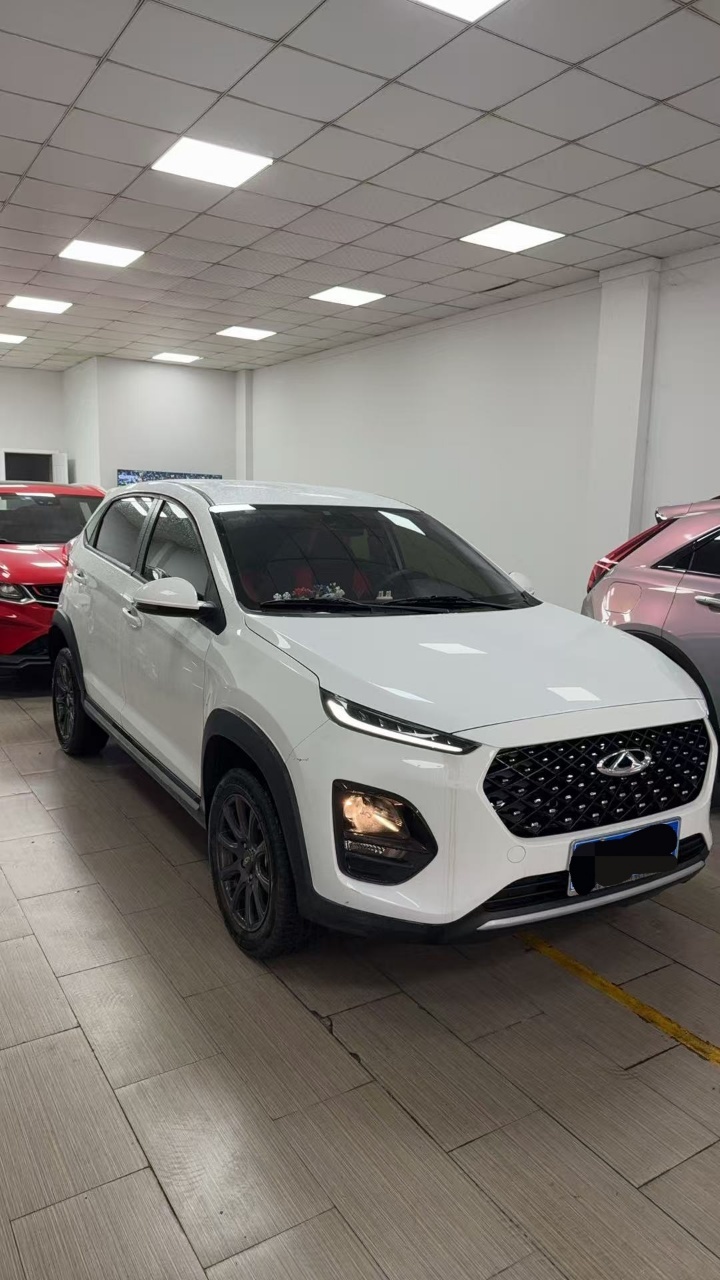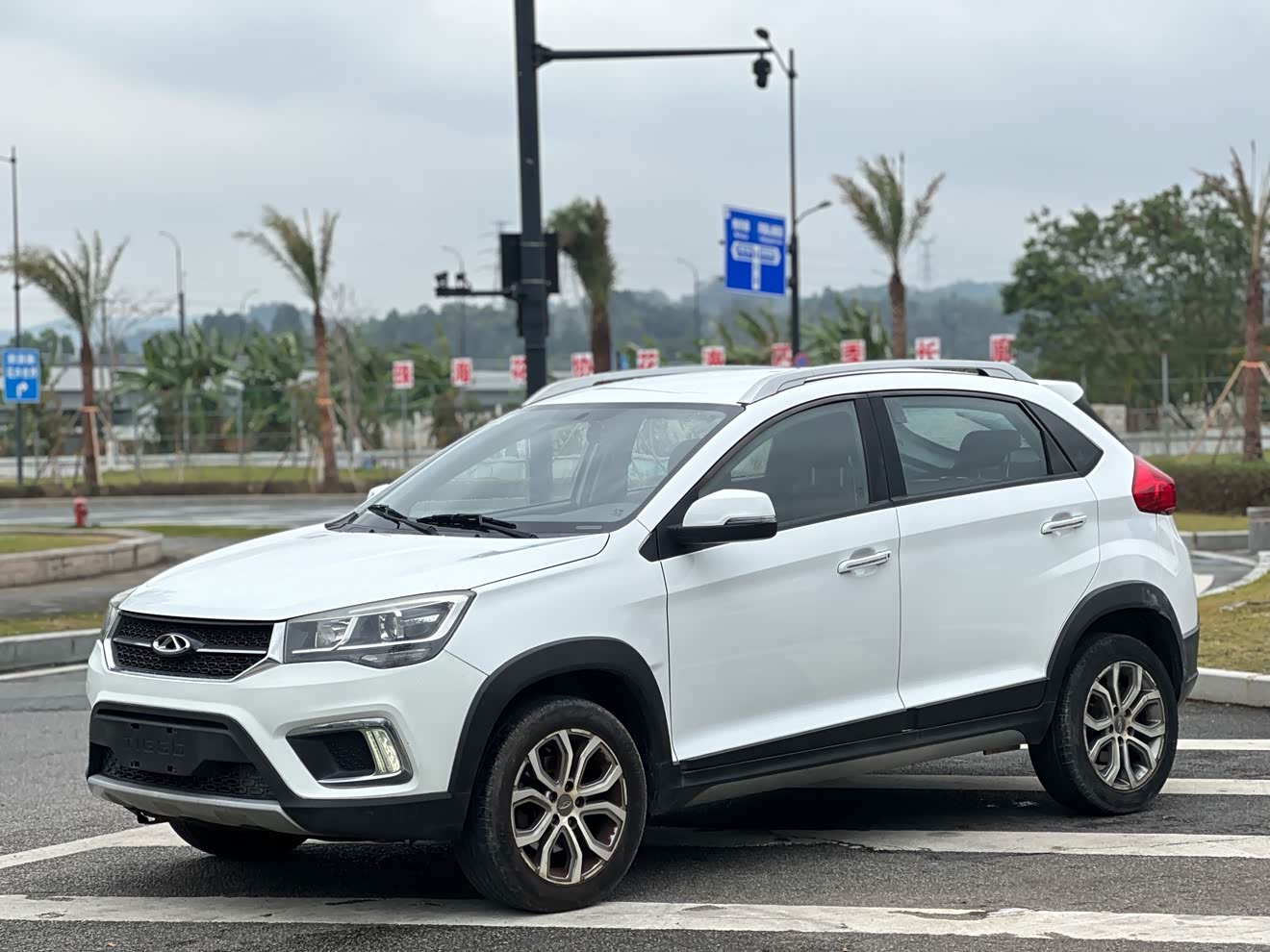

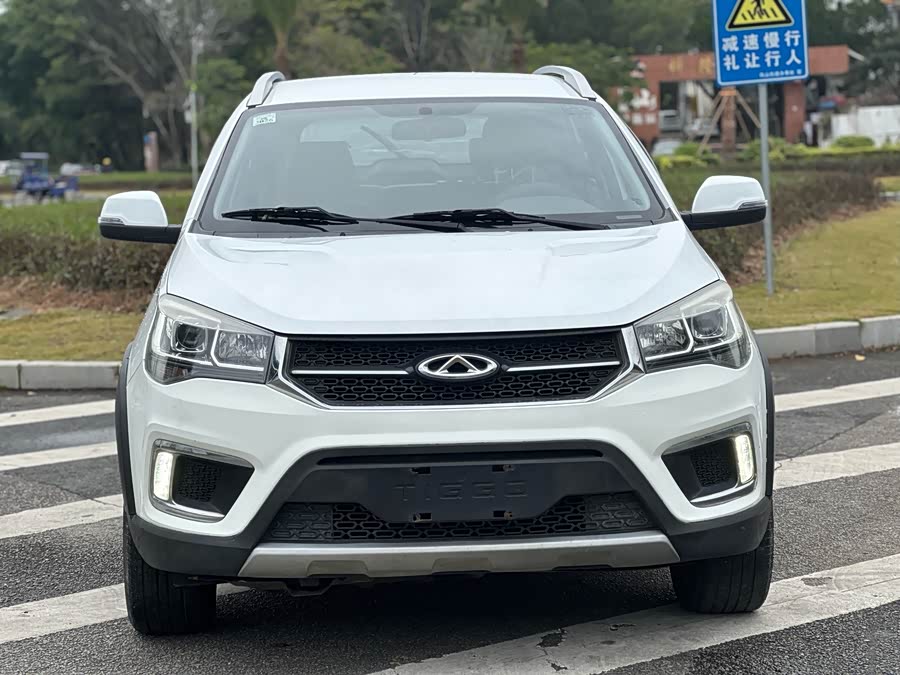
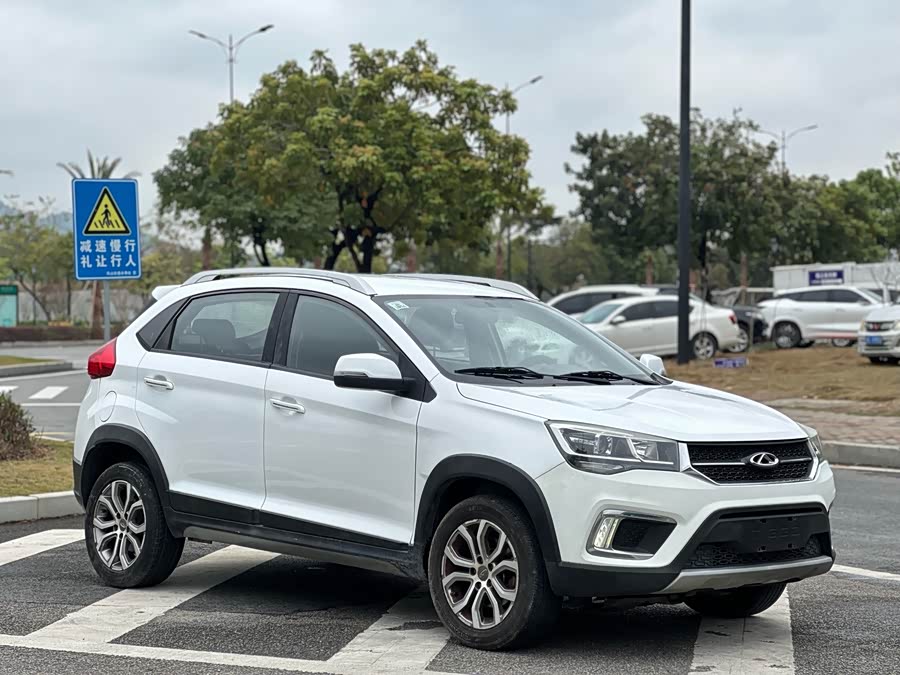



Basic Information

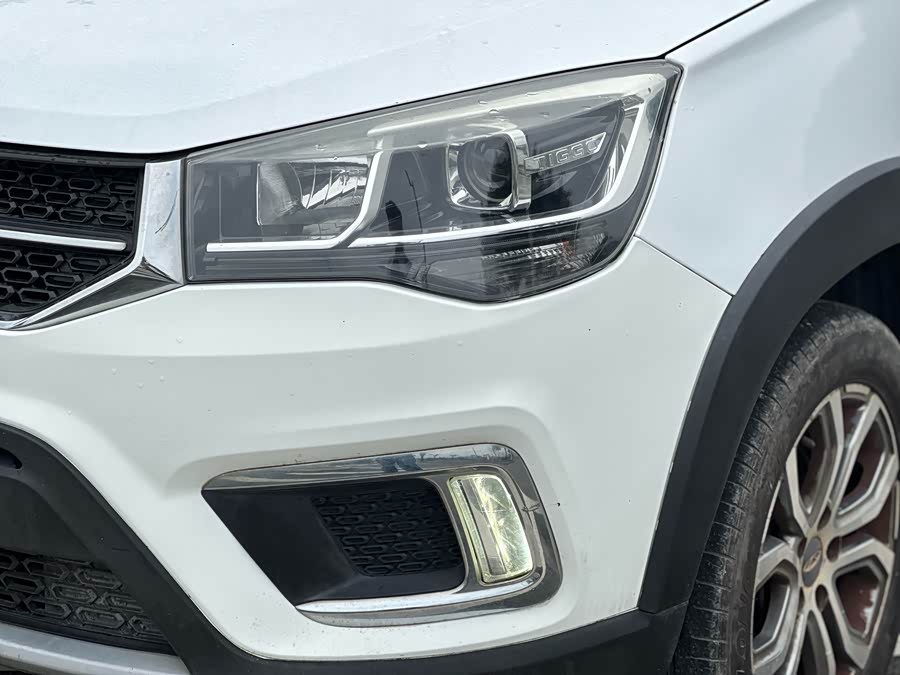
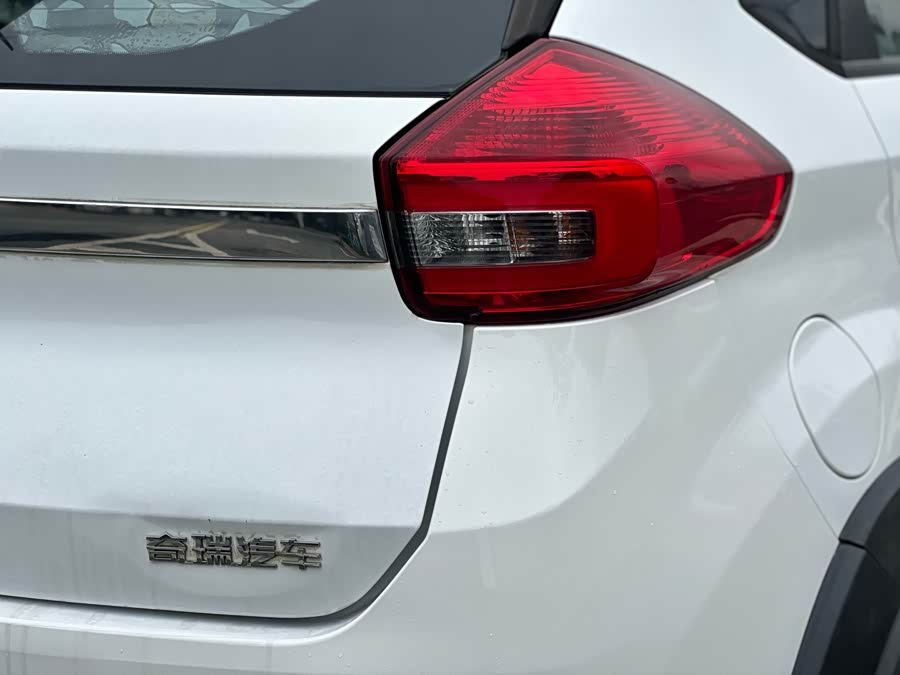
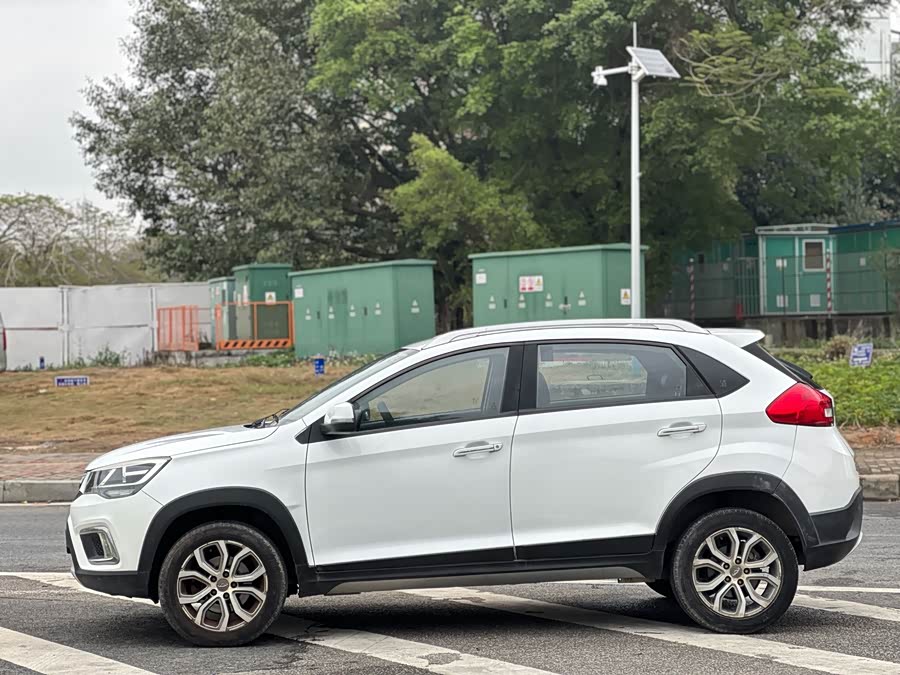
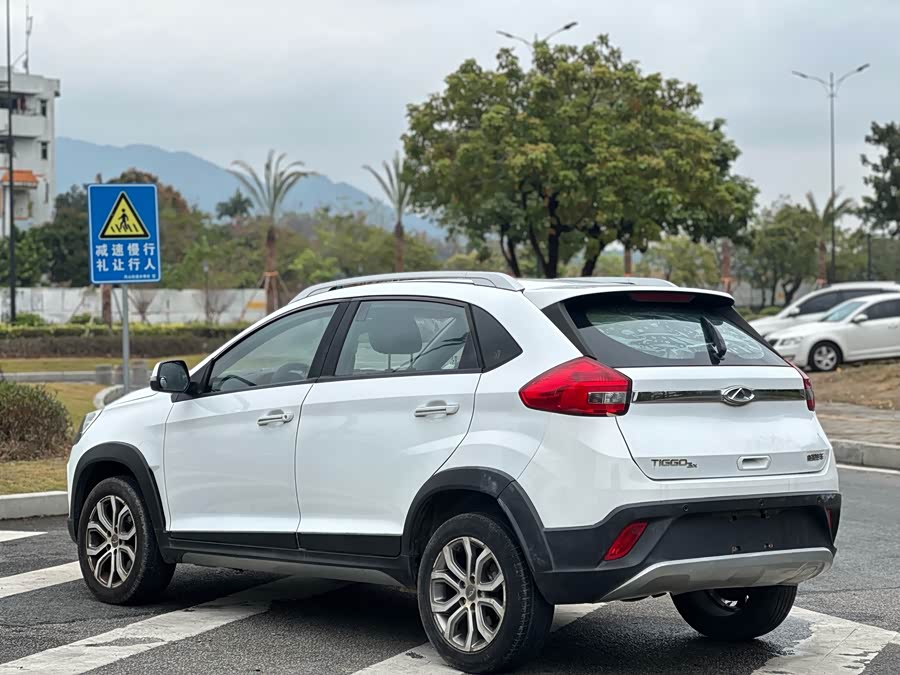
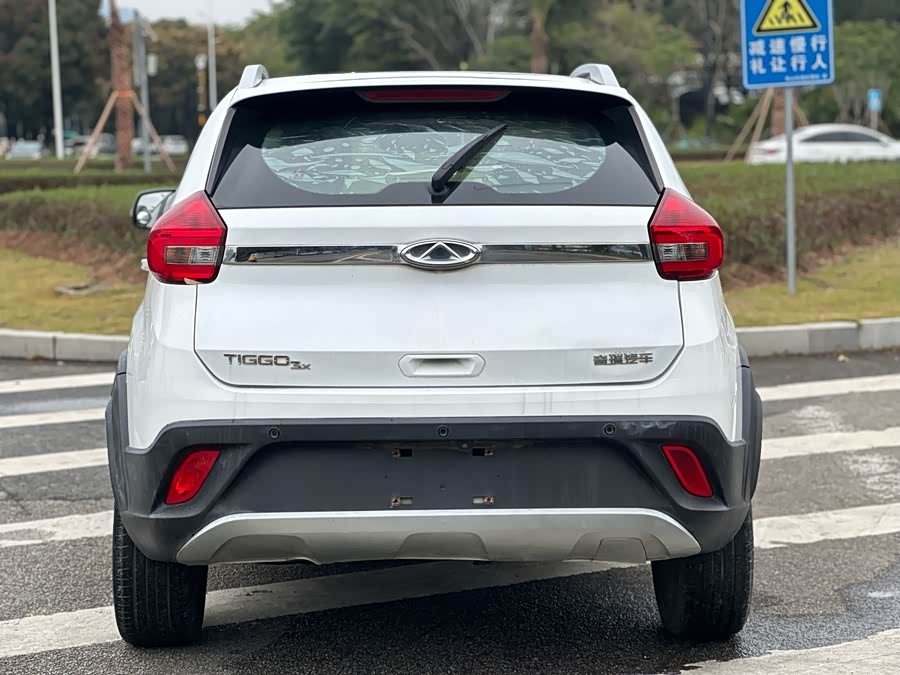
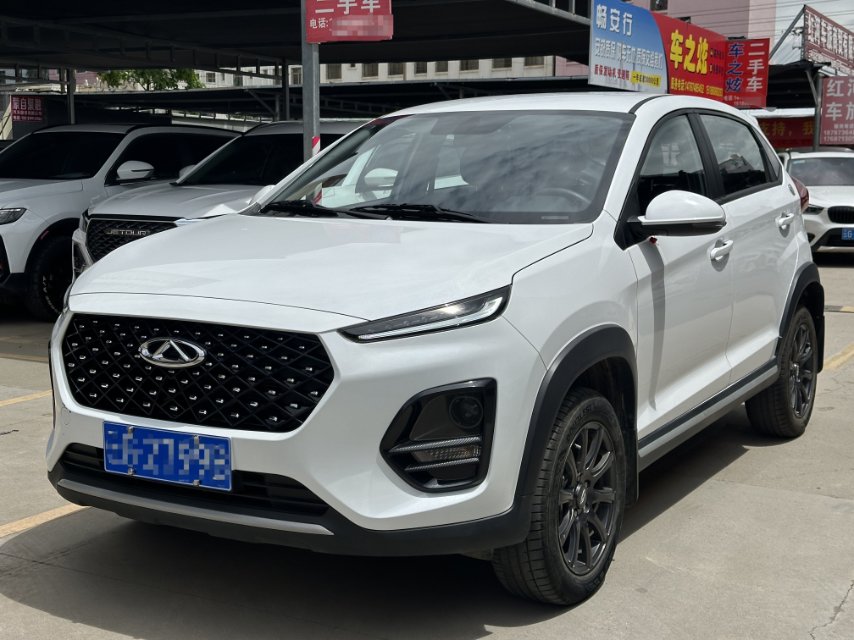
BrandChery
SeriesTiggo 3x
Year2018
First Registration2018/01
Mileage140,000km
Transfer Count-
FuelGasoline
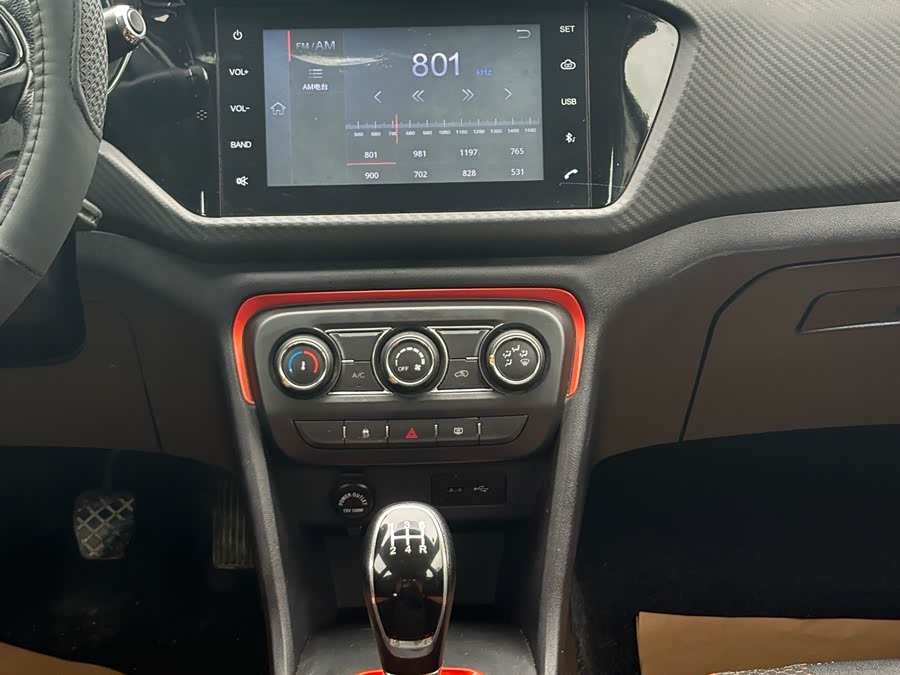
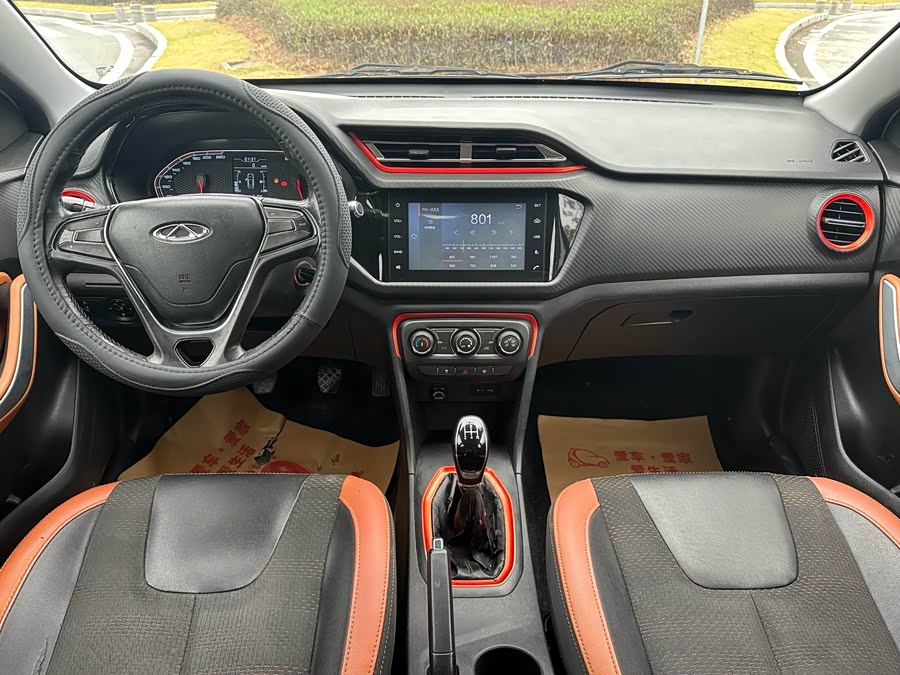
TransmissionManual
Engine1.5L 106 L4
ColorWhite
Seats-

Condition Description

good

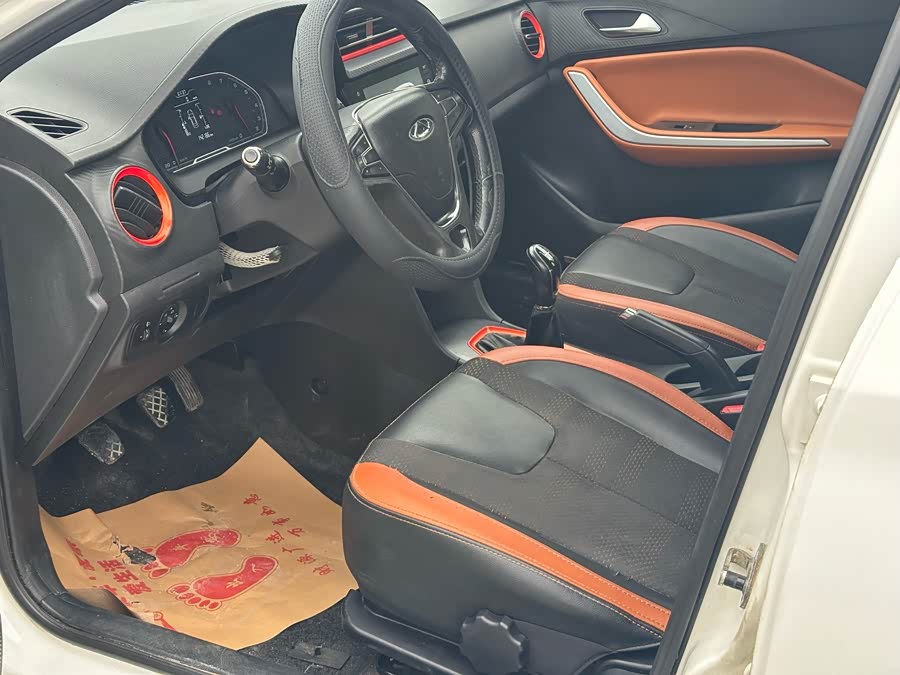
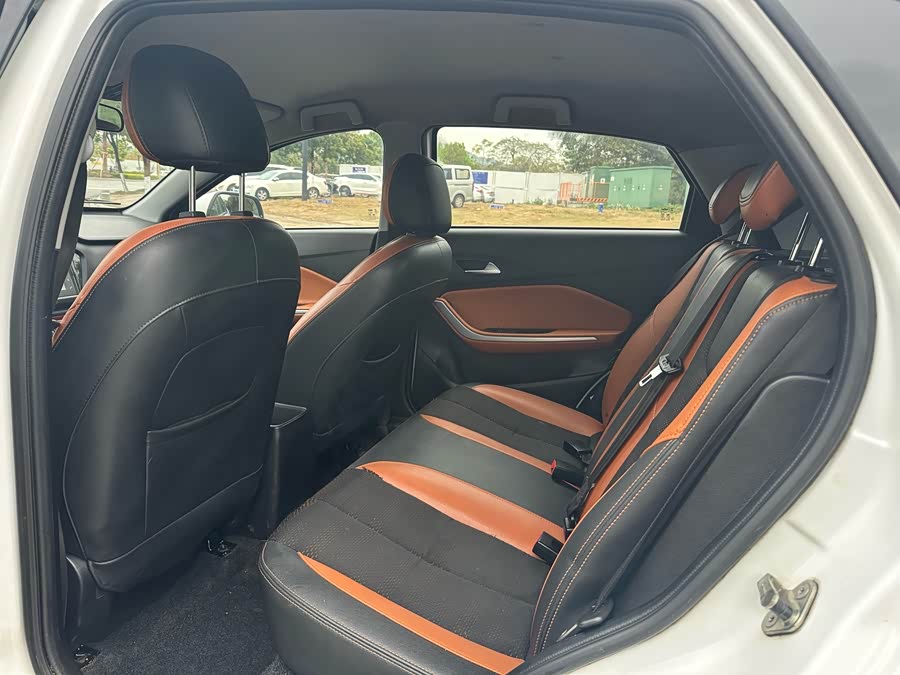
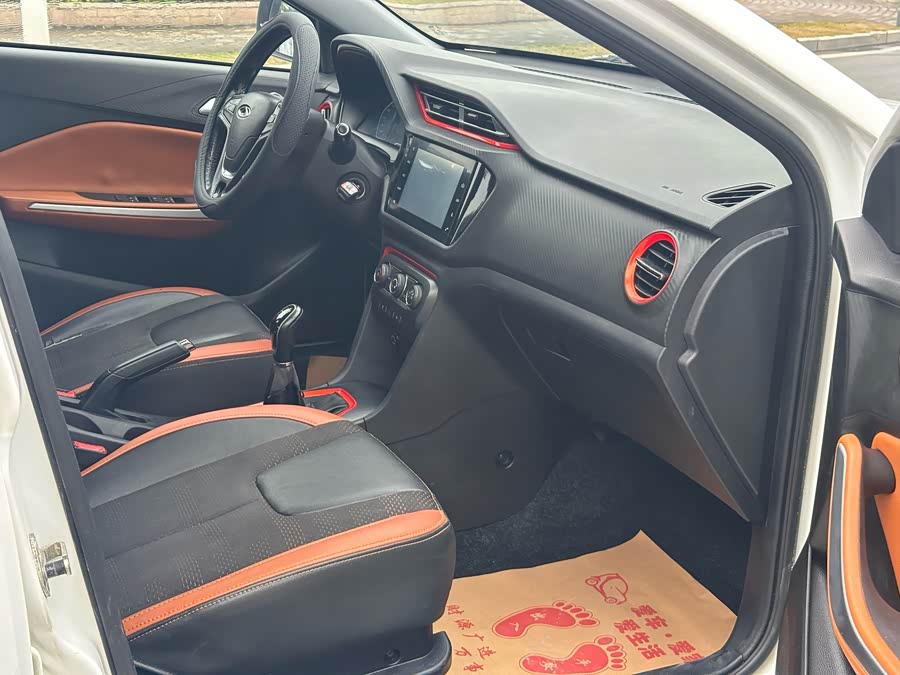
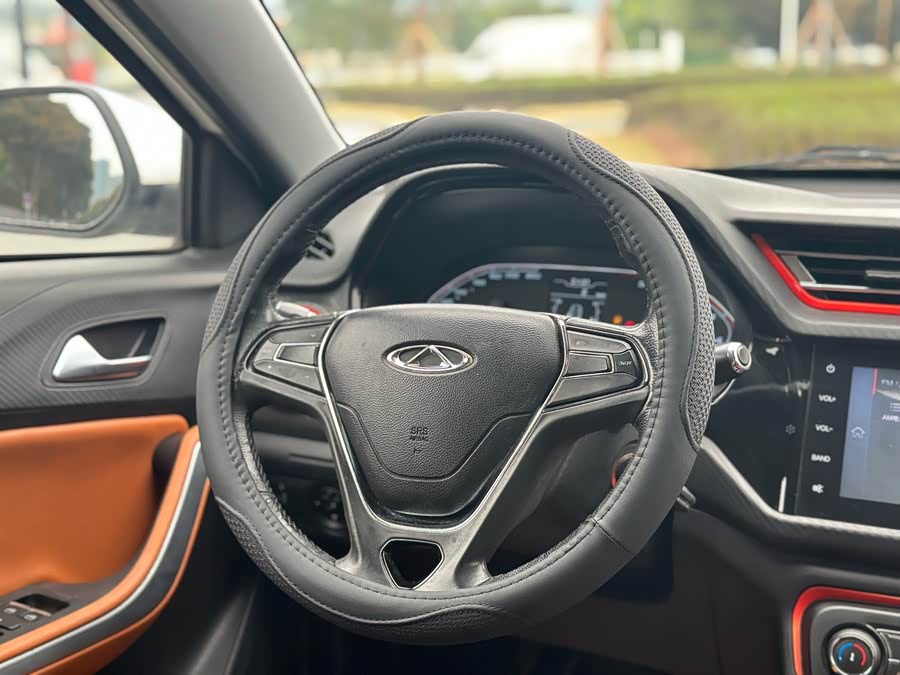
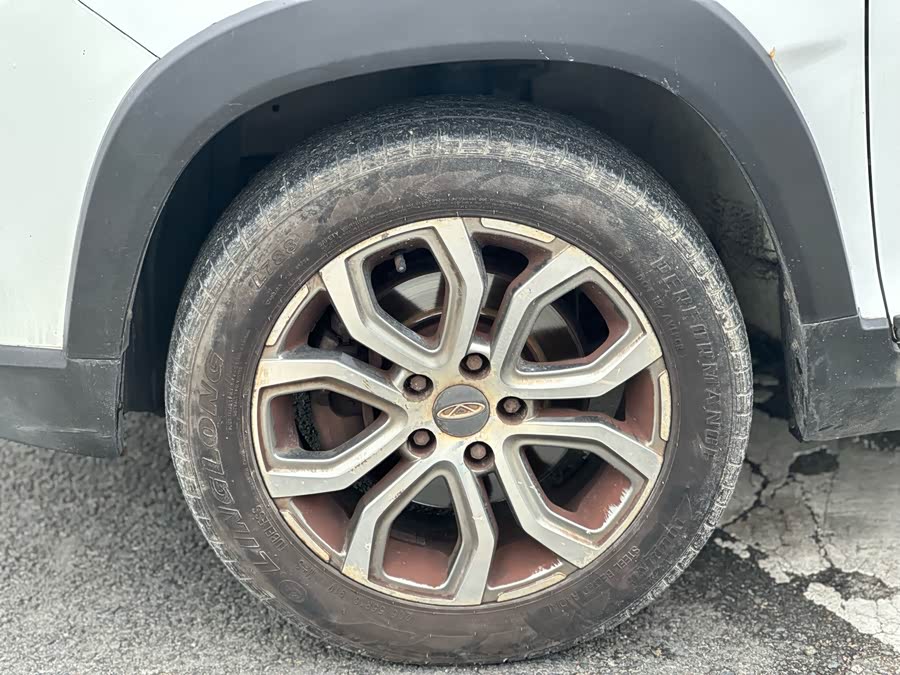
Excellent vehicle condition, no major accidents, no fire or water damage, no aftermarket modifications. Buy with confidence, peace of mind, and satisfaction. Chassis structure: No obvious wear. Engine compartment: In good working order. Exterior: No structural damage to the body. Interior: Clean and tidy. Paint: Well maintained.

0 transfers

Configuration Highlights

✓ISOFIX Child Seat Anchors
✓Backup Camera
✓Cruise Control
✓Bluetooth/Hands-free
✓Smartphone Integration
✓UV Protection Glass

Accident & Maintenance Records

Accident Record

🔗 Open Link

Maintenance Record

🔗 Open Link

Document Information

Inspection Expiry Date2027/01
Warranty Expiry Date-
Insurance Expiry Date2027/01

Q&A

More

What core export documents will you provide to ensure smooth customs clearance locally?

After receiving the final payment, we will send you the complete set of original customs clearance documents via DHL or FedEx, which typically includes: - Bill of Lading (B/L) - Commercial Invoice - Packing List - Certificate of Origin (CO) - Used Vehicle Export License issued by the Ministry of Commerce of China Note: If your local customs requires additional documents (such as VIN consistency certificate), please inform us in advance before shipping.

If I choose to abandon cargo at the destination port due to a cash flow issue, can I get a refund of the deposit and freight I previously paid?

No, it is absolutely impossible to get a refund. Not only will there be no refund, but if the proceeds from the port auction of the abandoned cargo are insufficient to cover the exorbitant demurrage and disposal fees, the shipping company and customs will still pursue you (the bill of lading recipient) for the remaining debt through international legal proceedings.

Why are the shipping costs for used electric vehicles (EVs) usually higher than for internal combustion engine vehicles (ICEs)?

Pure electric vehicles are classified as Class 9 Dangerous Goods due to their large lithium batteries, leading to strict shipping regulations. Shipping companies have high requirements for the loading position and fire isolation measures for dangerous goods, and some roll-on/roll-off ships refuse to accept used EVs. As a result, EVs often require more expensive special container shipping and incur additional handling fees for hazardous materials.