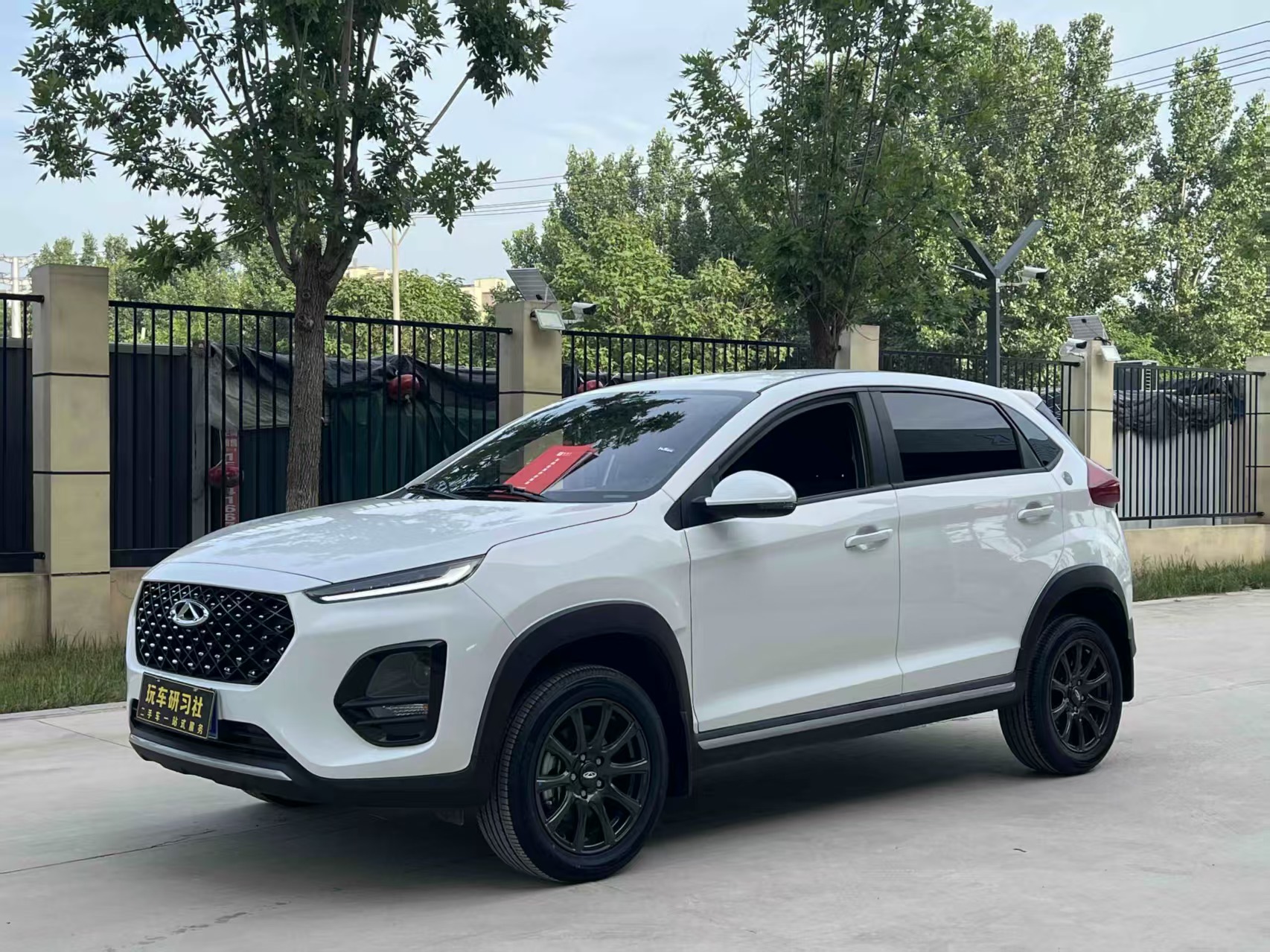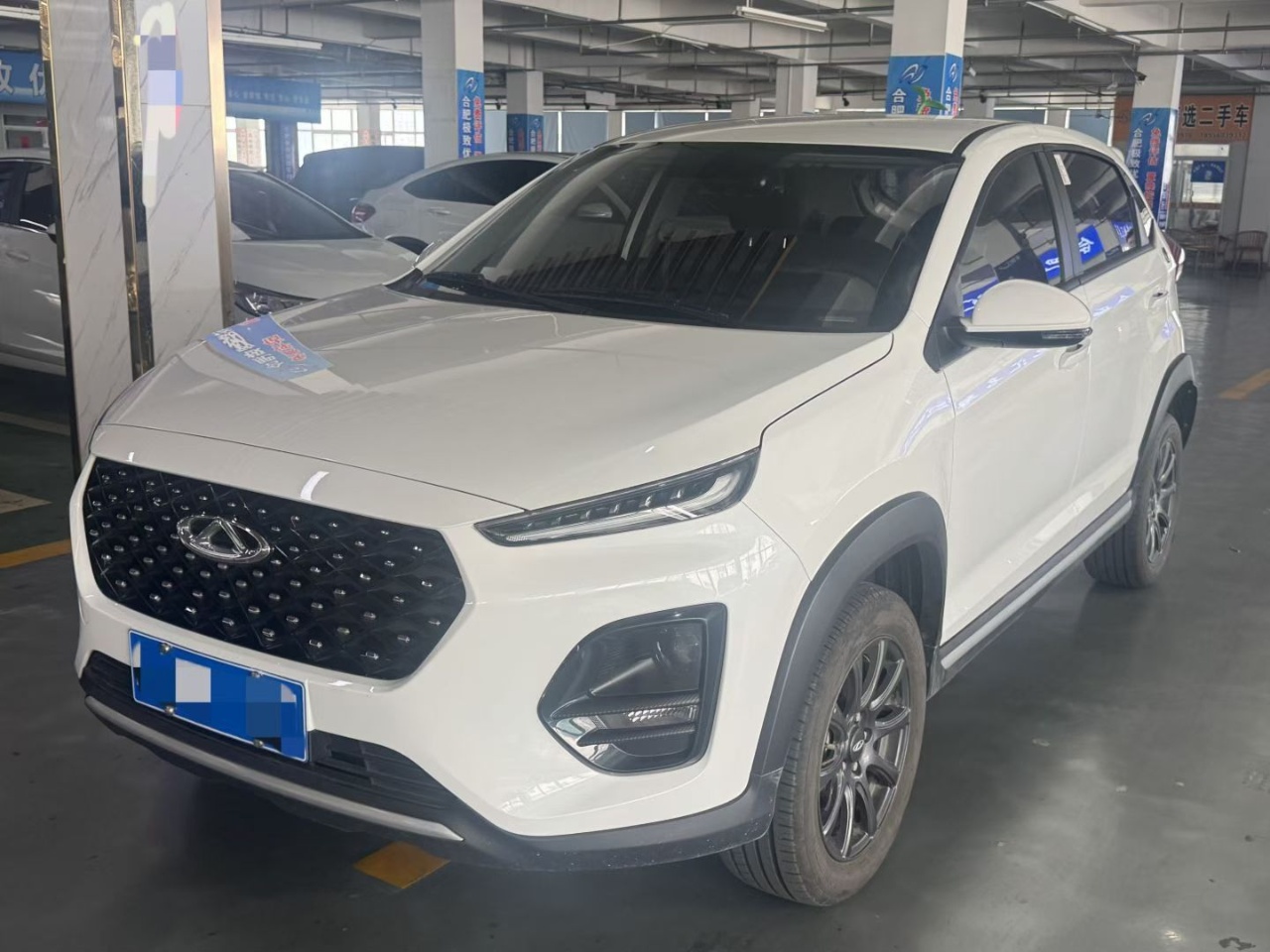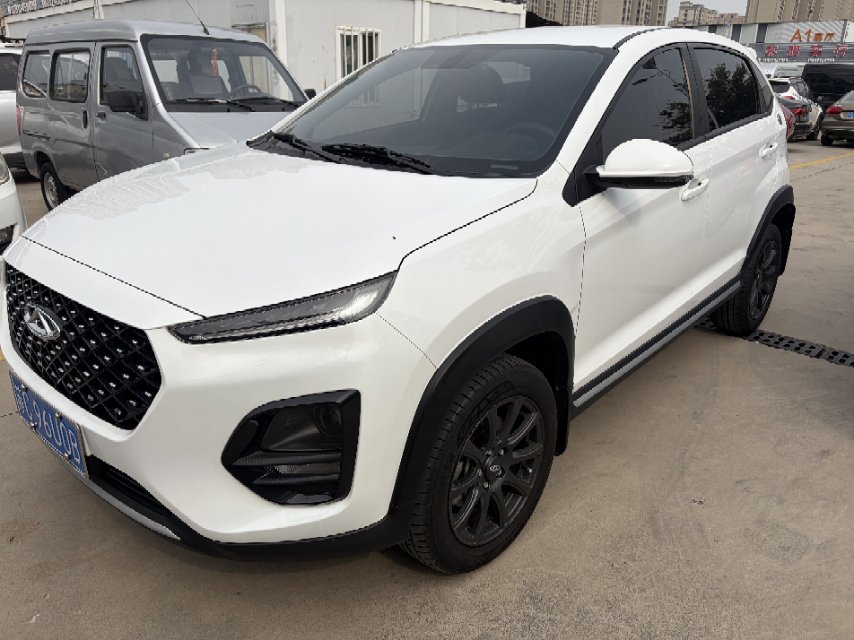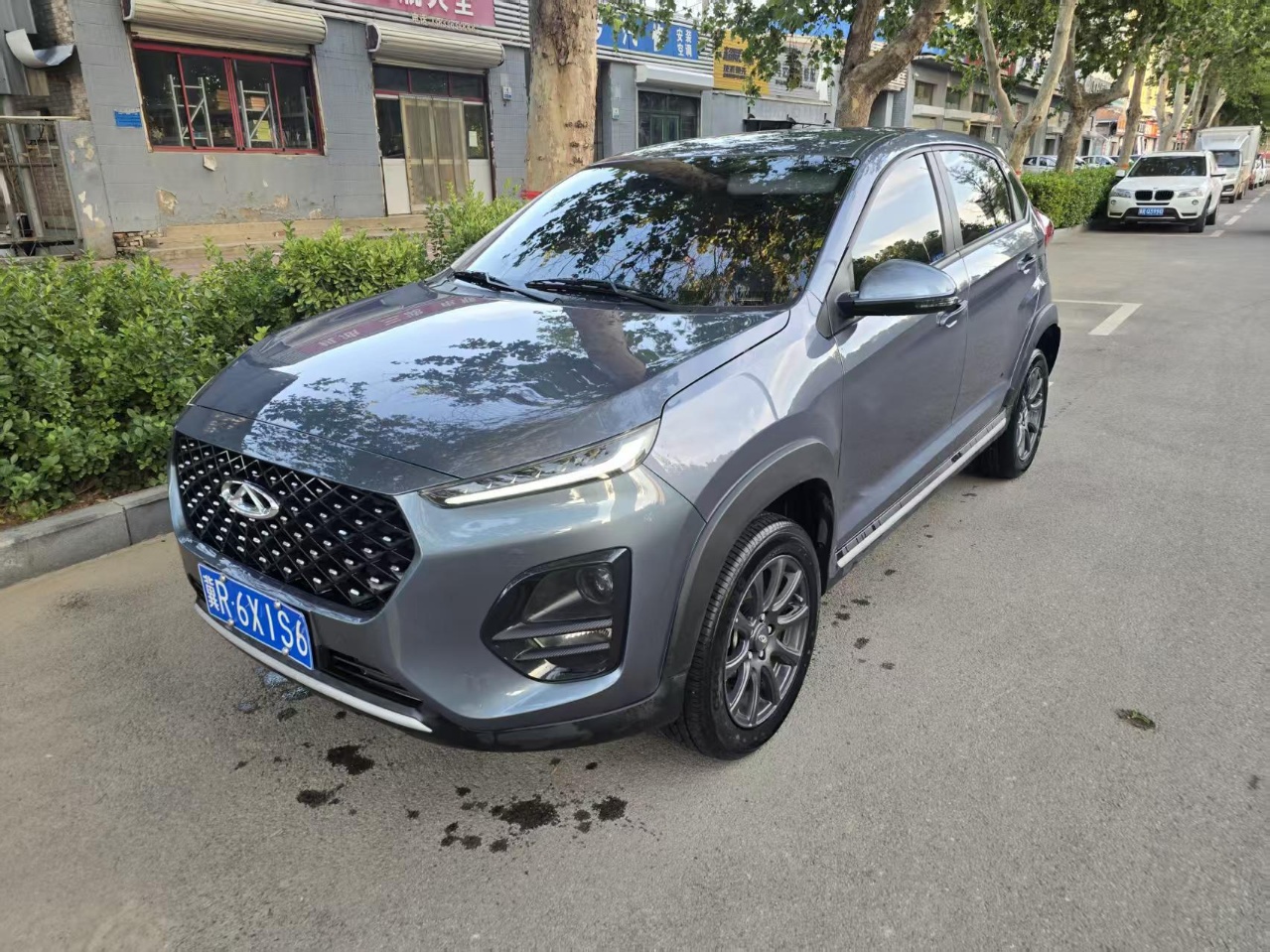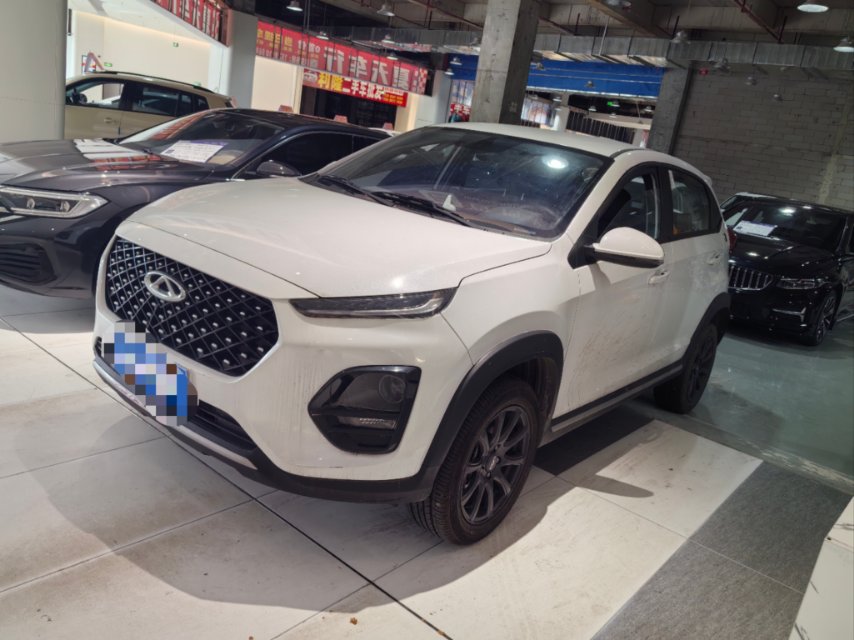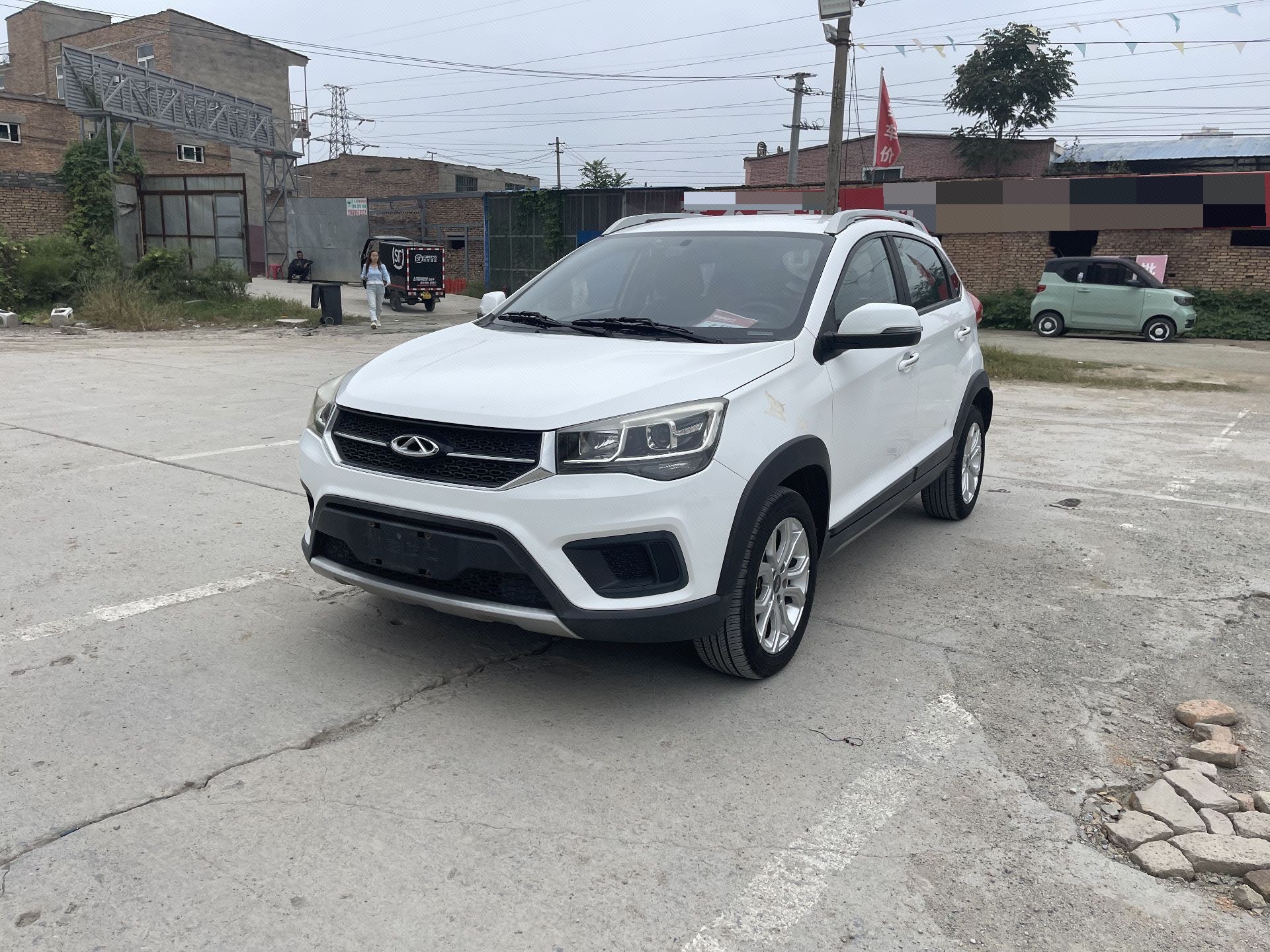
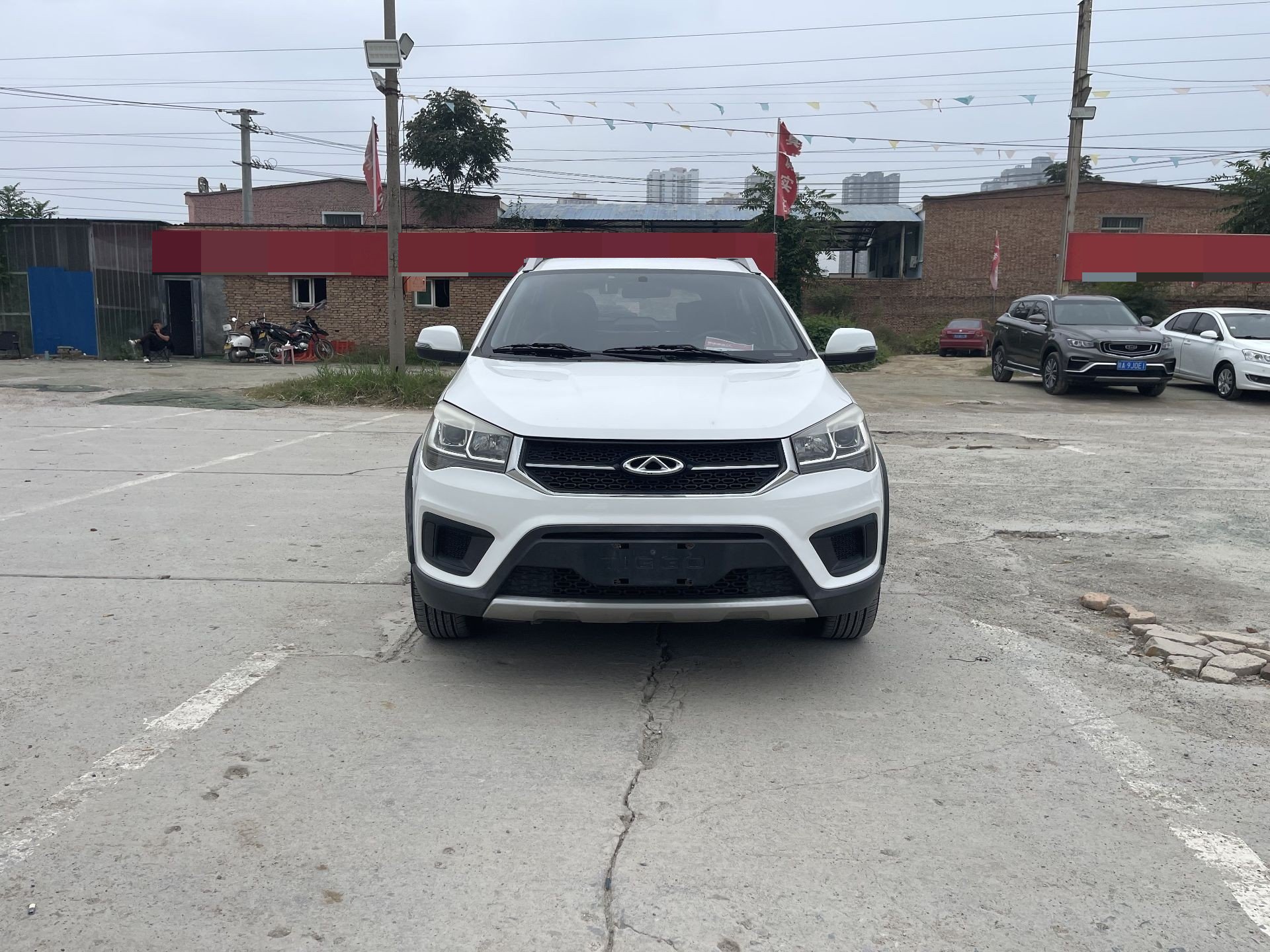
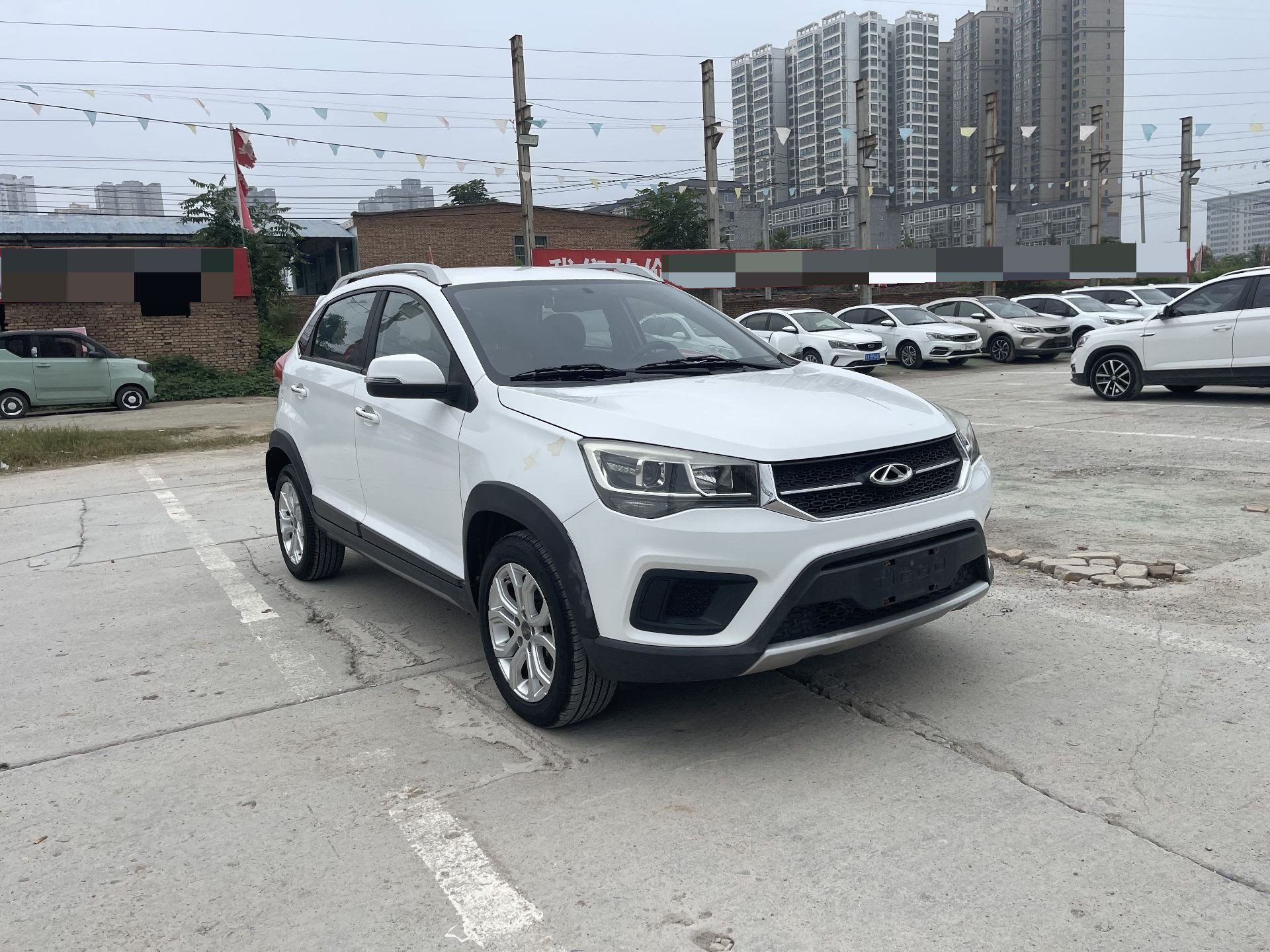
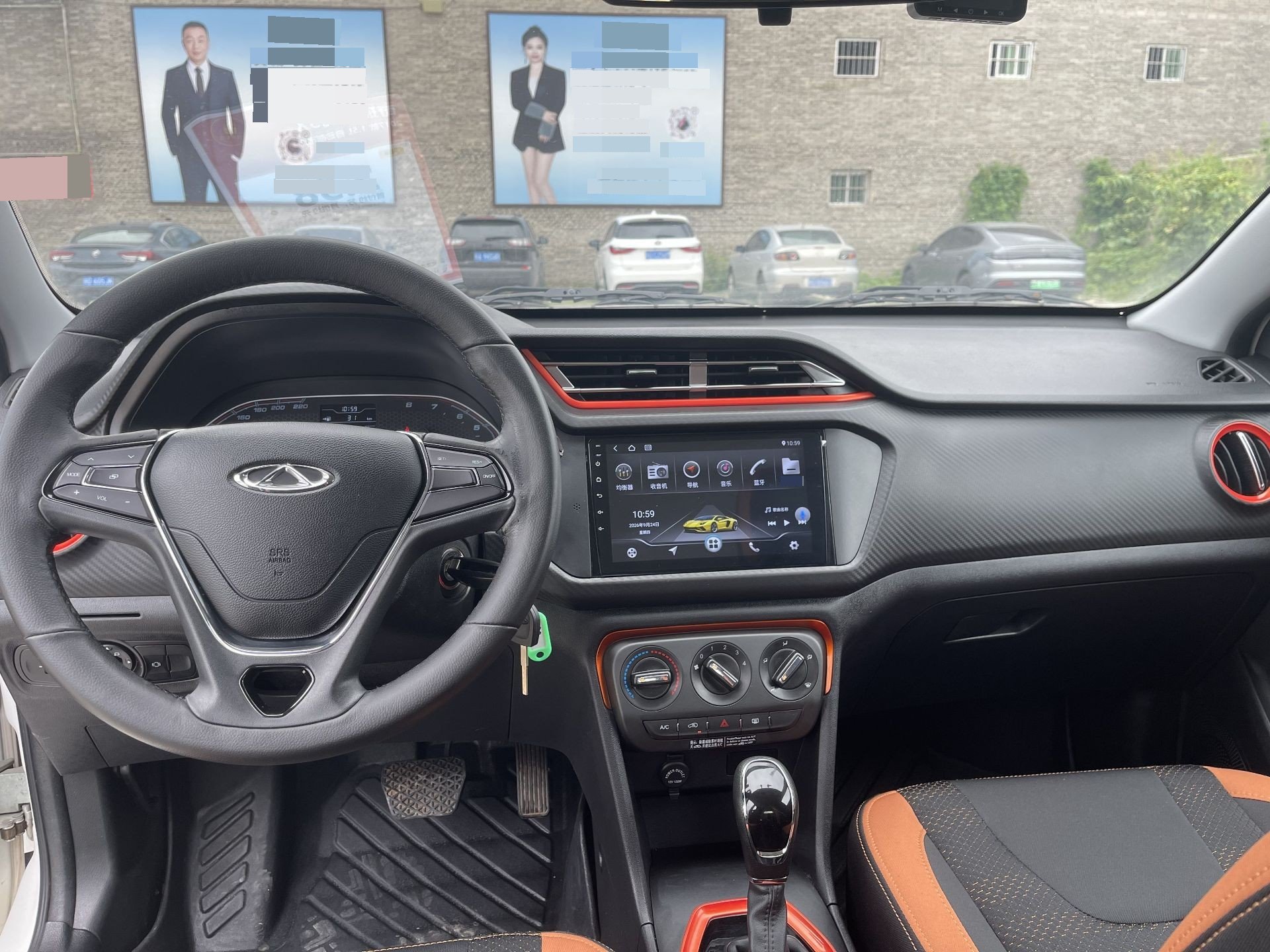
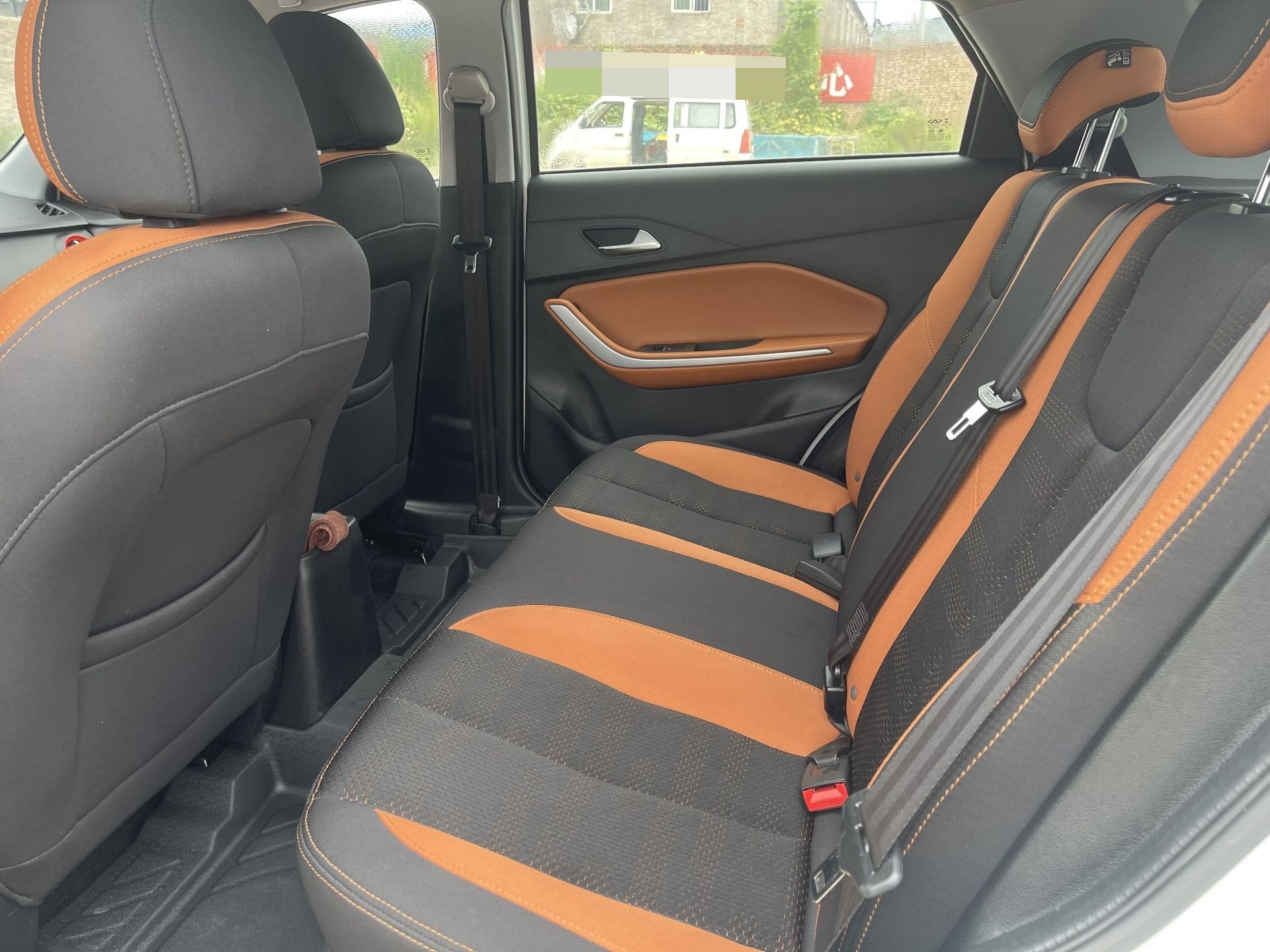
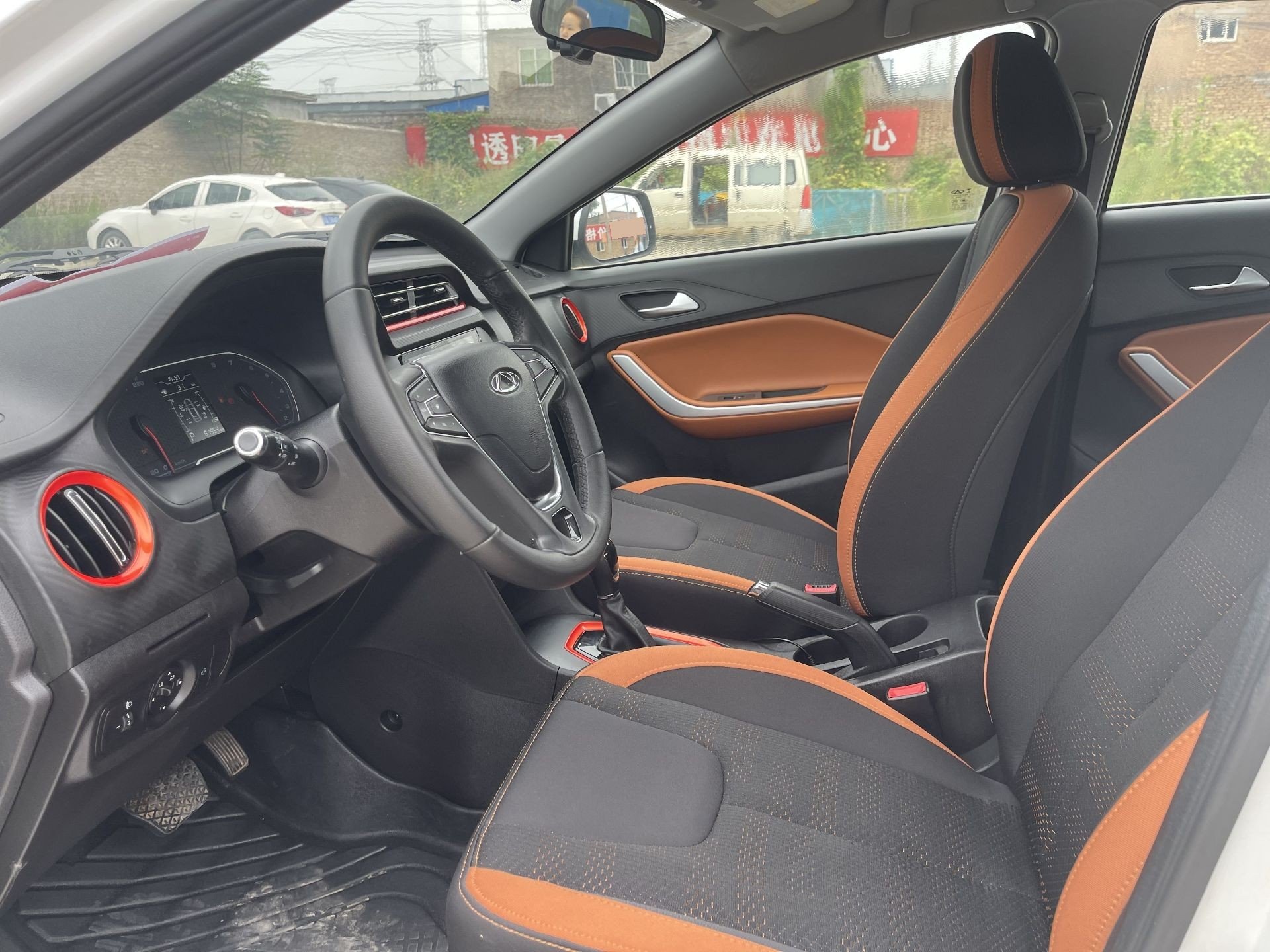



Basic Information

BrandChery
SeriesTiggo 3x
Year2017
First Registration2017/02
Mileage60,000km
Transfer Count0times
FuelGasoline
TransmissionAutomatic
Engine1.5L 106 L4
ColorWhite
Seats-

Document Information

Inspection Expiry Date-
Warranty Expiry Date-
Insurance Expiry Date2027/02

Q&A

More

Will the FOB or CIF prices we have signed change due to sudden surges in international shipping costs caused by geopolitical issues or emergencies (like the Red Sea crisis)?

Our shipping quotes are typically valid for only 7 to 14 days. If a CIF contract is signed and there are significant fluctuations in shipping costs due to war surcharges or route changes imposed by the shipping company before the vehicle is actually loaded, we will transparently provide you with the official price increase notice from the shipping company. At that point, we reserve the right to renegotiate the freight difference or allow you to change the trade terms to FOB, letting you designate your own freight forwarder for booking.


What charging adapters or equipment will I need to charge a used Chinese EV in my country?

Chinese EVs ship with GB/T charging ports, which are not used in Europe (Type 2/CCS2), North America (J1772/CCS1/NACS), or most of Latin America. Plan for these extras: 1. GB/T to local standard adapter or converter box: this lets you charge at public stations. A simple passive adapter works for AC charging; DC fast charging needs an active converter, which is expensive — many owners skip it and rely on AC. 2. Portable charger swap: the included travel charger has a GB/T plug. Buy a local wallbox or a portable EVSE with your country's plug instead. 3. Home electrical check: confirm your home circuit can handle 7–11 kW, and have an electrician install a dedicated line if needed. Ask the exporter for the car's charging port photos and on-board charger capacity before buying. Budget roughly a few hundred dollars for adapters and a wallbox. Without planning, you may end up with a car that can only trickle-charge from a wall socket.

What brake system checks should a pre-shipment inspection of a used car from China include?

Brakes are safety-critical, yet many basic inspections only glance at pad thickness. A proper inspection should cover: 1. Pad and disc measurement: front pads below 3 mm or discs below the minimum thickness stamped on the disc hat mean replacement before shipping. 2. Brake fluid: test moisture content with a strip or meter. Over 3 percent water content means a full fluid flush, especially important for sea freight in humid containers. 3. Hydraulic check: the inspector presses the pedal firmly for 30 seconds; a sinking pedal indicates a master cylinder or hose leak. 4. ABS and stability systems: a diagnostic scan should show no fault codes, and on a short test drive the ABS self-test should complete normally. 5. Parking brake: hold the car on a slope in both directions, particularly important for automatics shipped on RoRo ramps. Ask for photos of each measurement with the tool visible, not just a brakes-OK summary.