


48H

Basic Information

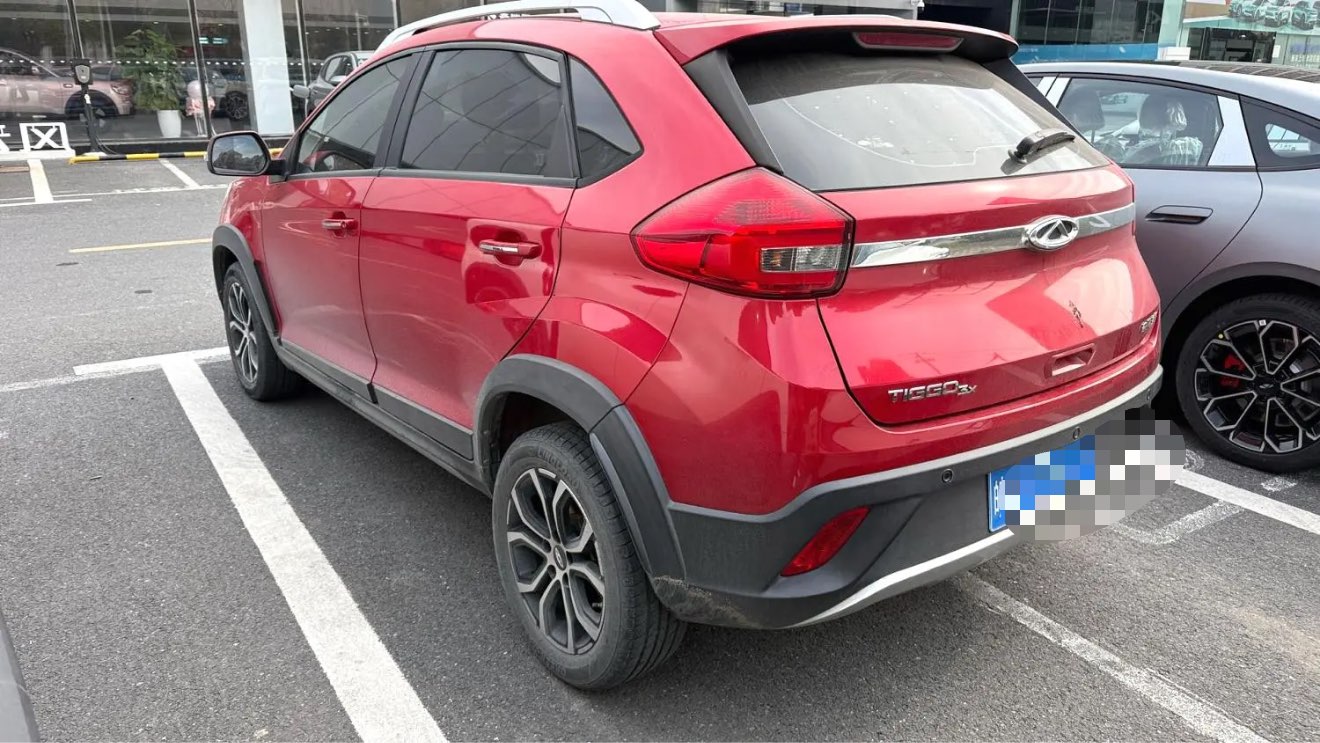
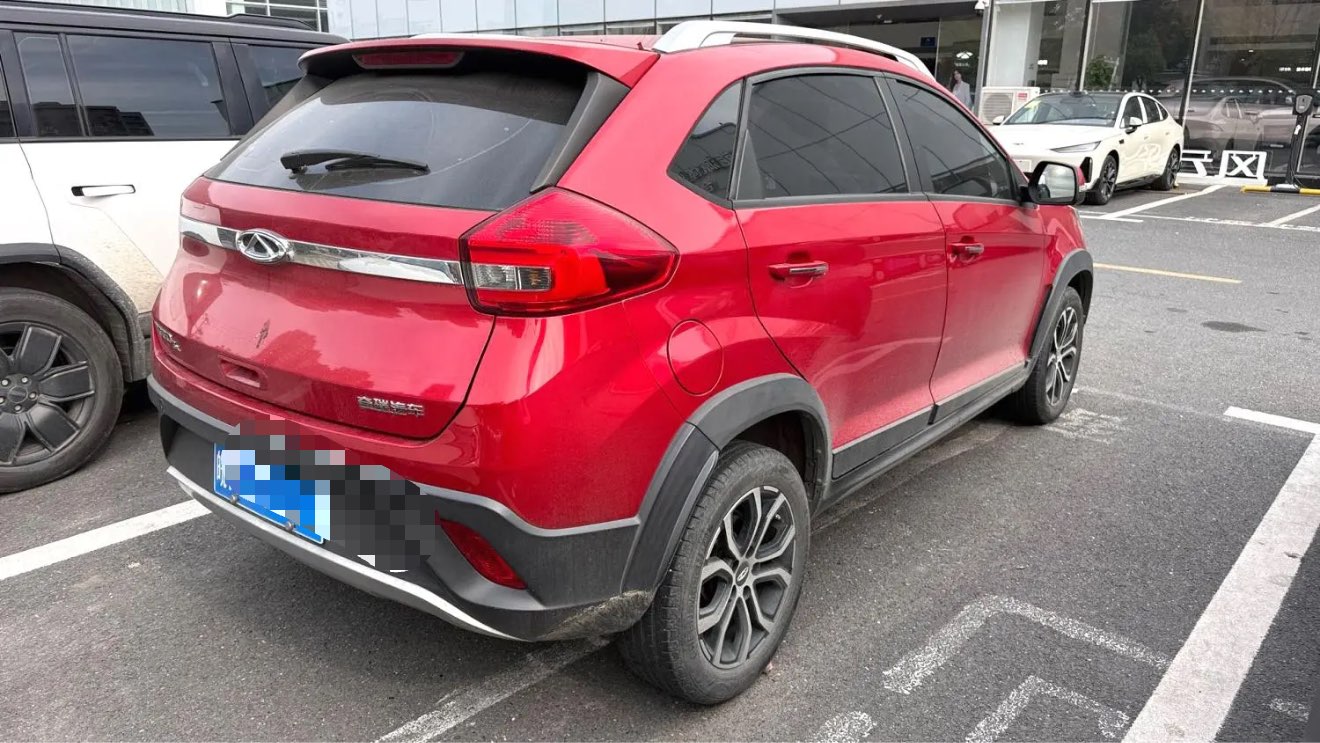
BrandChery
SeriesTiggo 3x
Year2019
First Registration2019/03
Mileage55,000km
Transfer Count0times
FuelGasoline
TransmissionAutomatic
Engine1.5L 106 L4
ColorRed
Seats-

Condition Description

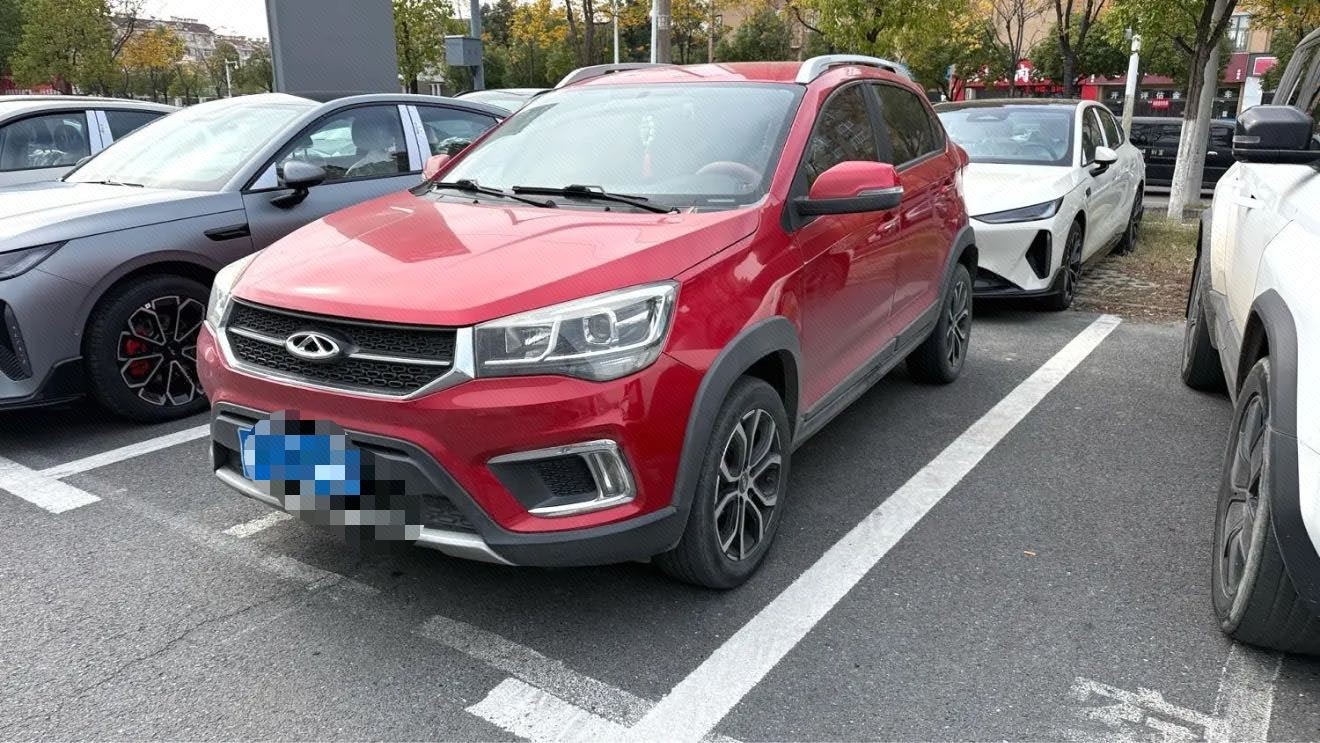
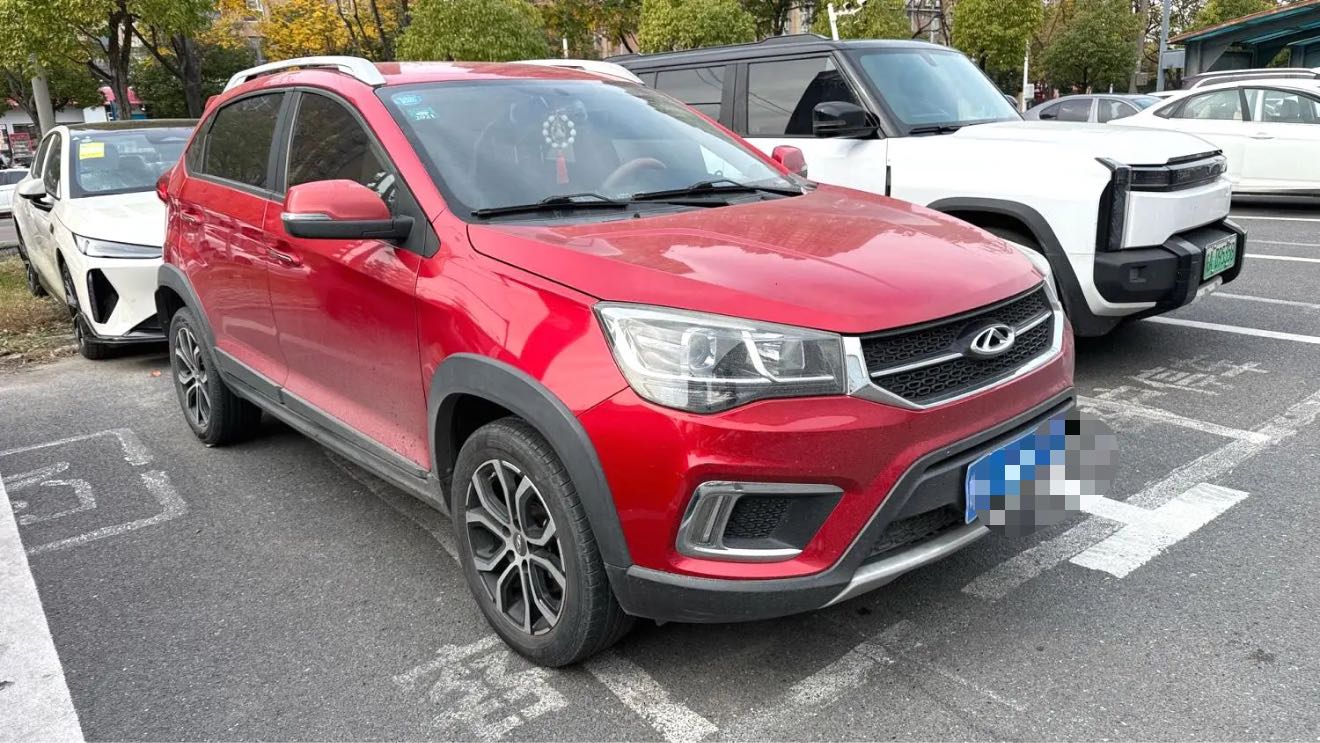
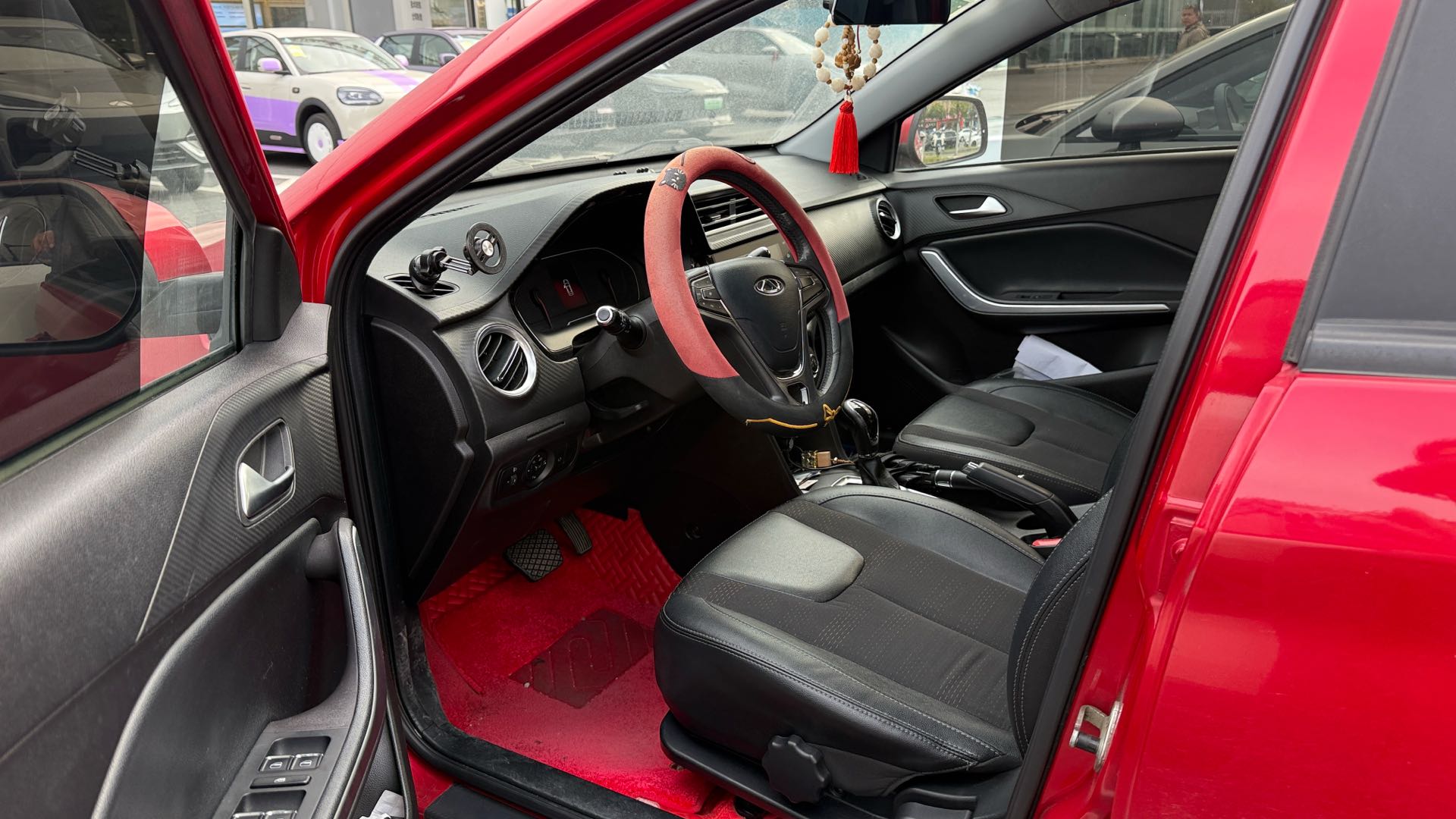
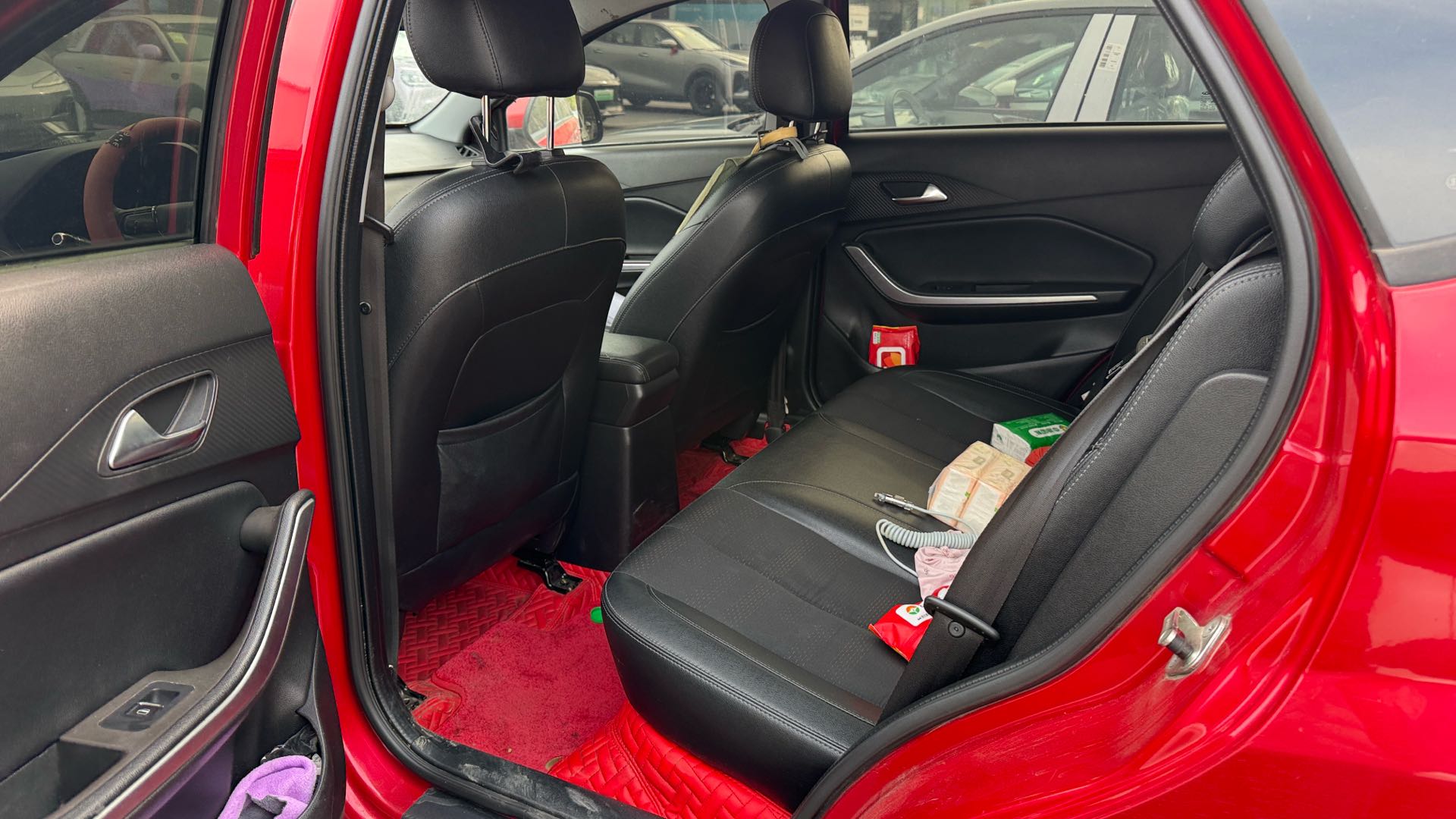
Single-owner vehicle, actual odometer reading, original paint and body panels.

Document Information

Inspection Expiry Date-
Warranty Expiry Date-
Insurance Expiry Date2027/03

Q&A

More

How can I check if a used car in China was previously used as a taxi, rental car, or government fleet vehicle?

Fleet usage dramatically shortens a car's real life, so it is worth checking before you pay. Start with the registration certificate: the nature-of-use field shows whether the car was registered as non-commercial or commercial. Commercial registration is a red flag for taxis and rental cars. Next, review the maintenance records: fleet vehicles show unusually uniform service intervals, high-volume tire replacements, and repairs done at the same shop repeatedly. A car with 60,000 km on the clock but three sets of brake pads is a fleet vehicle, not a private one. For government or corporate fleet cars, ask the seller for the complete ownership chain; several short-term owners from leasing companies or government auction platforms are a strong signal. Finally, check the interior remotely: rear seat wear, trunk scratches, and multiple ignition keys all suggest shared use. Add a contractual warranty that the vehicle was never commercially operated — if the seller refuses, walk away.


How can I decode a Chinese VIN, and what does it tell me about a used car's origin and specs?

A Chinese-market VIN has 17 characters, and several positions are genuinely useful. Characters 1-3 are the WMI: the first character L confirms the car was built in China, and the next two identify the manufacturer (for example LFV for FAW-VW, LSV for SAIC-VW, LGX for BYD). Character 10 is the model year code, and character 11 usually identifies the assembly plant. Cross-check the decoded data against the vehicle nameplate on the B-pillar and the Chinese registration certificate. If the decoded plant or year contradicts the paperwork, walk away — relabeled VIN plates are a classic sign of a rebuilt or cloned vehicle. Generic online decoders cover Chinese domestic models poorly. In practice, ask your exporter or inspection agent to pull the manufacturer's build sheet using the VIN: it lists factory options, battery supplier and production date, which is far more reliable than any free decoder.

What should I do if my car arrives damaged after shipping from China?

Act immediately at the port: 1) Inspect the car before signing anything. Note every scratch, dent, or missing item on the delivery receipt — add remarks like "container seal intact, right door dented" before you sign. 2) Take dated photos and video of the damage from multiple angles, including the container exterior and seal number. 3) Report to the shipping line or agent in writing within 3 days, and notify the insurance company if you bought cargo insurance — most policies require notice within 7 days of delivery. 4) Get a written repair estimate from a local body shop. Claims succeed or fail on documentation: the signed delivery receipt with remarks, photos, and the bill of lading are your evidence. Without remarks on the delivery receipt, the carrier will argue the damage happened after discharge.