
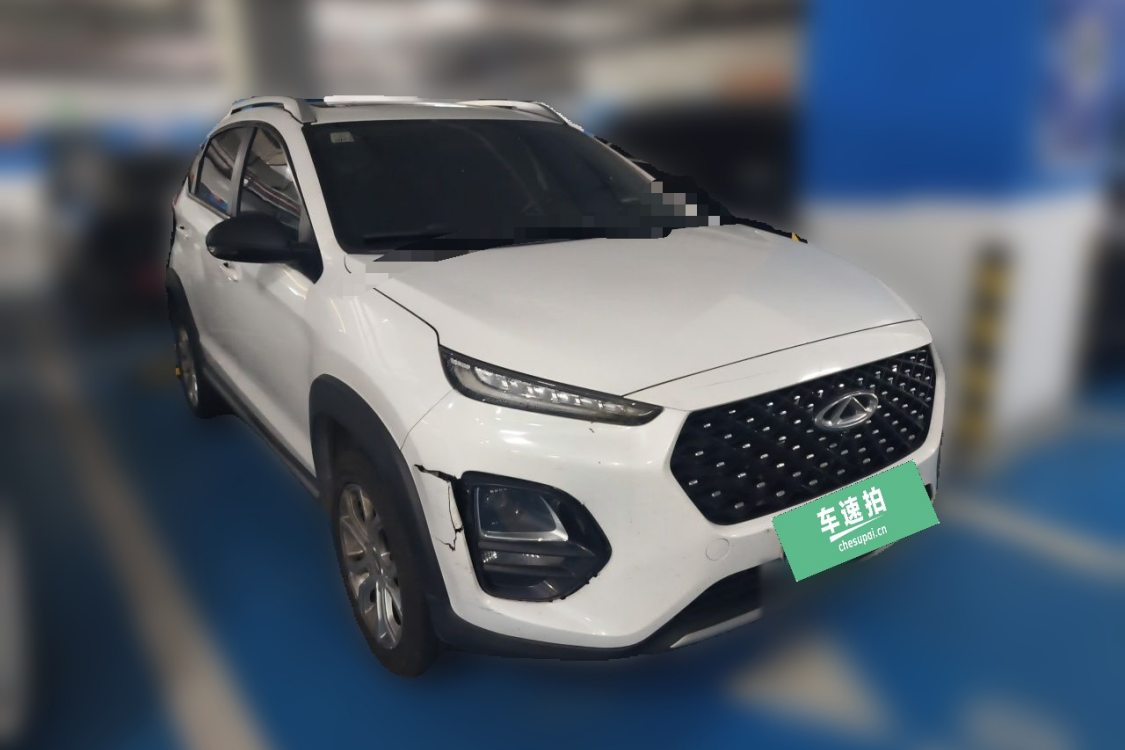
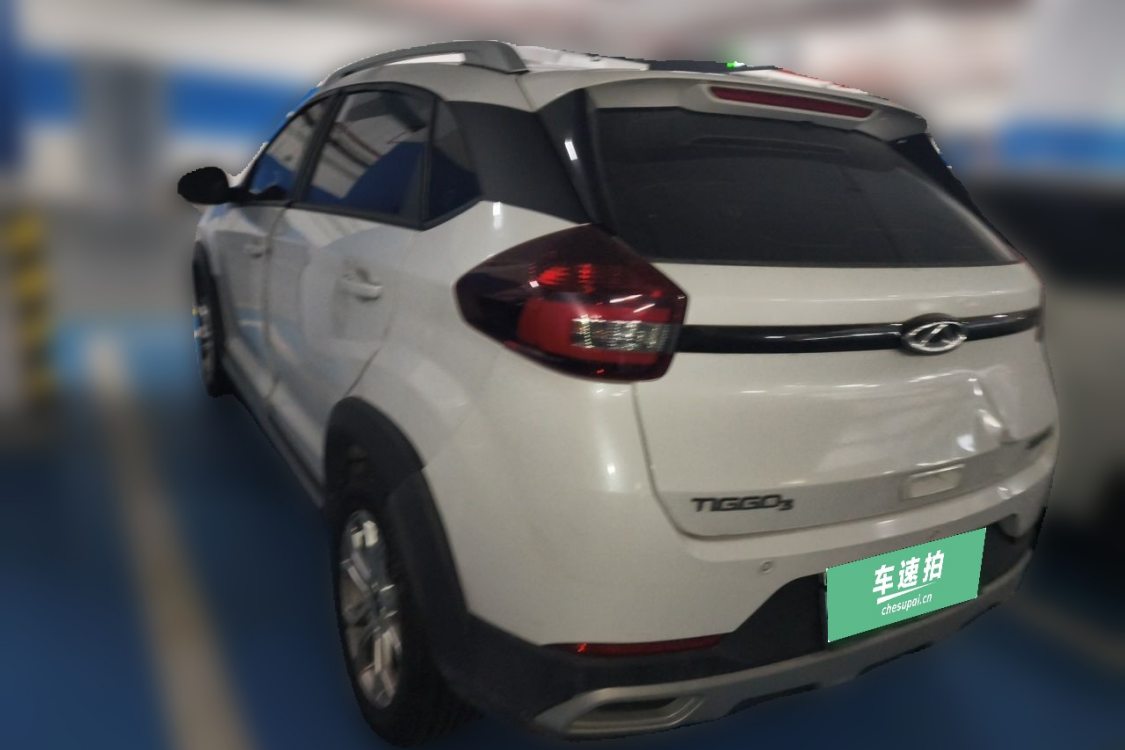
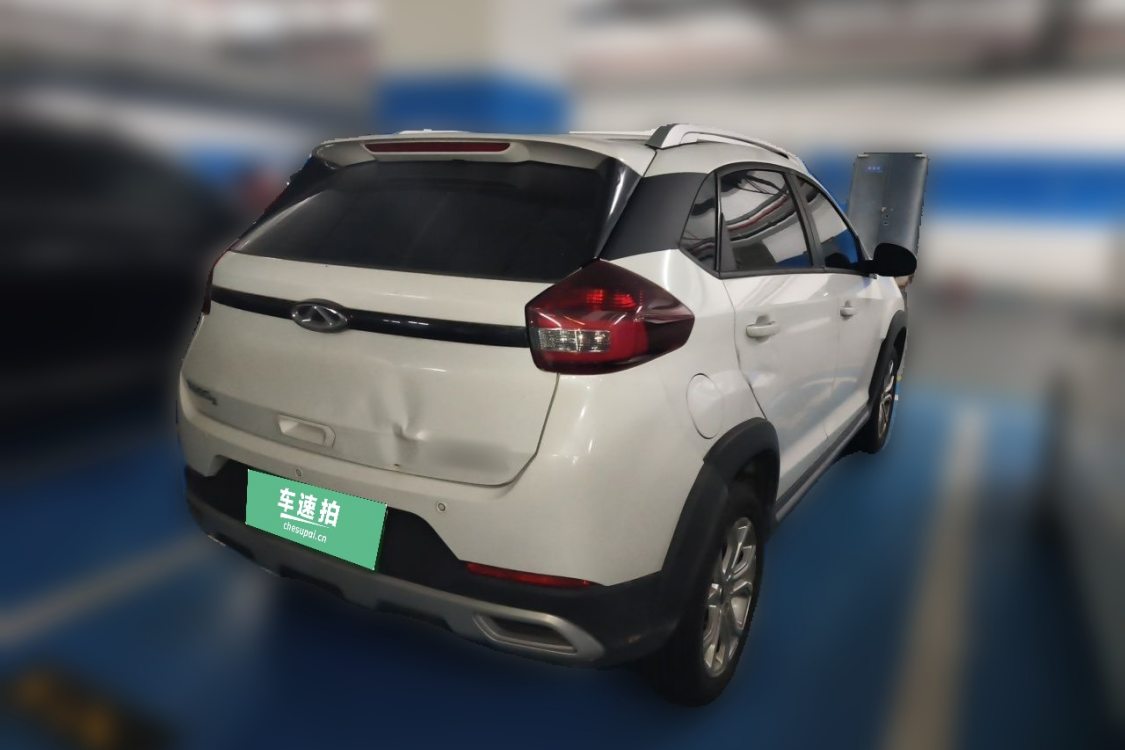
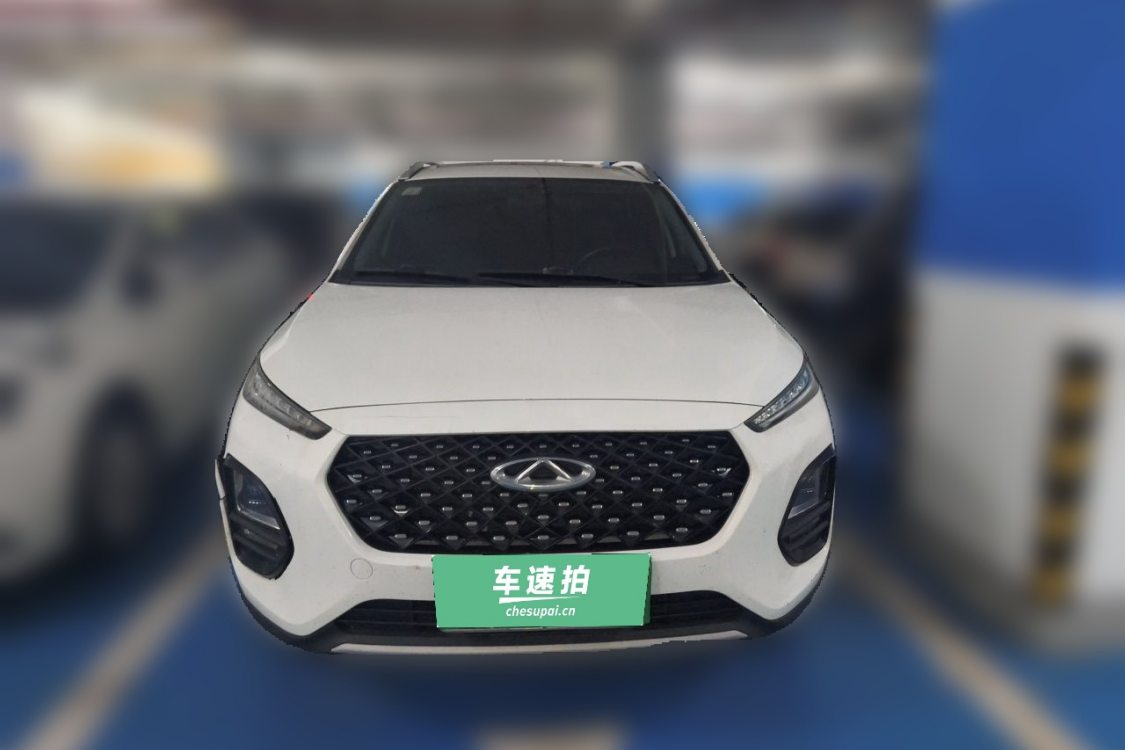



Basic Information

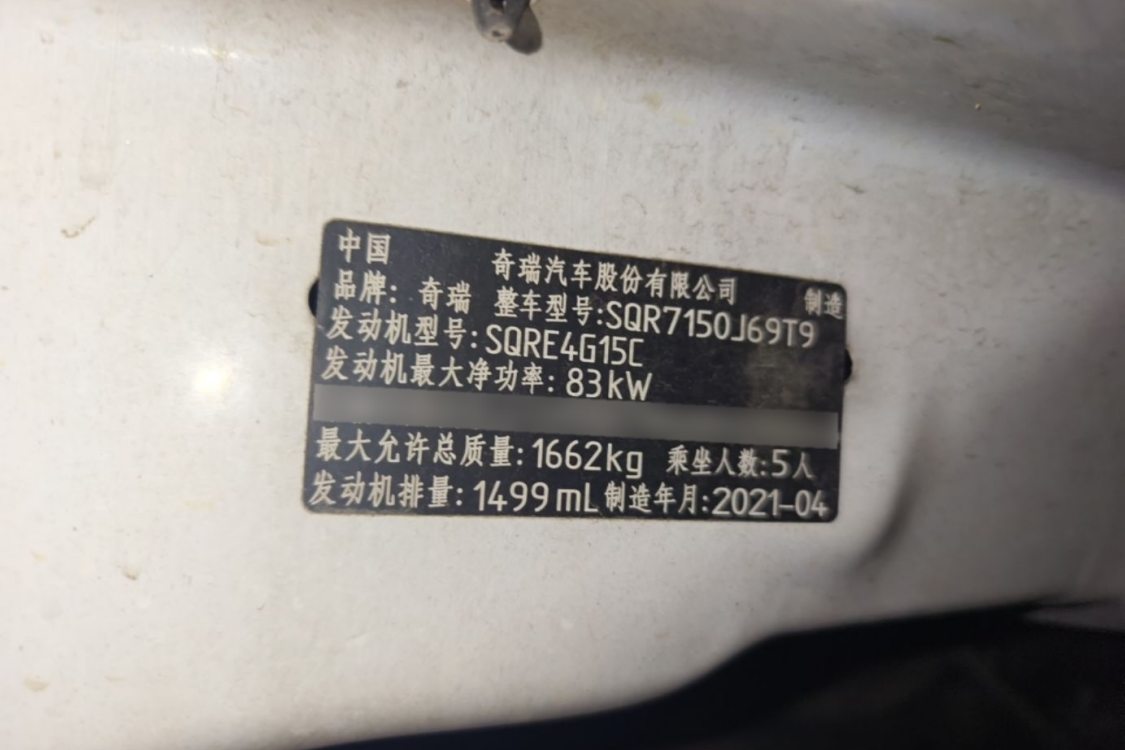
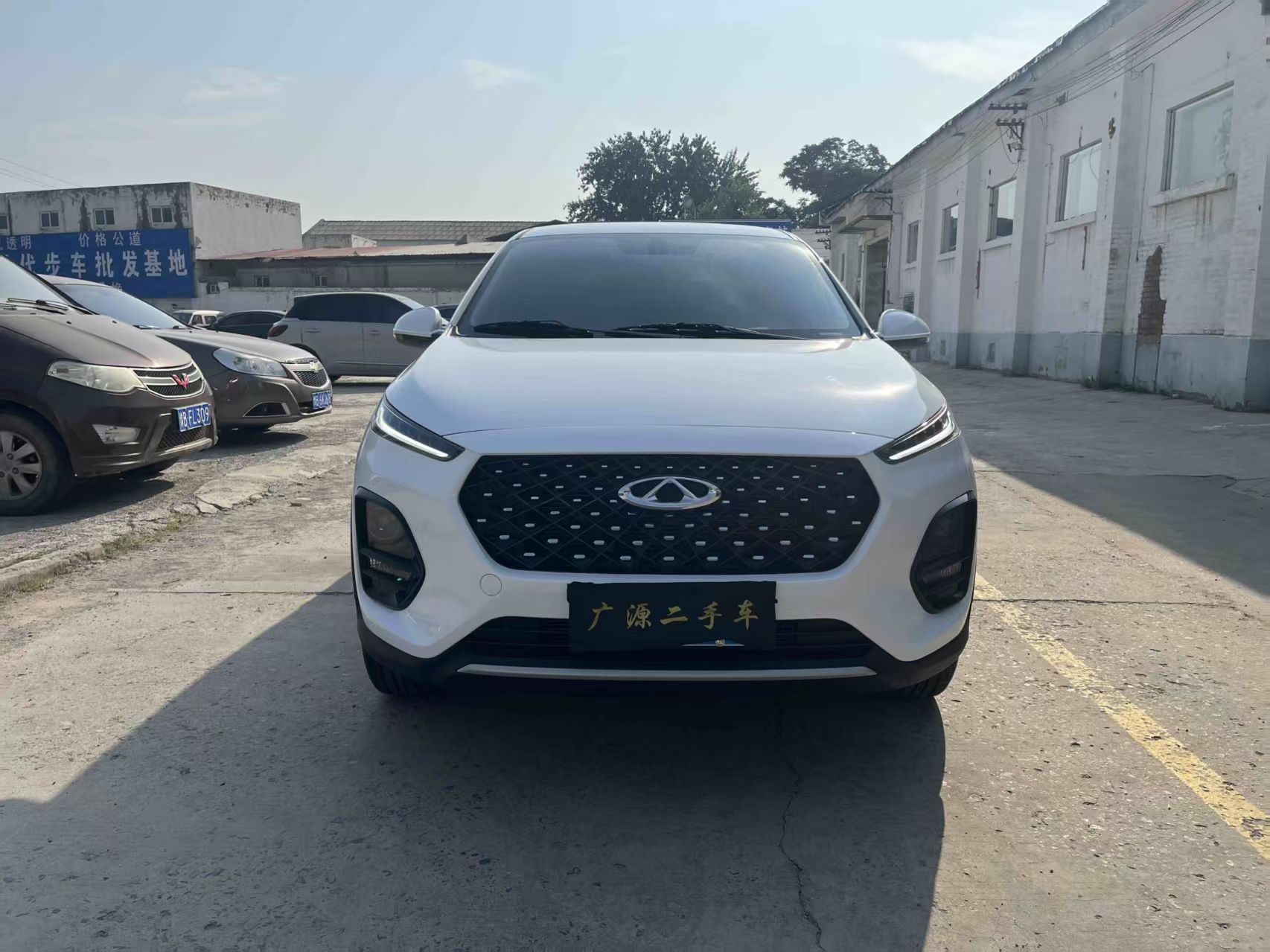
BrandChery
SeriesTiggo 3x
Year2021
First Registration2021/08
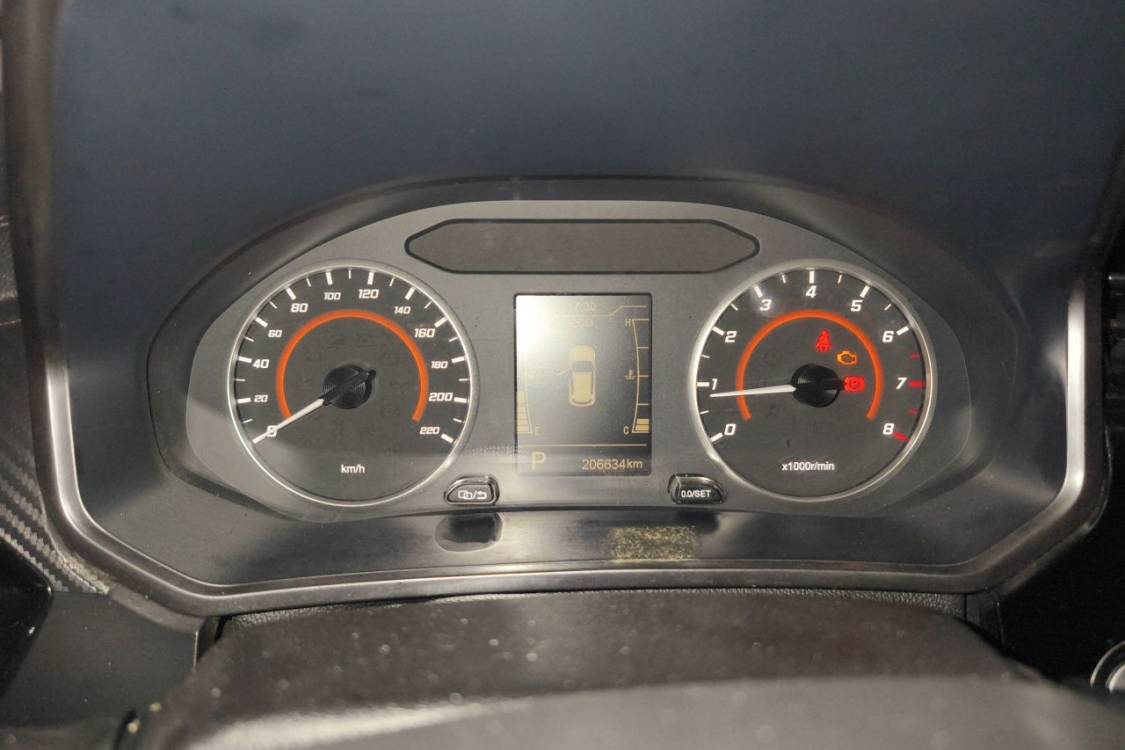
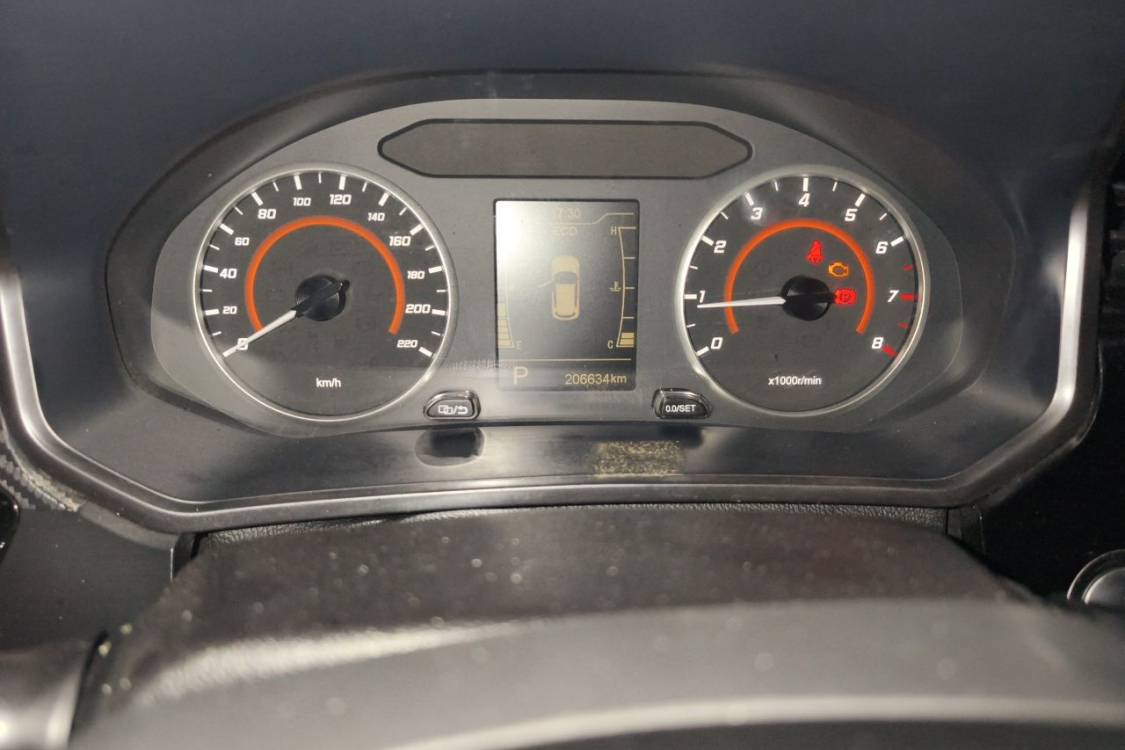
Mileage206,600km
Transfer Count-
FuelGasoline
TransmissionCVT
Engine1.5L 116 L4
ColorWhite
Seats-

Condition Description

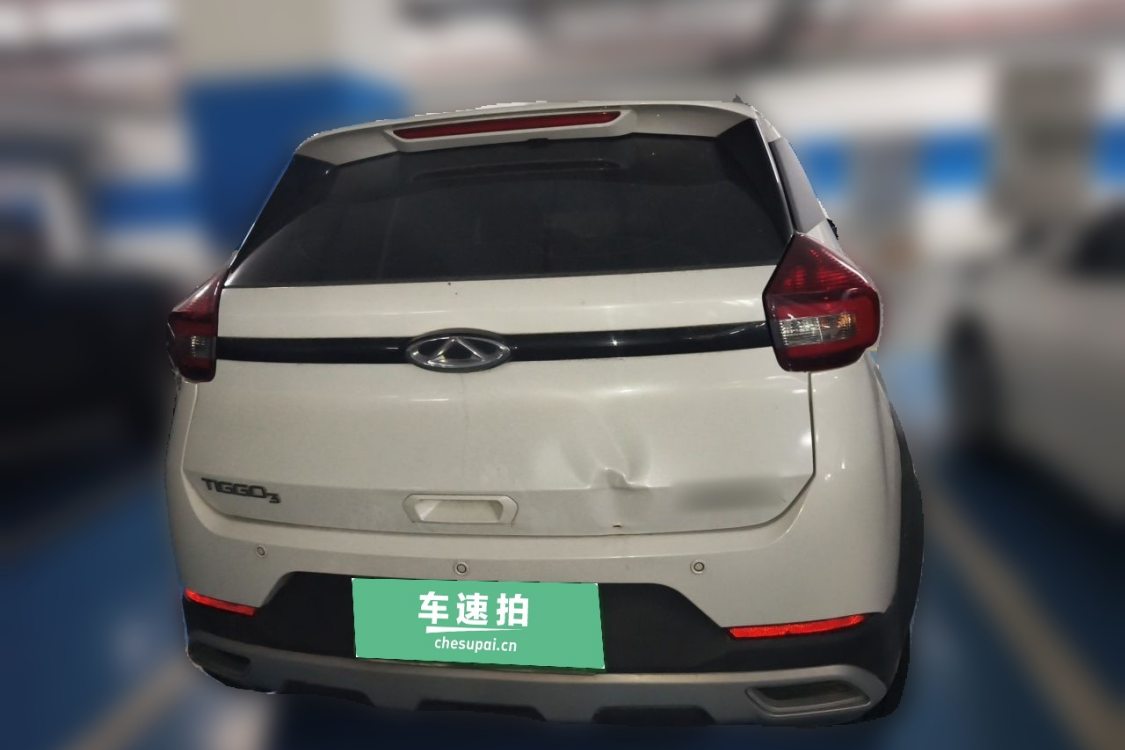
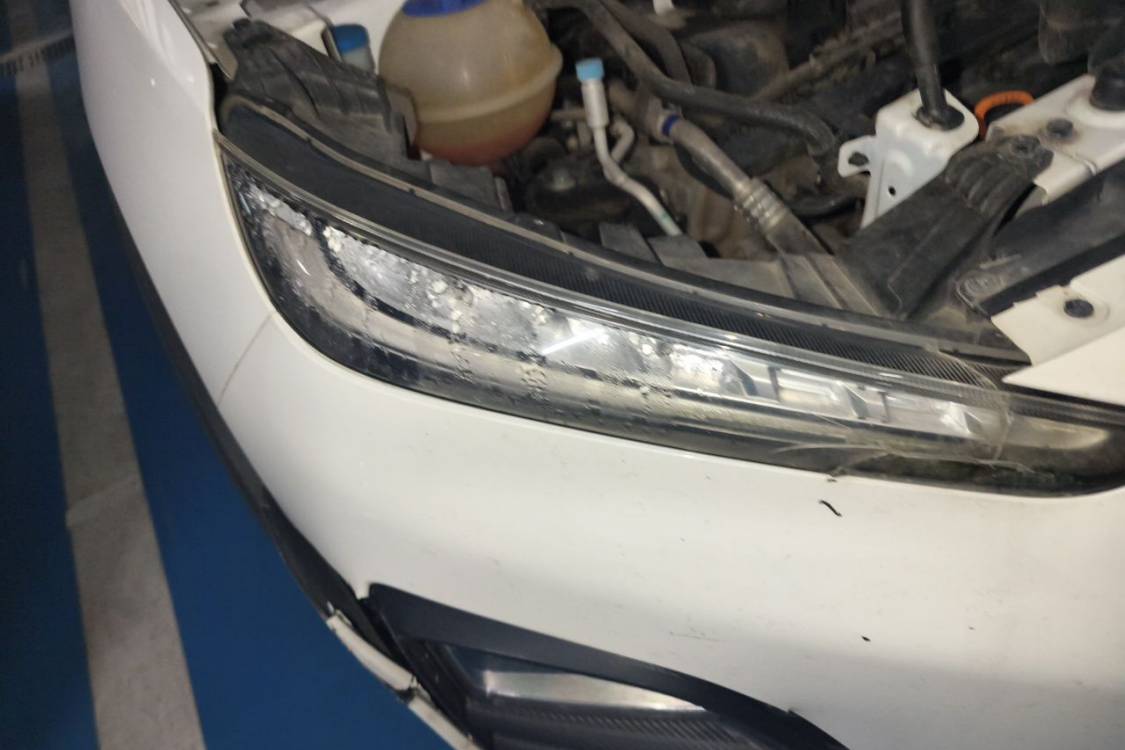
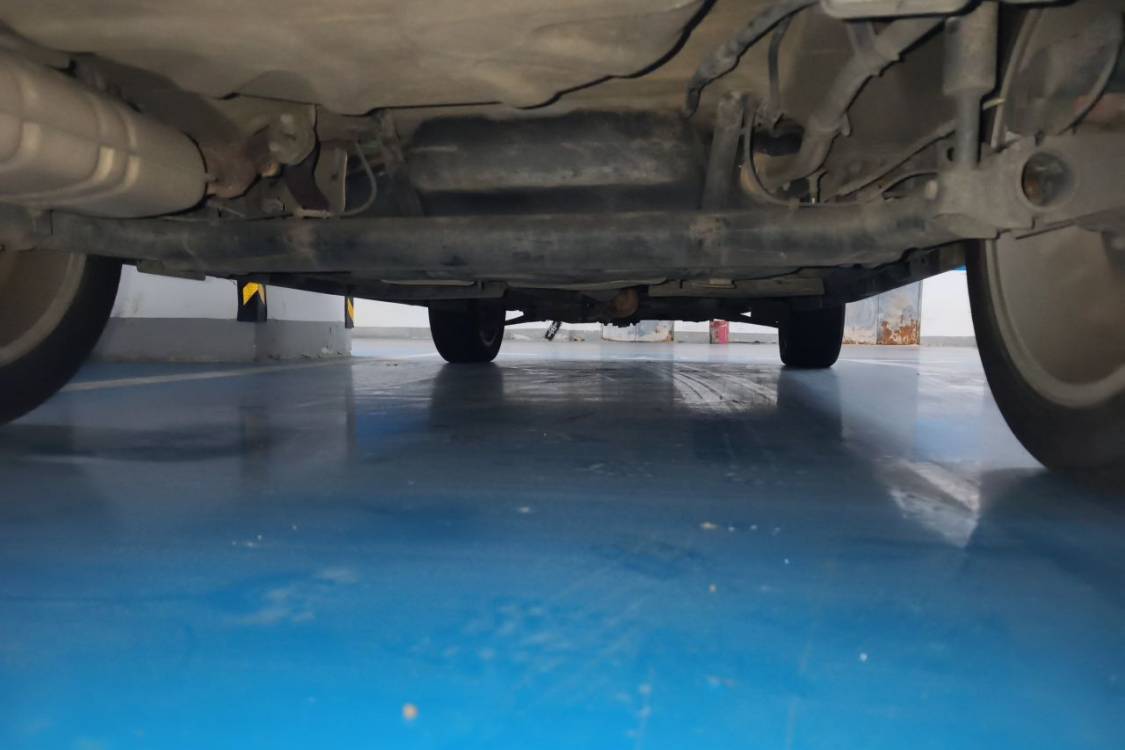
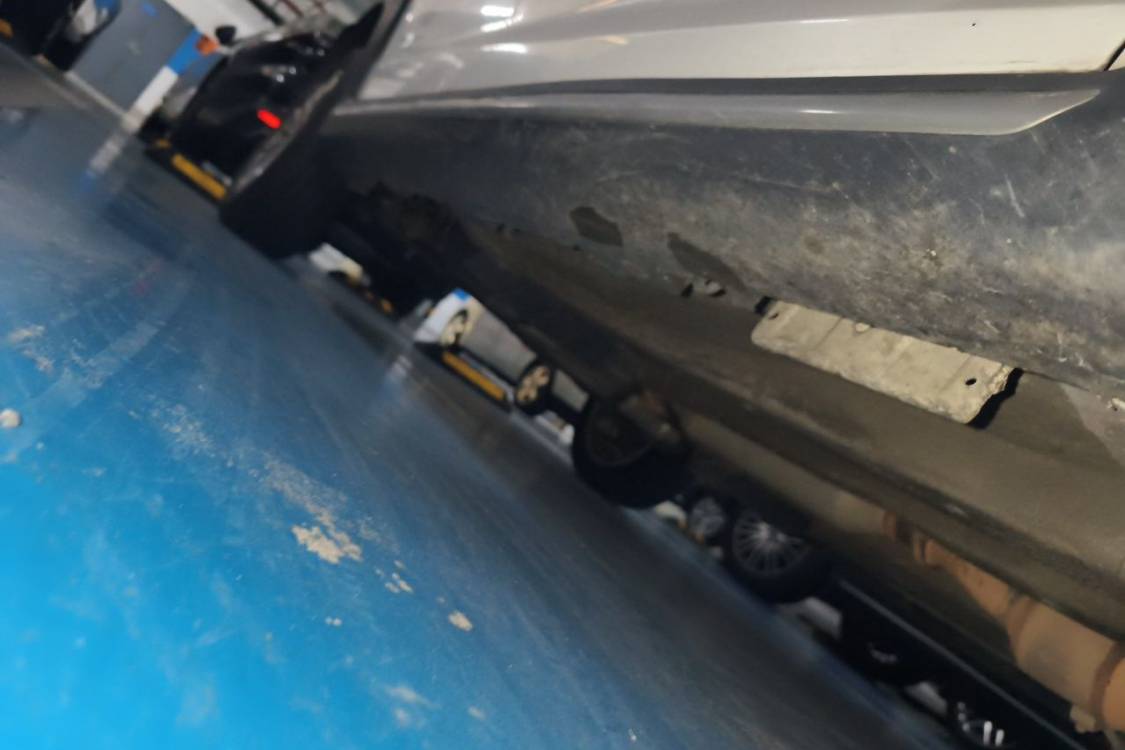
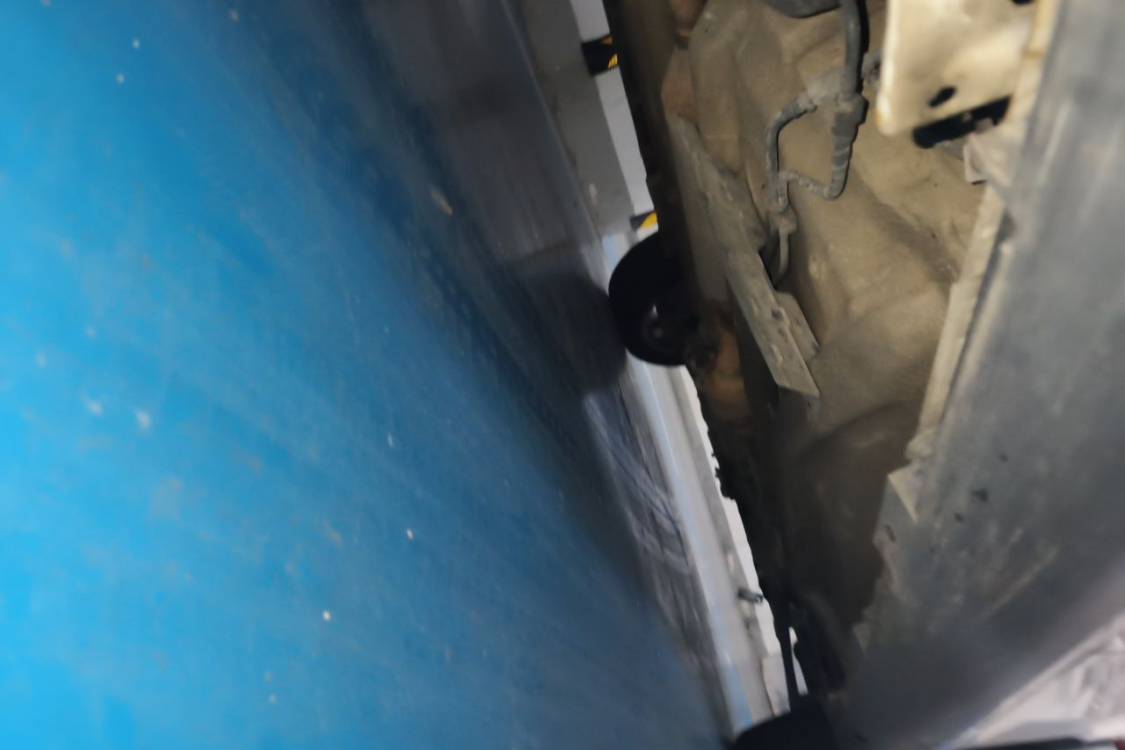
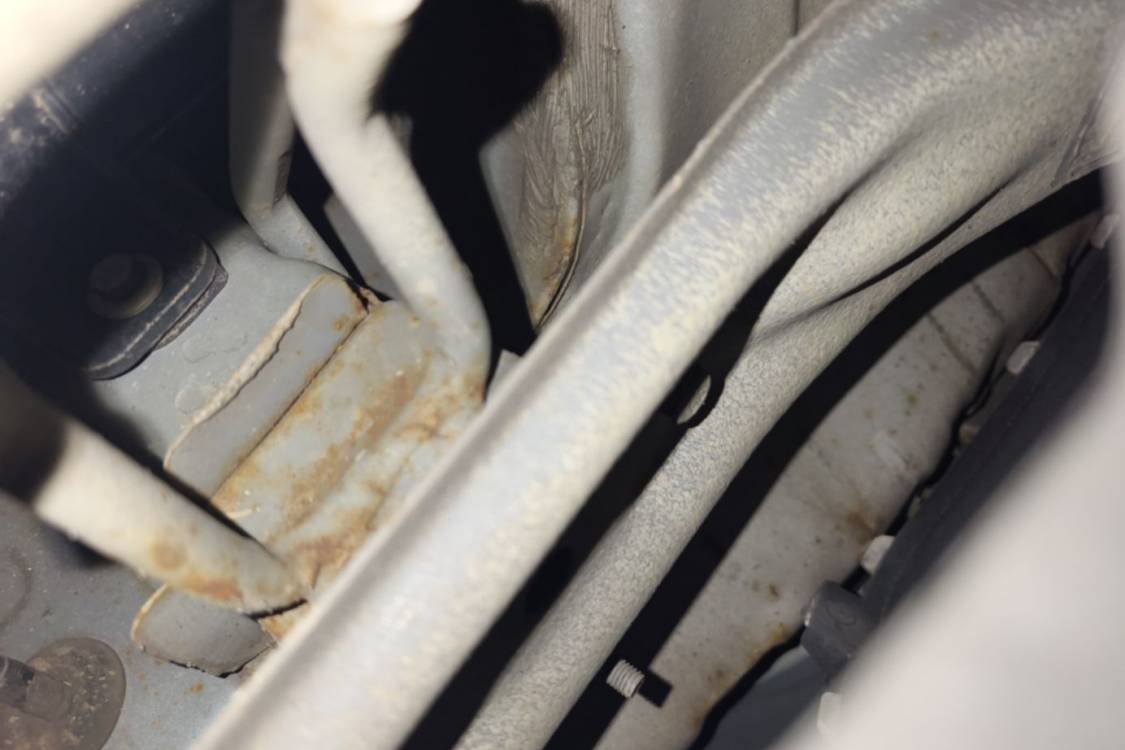
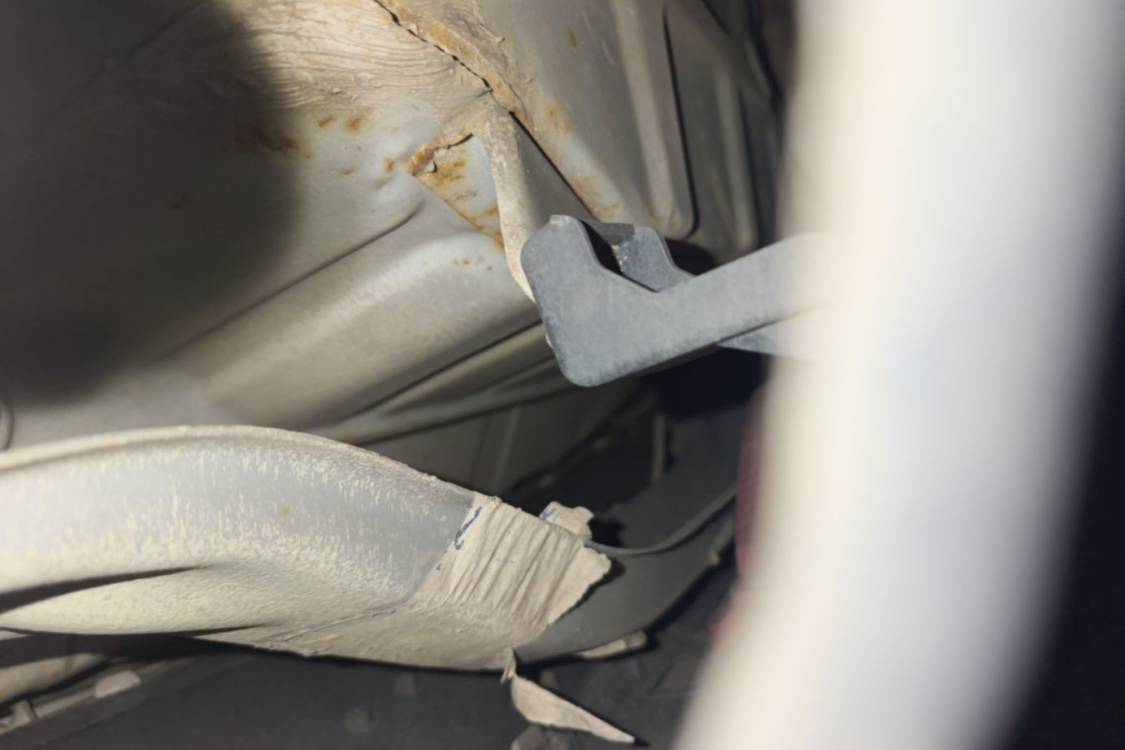
Vehicle has major accident/fire/flood damage or major defects in power battery components (structural, reinforced, or panel parts), repaired or unrepaired, still affecting body structural strength or safe use, with hidden fault risks.

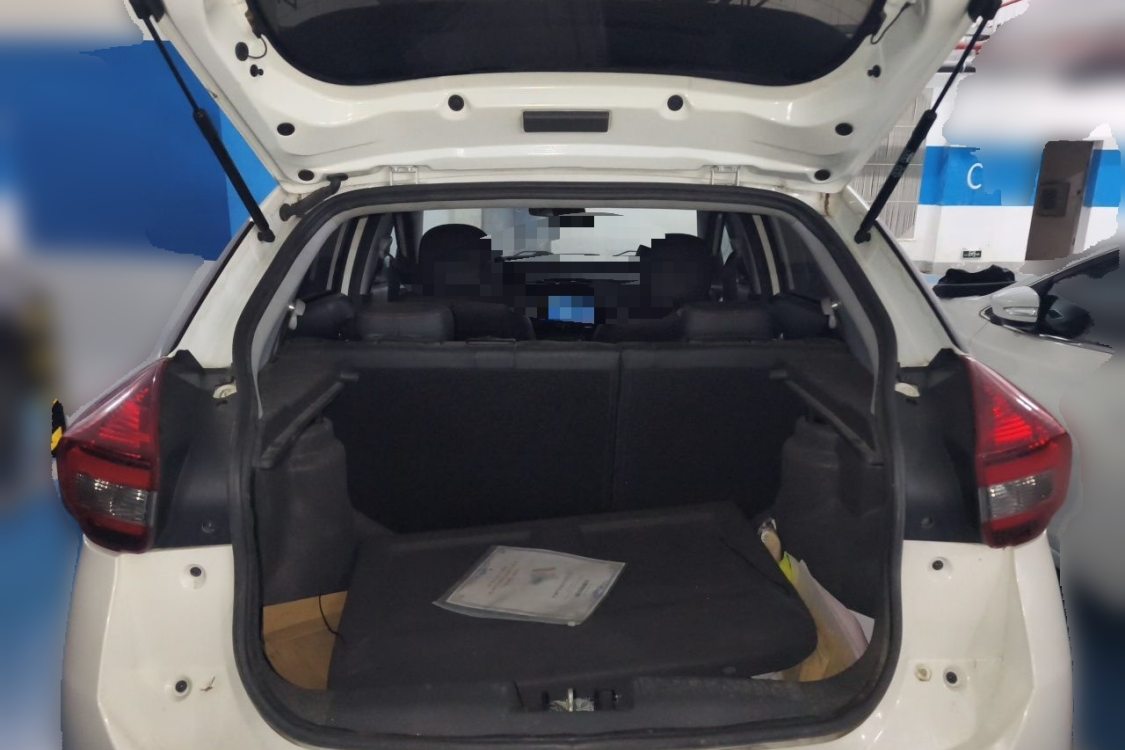
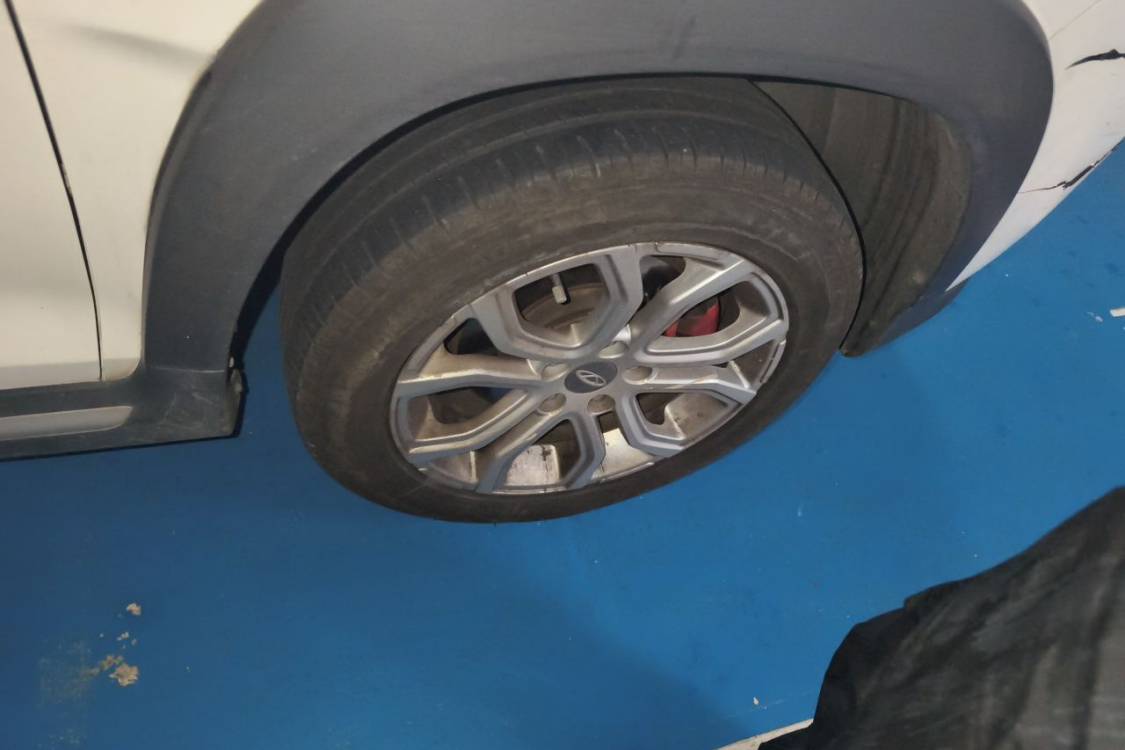
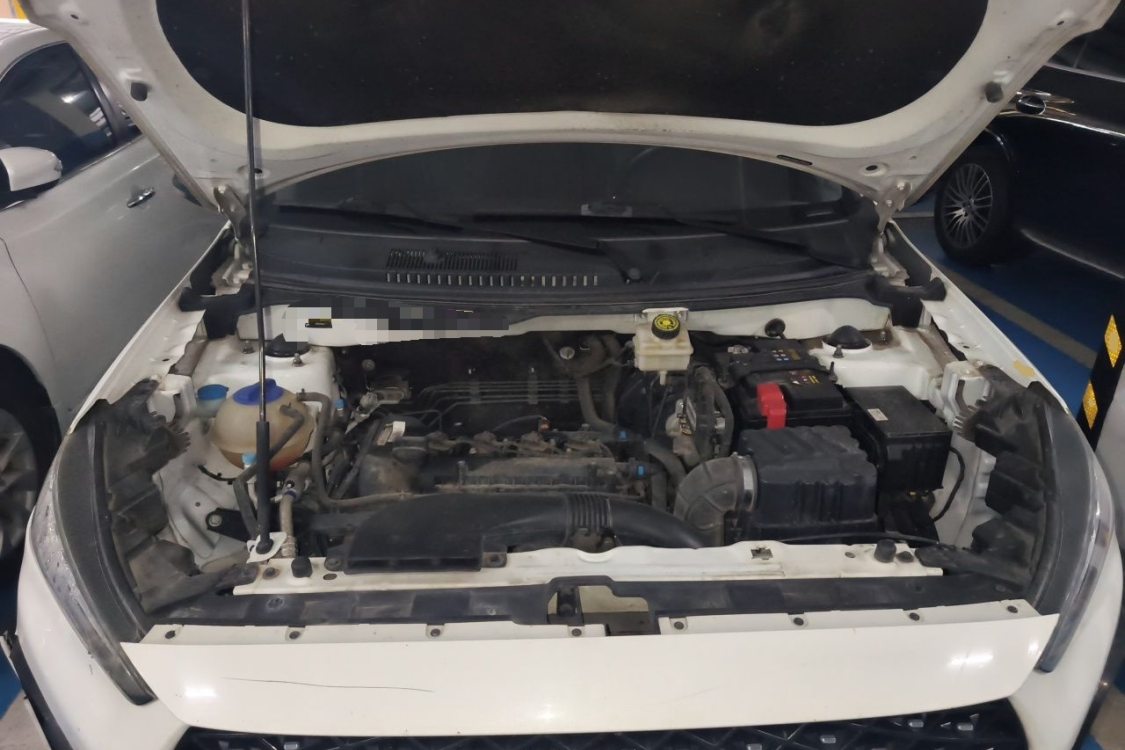
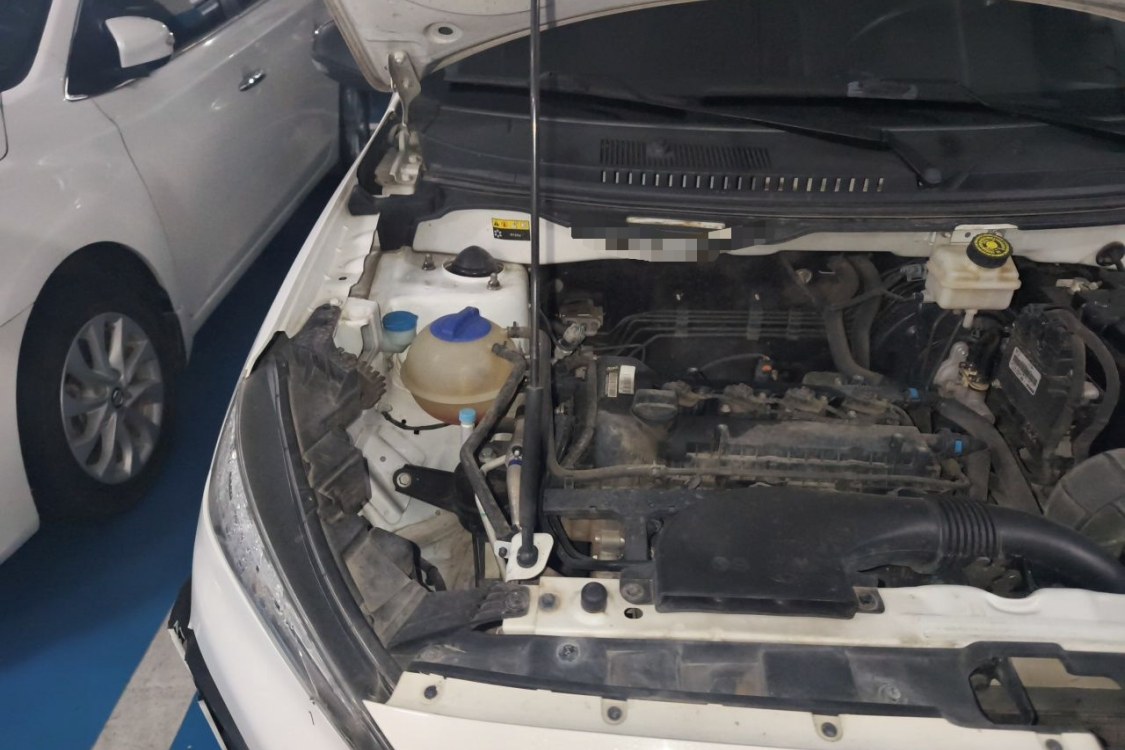
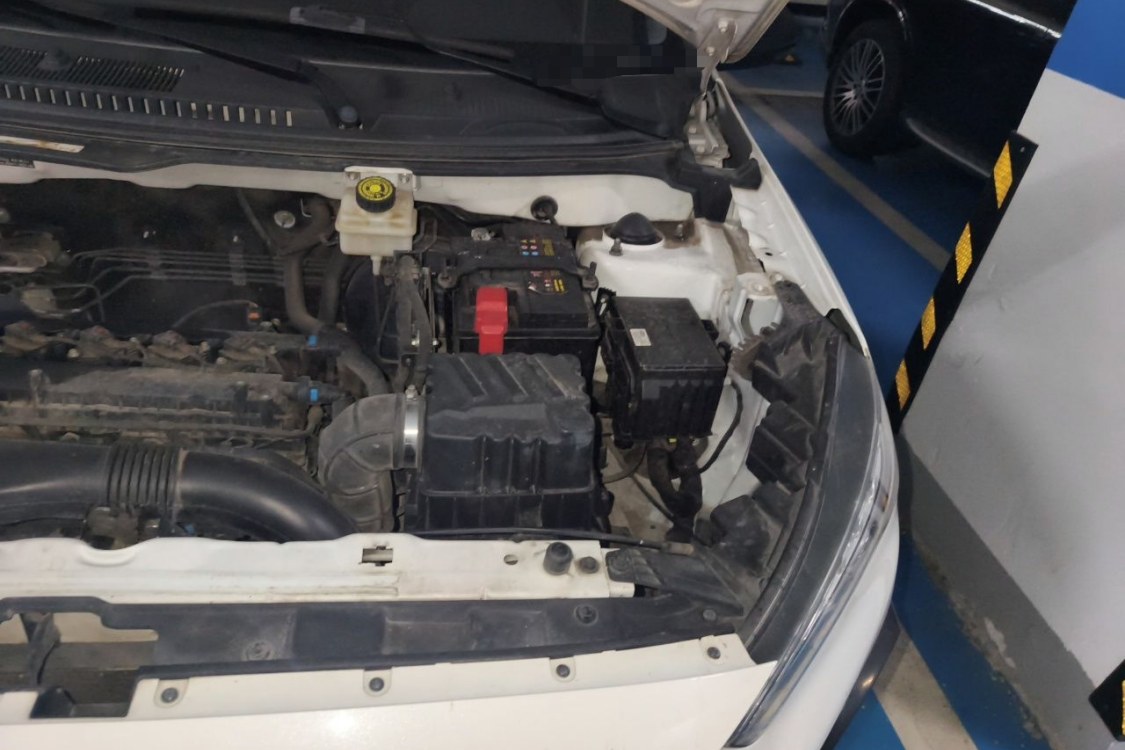
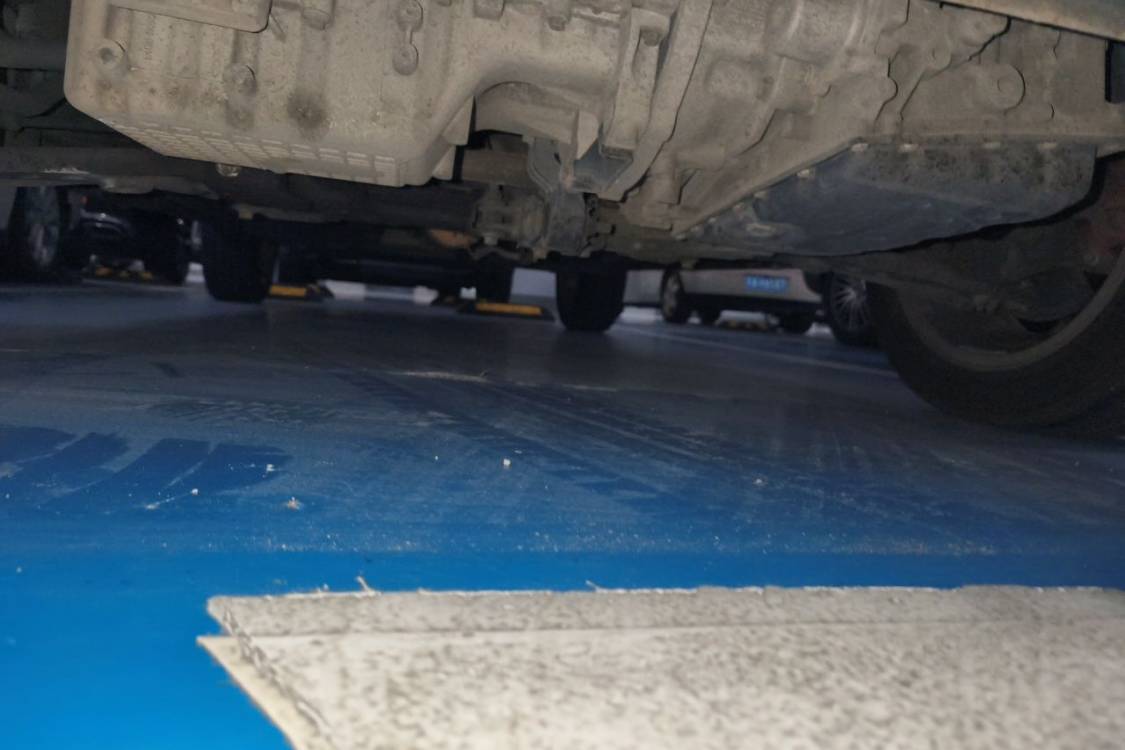
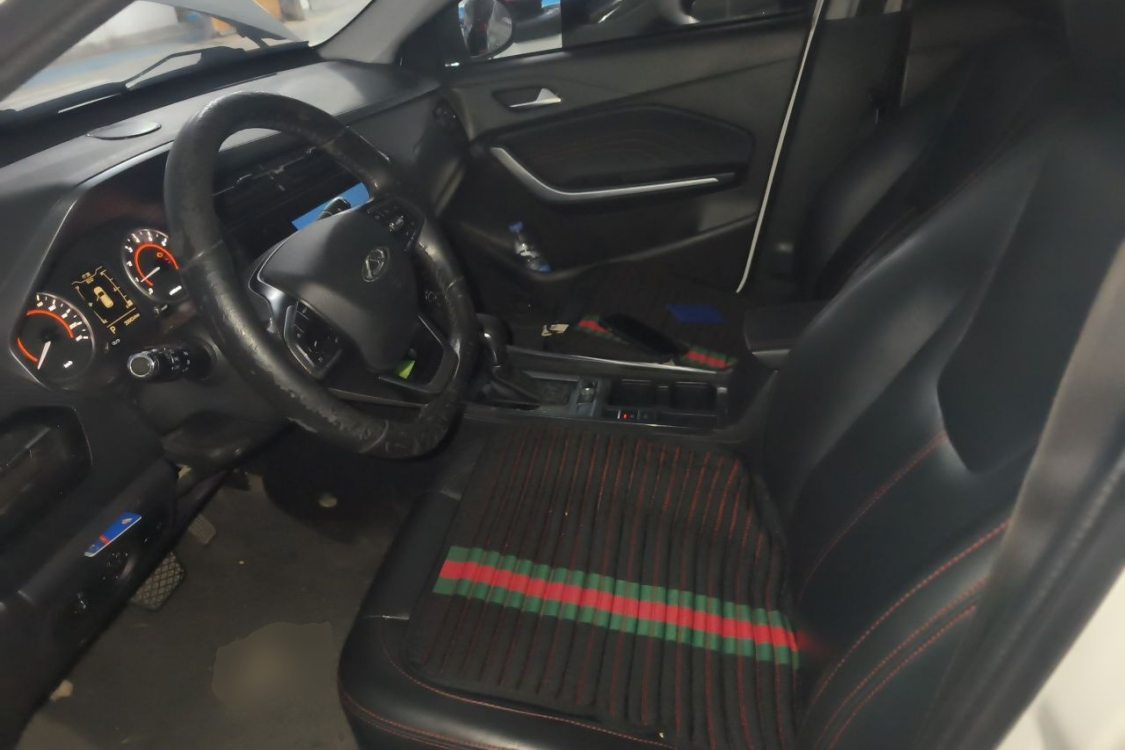
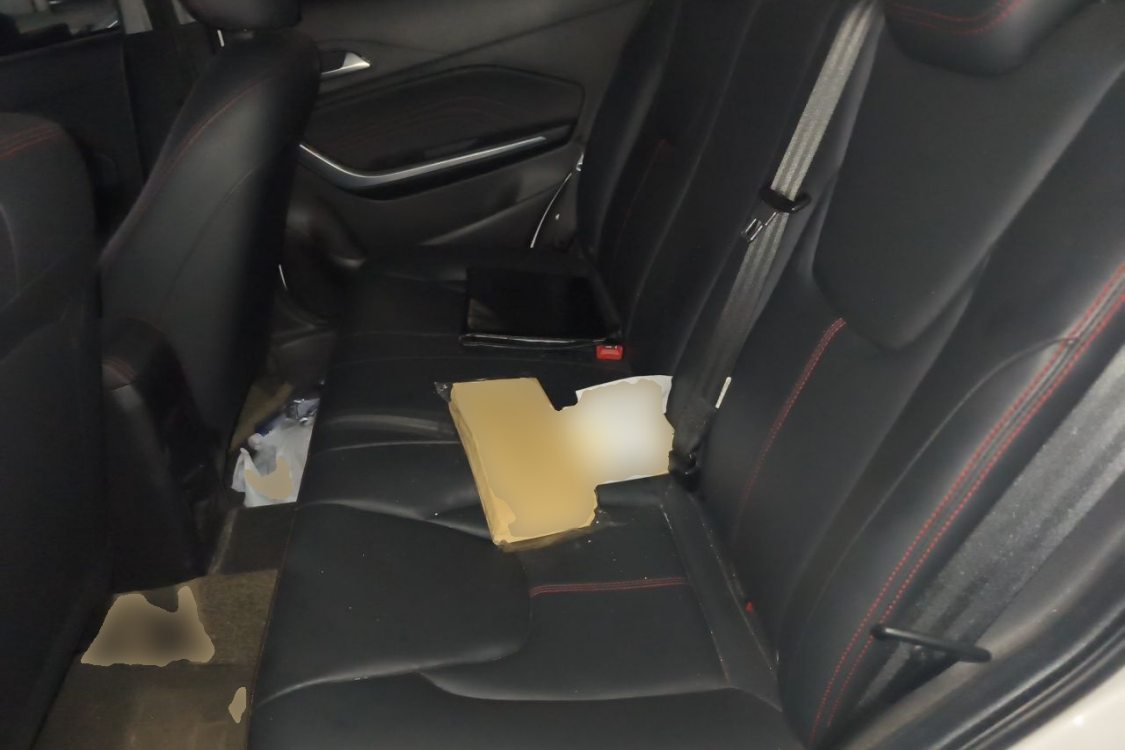
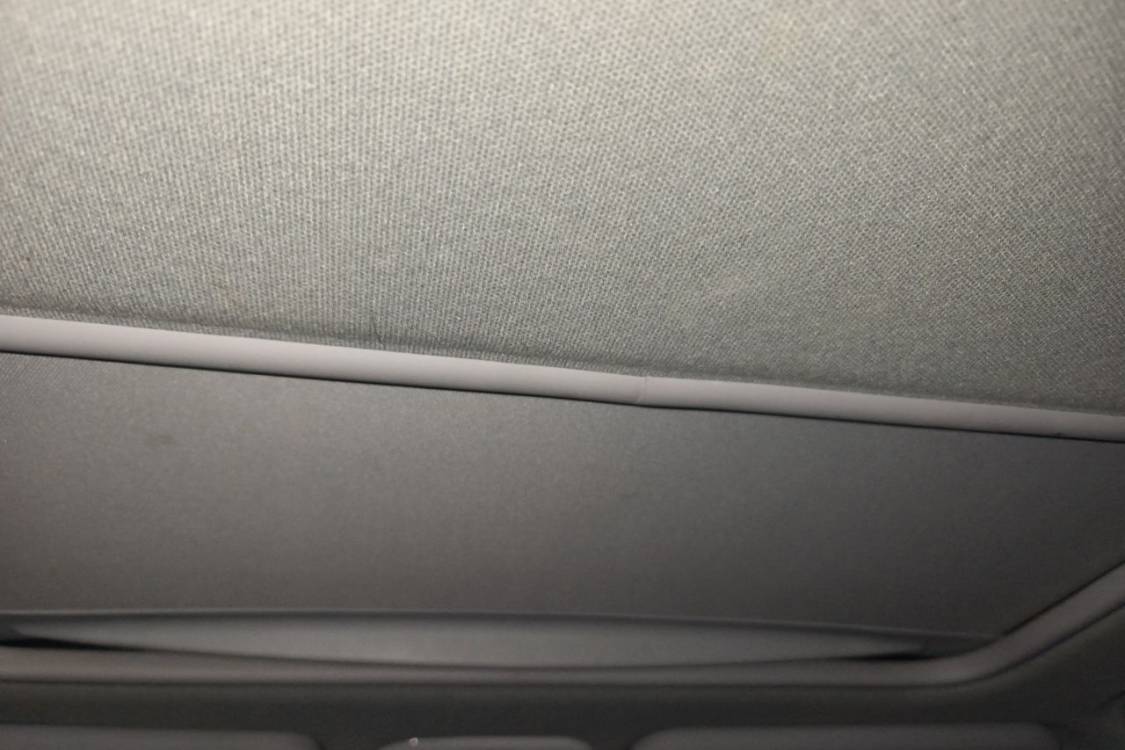
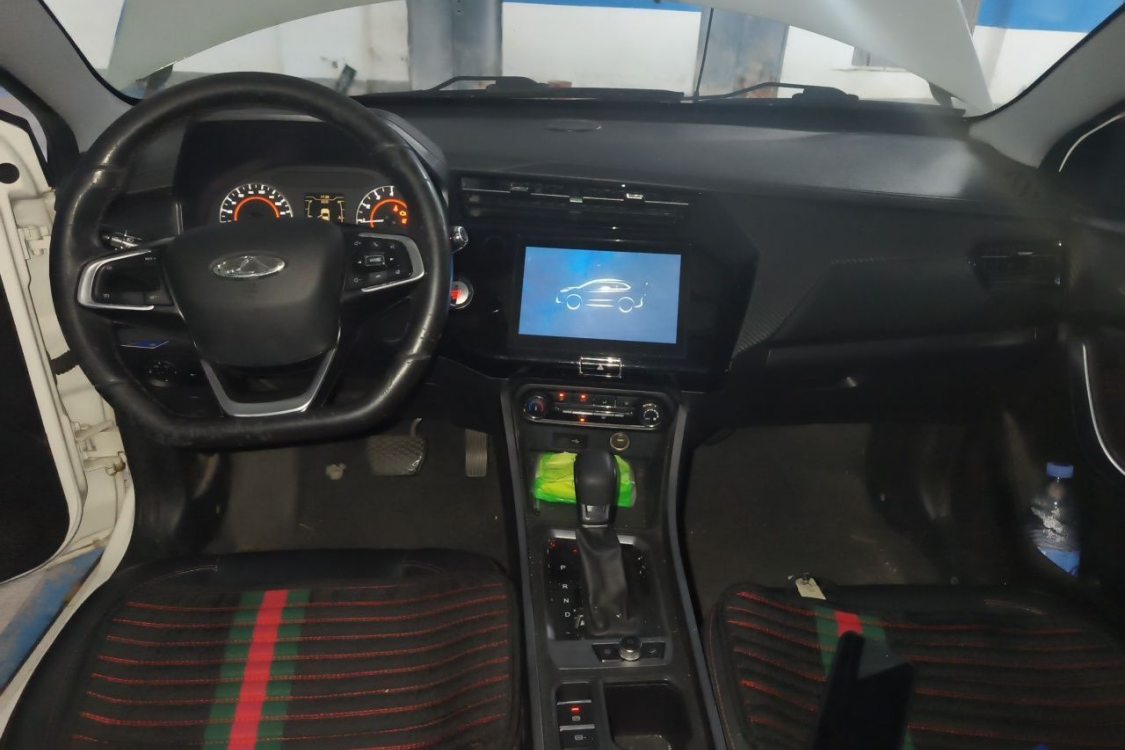
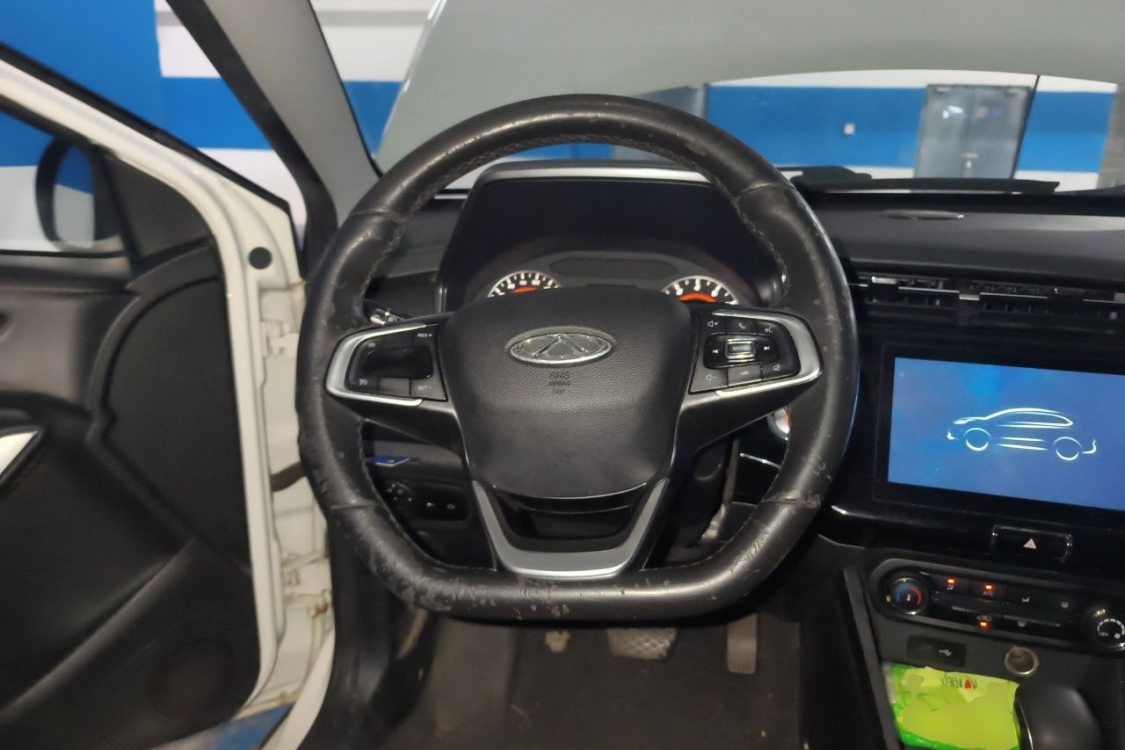
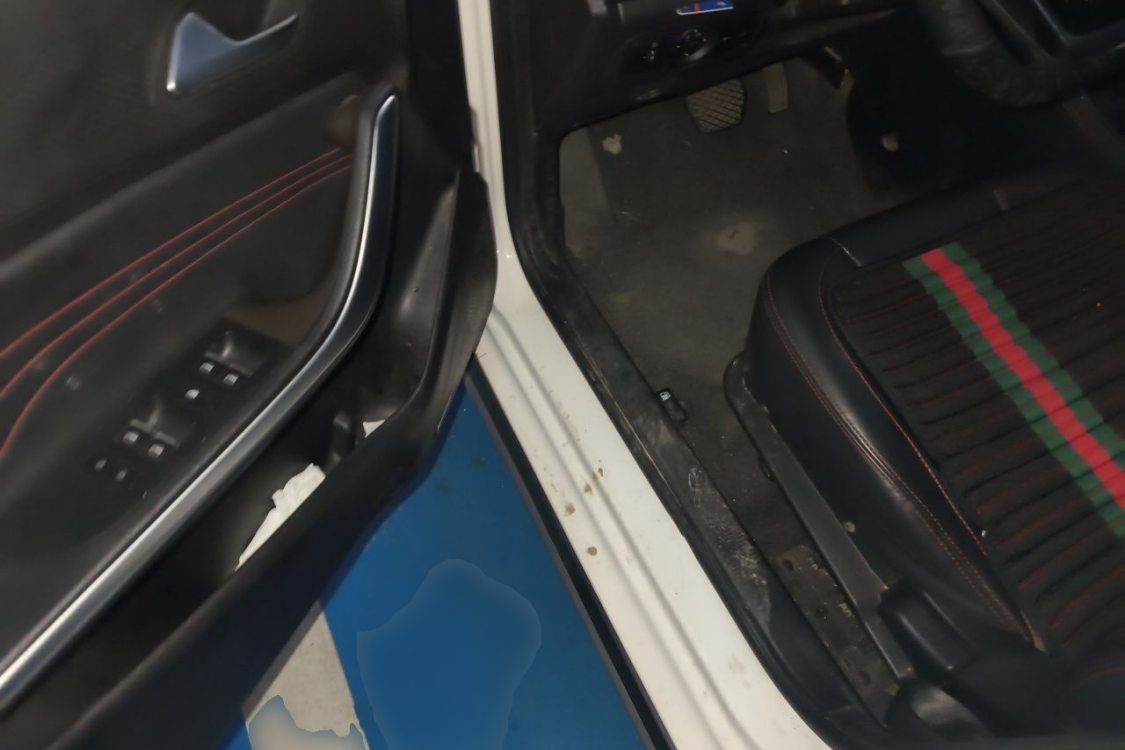
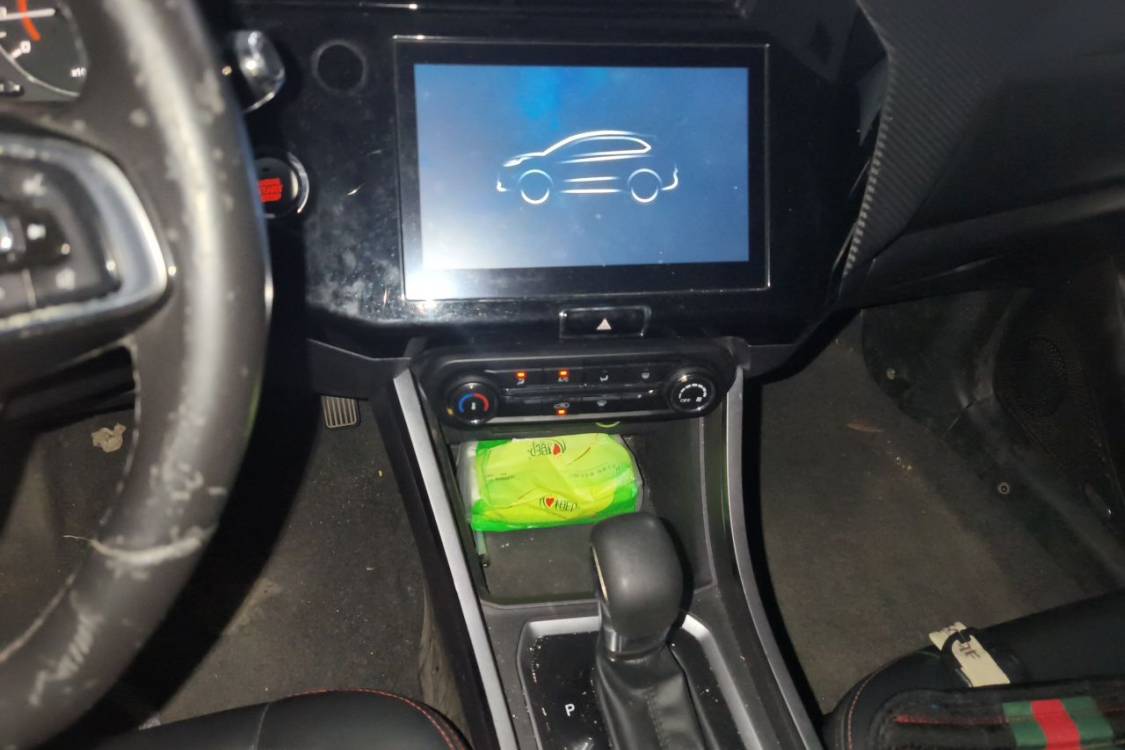
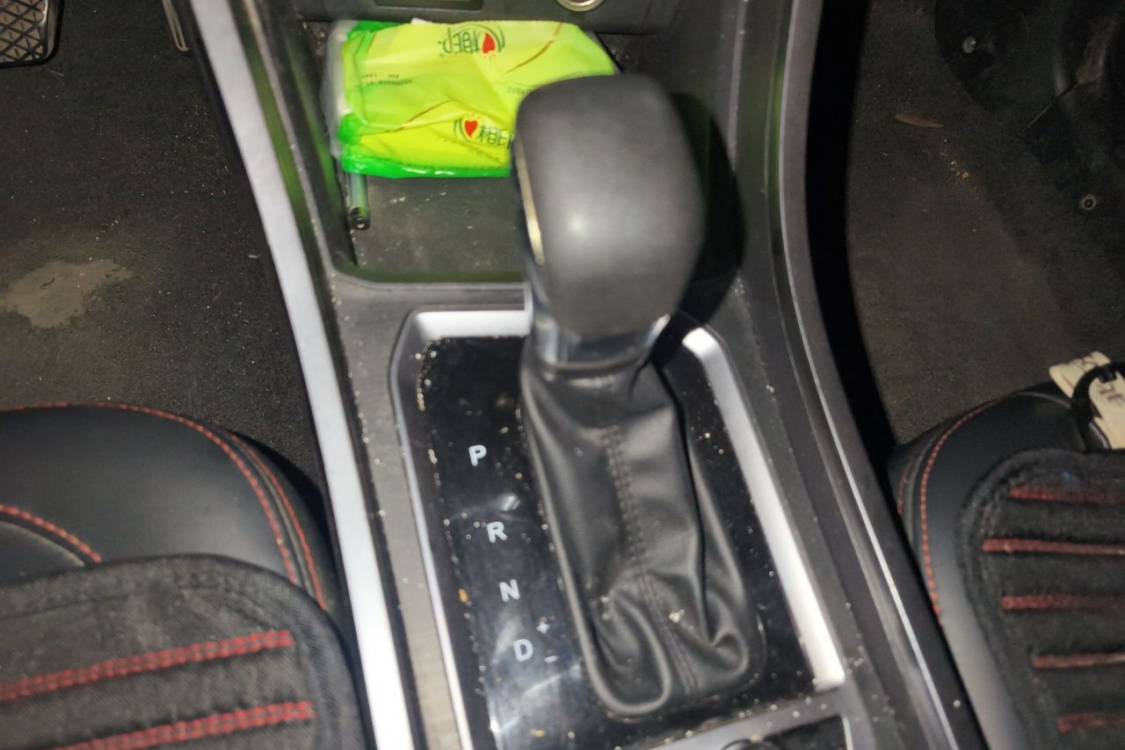
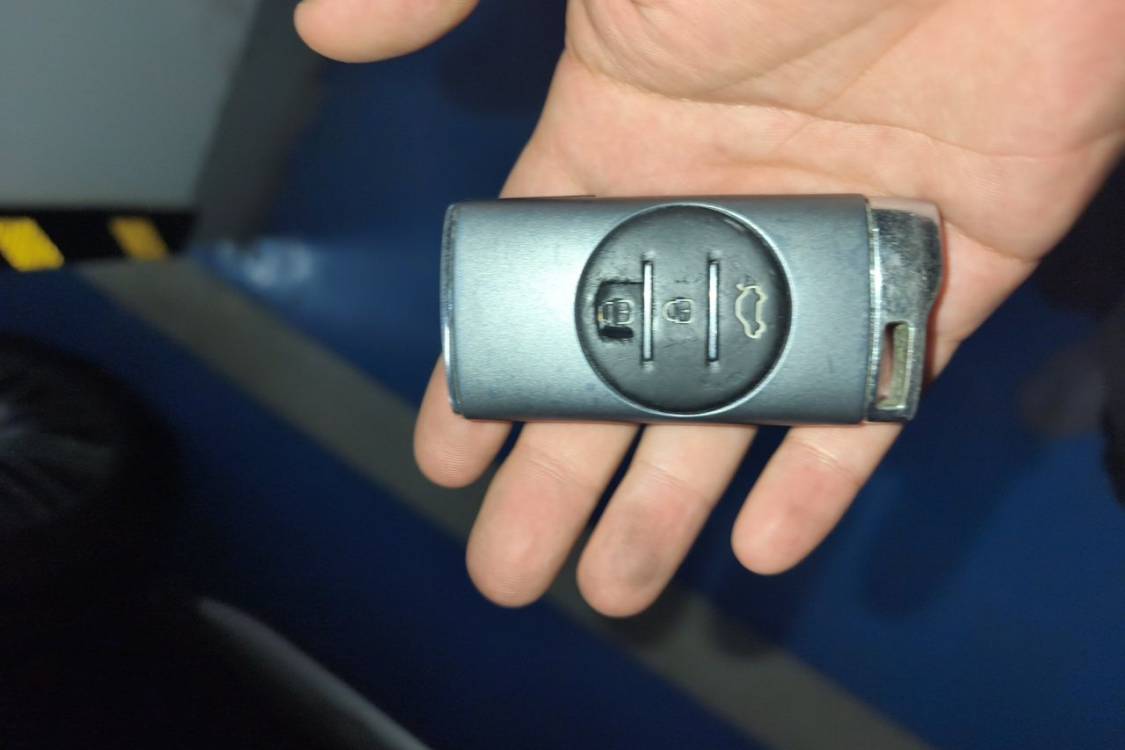
Accident inspection: main structure damaged, reinforced parts damaged, panels undamaged, hinges normal. Engine bay: engine assembly repaired/disassembled. Exterior: 1 replaced part, 1 repainted area. Interior: most features normal, airbags normal, seatbelts normal, dashboard normal, instrument readings normal, lighting system normal. Startup check: major components normal. No onboard tools.

独家上新
电话直连
可讲价
平台物流
可转售
公户车
零过户
新检测标准升级>
非泡水

Document Information

Inspection Expiry Date2027/08
Warranty Expiry Date-
Insurance Expiry Date2027/08

Q&A

More

What level of condition should overseas buyers expect for cars older than 5 years?

Maintain objective expectations. Vehicles over 5 years old inevitably show signs of decreased paint gloss, slight aging of rubber seals, irreversible patina on interiors, and surface rust on chassis components. As long as core structure and mechanical failures are not involved, these are normal depreciation characteristics over time.
Can you export newer Chinese cars to the U.S. market (which requires vehicles to be at least 25 years old to be exempt from FMVSS)?

Absolutely not. The U.S. DOT and EPA have strict import restrictions on non-compliant vehicles. Any Chinese used car that is not 25 years old and not produced to U.S. standards will face mandatory crushing and destruction upon arrival at U.S. ports. We directly reject such non-compliant orders.

Will there be a thorough inspection of the aging and damaged wiring harness of older vehicles to prevent spontaneous combustion?

For older vehicles or those used in high temperature and humidity areas, we will focus on opening the hood to check if the insulation of the wiring harness in the high-temperature area of the engine compartment is cracked or brittle, to identify potential short circuit risks that could lead to spontaneous combustion.