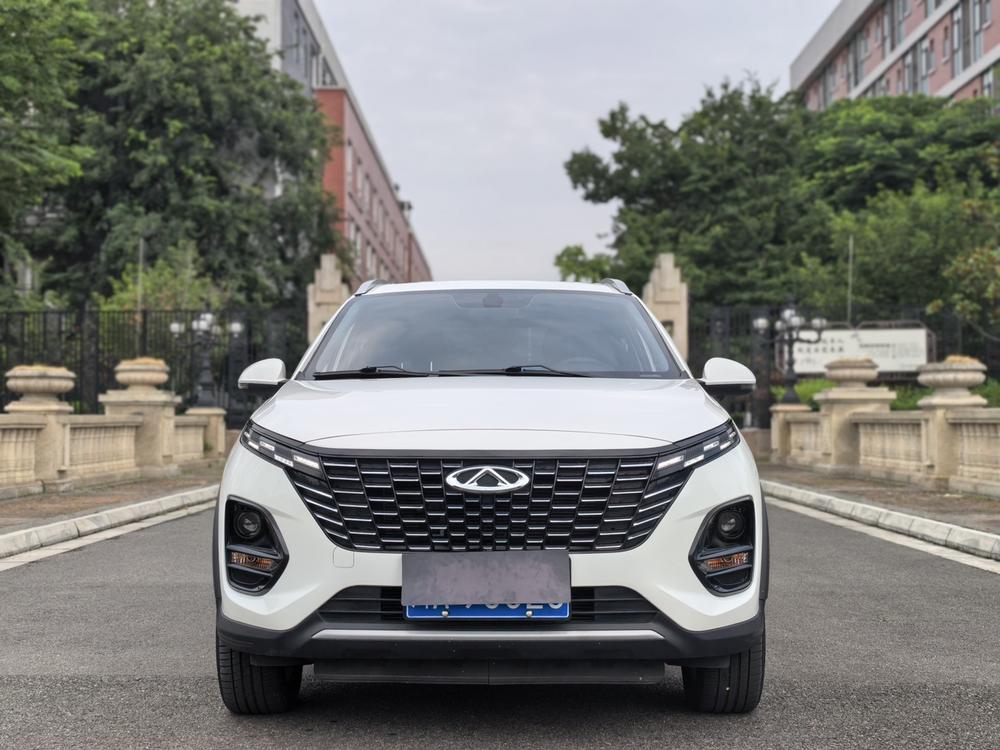
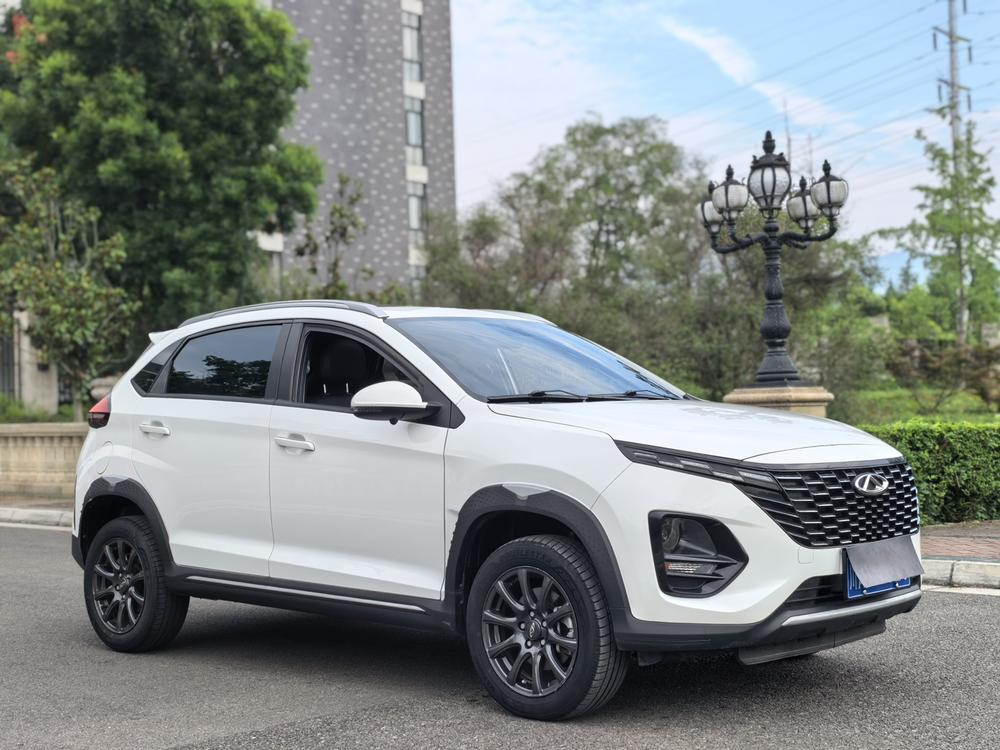
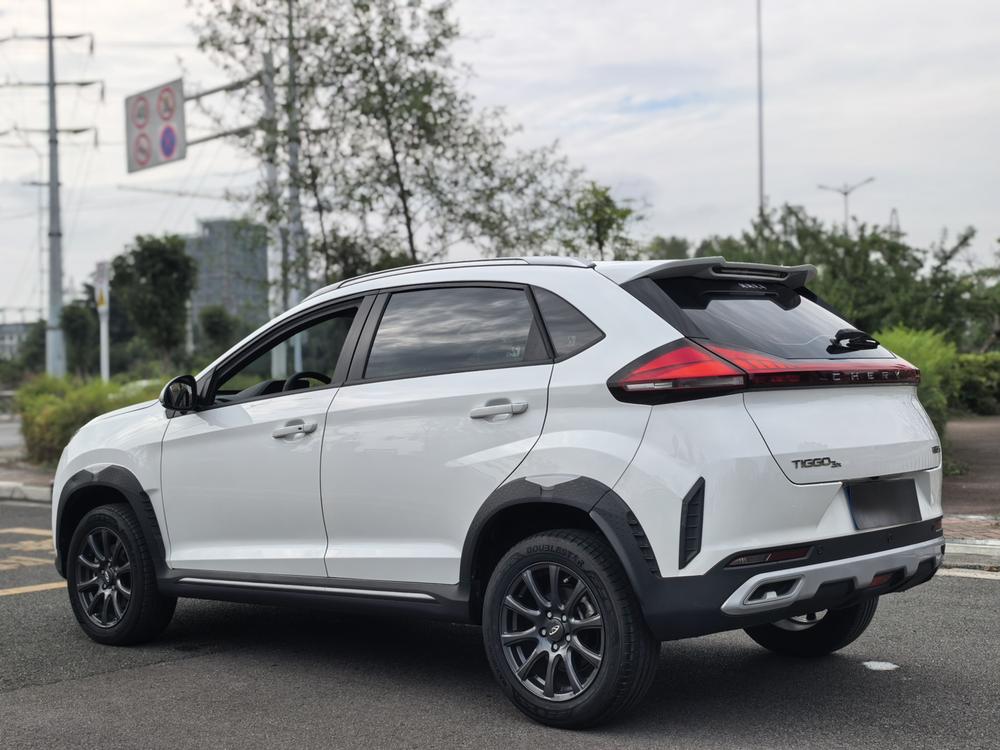
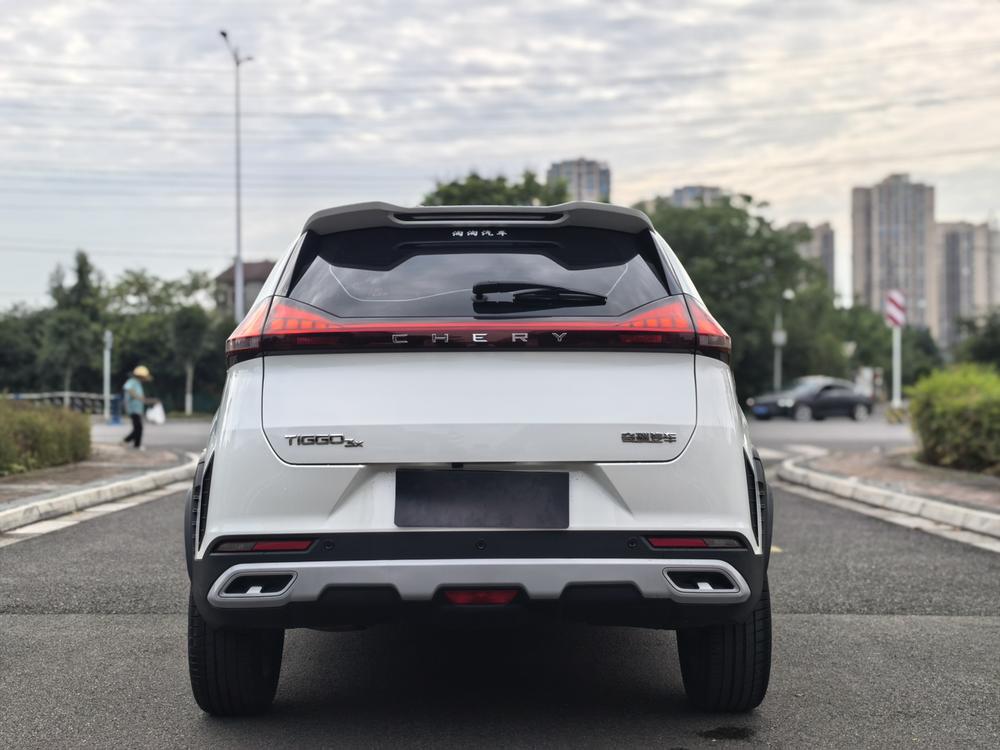
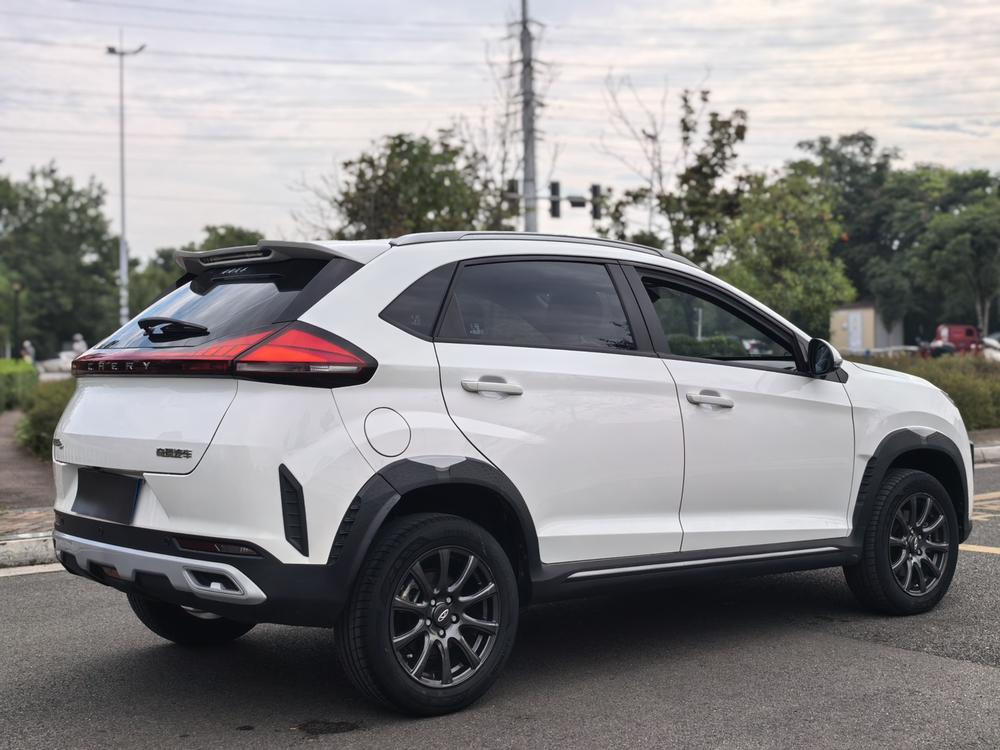
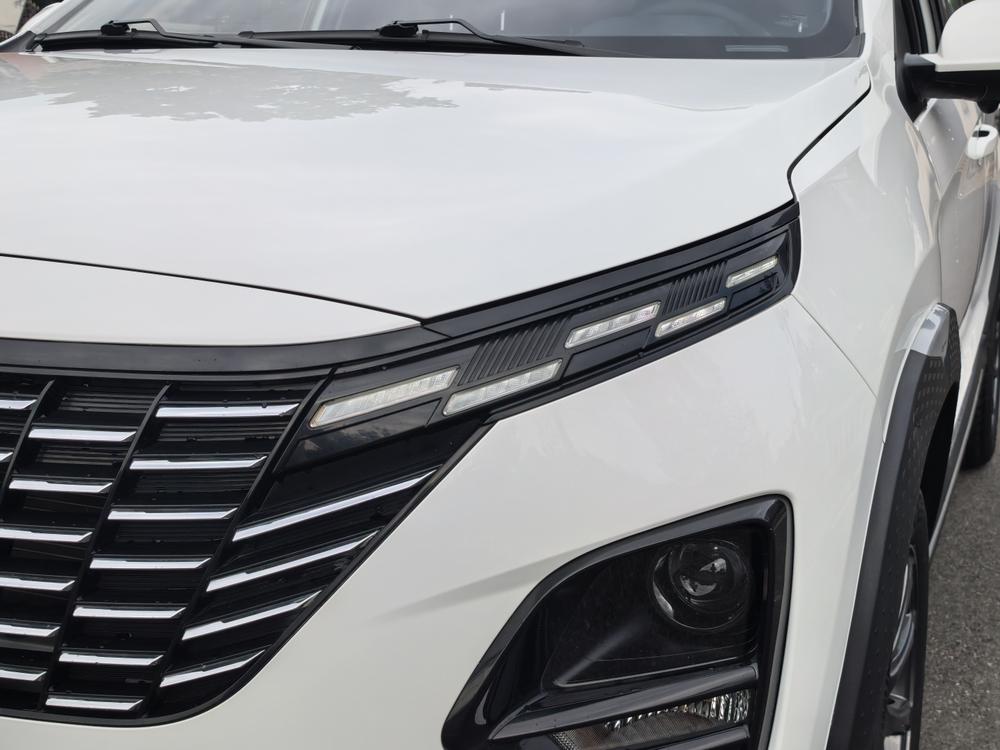
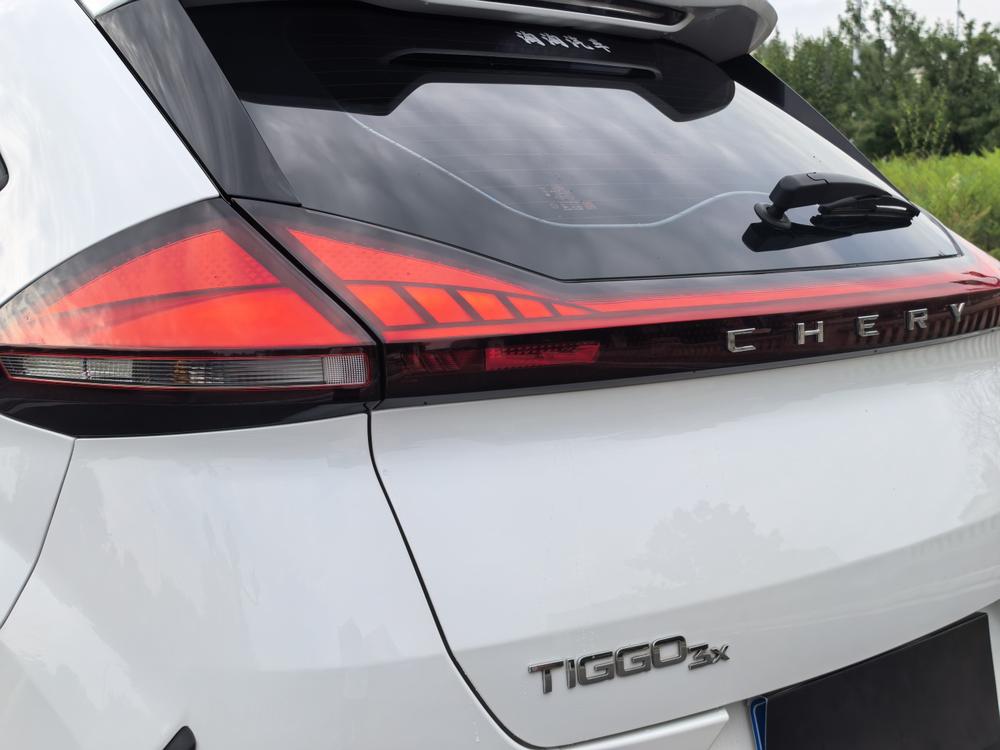
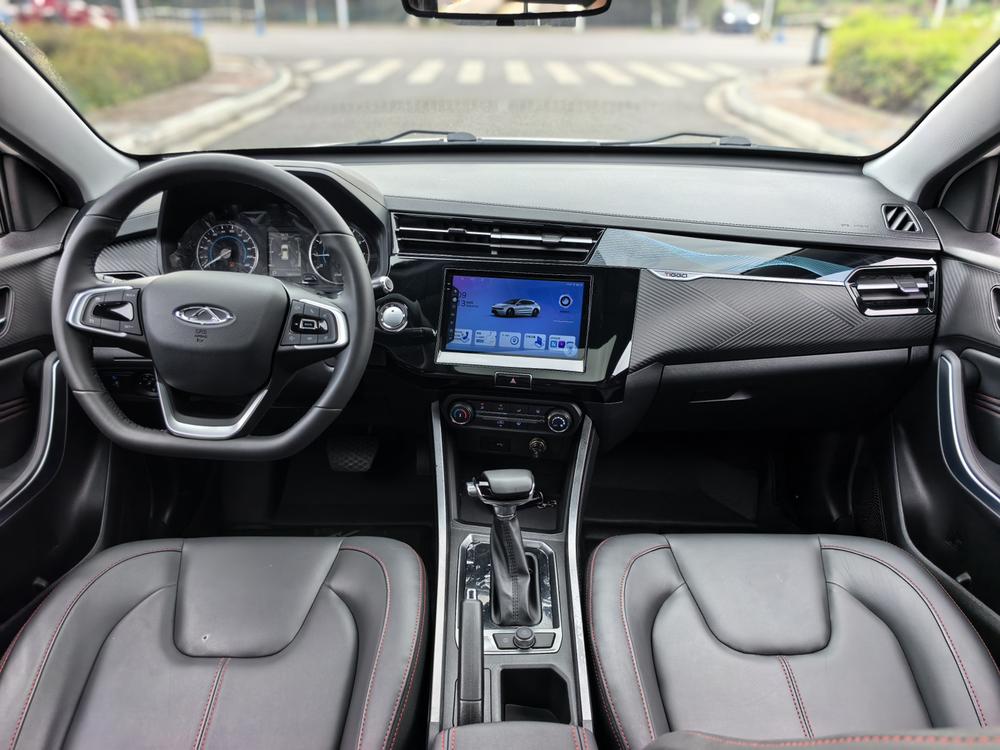
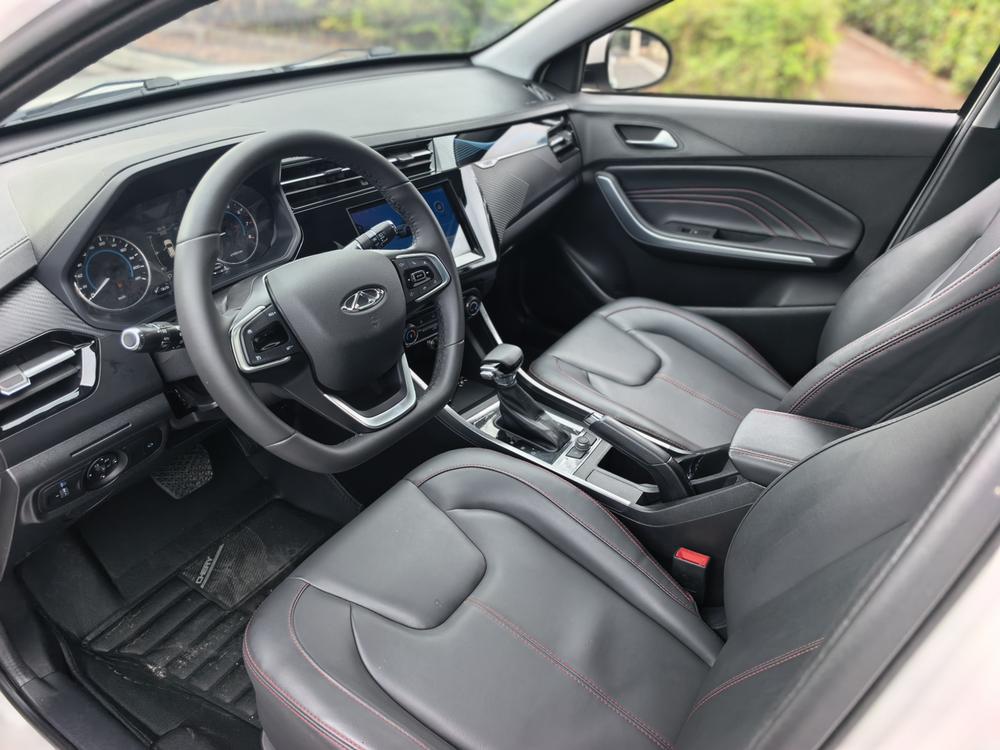
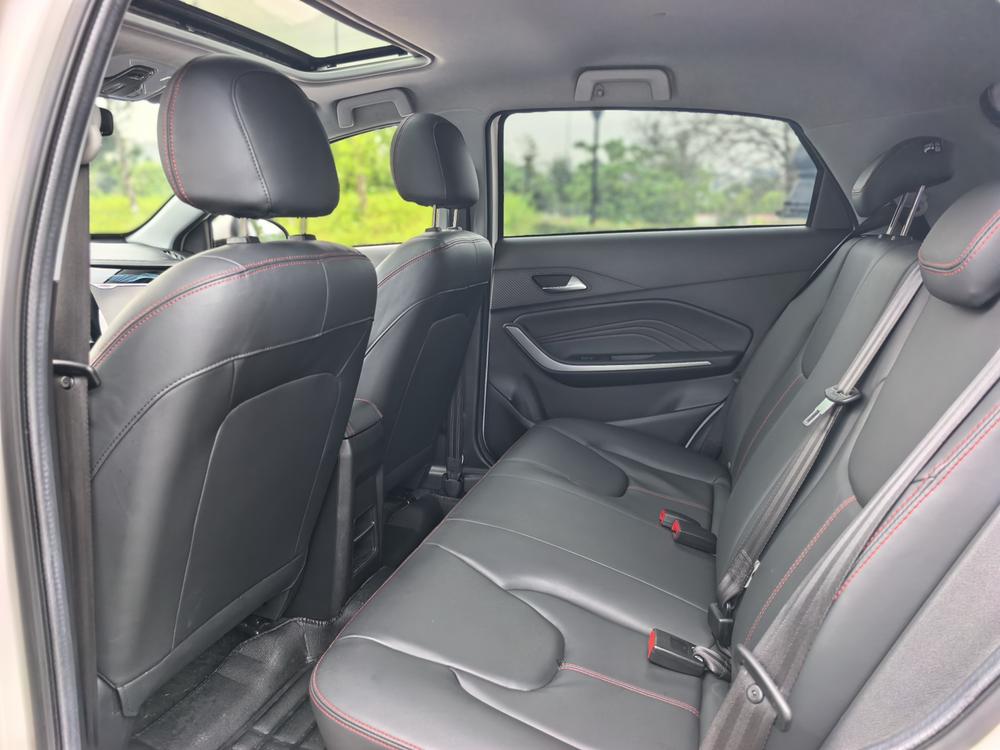
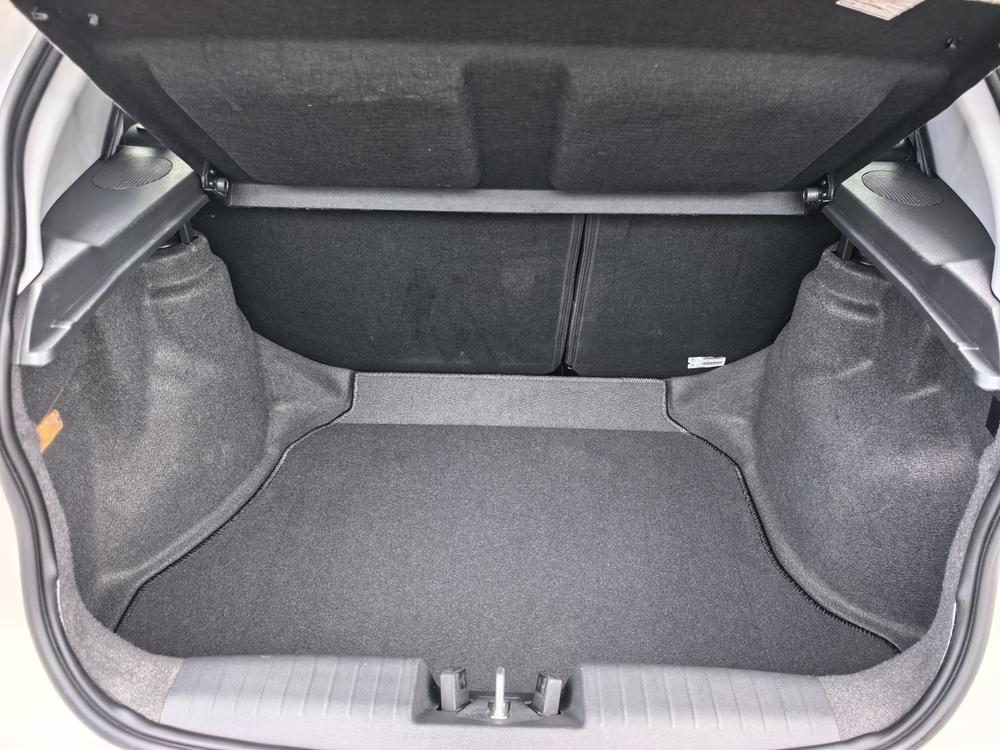
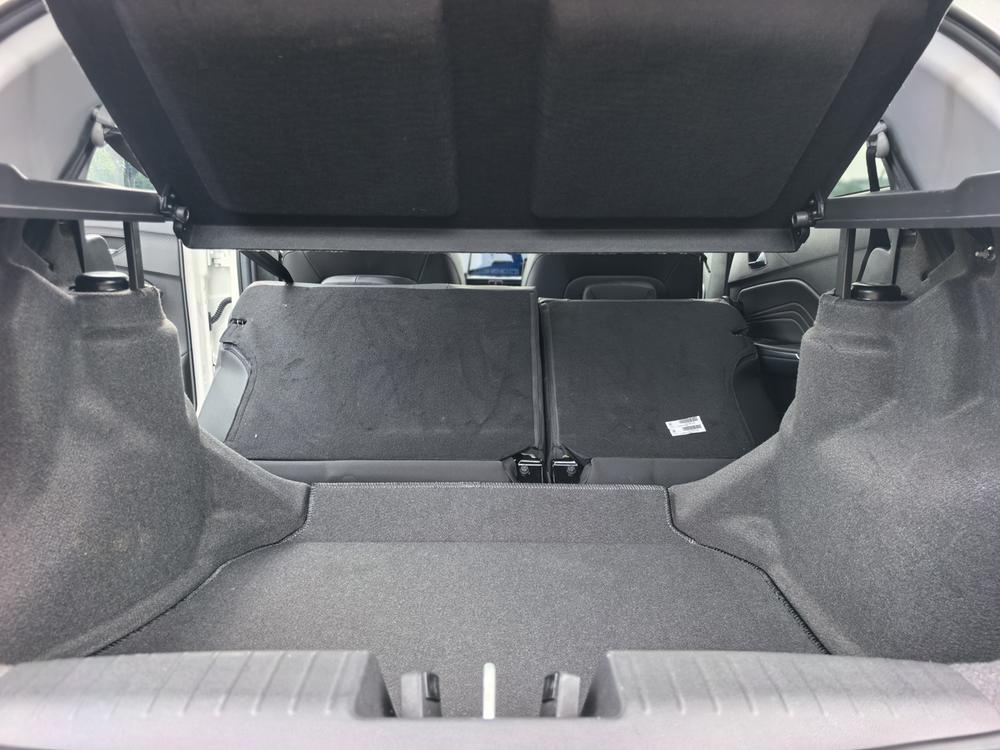
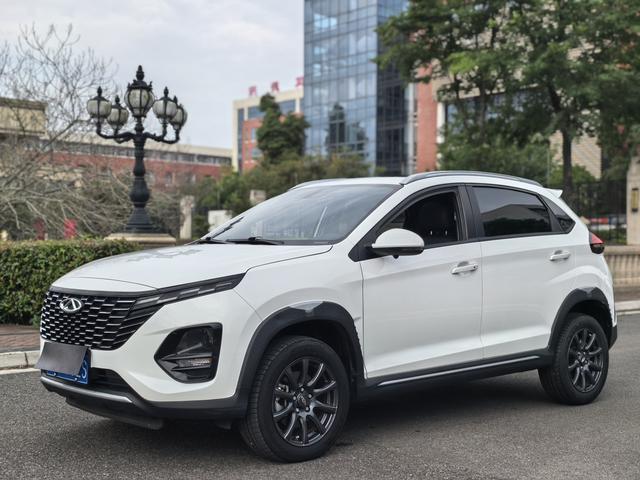



Stock

Basic Information

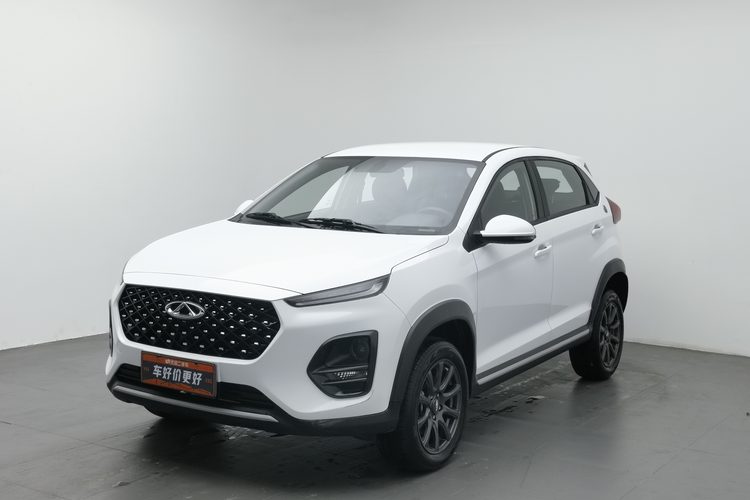
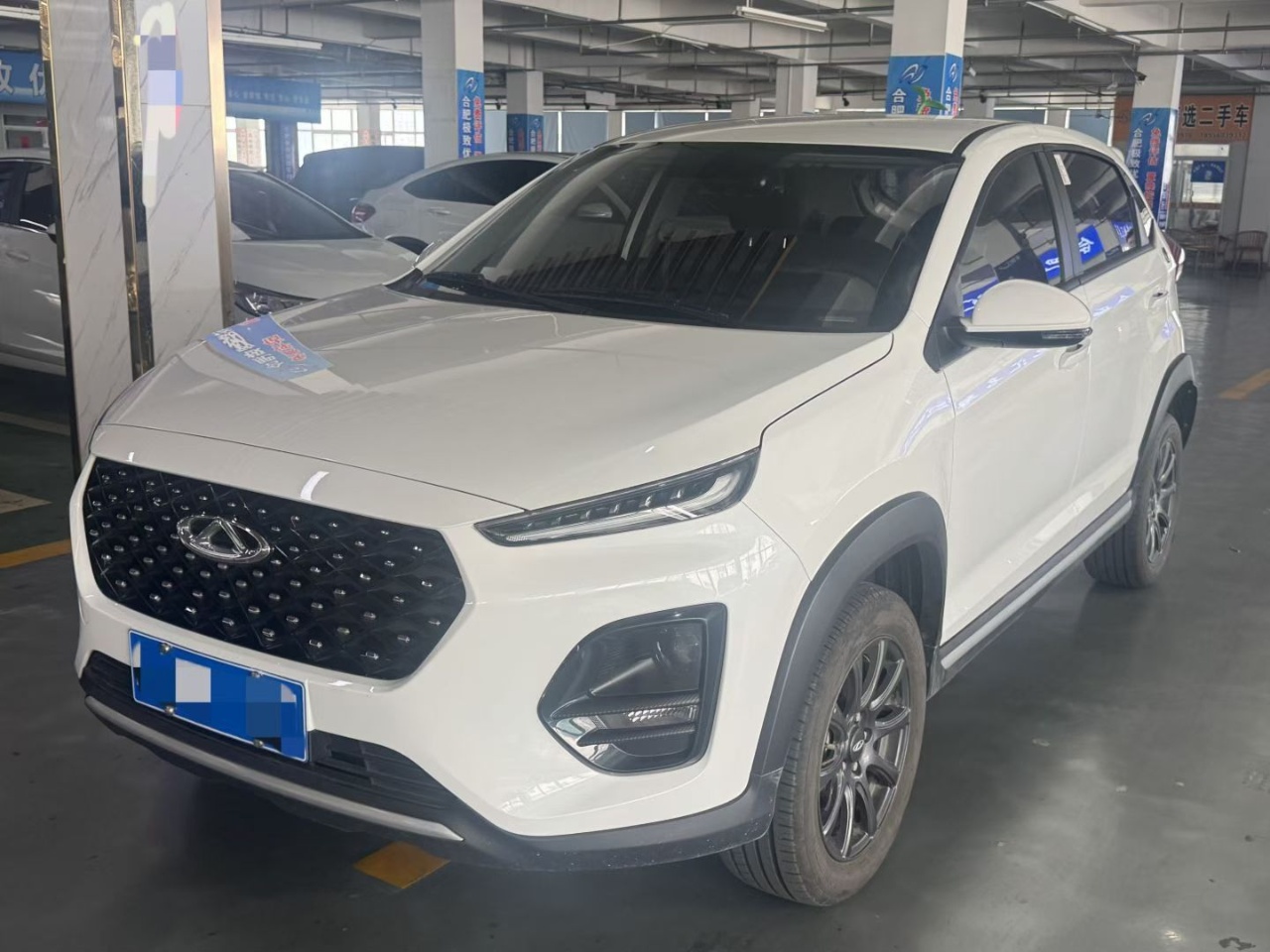
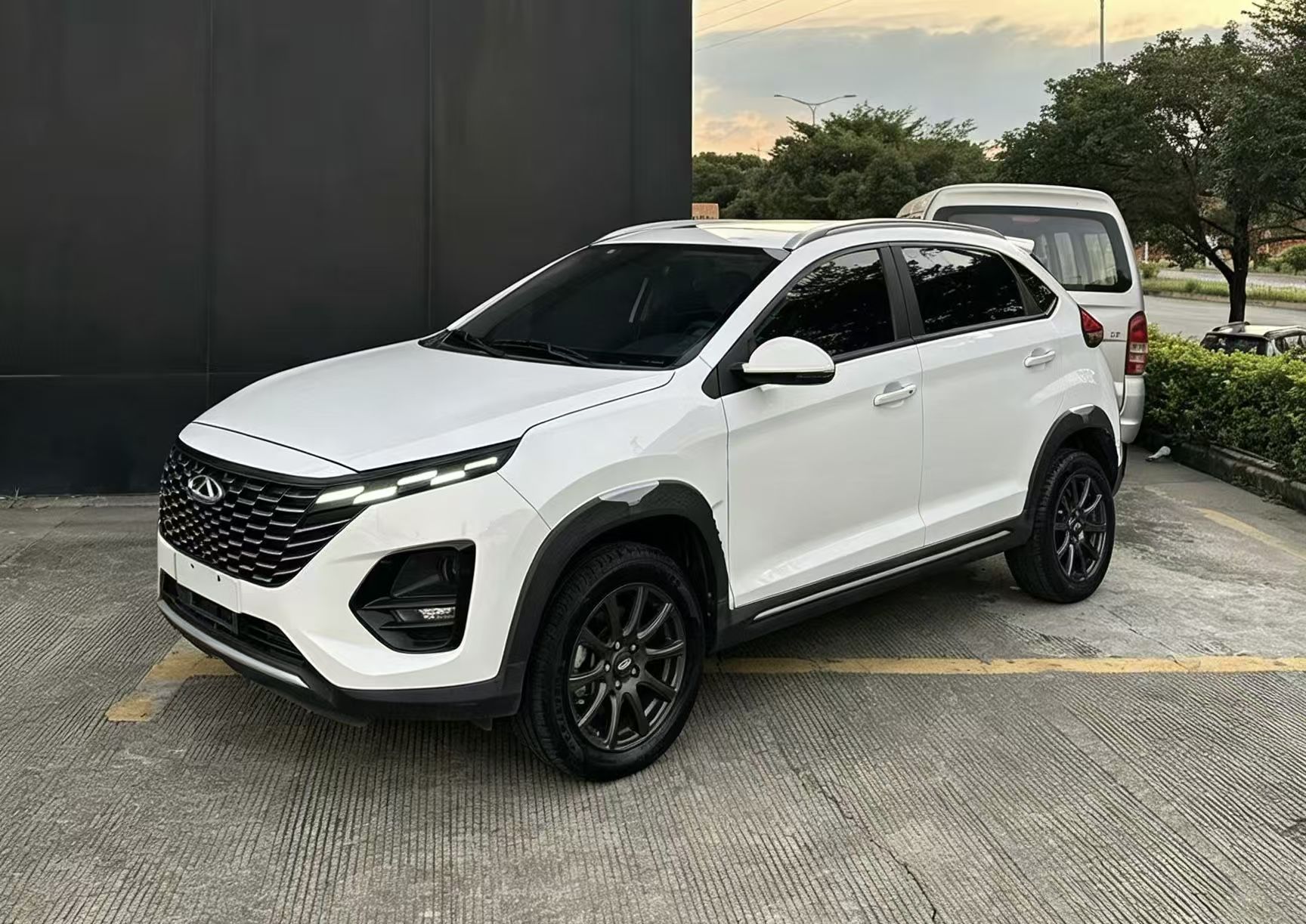
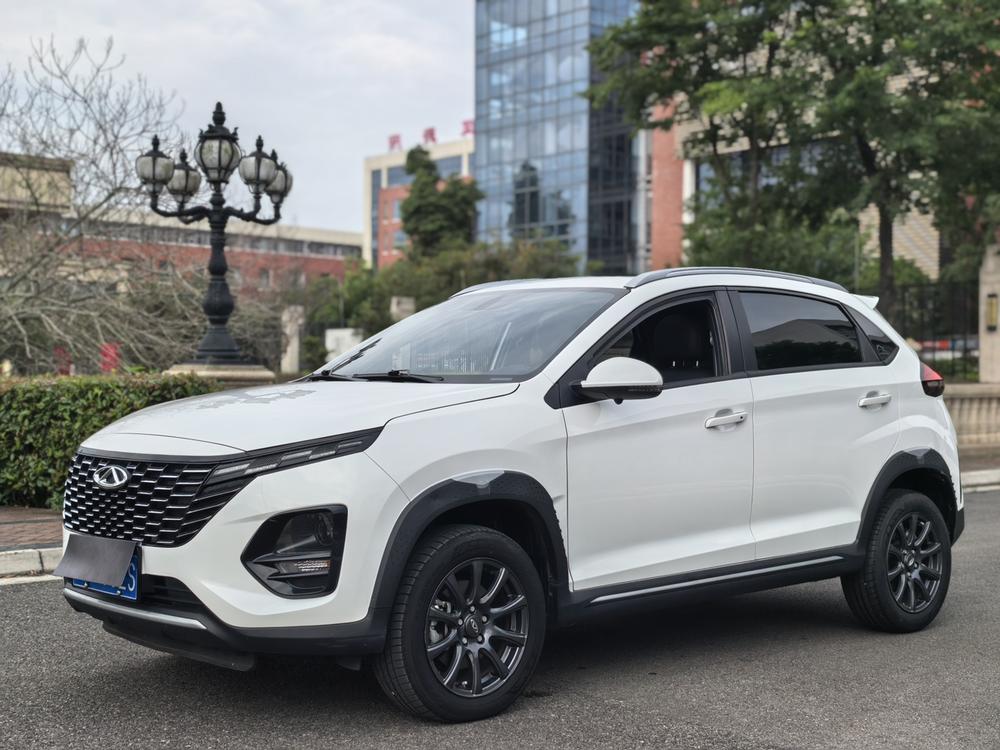
BrandChery
SeriesTiggo 3x
Year2023
First Registration2023/10
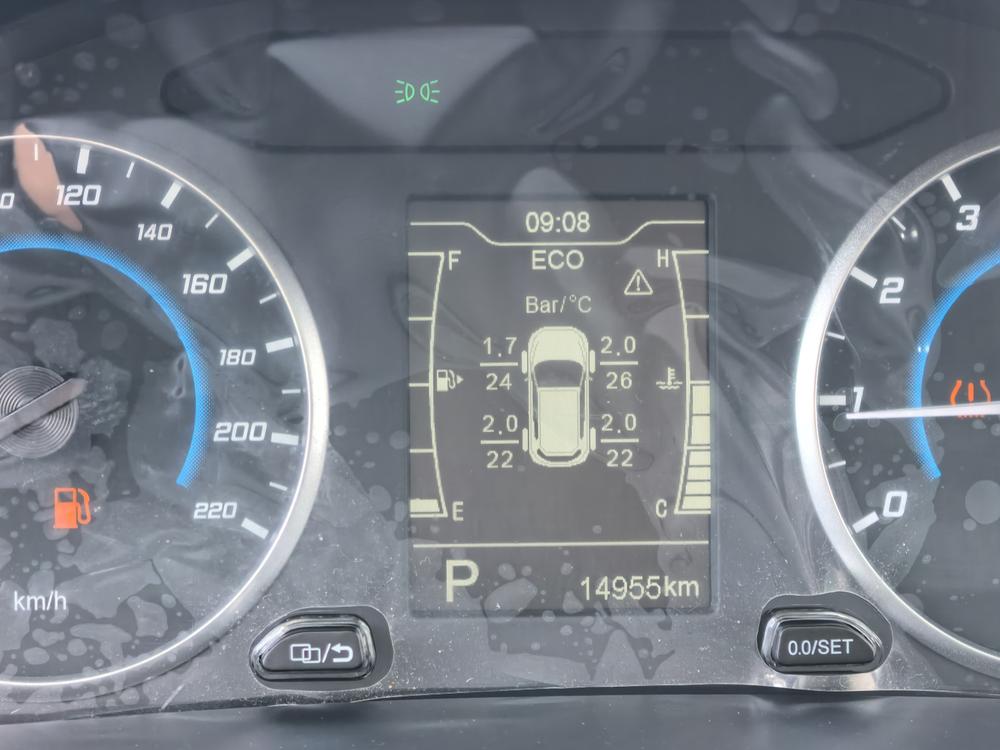
Mileage15,000km
Transfer Count0times
FuelGasoline
TransmissionCVT
Engine1.5L 116 L4
ColorWhite
Seats-

Configuration Highlights

✓上牌时间: 2023-10
✓表显里程: 1.5万公里
✓车源地: 绵阳
✓排放标准: 国六b
✓发动机: 1.5L
✓轴距: 2555mm
✓变速箱: 自动
✓最大功率: 85kW
✓功能配置: 12项
✓安全配置: 1项
✓动力类型: 前驱
✓空间舒适性: -

Q&A

More

If the destination country requires a "Certificate of Conformity (COC)" for the vehicle, can used cars from China provide the original factory COC?

Vehicles sold domestically in China only have the "Environmental Information List" and the "Vehicle Qualification Certificate," which are not the COC of the European system. We will provide a notarized English translation of the Chinese qualification certificate. If local customs strictly require the original European COC, the vehicle will not be able to clear customs.


How do I decode a Chinese VIN and what can it tell me about a used car before I buy?

A Chinese VIN is 17 characters, and decoding it takes minutes but reveals a lot. Positions 1-3 are the World Manufacturer Identifier. Cars sold domestically in China usually start with L (for example LFV for FAW-VW, LGB for Dongfeng Nissan), which tells you it was built in China rather than imported. Position 10 is the model year letter or number. Positions 4-8 describe the model, body type, and drivetrain, so you can verify the seller's description matches the actual car. Cross-check the VIN in three places: the plate at the base of the windshield, the sticker on the door jamb or B-pillar, and the registration certificate. Mismatched VINs or signs the plates were re-riveted are a serious red flag for a cloned or rebuilt vehicle. Use the VIN to pull a history report from a Chinese data provider and to verify recall status with the manufacturer. Any seller who hesitates to share the full VIN is telling you something important.

If a problem arises after the car arrives, how are disputes and claims typically handled with a Chinese exporter?

Handling claims with an overseas exporter works best when expectations are set before payment. Prevention: put the inspection standard, photo/video evidence requirements, and a dispute clause into the sales contract. Keep all chat records and payment receipts. Typical process if issues arise: 1) Notify the exporter within 48-72 hours of delivery with photos/videos as evidence. 2) Most disputes fall into two buckets: shipping damage (handled via marine insurance — this is why insurance matters) or undisclosed mechanical defects (handled per contract, often via partial refund, spare parts, or repair cost sharing). Realistic expectations: exporters rarely accept returns, so negotiate compensation instead. A reputable company will usually cover reasonable repair costs for defects confirmed to pre-exist shipment. Tip: for higher-value cars, hire a local third-party inspection at destination as final evidence — it strengthens any claim significantly.