


48H

Basic Information

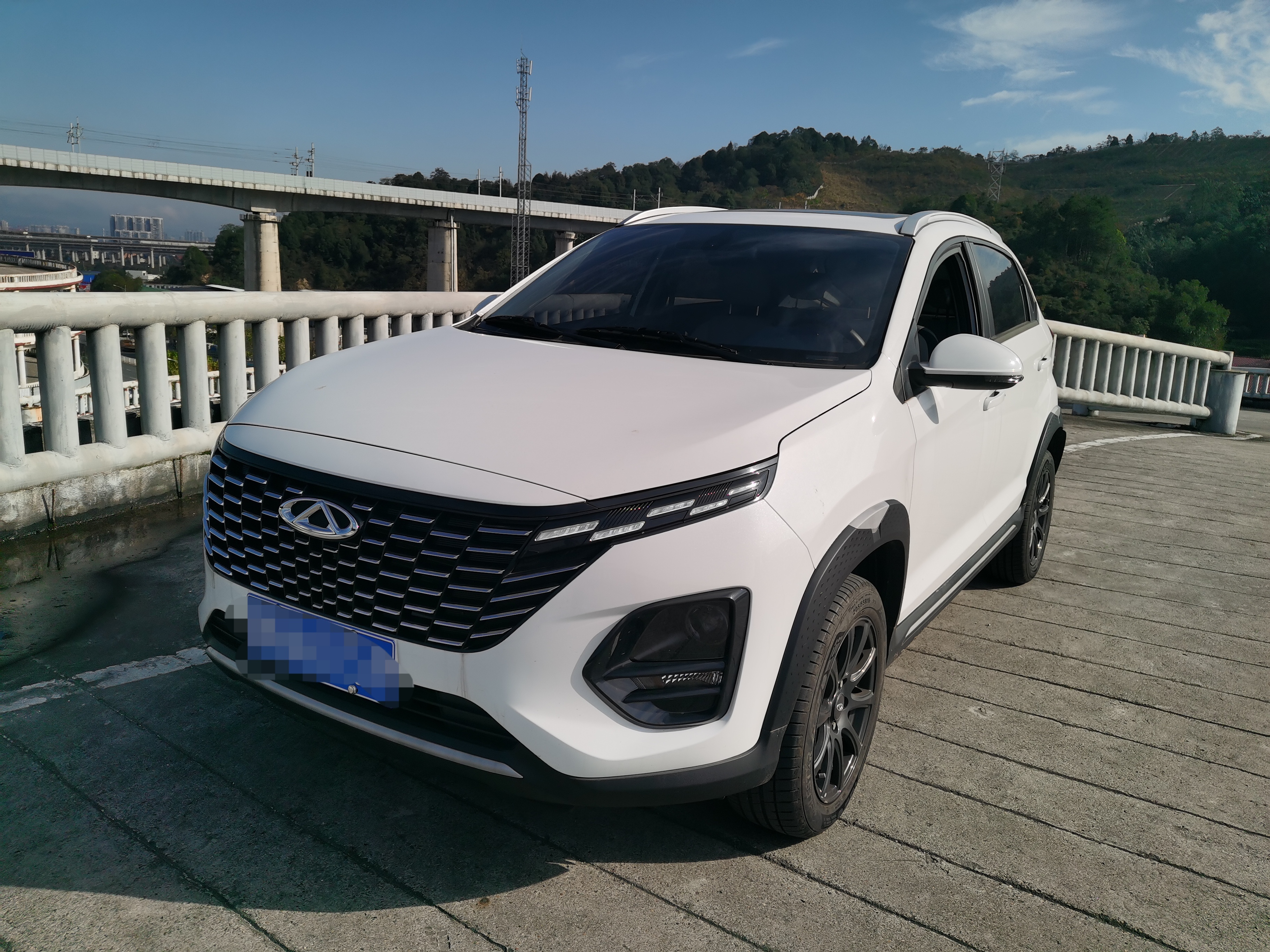
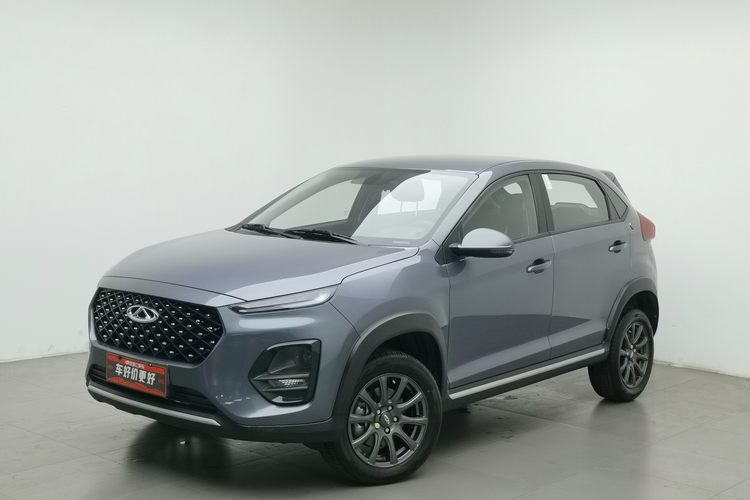
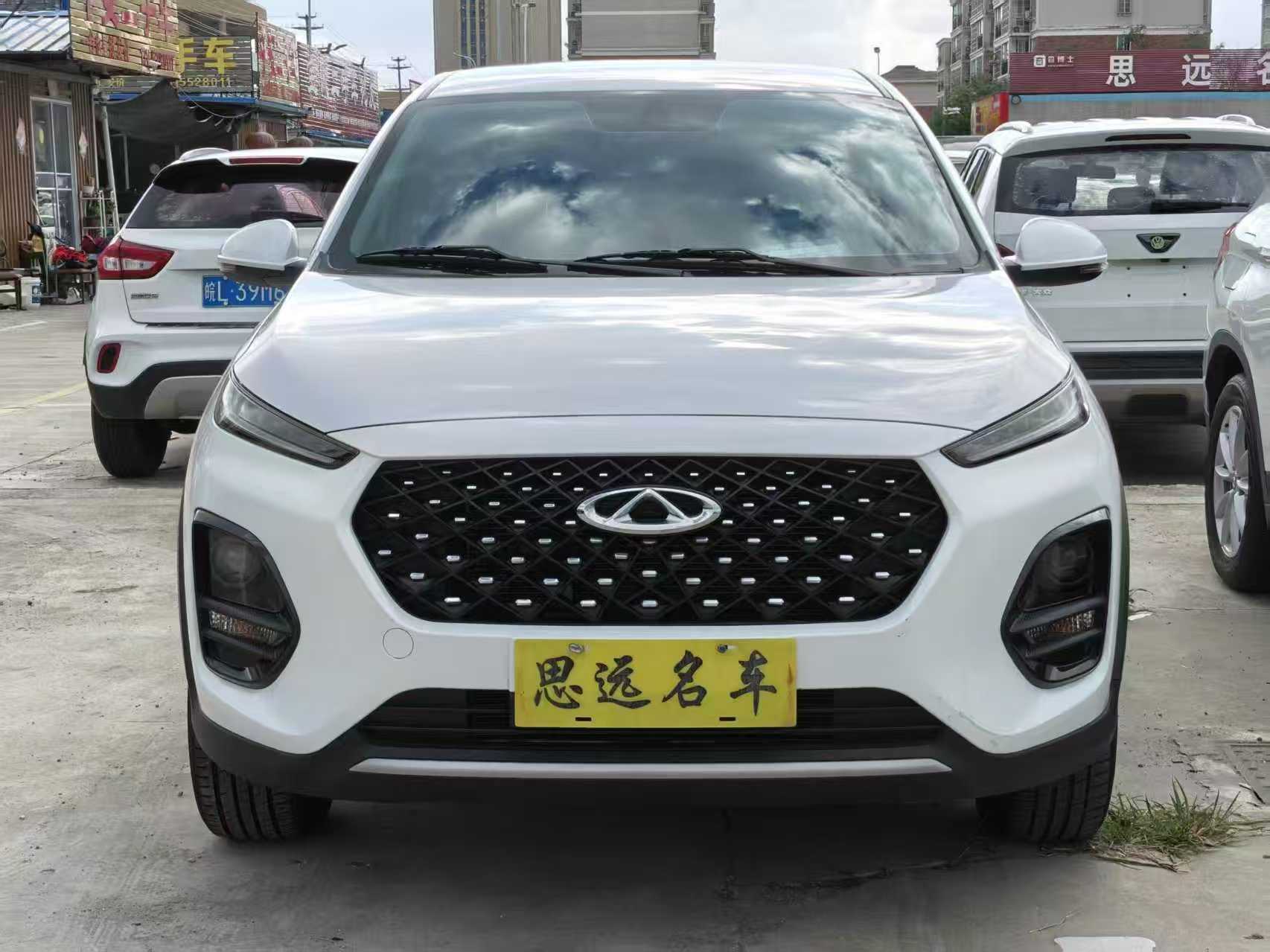
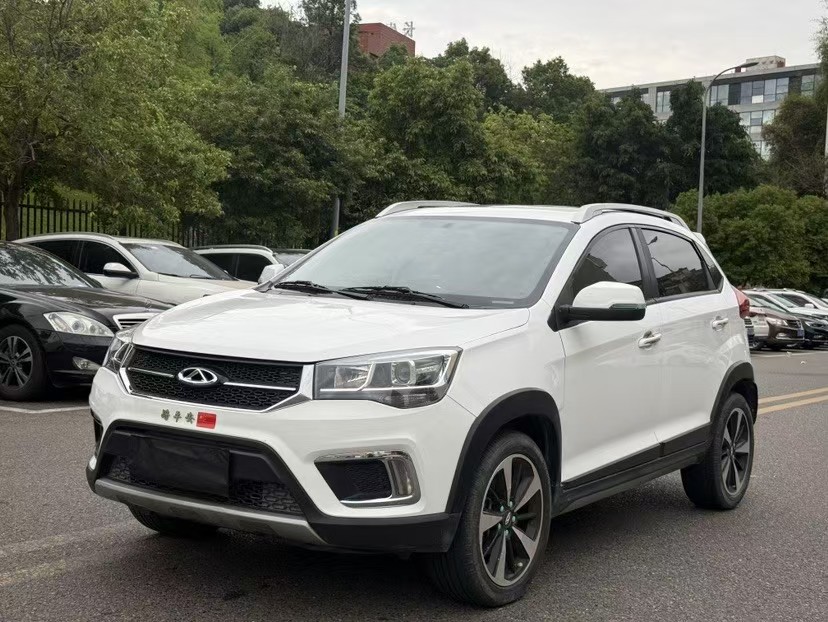
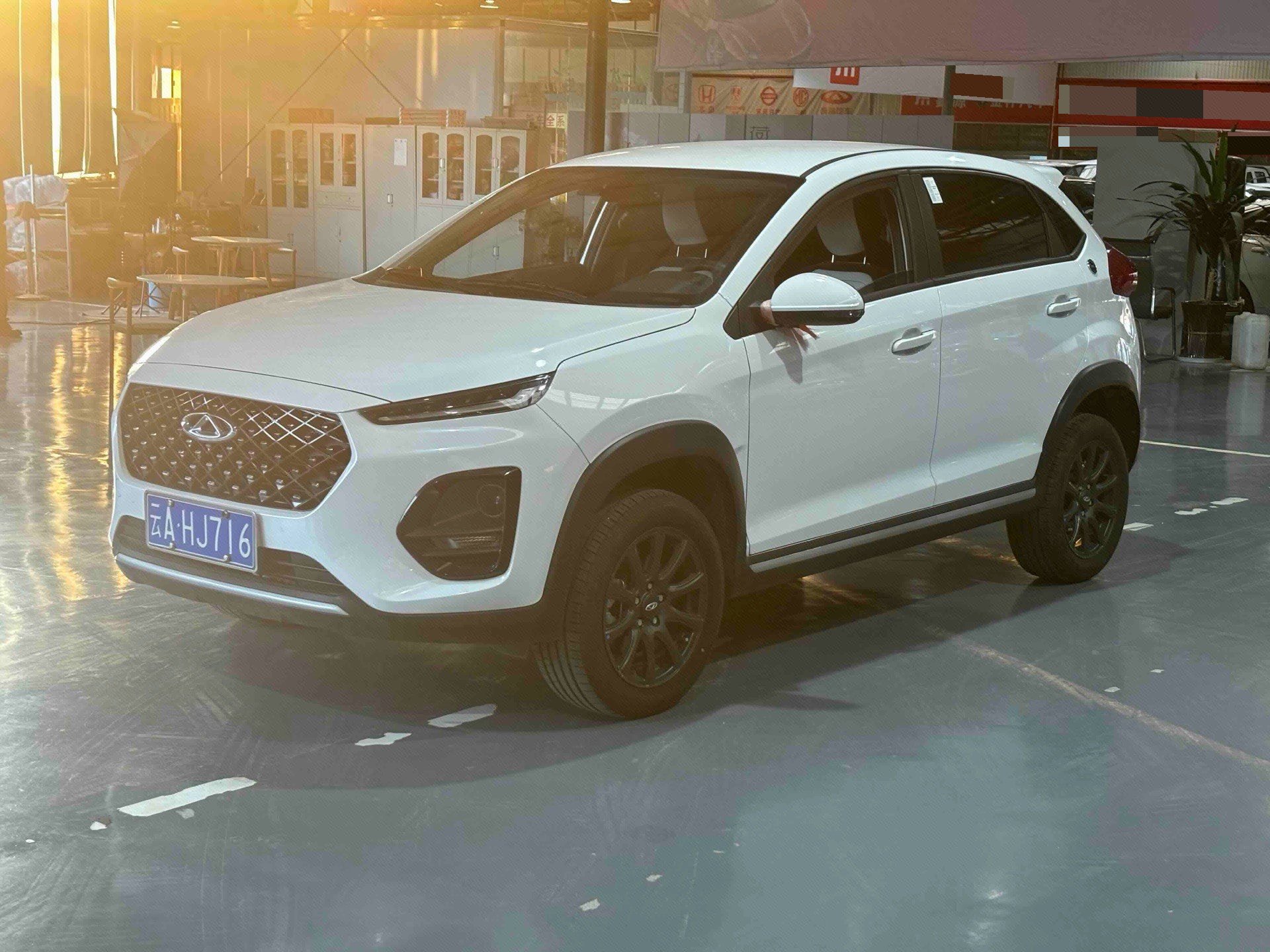
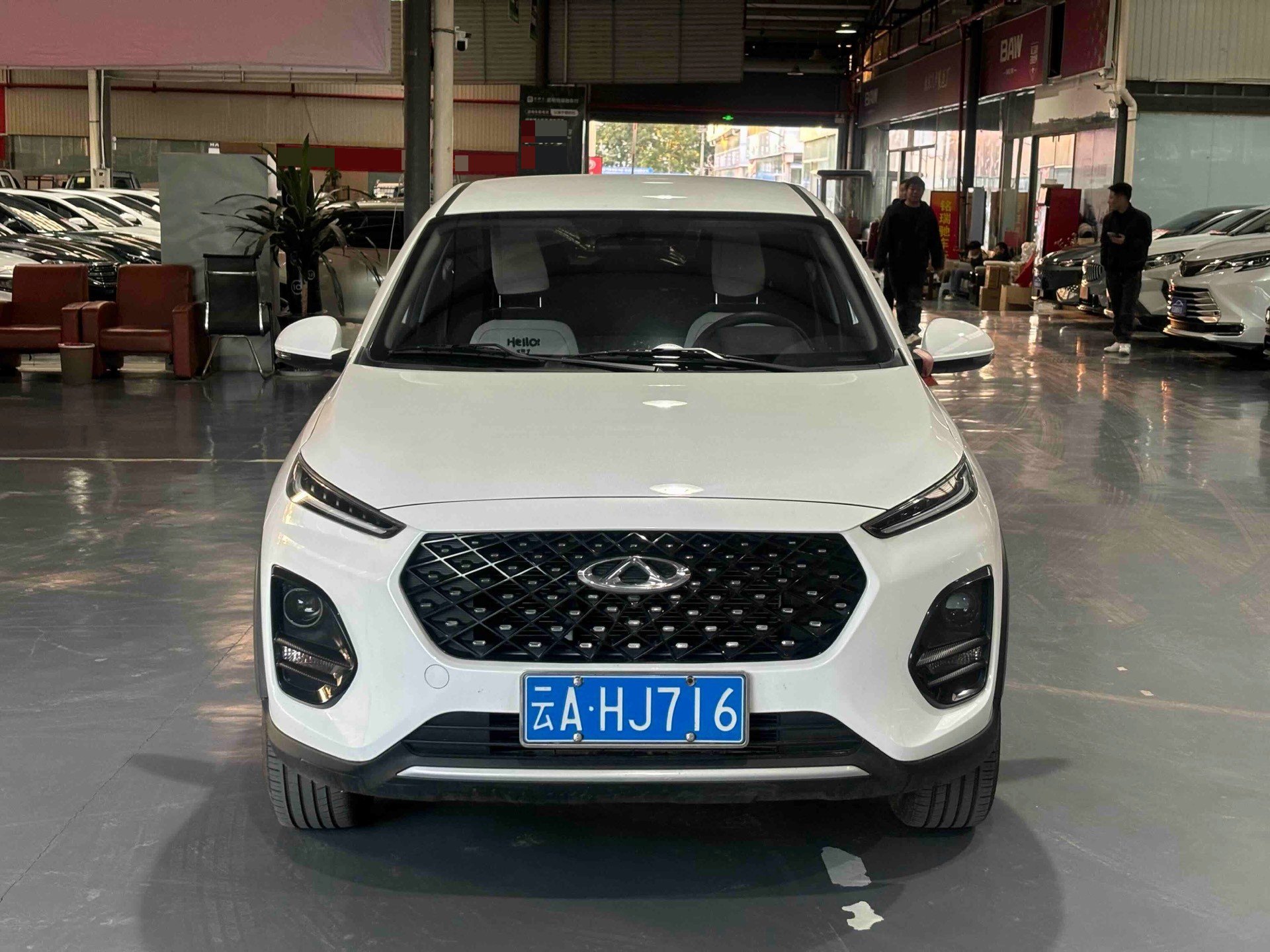
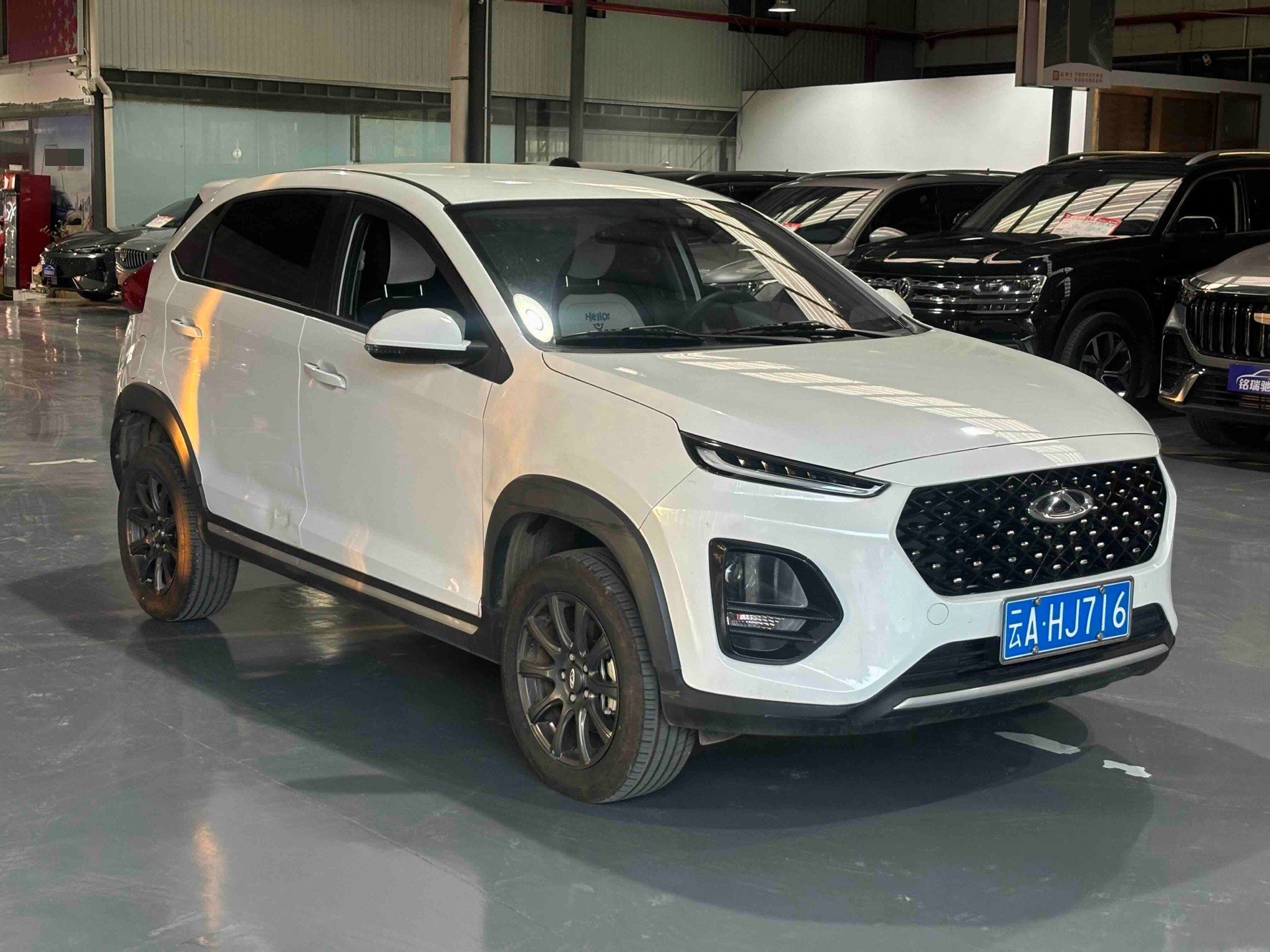
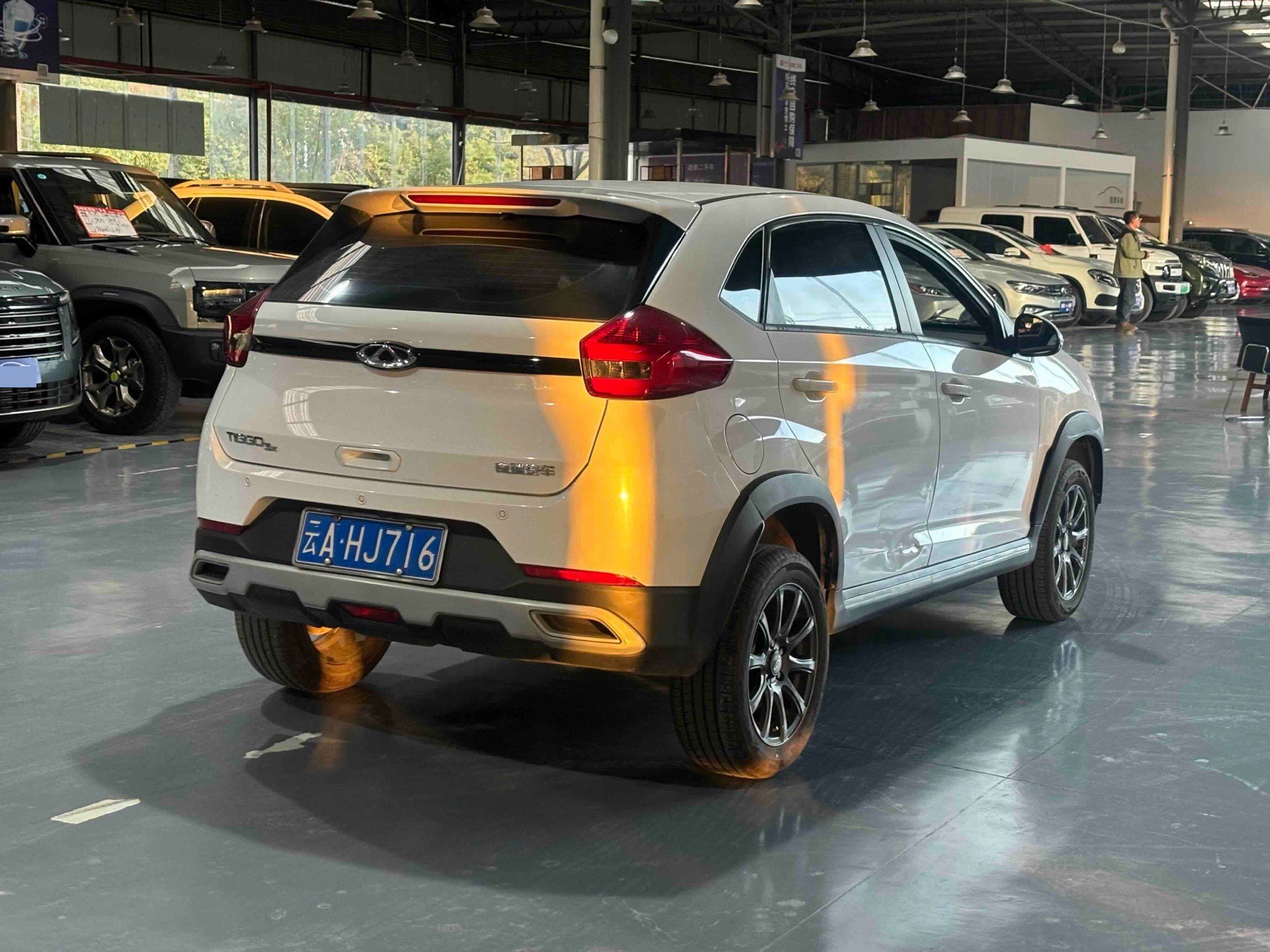
BrandChery
SeriesTiggo 3x
Year2024
First Registration2024/12
Mileage14,000km
Transfer Count0times
FuelGasoline
TransmissionCVT
Engine1.5L 116 L4
ColorWhite
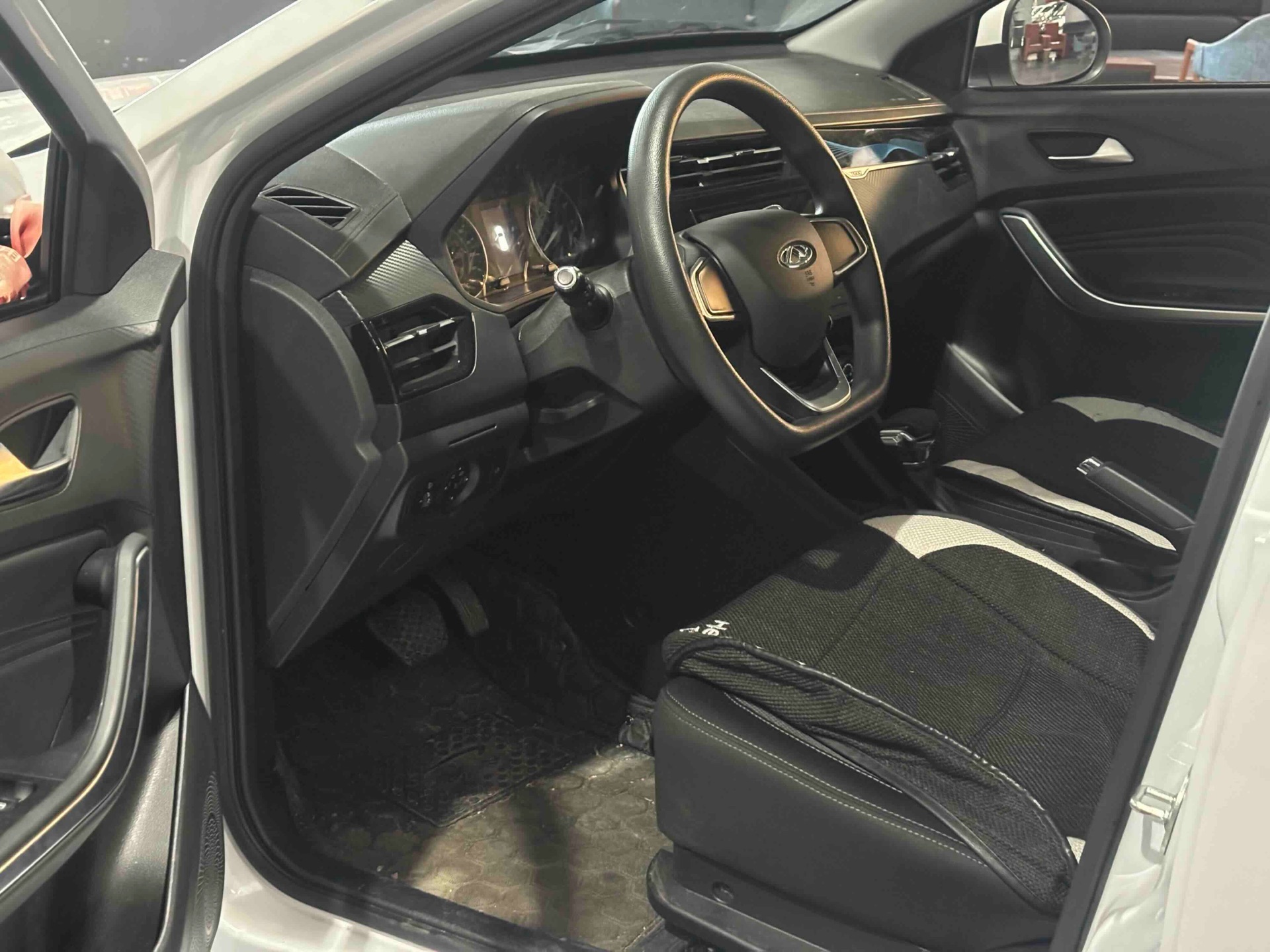
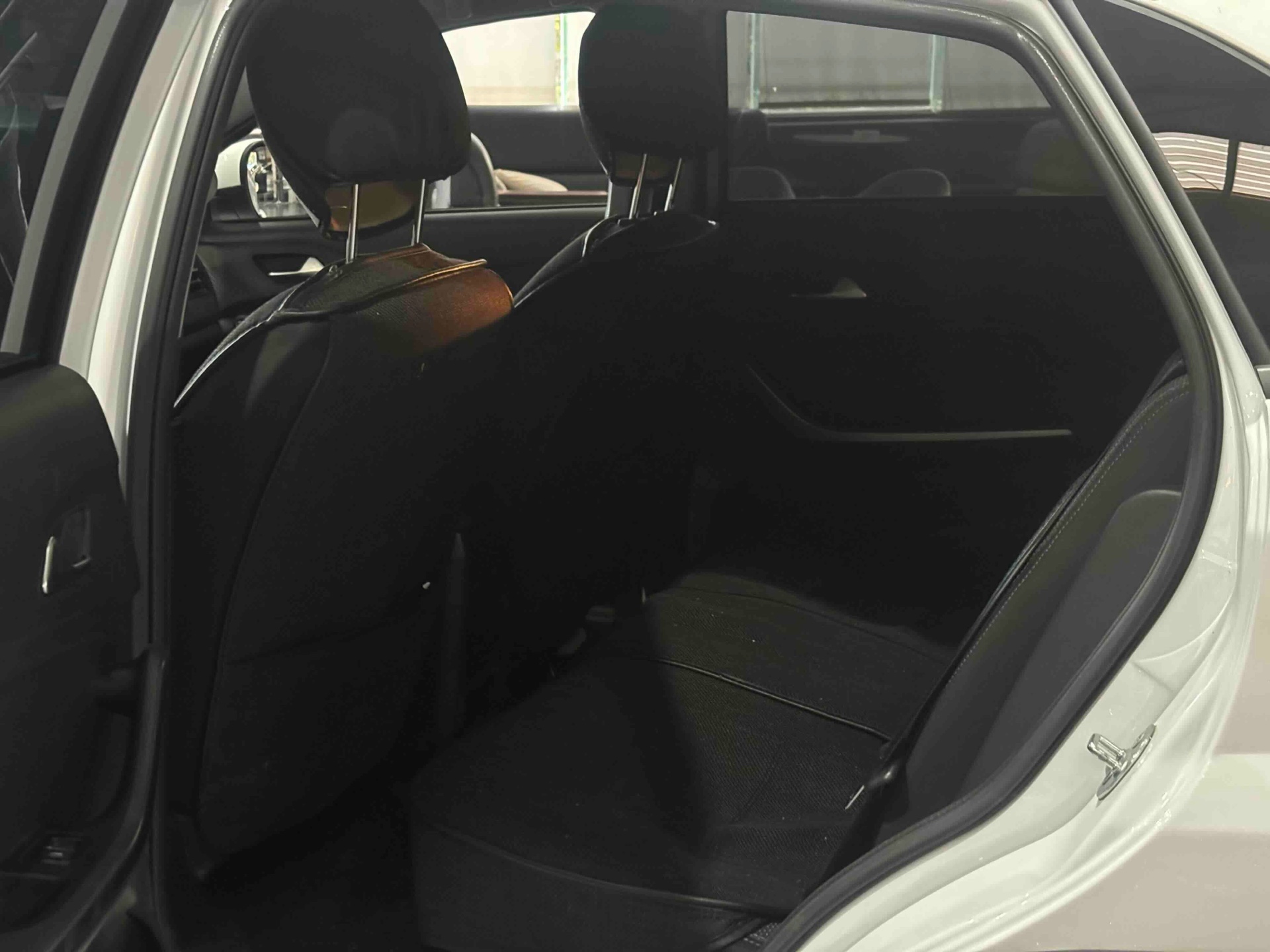
Seats5seats

Condition Description

Original paint throughout; one panel needs bodywork and repainting.

Document Information

Inspection Expiry Date-
Warranty Expiry Date-
Insurance Expiry Date2026/12

Q&A

More

How do I decode a Chinese VIN and what can it tell me about a used car before I buy?

A Chinese VIN is 17 characters, and decoding it takes minutes but reveals a lot. Positions 1-3 are the World Manufacturer Identifier. Cars sold domestically in China usually start with L (for example LFV for FAW-VW, LGB for Dongfeng Nissan), which tells you it was built in China rather than imported. Position 10 is the model year letter or number. Positions 4-8 describe the model, body type, and drivetrain, so you can verify the seller's description matches the actual car. Cross-check the VIN in three places: the plate at the base of the windshield, the sticker on the door jamb or B-pillar, and the registration certificate. Mismatched VINs or signs the plates were re-riveted are a serious red flag for a cloned or rebuilt vehicle. Use the VIN to pull a history report from a Chinese data provider and to verify recall status with the manufacturer. Any seller who hesitates to share the full VIN is telling you something important.


How do I compare quotes from different Chinese exporters, and why is the cheapest offer often risky?

Comparing quotes properly means comparing the same thing: 1. Normalize the scope: some quotes include inland transport, export clearance, inspection and ocean freight, others are FOB only. Ask each exporter for a line-item breakdown so you can compare like with like. 2. Check what is excluded: port charges at destination, customs duties, homologation and registration are almost always on you. Get a written list of everything NOT included. 3. Look beyond the number: a quote 10-15% below the market usually means the car has an issue (accident history, rolled-back mileage, pending lien) or the exporter plans to cut corners on inspection and loading. 4. Verify the exporter: business license, export qualification, recent shipment records, and references from buyers in your region. A realistic quote from a verifiable exporter is worth more than a bargain that turns into a dispute. Always pay against milestones with inspection before balance payment.

How does the step-by-step process work when buying a used car from China for export?

The standard process looks like this: 1. Selection: pick the car, request the VIN, registration certificate, and recent photos/videos. For higher-value cars, order an independent third-party inspection. 2. Negotiation and contract: agree on price and terms. Sign a written contract stating the car's condition, price, payment schedule, and delivery terms (FOB or CIF). 3. Deposit: typically 20-30% to reserve the car. Pay to the company's corporate account, never a personal one. 4. Verification: your agent or inspector confirms the car matches the contract before the balance is due. 5. Balance and export: pay the remaining amount; the seller arranges inland transport, export customs clearance, and port loading. 6. Shipping documents: you receive the commercial invoice, packing list, and bill of lading - usually by courier or email. 7. Arrival: your customs broker clears the car, you pay duties and taxes, then register it locally. Total timeline is usually 4-8 weeks depending on the shipping route.