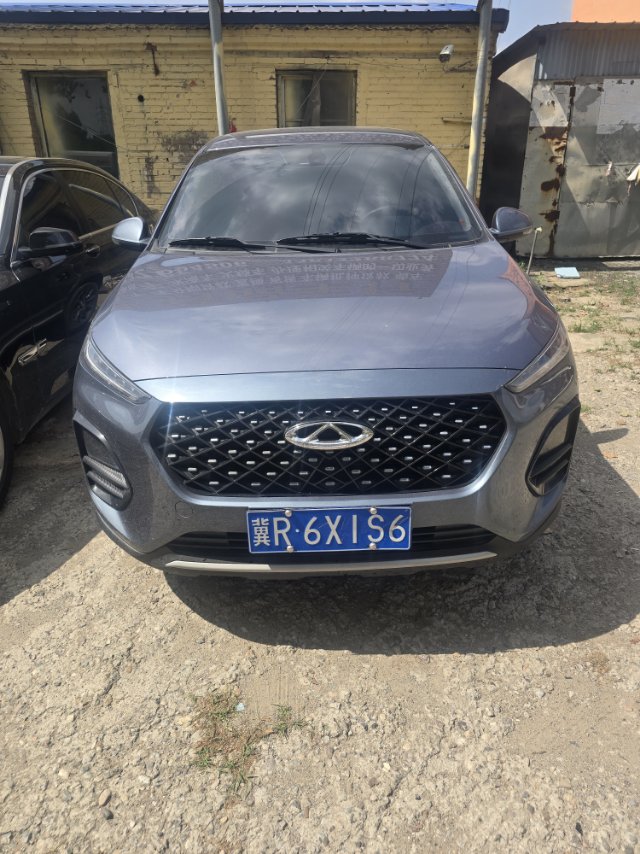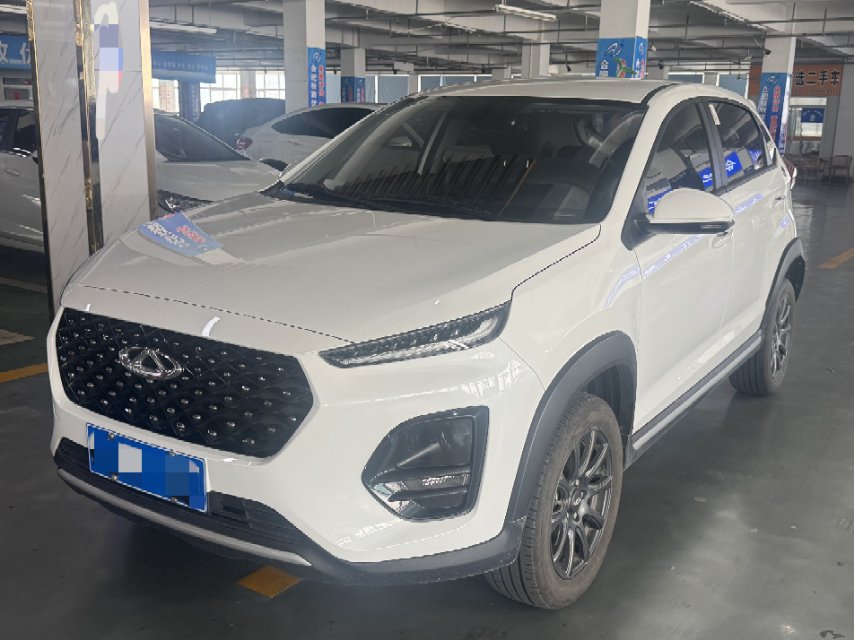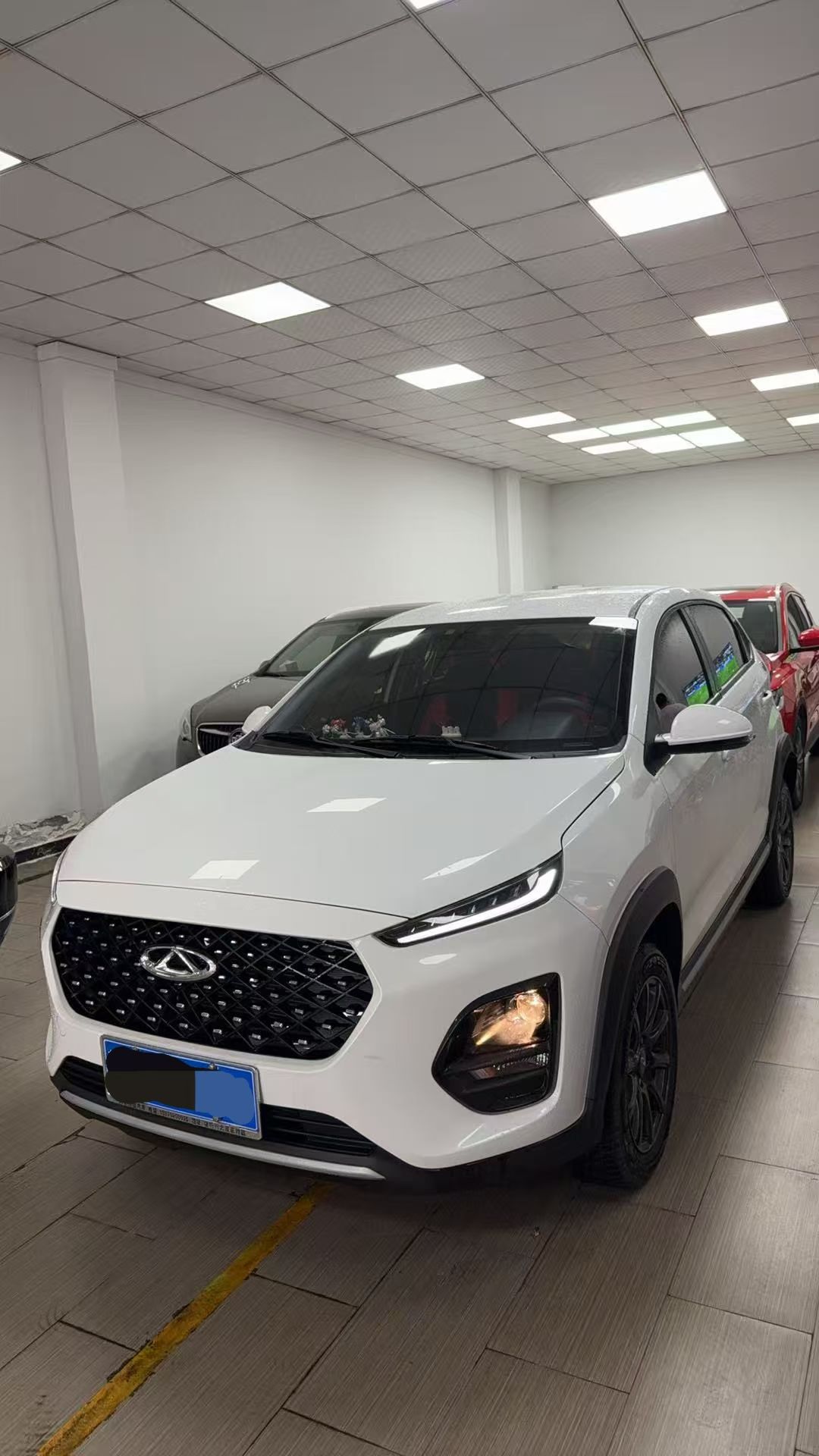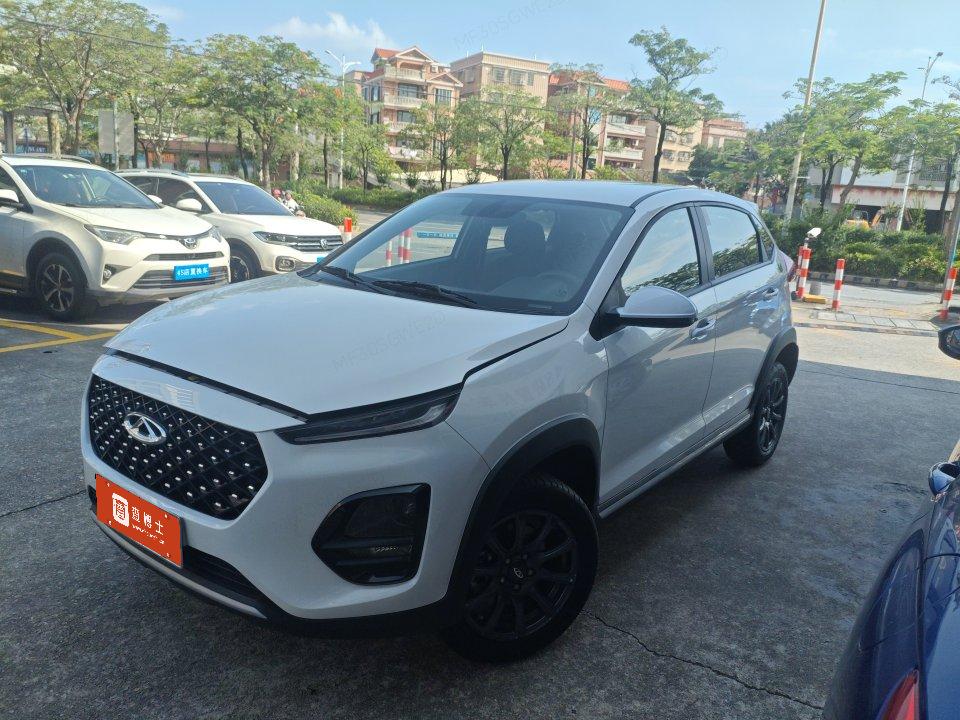
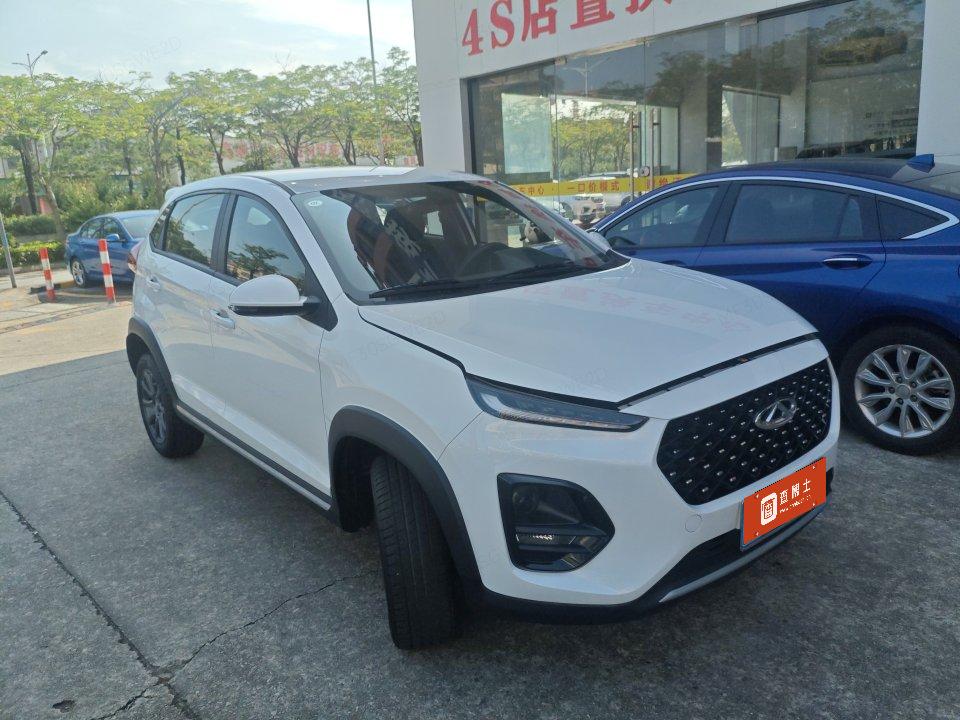
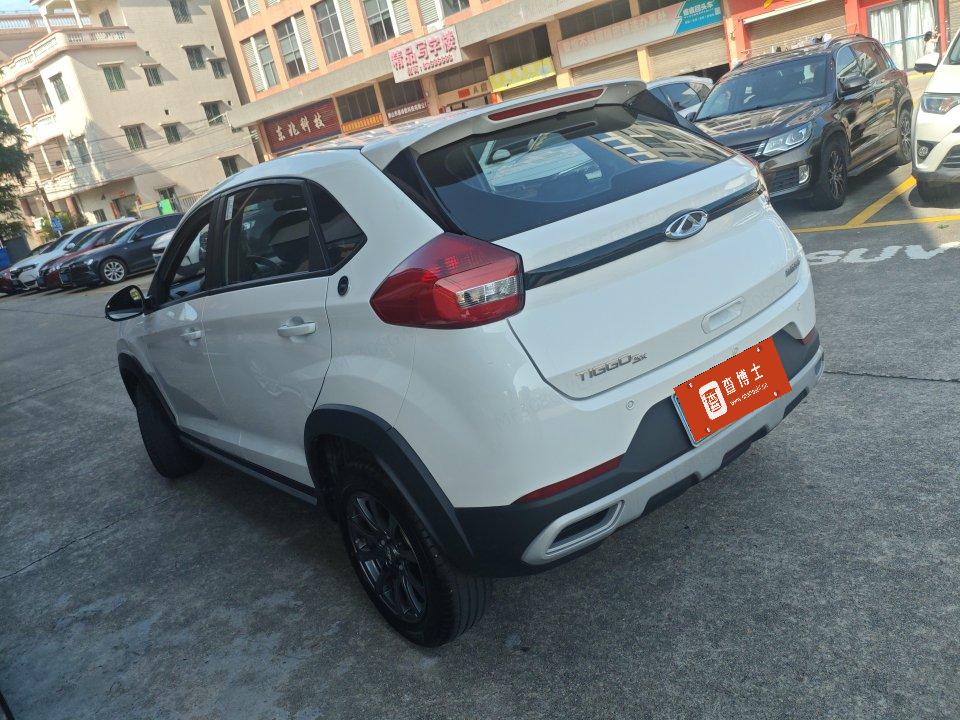
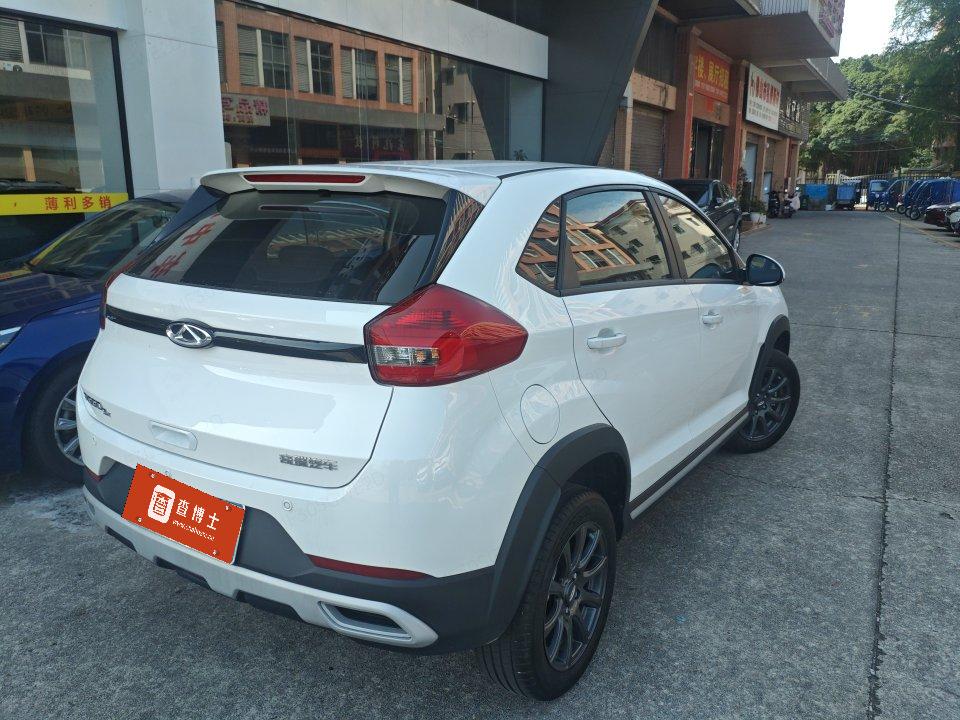
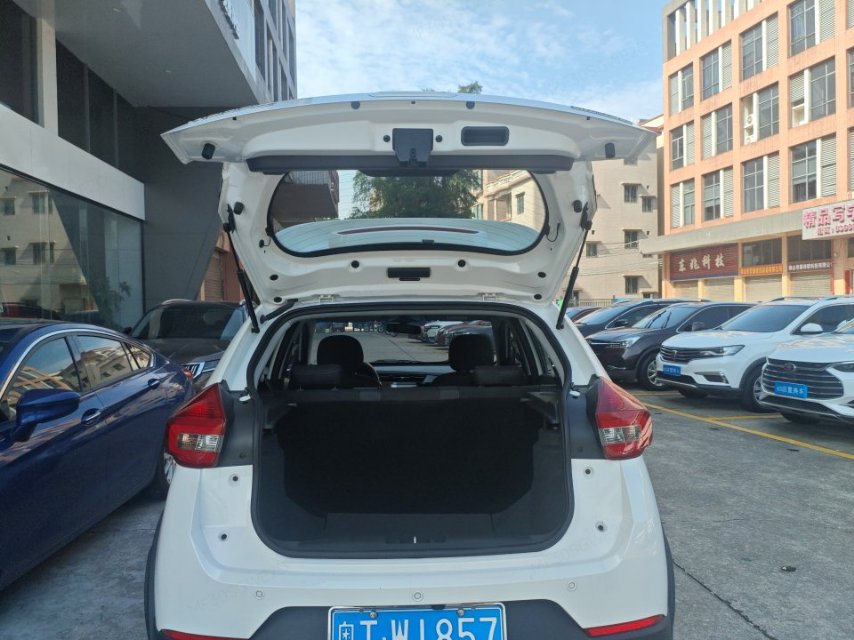



Stock

Basic Information

BrandChery
SeriesTiggo 3x
Year2025
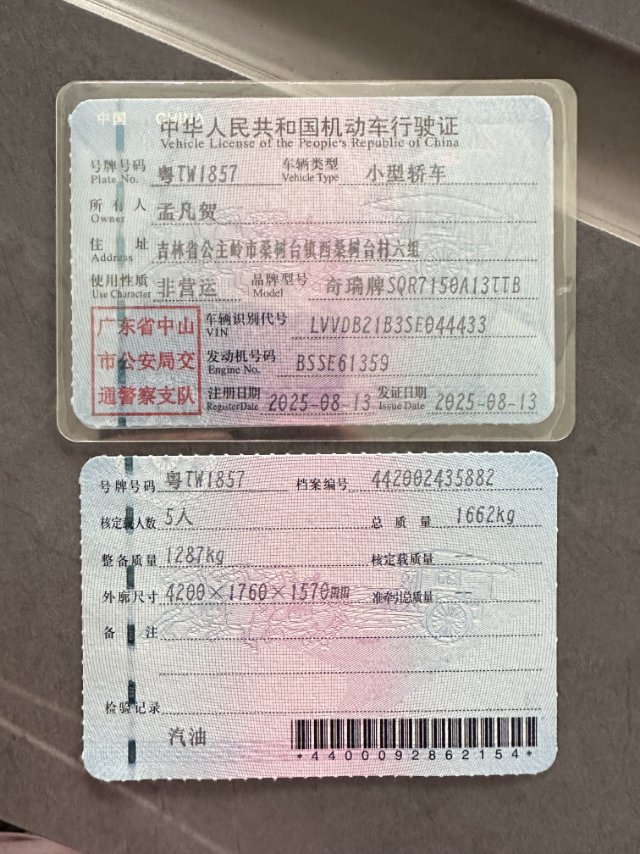
First Registration2025/08
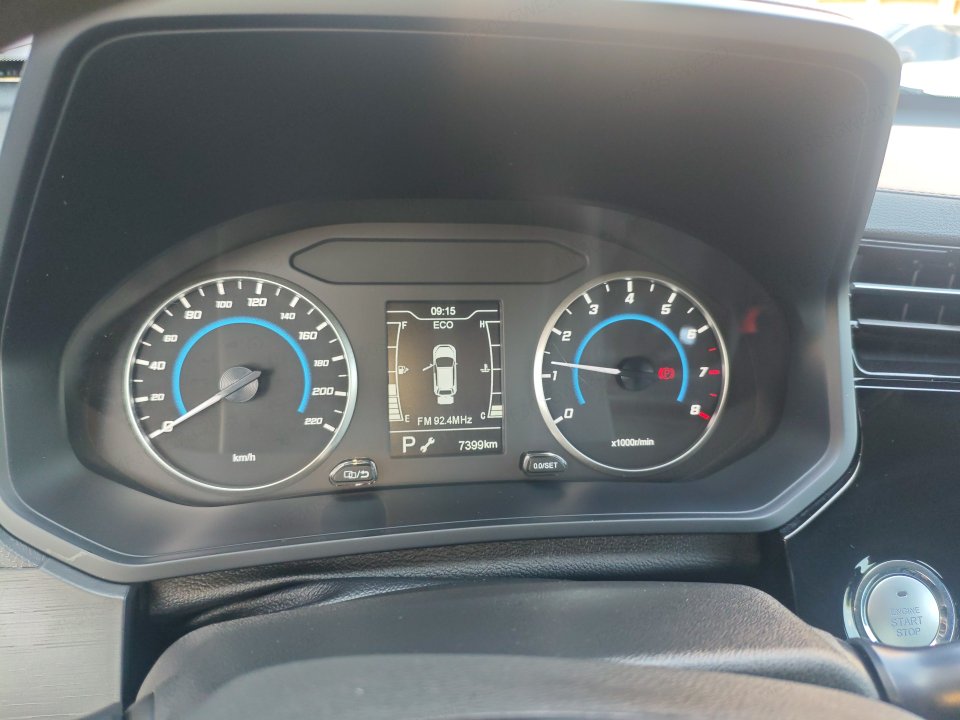
Mileage7,000km
Transfer Count1times
FuelGasoline
TransmissionCVT
Engine1.5L 116 L4
ColorWhite
Seats5seats

Condition Description

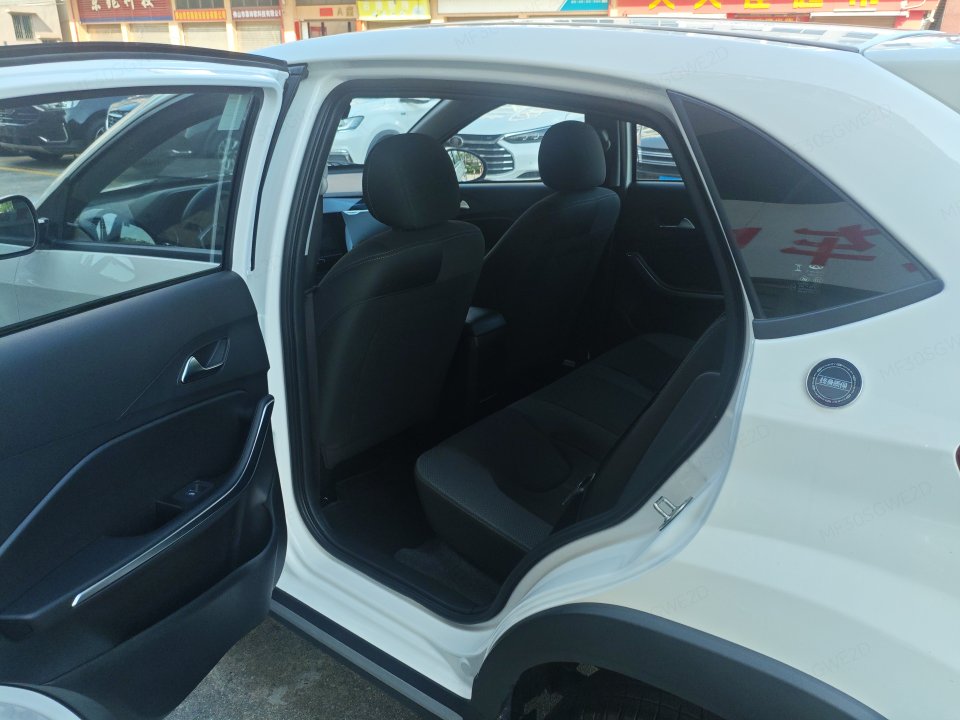
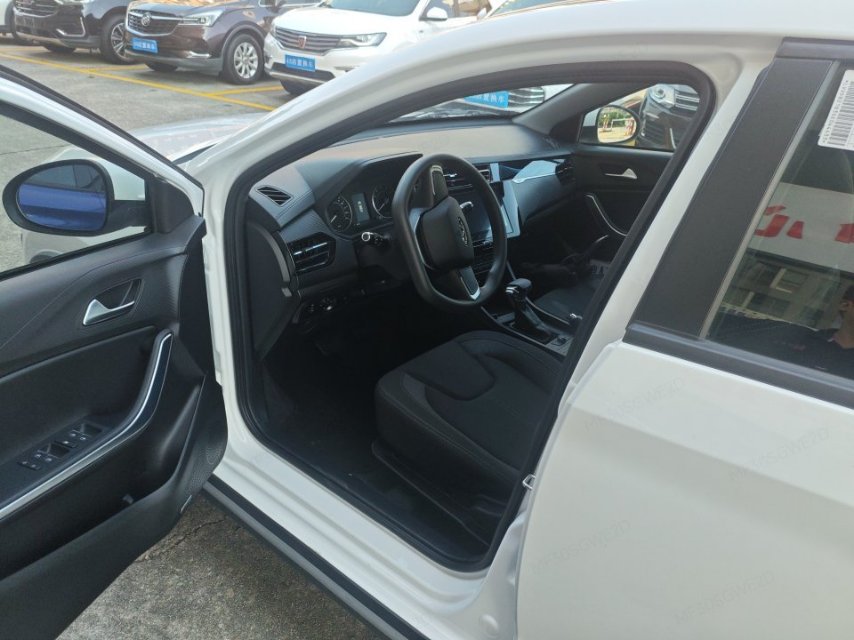
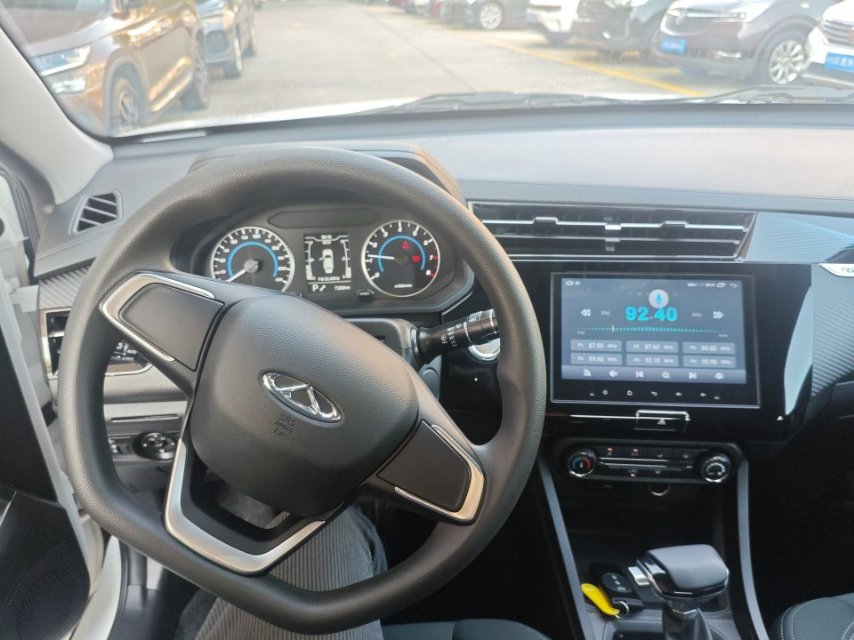
Original paint, first owner, has undergone a paint surface inspection.

燃油车
SUV
自动
维保开放
事故开放
查验开放

Configuration Highlights

✓品牌: 奇瑞
✓车系: 瑞虎3x
✓车型: 2024款 1.5L CVT卓越版
✓车身类型: SUV
✓座位数: 5
✓排量: 1.5L
✓变速箱: 自动
✓能源类型: 燃油车
✓VIN: LVVDB21B3SE044433
✓搜索关键词: 奇瑞瑞虎3x 2024款瑞虎3x1.5LCVT卓越版

Document Information

Inspection Expiry Date2027/08
Warranty Expiry Date-
Insurance Expiry Date2026/08

Q&A

More

How can I check if a used car in China was previously used as a taxi, rental car, or government fleet vehicle?

Fleet usage dramatically shortens a car's real life, so it is worth checking before you pay. Start with the registration certificate: the nature-of-use field shows whether the car was registered as non-commercial or commercial. Commercial registration is a red flag for taxis and rental cars. Next, review the maintenance records: fleet vehicles show unusually uniform service intervals, high-volume tire replacements, and repairs done at the same shop repeatedly. A car with 60,000 km on the clock but three sets of brake pads is a fleet vehicle, not a private one. For government or corporate fleet cars, ask the seller for the complete ownership chain; several short-term owners from leasing companies or government auction platforms are a strong signal. Finally, check the interior remotely: rear seat wear, trunk scratches, and multiple ignition keys all suggest shared use. Add a contractual warranty that the vehicle was never commercially operated — if the seller refuses, walk away.


What is a safe payment schedule when buying a used car from China, and why should I never pay 100% upfront?

The standard structure protects both sides and looks like this: Deposit: 20–30% after signing the contract and confirming the car's inspection report. This commits the exporter to reserve the car and start export procedures. Pay by bank transfer (T/T) to the company's corporate account — never to a personal account. Balance: 70–80% after the car is loaded on the vessel, against verifiable proof — the bill of lading copy, the booking confirmation, and ideally loading photos/video with the container or vessel number visible. Why not 100% upfront? Because once you pay in full, your only leverage is gone. Common real-world problems: the exporter ships a different car than inspected, delays shipment by months, or becomes unreachable. Withholding the balance until loading is documented keeps pressure on them to perform. Red flags: demands for full payment before inspection, 'discounts' for paying 100% immediately, requests to split payment between company and personal accounts, or pressure to use informal channels (crypto, gift cards, money transfer apps). For deals above $20,000, consider a letter of credit or an escrow service. The 1–3% extra cost is cheap insurance.

Will there be detailed information on the vehicle's consumable parts (such as tire tread depth and remaining brake pad thickness)?

Yes. The inspection report includes a specific "consumable parts consumption list." We will measure the tire tread depth (in millimeters) and the remaining brake pad thickness using calipers. If the tire tread is below the legal wear limit of 1.6mm, we will note it as "recommended to replace immediately upon arrival."