

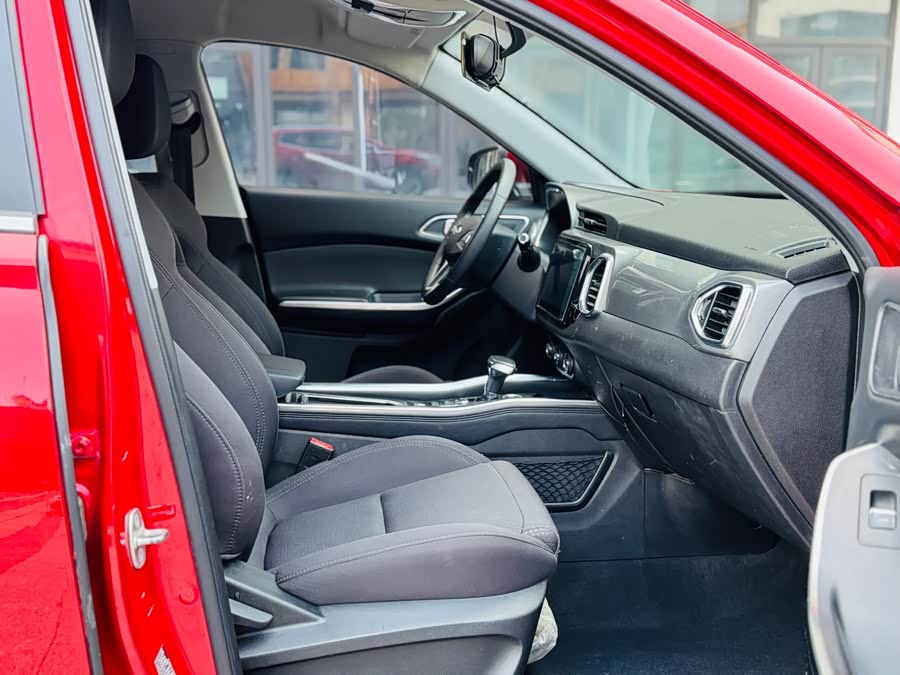
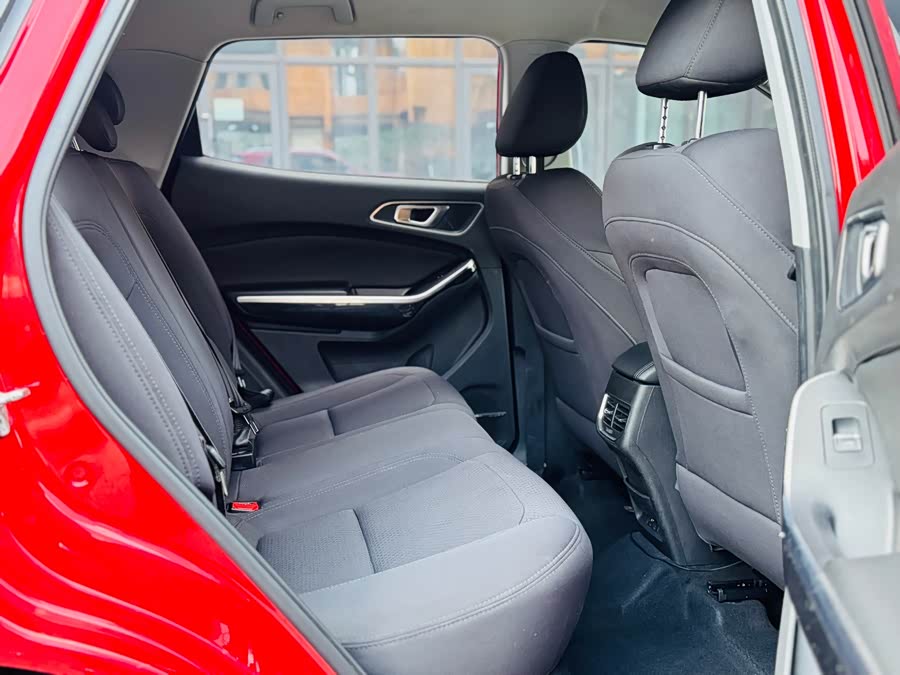
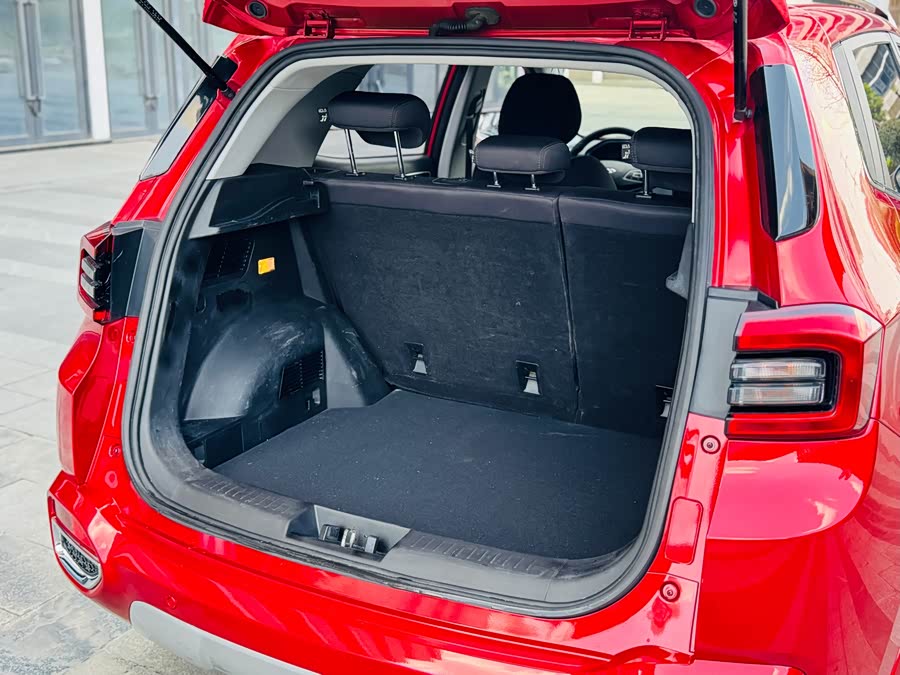



Basic Information

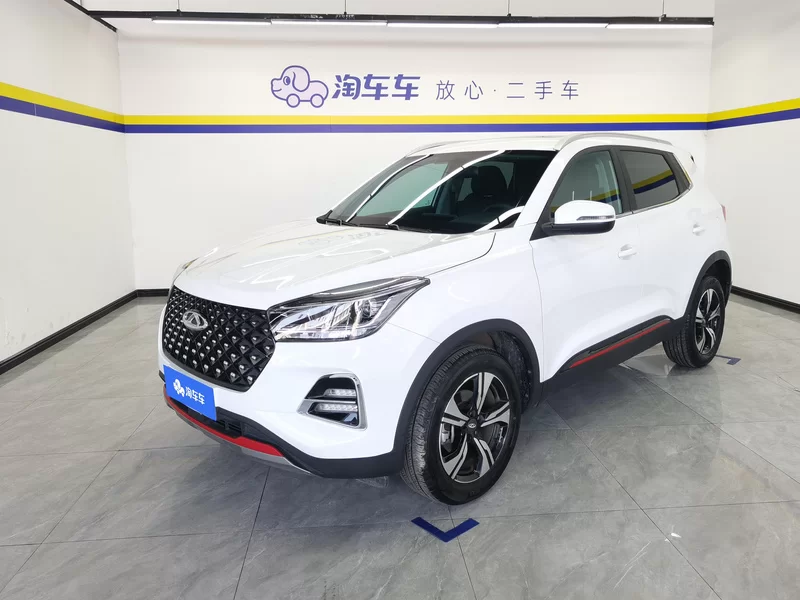
BrandChery
SeriesTiggo 5x
Year2018
First Registration2018/09
Mileage120,000km
Transfer Count1times
FuelGasoline
TransmissionDCT
Engine1.5T 147 L4
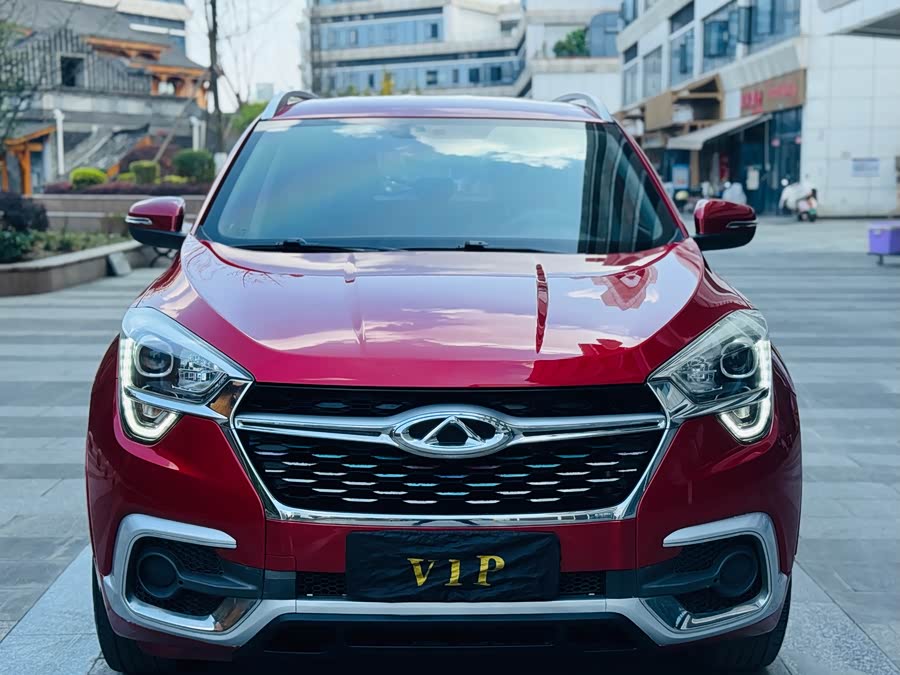
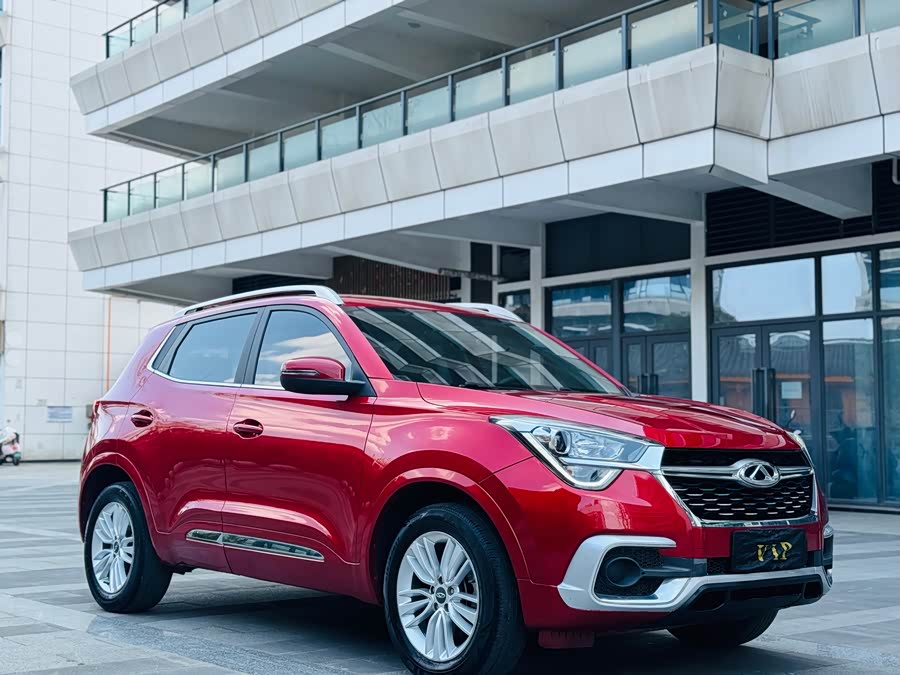
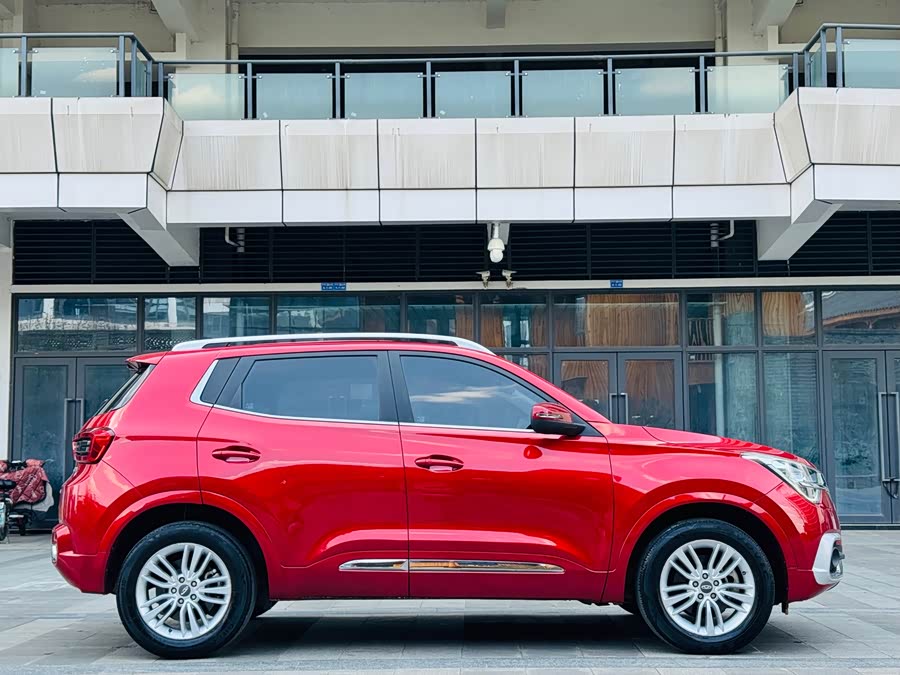
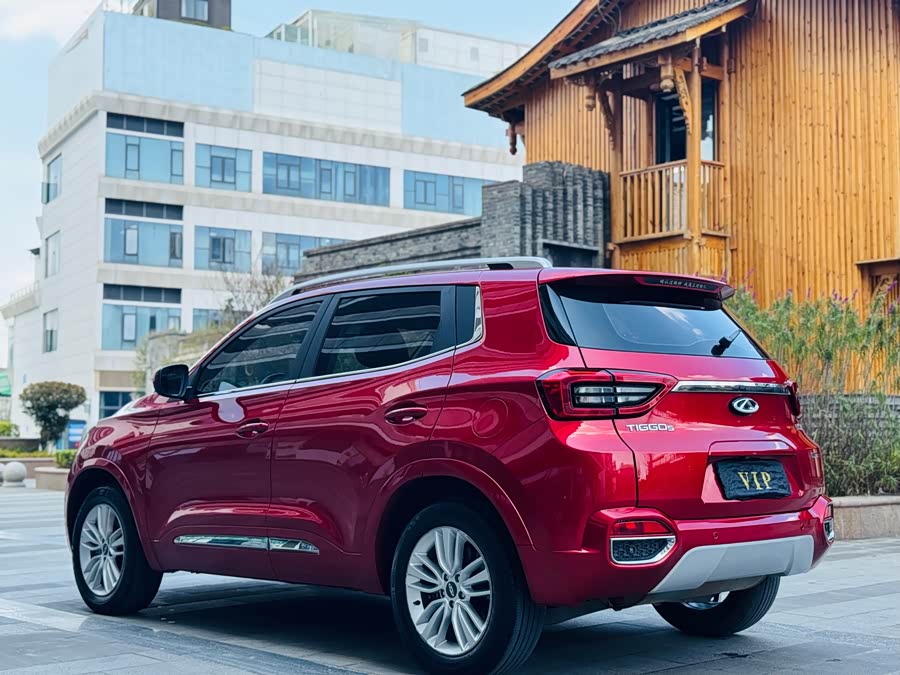
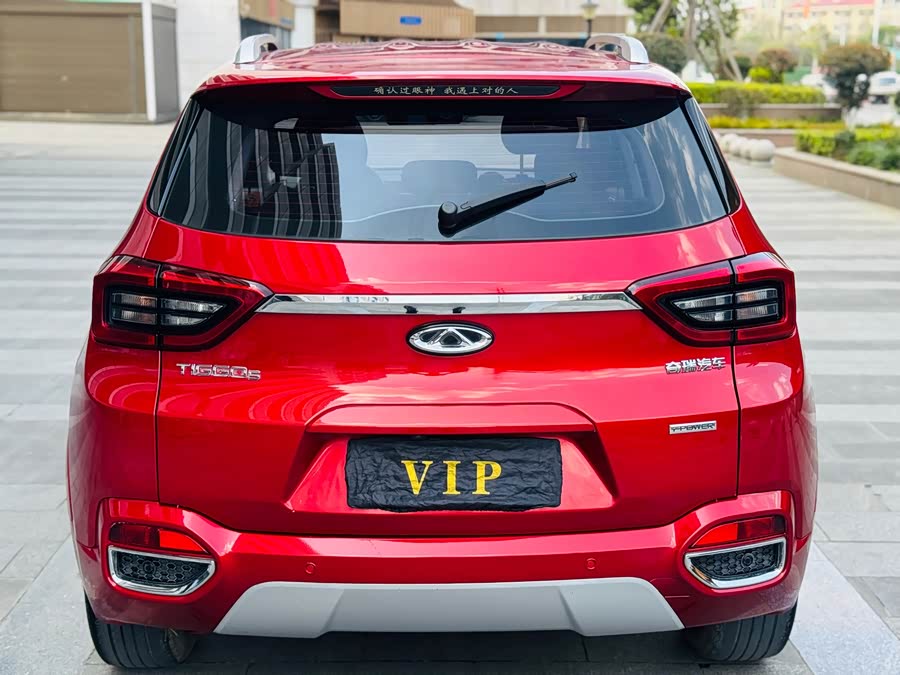
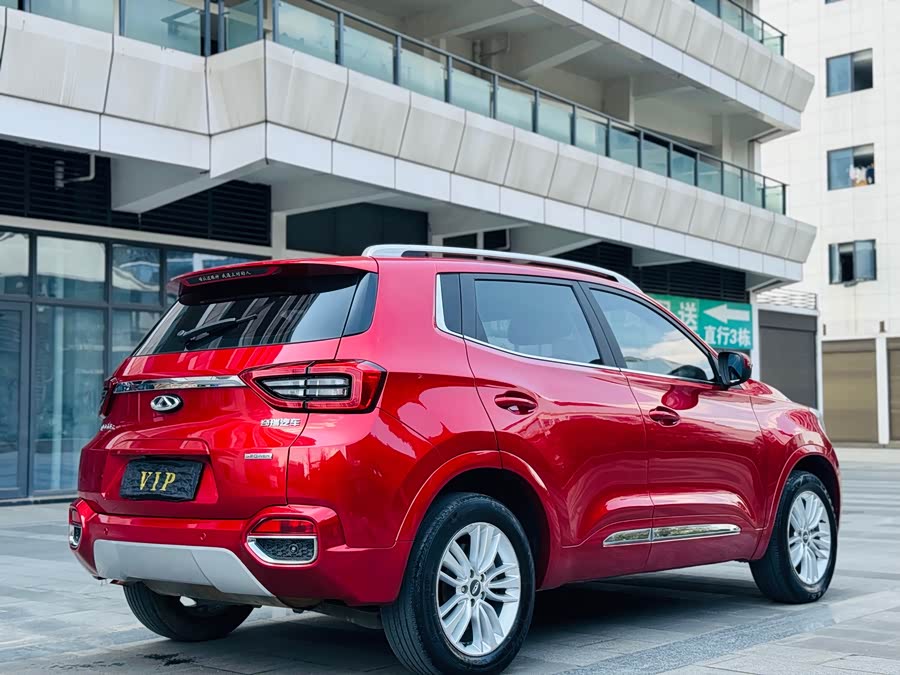
ColorRed
Seats-

Condition Description

very good

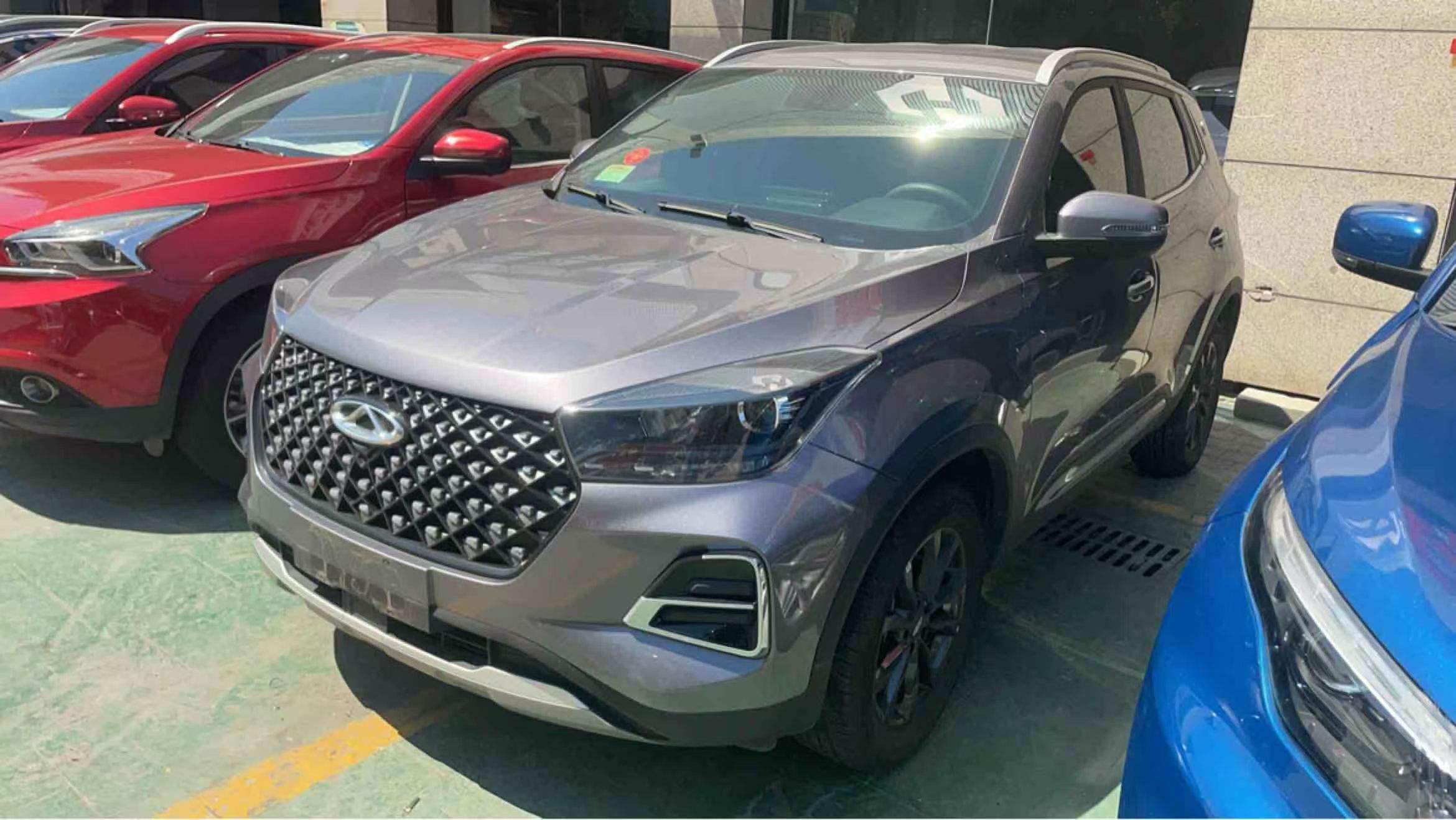
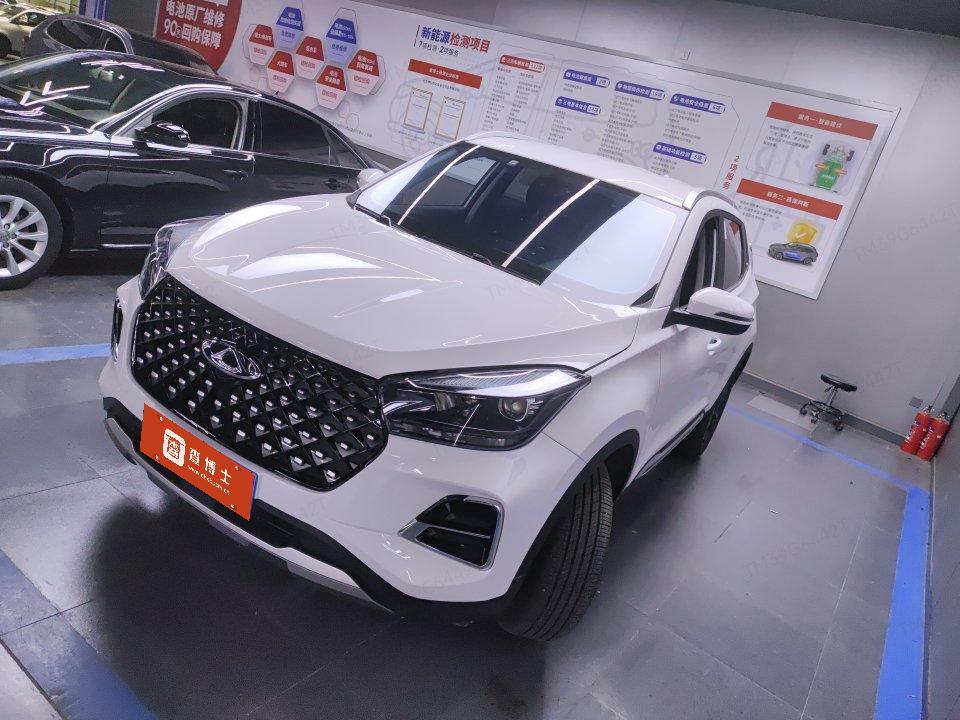
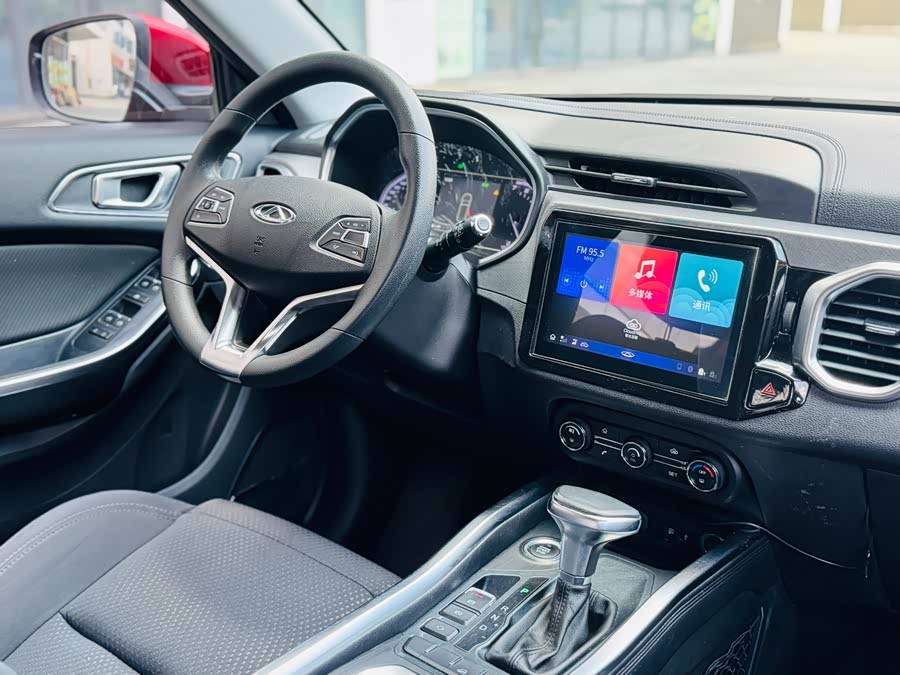
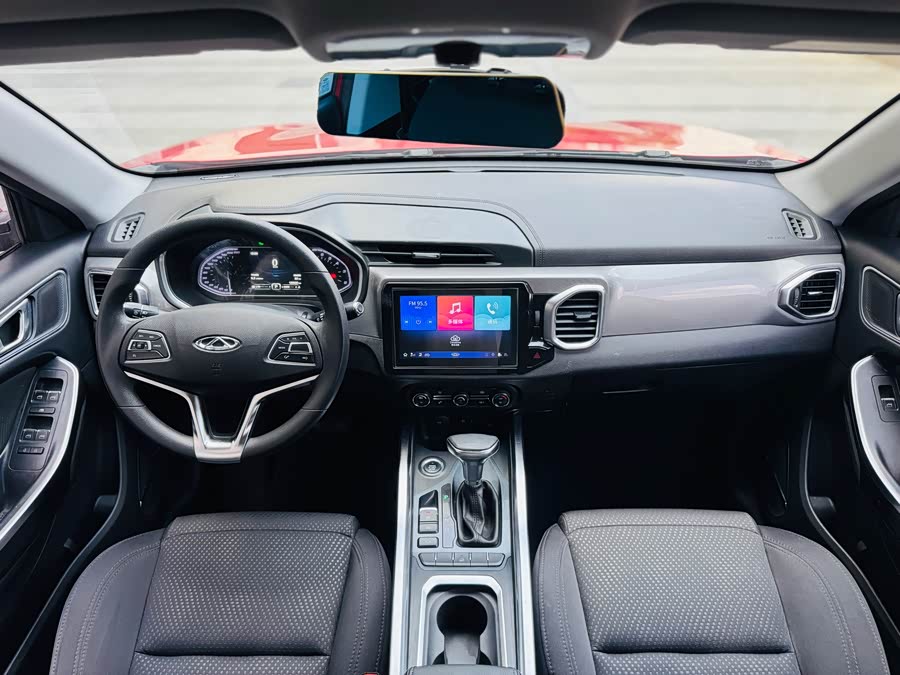
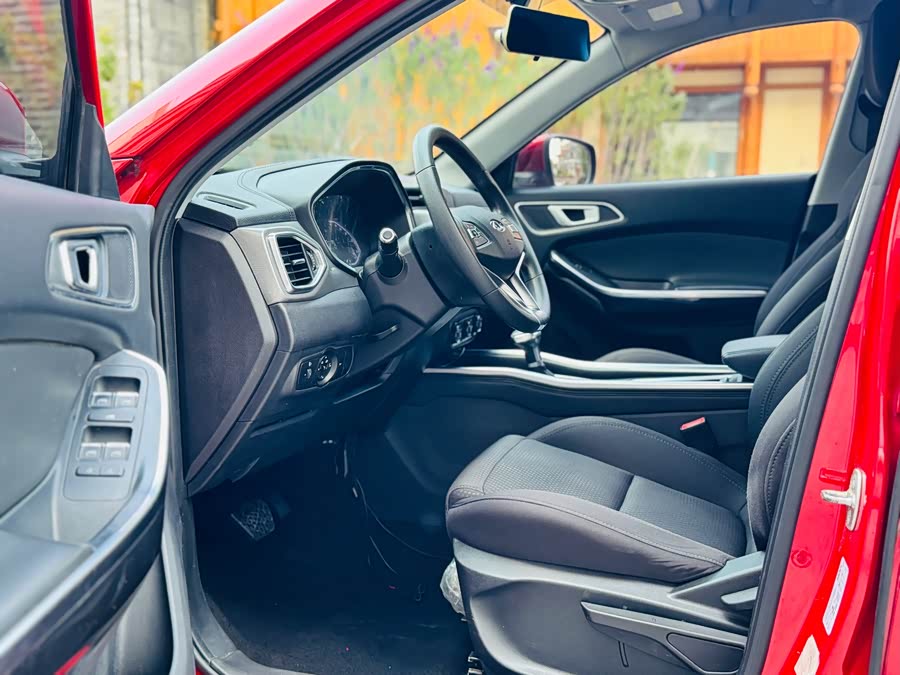
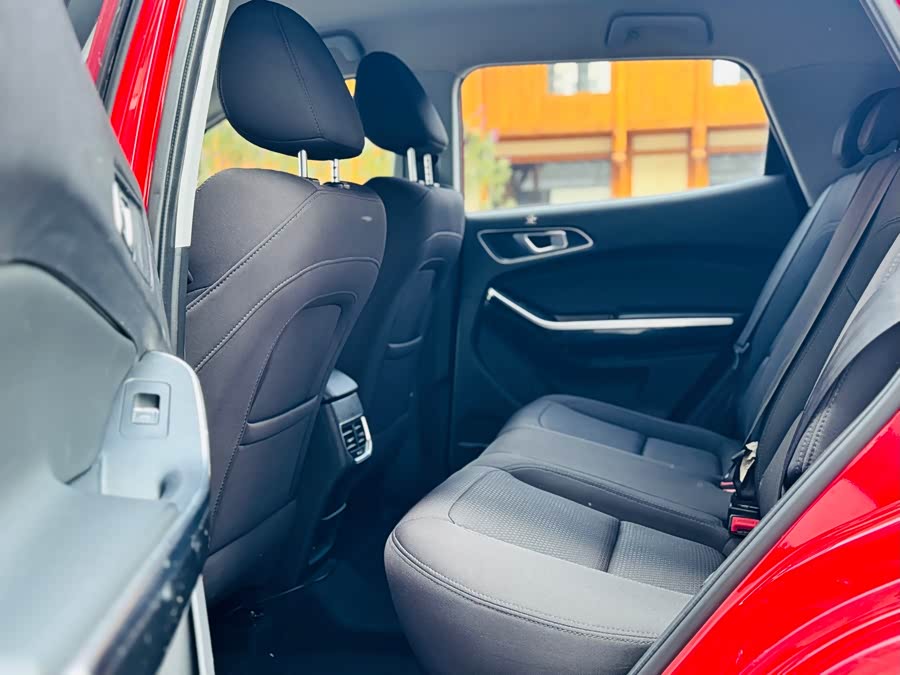
The vehicle is in excellent condition, with no major accidents, fire damage, or water damage. Buy with confidence, peace of mind, and satisfaction. Engine compartment: dry and clean, running smoothly; Exterior: no structural damage to the body; Interior: clean and tidy; Paint: well-maintained.

Newly added

Configuration Highlights

✓ISOFIX Child Seat Anchors
✓Backup Camera
✓Auto Hold
✓Cruise Control
✓Keyless Start System
✓Keyless Entry System
✓Bluetooth/Hands-free
✓Smartphone Integration
✓Rear Air Vents

Accident & Maintenance Records

Accident Record

🔗 Open Link

Maintenance Record

🔗 Open Link

Document Information

Inspection Expiry Date2026/09
Warranty Expiry Date-
Insurance Expiry Date2026/09

Q&A

More

Do you support using cryptocurrencies like USDT for cross-border vehicle procurement settlements?

Absolutely not. Exporting used cars requires clear proof of foreign currency receipts in USD/EUR (water bill) to be provided to the Chinese foreign exchange administration, customs, and tax authorities for document verification. Cryptocurrencies are considered illegal settlement channels.
Is the shipping insurance rate for used new energy vehicles higher than that for traditional fuel vehicles? What is the deductible?

Yes. Due to the significant difficulty in extinguishing lithium battery fires, insurance companies typically charge 20%-40% higher rates for comprehensive coverage on used EVs compared to ICE vehicles. Additionally, the absolute deductible for minor scratches on the body will also be increased accordingly.

Why are the shipping costs for used electric vehicles (EVs) usually higher than for internal combustion engine vehicles (ICEs)?

Pure electric vehicles are classified as Class 9 Dangerous Goods due to their large lithium batteries, leading to strict shipping regulations. Shipping companies have high requirements for the loading position and fire isolation measures for dangerous goods, and some roll-on/roll-off ships refuse to accept used EVs. As a result, EVs often require more expensive special container shipping and incur additional handling fees for hazardous materials.