


24H

Basic Information

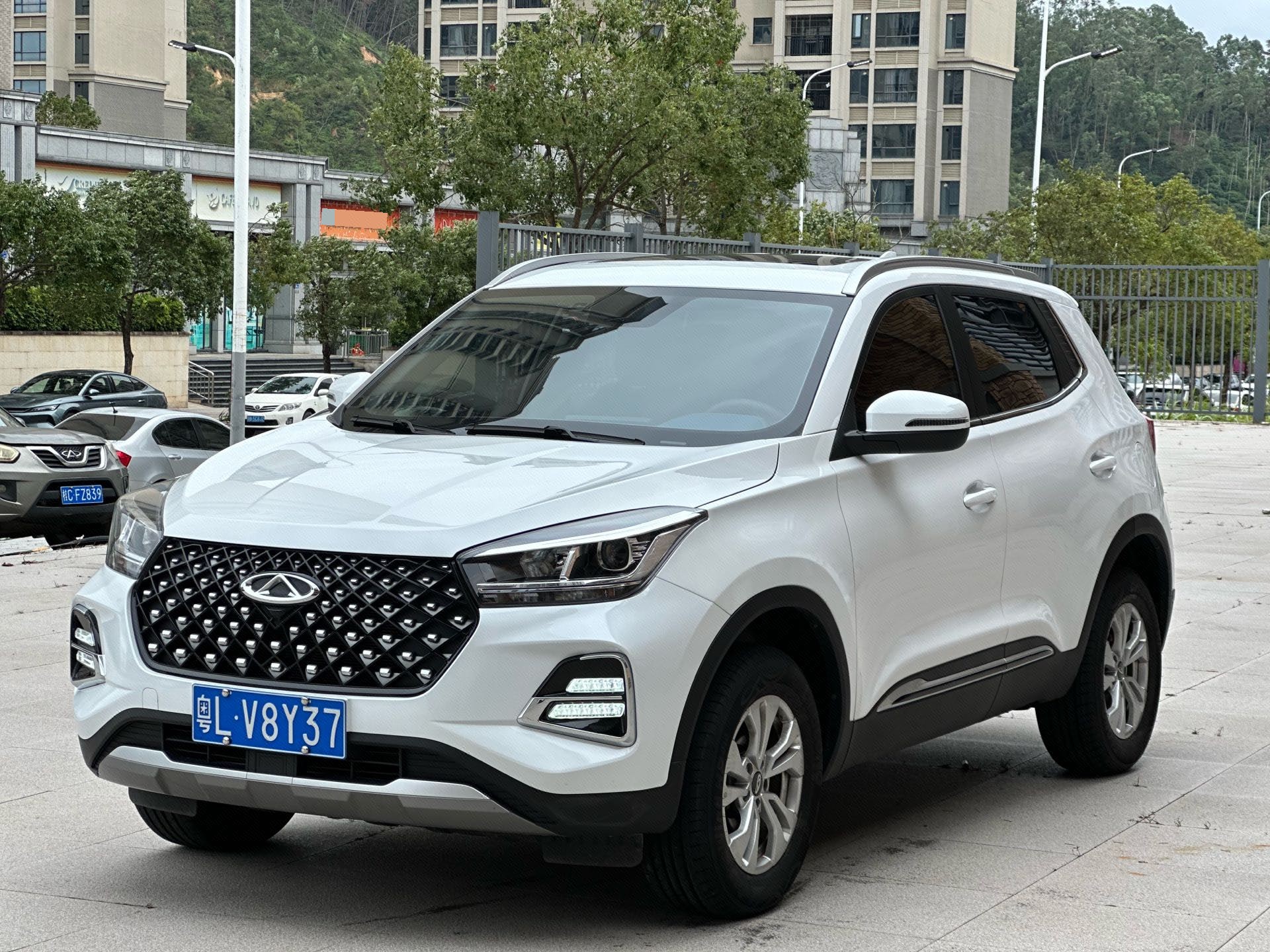
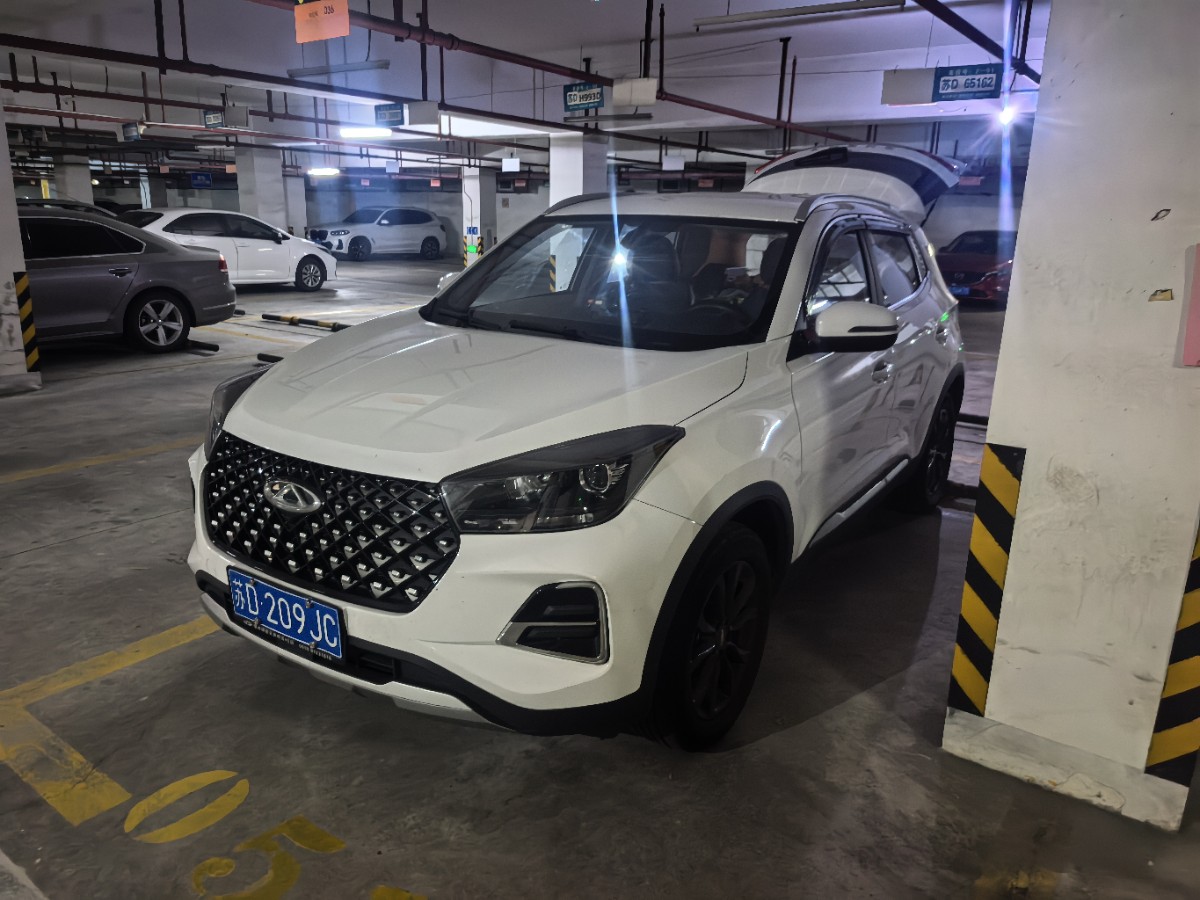
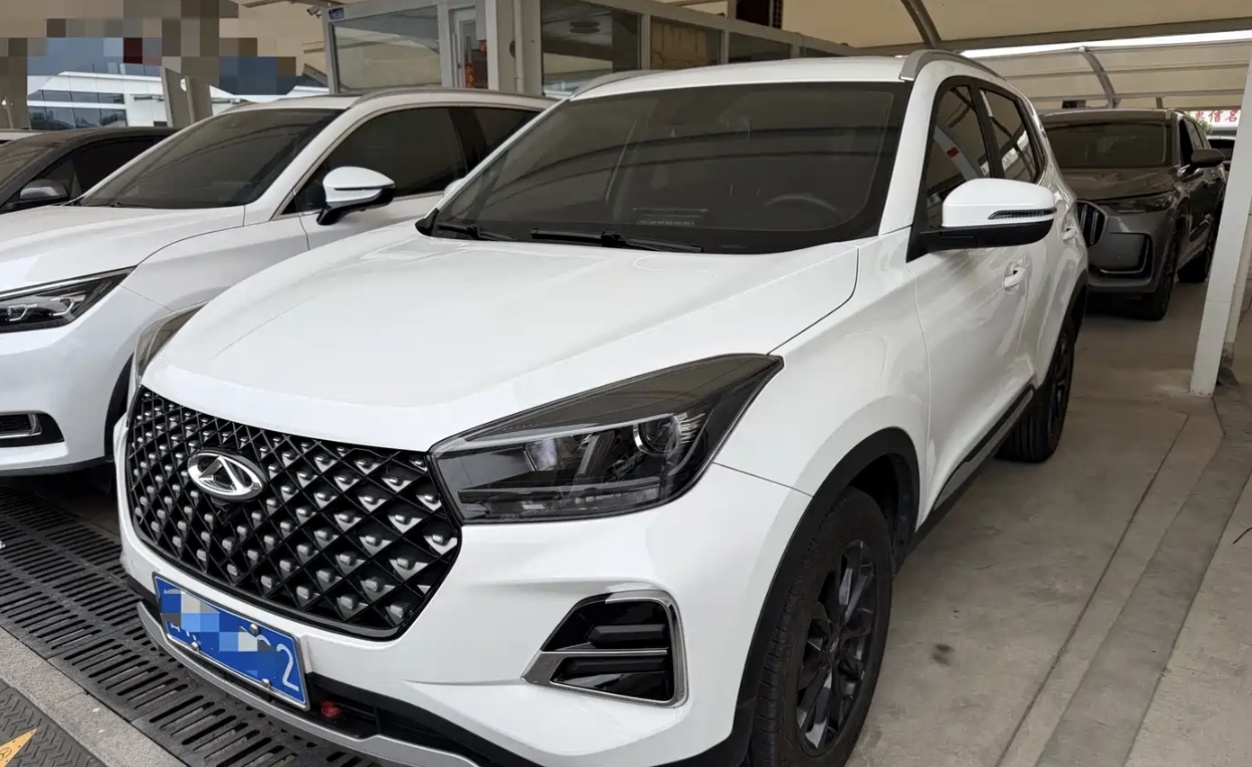
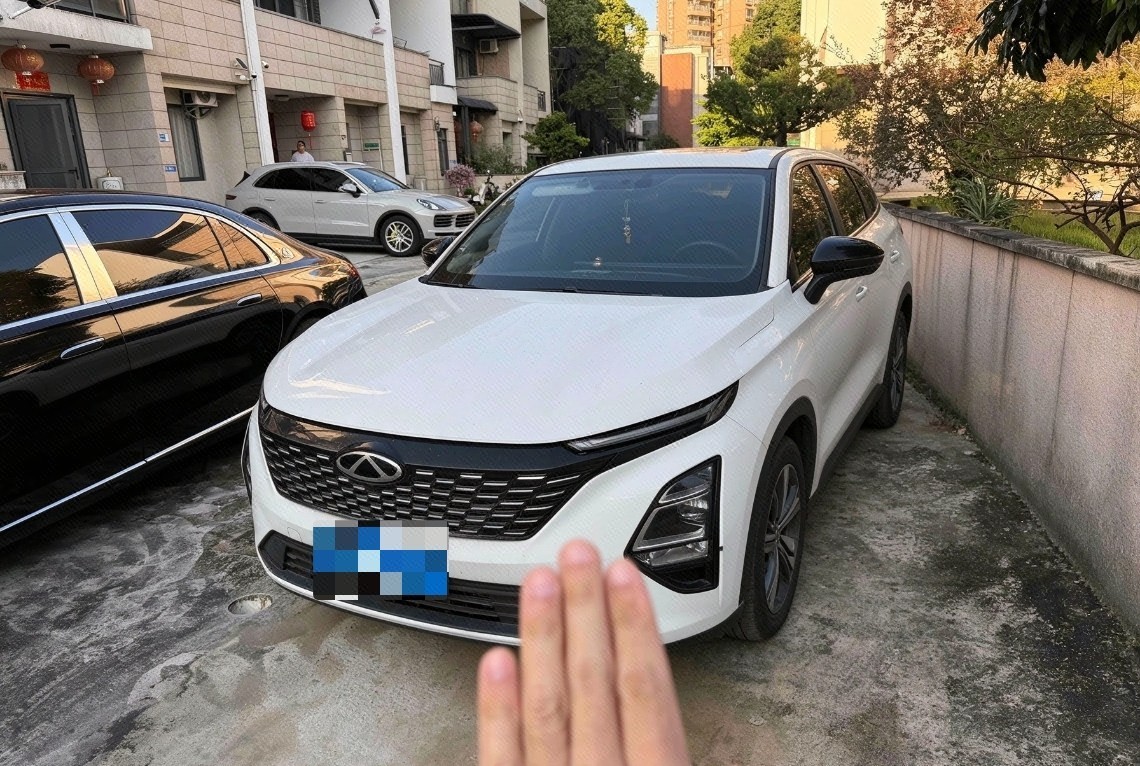
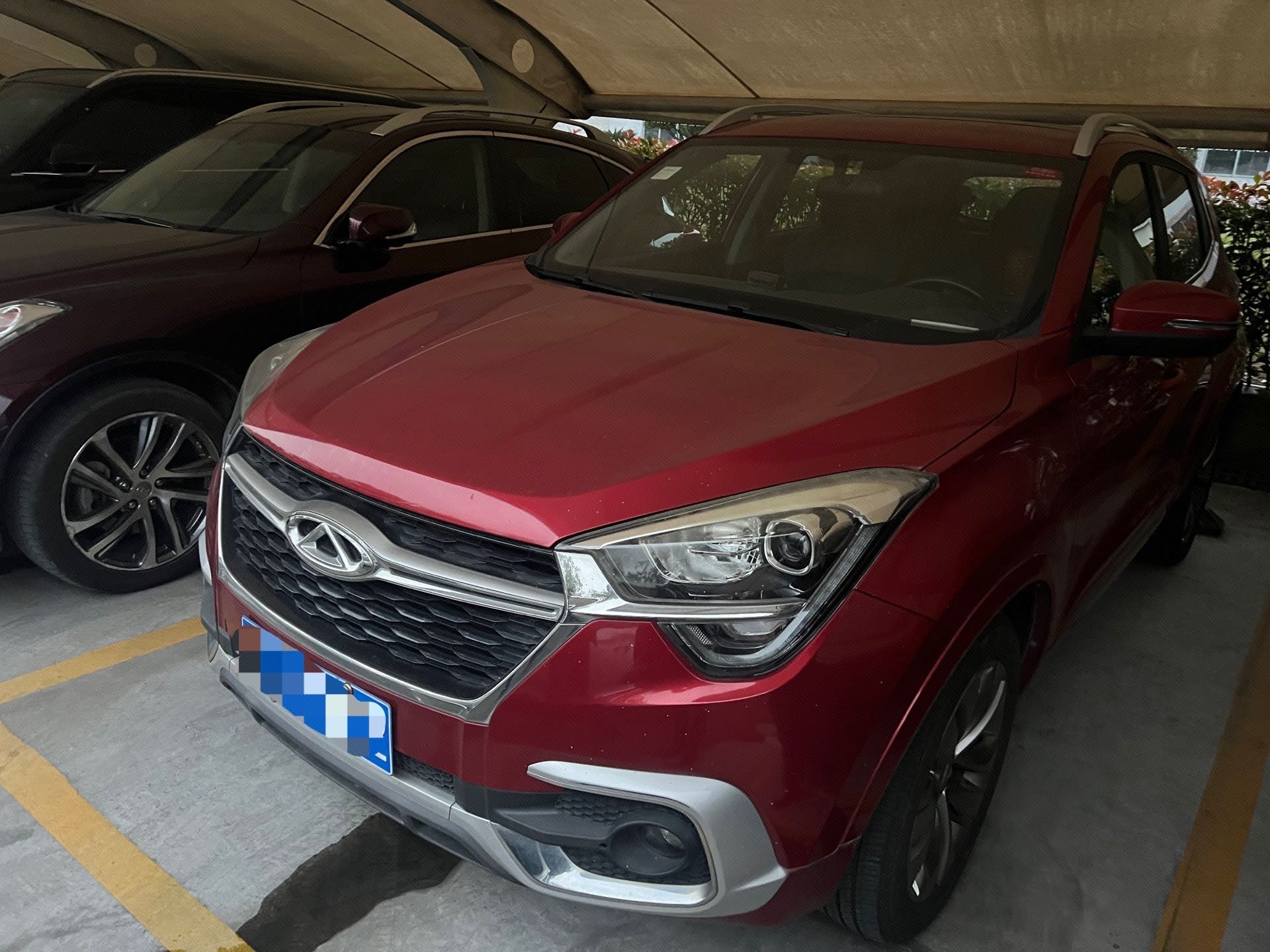
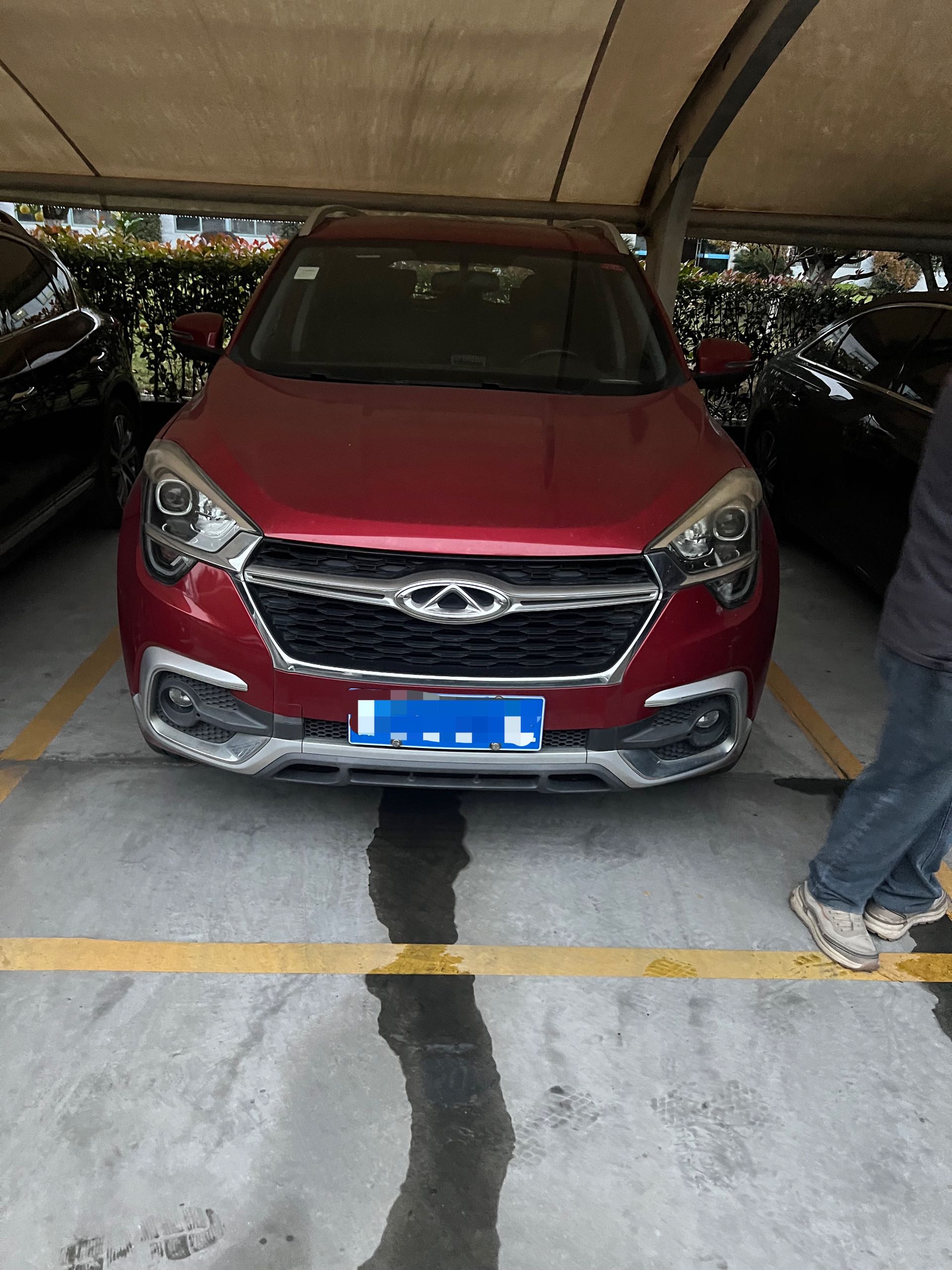
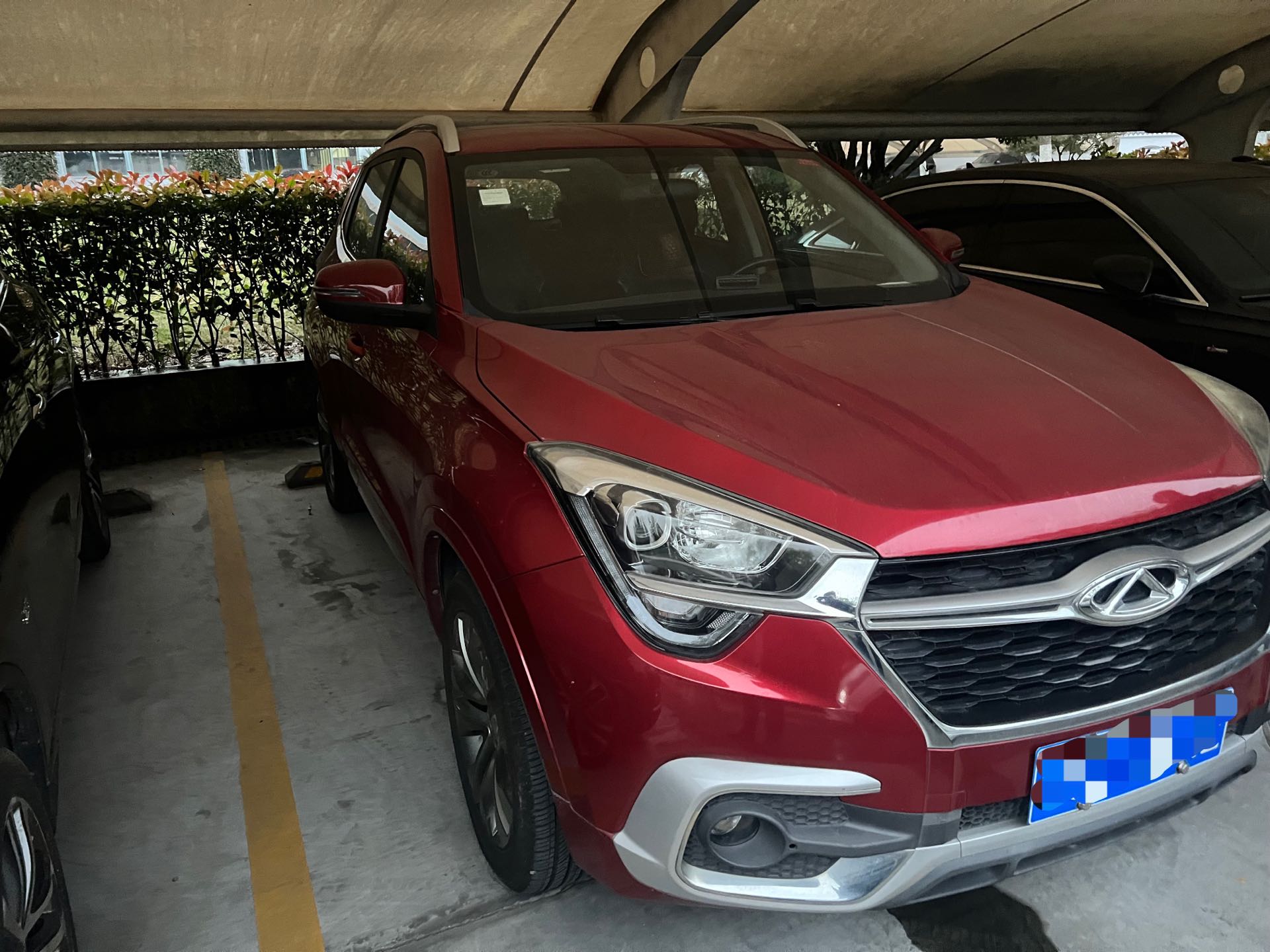
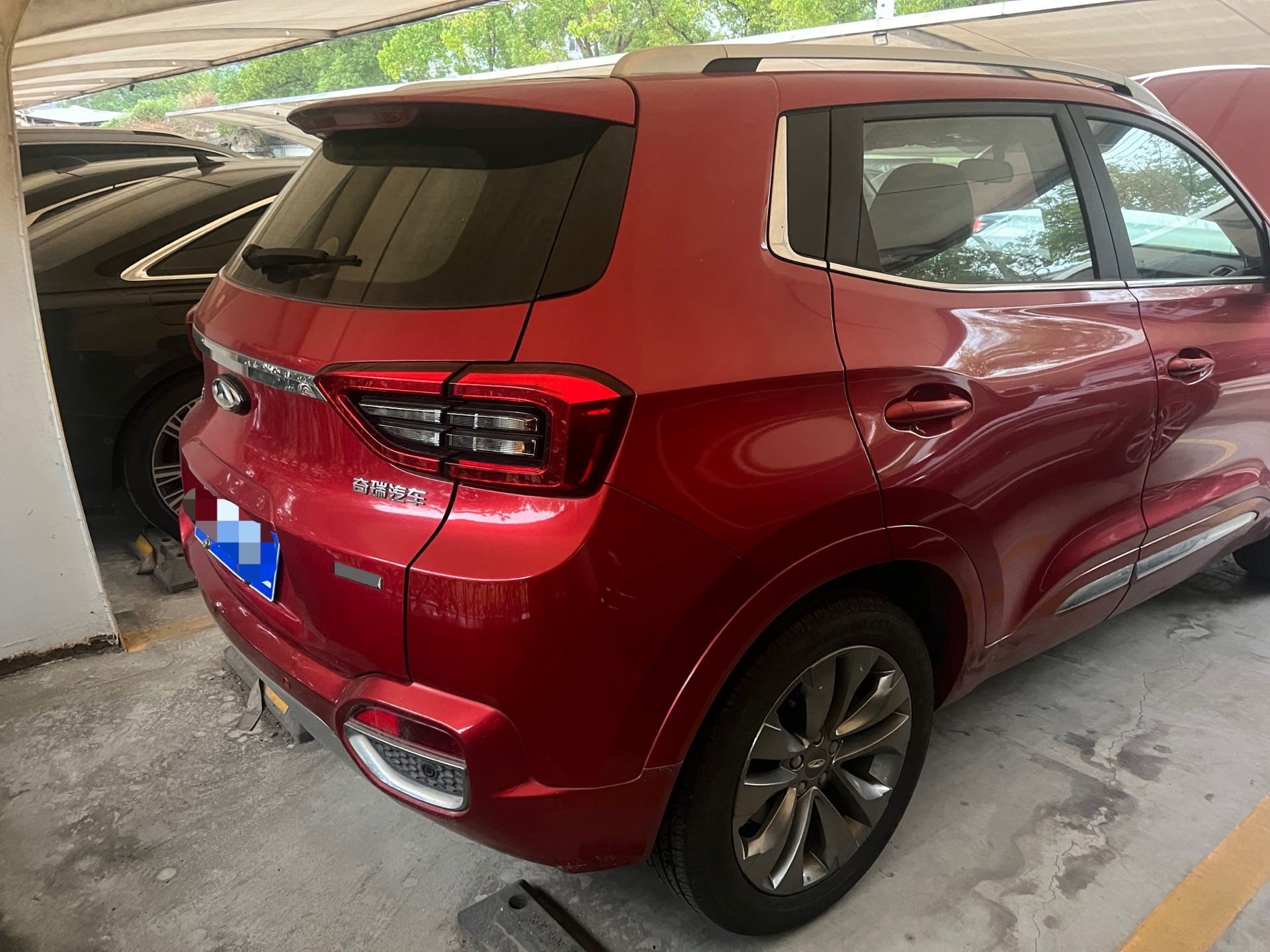
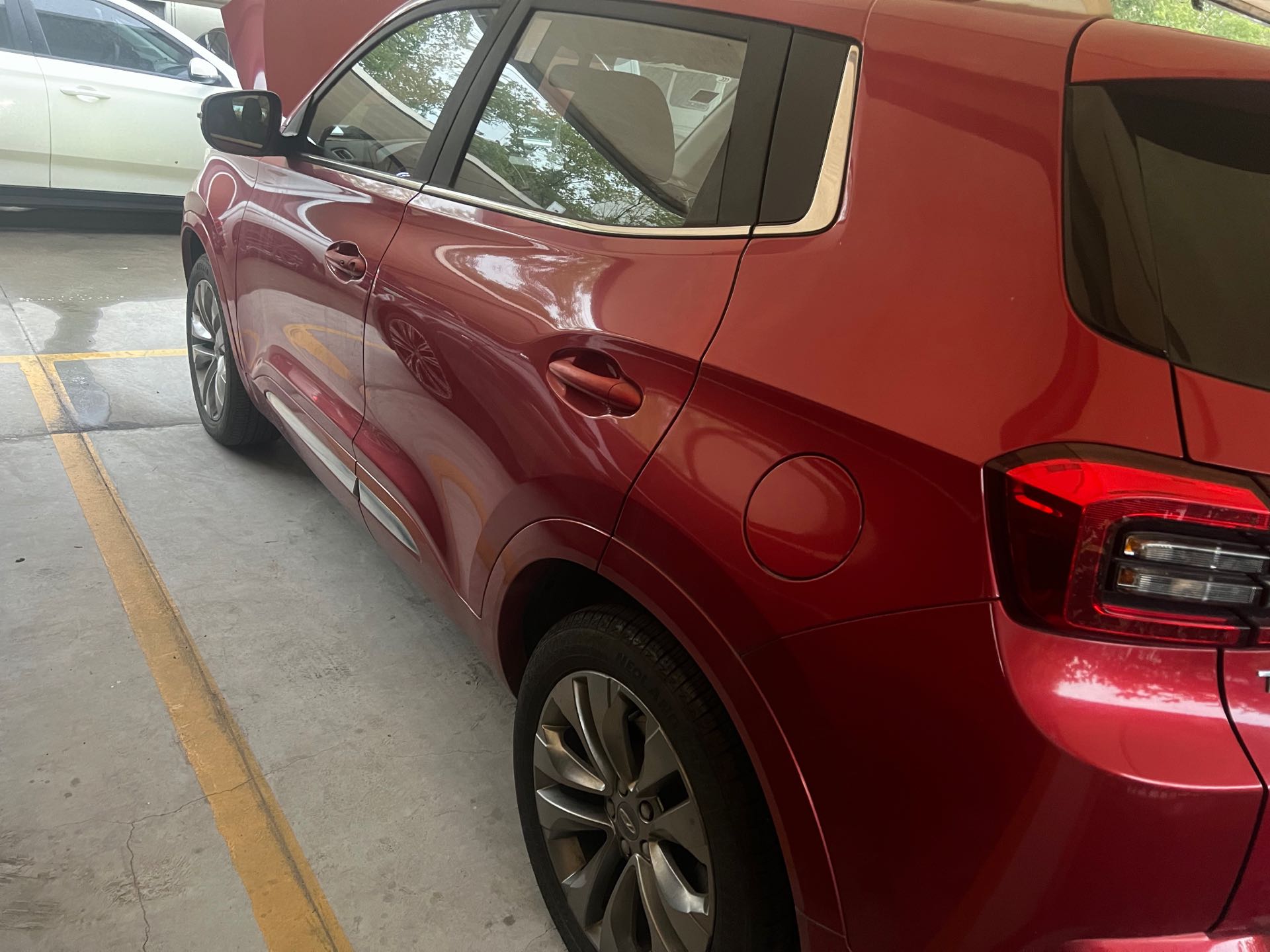
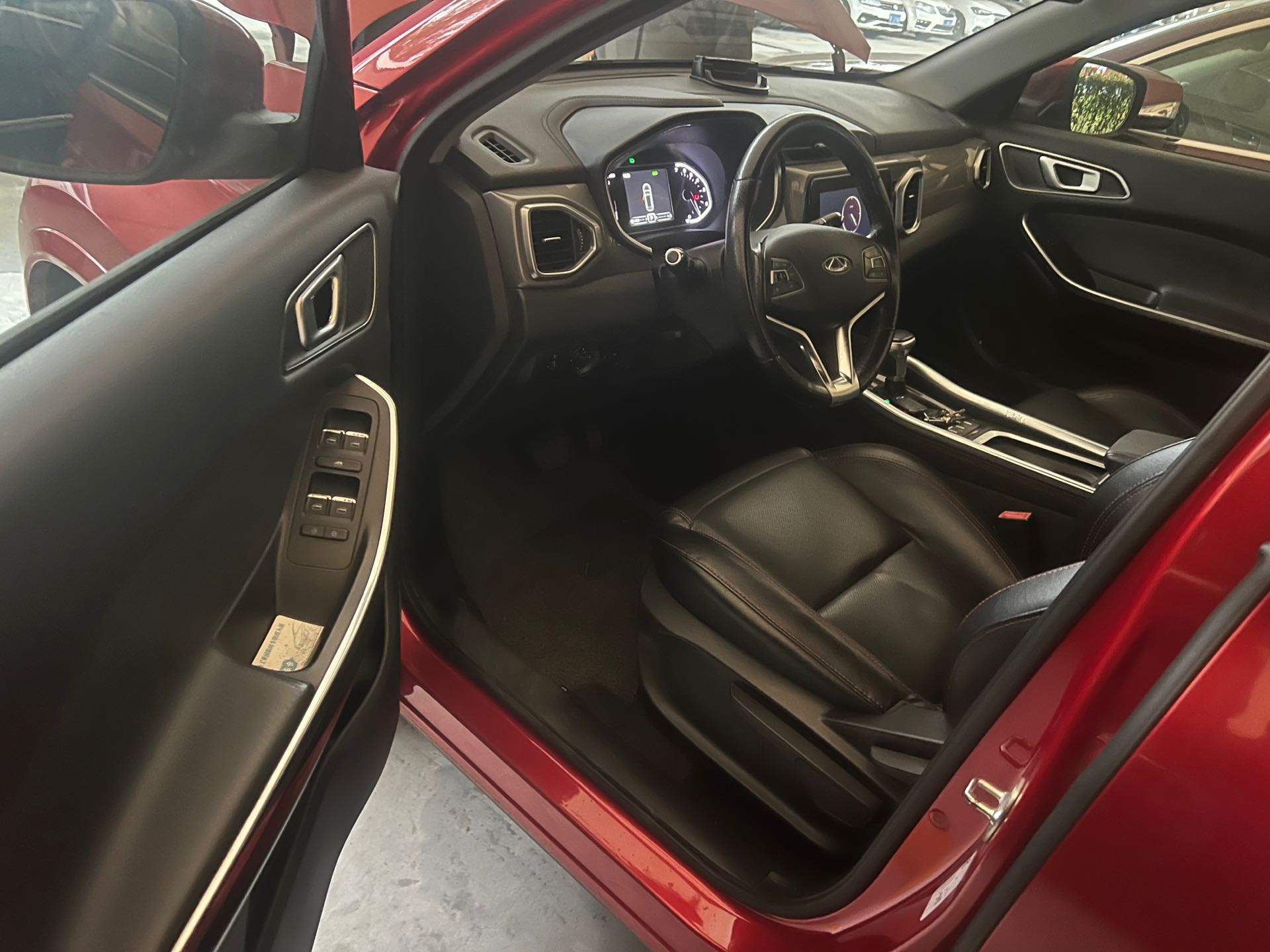
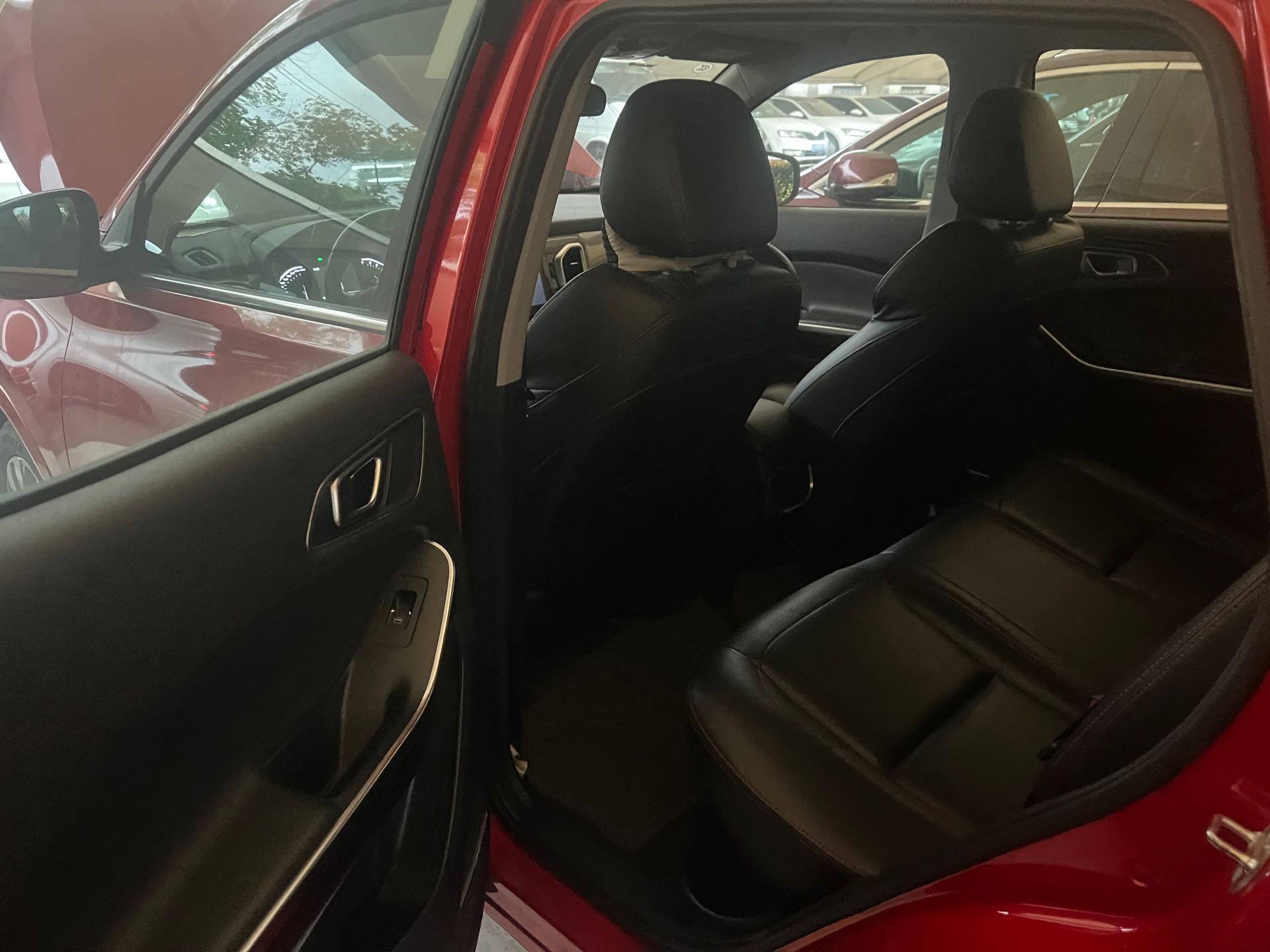
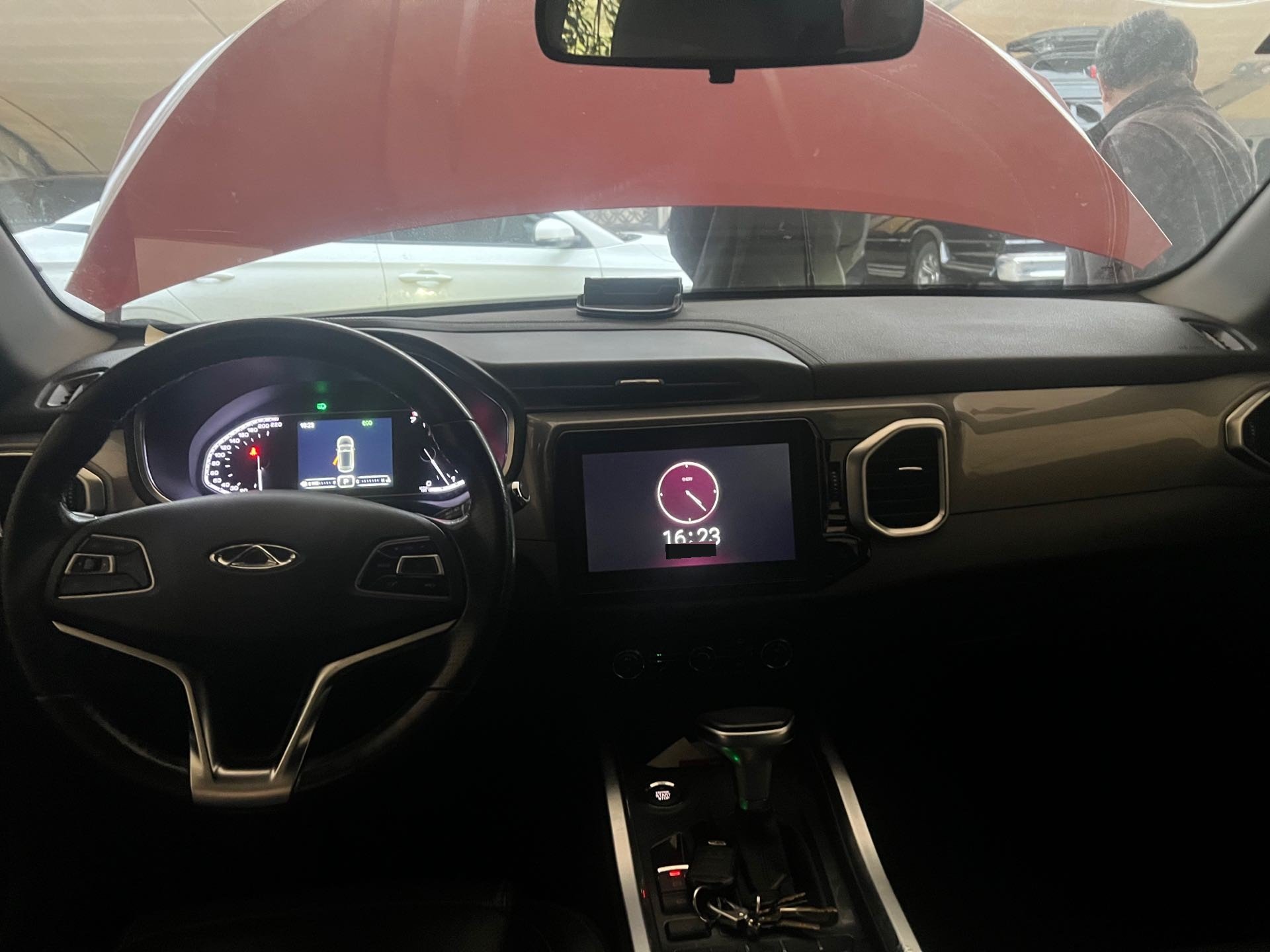
BrandChery
SeriesTiggo 5x
Year2018
First Registration2018/08
Mileage64,000km
Transfer Count0times
FuelGasoline
TransmissionDCT
Engine1.5T 147 L4
ColorRed
Seats-

Condition Description

Original paint throughout, single owner, zero insurance claims.

Document Information

Inspection Expiry Date-
Warranty Expiry Date-
Insurance Expiry Date2027/08

Q&A

More

Does the vehicle-to-load (V2L) feature on used Chinese EVs work in my country, and how do I check it remotely?

V2L lets an EV power external appliances through a discharge port, typically 2.2 to 6 kW. Whether it works abroad depends on three things. First, hardware: the car must have a V2L discharge port or adapter, and the OBC must support discharge mode—not all trims include it. Confirm the exact trim has V2L before paying. Second, frequency compatibility: Chinese models output 220V/50Hz, which matches most of Asia, Africa and Europe, but not North America's 110V/60Hz without an external transformer. Third, software region locks: some brands disable discharge functions for exported units. To verify remotely, ask the seller for a live video: connect a load (a kettle or work light), start discharge from the infotainment menu, and show no error messages. Also request a screenshot of the discharge settings page. If V2L matters to you, write it into the contract as a confirmed working feature.


How do I read and interpret a Chinese vehicle history report—what do the records and codes mean, and which findings should stop the deal?

A Chinese history report (查博士, 精真估, or 4S-shop records) usually contains several sections. Here's how to read them. Accident records: entries tagged 重大事故 (major accident) or listings at an insurance payout above 30% of the car's value are serious red flags. Airbag deployment is a deal-breaker for most buyers. Mileage timeline: check that mileage increases logically between service visits. A sudden drop between two dates means odometer tampering—walk away. Ownership count: more than 3 owners in 5 years suggests a problem car. Also check the 使用性质 field: a car registered as 营运 (commercial/taxi use) has a much shorter legal lifespan. Maintenance entries: consistent 4S dealership records are a good sign; long gaps aren't necessarily fatal if the owner used independent shops, but ask for receipts. Cross-check the report against the VIN plate, registration certificate, and physical inspection. If the report shows no accidents but paint thickness readings say otherwise, trust the metal, not the paper.

What is the difference between EXW, FOB, and CIF prices from a Chinese exporter, and which incoterm should I choose as a first-time buyer?

EXW means you pay only for the car at the seller's yard—you handle everything else, including inland transport in China and export clearance, which is impractical from overseas. FOB includes delivery to the port and export customs clearance; you pay for ocean freight and insurance. CIF adds freight and basic insurance to a named destination port. For a first-time buyer, FOB is usually the best balance: the exporter, who knows Chinese logistics, handles the complicated part, while you control the freight booking and can shop rates among forwarders. Watch for exporters quoting unrealistically low FOB prices and making margin on inflated 'shipping services' later. Get a separate freight quote before signing, and compare the exporter's CIF offer against FOB plus your own freight estimate. Ask explicitly whether the price includes inspection, export license fees, and port charges—ambiguity here is the most common source of disputes.