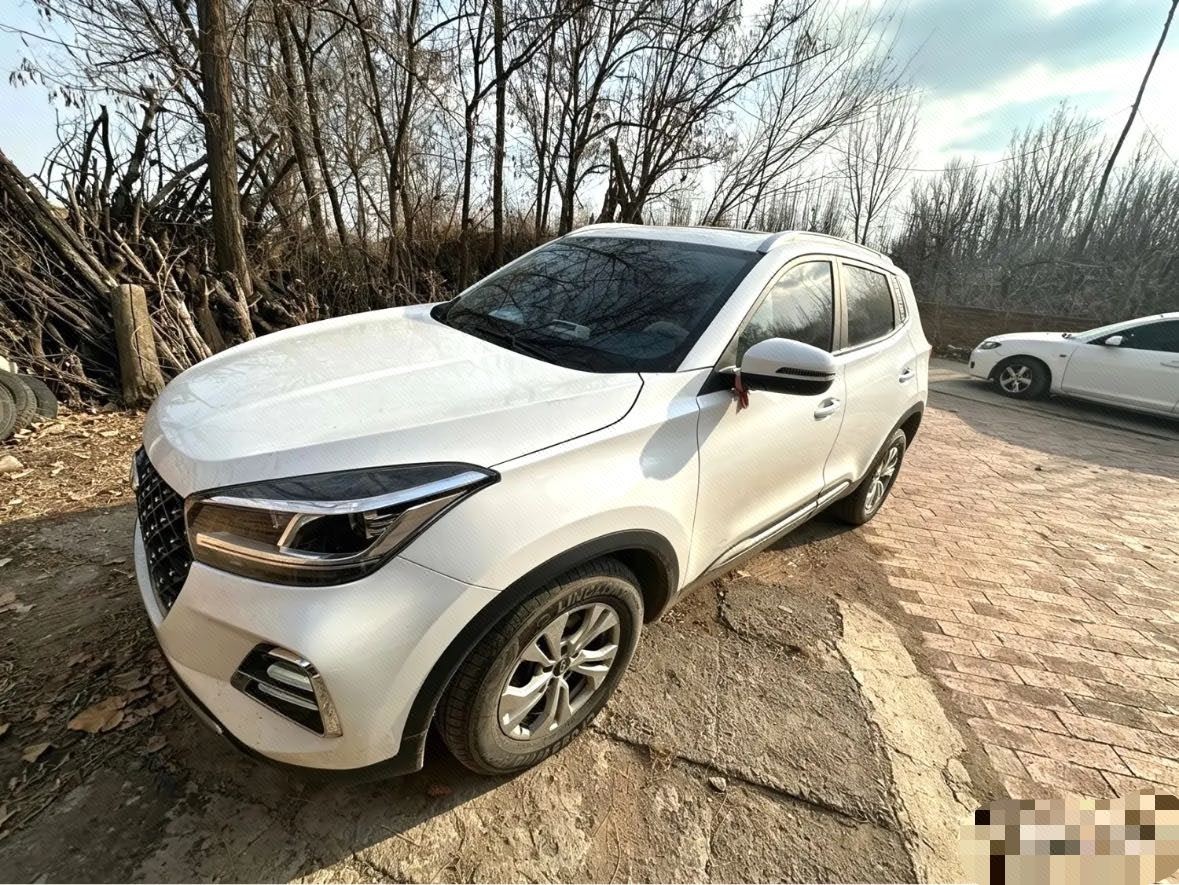
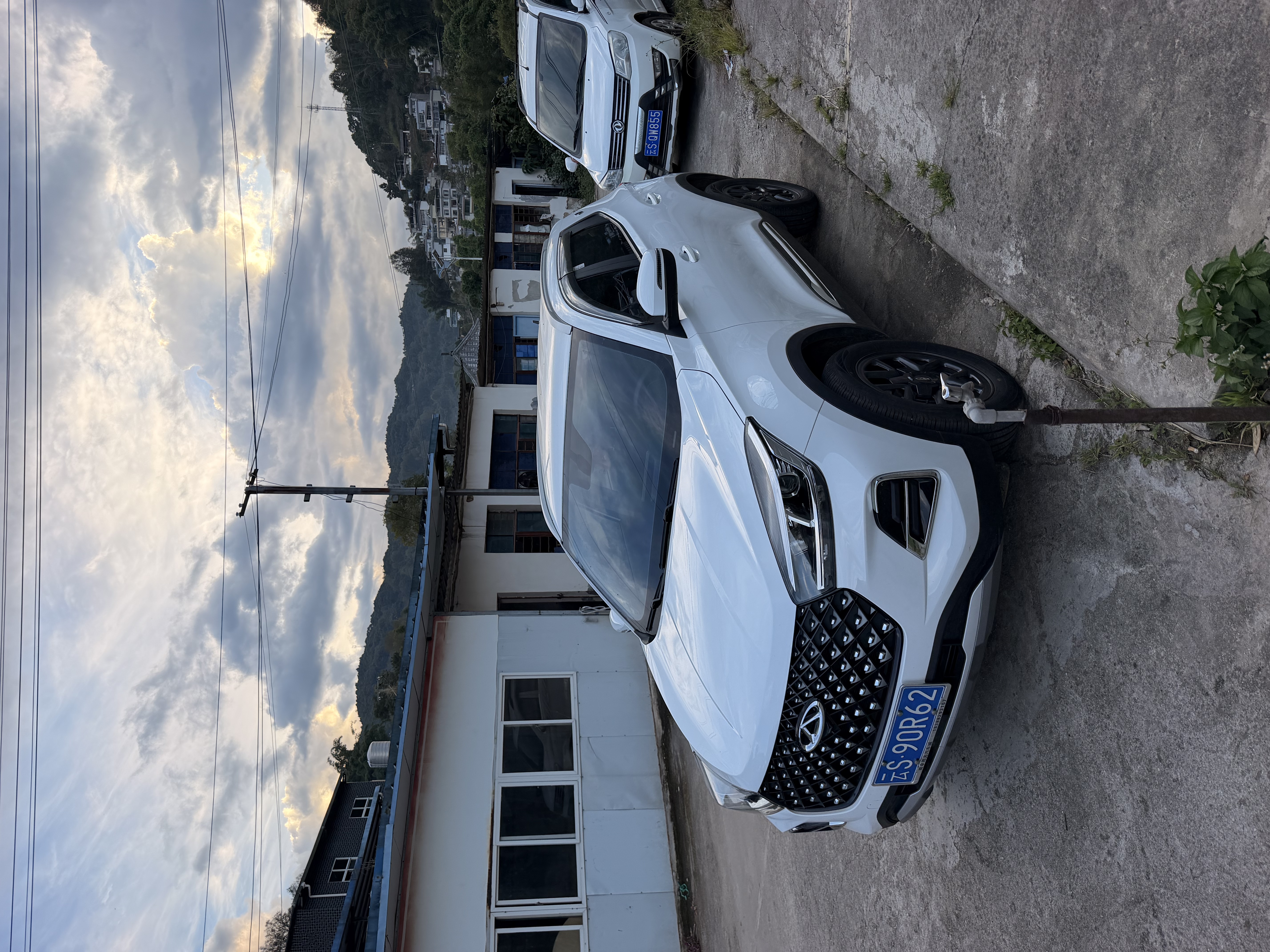
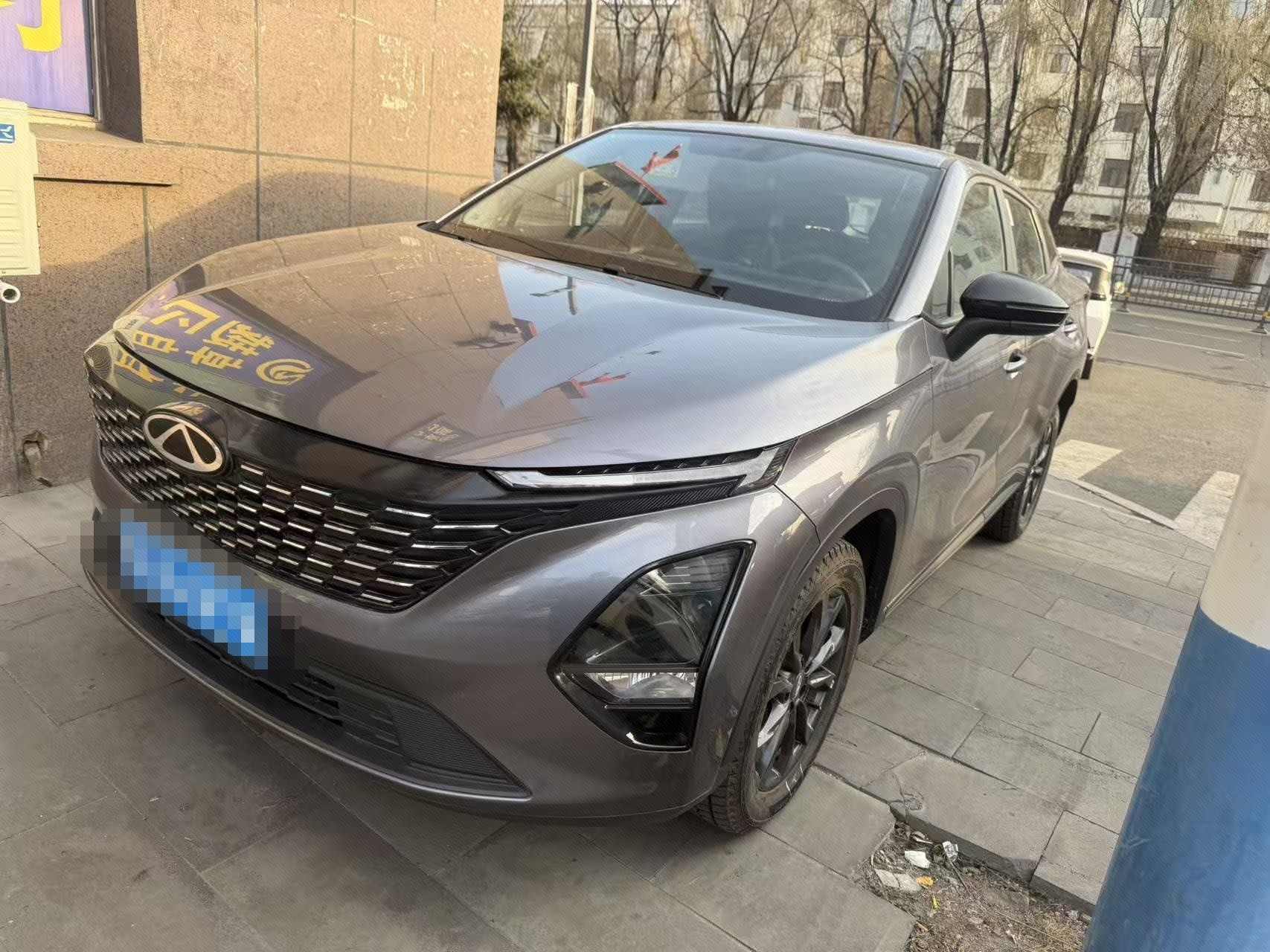
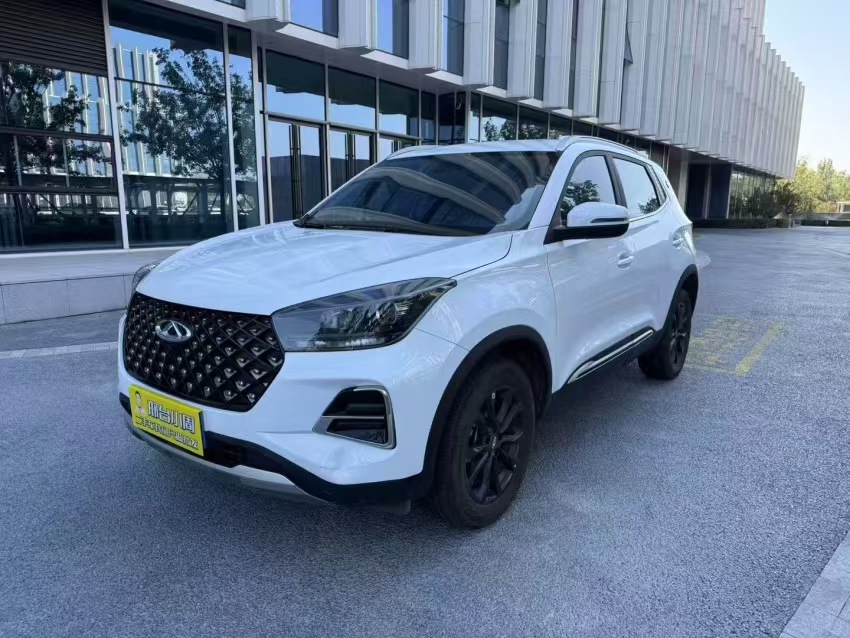
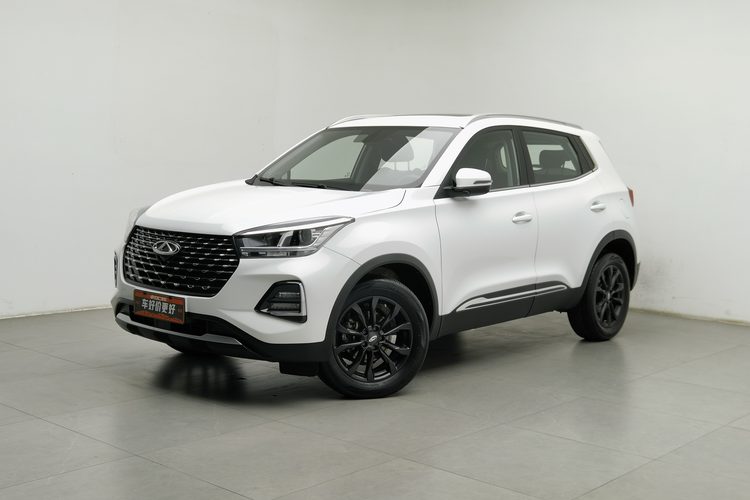
Basic Information

BrandChery
SeriesTiggo 5x
Year2019
First Registration2019/02
Mileage47,600km
Transfer Count0times
FuelGasoline
TransmissionManual
Engine1.5L 116 L4
Color
Seats-

Condition Description

官方质检 · 60天全车质保· 7天无理由有偿退车

Configuration Highlights

✓上牌时间: 2019-02
✓表显里程: 4.8万公里
✓车源地: 合肥
✓排放标准: 国五
✓发动机: 1.5L
✓轴距: 2630mm
✓变速箱: 手动
✓最大功率: 85kW
✓功能配置: 6项
✓安全配置: 2项
✓动力类型: 前驱
✓空间舒适性: 一般

Q&A

More

Will the vehicle undergo deep cleaning, thorough washing, or exterior refurbishment before being shipped for export?

Before export, we perform a standard external wash and interior vacuuming to meet basic hygiene inspection requirements by customs. However, we do not engage in deceptive "refurbishments" (such as repainting large areas with cheap paint or using low-quality interior refurbishing agents) to preserve the vehicle's true physical condition for buyer assessment.


What charging adapters or equipment will I need to charge a used Chinese EV in my country?

Chinese EVs ship with GB/T charging ports, which are not used in Europe (Type 2/CCS2), North America (J1772/CCS1/NACS), or most of Latin America. Plan for these extras: 1. GB/T to local standard adapter or converter box: this lets you charge at public stations. A simple passive adapter works for AC charging; DC fast charging needs an active converter, which is expensive — many owners skip it and rely on AC. 2. Portable charger swap: the included travel charger has a GB/T plug. Buy a local wallbox or a portable EVSE with your country's plug instead. 3. Home electrical check: confirm your home circuit can handle 7–11 kW, and have an electrician install a dedicated line if needed. Ask the exporter for the car's charging port photos and on-board charger capacity before buying. Budget roughly a few hundred dollars for adapters and a wallbox. Without planning, you may end up with a car that can only trickle-charge from a wall socket.

Where can I find spare parts for my imported used Chinese car, and which parts should I stock in advance?

Start with three sources: 1) The exporter you bought from — most can ship parts with new orders; 2) Cross-border platforms like Alibaba for OEM and aftermarket parts; 3) Local specialists — many Chinese brands share parts across models, so a mechanic experienced with any Chinese brand can usually help. Before importing, stock the wear items that are slow to arrive: air filters, oil filters, brake pads, wiper blades, the correct 12V battery, and for EVs, cabin filters and tire repair kits. Keep the VIN handy — parts catalogs are VIN-based, and giving suppliers the VIN avoids wrong orders. For body panels and lights, order them together with the car or as soon as damage occurs, since lead times of 4-8 weeks are common.