48H

Basic Information

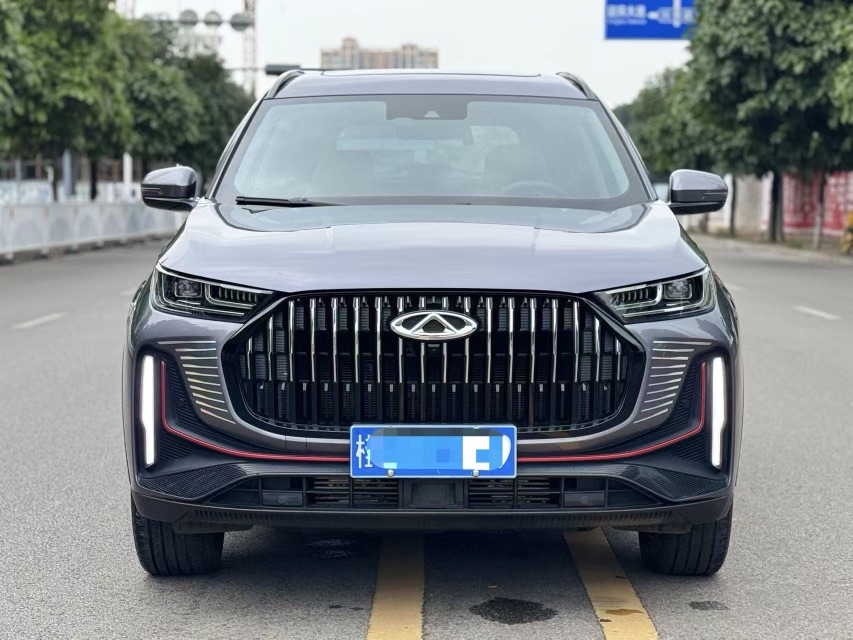
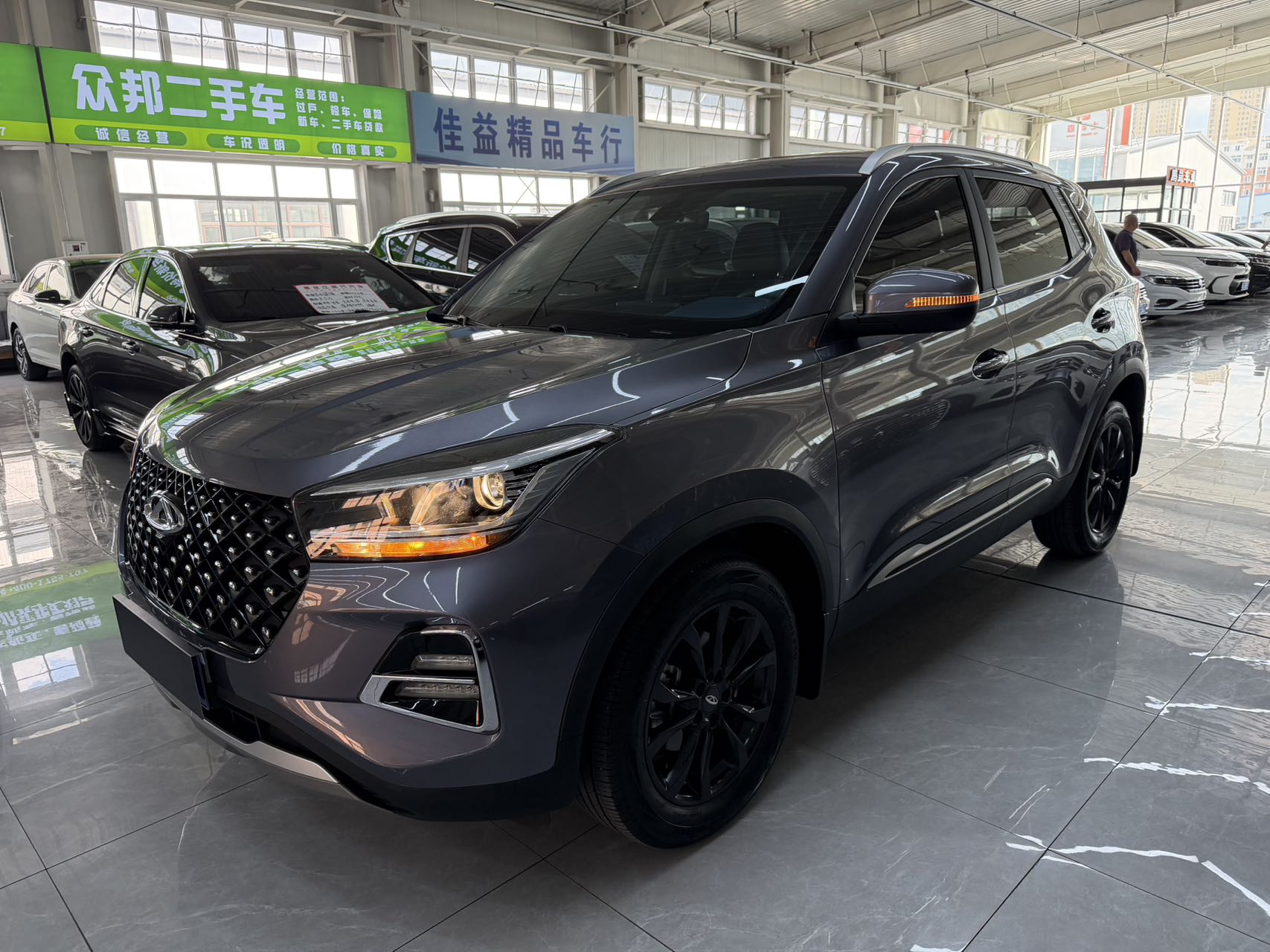
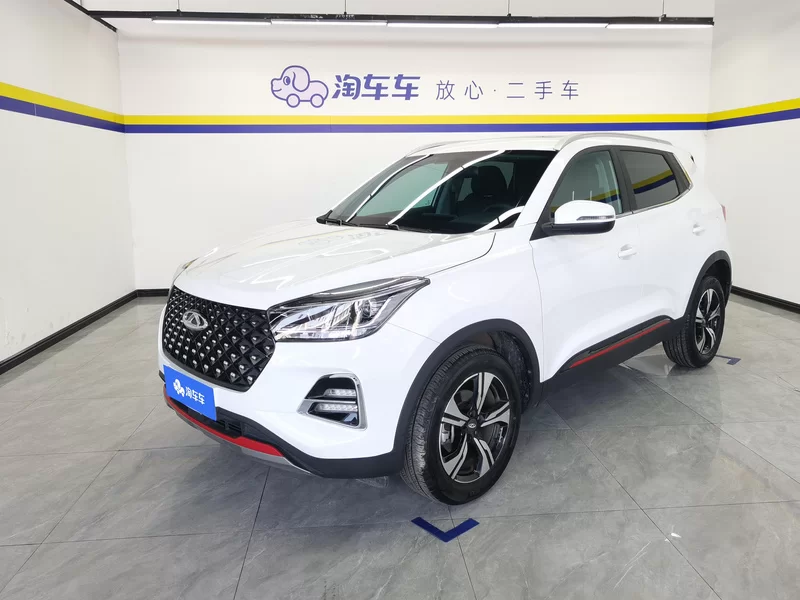
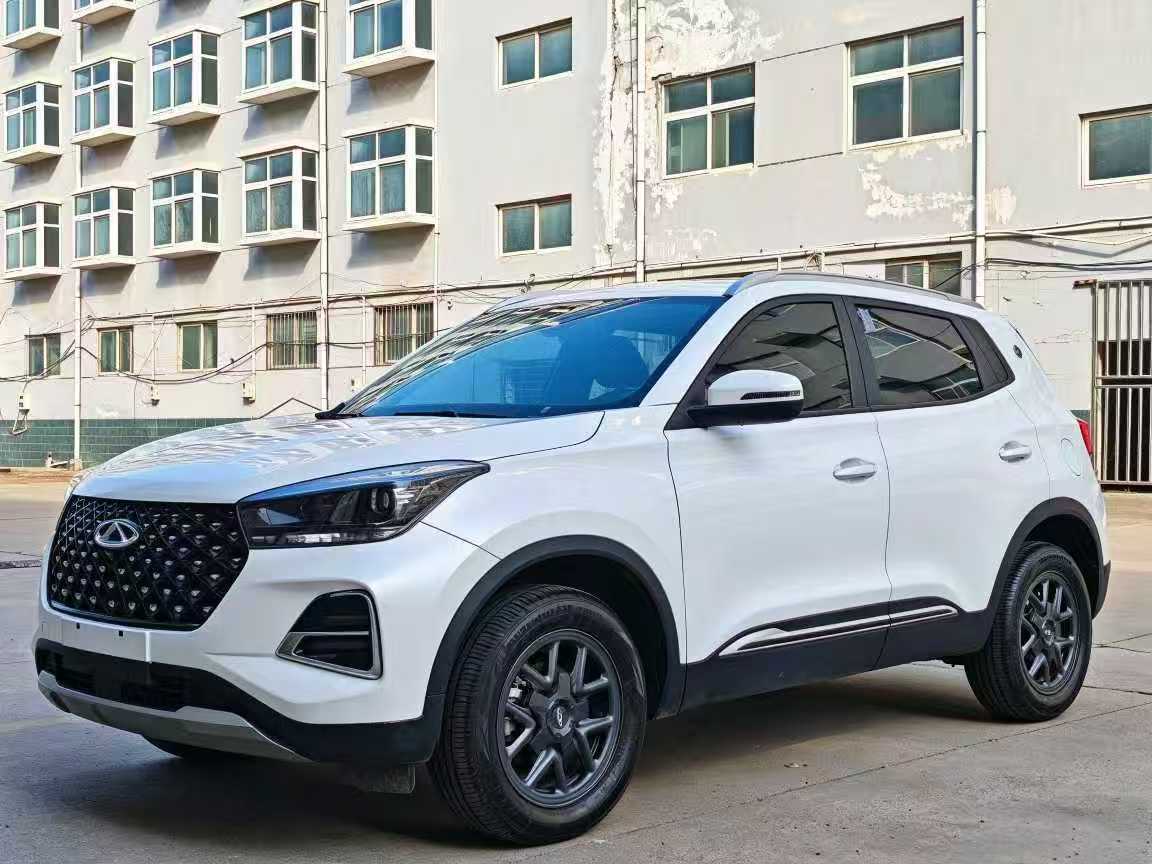
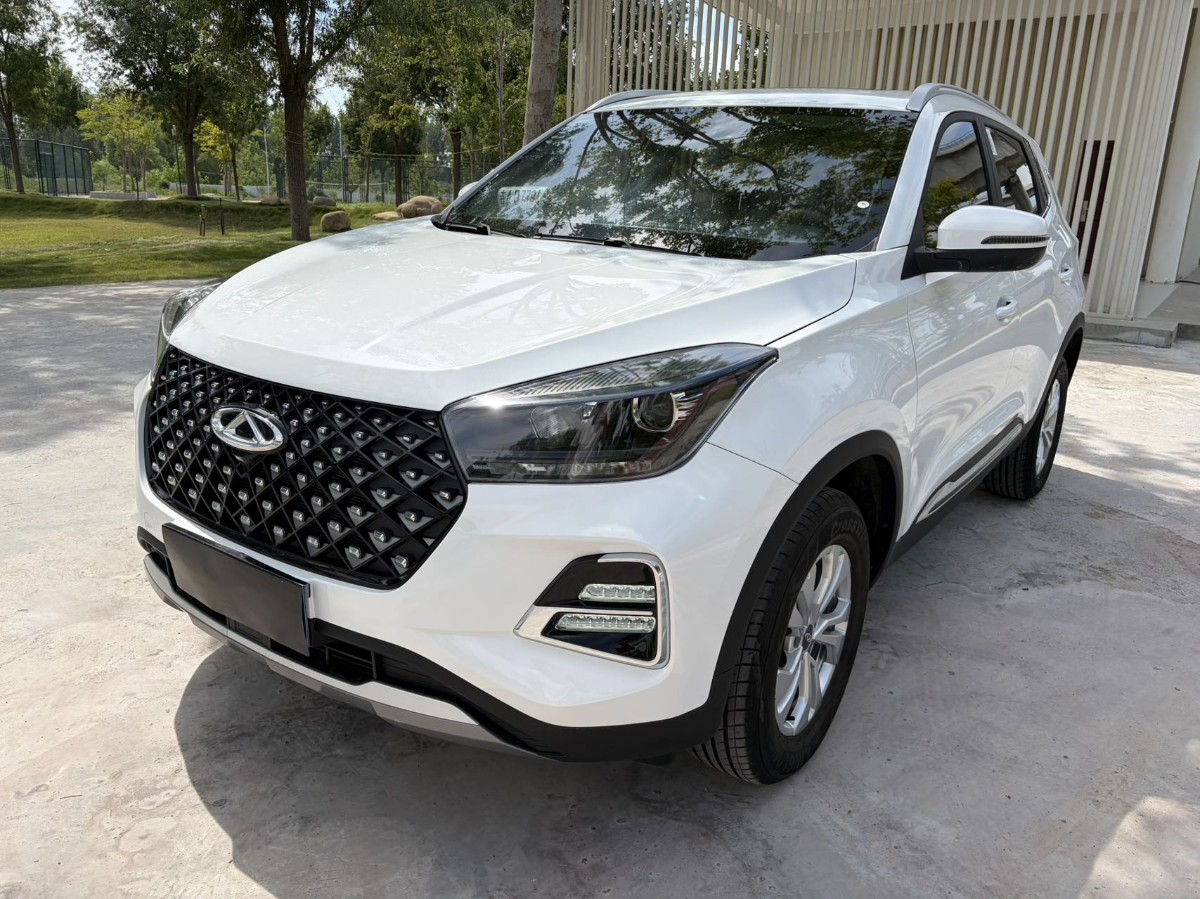
BrandChery
SeriesTiggo 5x
Year2019
First Registration2019/12
Mileage71,500km
Transfer Count-
FuelGasoline
TransmissionCVT
Engine1.5L 116 L4
ColorBlue
Seats-

Condition Description

Localized body damage or repair marks present; structural and reinforcement components have no accident-related damage or repairs. Vehicle performance (including three-electric system) has degradation or performance limitations.

Accident inspection: main structure undamaged, reinforcement components undamaged, cover panels undamaged, hinges normal. Engine bay inspection: key mechanical components normal. Exterior: 2 sheet metal repairs present. Interior: most features normal, airbags normal, seatbelts normal, dashboard normal, instrument readings normal, lighting system normal. Startup inspection: main components normal. Tool kit: absent.

Fixed price
VIP车源
零过户
新检测标准升级>
非泡水

Document Information

Inspection Expiry Date2027/12
Warranty Expiry Date-
Insurance Expiry Date2026/12

Q&A

More

How can I check a used car's history in China before buying—accident records, mileage, and ownership?

China's vehicle data is less centralized than in the US or Europe, but you can still verify a lot: 1. Ask the exporter for the VIN and order a third-party history report from Chinese services; they aggregate insurance claims and repair records. 2. Cross-check the registration date on the title with the odometer—a 3-year-old car showing 30,000 km but registered as a ride-hailing vehicle is a red flag. 3. Request maintenance records from the brand's dealer network; digital records are increasingly common. 4. Verify the seller legally owns the car: the registration certificate name should match the exporter's business license. Gaps are common, so treat the history report as one input, not proof. Combine it with an independent pre-purchase inspection, and hold back part of the payment until the inspection passes.


Why are the shipping costs for used electric vehicles (EVs) usually higher than for internal combustion engine vehicles (ICEs)?

Pure electric vehicles are classified as Class 9 Dangerous Goods due to their large lithium batteries, leading to strict shipping regulations. Shipping companies have high requirements for the loading position and fire isolation measures for dangerous goods, and some roll-on/roll-off ships refuse to accept used EVs. As a result, EVs often require more expensive special container shipping and incur additional handling fees for hazardous materials.

How can I estimate the warehousing and transshipment costs if I choose to conduct transshipment trade in Hong Kong or Dubai?

We are only responsible for delivering the goods to your designated transshipment port (such as Jebel Ali Port in Dubai). The warehousing fees, customs clearance fees, and storage fees for re-export within the free trade zone need to be calculated separately with local freight forwarders.