48H

Basic Information

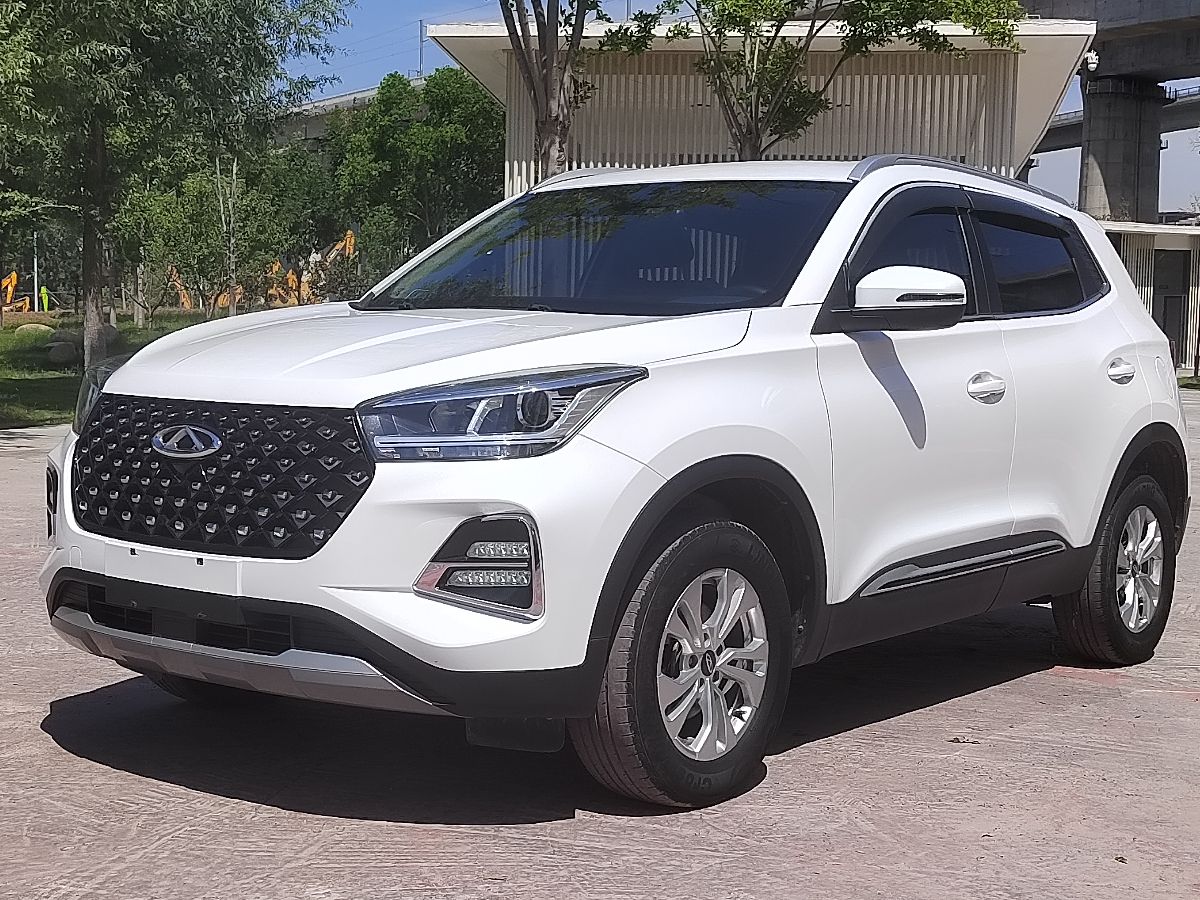
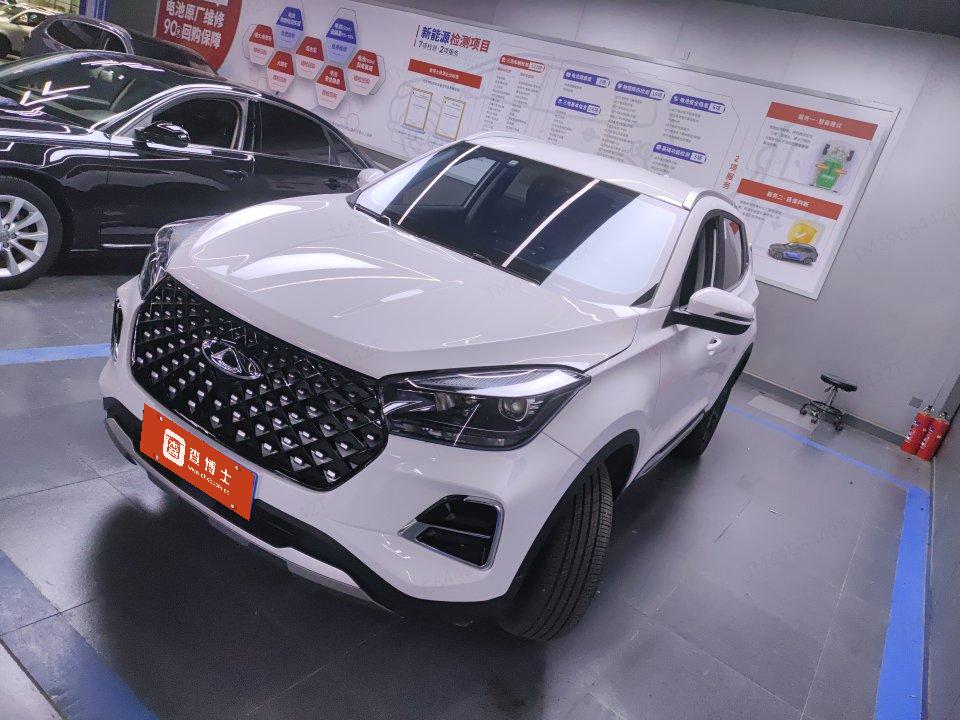
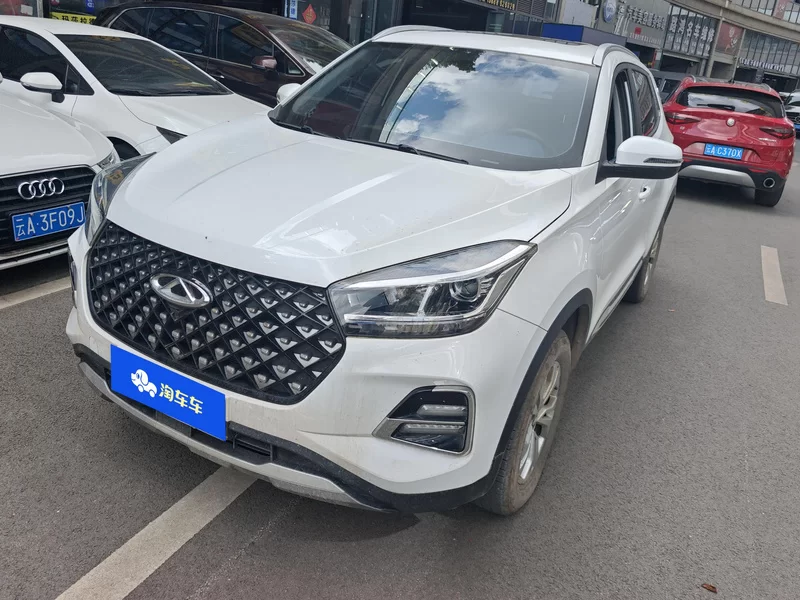
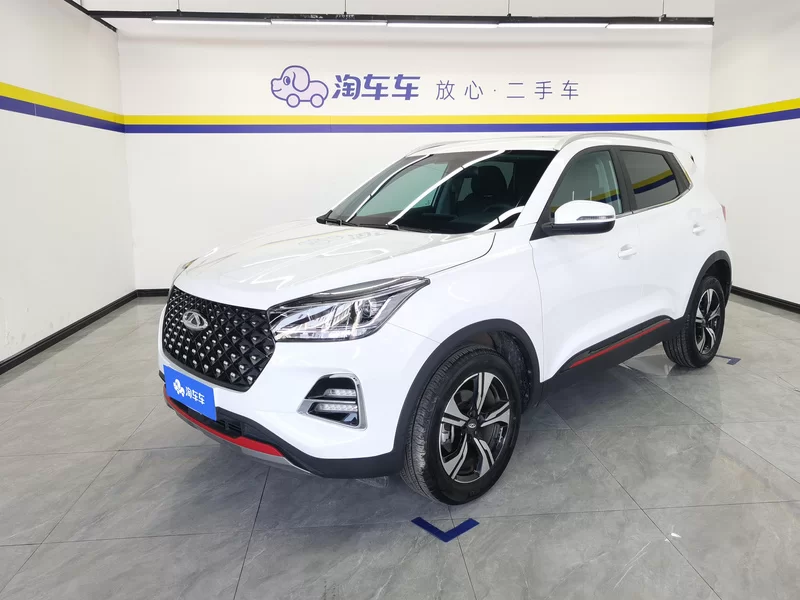
BrandChery
SeriesTiggo 5x
Year2020
First Registration2020/09
Mileage81,300km
Transfer Count0times
FuelGasoline
TransmissionDCT
Engine1.5T 156 L4
Color
Seats-

Condition Description

Basic condition passed; 1 insurance claim; 0 transfers

Q&A

More

What does the buying process look like when importing a used car from China?

A typical transaction has six steps. 1. Selection: you confirm the vehicle through photos, a video walkaround, an inspection report and the VIN. 2. Deposit: most exporters ask 20%-30% to reserve the car. Pay by bank transfer to the company's corporate account, never a personal one. 3. Inspection: an independent pre-shipment inspection verifies the condition; you receive the report before paying the balance. 4. Balance payment: usually due before loading. Request the booking confirmation and container number. 5. Shipping: the exporter sends you the draft bill of lading for checking, then the original documents by courier. 6. Arrival: you clear customs with the invoice, C/O, B/L and inspection certificate, then register the vehicle. Total timeline is usually 2-6 weeks. Use payment methods with recourse (T/T or escrow) and keep every contract and receipt.
After receiving the car, I found that the 12V battery was dead and couldn't start, or the wiper rubber was aging. Does this count as a quality breach on your part?

No, it does not. International shipping (especially RoRo) usually takes 30 to 60 days, during which the vehicle is stationary. A dead 12V battery, natural tire pressure loss, and even wiper aging due to temperature differences are all reasonable physical wear during long-distance transport. We strongly recommend that overseas buyers bring a portable jump starter and an air pump when picking up their vehicles at the port.

In countries with right-hand drive regulations, even if I bribe local customs to force a left-hand drive car through clearance, will I face irreversible obstacles when insuring and inspecting it later?

Absolutely. Even if you clear customs through gray channels, local commercial insurance companies will refuse to cover third-party liability insurance due to the vehicle not complying with national traffic laws; additionally, the vehicle will definitely fail the annual safety inspection at the local DMV.