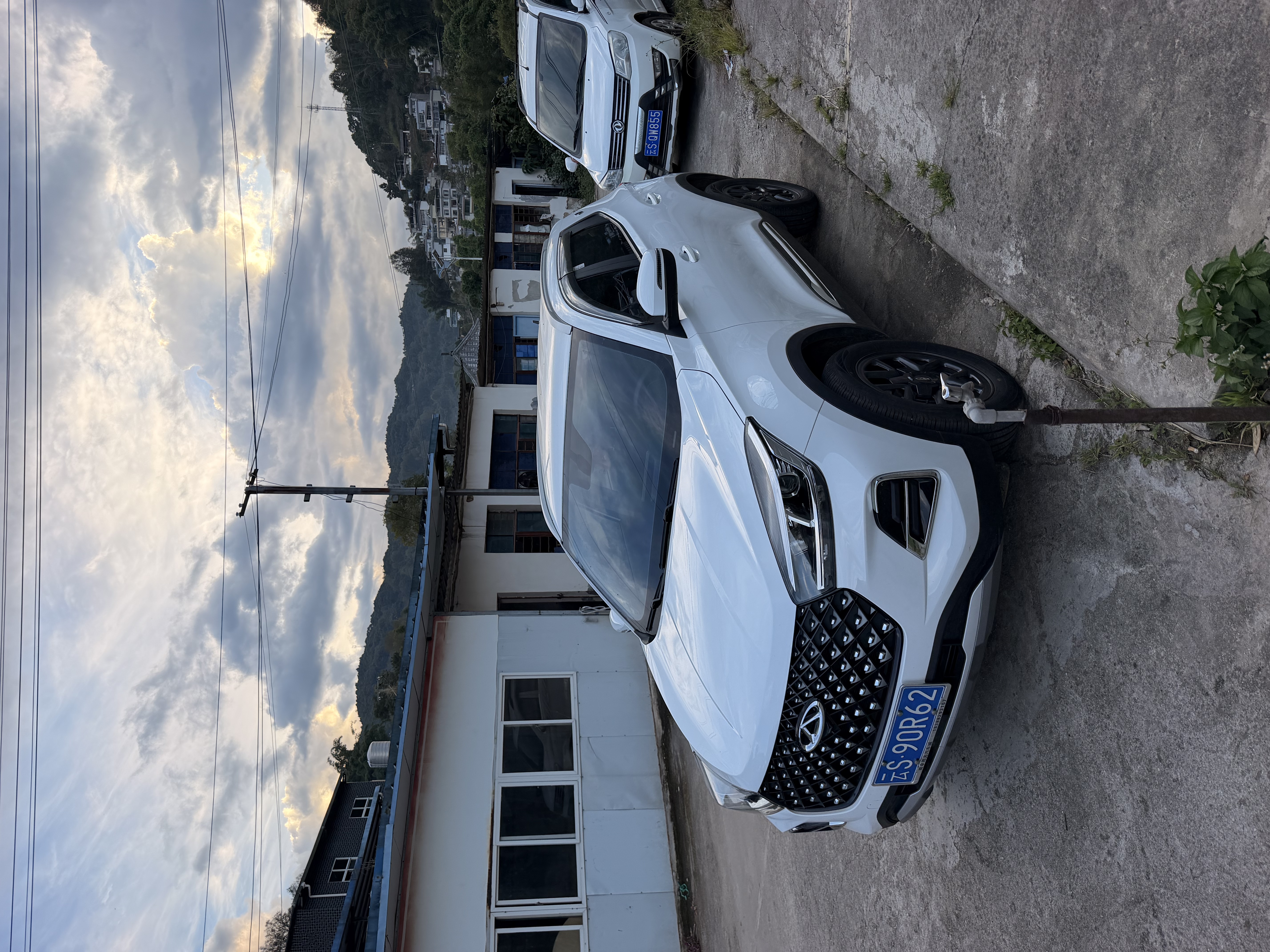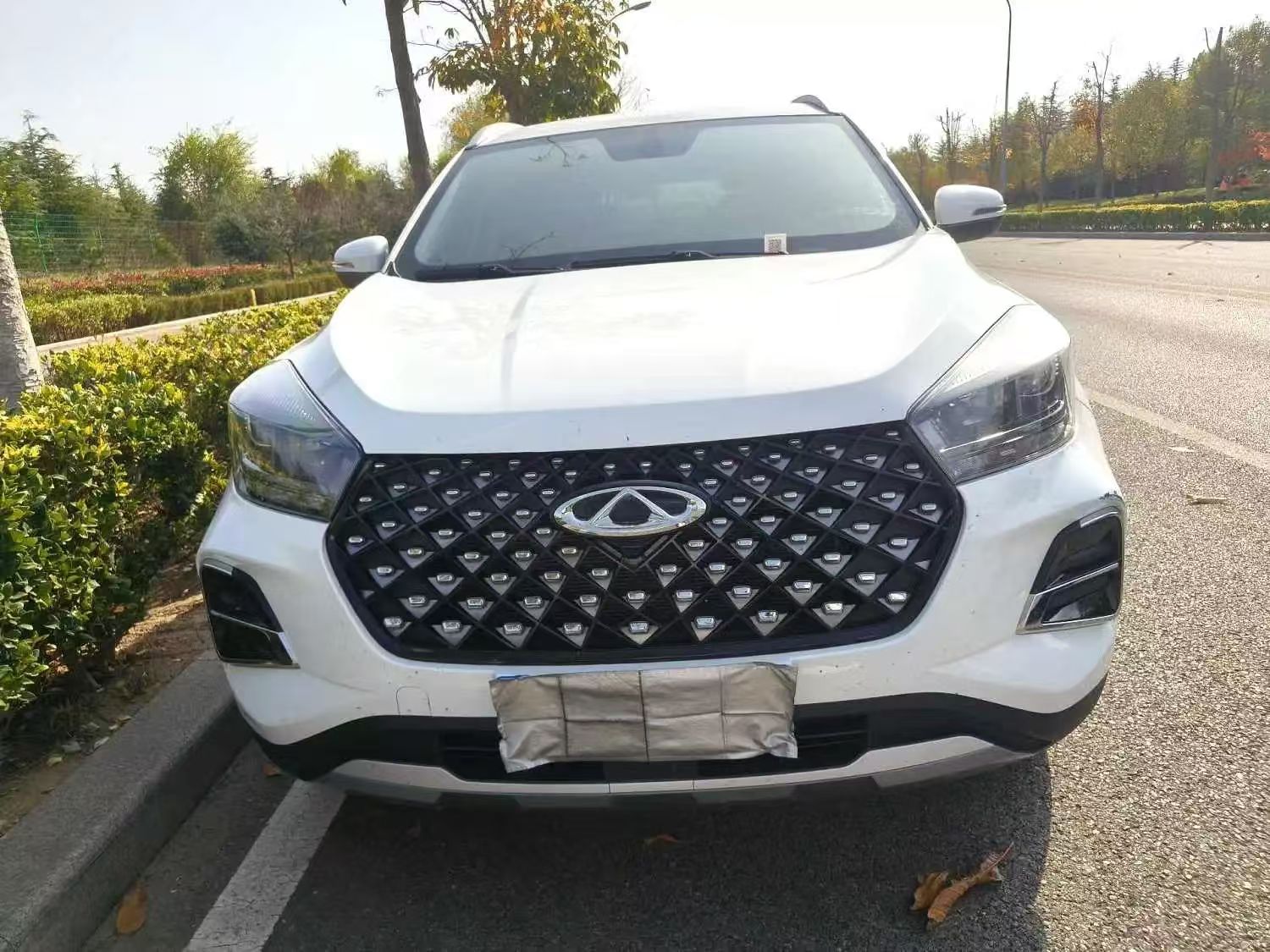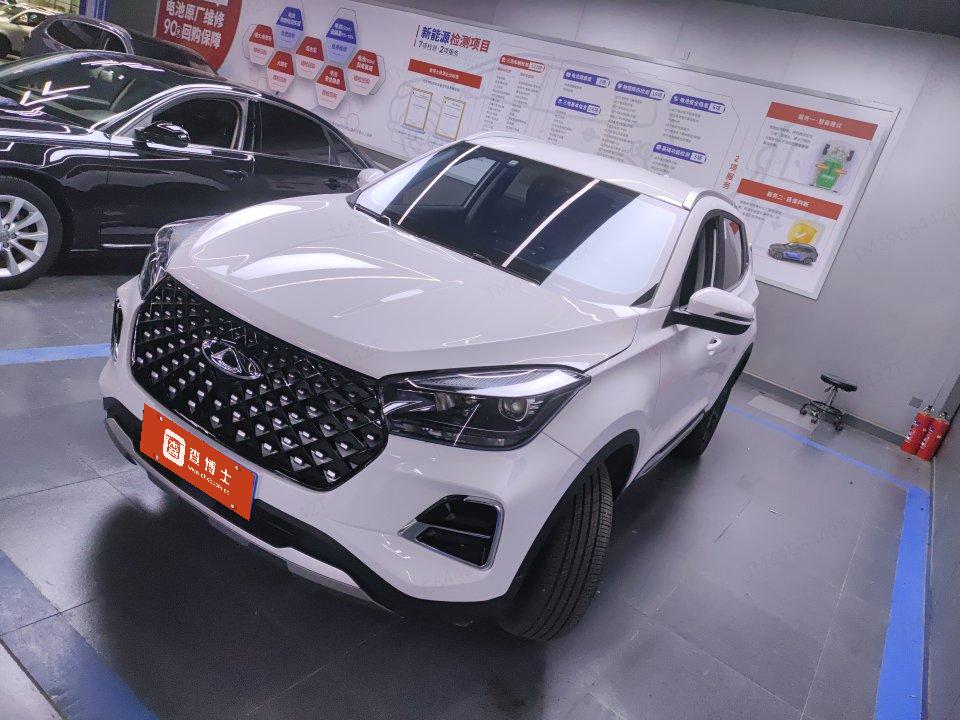



48H

Basic Information

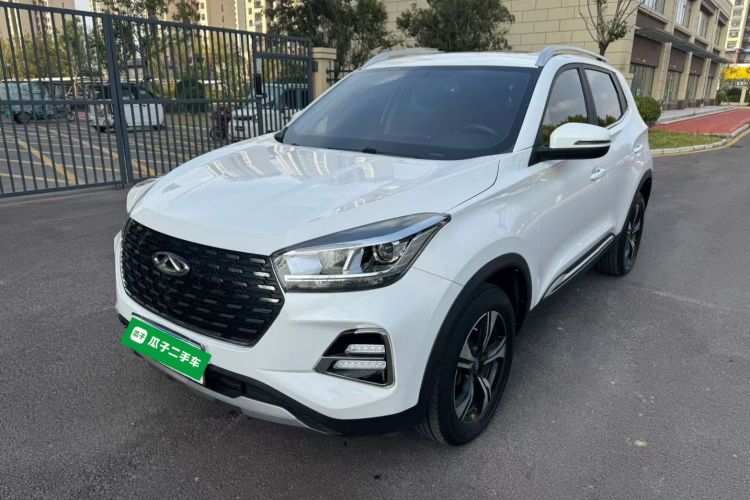
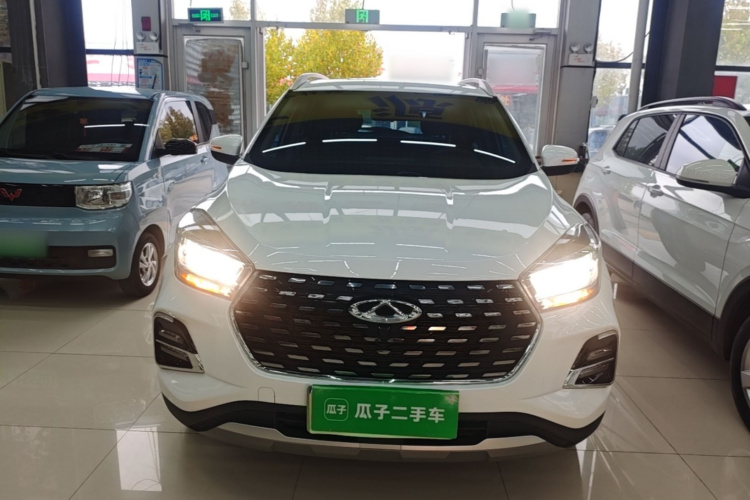
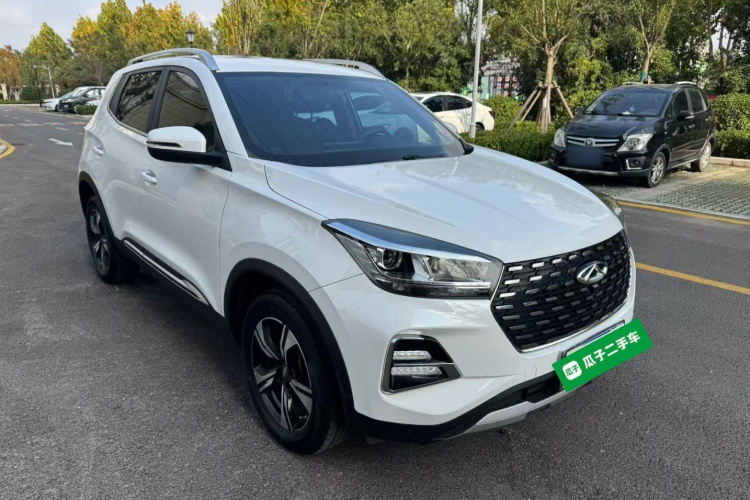
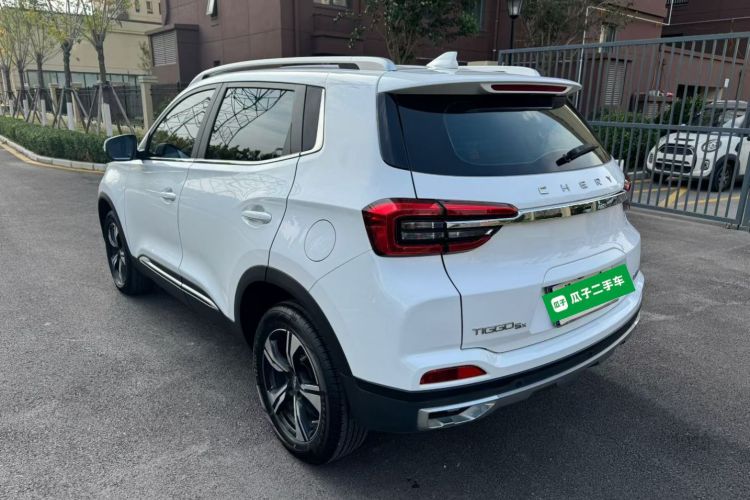
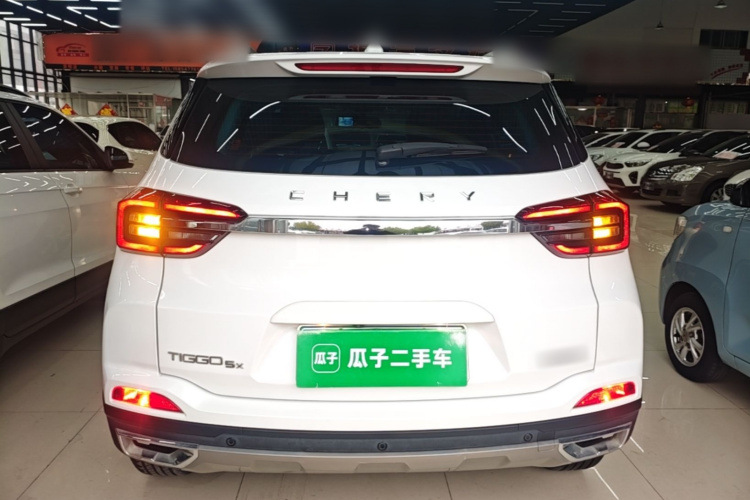
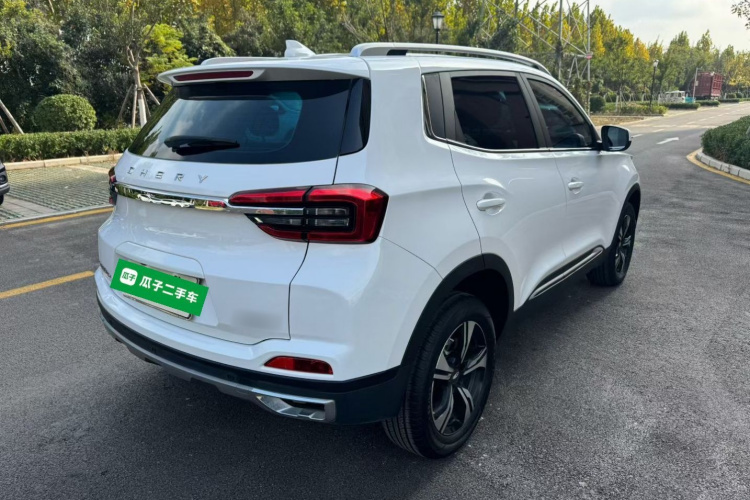
BrandChery
SeriesTiggo 5x
Year2021
First Registration2021/06
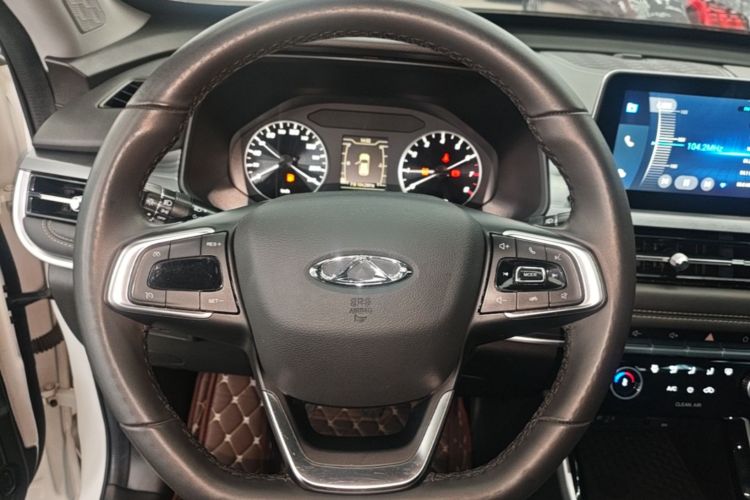
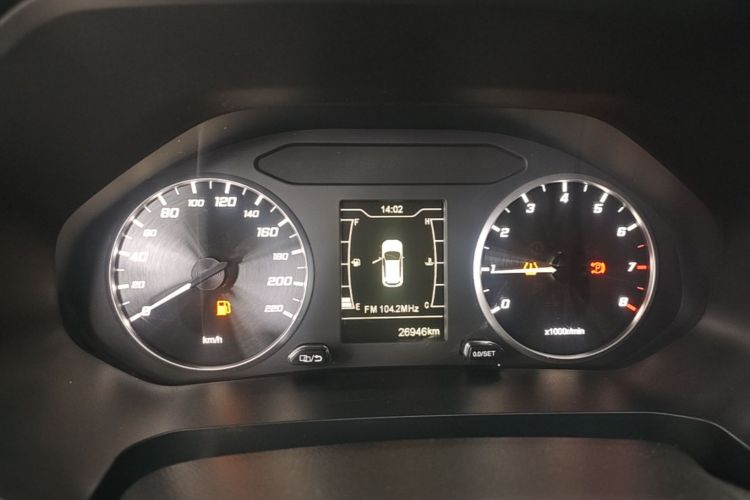
Mileage26,900km
Transfer Count0times
FuelGasoline
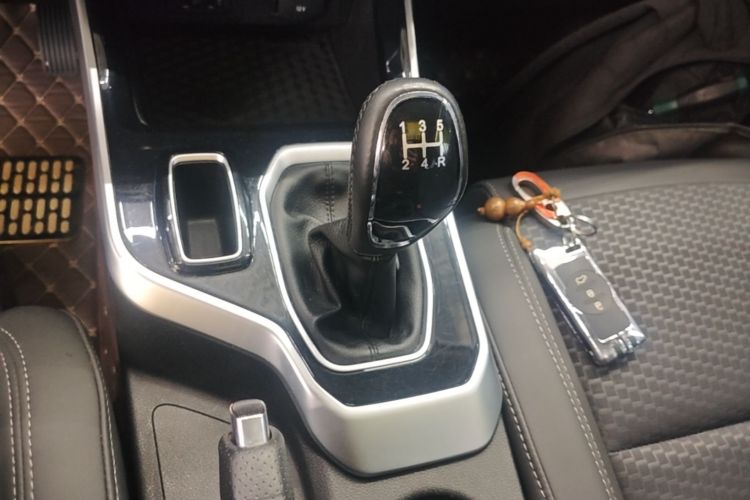
TransmissionManual
Engine1.5L 116 L4
Color
Seats-

Condition Description

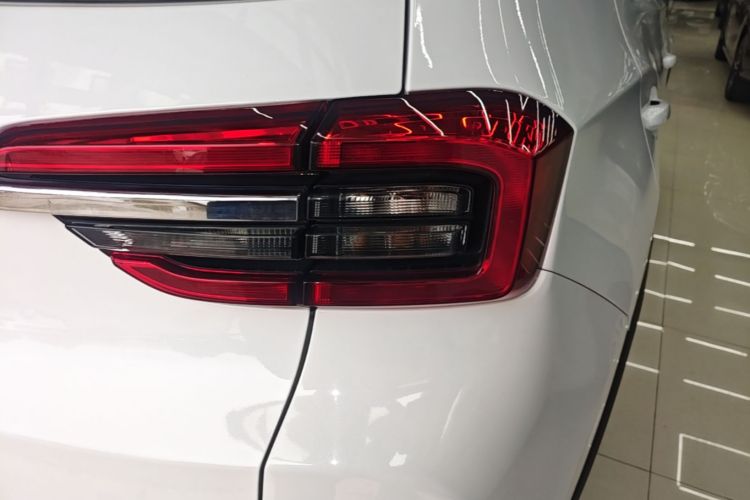
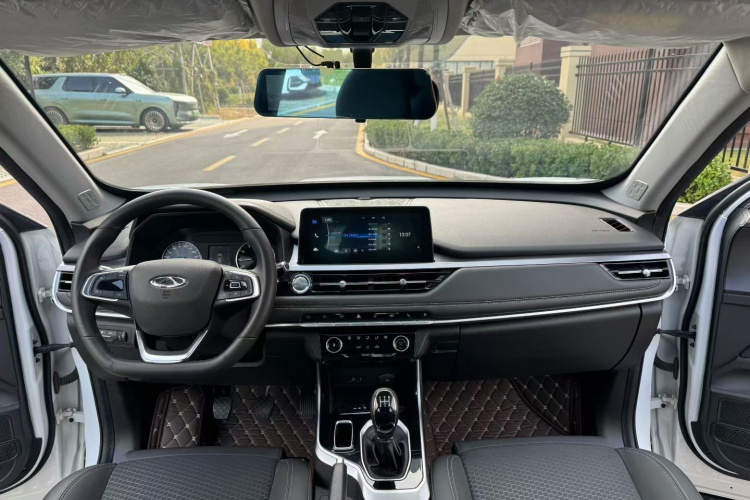
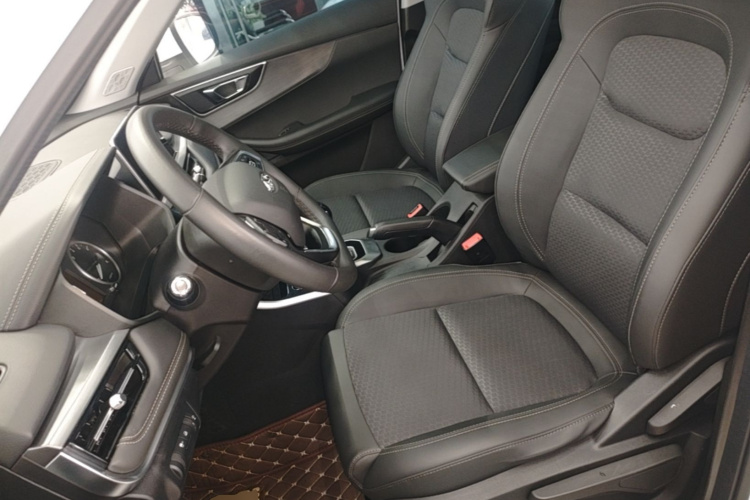
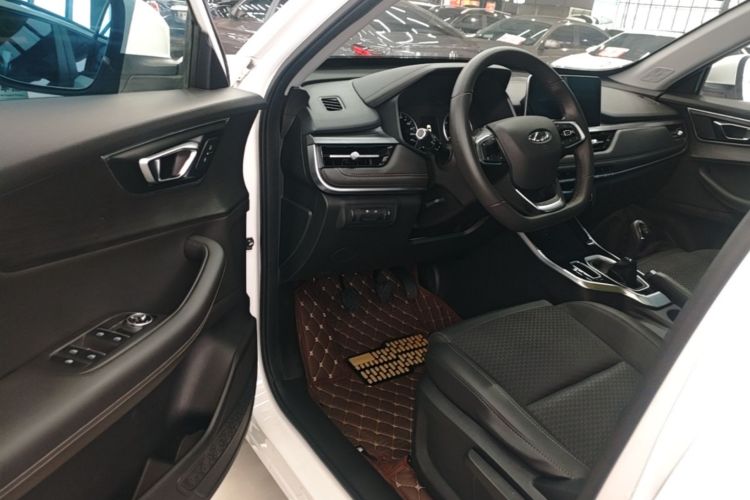
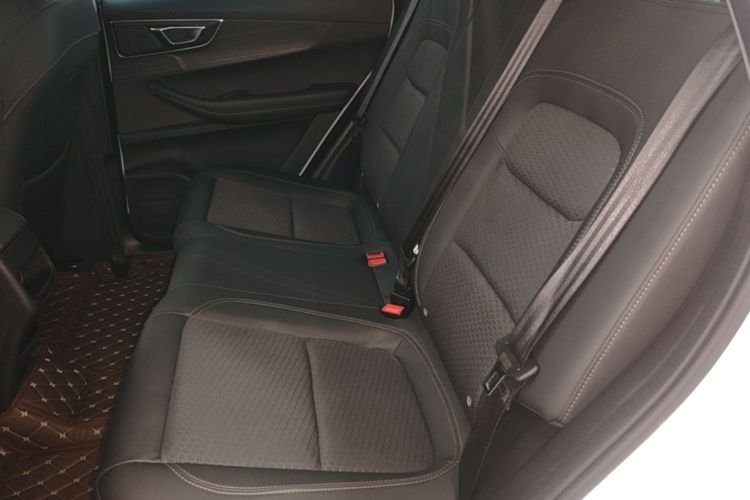
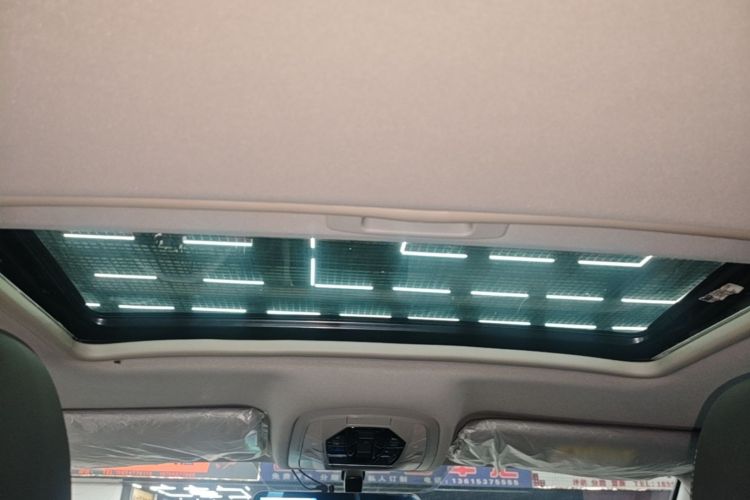
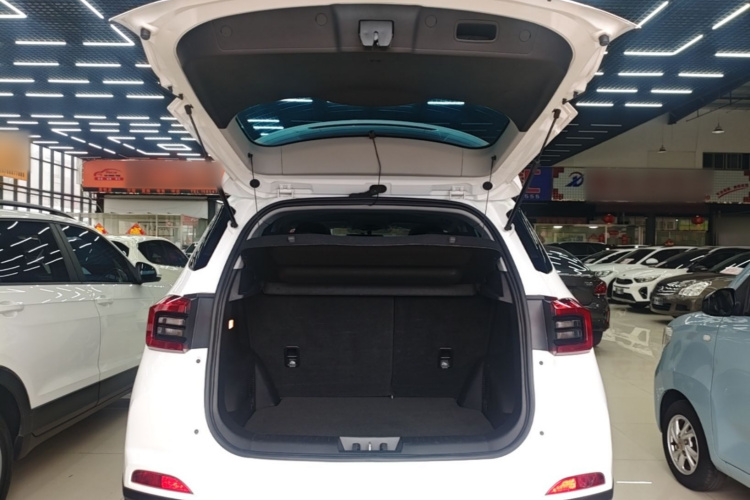
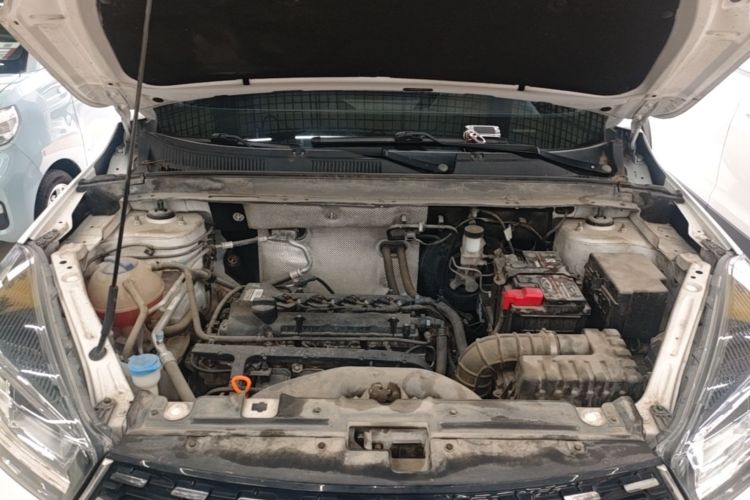
Excellent basic condition | 1 insurance claim | 0 transfers

Q&A

More

Which import documents do I need for a used car from China, and who issues each one?

The standard set is: 1. Commercial invoice and sales contract - issued by the exporter; the basis for customs valuation. 2. Packing list - exporter; details the vehicle and any spare parts shipped with it. 3. Bill of lading - issued by the shipping line; your proof of ownership of the cargo. Never pay the full balance before receiving at least a copy of it. 4. Certificate of origin - issued by the China Council for the Promotion of International Trade (CCPIT); some countries require it for preferential duty rates. 5. Export customs declaration - Chinese customs; confirms the car was legally exported. 6. Pre-shipment inspection report - issued by companies like Intertek, SGS or the EAA scheme, if your country mandates it. Ask the exporter for scanned copies of all documents before shipping so you or your broker can verify completeness.


Will you clearly inform if the vehicle was previously a commercial vehicle (ride-hailing, taxi, rental)?

The "usage type" section on the vehicle registration certificate has legal validity. Any vehicle that changes from "commercial" to "non-commercial" has a usage intensity far exceeding that of personal vehicles, and we will label these prominently. Such vehicles are usually cheaper but have more severe mechanical wear.

When buying remotely, how do I assess the engine, transmission, brakes, and tires of a used car from China over a live video call?

A structured live video inspection can catch most mechanical problems. Ask the seller to do the following in order: Cold start: film the engine bay before starting — check for leaks, cracked hoses, and corrosion. Then start from cold and listen for rattling or knocking during the first minute; abnormal noises on cold start often mean worn internals. Fluids: pull the oil dipstick — milky or foamy oil suggests head gasket issues. Check coolant color and level. Transmission: with the car warmed up, film each gear shift, forward and reverse. Hesitation, harsh jerks, or slipping RPM are red flags. Brakes: test at low speed in a safe area — the pedal should feel firm, not spongy, and the car must not pull to one side. Tires: walk around and film each tire's sidewall and tread. Uneven wear suggests alignment or suspension problems. Combine this with an independent pre-shipment inspection for a professional report — the video call is your first filter, not the final verdict.