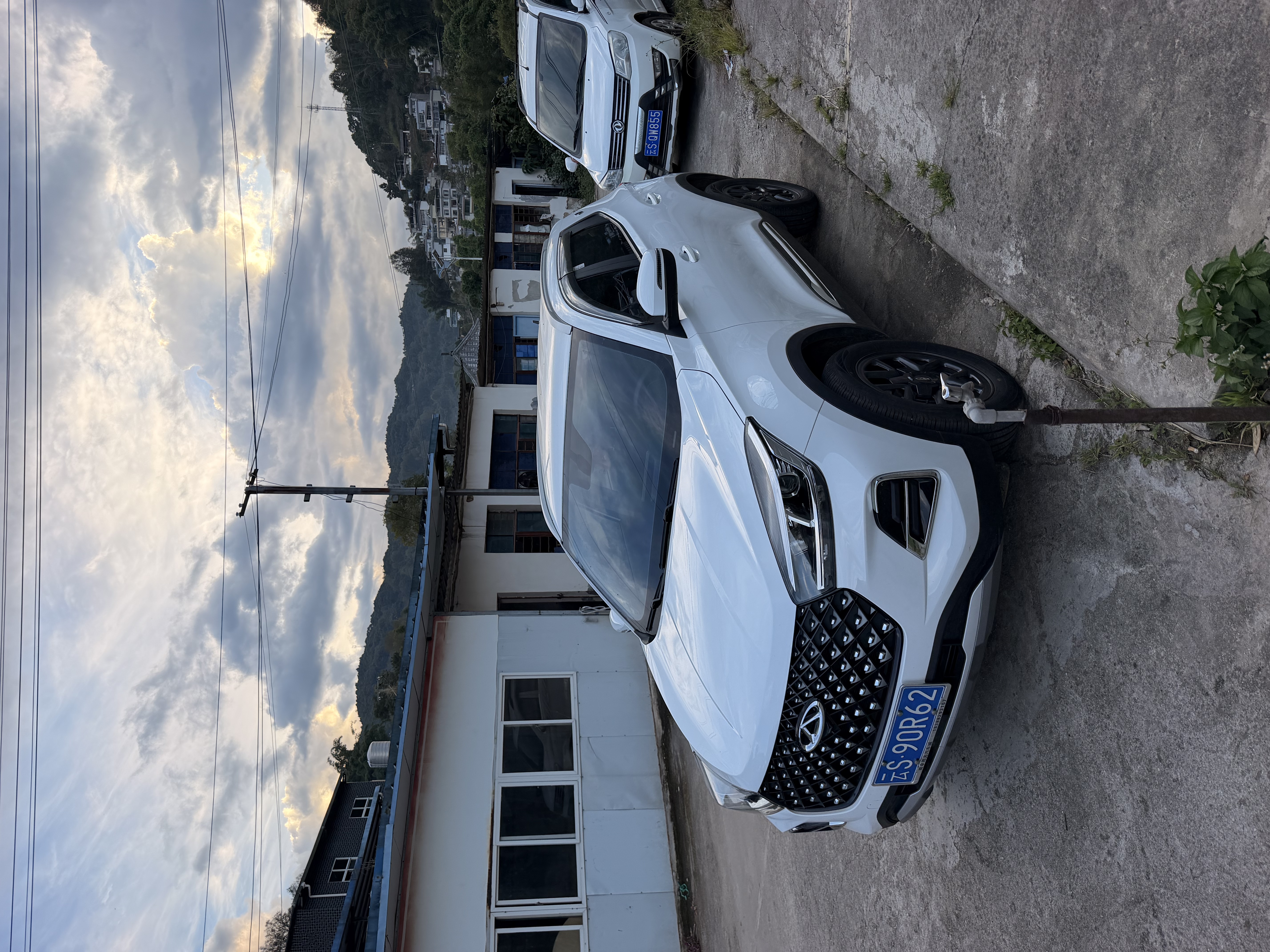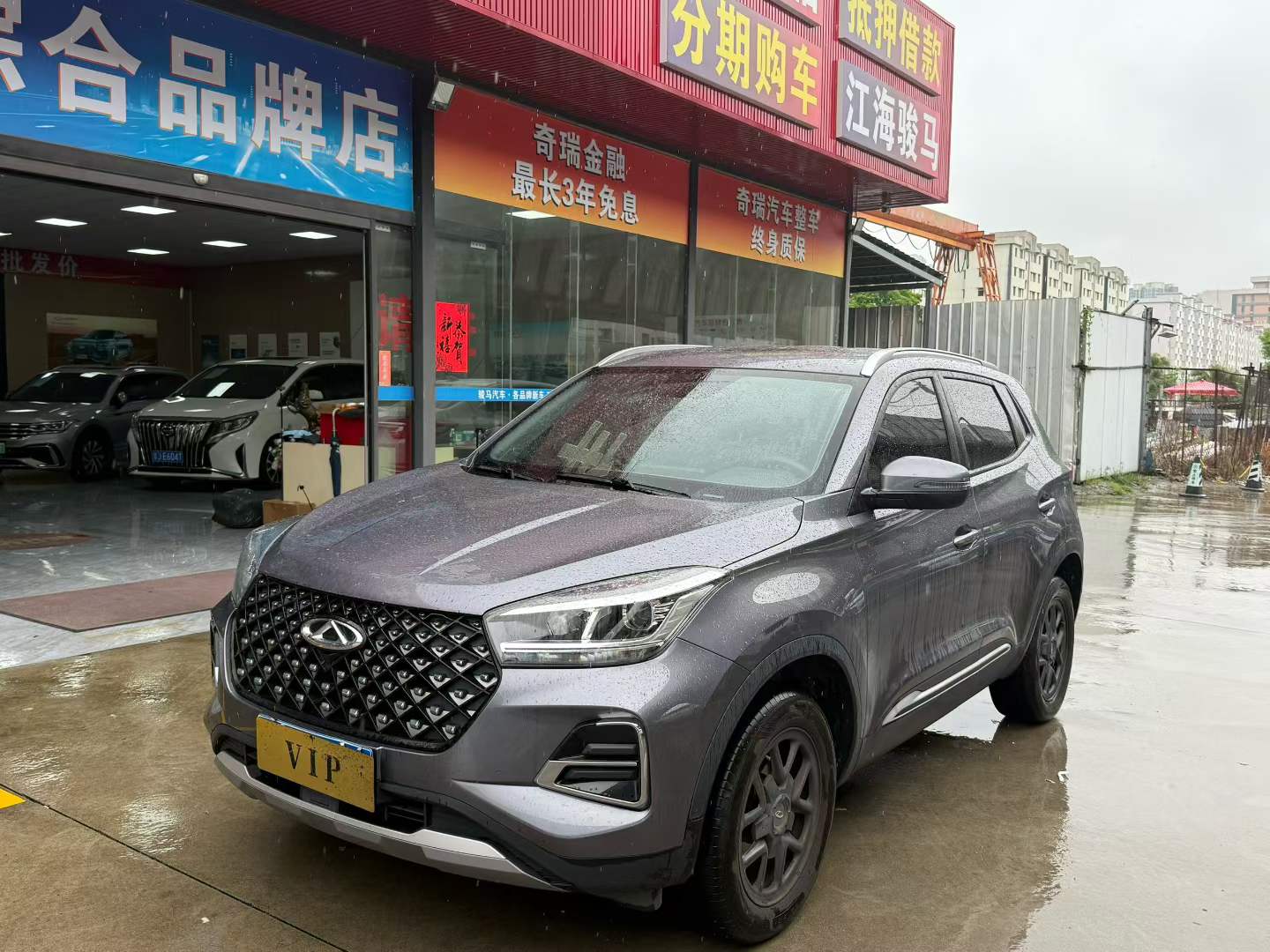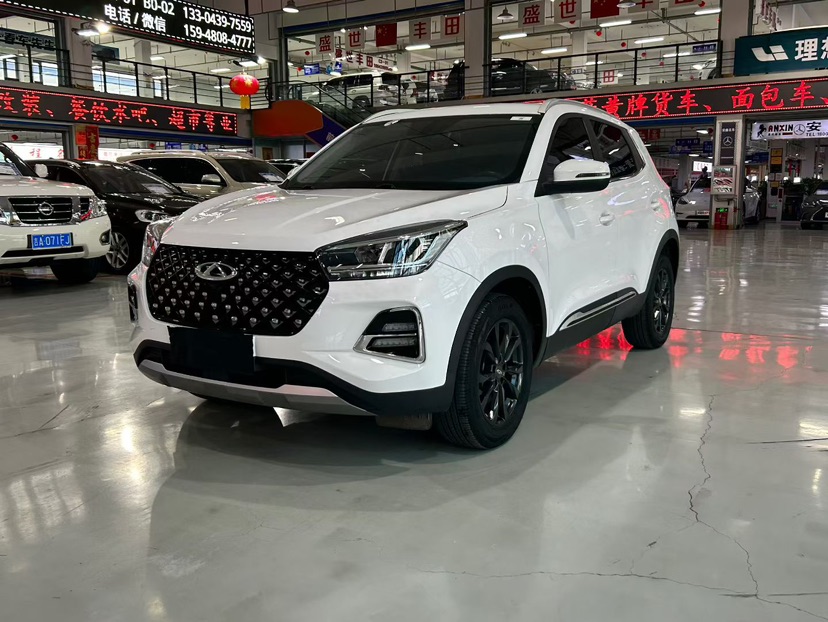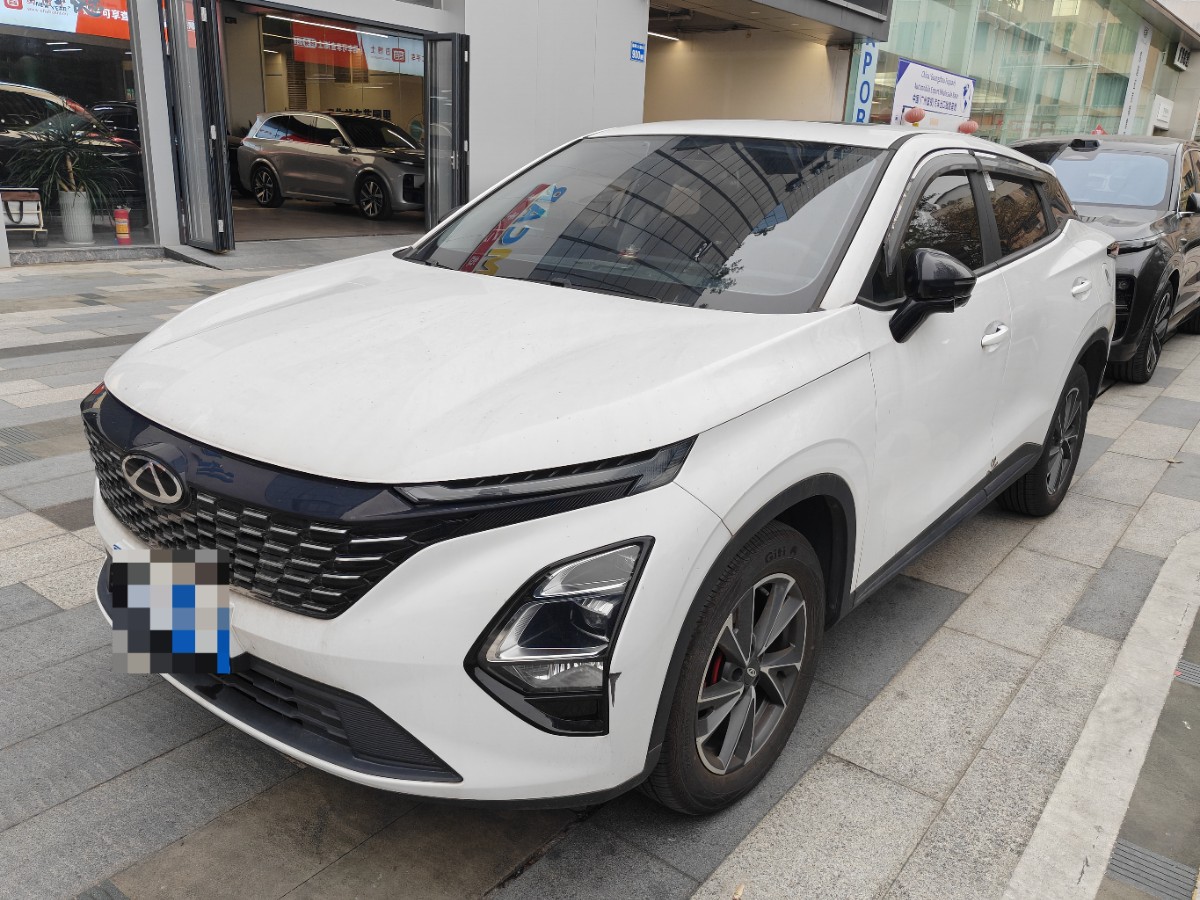




Basic Information

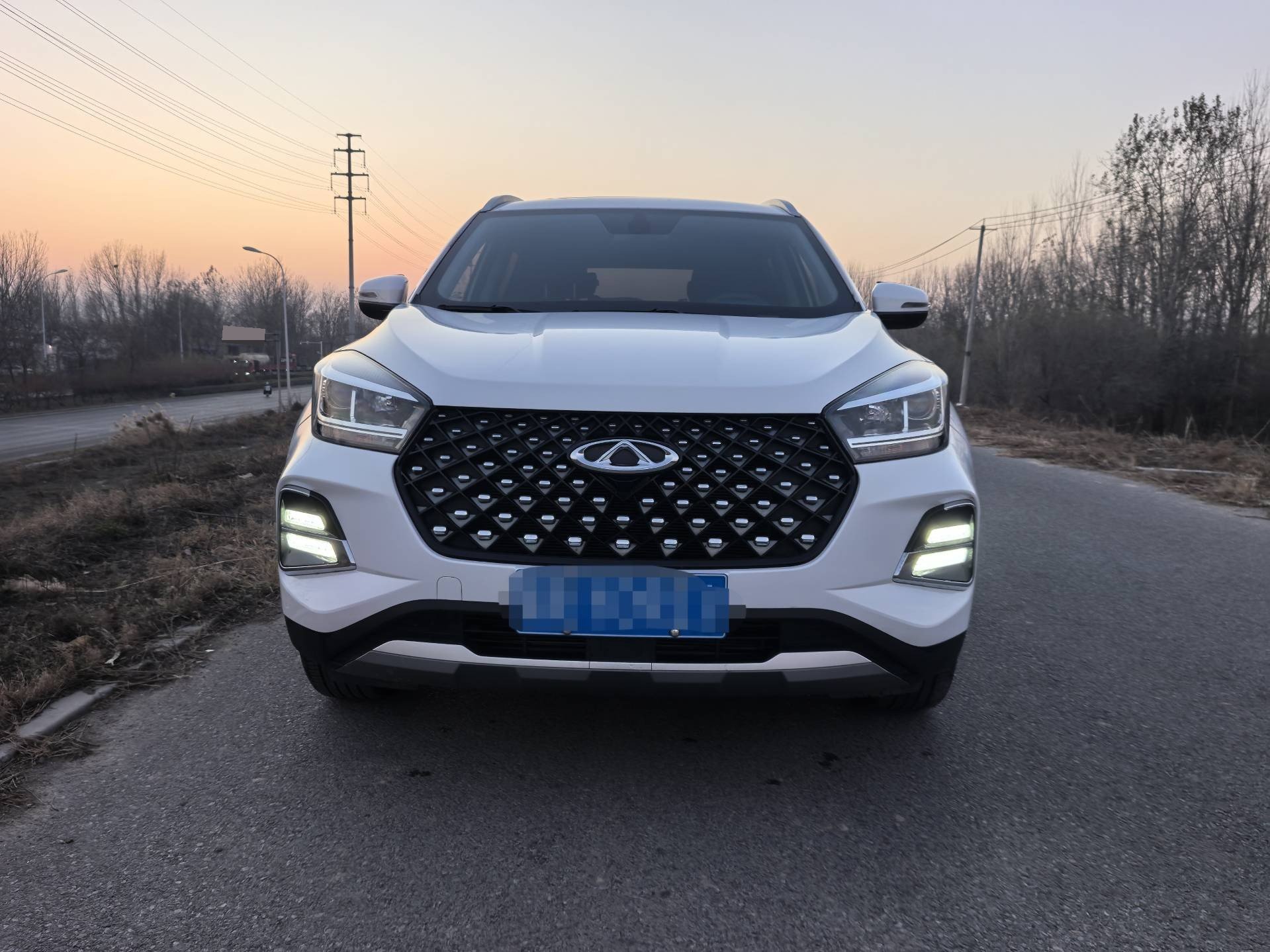
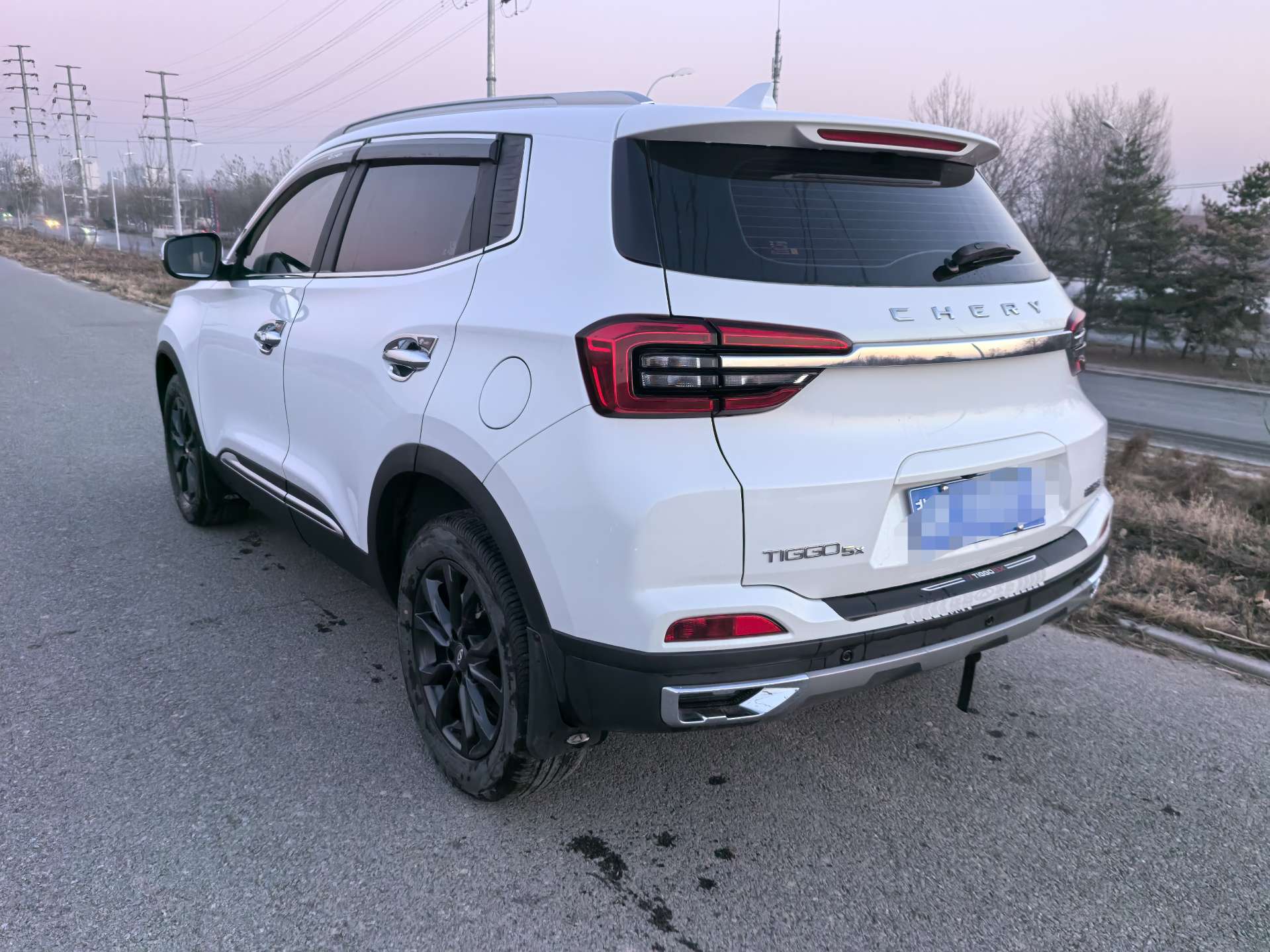
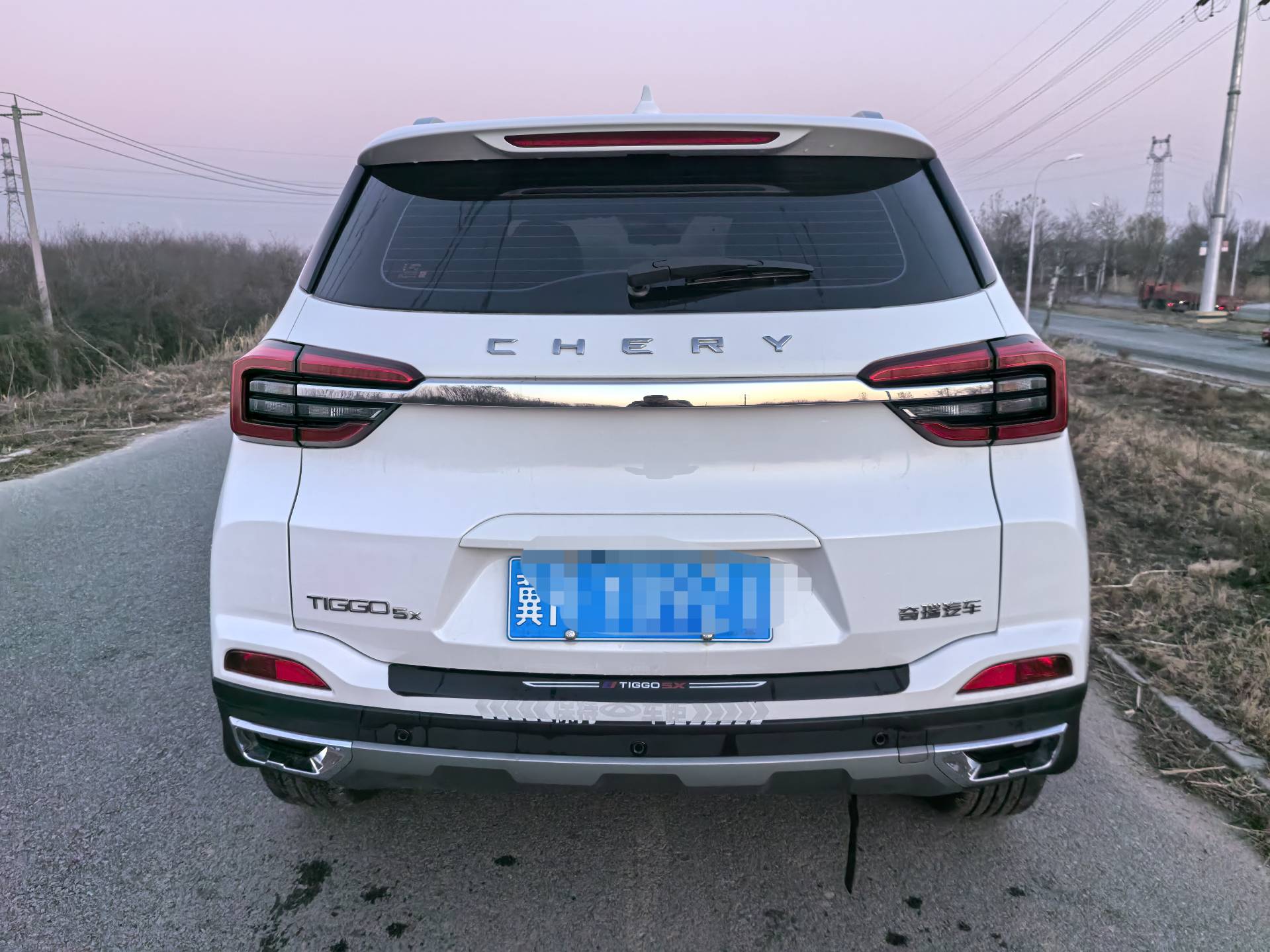
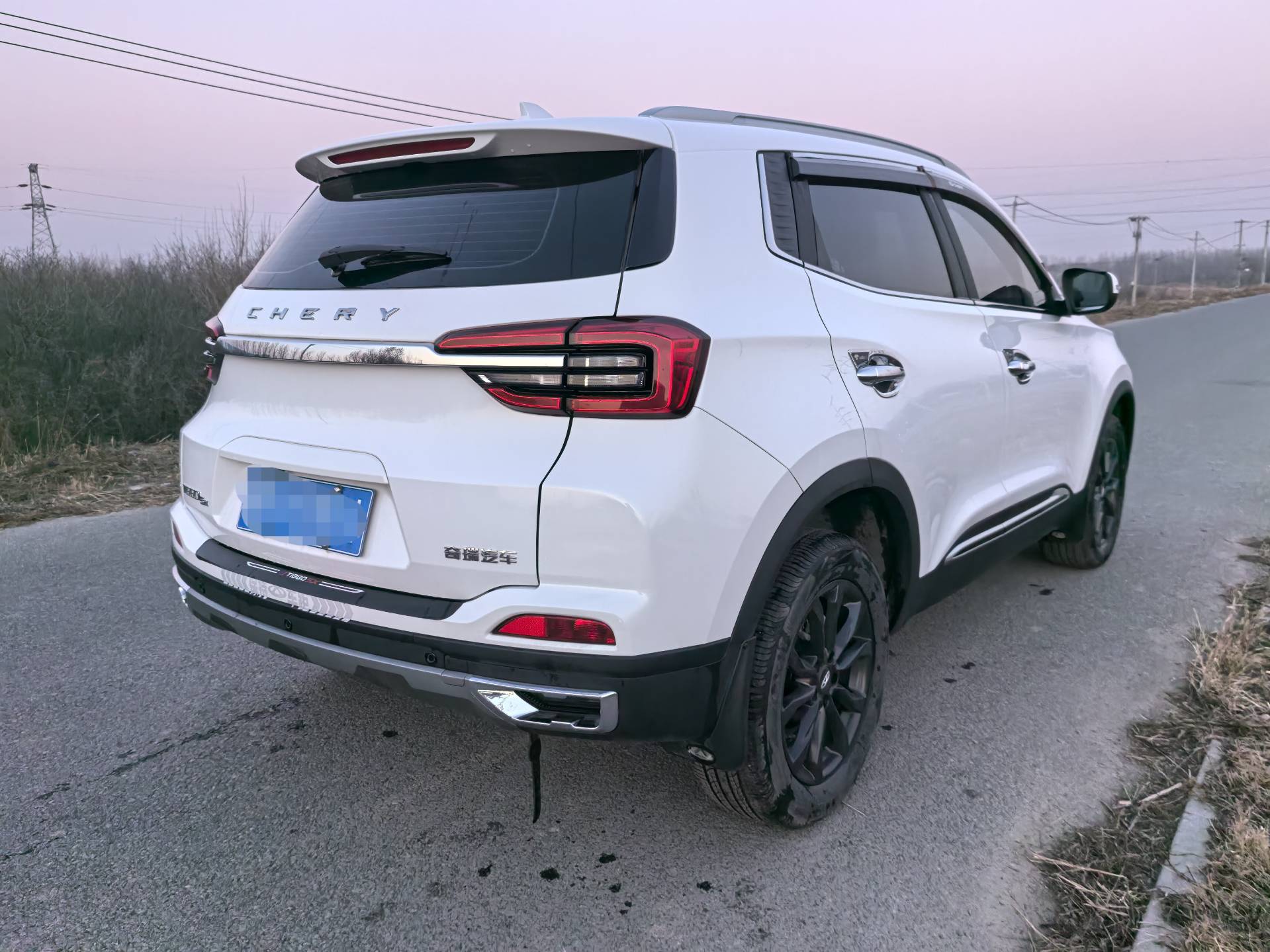
BrandChery
SeriesTiggo 5x
Year2024
First Registration2024/02
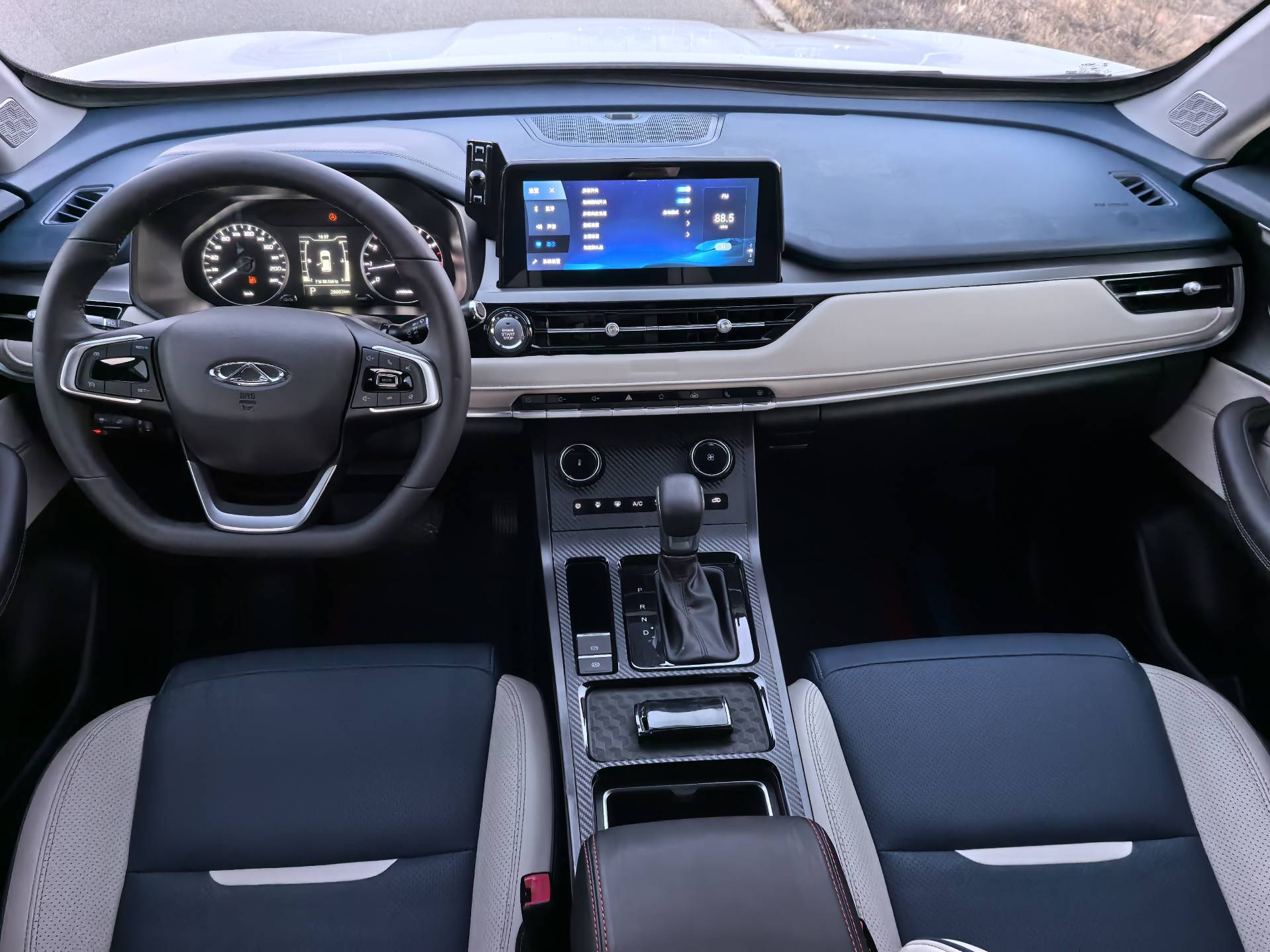
Mileage23,000km
Transfer Count0times
FuelGasoline
TransmissionCVT
Engine1.5L 120 L4
ColorWhite
Seats-

Condition Description

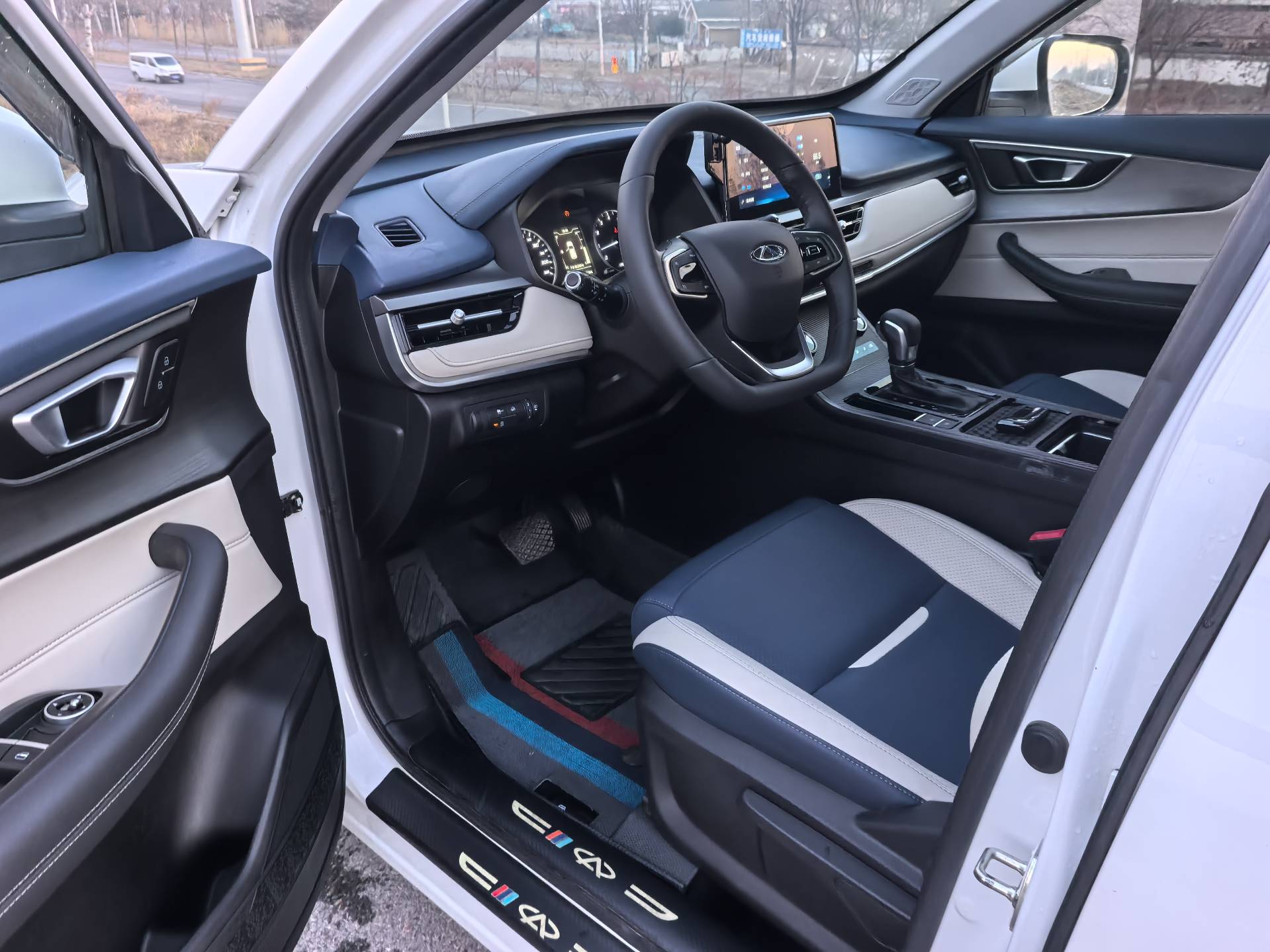
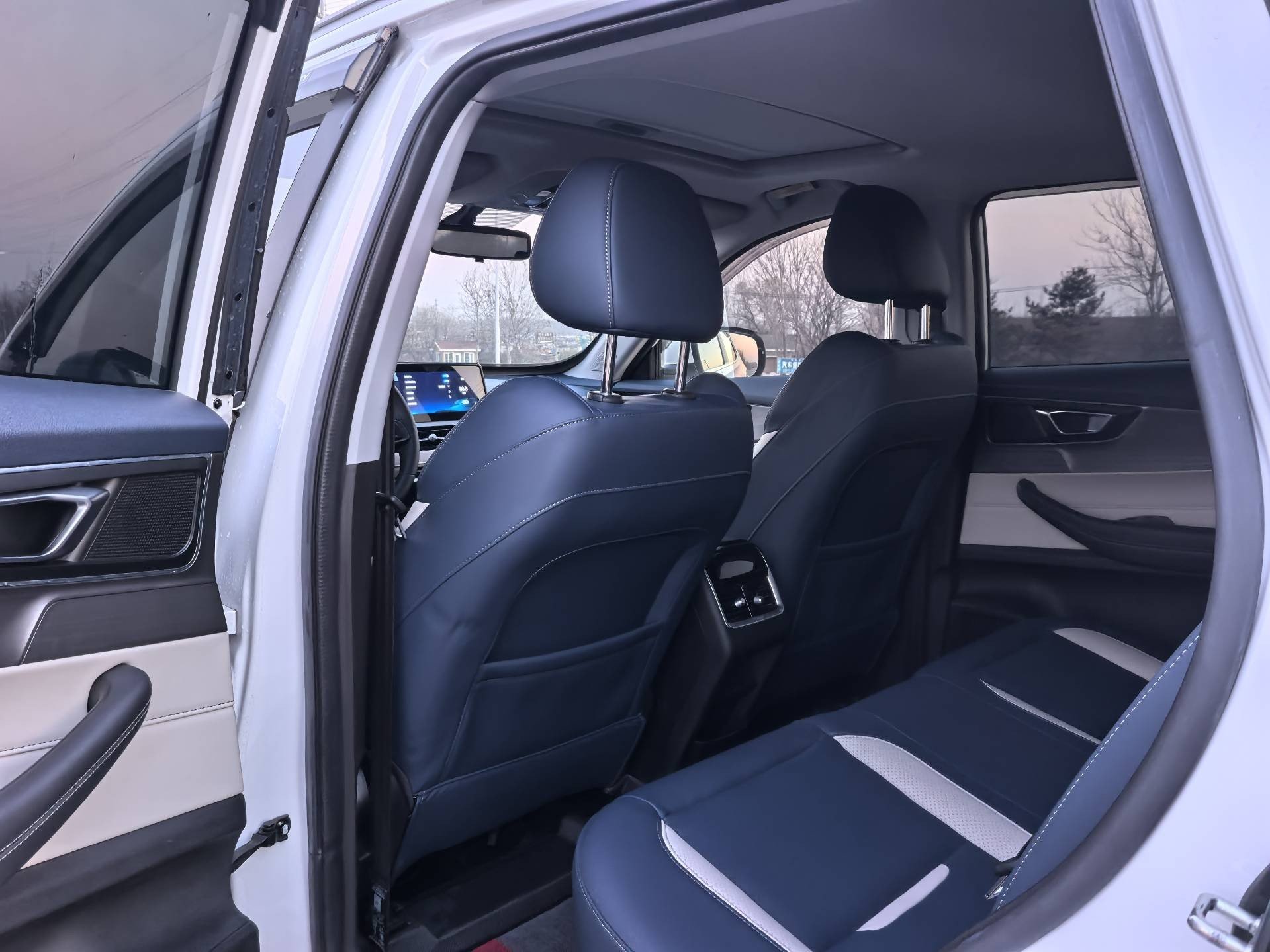
Original condition, all original paint including metal parts, passes third-party inspection, single owner.

Document Information

Inspection Expiry Date-
Warranty Expiry Date-
Insurance Expiry Date2027/02

Q&A

More

How do seasonal factors—peak seasons, weather, holidays—affect shipping times and rates from China?

Timing your shipment can save both money and weeks of waiting. Several predictable patterns affect routes from China. Peak season surcharges: January through March, before Chinese New Year, exporters rush to ship, so container and RoRo space tightens and rates rise 20-50%. Book at least 3-4 weeks ahead during this window. After the holiday (usually February), factories and ports restart gradually, causing 2-3 weeks of backlog. Weather effects: Typhoon season (July-September) can delay departures from southern Chinese ports like Shenzhen and Guangzhou. Winter fog and ice affect northern ports like Dalian and Tianjin, slowing loading operations. Destination-side factors: Monsoon seasons can slow port operations in South and Southeast Asia. Holiday periods at destination (e.g., Ramadan in the Gulf, year-end holidays elsewhere) reduce customs staffing and extend clearance times. Practical advice: ask your forwarder for rate calendars, avoid booking right before major Chinese holidays, and build 1-2 weeks of buffer into delivery promises to your customers. Flexible departure ports (Shanghai vs. Ningbo vs. Shenzhen) can also help you find available space.


Will a used Chinese EV still receive OTA updates and can I use the companion app after the car is exported?

This is one of the most common post-export surprises, so verify before buying. OTA updates: most Chinese brands push updates to cars registered on domestic servers. Many exported cars continue receiving updates normally, but some brands restrict updates by VIN region once the car leaves China. Ask the seller to confirm the update history and whether the brand officially supports your destination region. Some grey-import cars are stuck on the firmware version they left with. Companion apps: the factory app usually requires a Chinese phone number and a domestic account. After export, remote functions (preconditioning, charging status, location) often stop working or require workarounds. Some owners re-register via third-party services, but this is unofficial and can break at any time. Practical advice: before purchase, get the seller to show a screenshot of the car's current software version and connected services status. Factor in that you may lose remote features permanently, and check whether local dealers or independent shops can perform diagnostics and updates without the official app.

Beyond the car price, what costs should I budget for when importing a used car from China?

Plan for roughly 25-40% on top of the vehicle price. The main items are: 1. Pre-purchase: deposit (10-30%), third-party inspection fee (100-300 USD). 2. In China: inland trucking to the port, export declaration fees. 3. Shipping: ocean freight (container 20ft usually 1,500-4,000 USD depending on destination), marine insurance (about 0.3-0.5% of car value). 4. In your country: customs duty, VAT/GST, port handling and storage, customs broker, quarantine or pre-shipment inspection if required, registration and plates. Always ask the exporter for an itemized landed-cost estimate for your specific port before paying the deposit, and confirm which Incoterm the quote is based on (FOB, CIF or DDP makes a big difference).