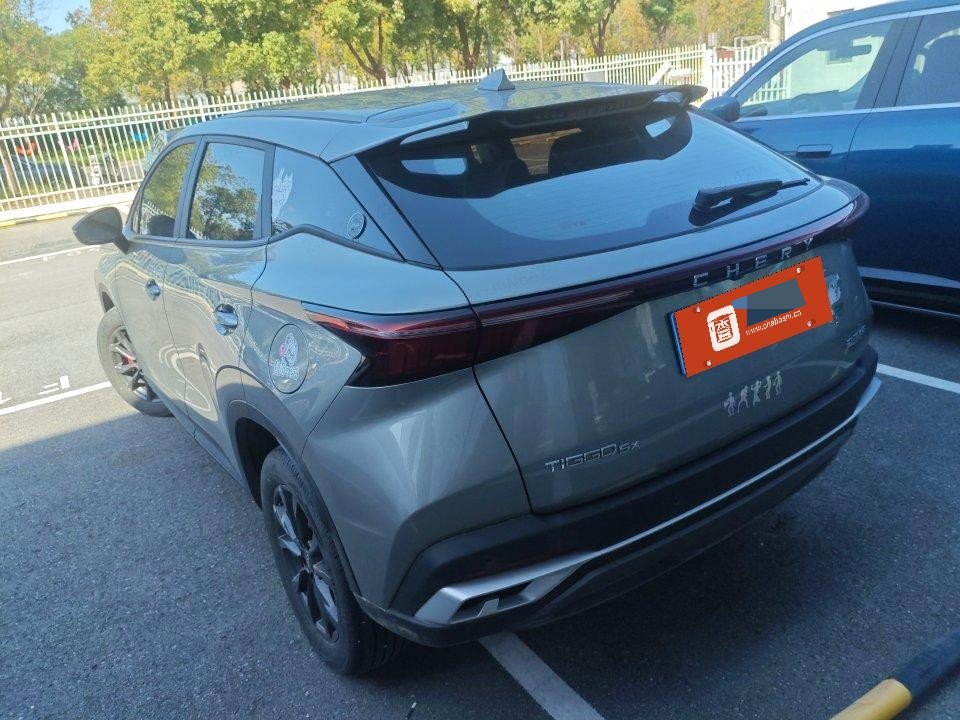
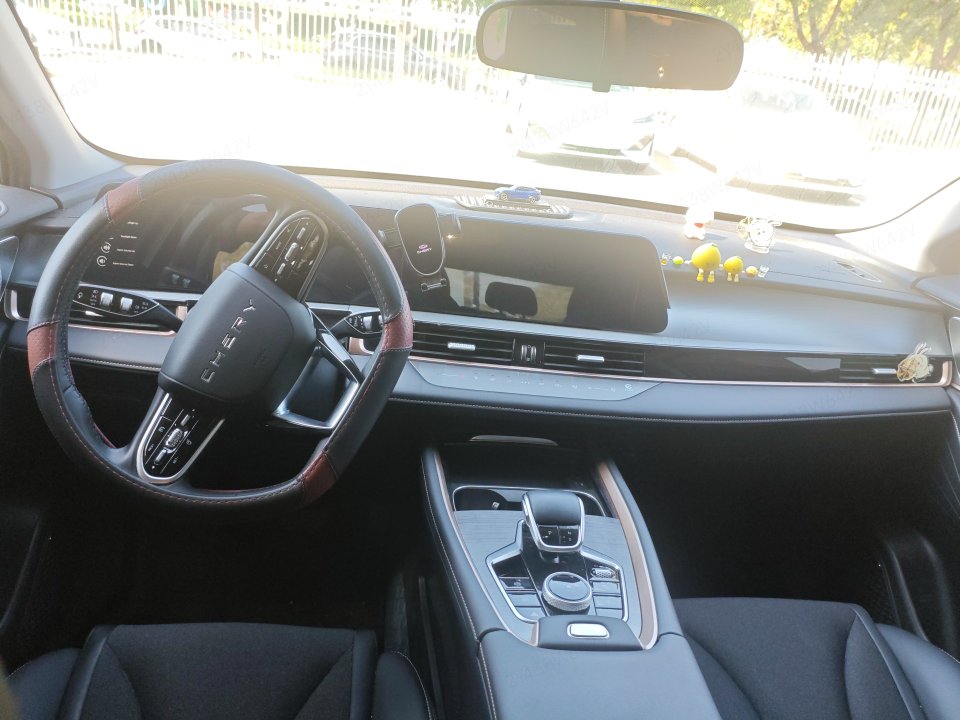
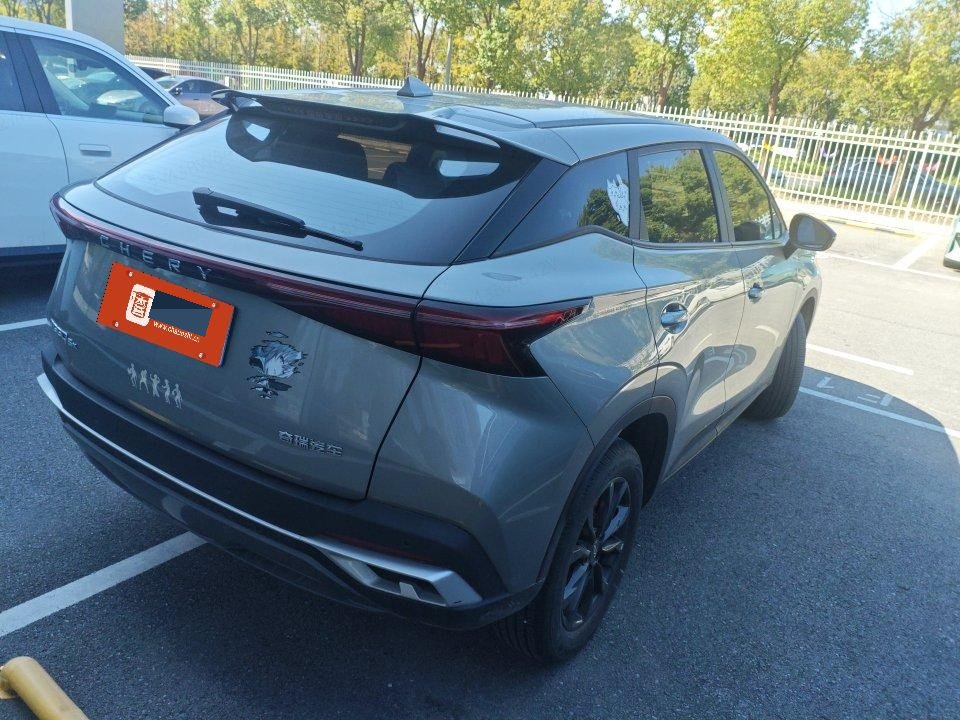
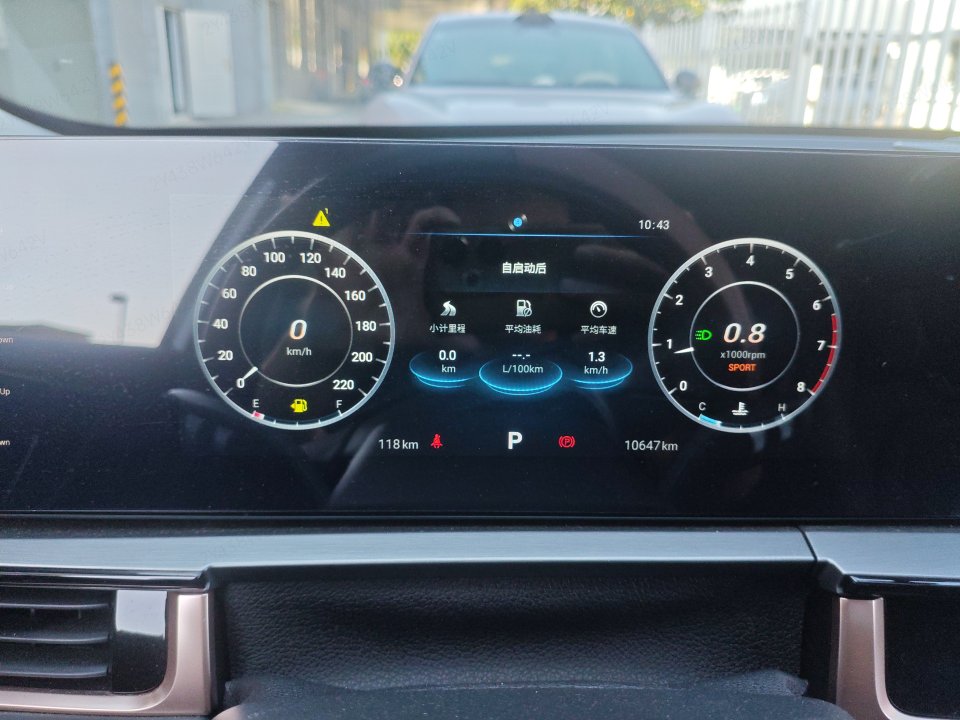



48H

Basic Information

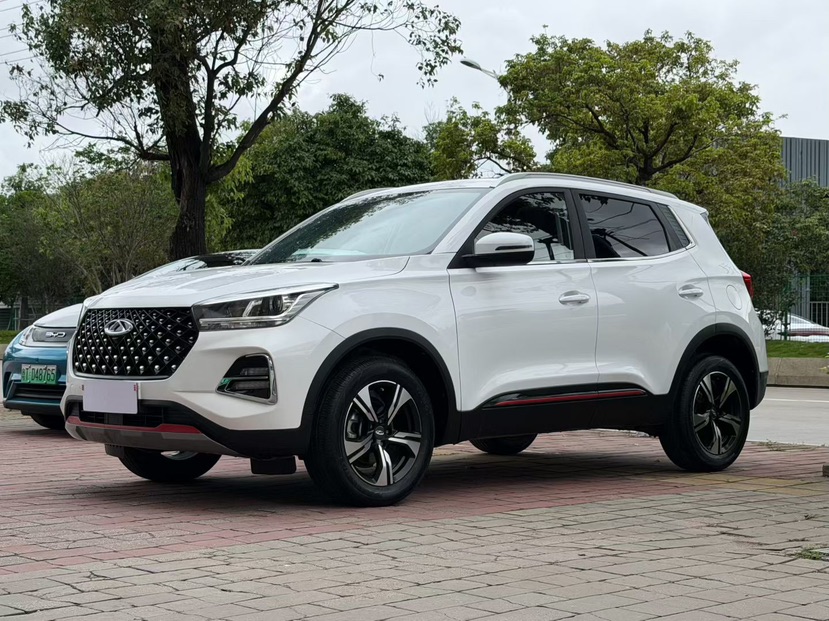
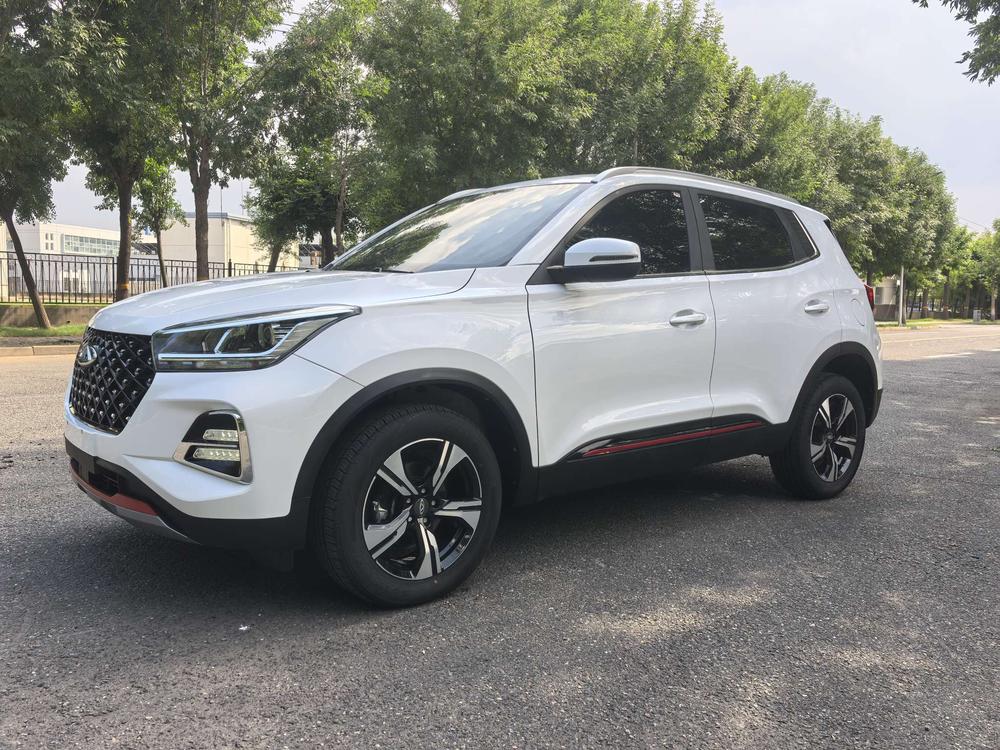
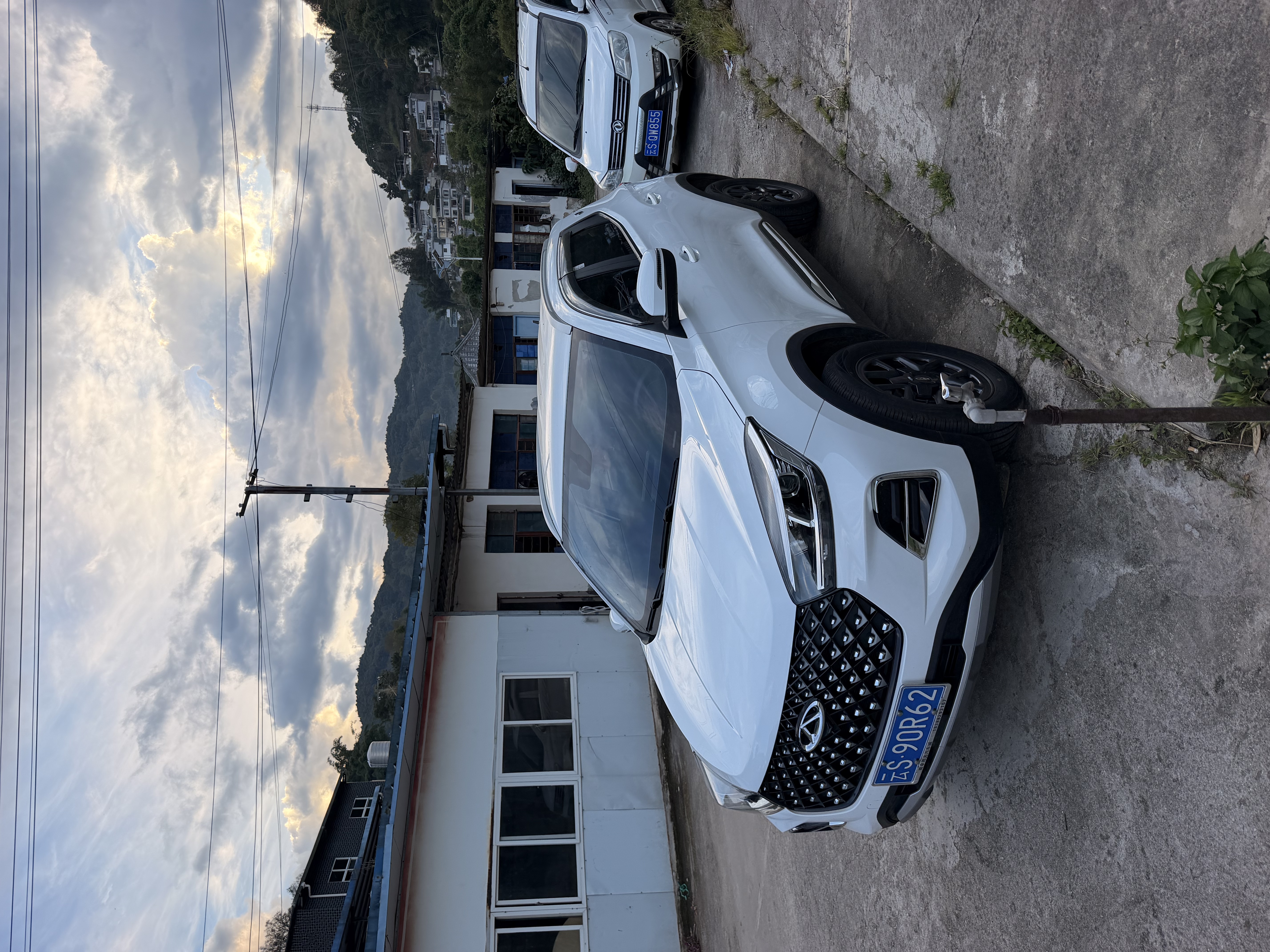
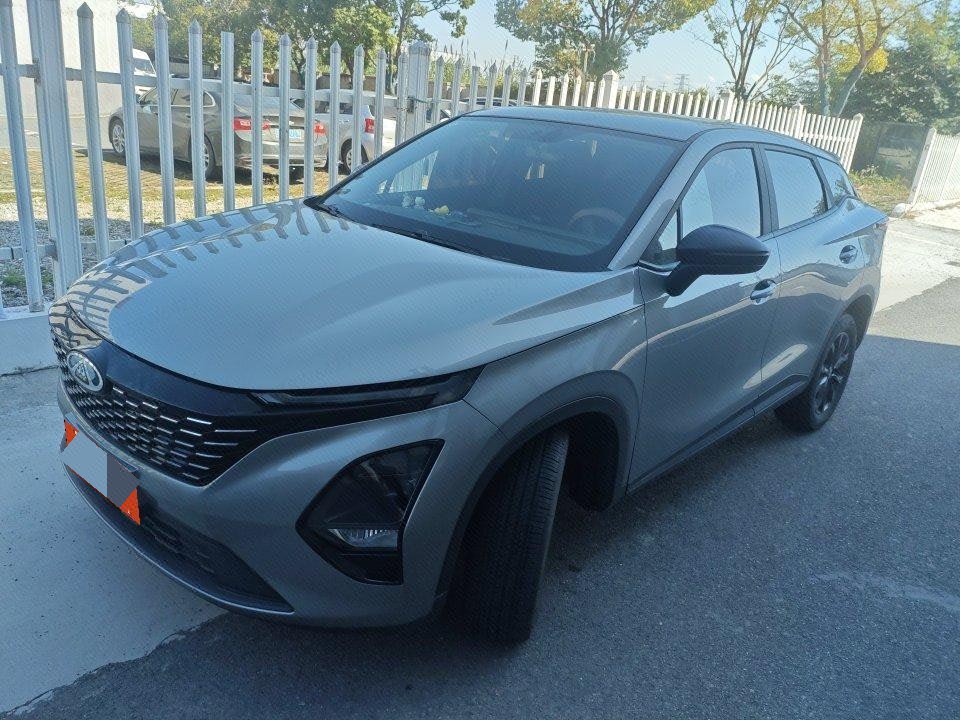
BrandChery
SeriesTiggo 5x
Year2025
First Registration2025/04
Mileage11,000km
Transfer Count0times
FuelGasoline
TransmissionCVT
Engine1.5T 156 L4
ColorGrey
Seats5seats

Condition Description

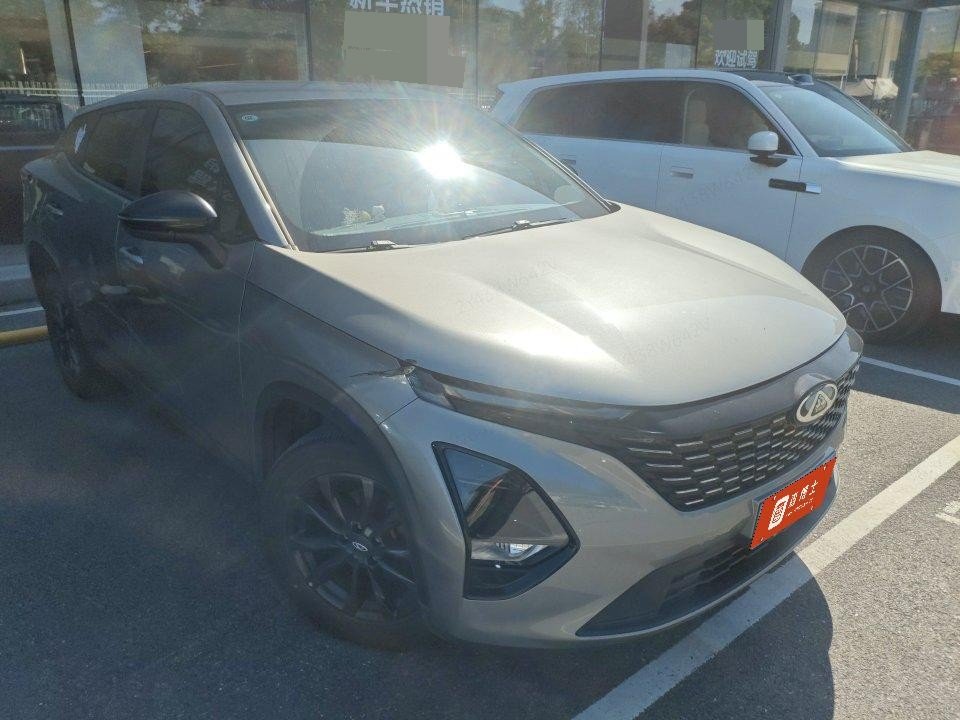
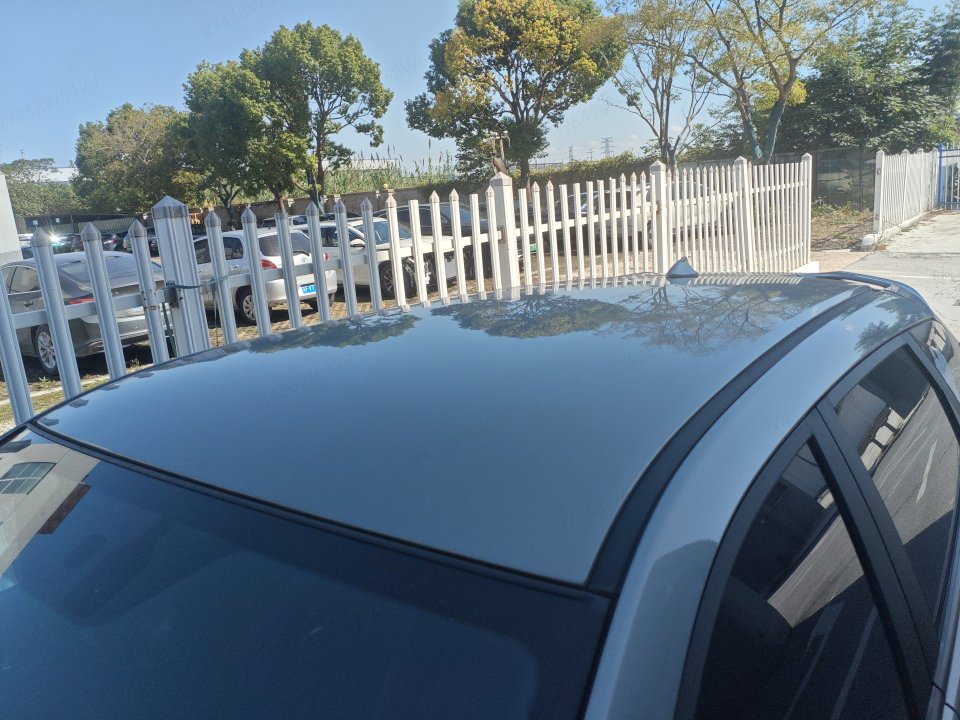
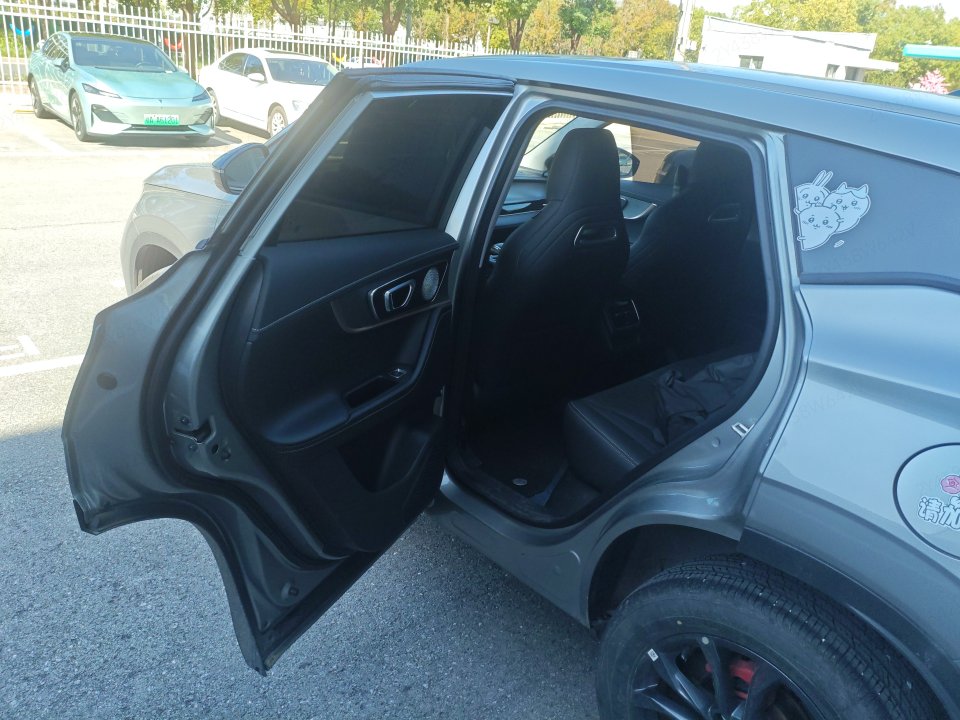
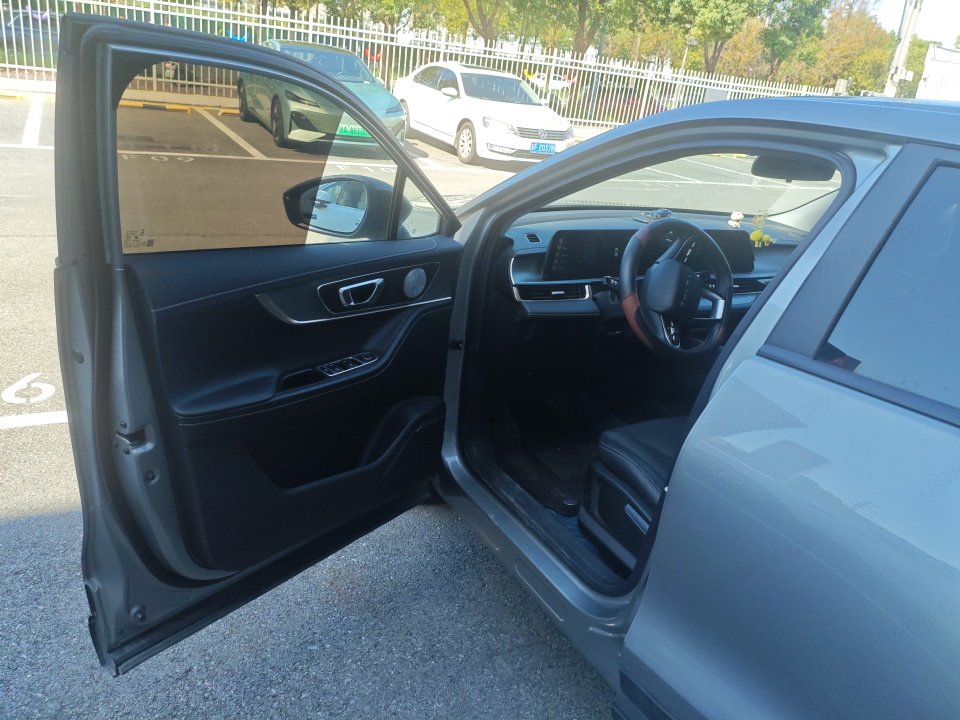
Original paint on metal parts, actual mileage, complete paperwork, ready for transfer.

Document Information

Inspection Expiry Date-
Warranty Expiry Date-
Insurance Expiry Date2027/04

Q&A

More

How can I check if a used car from China has been in a major accident, and what records actually exist?

China does not have a single public accident database like CARFAX, but you can still verify history from several sources. First, ask the exporter for the insurance claim records (出险记录). Major repairs go through insurance, and the claim history shows the date, amount, and damaged parts. A car with large claim amounts (over half its value) is effectively a total loss rebuild. Second, check the vehicle's registration certificate (机动车登记证书) for transfer history — multiple transfers in a short period often follow an accident. Third, run a VIN check through commercial platforms (paid, around 20-50 RMB) which aggregate insurance, maintenance, and auction data. Cross-check everything against a physical inspection: paint thickness readings on structural points, weld quality under the seals, and underbody photos. If the records and the physical condition do not match, walk away or demand a large discount.


How many times has this car been in an accident? How can I check the claims record?

Use credit check apps (like Check Doctor or Ant Queen) to pull the complete accident record.

What's a realistic total budget for importing a used car from China, beyond the sticker price?

Plan for the car price plus roughly 25–50% in additional costs, depending on destination: 1. Inland transport in China (car city to export port): USD 300–700. 2. Export fees: inspection, customs declaration, port handling — USD 300–600. 3. Ocean or rail freight: a shared container to the Middle East or Africa runs USD 800–1,500; a full container or RoRo varies by route. 4. Destination charges: unloading, customs duties, VAT and port fees — this is the biggest variable. Some countries add 50%+ in taxes on used imports. 5. Compliance costs: homologation, inspection, registration in your country. 6. Currency and payment costs: wire fees and exchange margins of 1–3%. Always ask the exporter for a written cost breakdown listing every item and who pays it, then confirm the destination-side numbers with a local customs agent before committing.