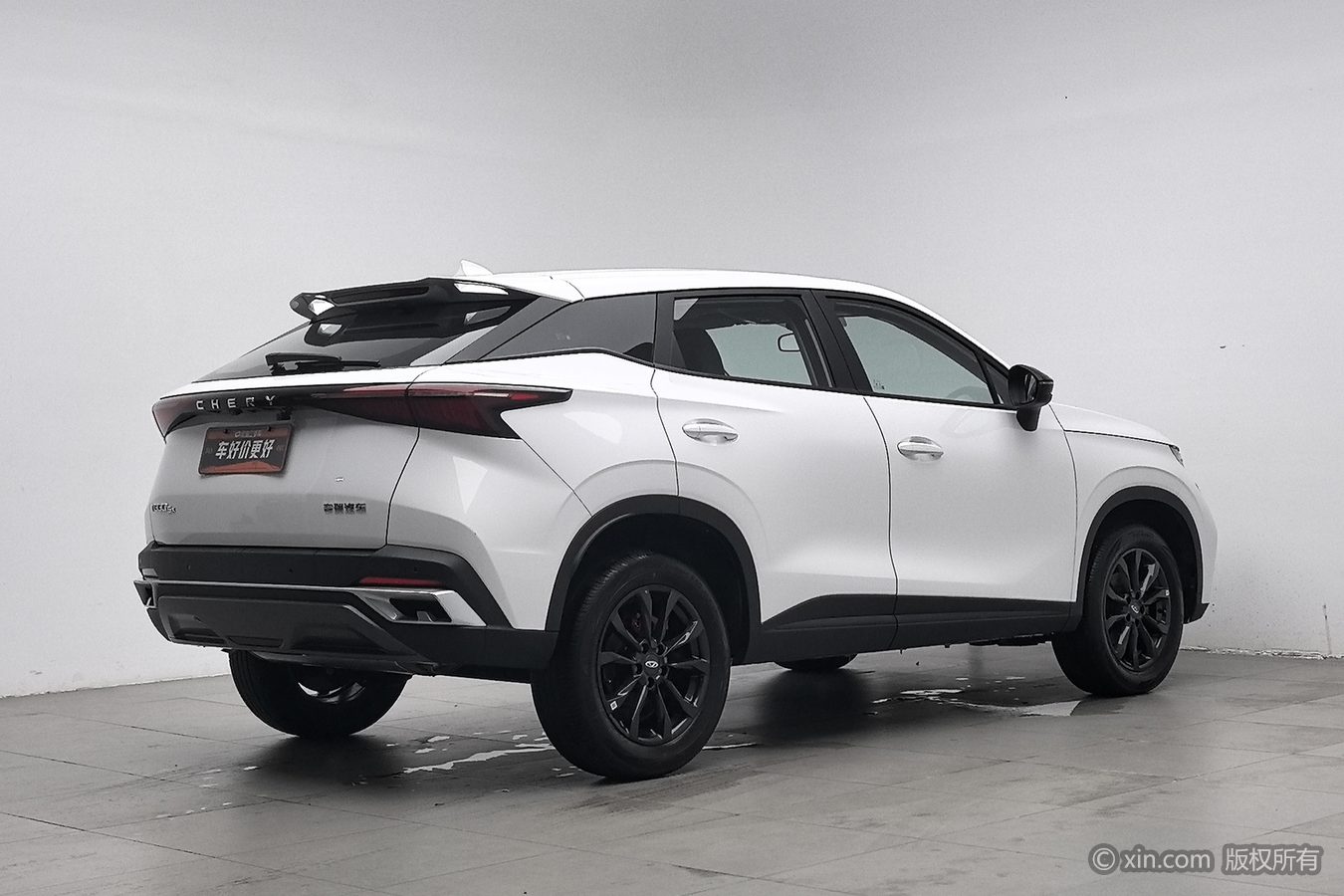
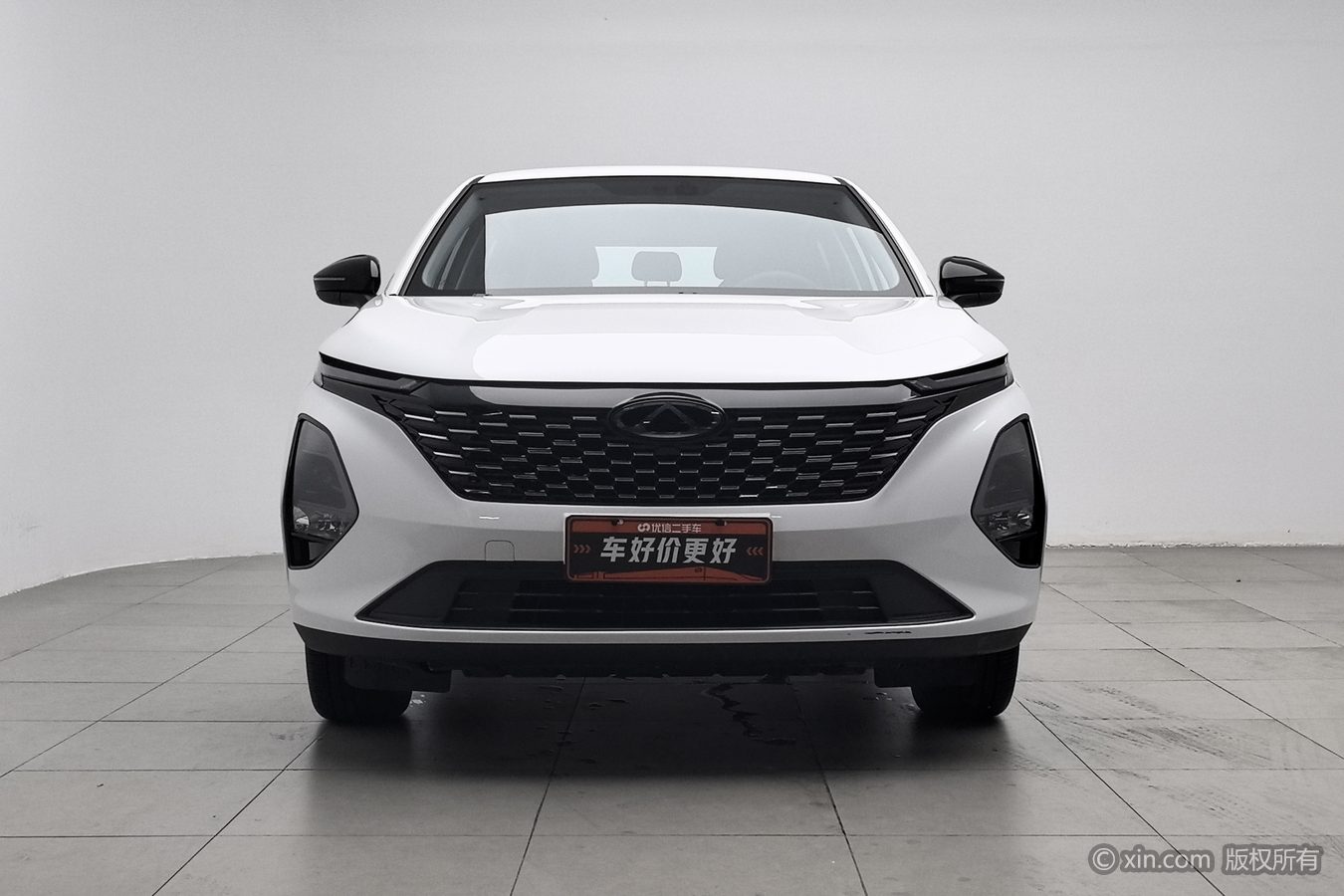
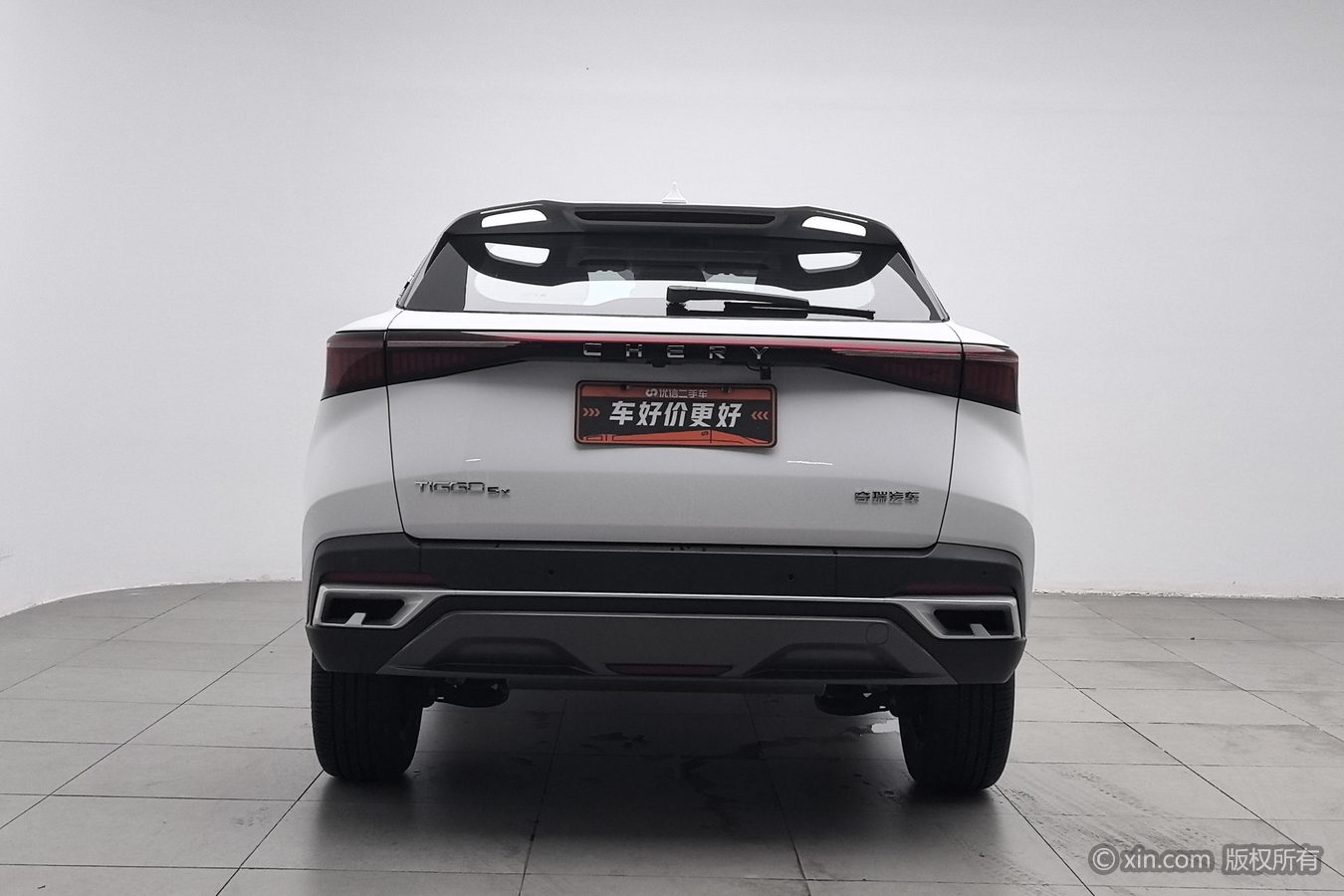
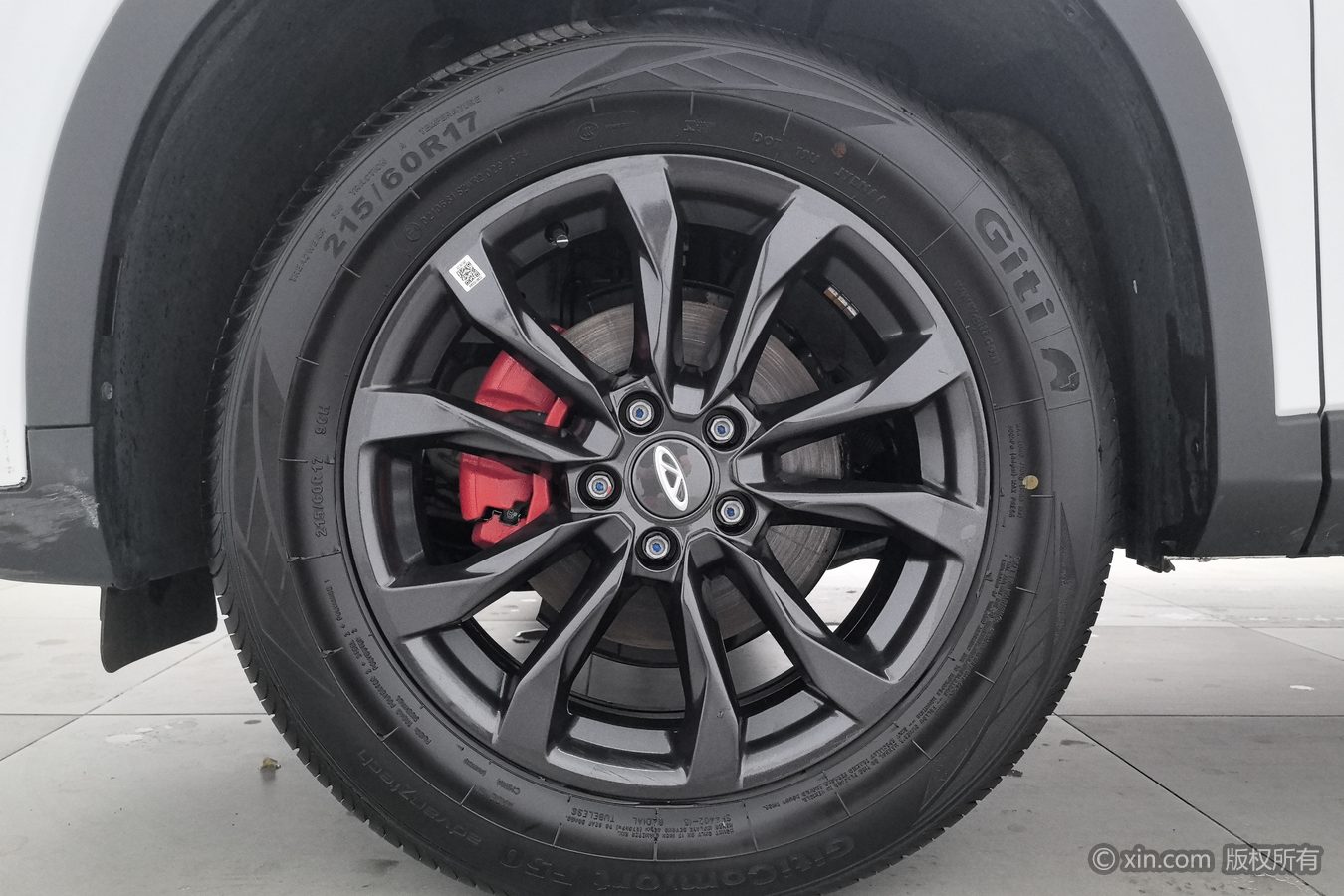
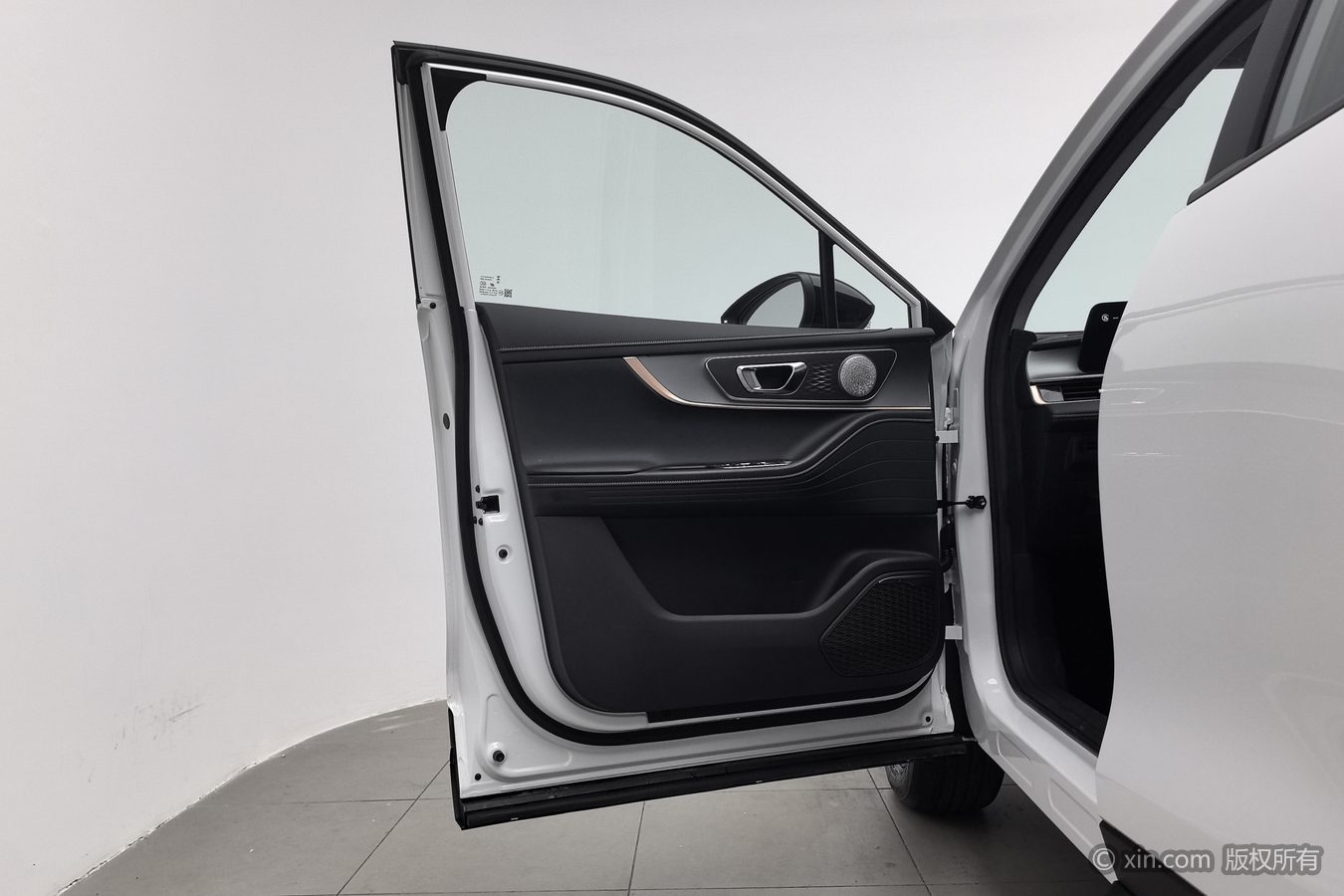
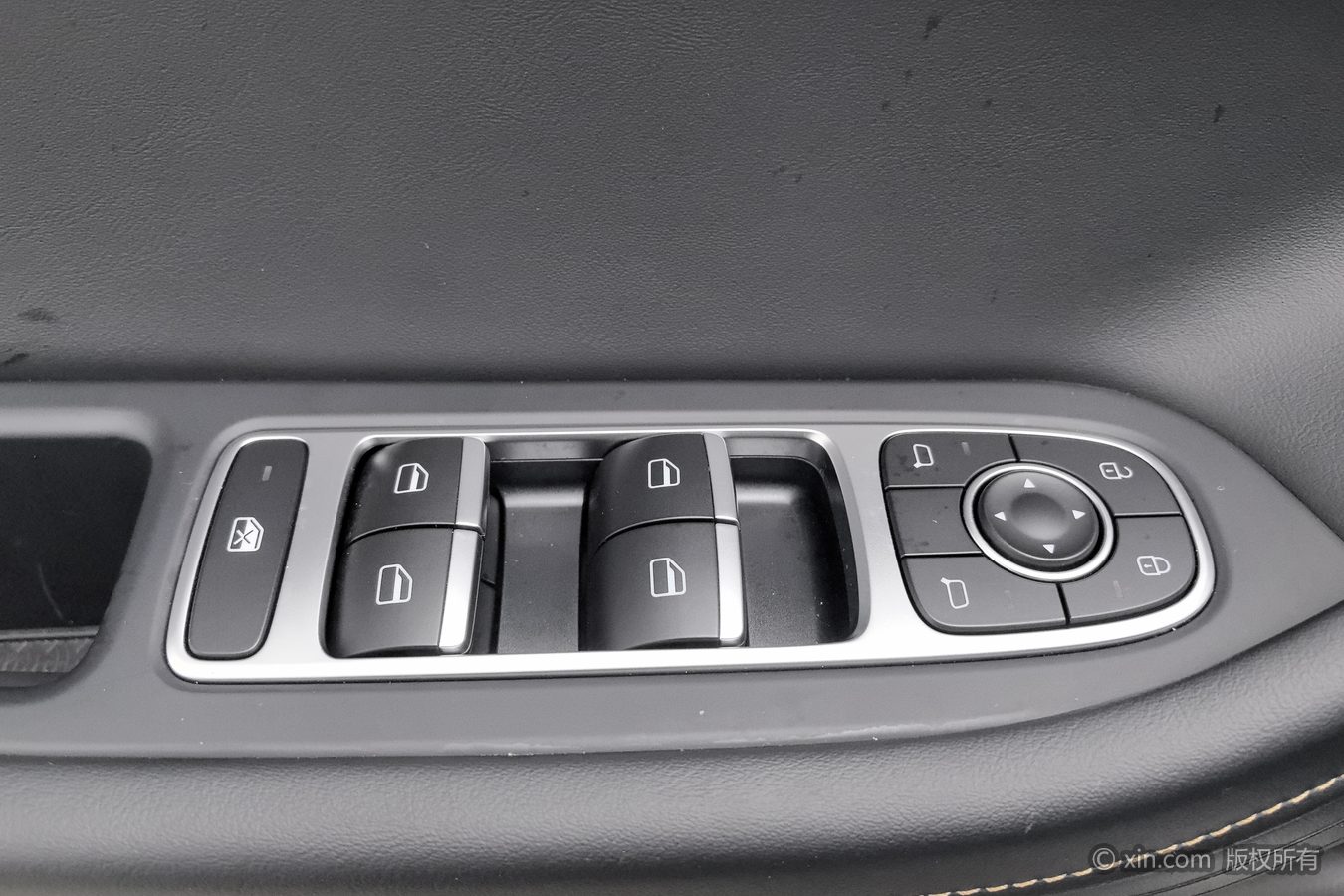
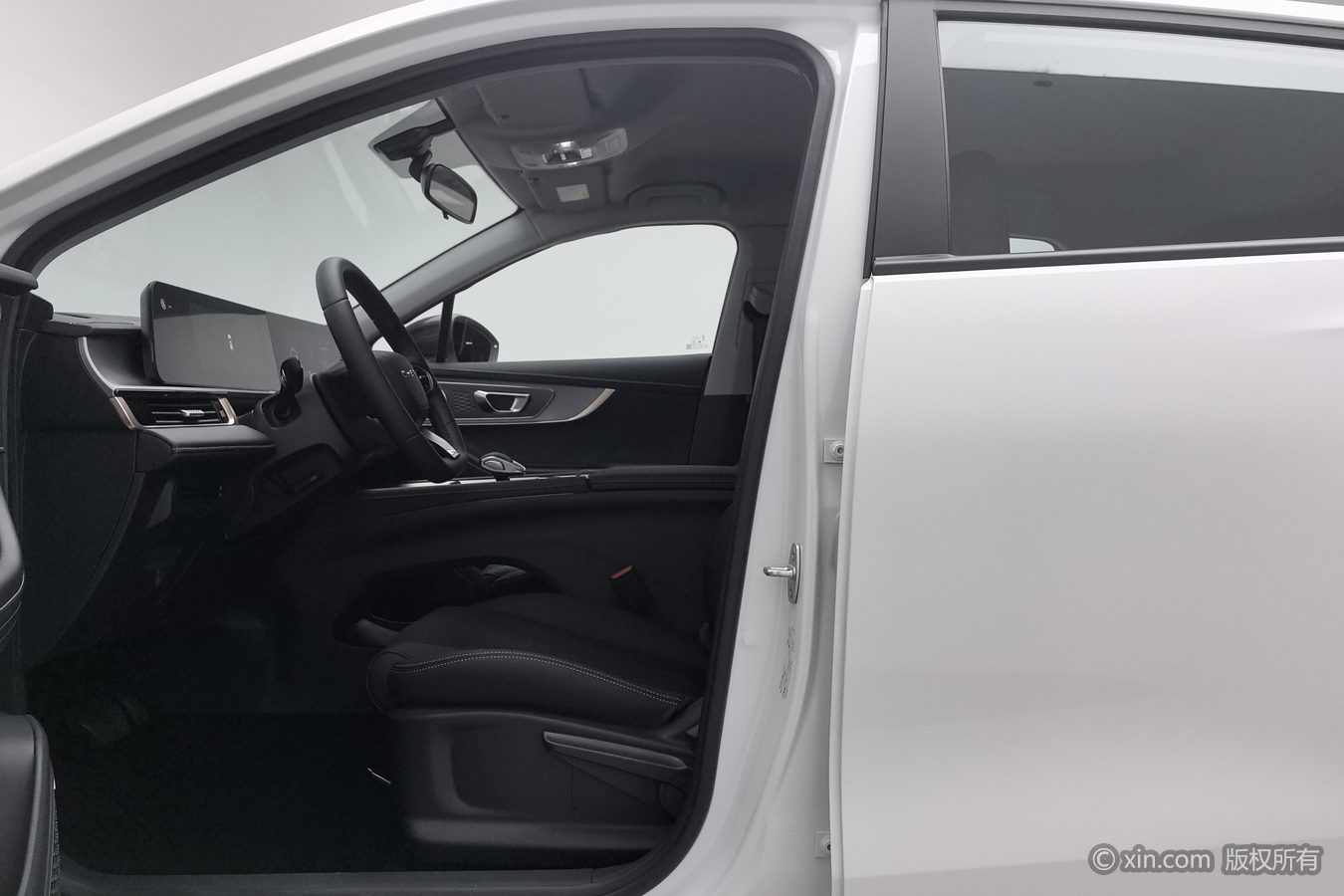
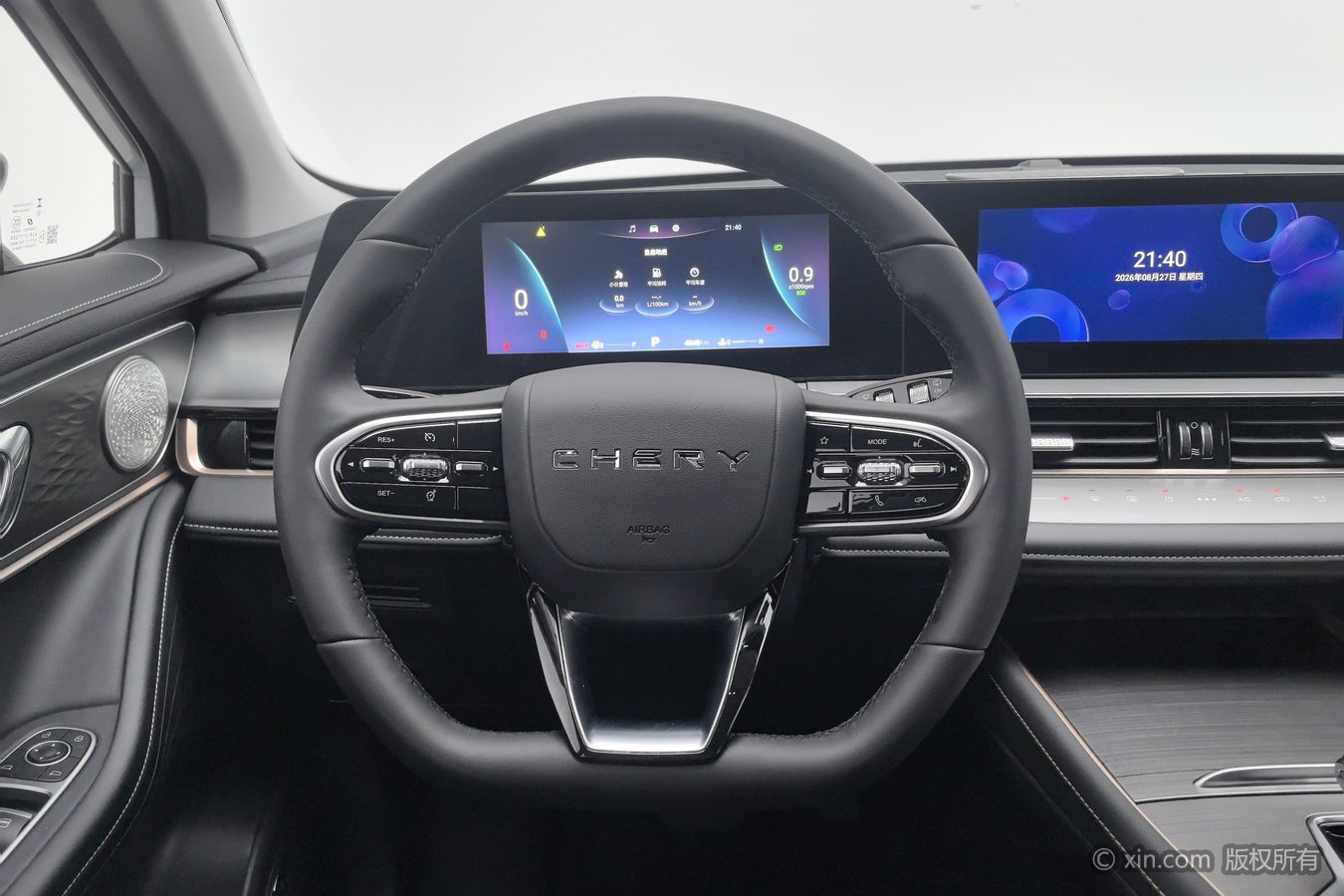
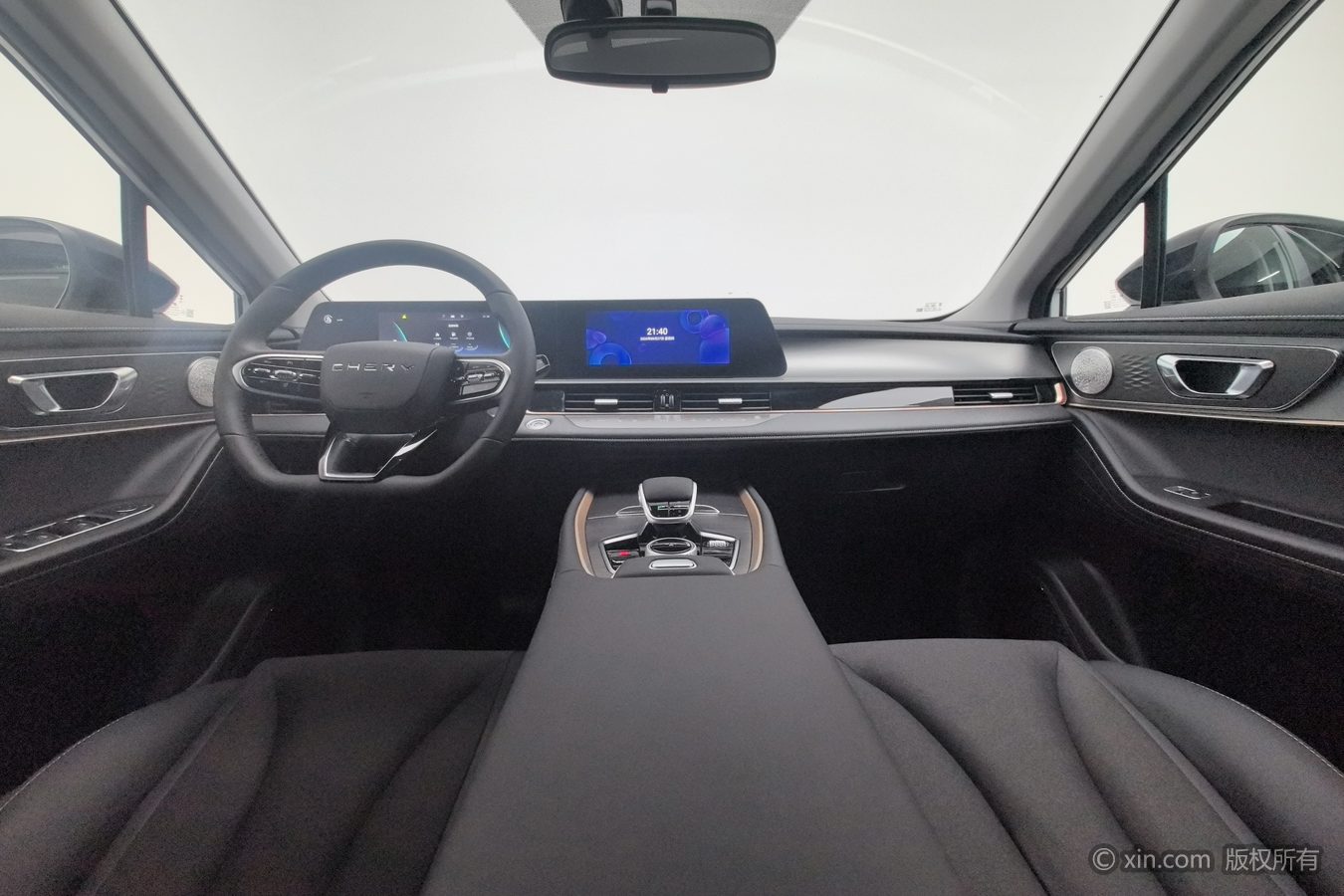
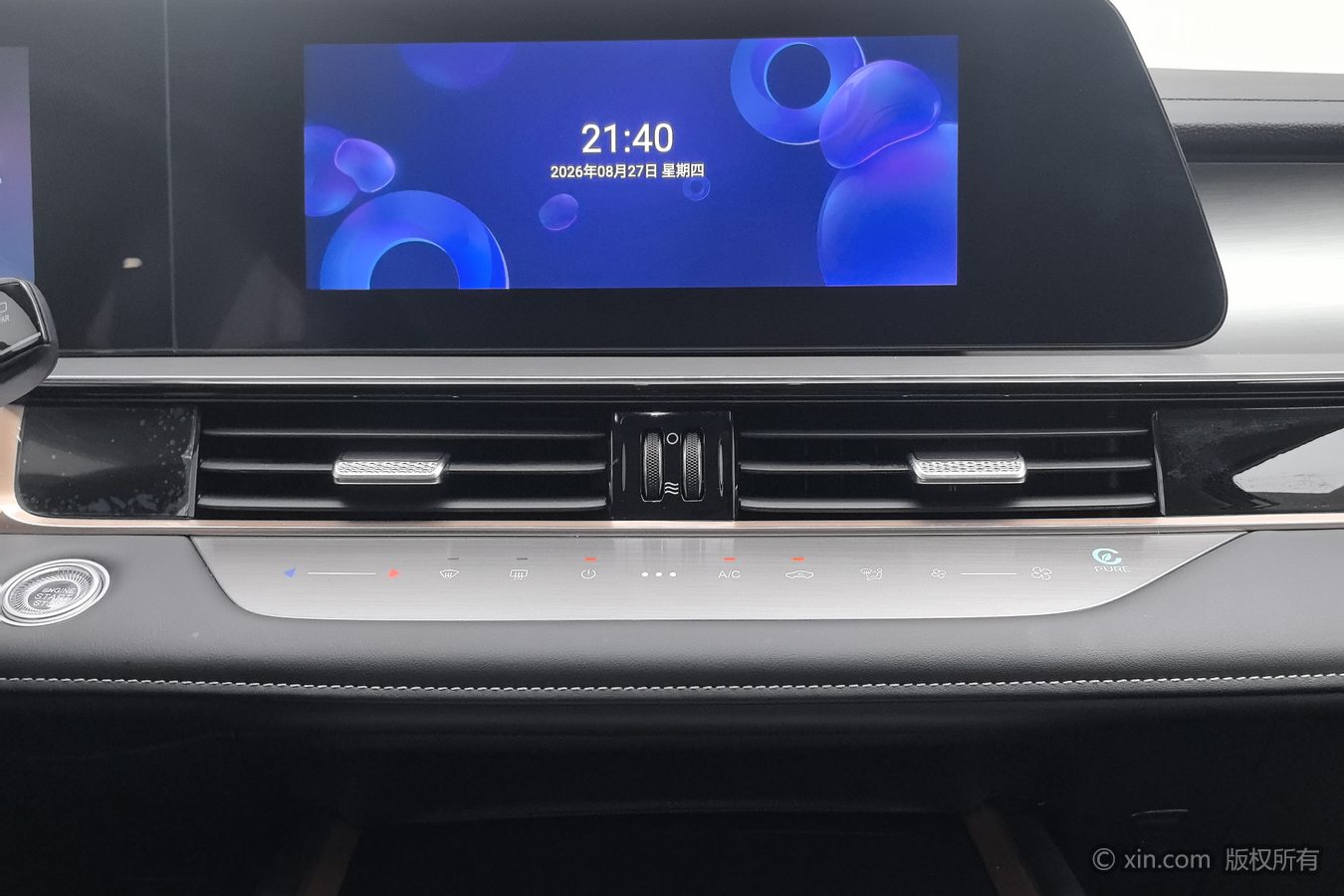
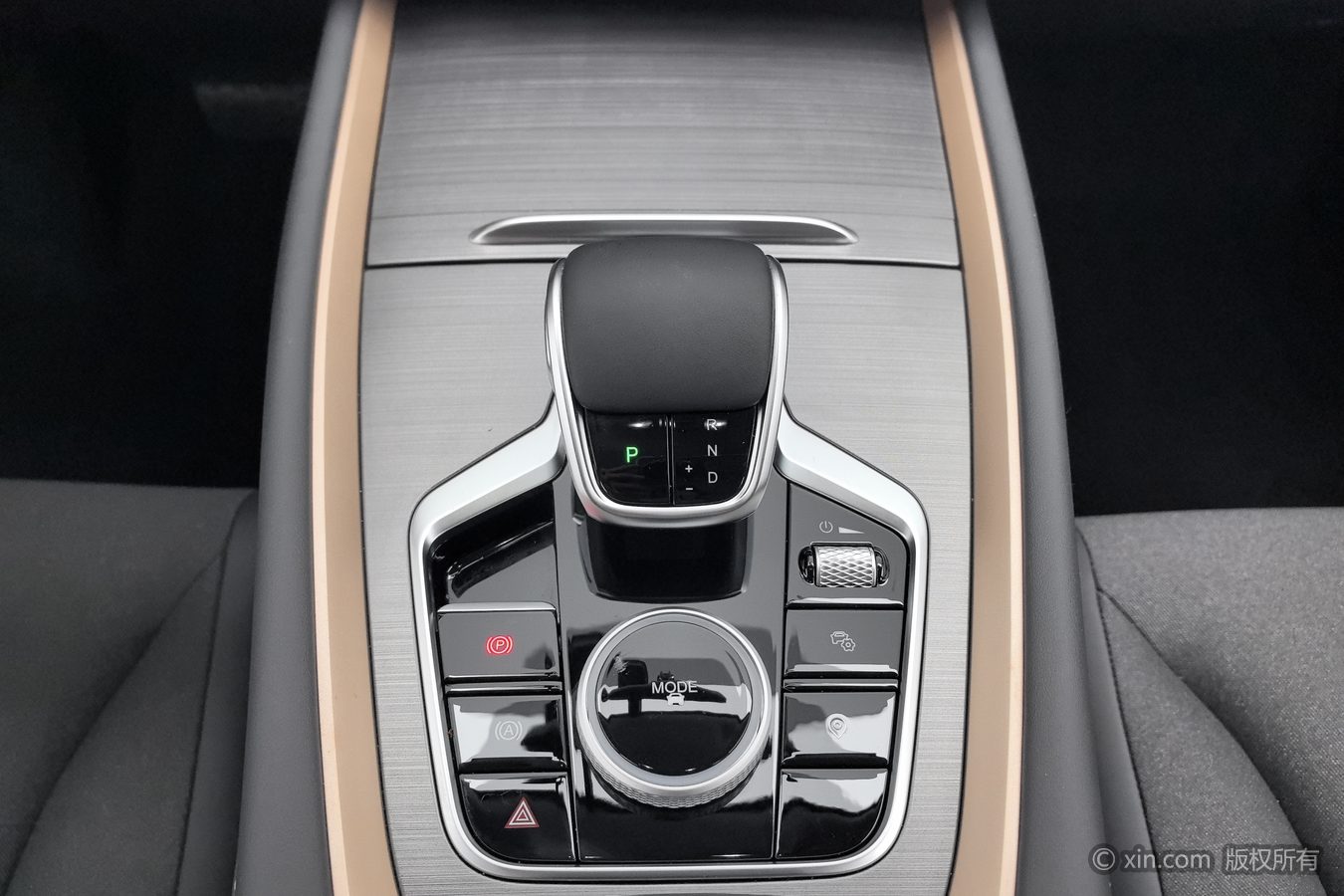
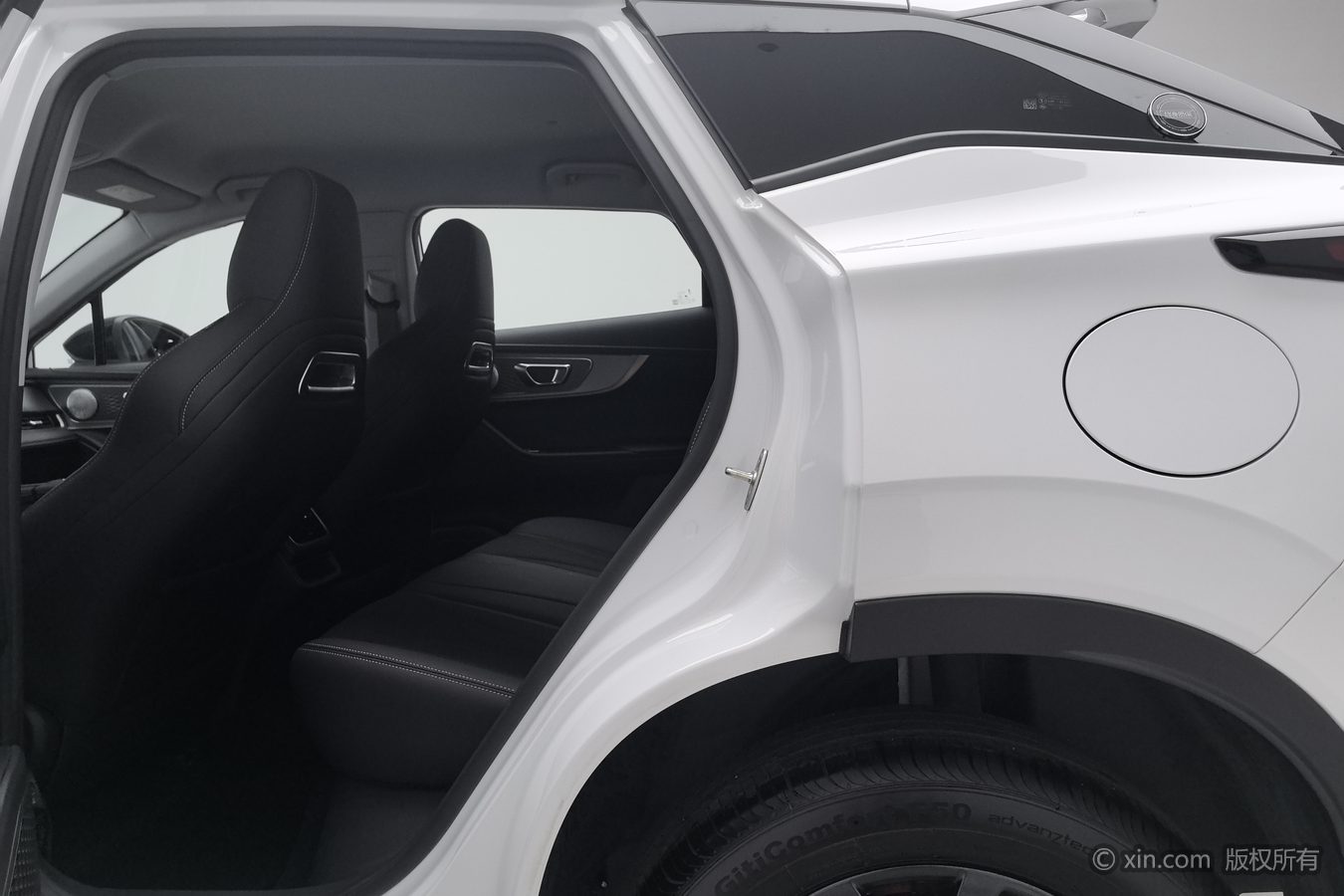
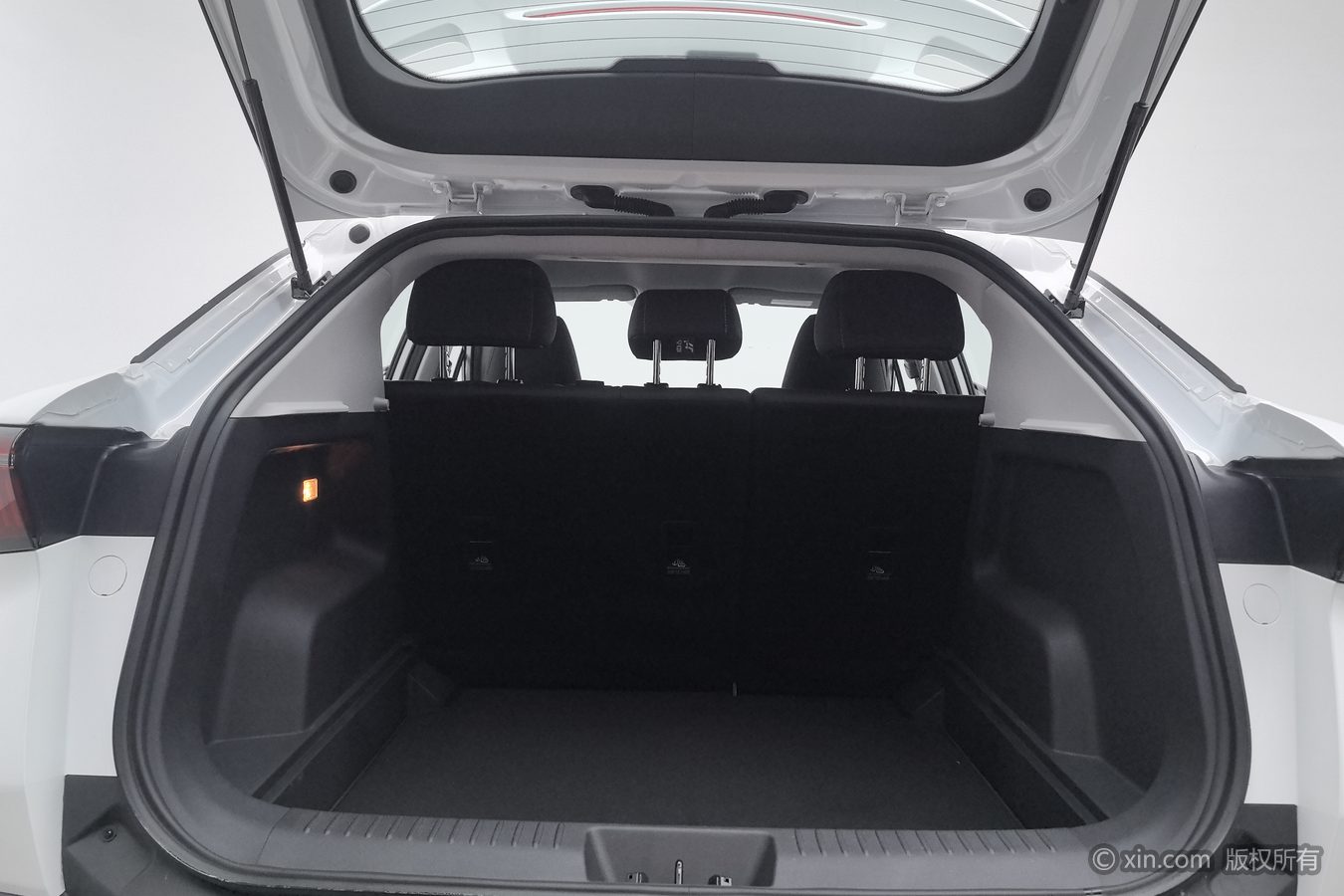
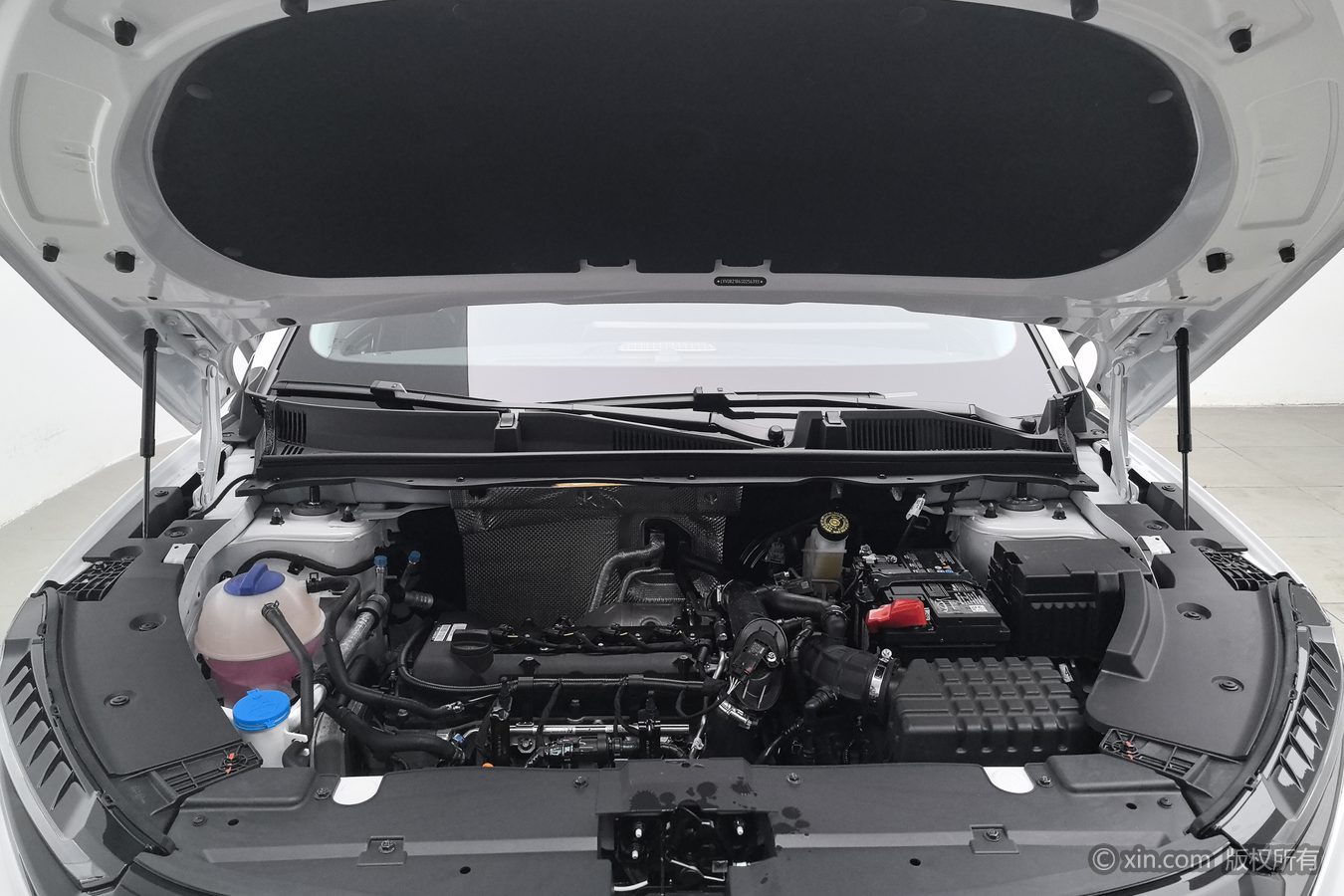
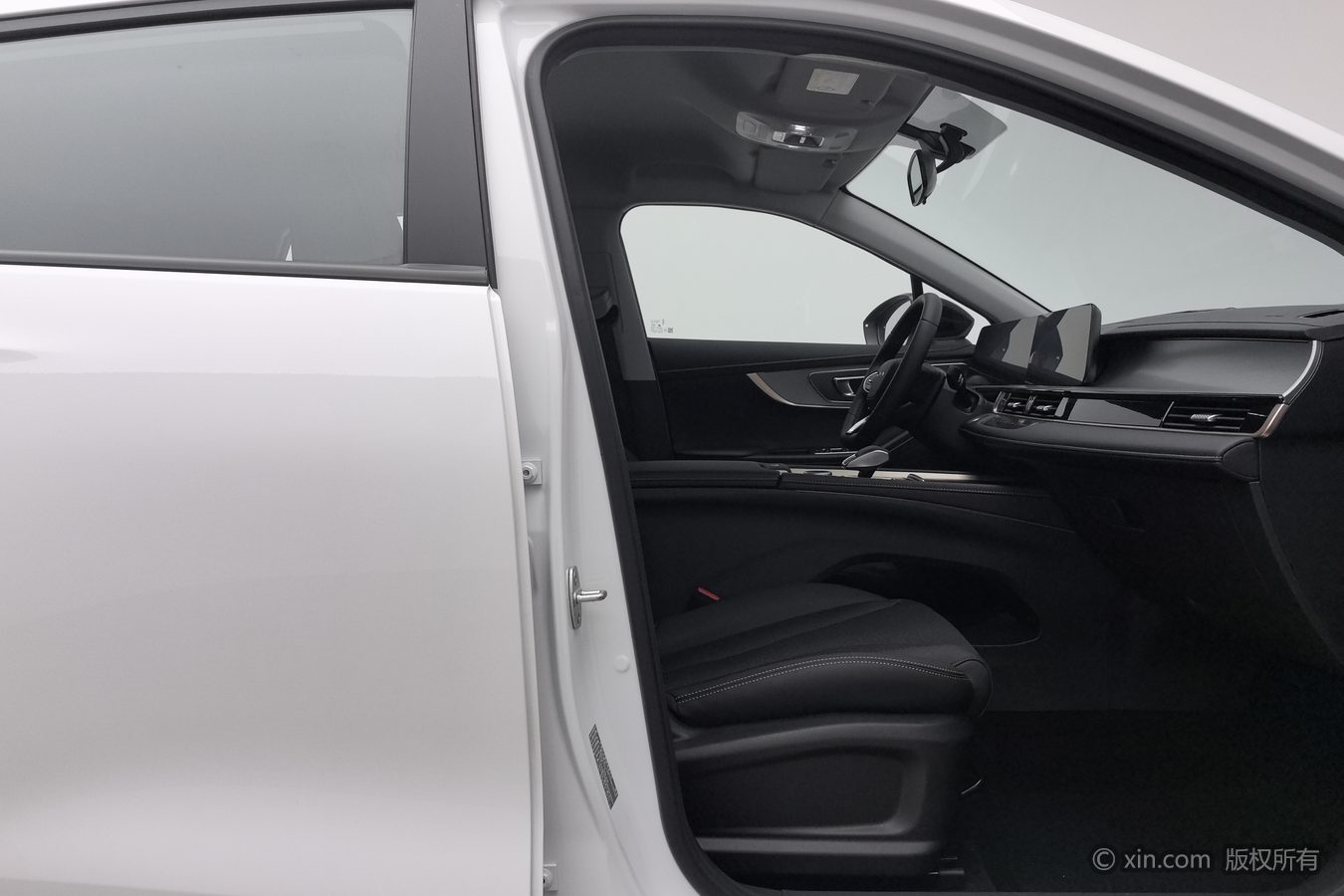
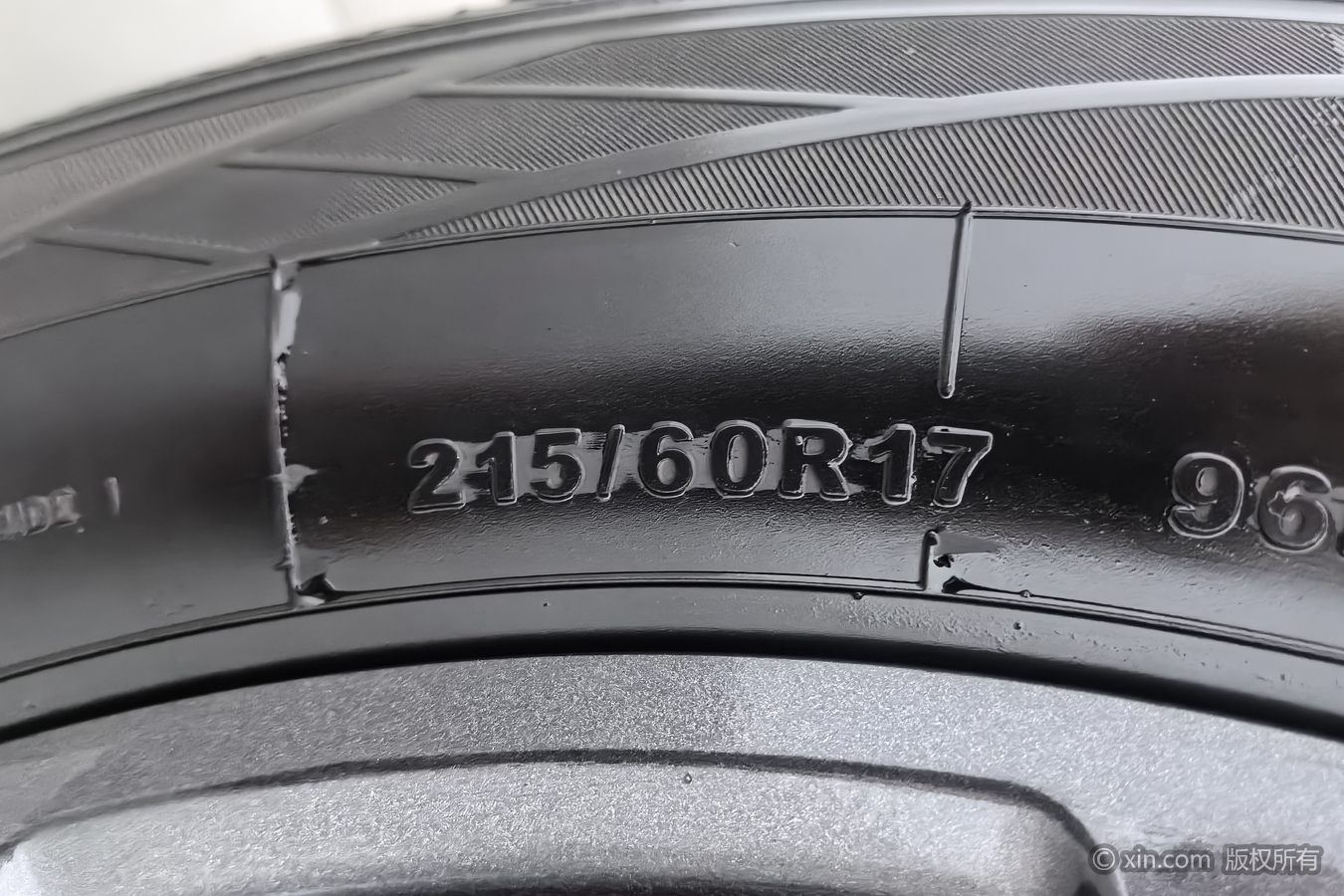
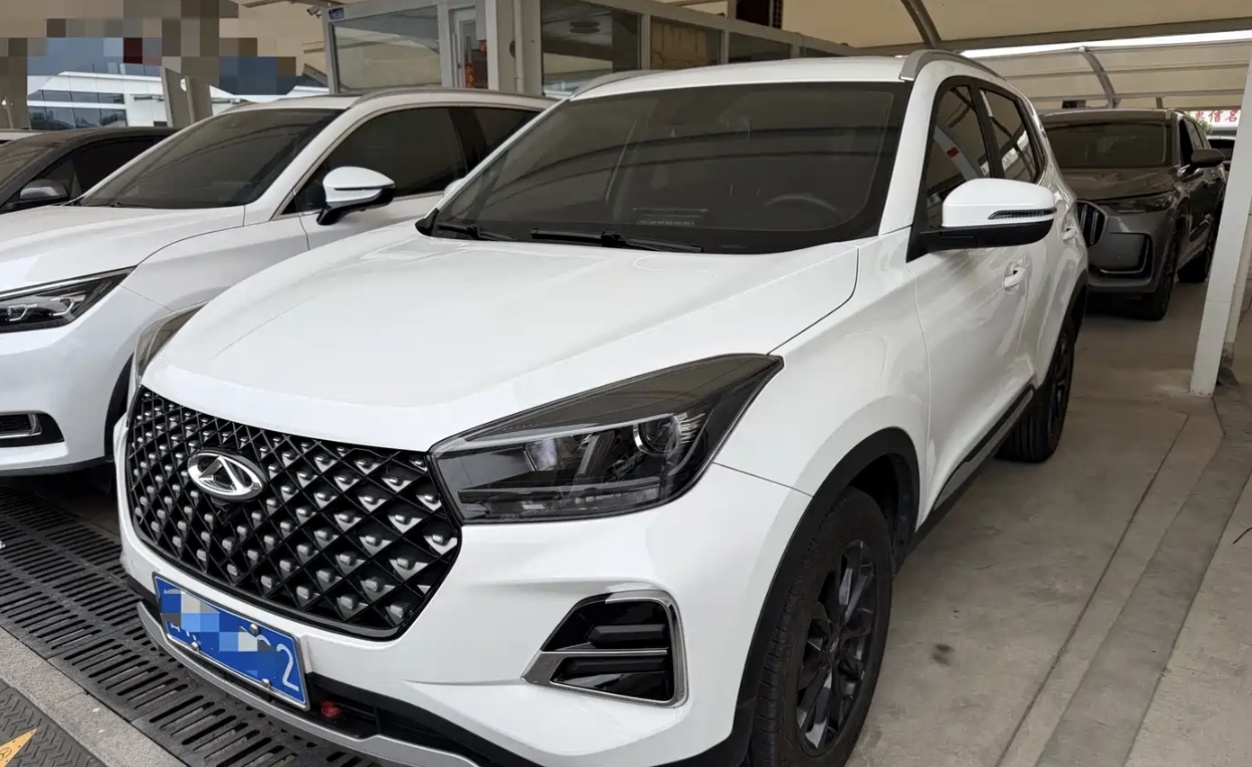
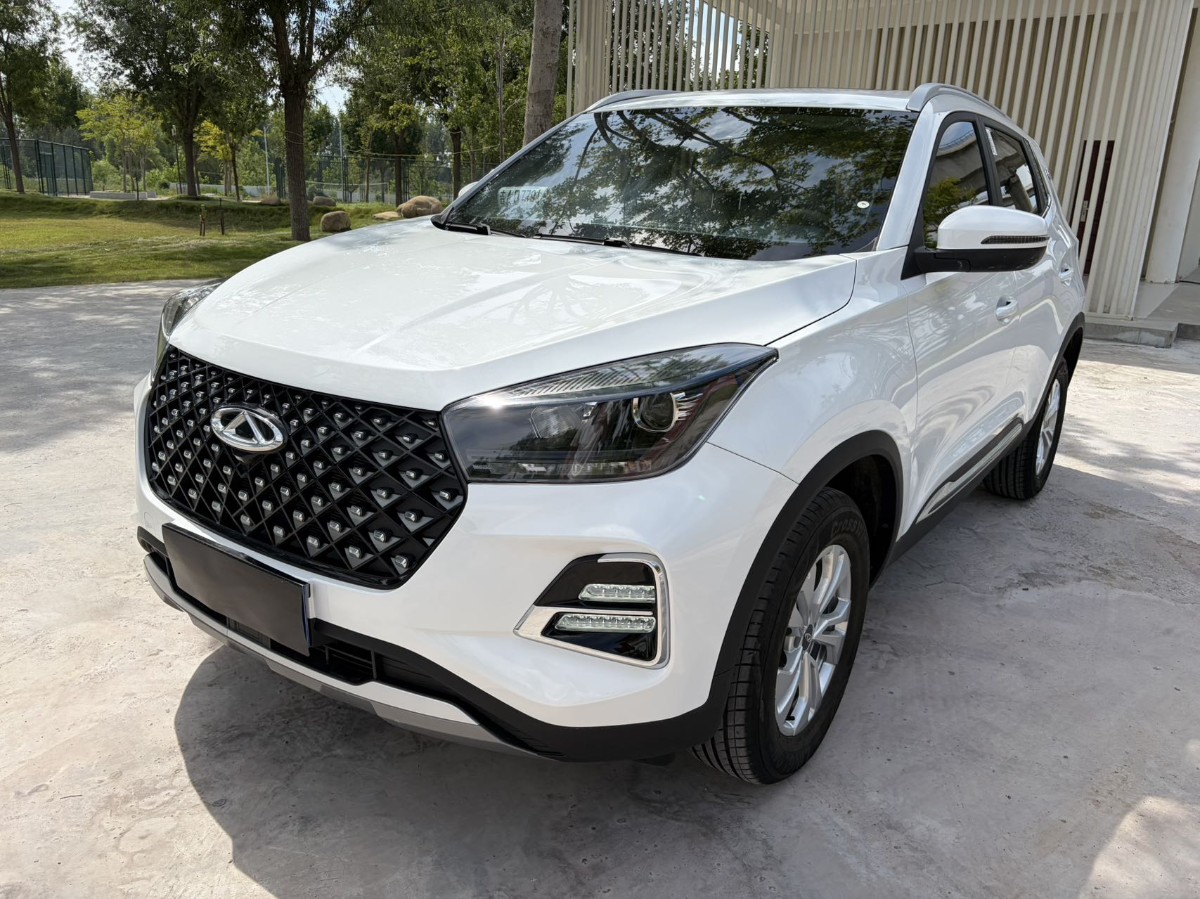
Basic Information

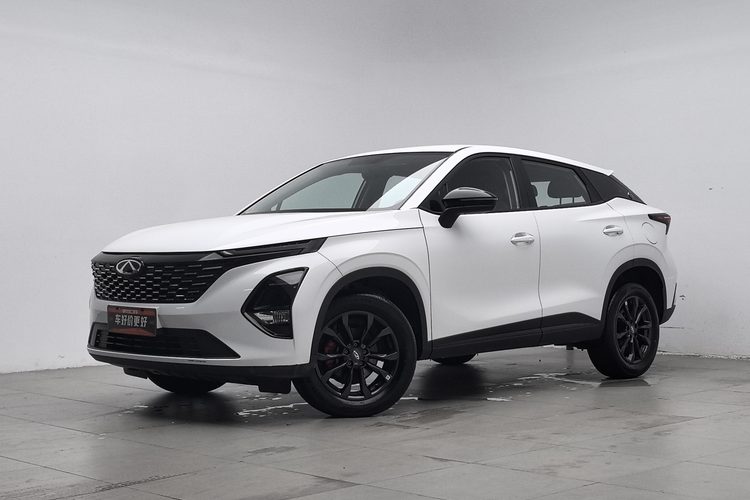
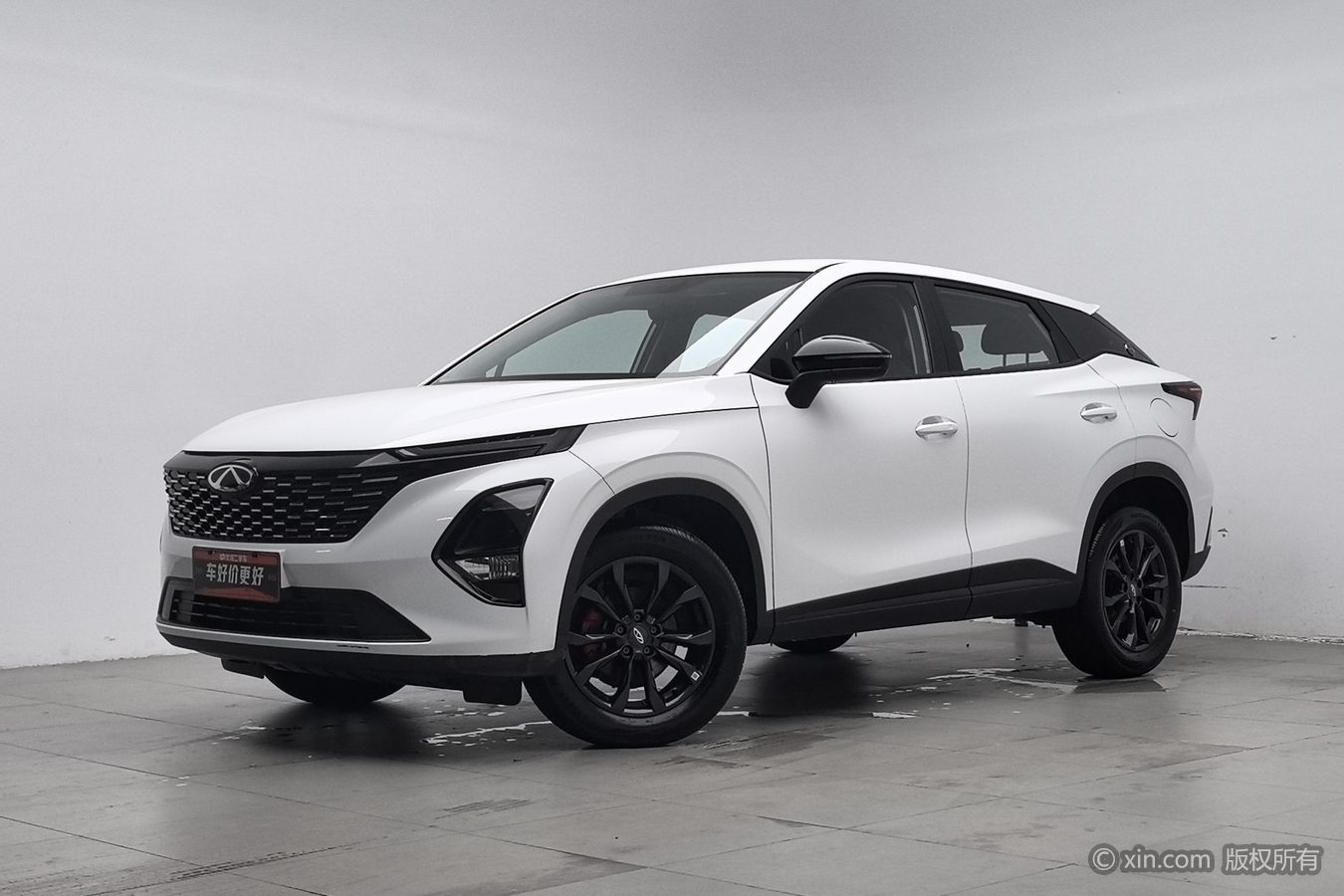
BrandChery
SeriesTiggo 5x
Year2025
First Registration2025/05
Mileage4,000km
Transfer Count0times
FuelGasoline
TransmissionCVT
Engine1.5T 156 L4
ColorWhite
Seats5seats

Condition Description

No odometer tampering, no structural damage, no water damage, no fire damage.

Configuration Highlights

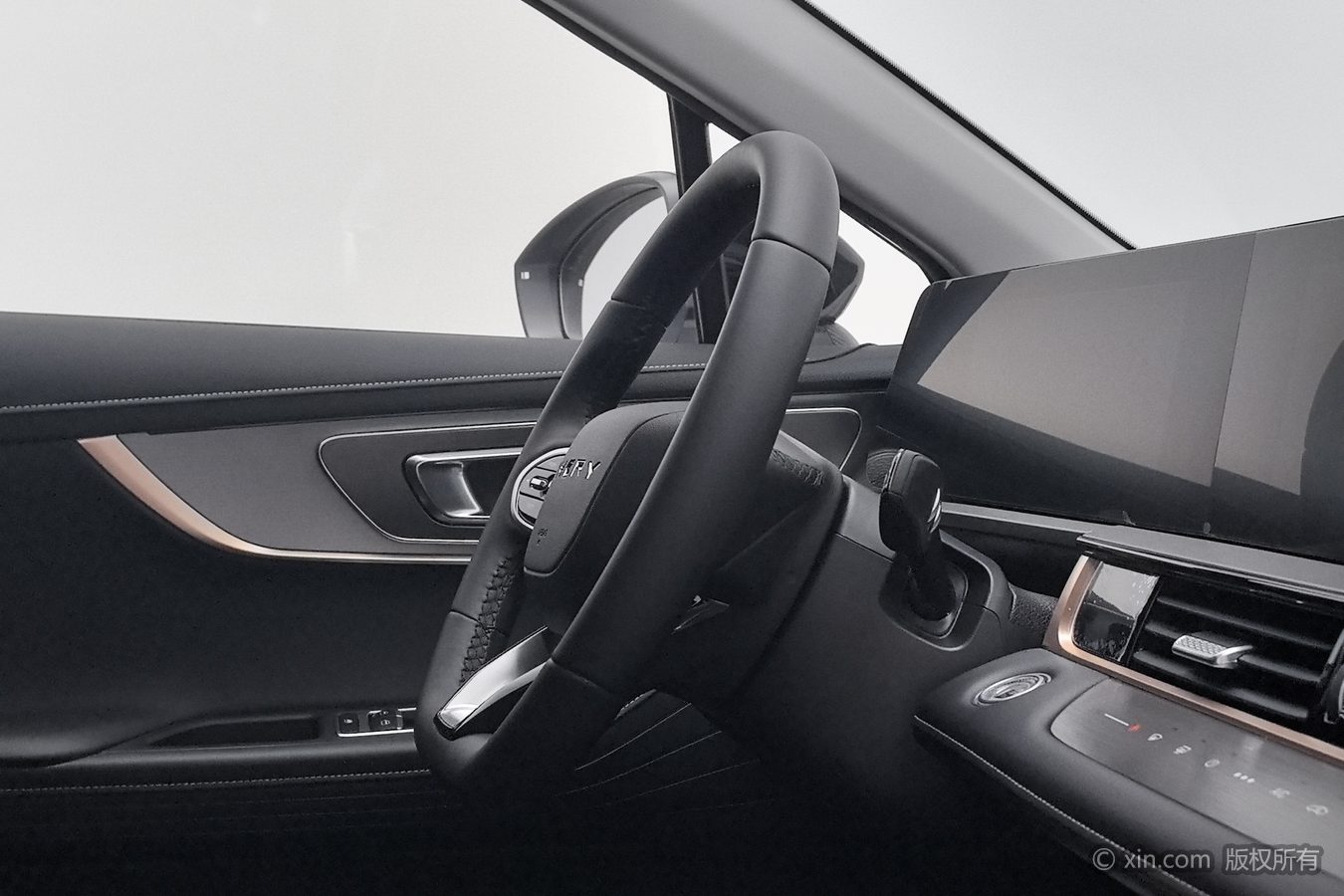
✓液晶仪表盘
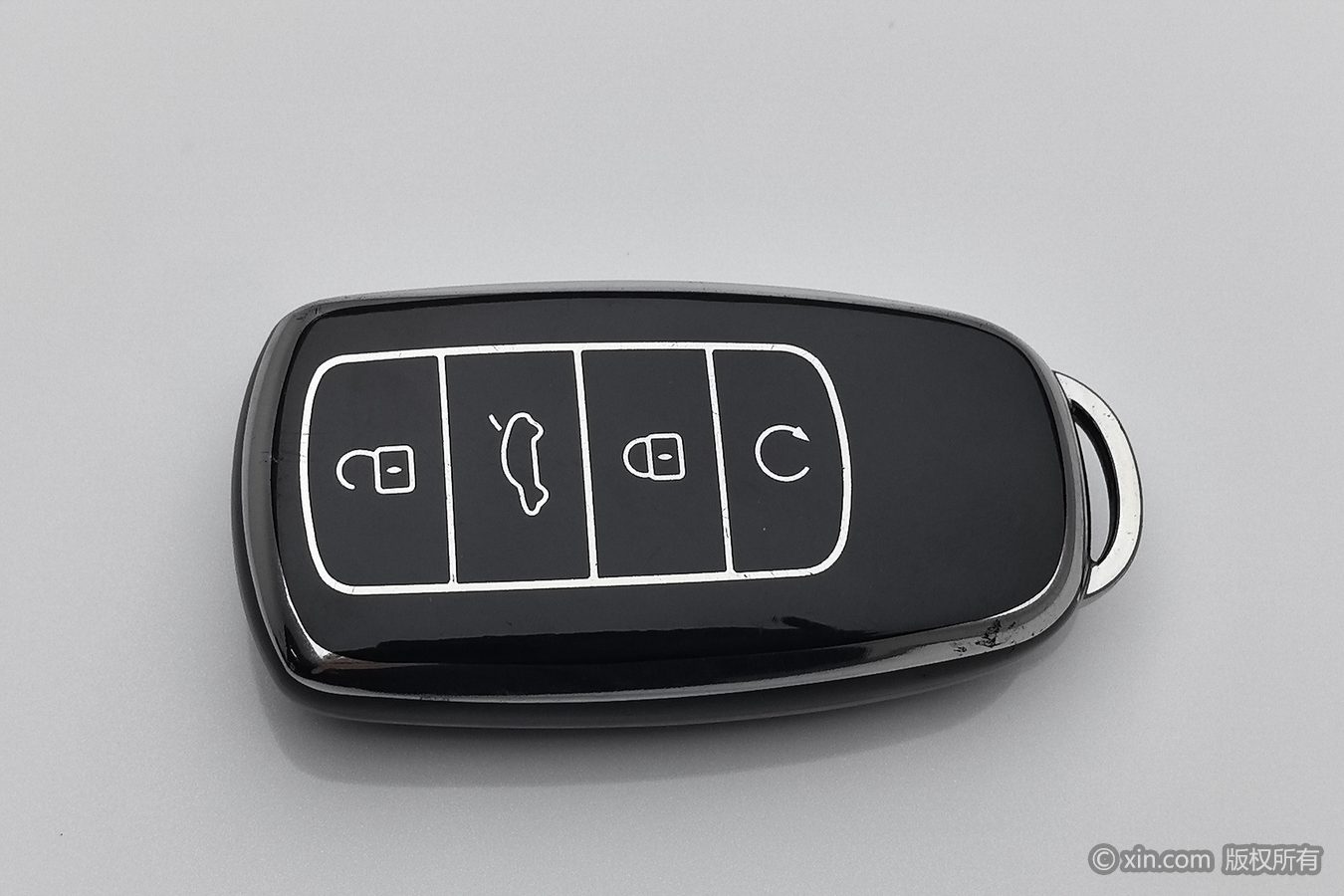
✓Remote Start
✓Auto Hold
✓Tire Pressure Monitoring

Document Information

Inspection Expiry Date2027/05
Warranty Expiry Date-
Insurance Expiry Date-

Q&A

More

Will B2B customers receive a detailed technical inspection report for each vehicle when purchasing a container of vehicles at once?

Yes. Even if you purchase 100 vehicles, we adhere to "one inspection per vehicle, one file per vehicle." Each vehicle will have its own independent inspection report with a unique VIN code, which serves as the sole proof for quality traceability.

What is the difference between EXW, FOB, and CIF prices from a Chinese exporter, and which incoterm should I choose as a first-time buyer?

EXW means you pay only for the car at the seller's yard—you handle everything else, including inland transport in China and export clearance, which is impractical from overseas. FOB includes delivery to the port and export customs clearance; you pay for ocean freight and insurance. CIF adds freight and basic insurance to a named destination port. For a first-time buyer, FOB is usually the best balance: the exporter, who knows Chinese logistics, handles the complicated part, while you control the freight booking and can shop rates among forwarders. Watch for exporters quoting unrealistically low FOB prices and making margin on inflated 'shipping services' later. Get a separate freight quote before signing, and compare the exporter's CIF offer against FOB plus your own freight estimate. Ask explicitly whether the price includes inspection, export license fees, and port charges—ambiguity here is the most common source of disputes.
Why is there a time difference between the production date on the vehicle nameplate and the first registration date on the registration certificate?

The nameplate date is the absolute time when the vehicle leaves the factory; the registration date is when the vehicle is registered with the traffic management department after sale. The difference represents the time the vehicle spent in the dealer's warehouse or logistics. If the time difference exceeds 6-8 months, the vehicle is considered a "stock vehicle," and we pay special attention to the natural aging of its rubber components.