


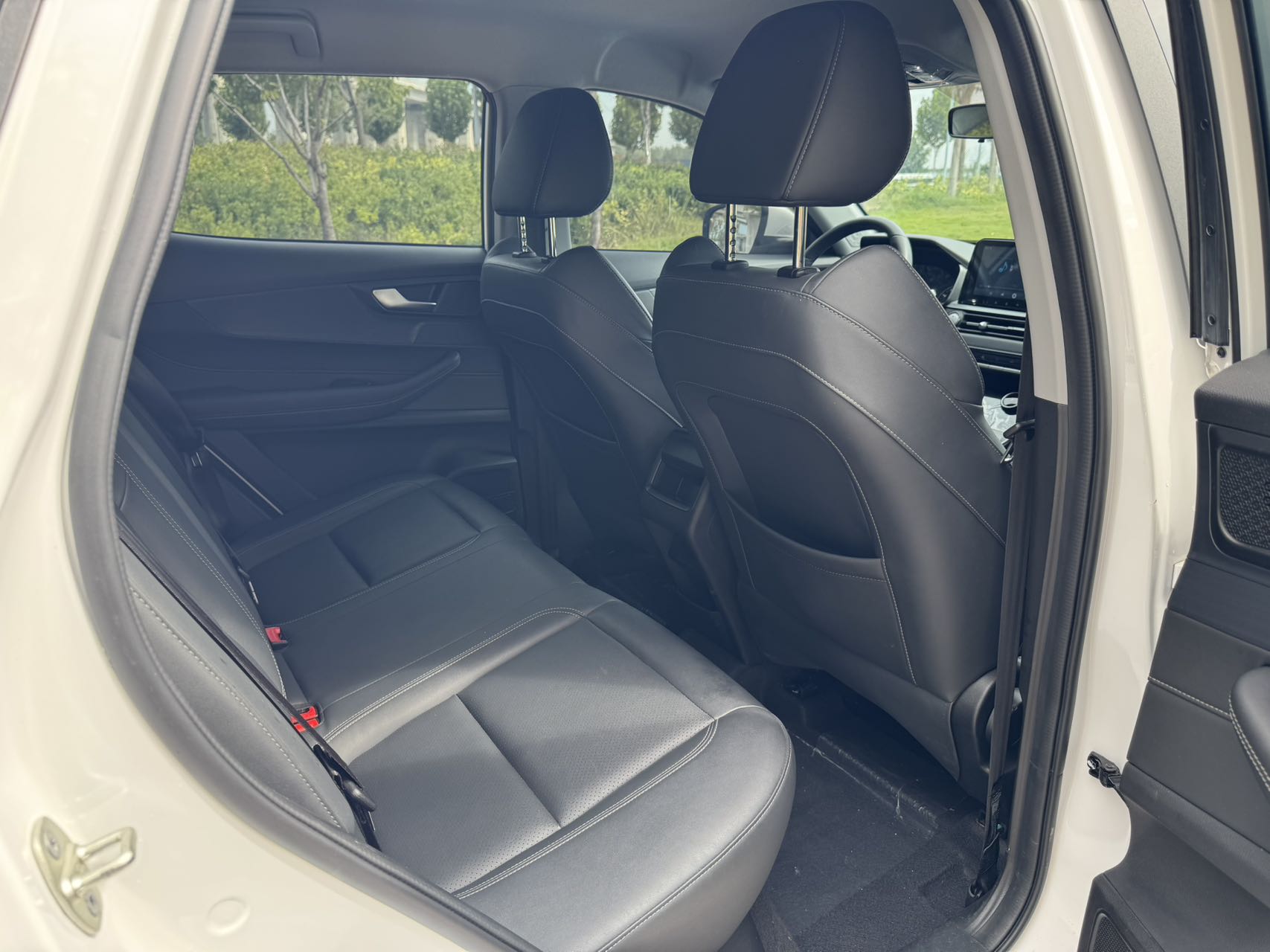
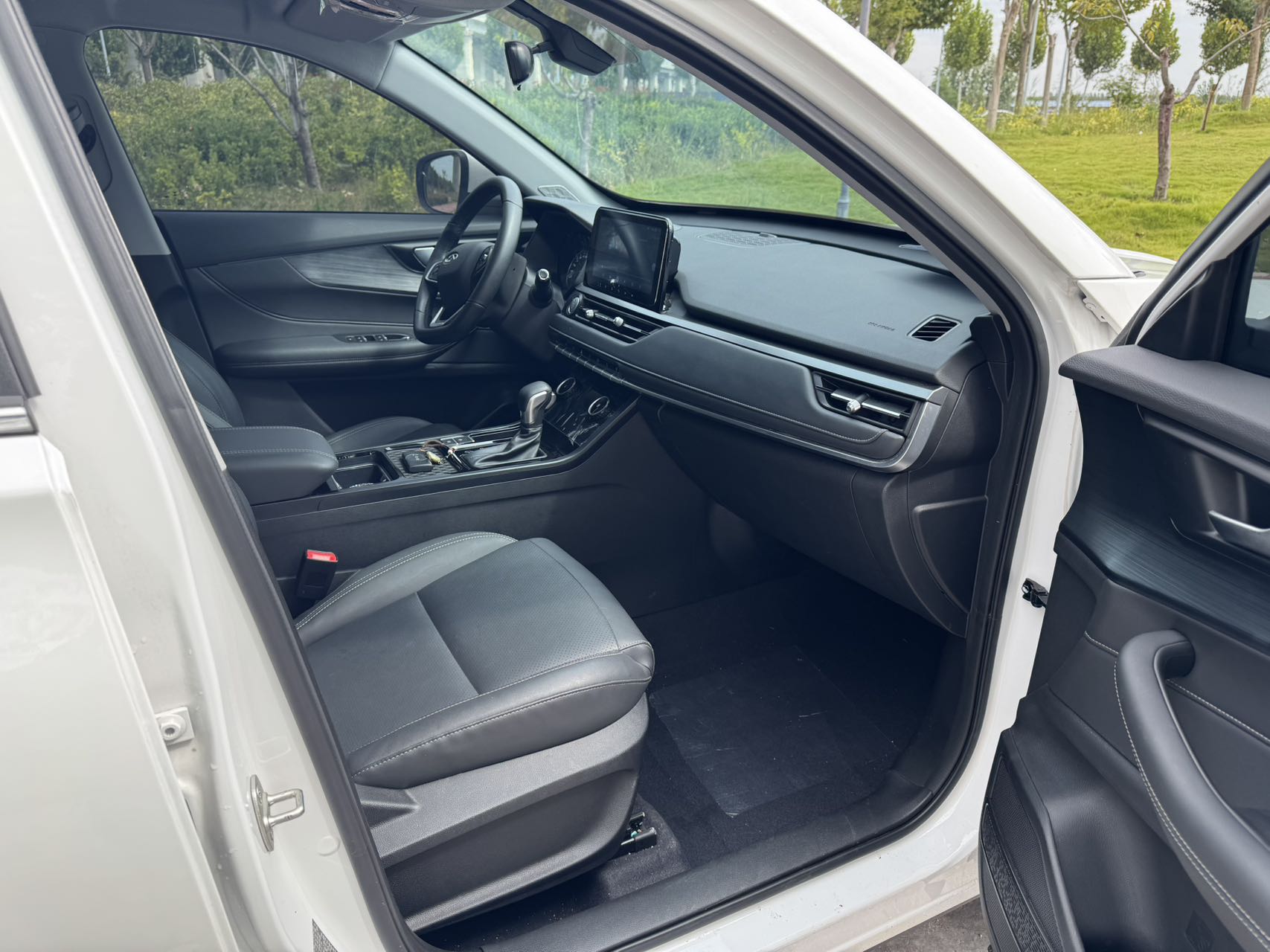
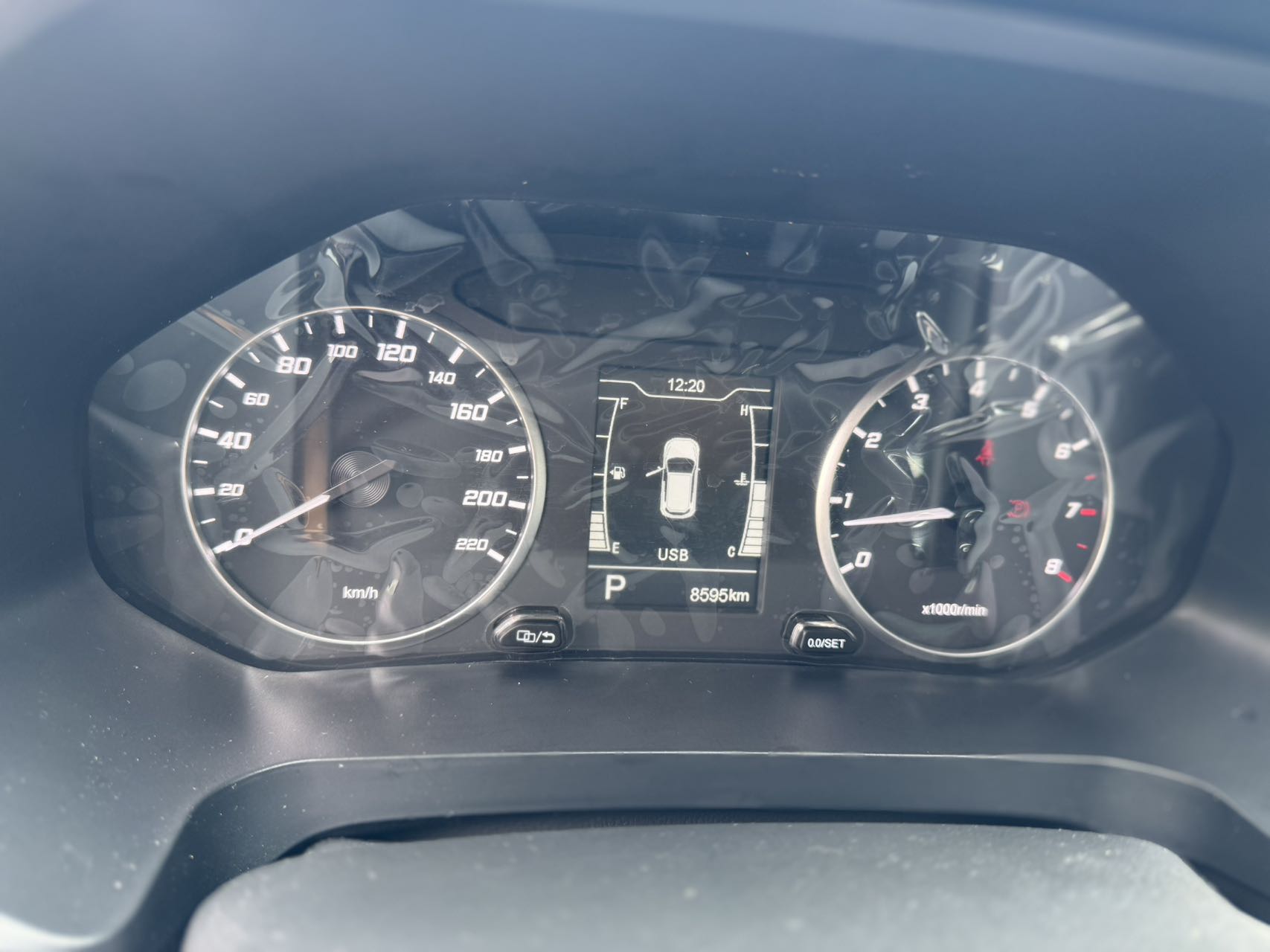



Basic Information

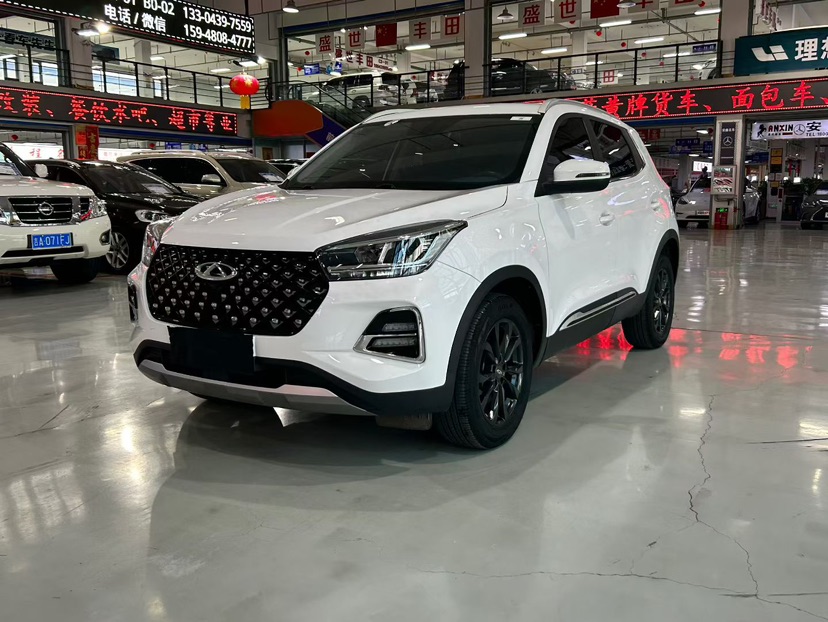
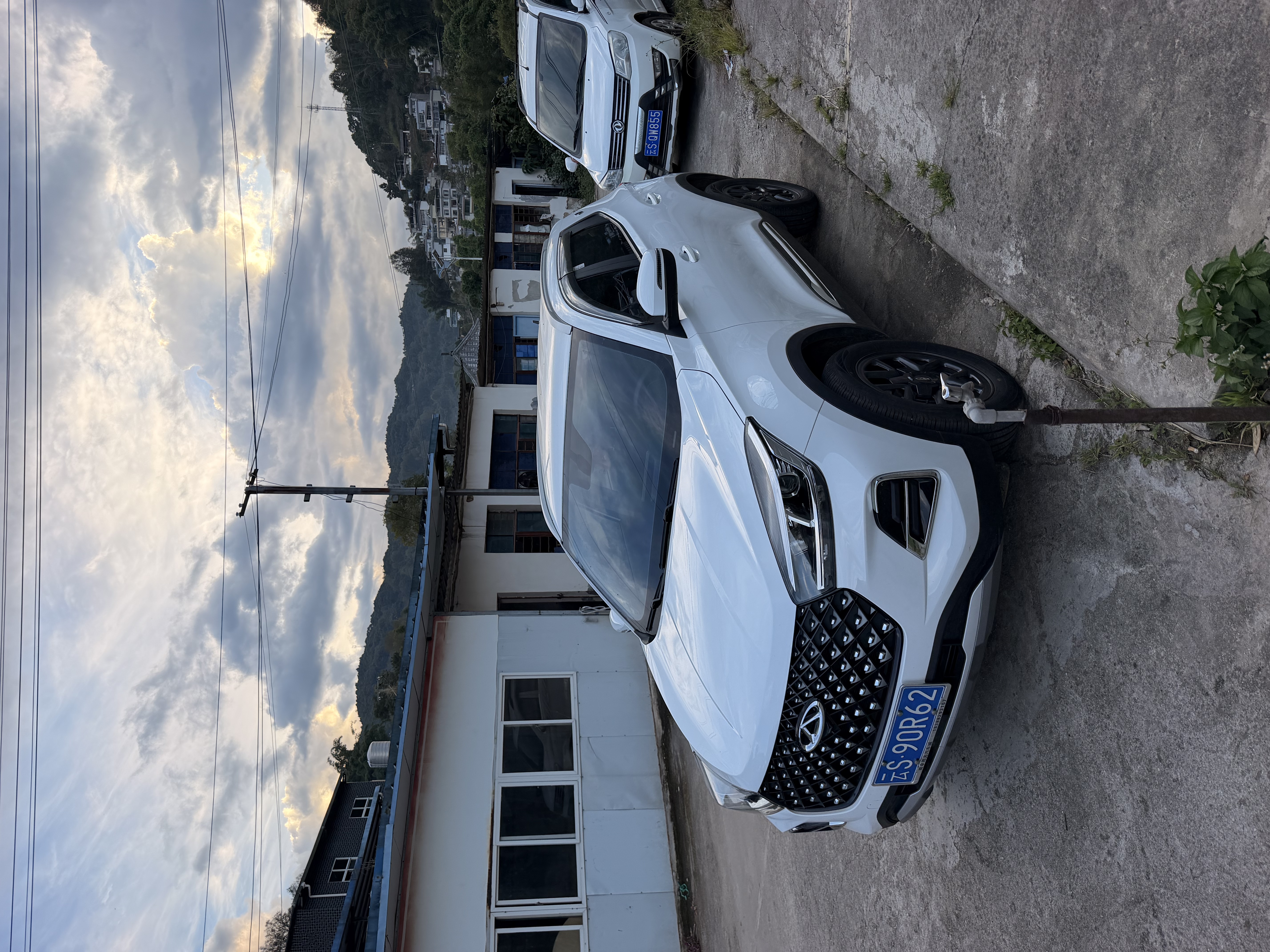
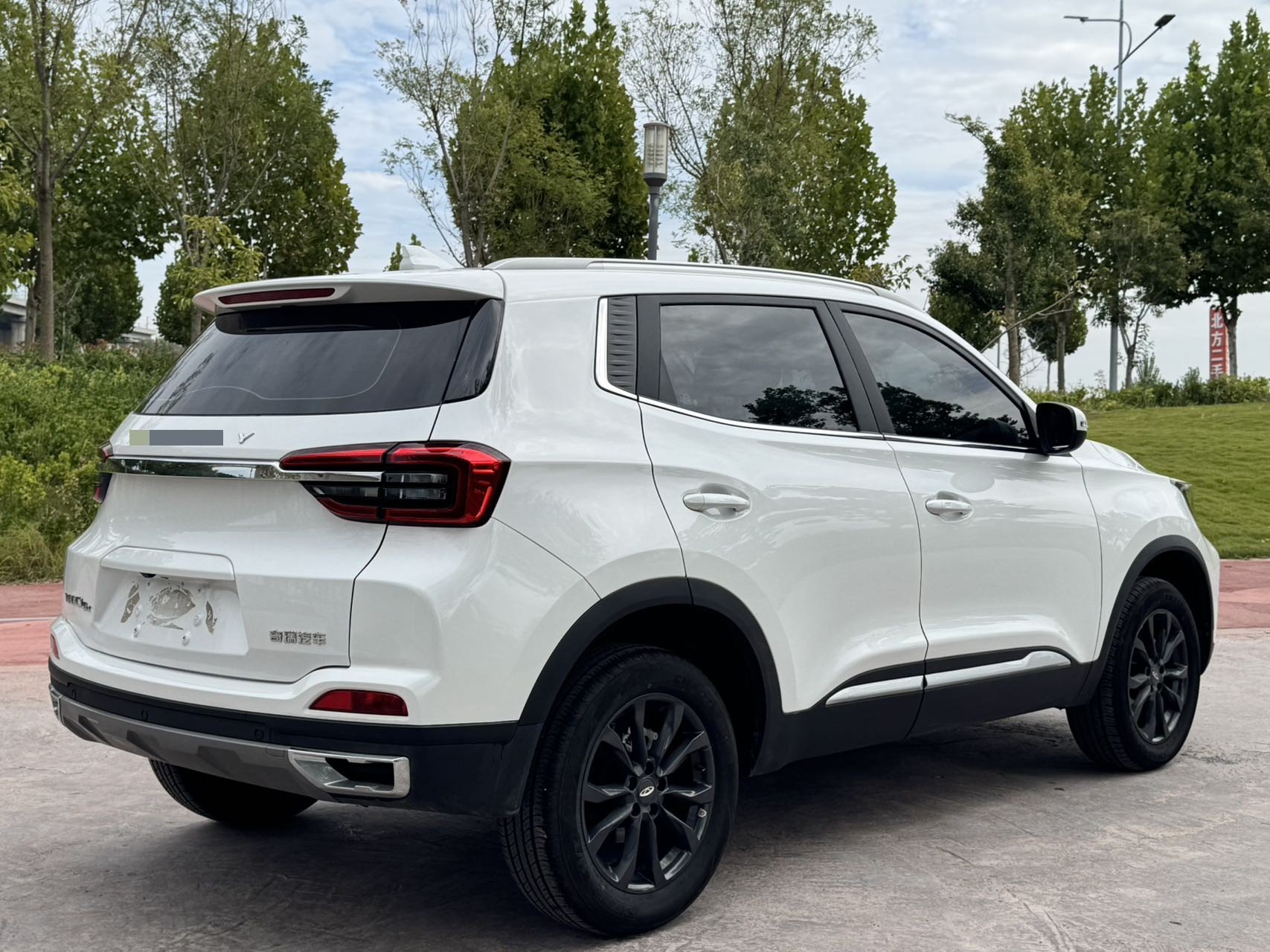
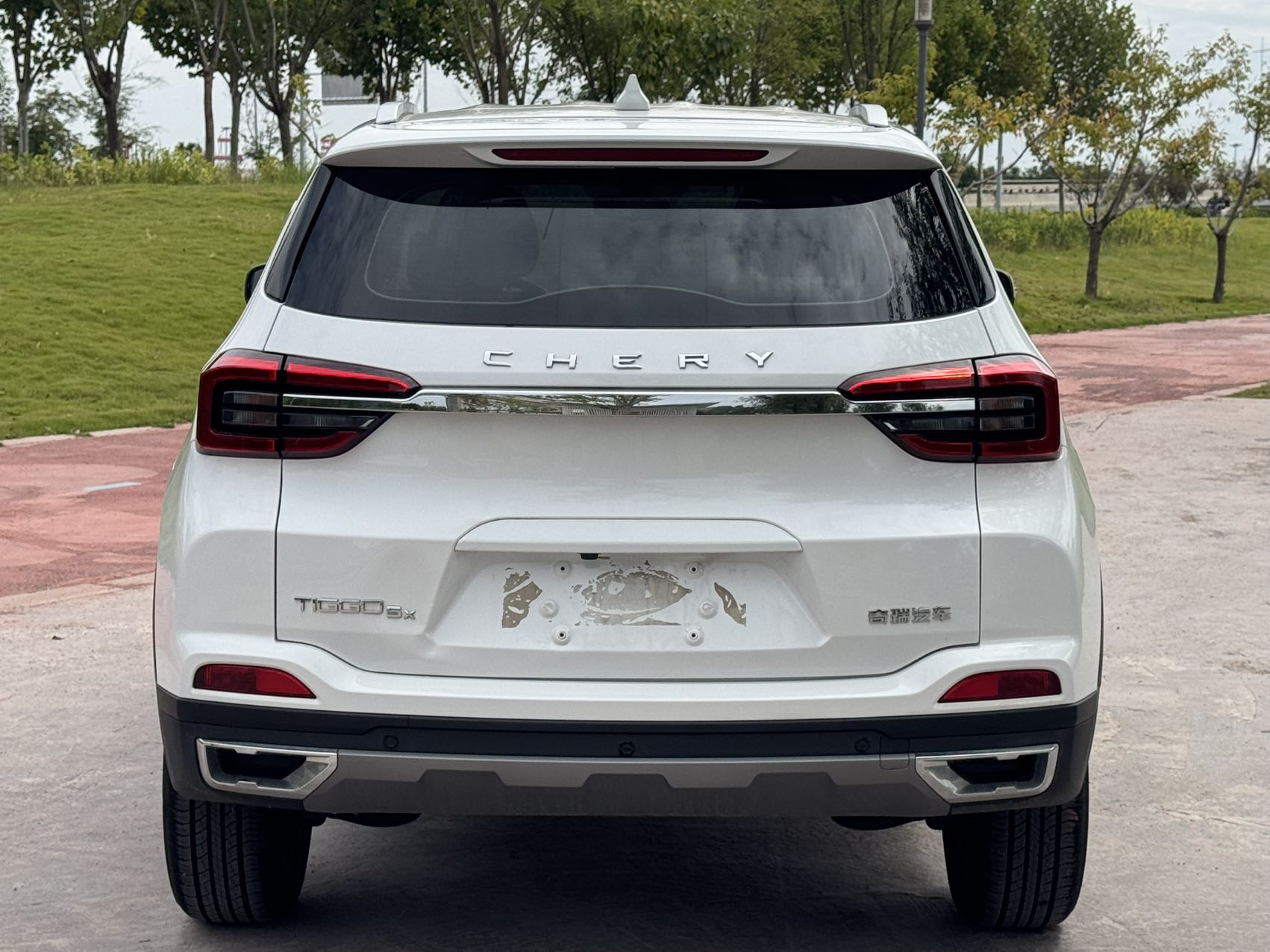
BrandChery
SeriesTiggo 5x
Year2025
First Registration2025/10
Mileage8,500km
Transfer Count0times
FuelGasoline
TransmissionCVT
Engine1.5L 120 L4
ColorWhite
Seats5seats

Condition Description

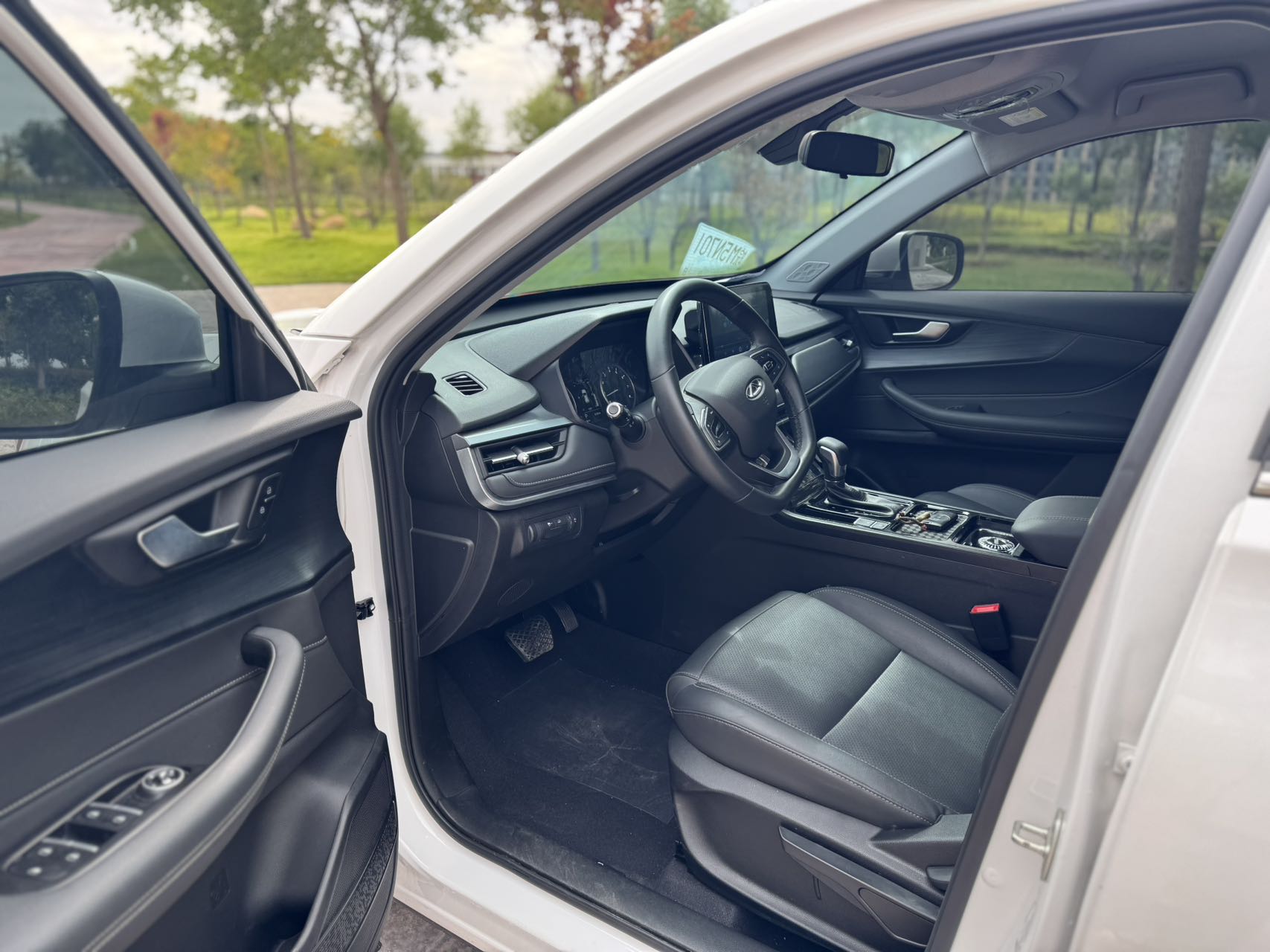
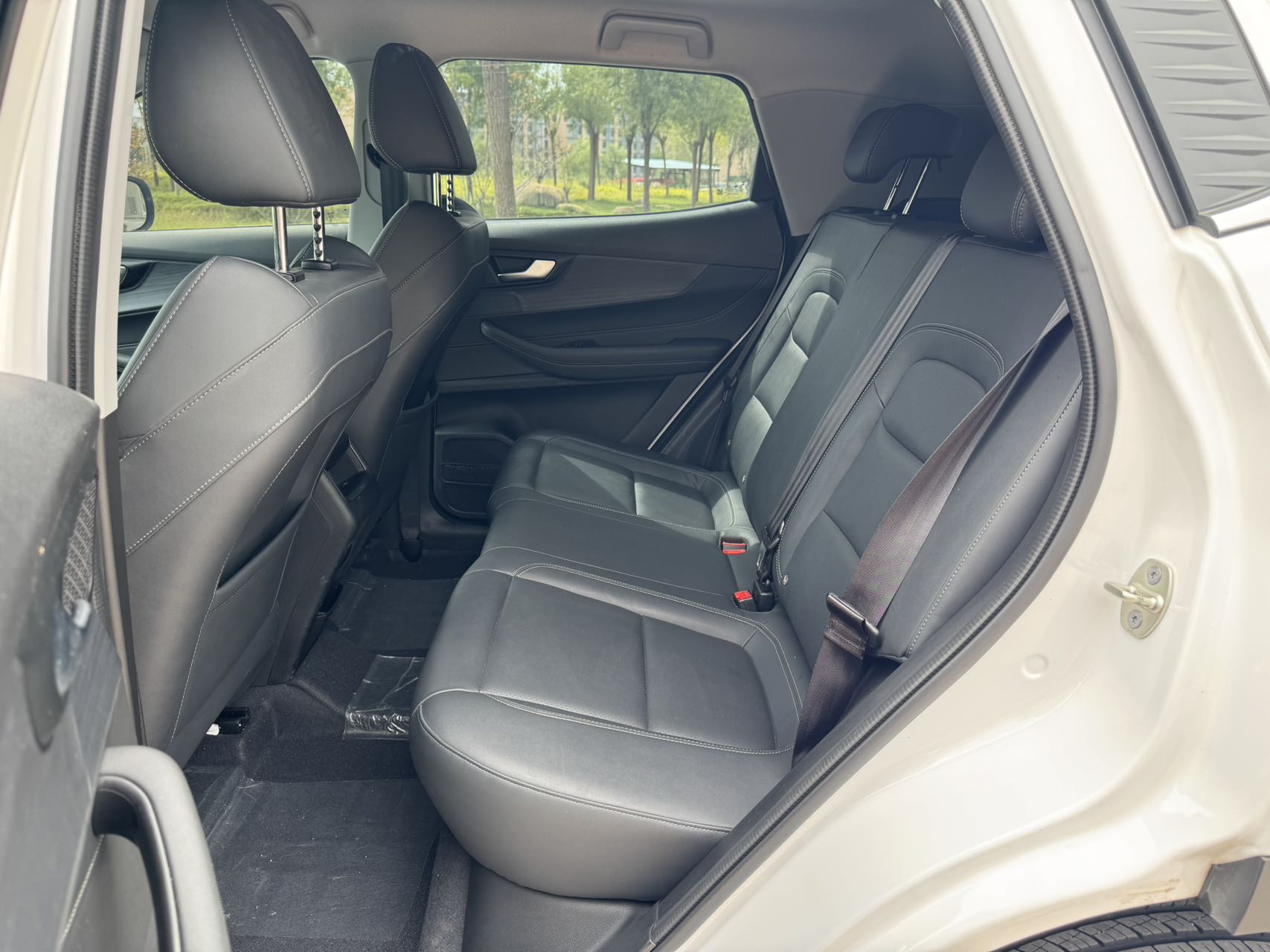
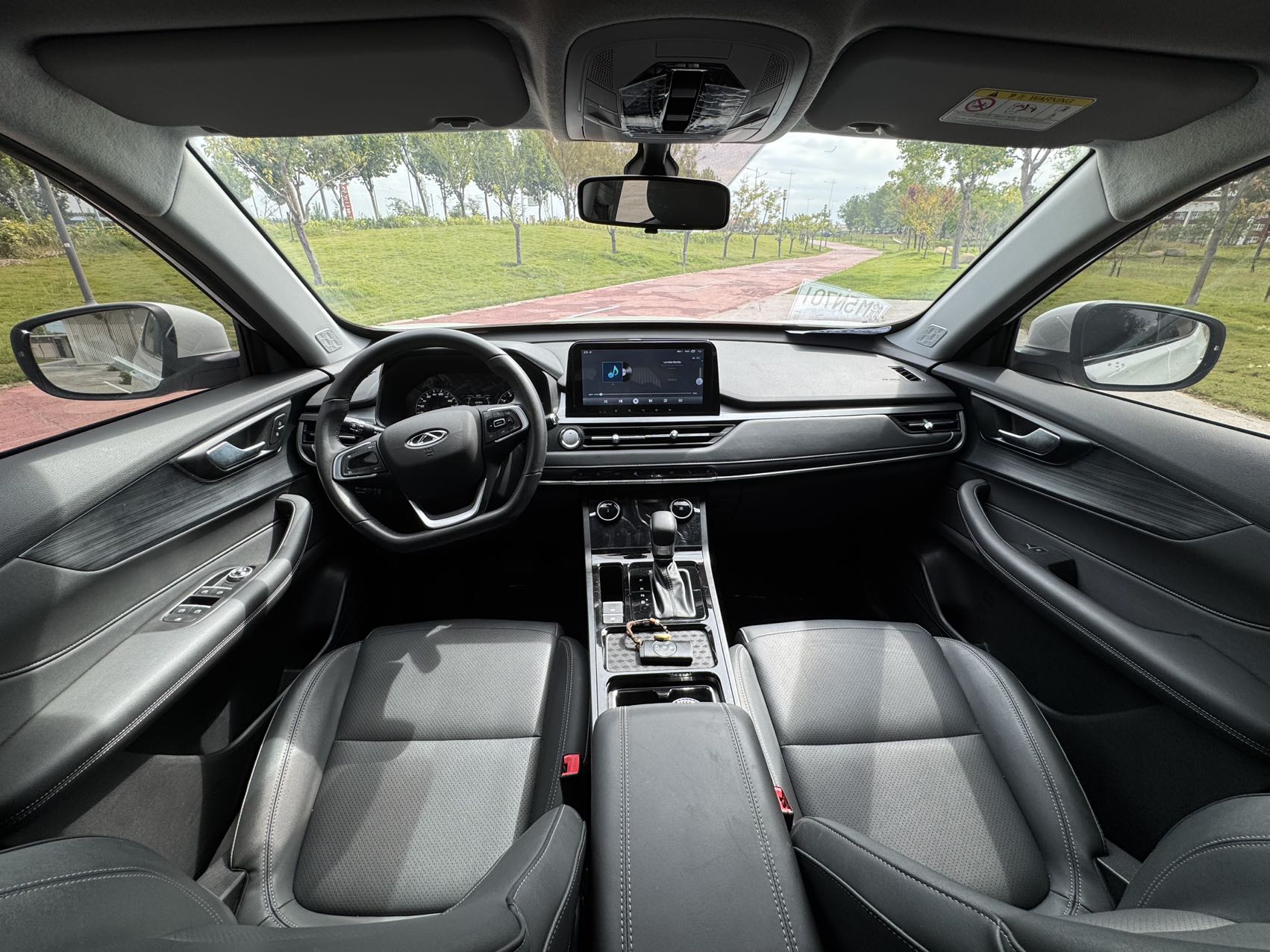
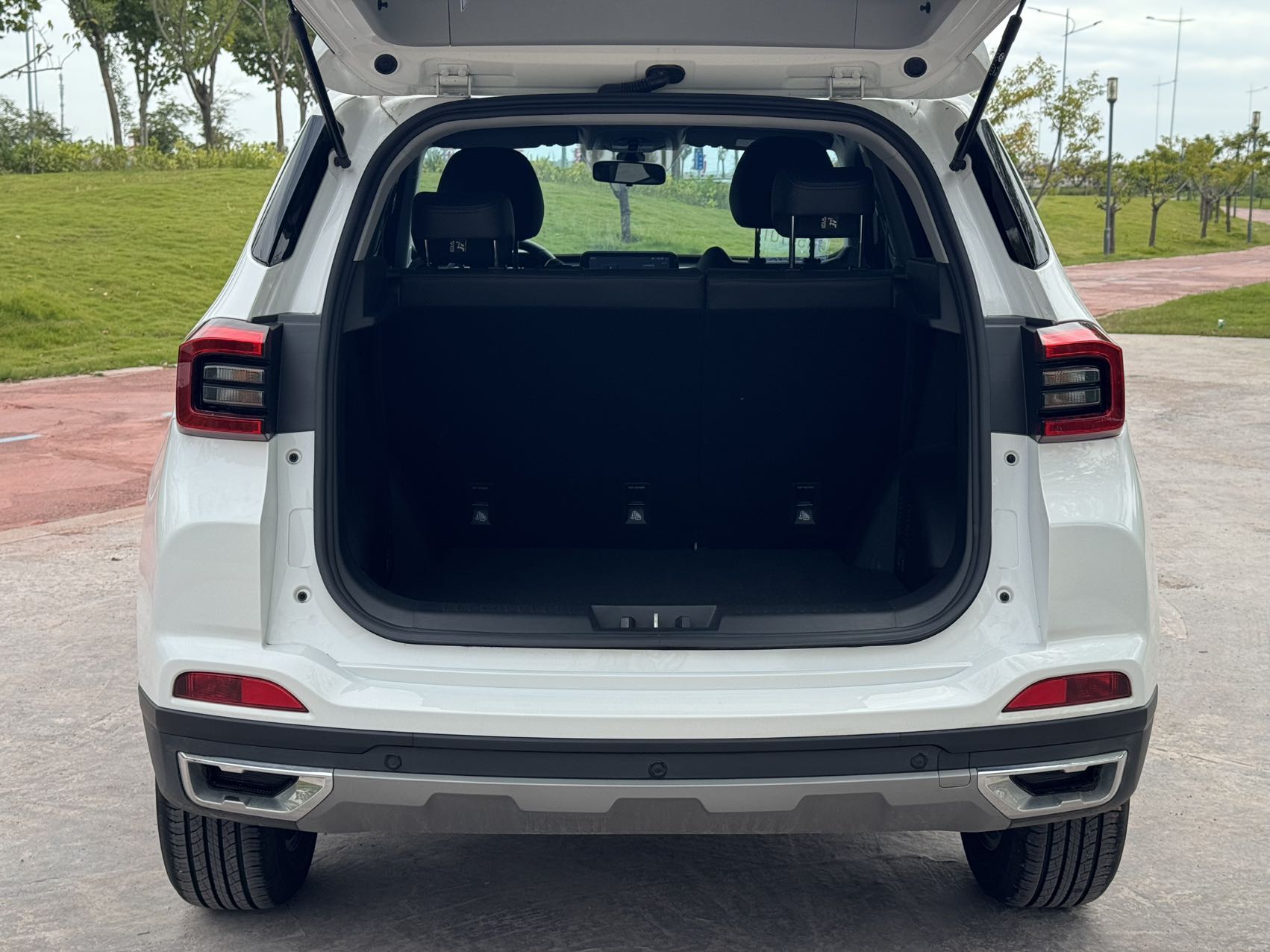
Manufactured September 2025; first registered October 2025; mileage 8,500 km; original body panels and original paint, excellent condition.

Document Information

Inspection Expiry Date-
Warranty Expiry Date-
Insurance Expiry Date2027/10

Q&A

More

Will both smart keys that came with the vehicle be sent along with it?

Our delivery standard is 'As-Is'. If the original owner only hands over one key at the time of collection, the report will clearly state 'Keys: 1'. Do not assume that all used cars come with two keys, as the cost of reprogramming smart keys overseas is very high.


How long does importing a used car from China take from order to delivery, and what are typical lead times for each step?

A realistic timeline: sourcing and negotiation 3-7 days; deposit and booking 1-2 days; pre-shipment inspection 2-4 days; export clearance and vessel booking 7-14 days; sea freight 2-5 weeks depending on destination; import customs clearance and port release 5-10 days. Overall, plan for roughly 5-8 weeks from order to port of destination by sea. For Central Asia and Russia by rail, 2-3 weeks total is common. Tips: ask the exporter for a written schedule with milestones (inspection done, customs cleared, vessel loaded, ETA); track the vessel yourself once you have the container or booking number; and remember Chinese holidays — Chinese New Year and Golden Week can add 1-2 weeks of delay.

What engine checks beyond a cold start should a pre-purchase inspection of a used Chinese car include?

A cold start tells you a lot, but it isn't enough. Ask your inspector for these additional checks: Compression test: measures cylinder pressure in each cylinder. Consistent readings across cylinders mean healthy piston rings and valves; one low cylinder suggests internal wear. Timing system: listen at idle and at 2000 rpm for chain rattle or belt squeal. On turbo engines, check for play in the turbo shaft and oil in the intake piping. Exhaust analysis: blue smoke means oil burning (worn rings or valve seals); white sweet-smelling smoke can mean head gasket issues; black smoke points to running too rich. Fluid condition: engine oil on the dipstick should not smell burnt or look milky; coolant should be clean without oil traces. Fault codes: a full OBD scan beyond pending codes — look at misfire counters, fuel trim values, and any history codes that were recently cleared. Ask for photos of the dipstick, exhaust at idle and revving, and the live OBD data. These give you an objective engine health record.