


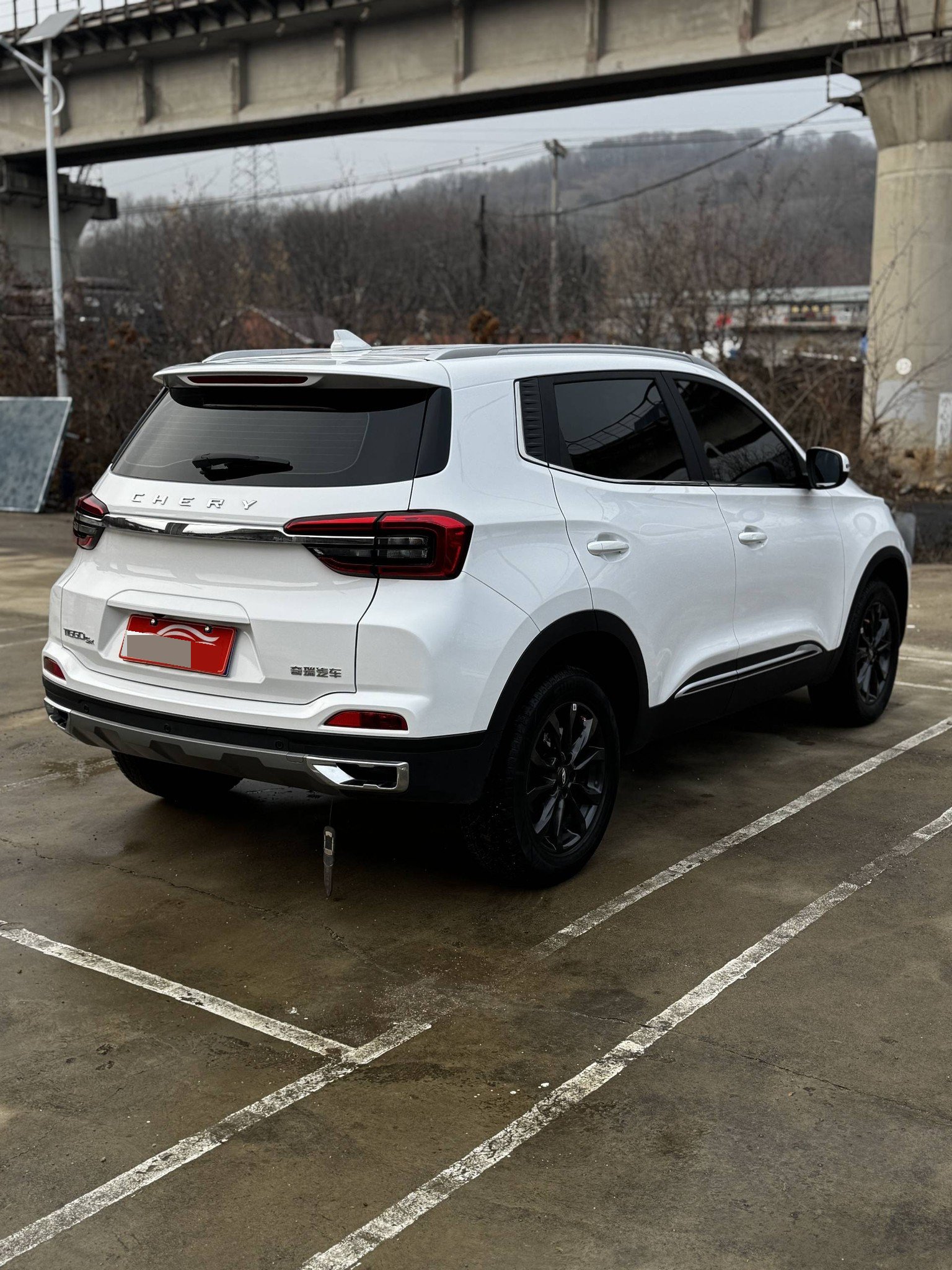
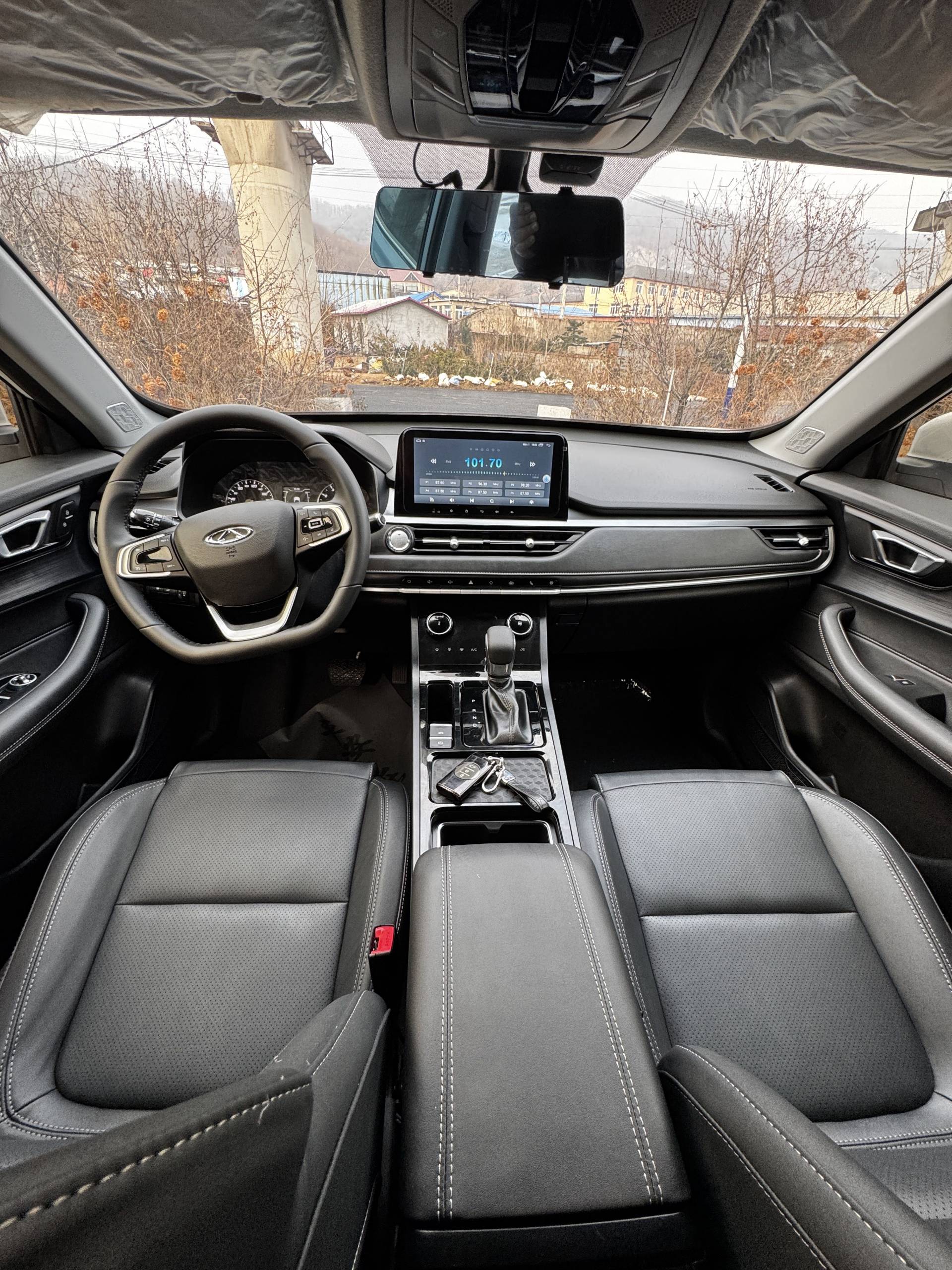



Basic Information

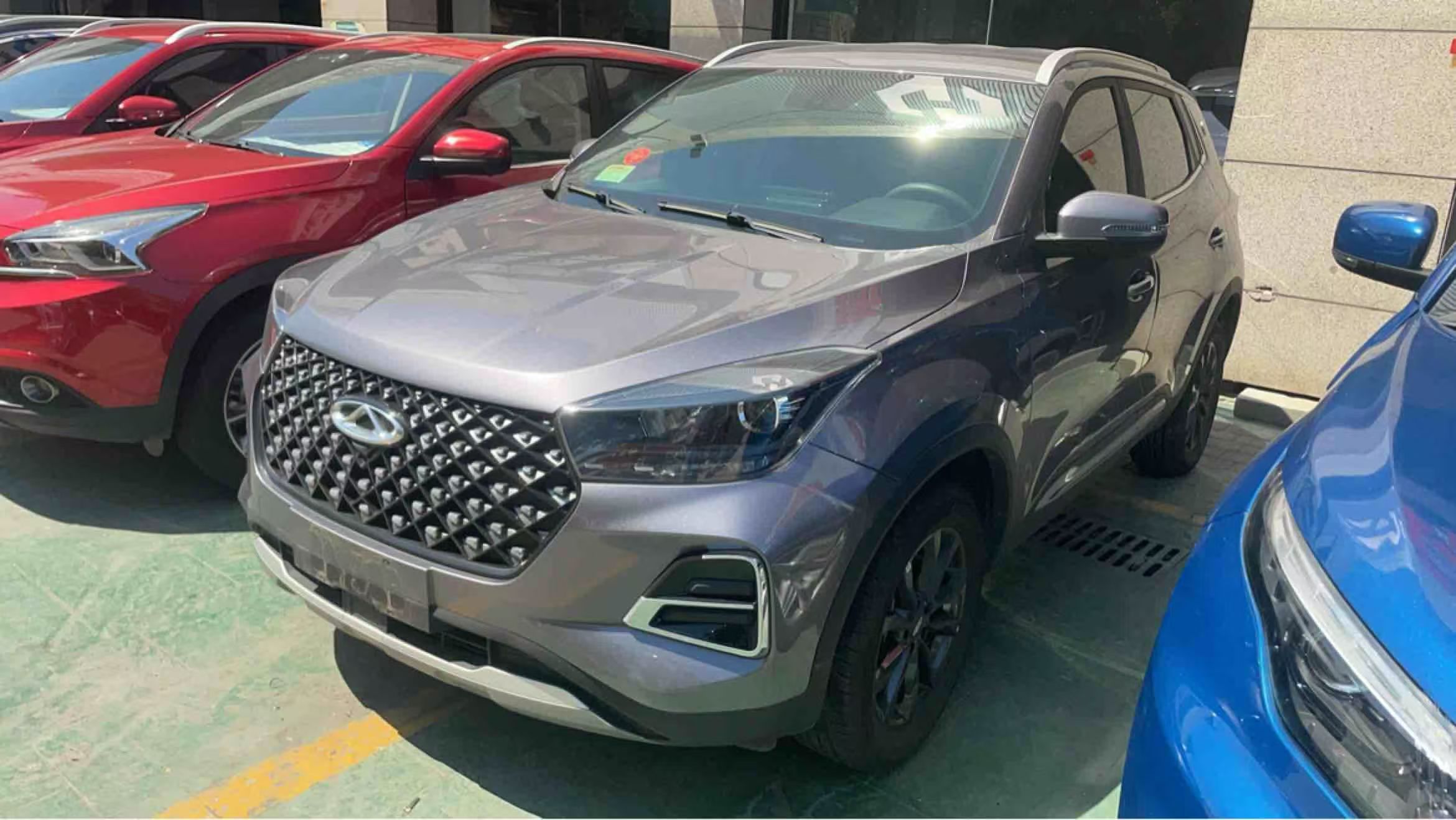
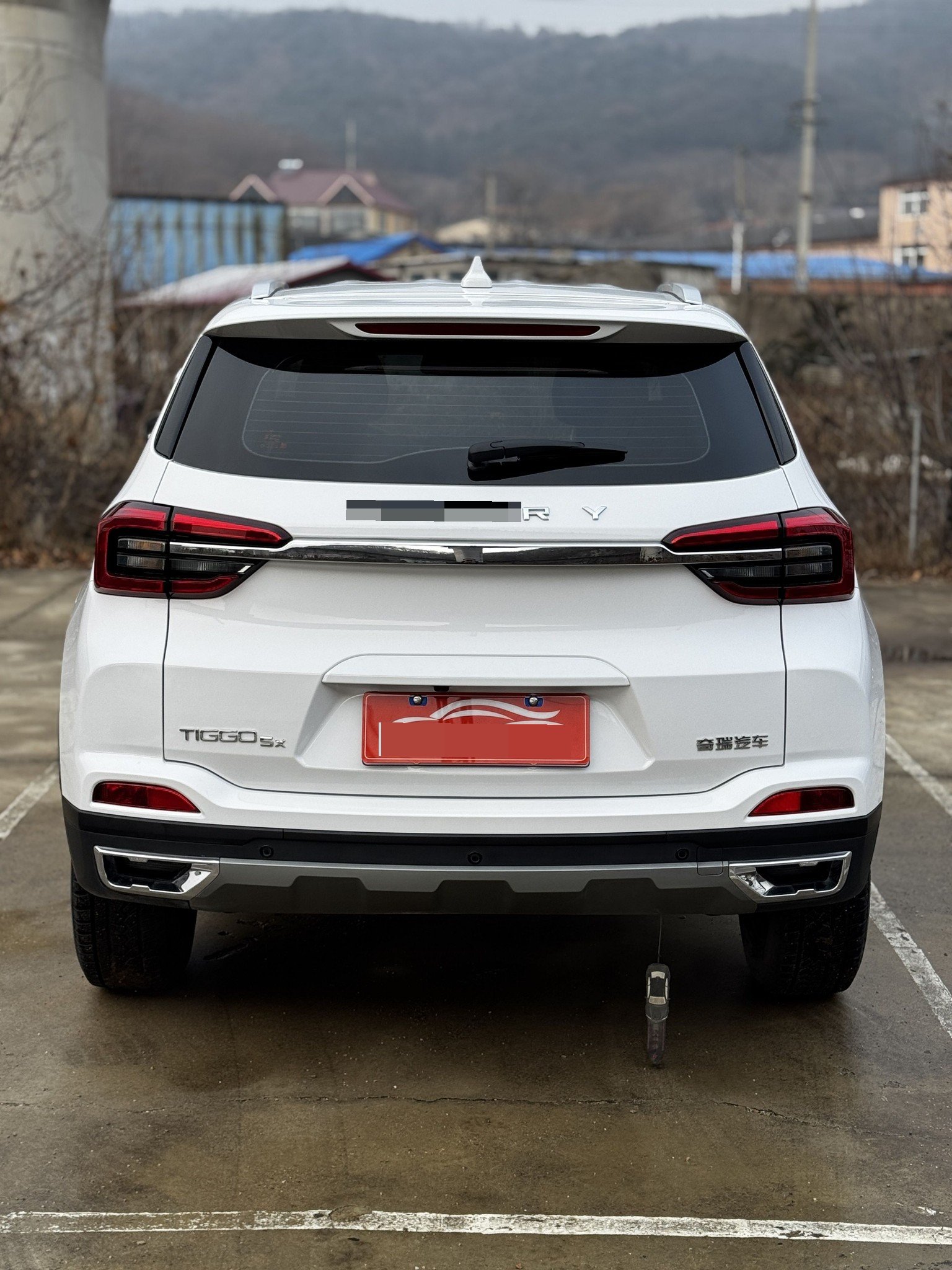
BrandChery
SeriesTiggo 5x
Year2025
First Registration2025/08
Mileage7,000km
Transfer Count0times
FuelGasoline
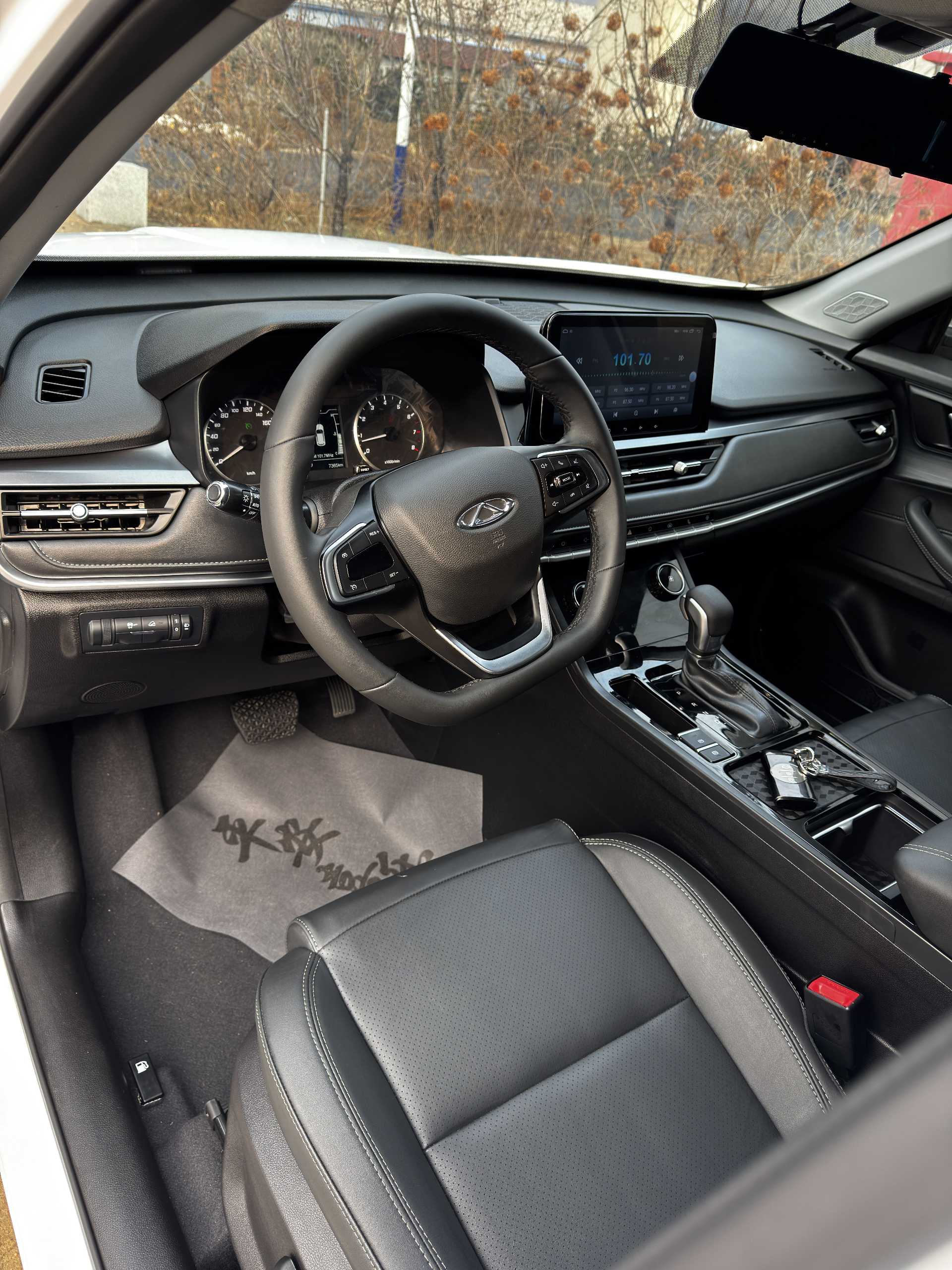
TransmissionCVT
Engine1.5T 156 L4
ColorWhite
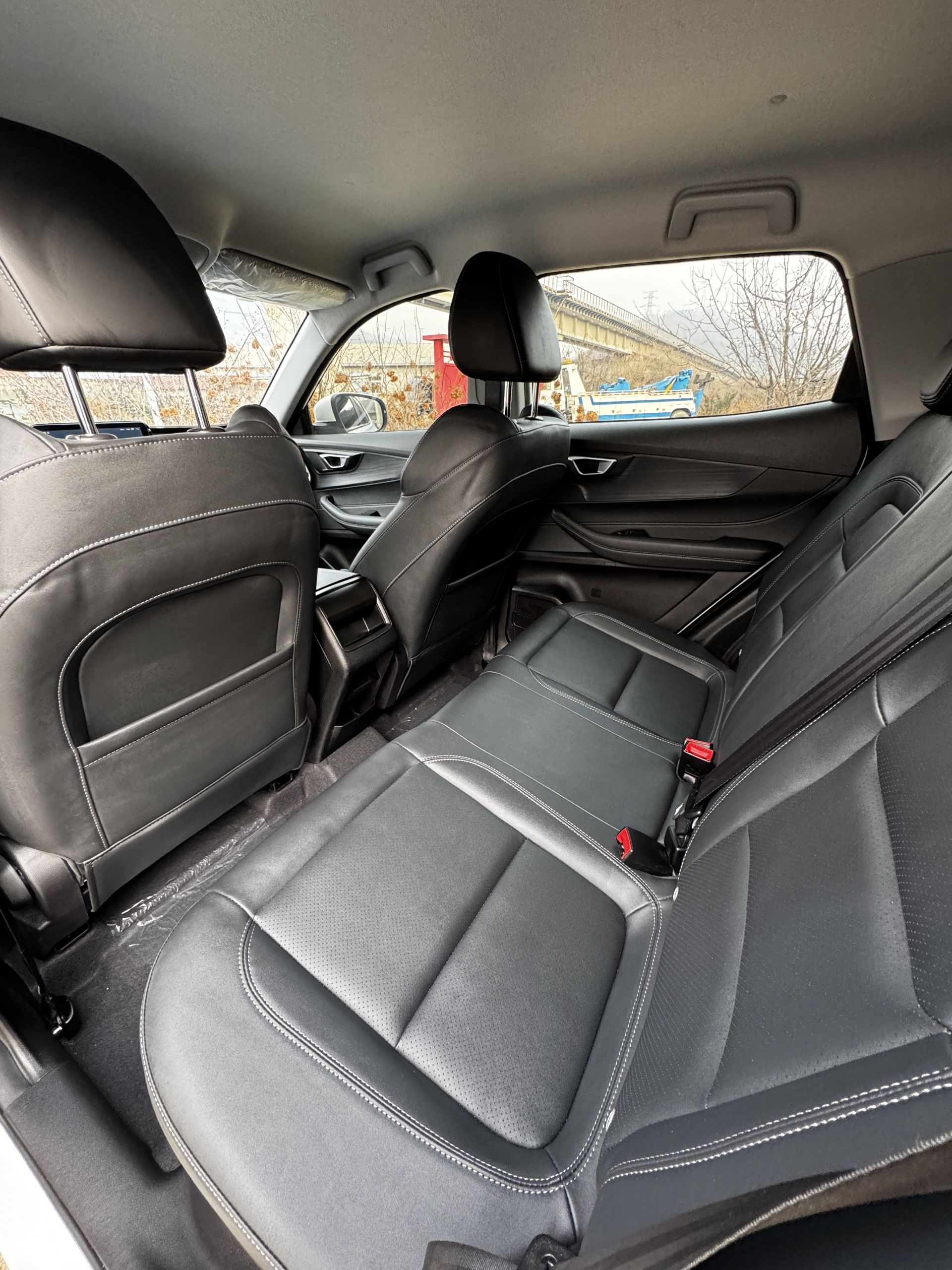
Seats5seats

Condition Description

Full original paint, can pass third-party inspection, first owner.

Document Information

Inspection Expiry Date-
Warranty Expiry Date-
Insurance Expiry Date2027/08

Q&A

More

If the destination country requires a "Certificate of Conformity (COC)" for the vehicle, can used cars from China provide the original factory COC?

Vehicles sold domestically in China only have the "Environmental Information List" and the "Vehicle Qualification Certificate," which are not the COC of the European system. We will provide a notarized English translation of the Chinese qualification certificate. If local customs strictly require the original European COC, the vehicle will not be able to clear customs.


Are there specific photos or reports from the lift perspective regarding the concealed parts of the chassis (such as the suspension system and shock absorber leaks)?

Definitely. Lifting the chassis is a mandatory part of our standards. The report will specifically show whether there are oil stains on the front and rear shock absorber cylinders, if the rubber boots of the lower control arm ball joints are torn, and if the steering tie rods are loose or deformed.

What is a Chinese customs export declaration, and why do I need it to register the car in my country?

The export declaration (报关单) is the official Chinese customs document recording that the vehicle legally left China: VIN, HS code, declared value, origin port and date. Most destination countries ask for it—or for the certificate of origin—during registration to prove the car was legally exported, not stolen or smuggled. Practical points: ensure the VIN on the declaration matches your car exactly; a single digit mismatch can block registration. The declared value also anchors customs valuation in many countries, so an undervalued declaration may save the seller tax but can raise your import duty or trigger a re-valuation penalty. Ask the exporter for a stamped copy before shipping, verify the VIN yourself, and check that the document shows the correct consignee. Keep the original—some registries require it, and you'll need it again if you ever sell the car. If the exporter hesitates to provide it, treat that as a red flag.