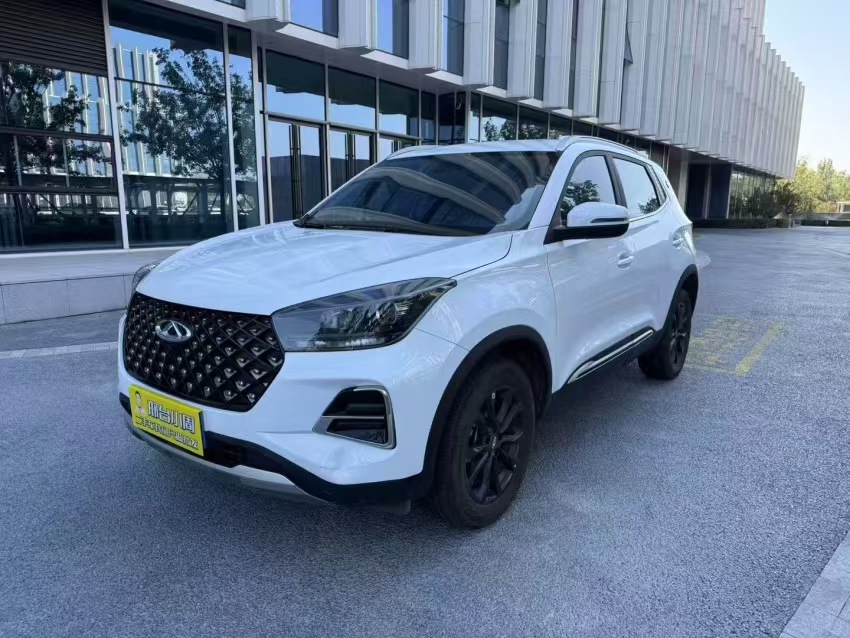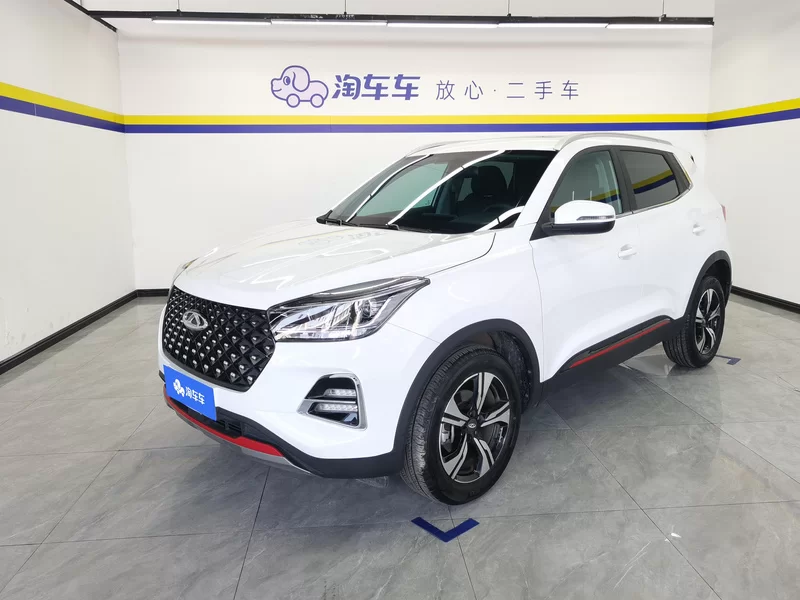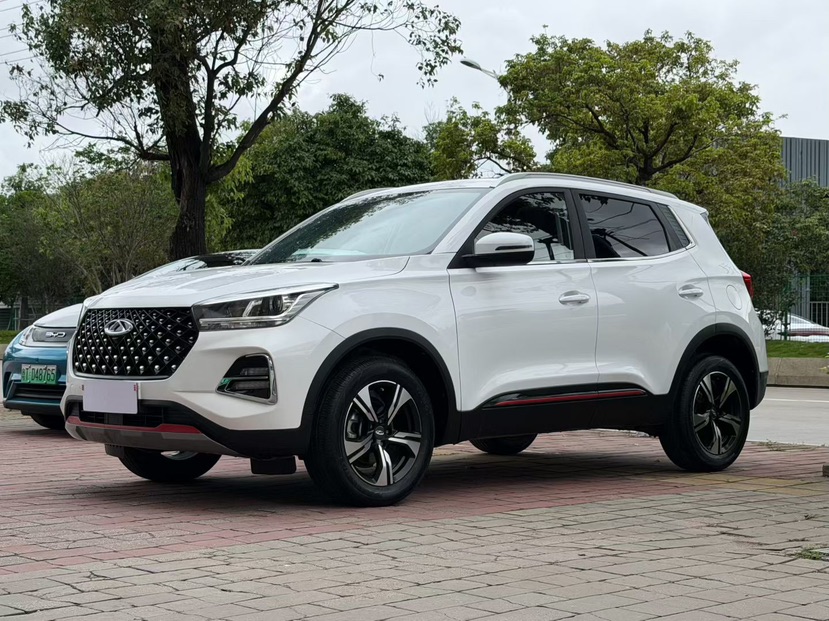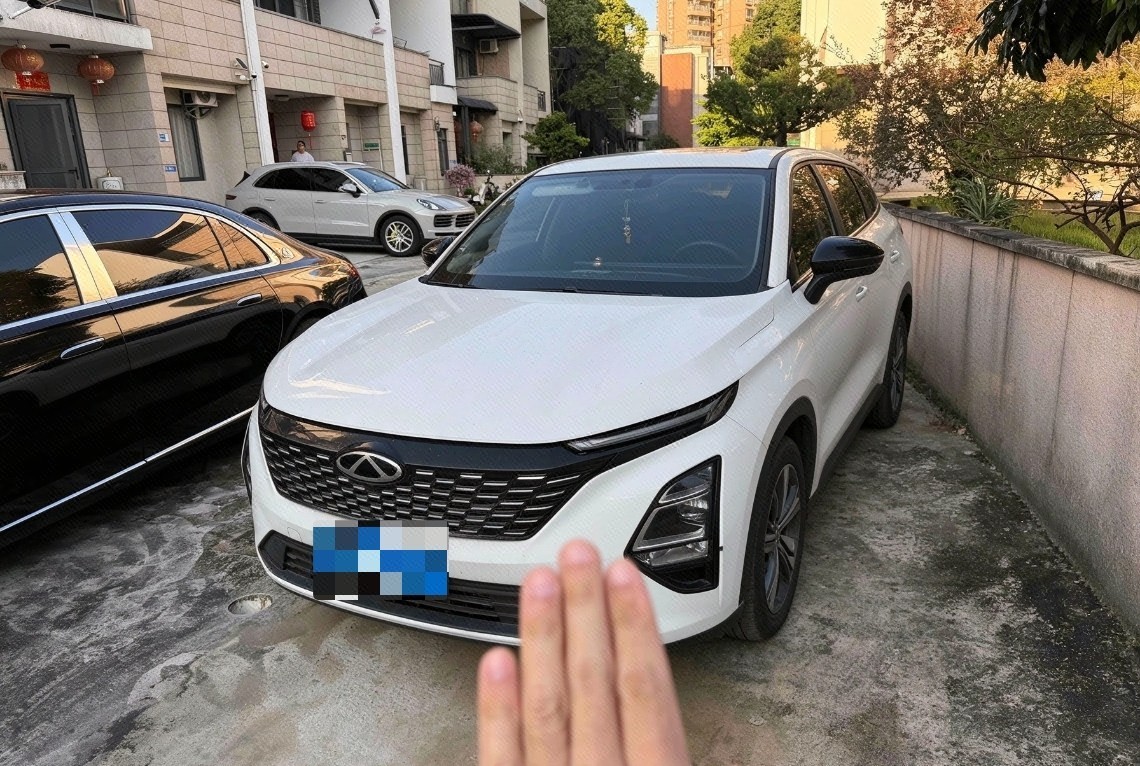



48H

Basic Information

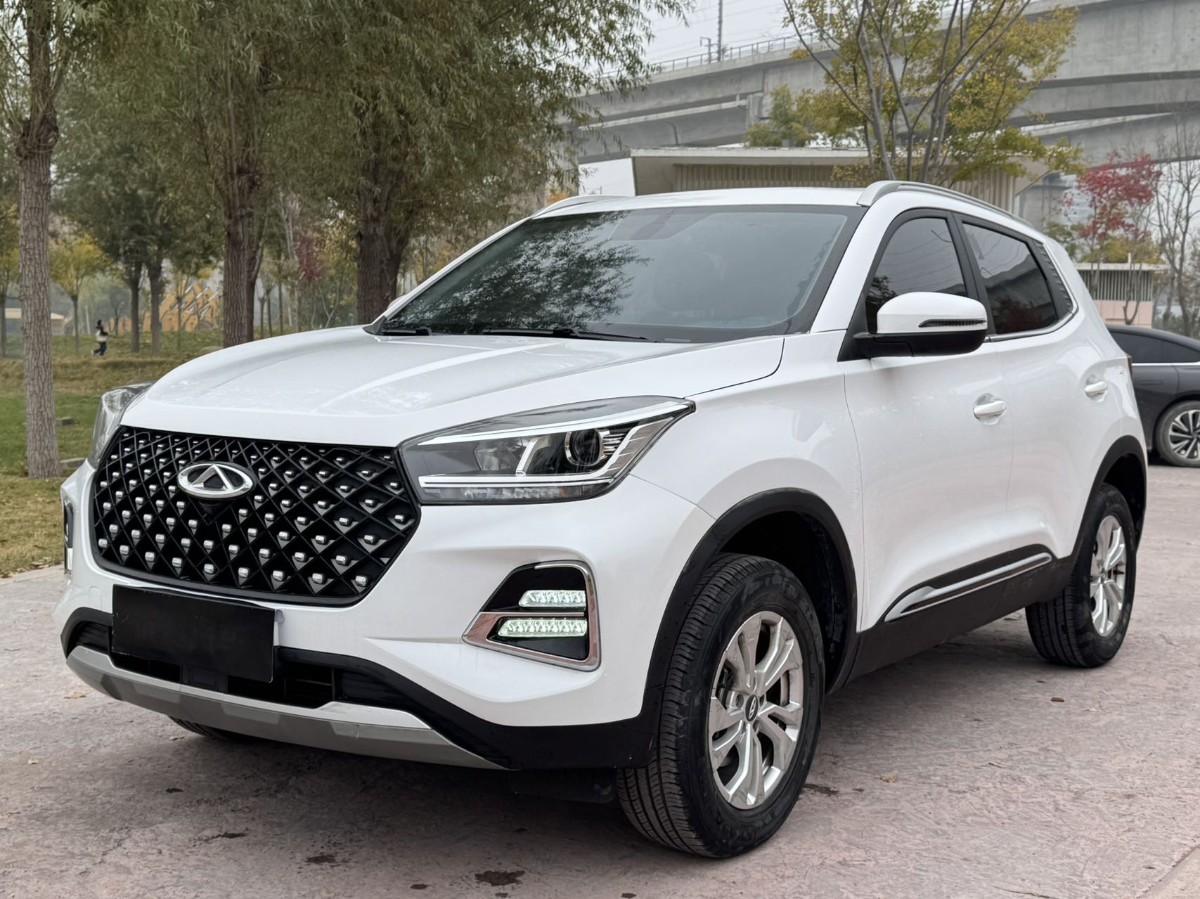
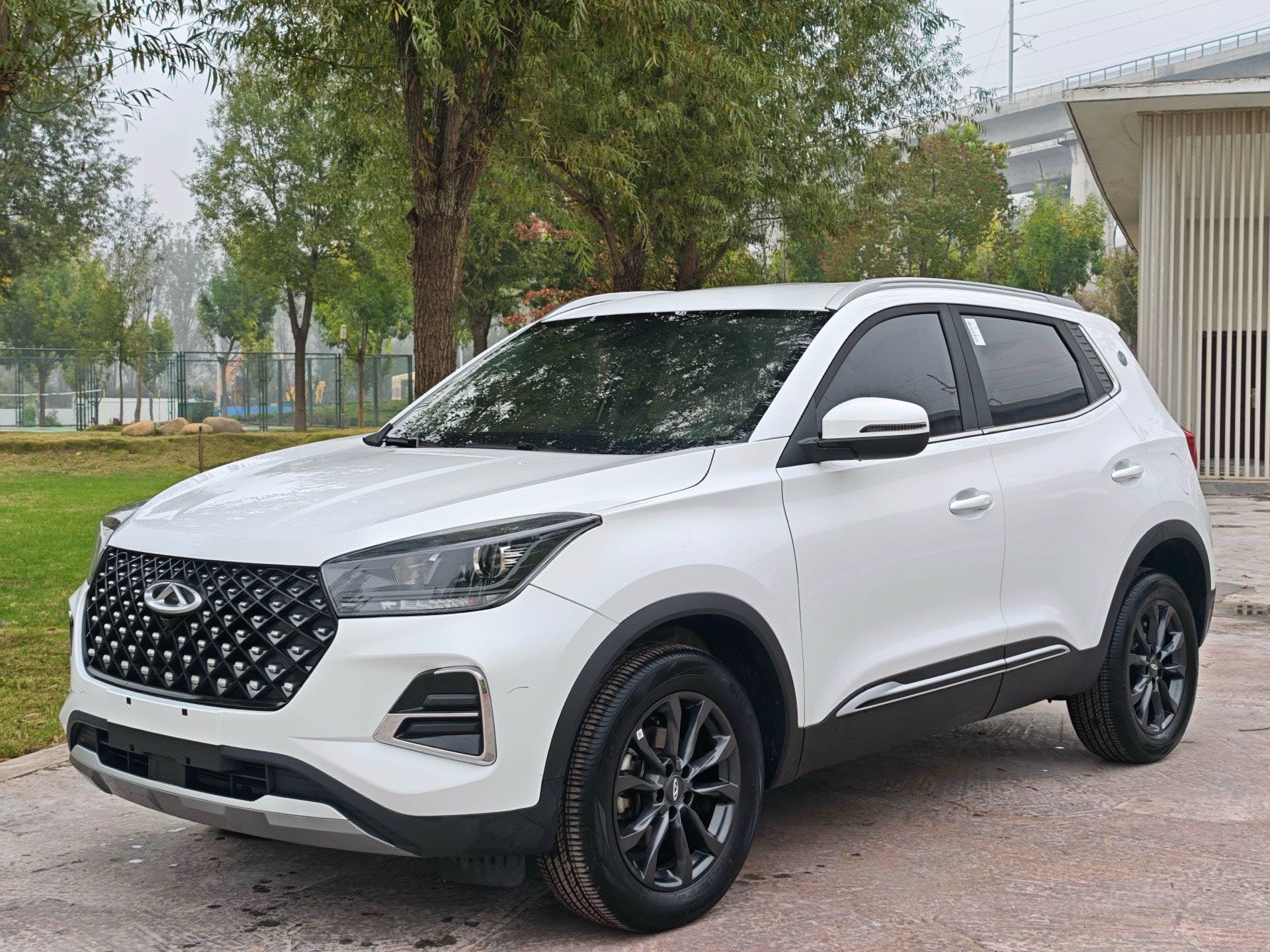
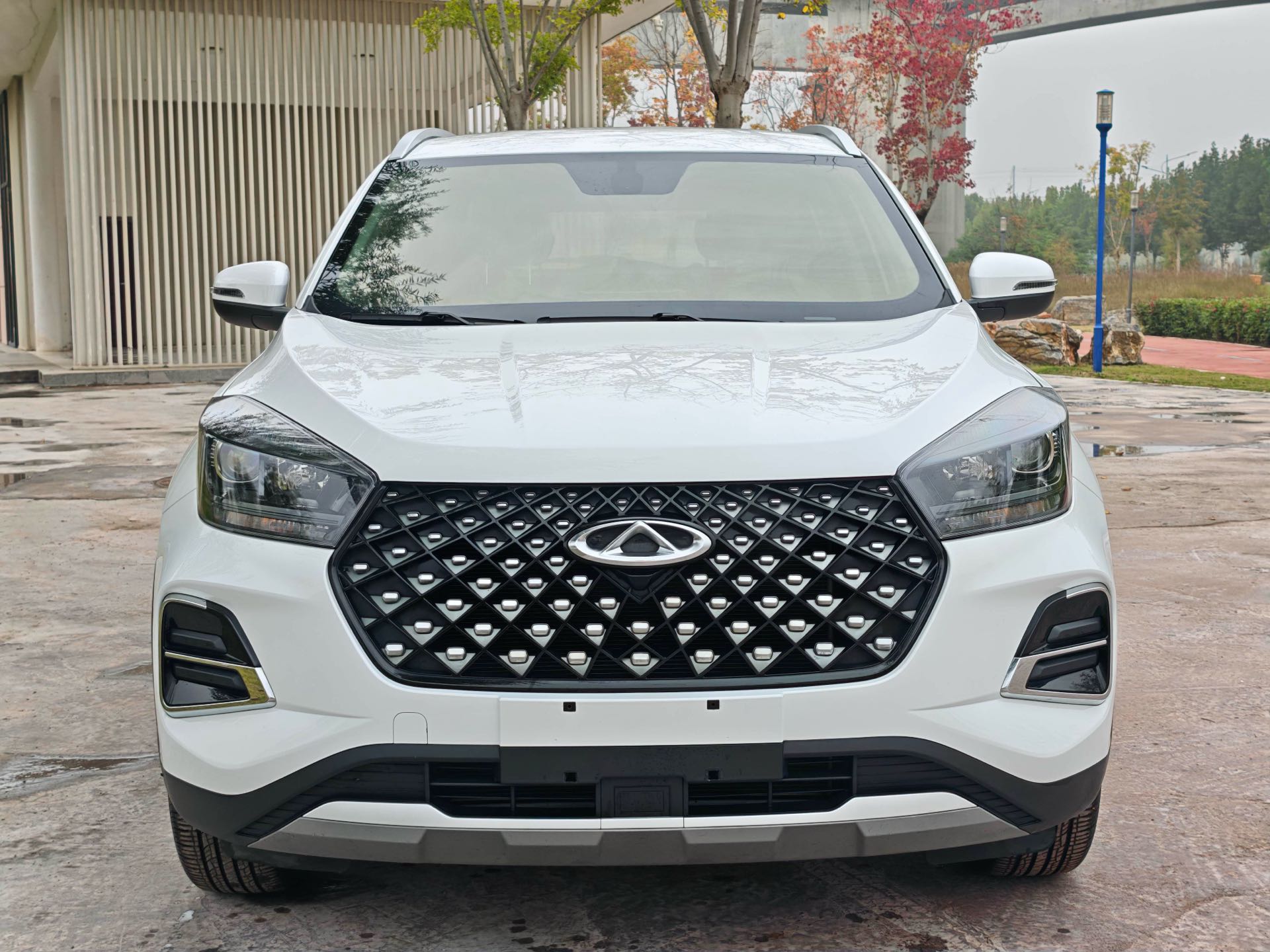
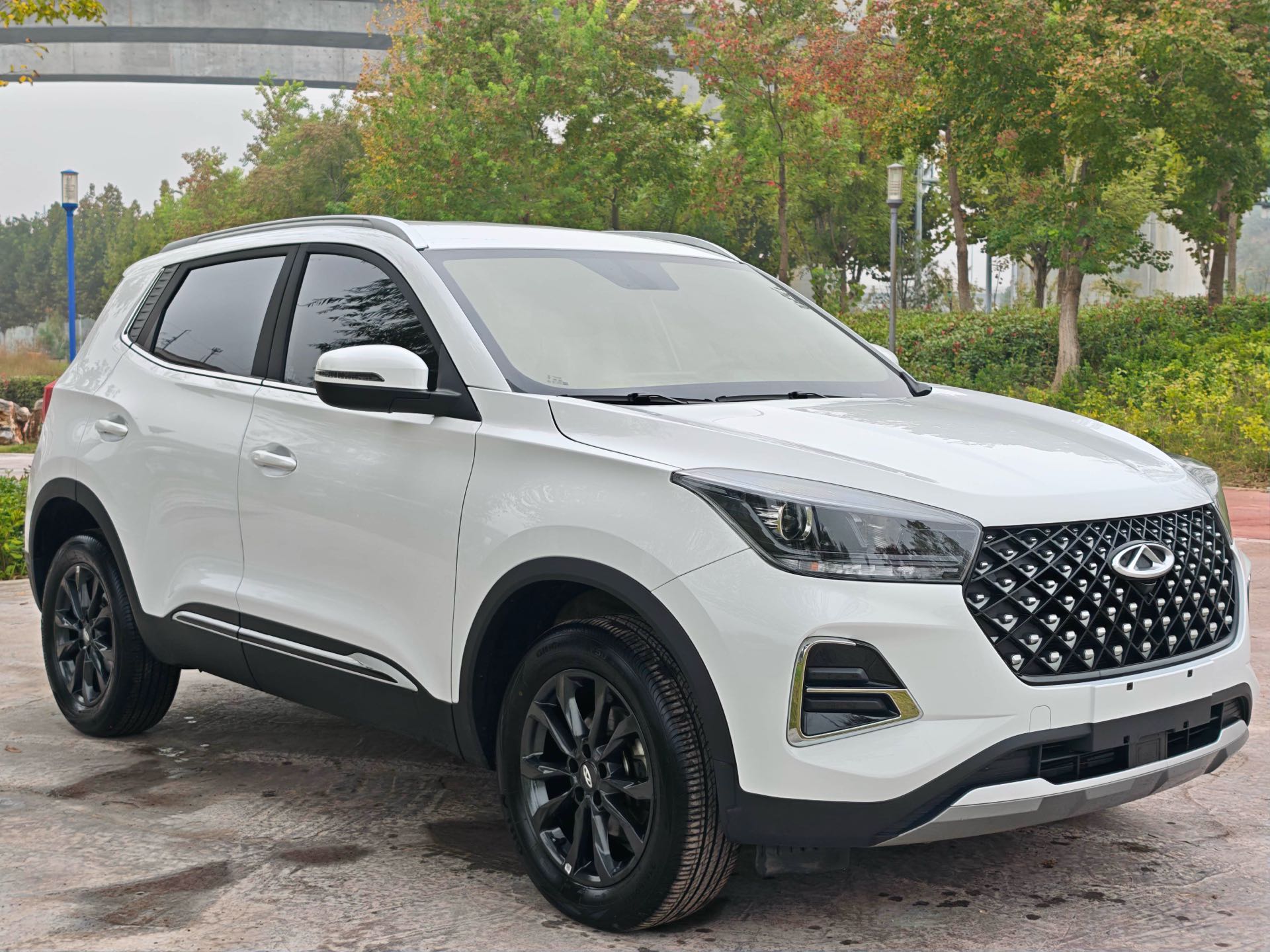
BrandChery
SeriesTiggo 5x
Year2025
First Registration2025/06
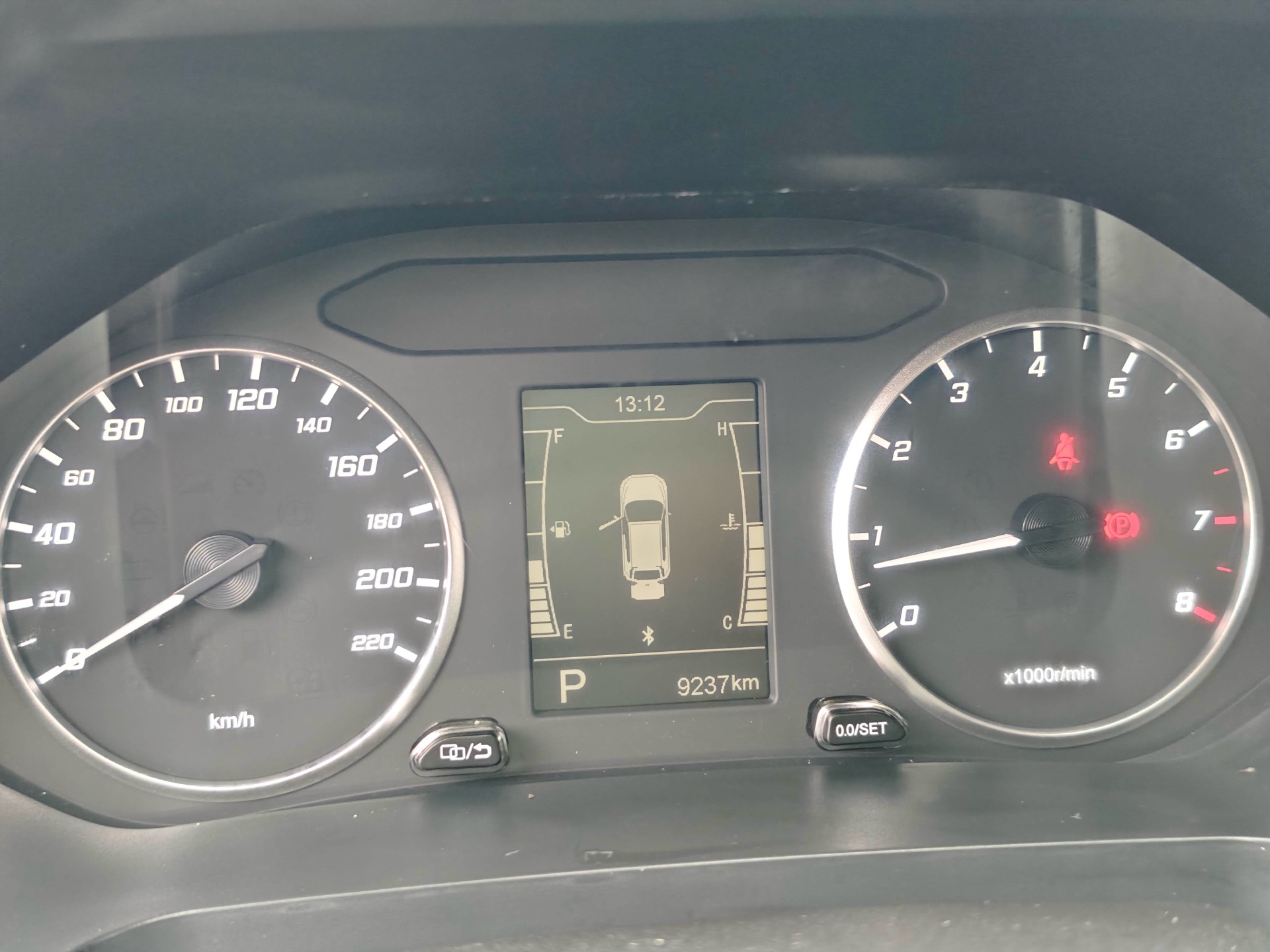
Mileage9,000km
Transfer Count0times
FuelGasoline
TransmissionCVT
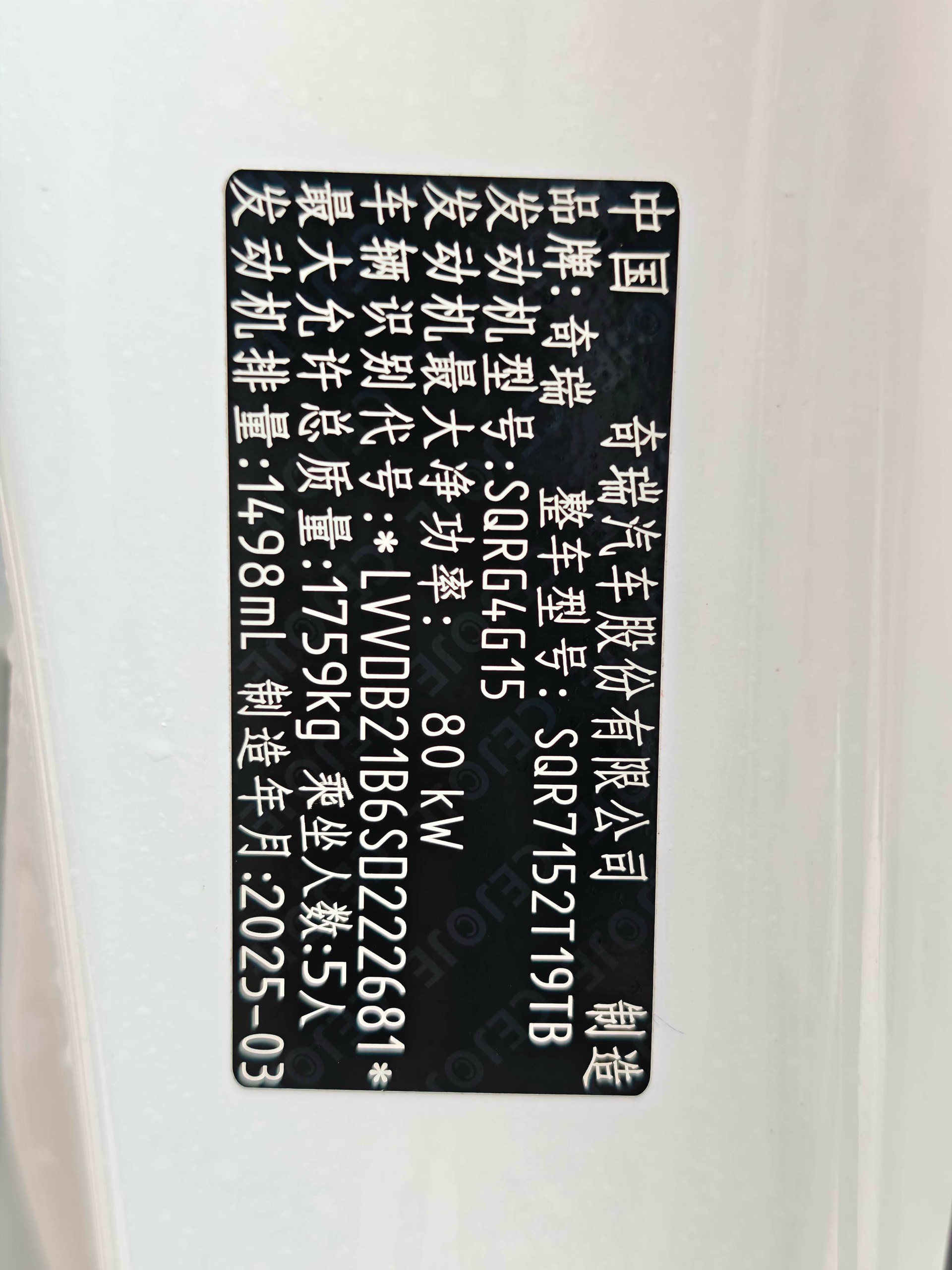
Engine1.5L 120 L4
ColorWhite
Seats-

Condition Description

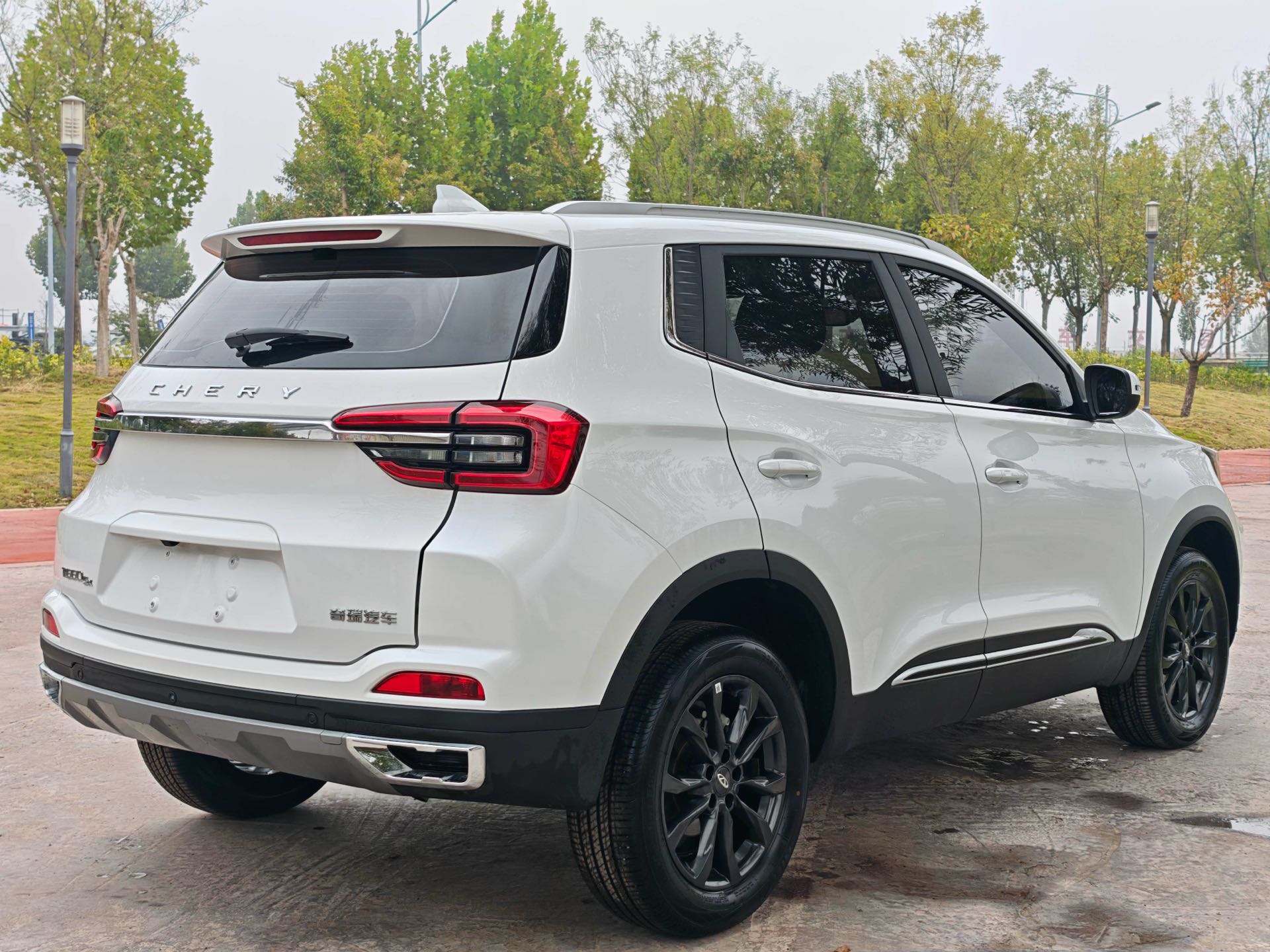
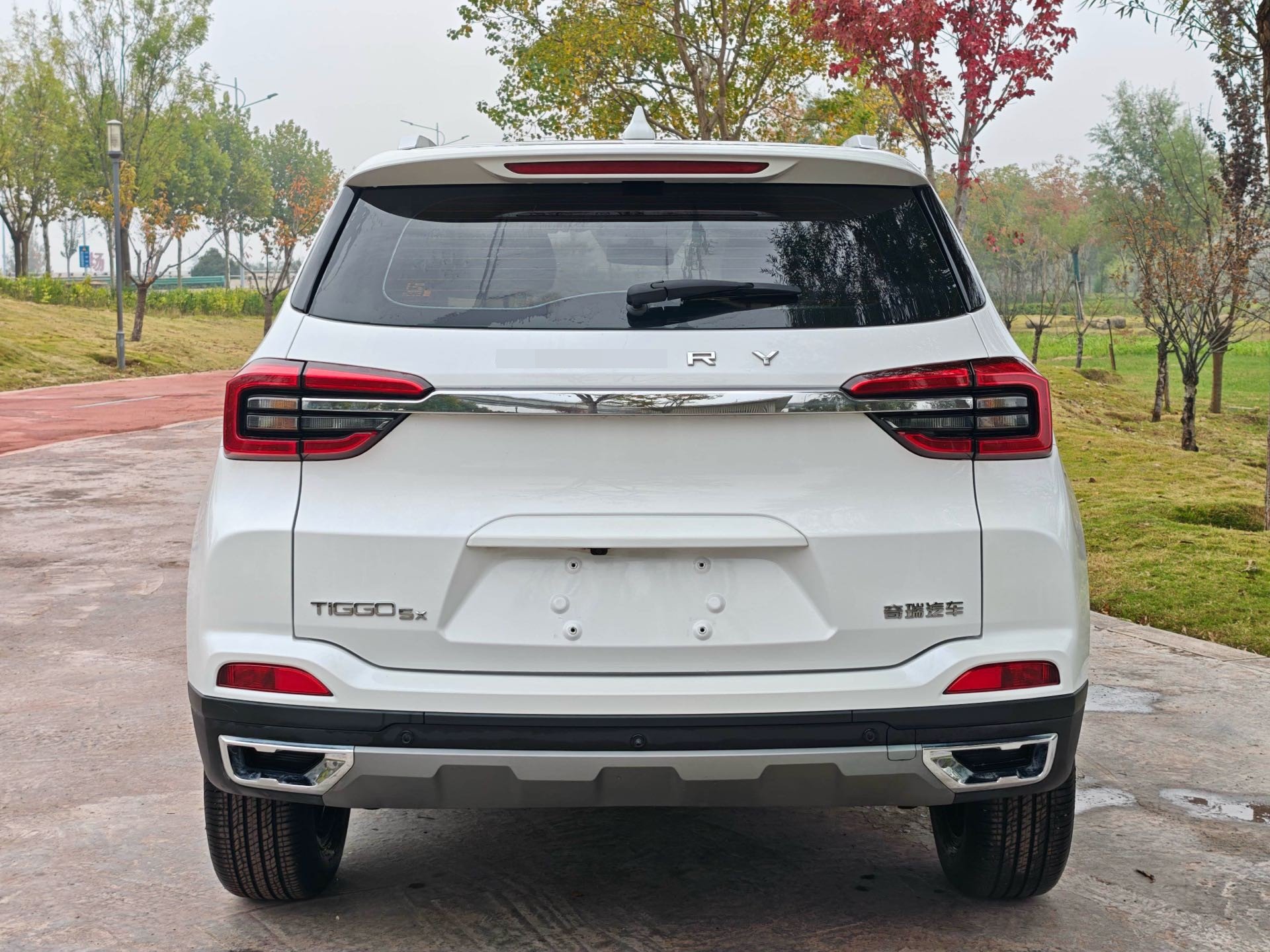
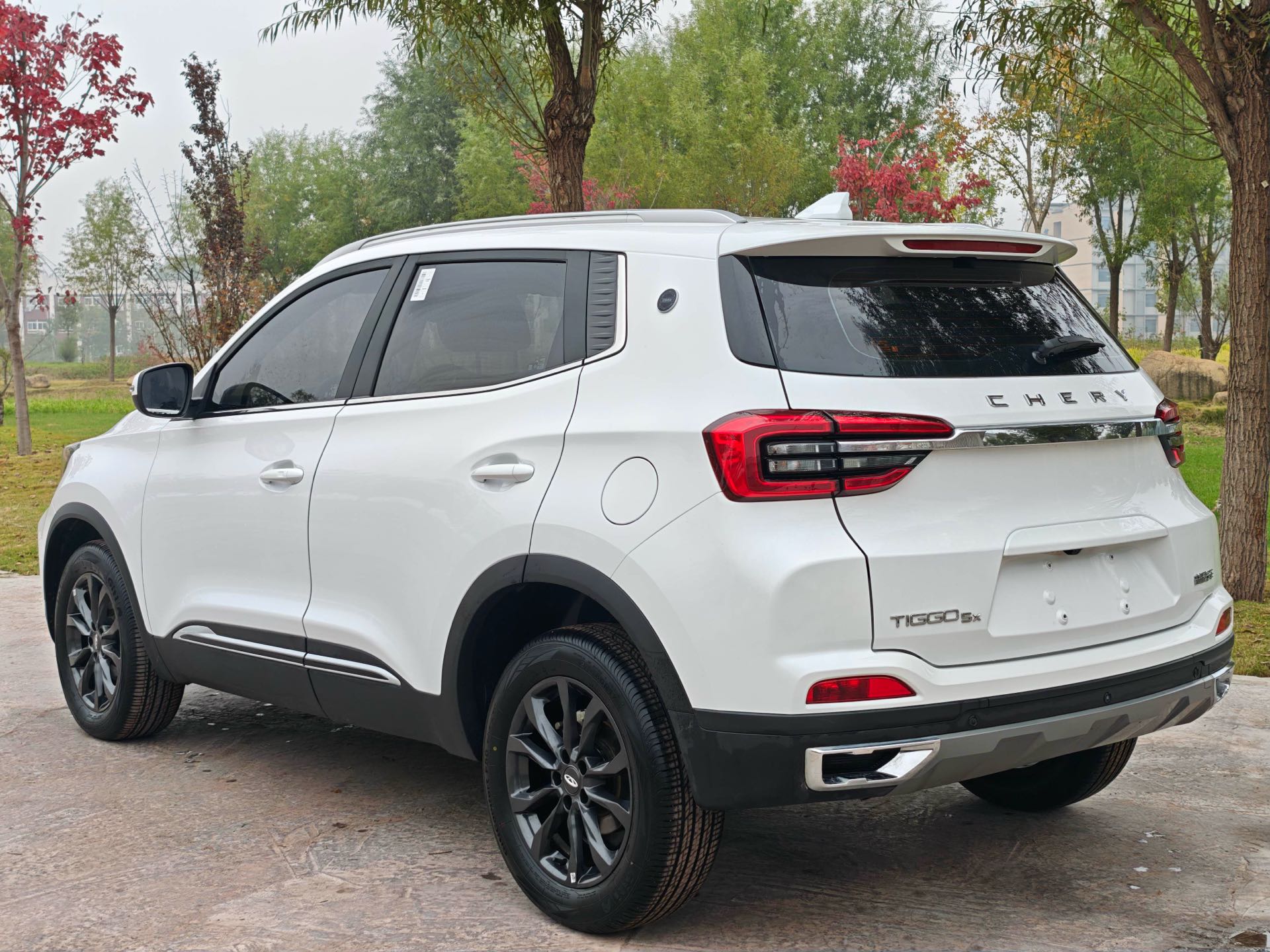
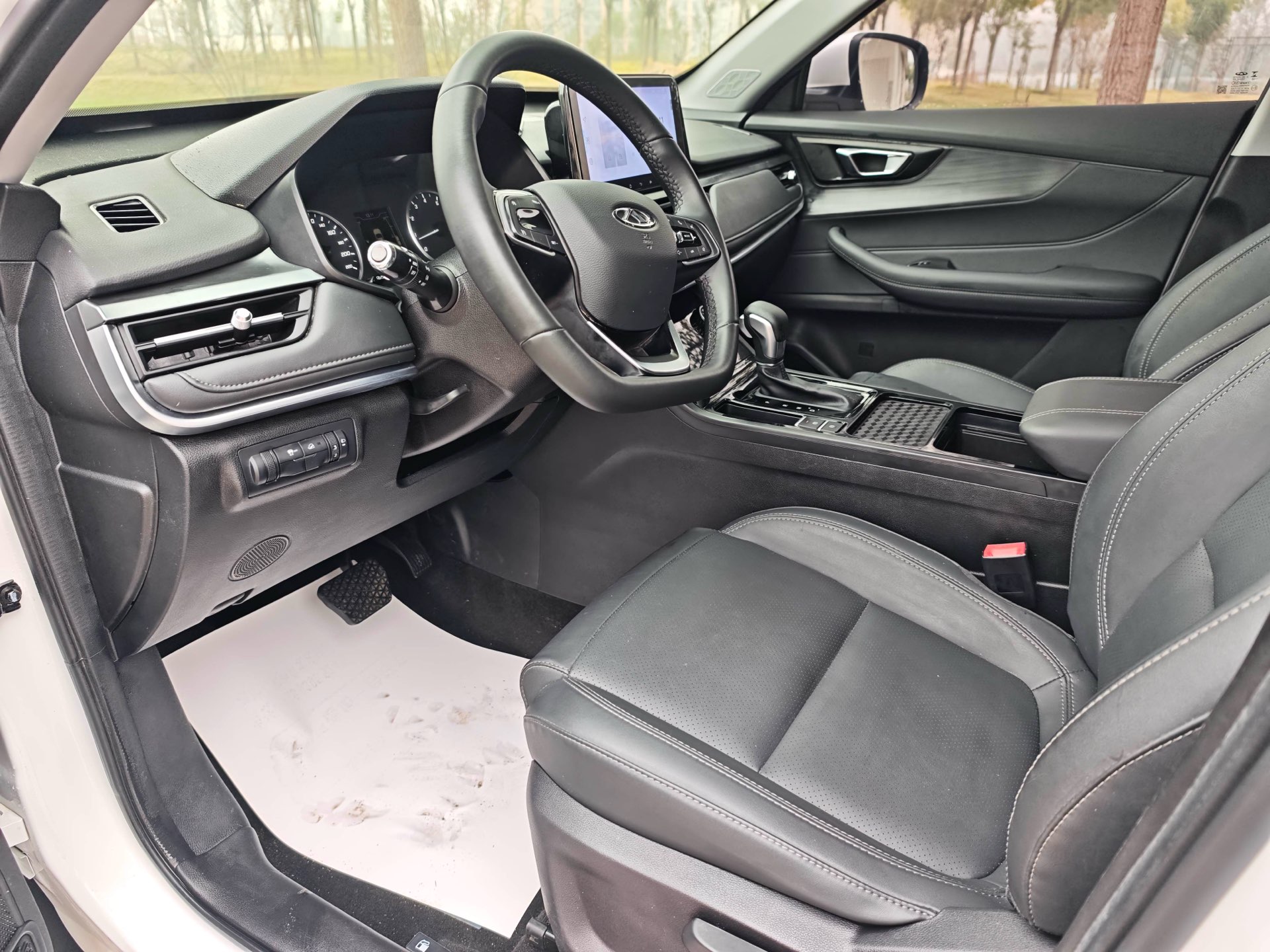
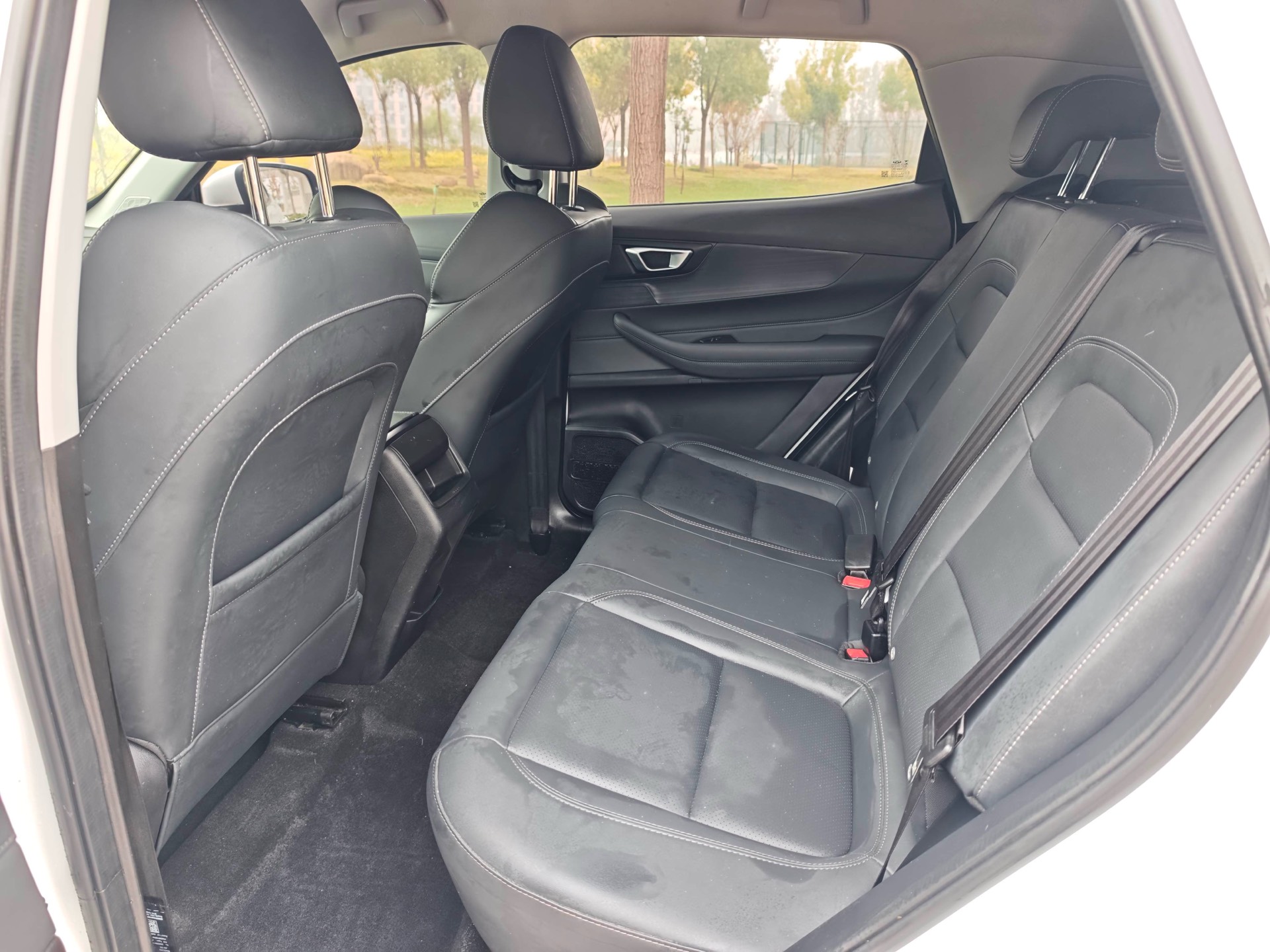
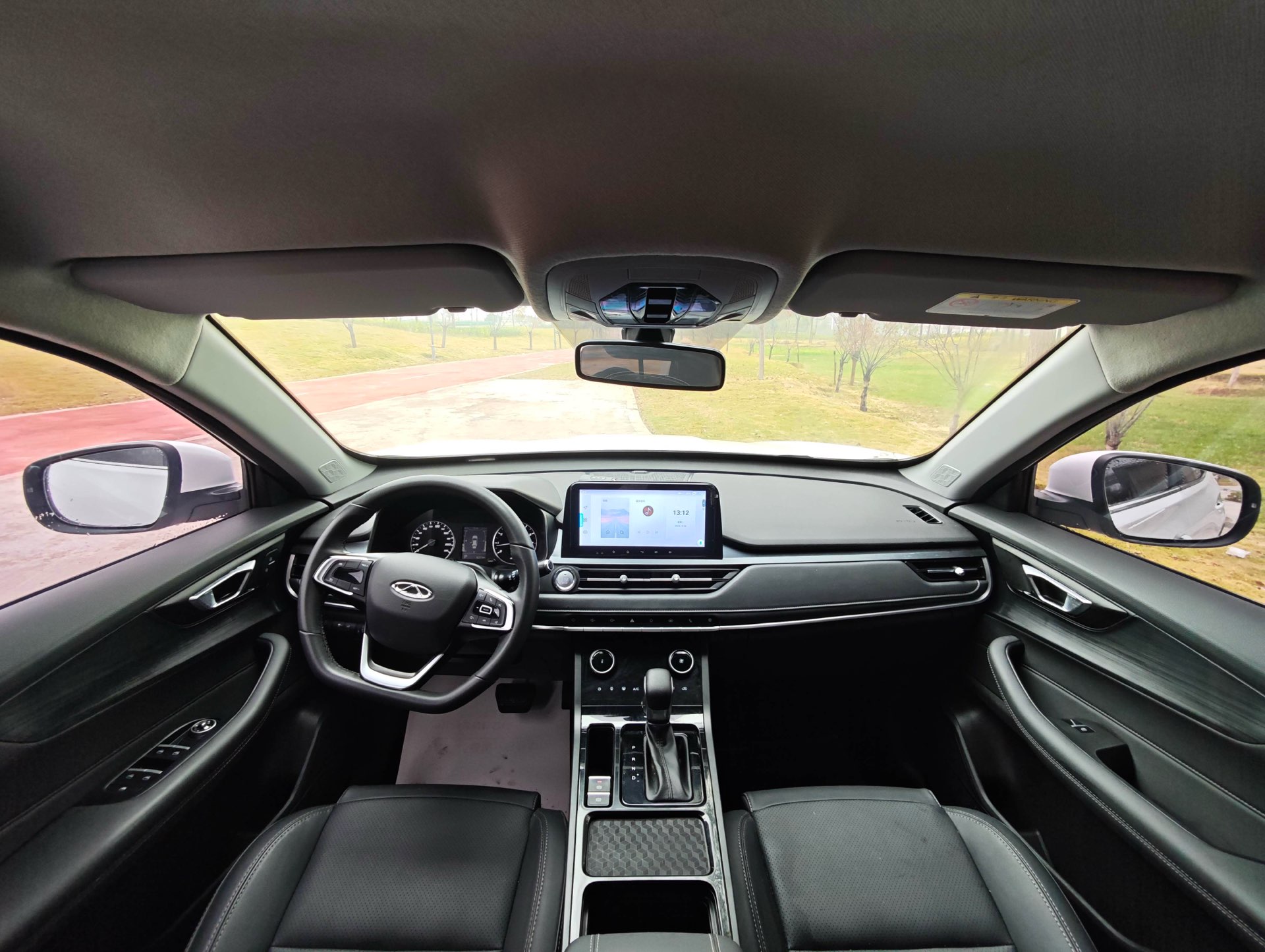
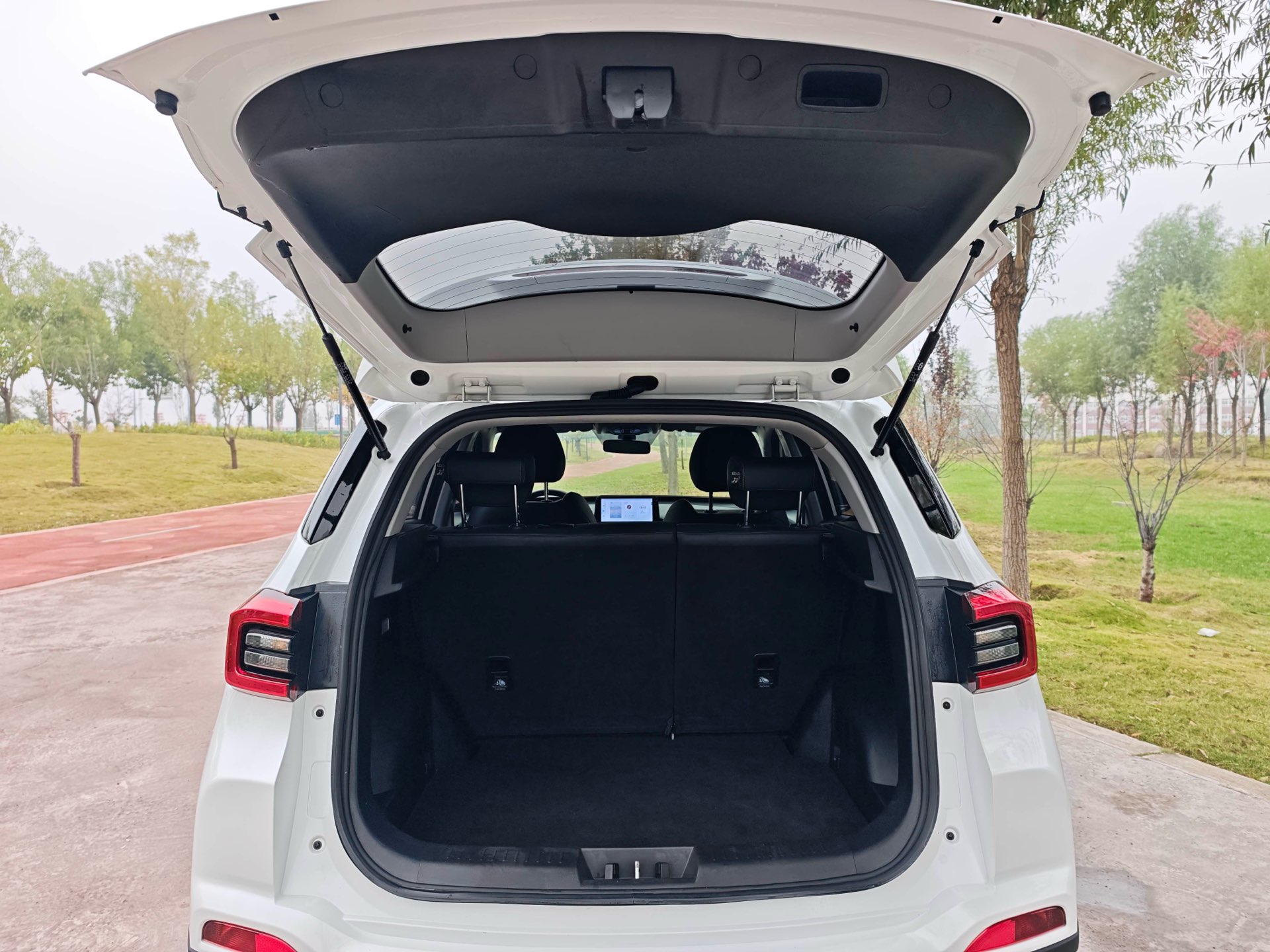
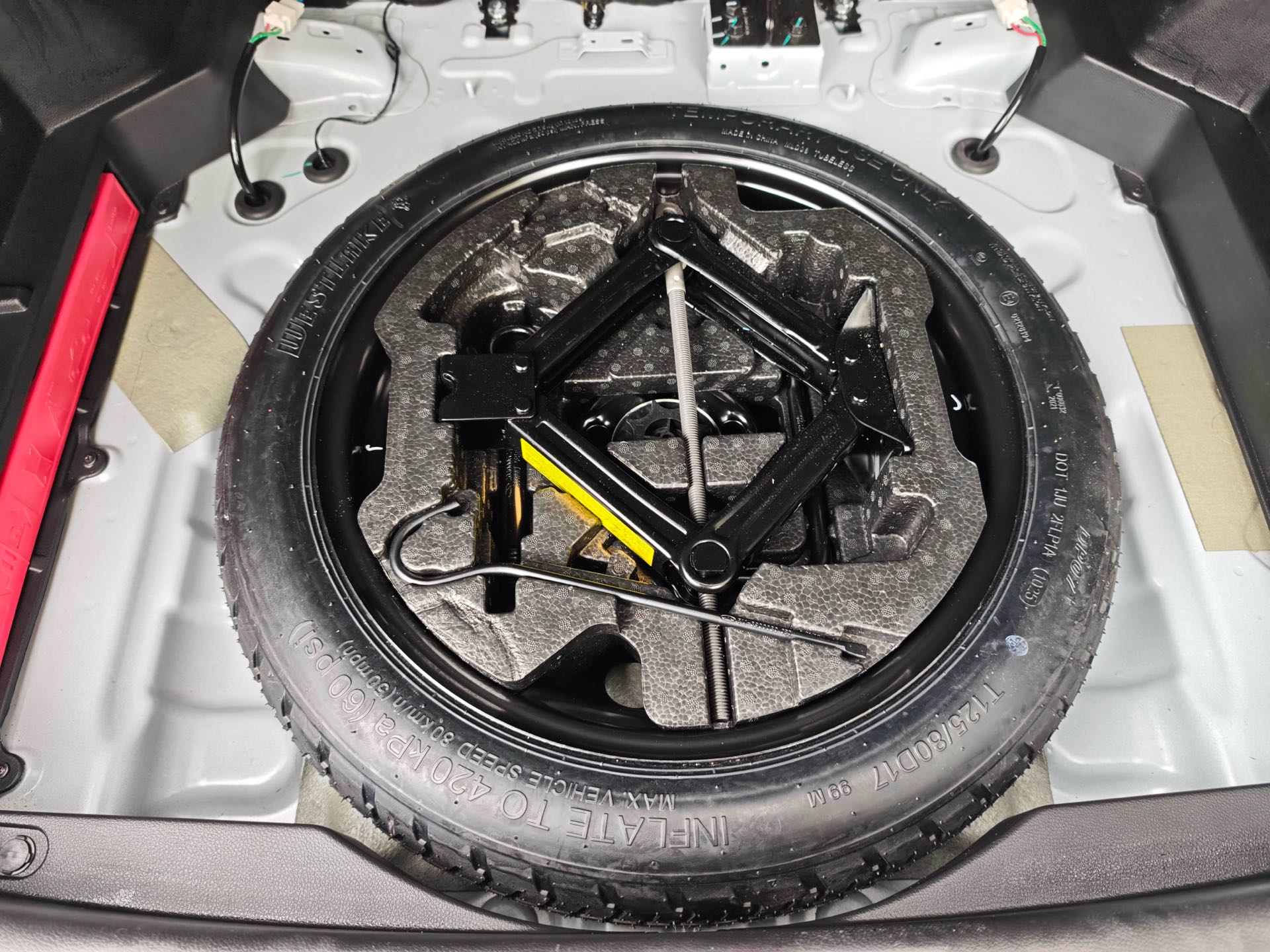
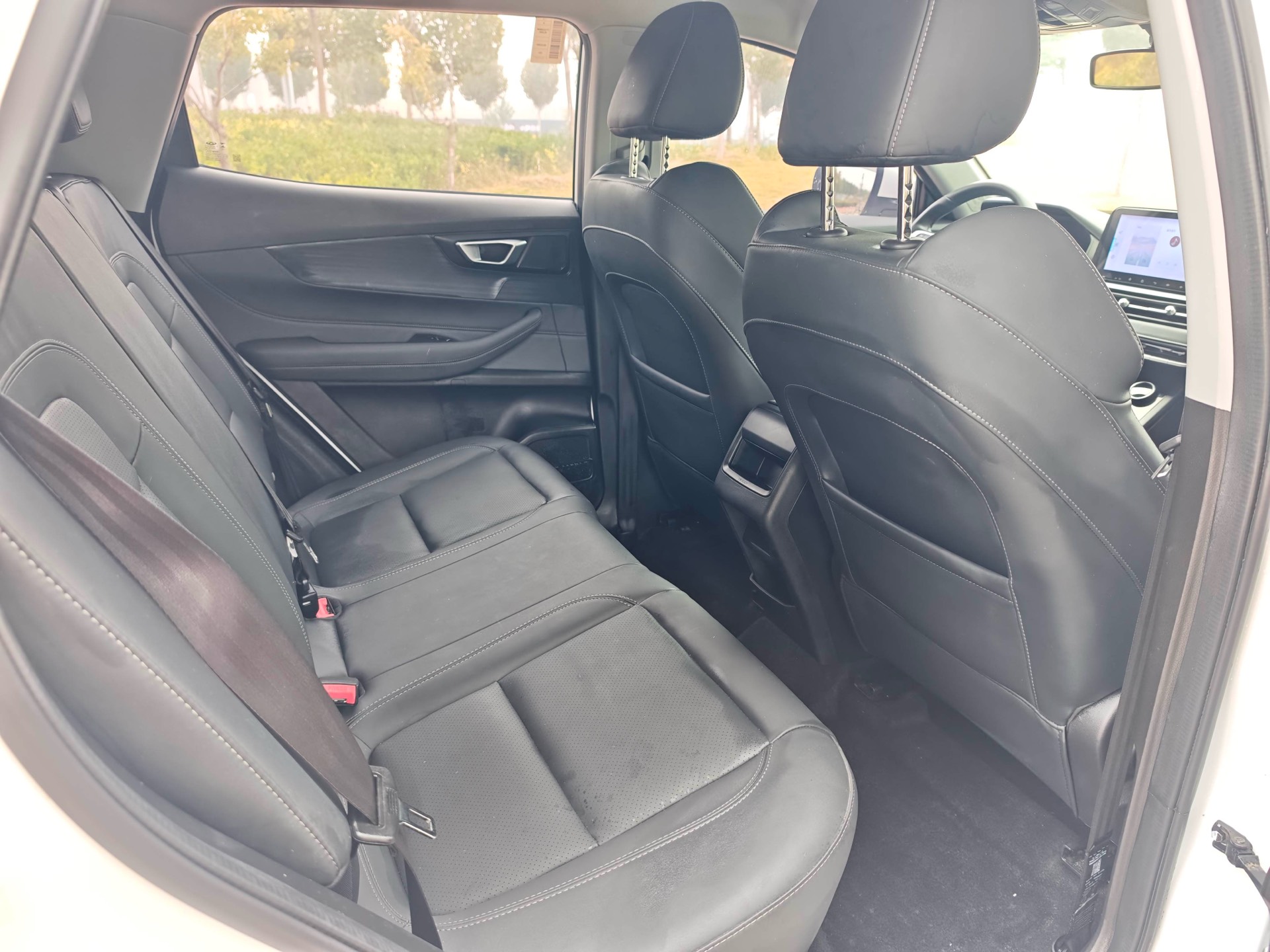
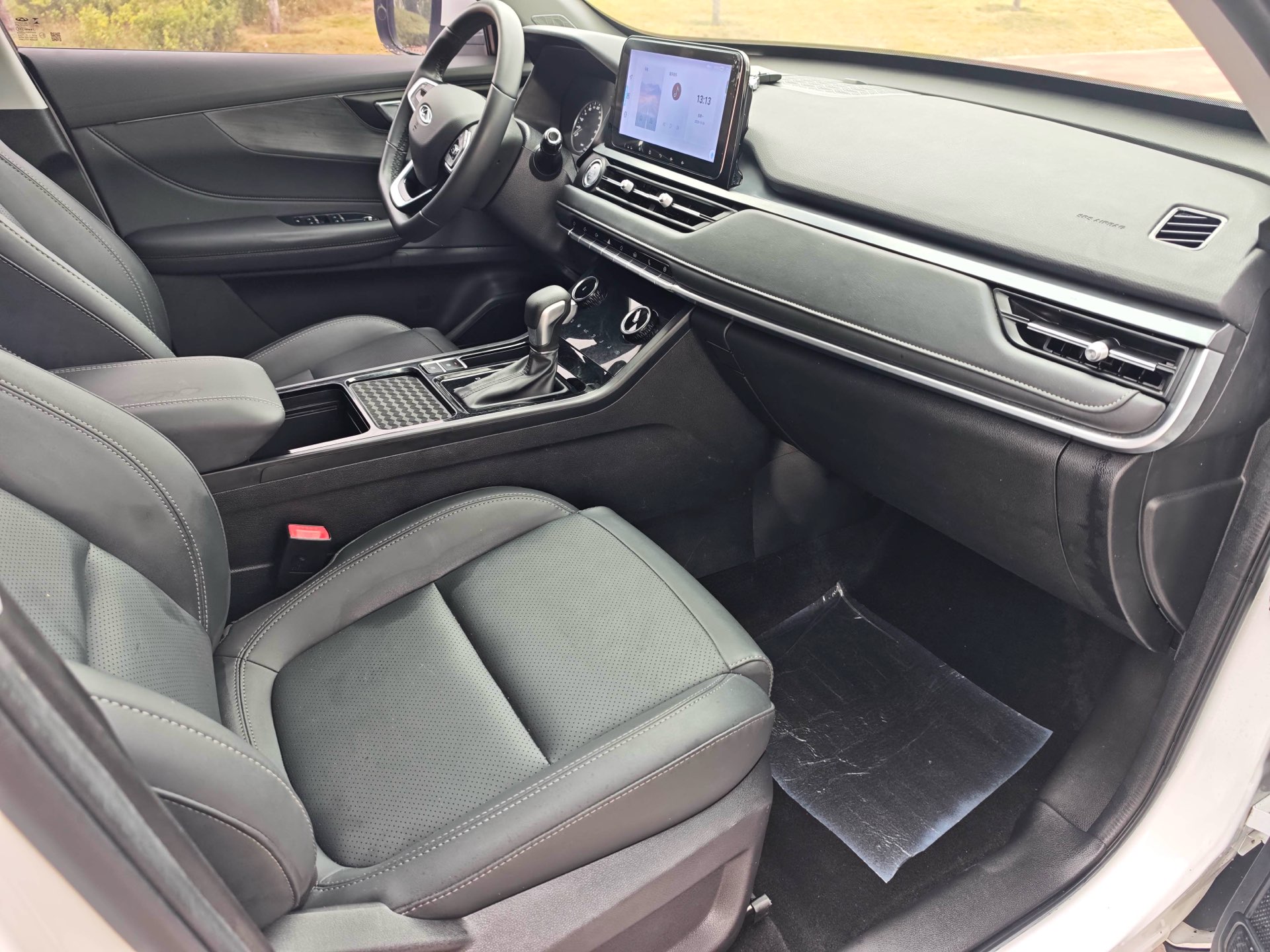
Manufactured in March 2025, first registered in June, original paint, 9000 km.

Document Information

Inspection Expiry Date-
Warranty Expiry Date-
Insurance Expiry Date2027/06

Q&A

More

How can I verify a used car's accident and repair history in China from overseas?

China has centralized vehicle records you can check remotely before paying anything. Ask the exporter for the 17-digit VIN, then request two reports. First, the maintenance history: third-party platforms pull 4S dealership records showing service dates, mileage and repair items. A mileage line that goes down over time is a red flag for odometer tampering. Second, the insurance claim history: it lists accident dates, claim amounts and repaired parts. Heavy claims involving frame rails or airbags should end the deal. Practical tips: run the reports yourself instead of accepting screenshots from the seller, make sure the report date is close to the delivery date, and cross-check with physical wear such as the steering wheel, pedals and seat bolsters, which cannot lie about high mileage. Keep in mind that small private repairs never enter these databases, so combine history checks with a physical inspection before shipping.


What insurance should I arrange when shipping a used car from China, and what do Incoterms like FOB and CIF mean for me?

Two separate protections matter: cargo insurance and contractual risk transfer. Cargo insurance: for container or RoRo shipments, buy marine cargo insurance covering total loss and damage, typically 110% of the CIF value (average cost 0.3%–0.8%). Check exclusions — many policies exclude pre-existing damage, so a pre-shipment inspection report is essential to prove the car's condition at loading. Incoterms define who bears risk and cost at each stage: 1. FOB (Free On Board): exporter pays until the car is loaded on the vessel; risk passes to you at that point. You pay ocean freight and insurance. Common and usually cheapest if you have your own freight forwarder. 2. CIF (Cost, Insurance and Freight): exporter pays freight and minimum insurance to your port. Convenient but the insurance coverage is basic — consider topping it up. 3. EXW (Ex Works): you handle everything from the exporter's yard; only choose this if you have a trusted agent in China. Put the agreed Incoterm and port clearly in the contract, and never release final payment before the Bill of Lading is issued.

What are port free time and demurrage, and how do I avoid storage charges when my car arrives?

When your car reaches the destination port, the shipping line and terminal give you a limited number of free days — typically 5 to 14 — to clear customs and collect the vehicle. After that, storage and demurrage charges start accruing daily, and they add up fast: USD 20–80 per day is common depending on the port. To avoid these fees: 1. Before shipment, confirm the exact free time with your forwarder and get it in writing — it varies by carrier and port. 2. Prepare customs paperwork in advance: import declaration, invoice, bill of lading, and any required certificates. Most delays come from missing documents, not from the port itself. 3. Book a customs broker and a truck before the vessel arrives, not after. 4. Track the vessel online and plan pickup within the first free days. If you know you cannot clear in time, ask about extending free time when booking — it is sometimes negotiable and far cheaper than paying demurrage later.