
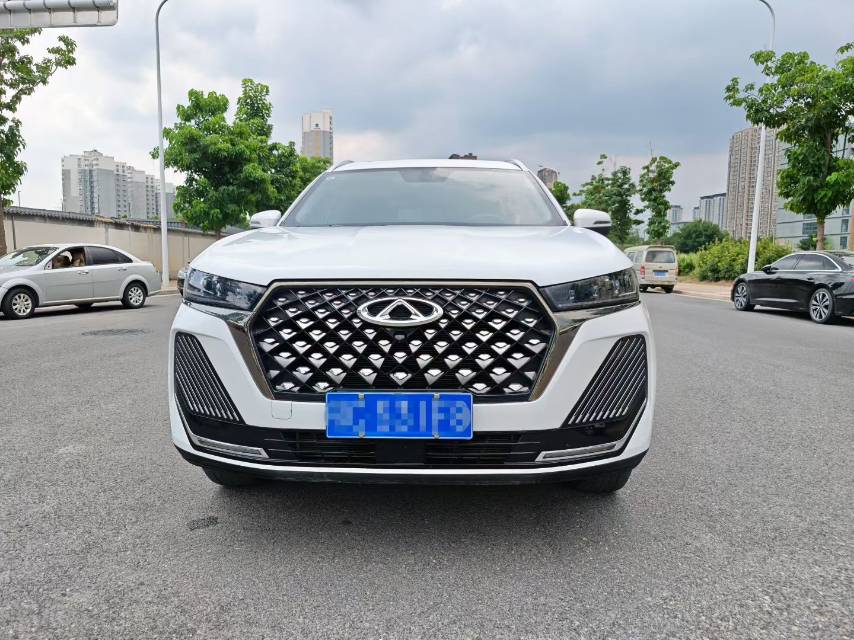
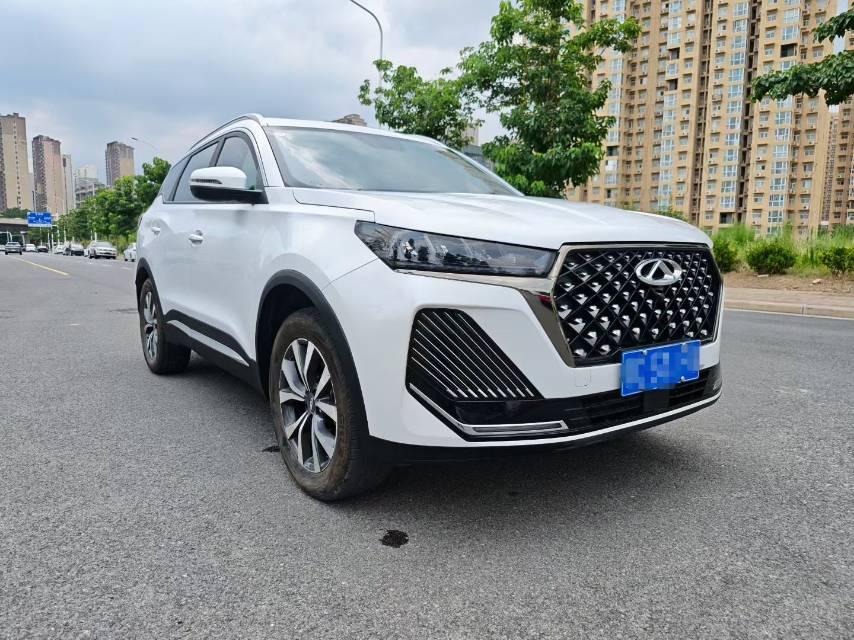
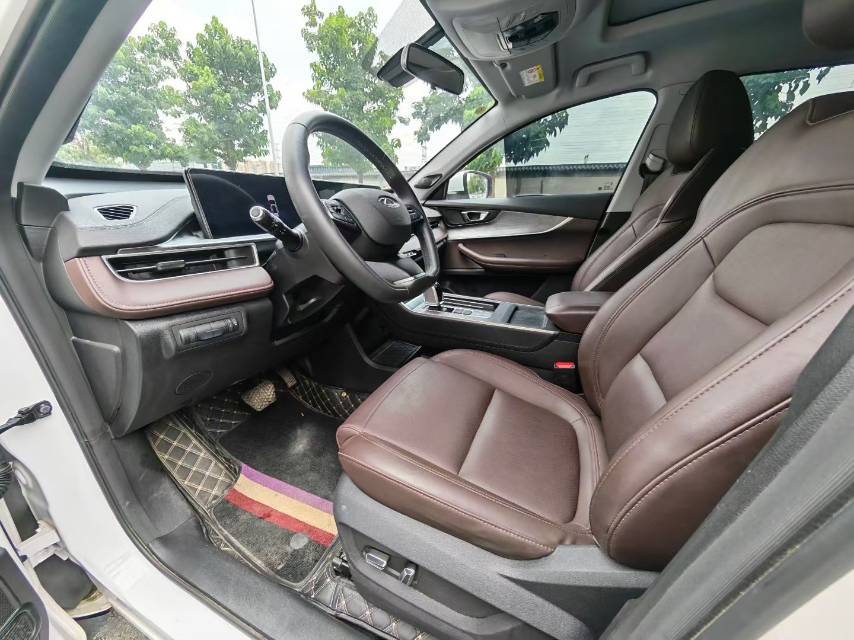
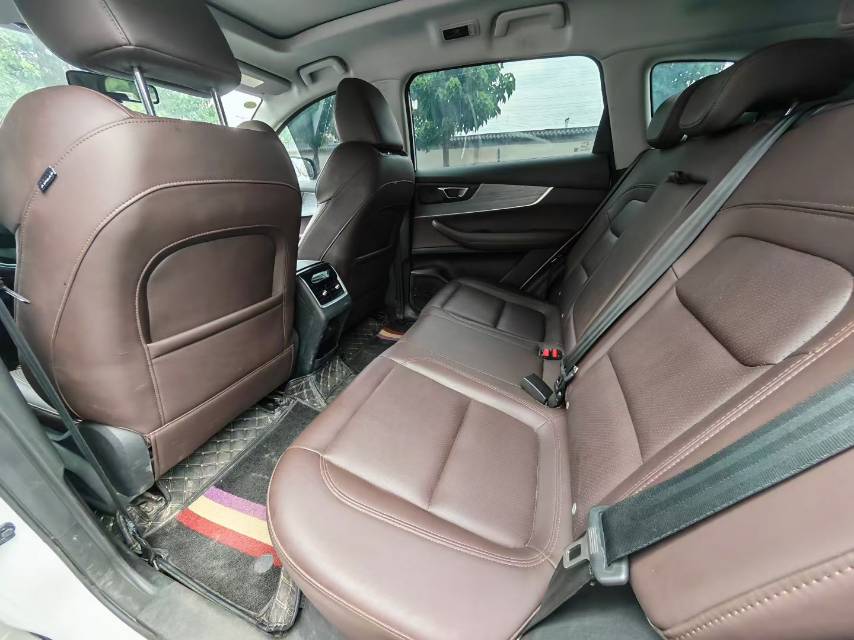



Stock

Basic Information

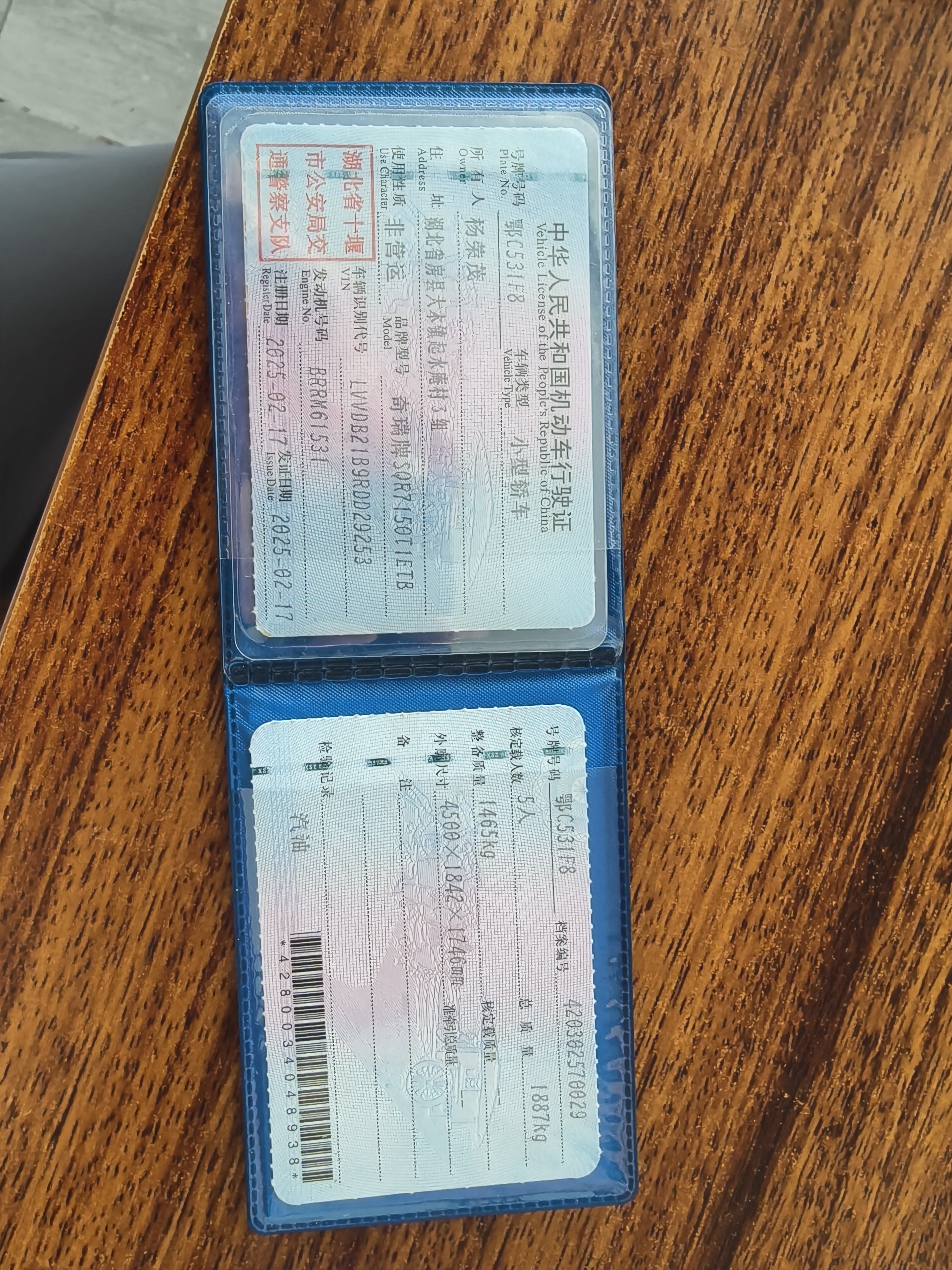
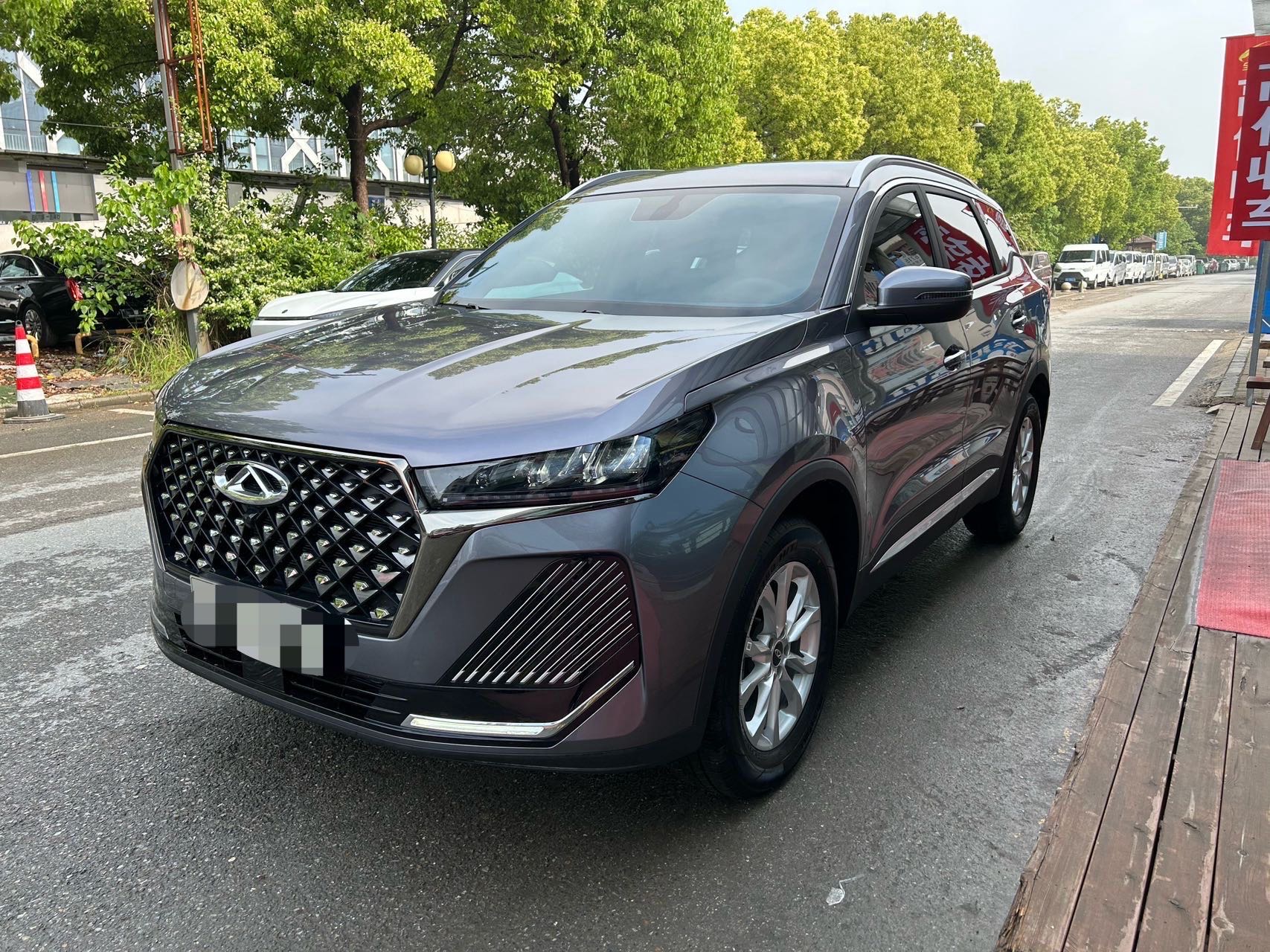
BrandChery
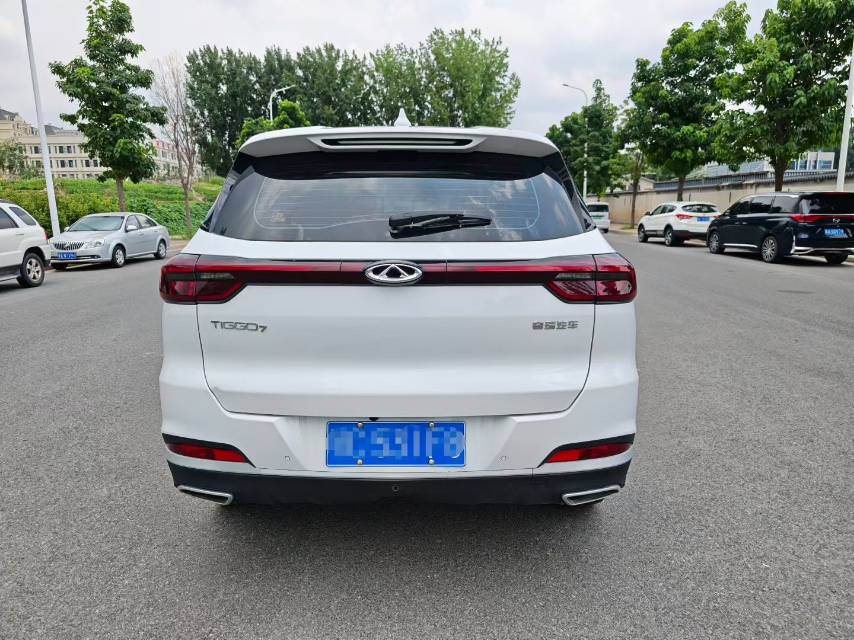
SeriesTiggo 7
Year2025
First Registration2025/02
Mileage10,000km
Transfer Count1times
FuelGasoline
TransmissionCVT
Engine1.5T 156 L4
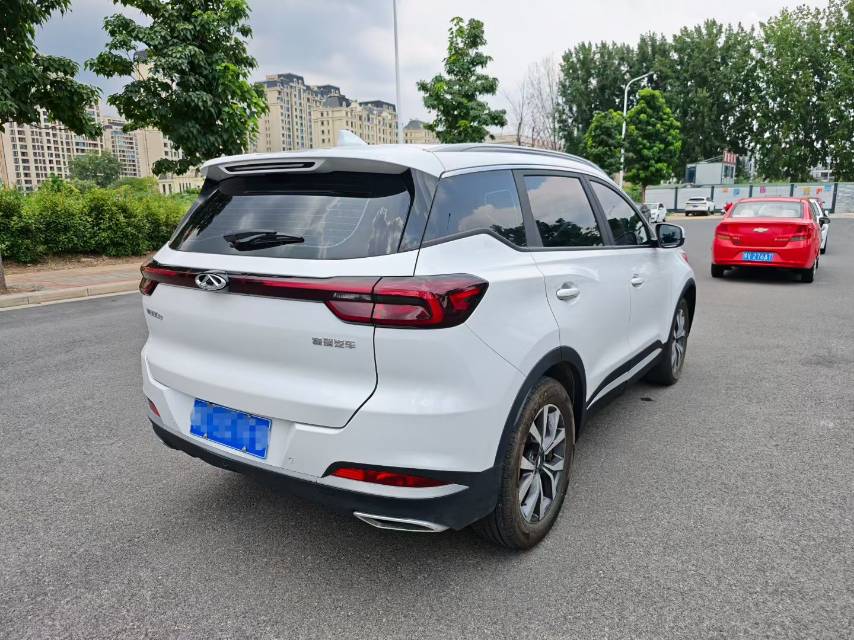
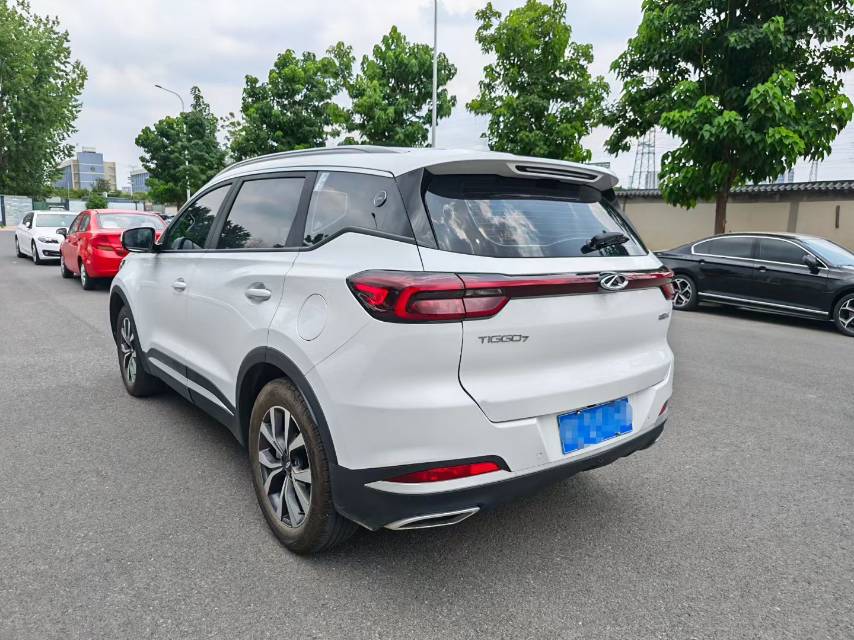
ColorWhite
Seats-

Condition Description

Right front fender and right front door have localized panel beating and repainting.

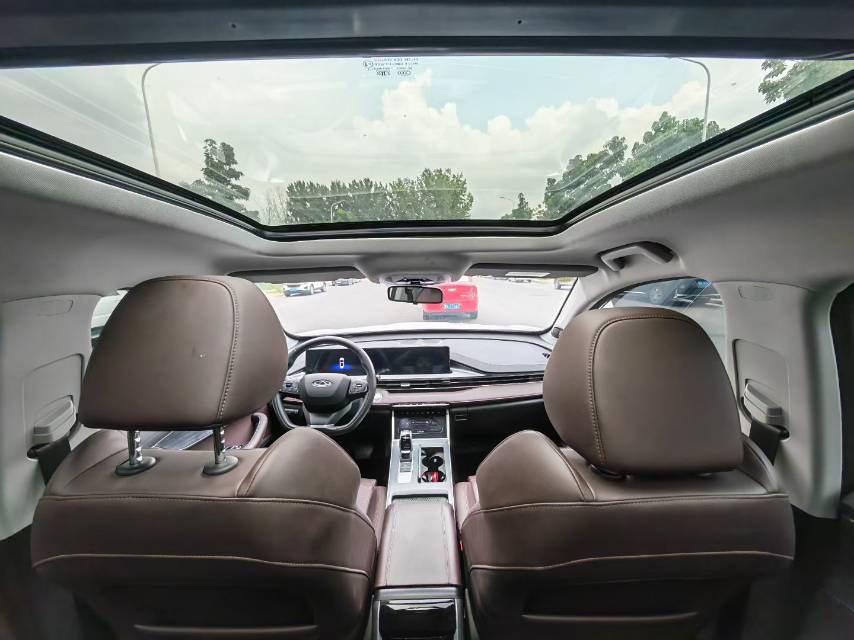
Vehicle condition is excellent, interior is clean and tidy.

燃油车
SUV
自动
维保开放
事故开放
查验开放

Configuration Highlights

✓品牌: 奇瑞
✓车系: 瑞虎7
✓车型: 2024款 1.5T CVT尊贵版
✓车身类型: SUV
✓座位数: 5
✓排量: 1.5T
✓变速箱: 自动
✓能源类型: 燃油车
✓VIN: LVVDB21B9RDD29253
✓搜索关键词: 奇瑞瑞虎7 2024款瑞虎71.5TCVT尊贵版

Document Information

Inspection Expiry Date2027/02
Warranty Expiry Date-
Insurance Expiry Date2026/07

Q&A

More

Will OTA remote upgrades and mobile app control still work after the vehicle is exported overseas?

We must inform you objectively: Most Chinese car manufacturers' connected services (cloud servers) are restricted by data security regulations and overseas network limitations. Once the vehicle leaves China, the factory-installed SIM card will become inactive. This means that official OTA upgrades and factory mobile app remote controls (like pre-cooling the car or unlocking doors) typically cannot be used overseas. The vehicle will operate as a standalone version, but this will not affect basic driving and physical button functions.

Will you conduct a thorough inspection of the engine and transmission of the used car?

We will never perform blind deep disassembly unless there are clear severe fault codes or extreme noises. The sealing of the engine and transmission is crucial, and compromising the factory seals to investigate non-existent issues is unprofessional. We rely on data flow and external acoustic and fluid analysis to make judgments.

What is the latest time to request changes to the consignee and notify party on the bill of lading?

Changes must be requested before the shipping cut-off date (SI Cut-off Date) prior to the vessel's departure. Once the vessel has sailed, the shipping company will charge a high amendment fee, which may also cause delays in customs clearance at the destination port, with costs borne by the buyer.