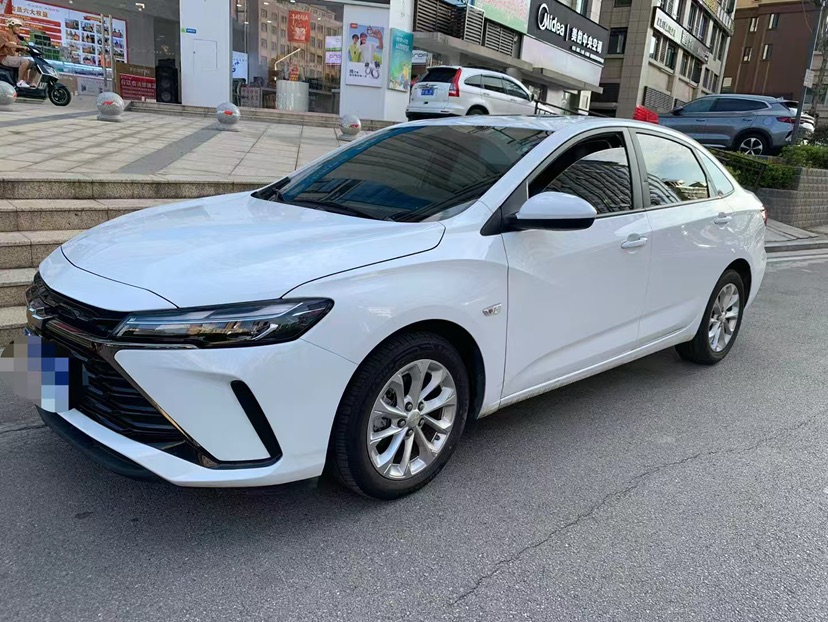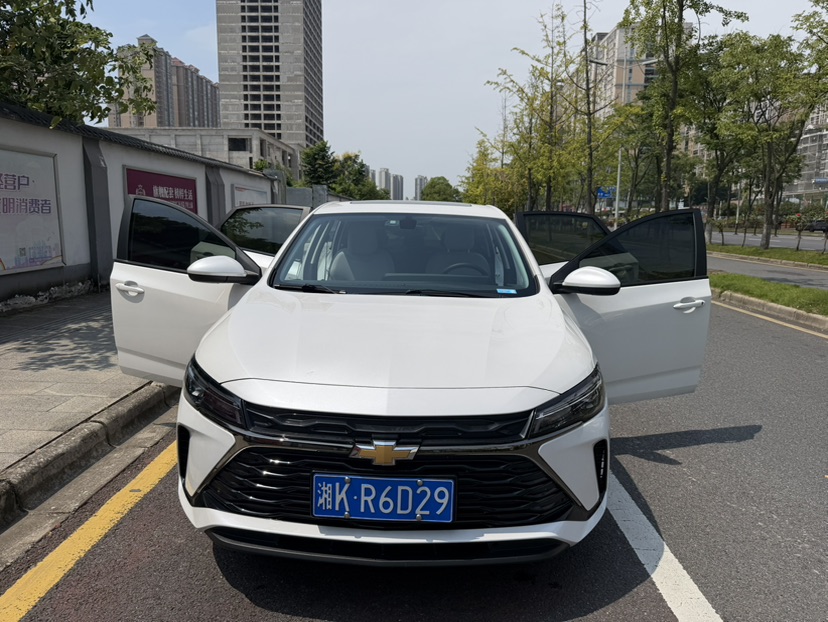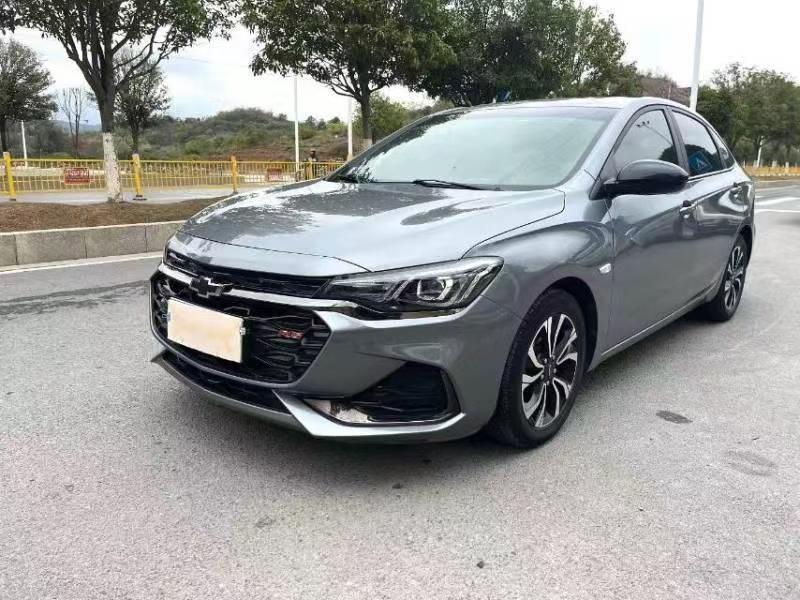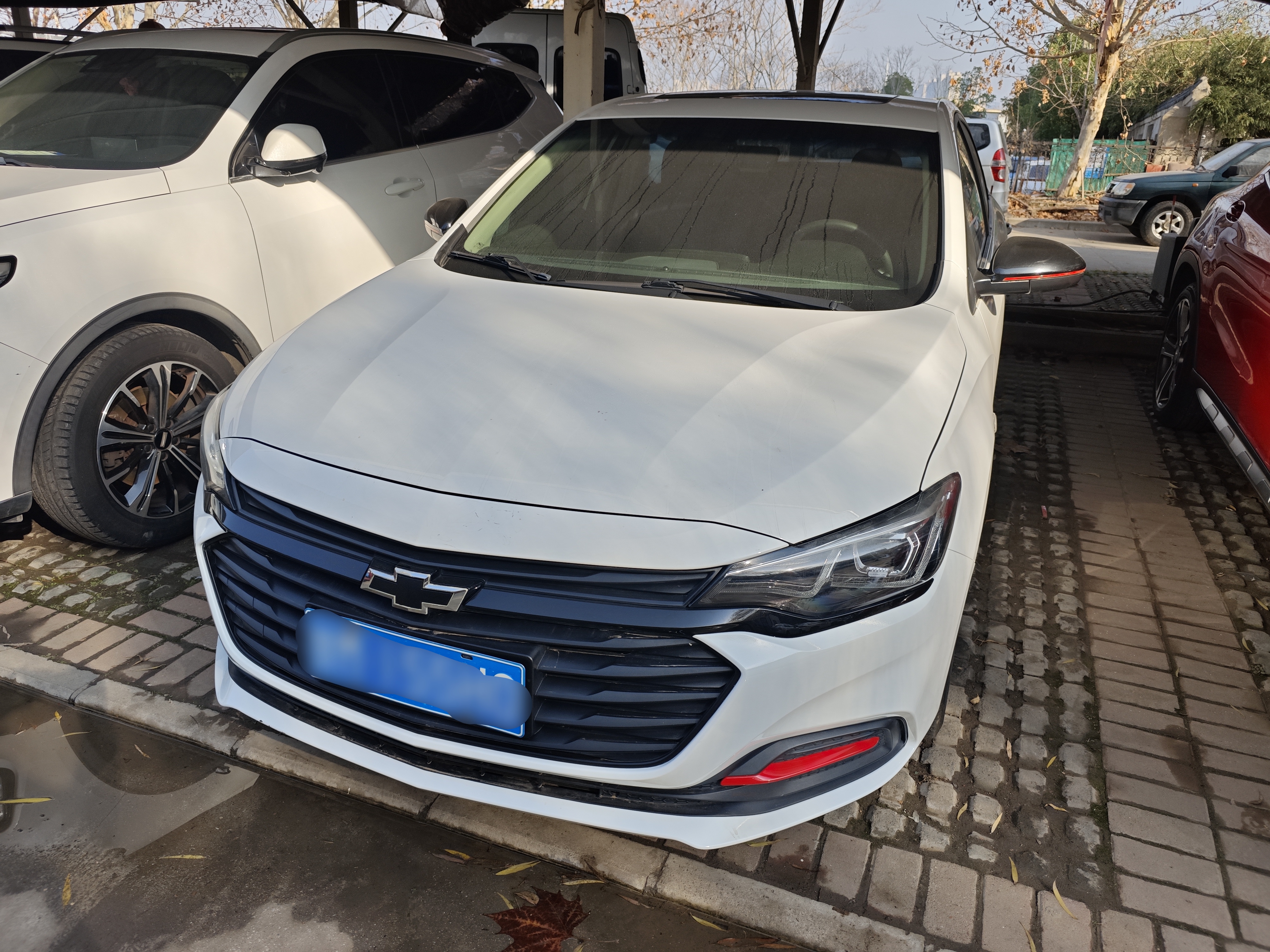
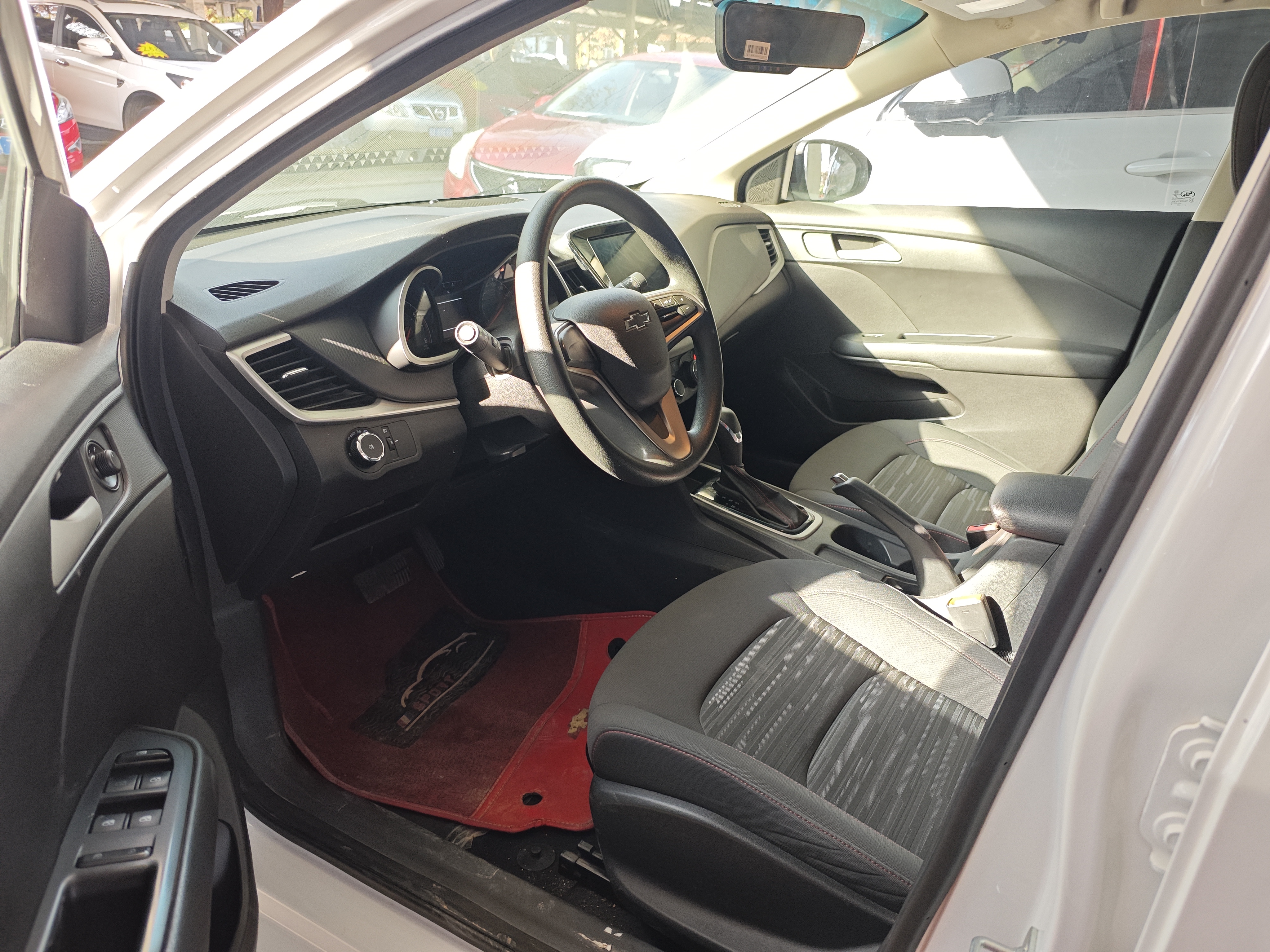
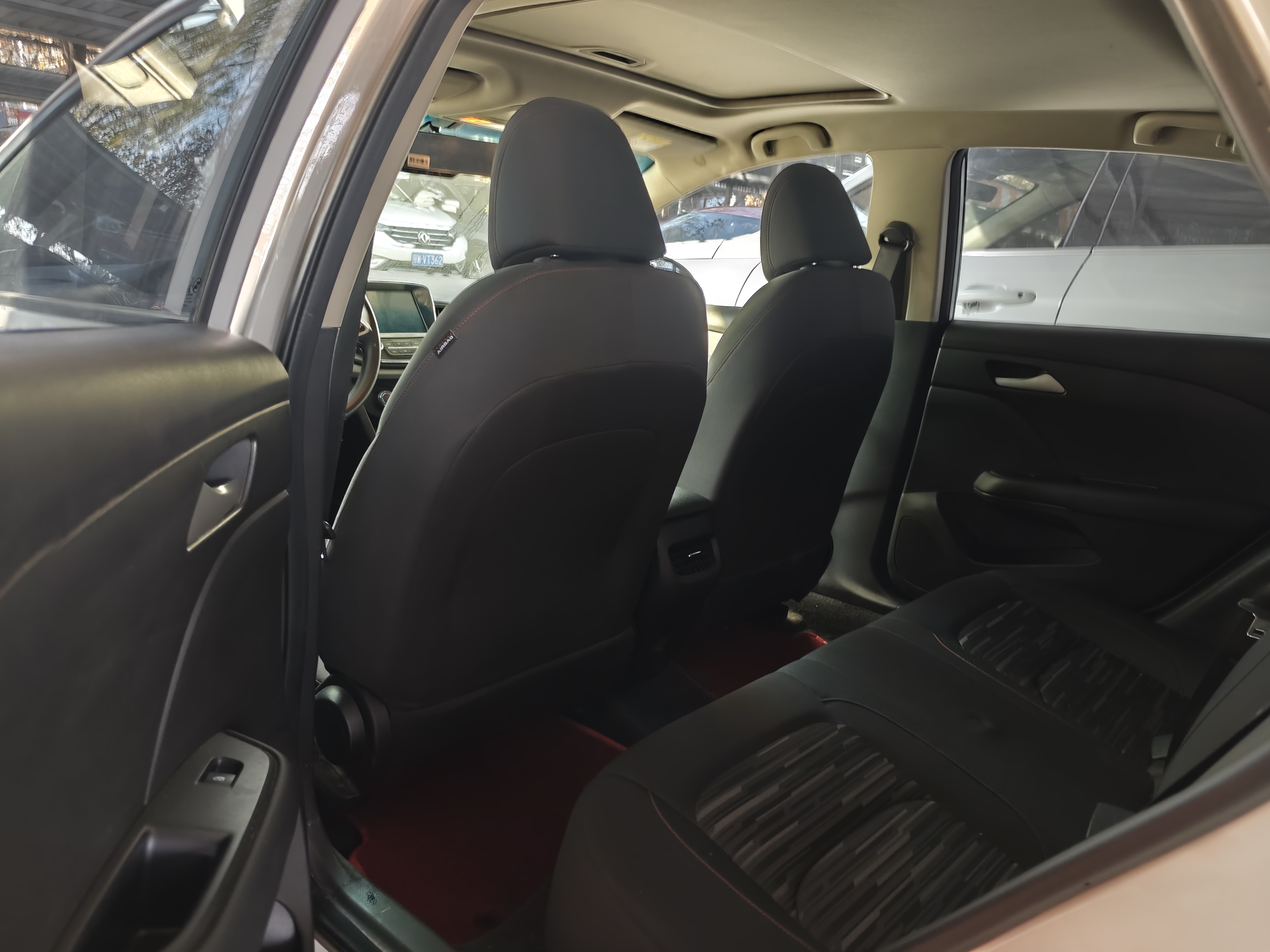
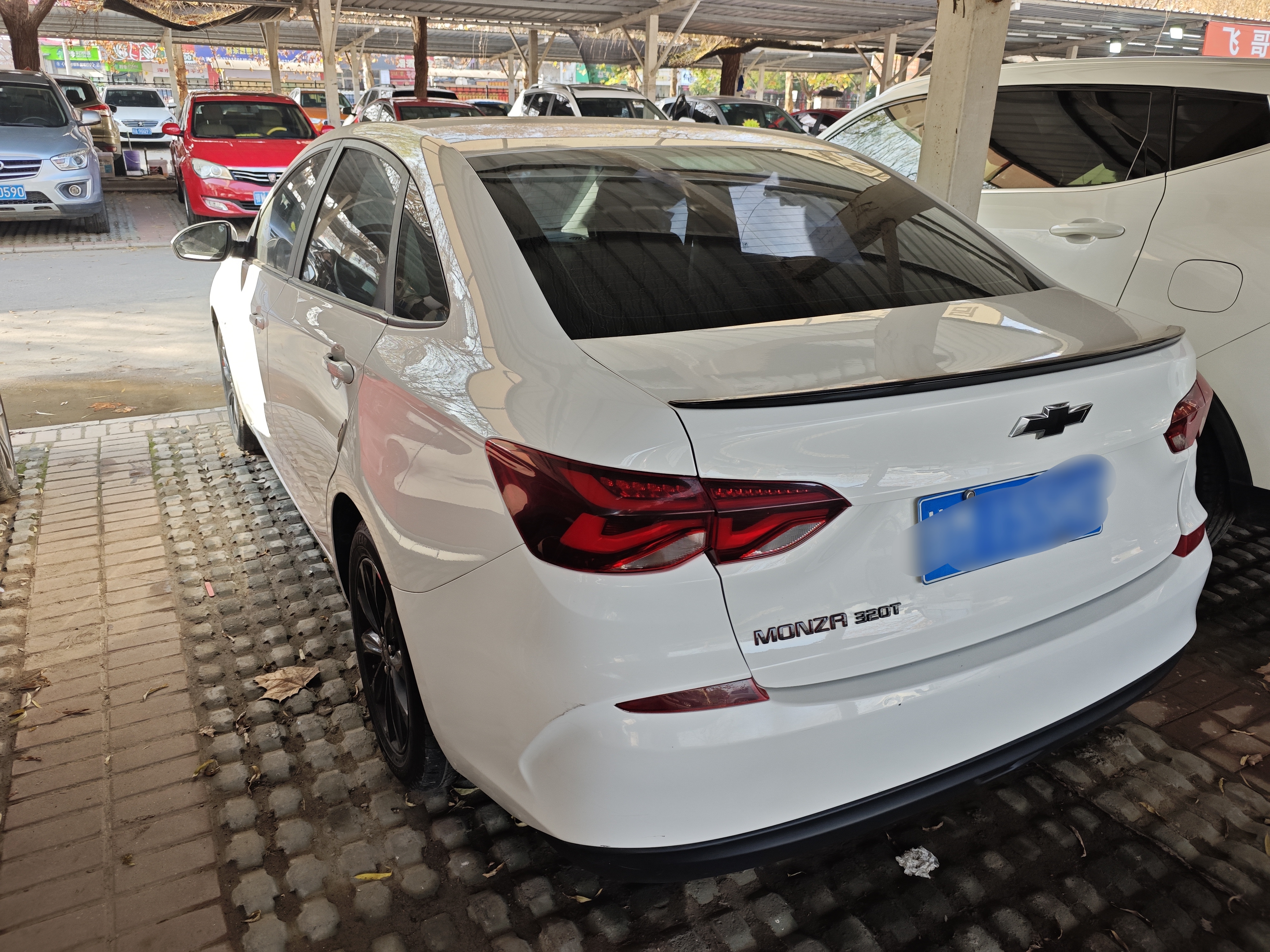
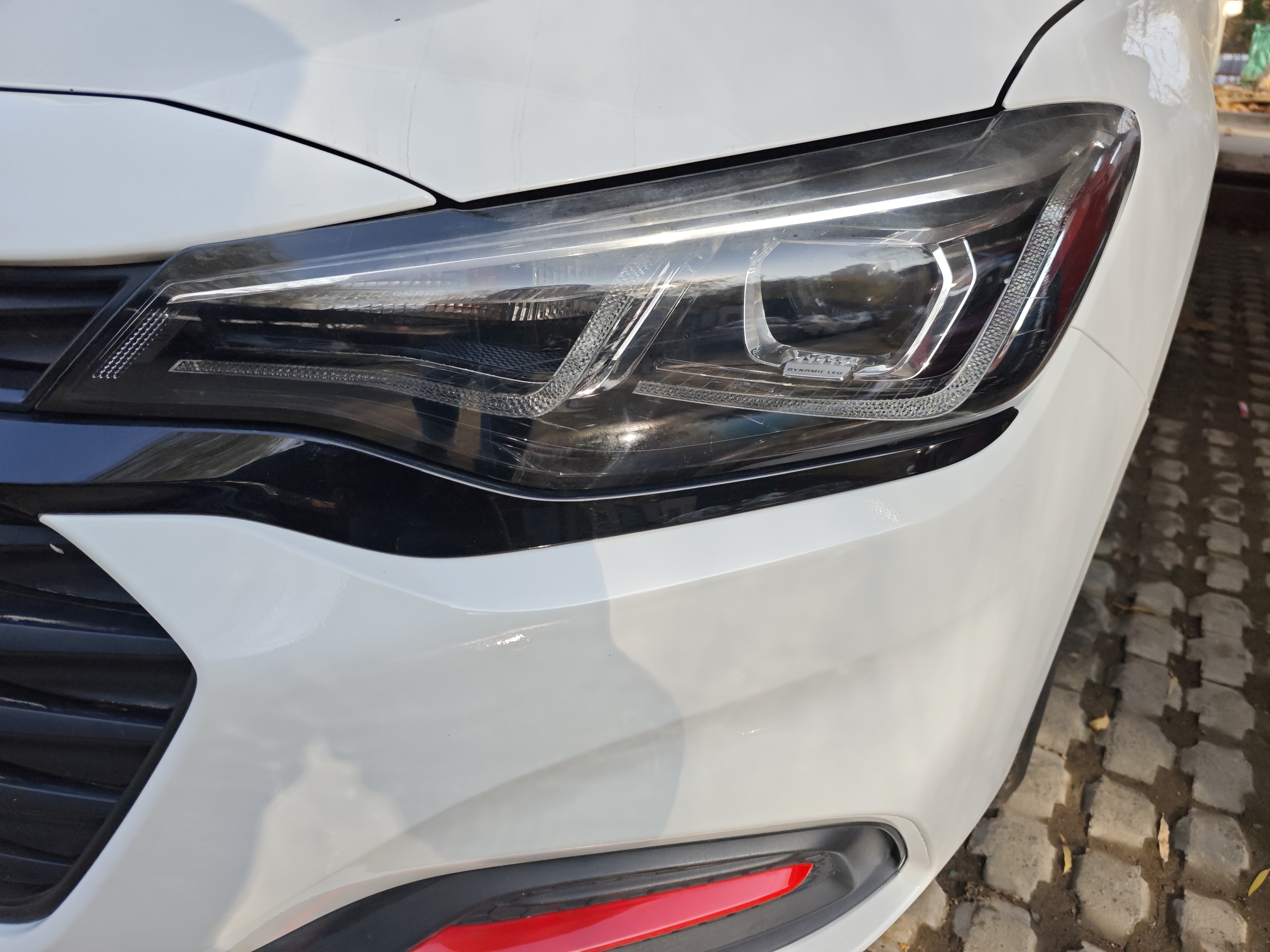



Basic Information

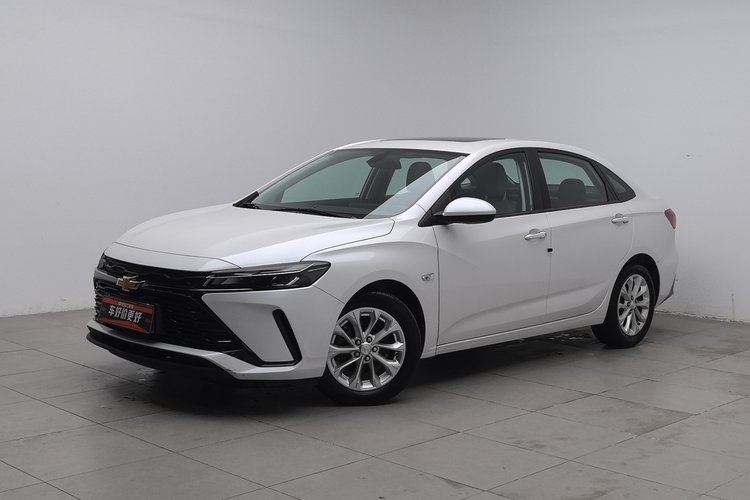
BrandChevrolet
SeriesMonza
Year2019
First Registration2019/08
Mileage5km
Transfer Count-
FuelGasoline
TransmissionDCT
Engine1.0T 125 L3
ColorWhite
Seats-

Configuration Highlights

✓Driver/Passenger Airbags
✓Front/Rear Side Airbags
✓Tire Pressure Monitoring
✓ISOFIX Child Seat Anchors
✓ABS Anti-lock Braking
✓Electronic Brake Distribution
✓Electronic Stability Control
✓Hill Start Assist
✓Multifunction Steering Wheel
✓Seat Material
✓GPS Navigation
✓Low Beam Headlights
✓Daytime Running Lights
✓Auto Headlights
✓Adjustable Headlight Height
✓Power Windows
✓UV/Heat Insulating Glass
✓Climate Control Type
✓Rear Air Vents
✓Start-Stop System

Q&A

More

If the customs of the destination country values the vehicle higher than your commercial invoice amount, leading to a surge in duties, who is responsible?

The customs of the destination country has the right to disregard the commercial invoice and reassess the value based on its internal database (such as the customs valuation red book). Any additional duties incurred are a result of the importing country's policy and are fully borne by the buyer (importer).

How can I verify the odometer reading is genuine on a Chinese used car from abroad?

Odometer fraud exists everywhere, but cross-checking several data points makes it hard to fake: 1) Maintenance records: ask for service history with mileage entries. Gaps or resets are red flags. 2) Tire wear: a car showing 30,000 km should not have nearly bald tires. Compare tread depth against the claimed mileage. 3) Pedals, steering wheel, and seat bolsters: heavy wear on these with low odometer readings is a classic mismatch. 4) Diagnostic scan: request an OBD readout. Many control modules store mileage data internally — if the ECU shows 120,000 km while the dash shows 40,000, you have your answer. 5) Vehicle history report: in China, apps and platforms can pull insurance claim records and registration history, which often reveal the true mileage trail. Always request a live video showing the odometer with the engine running, and have the number written into your contract.

How do I verify the real battery health and range of a used Chinese EV before buying from overseas?

Battery health is the single biggest risk when buying a used Chinese EV remotely. Ask for a battery report showing state of health (SOH) and cell voltage balance from the car's BMS or a diagnostic scan — anything below 85% SOH deserves a price reduction or a pass. Check fast-charge counts and whether the pack has warranty remaining; many Chinese EVs carry 8-year/150,000 km battery warranties that may or may not transfer. Verify real-world range from energy consumption history rather than the dashboard estimate. Also confirm the on-board charger works with your country's voltage, and ask whether the connected app and OTA updates will remain accessible in your region before you pay.