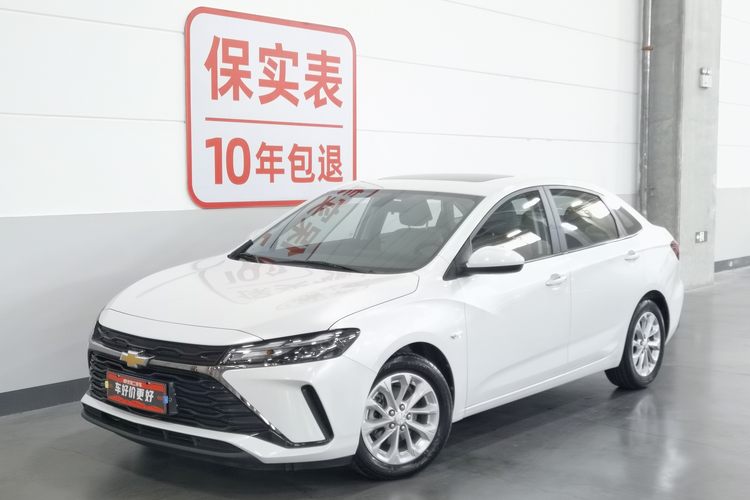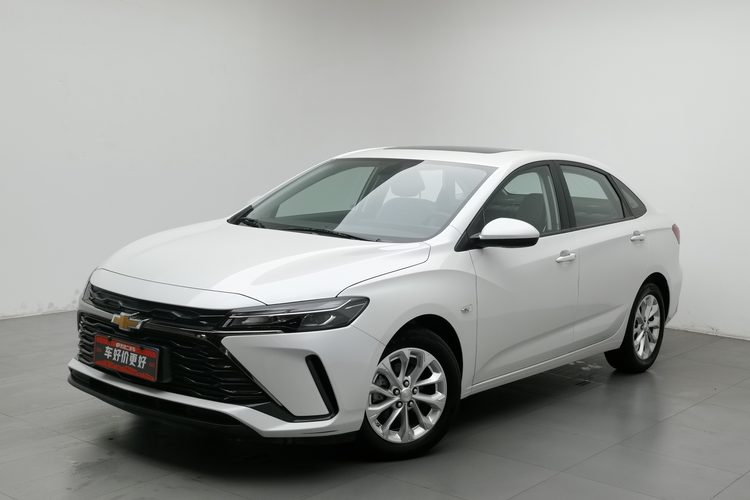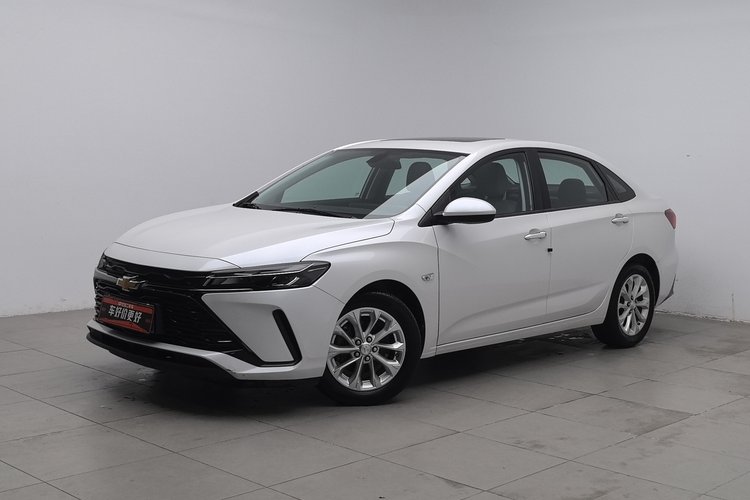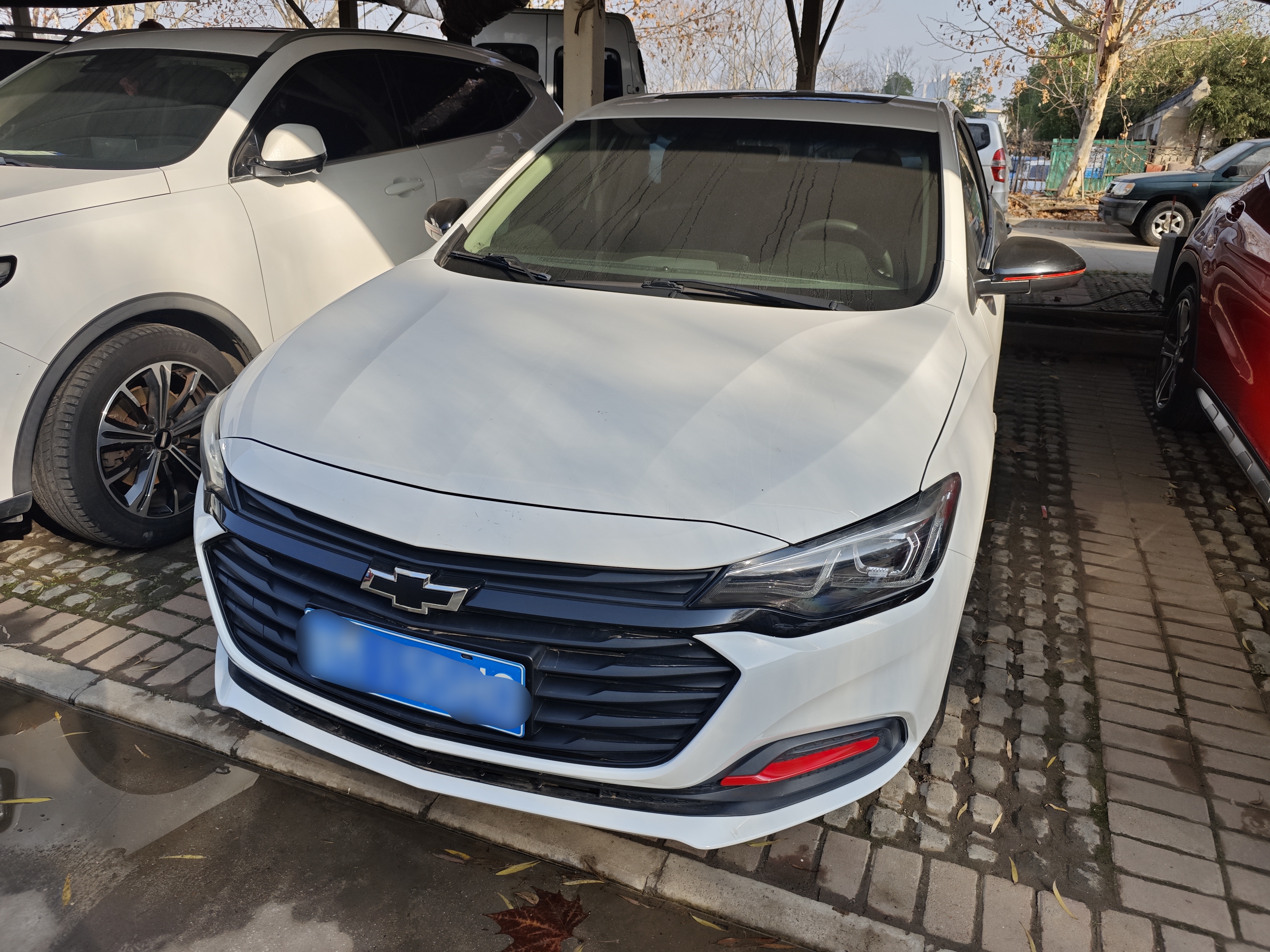
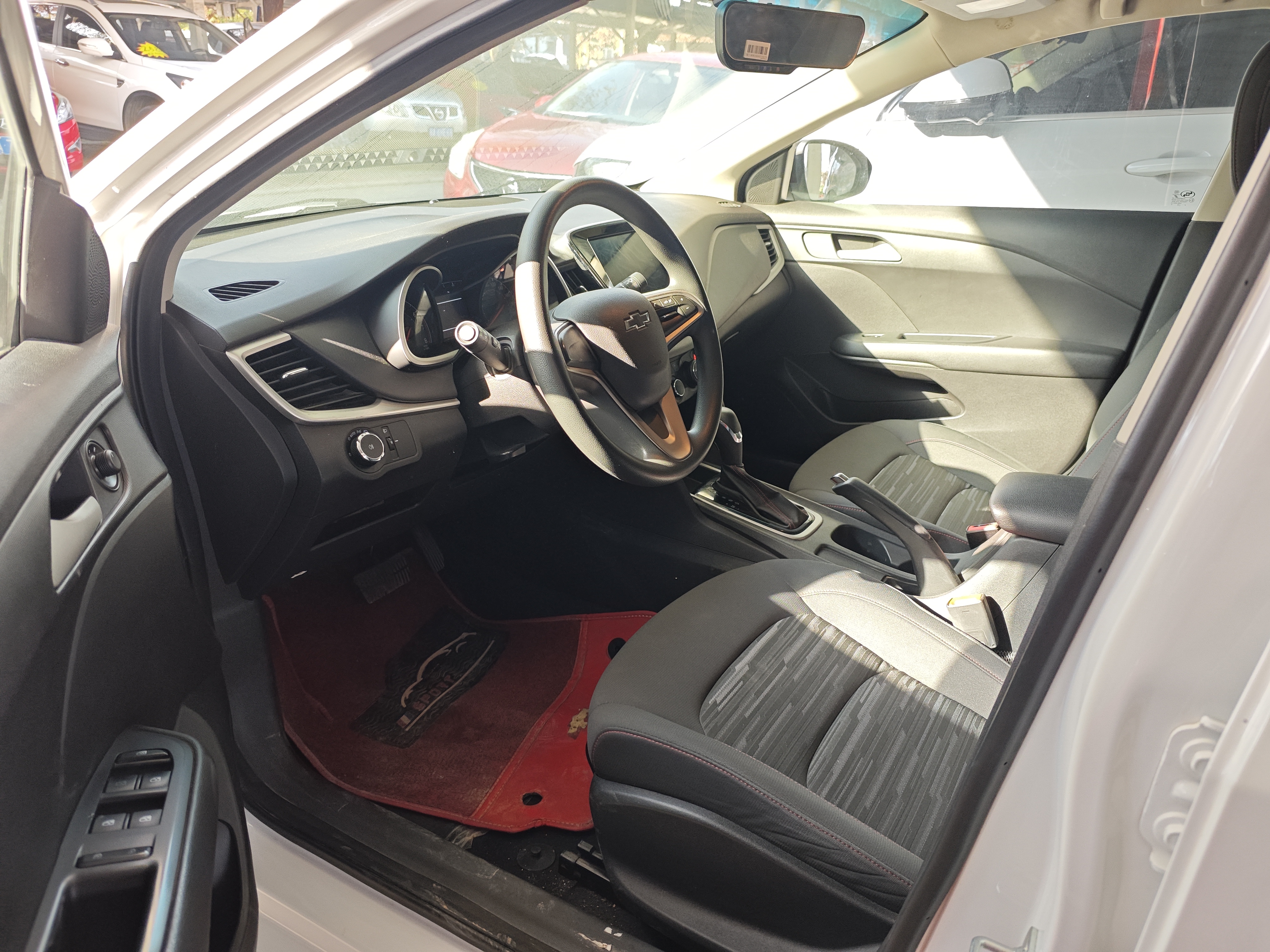
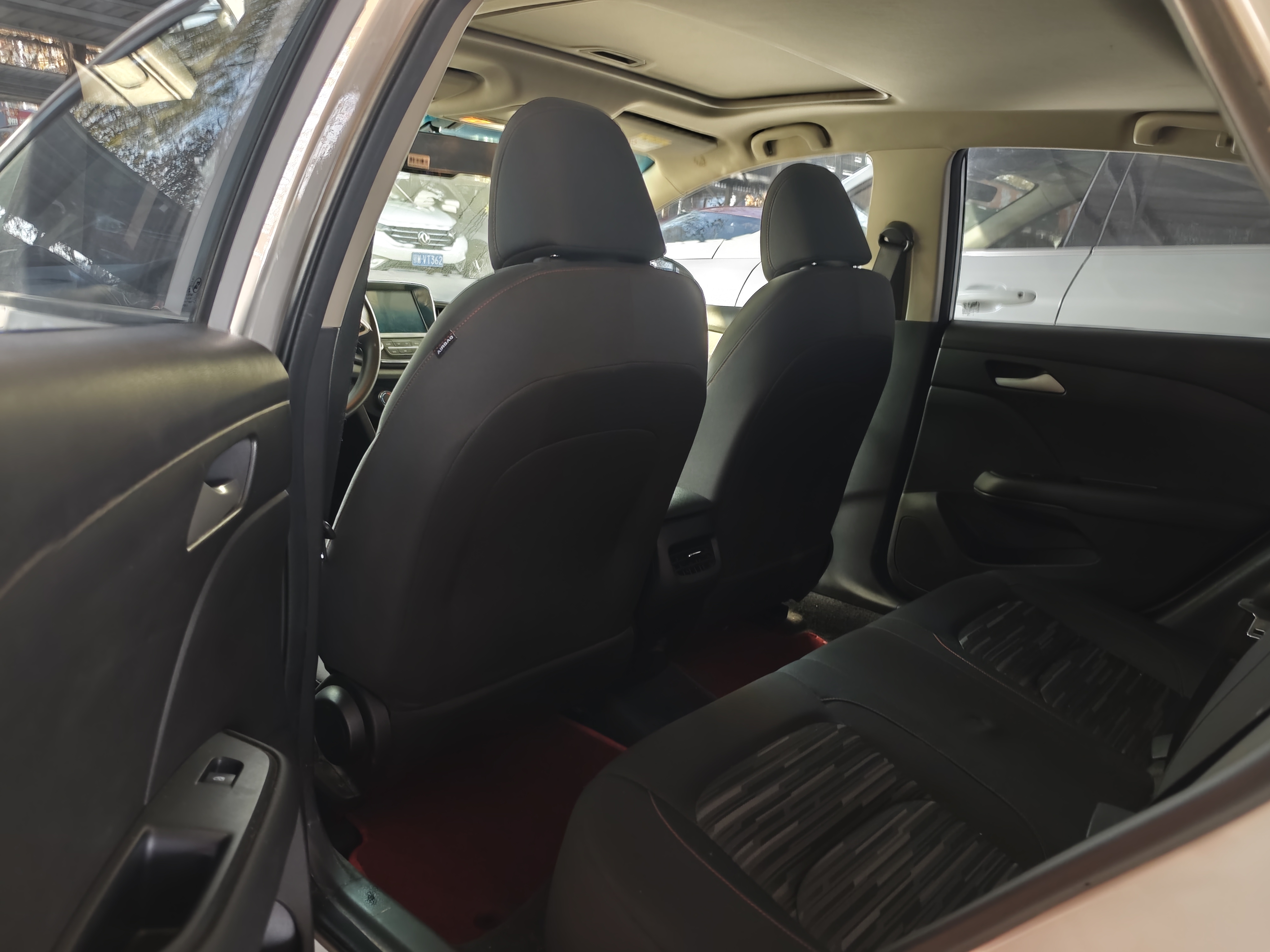
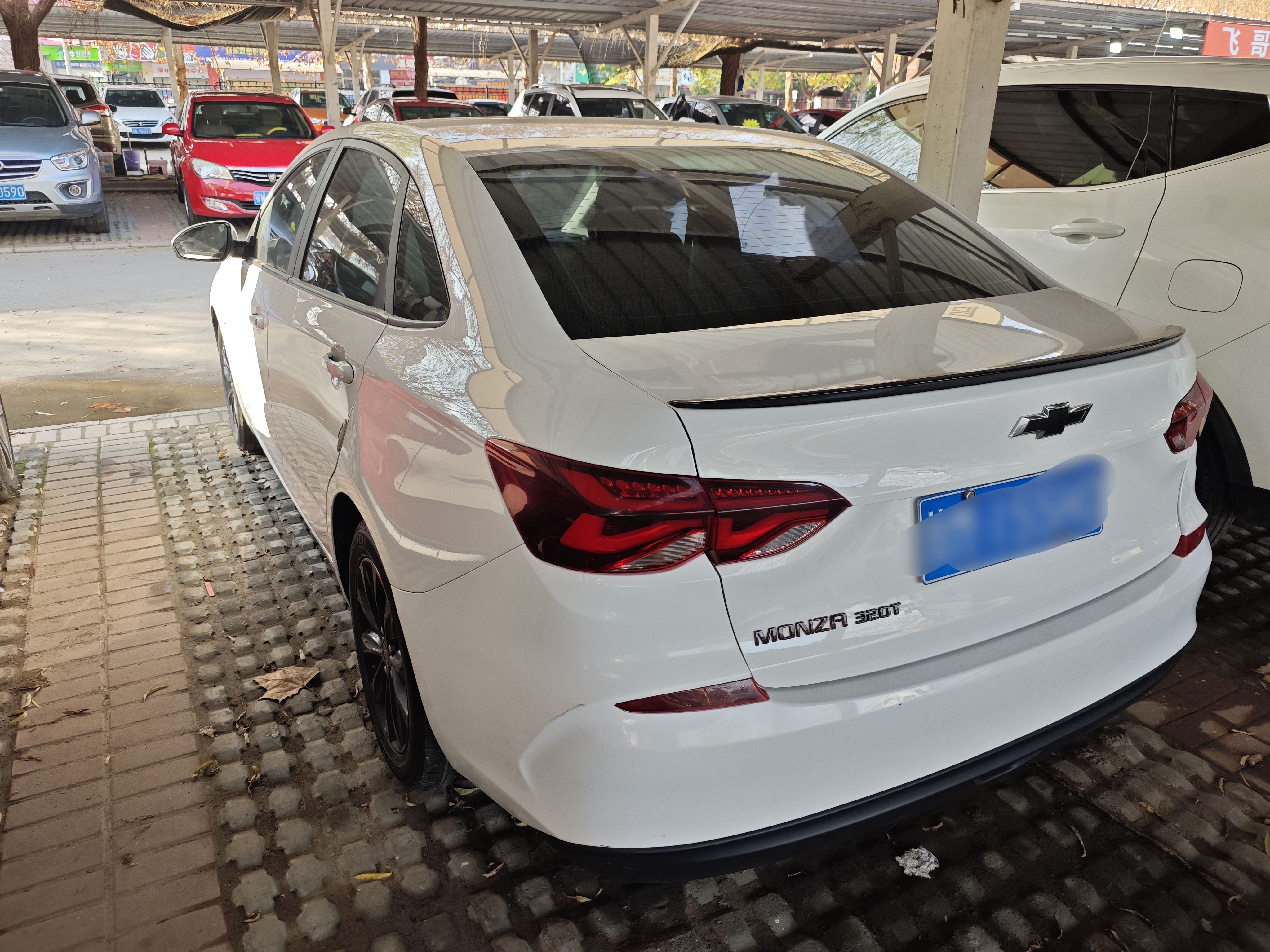
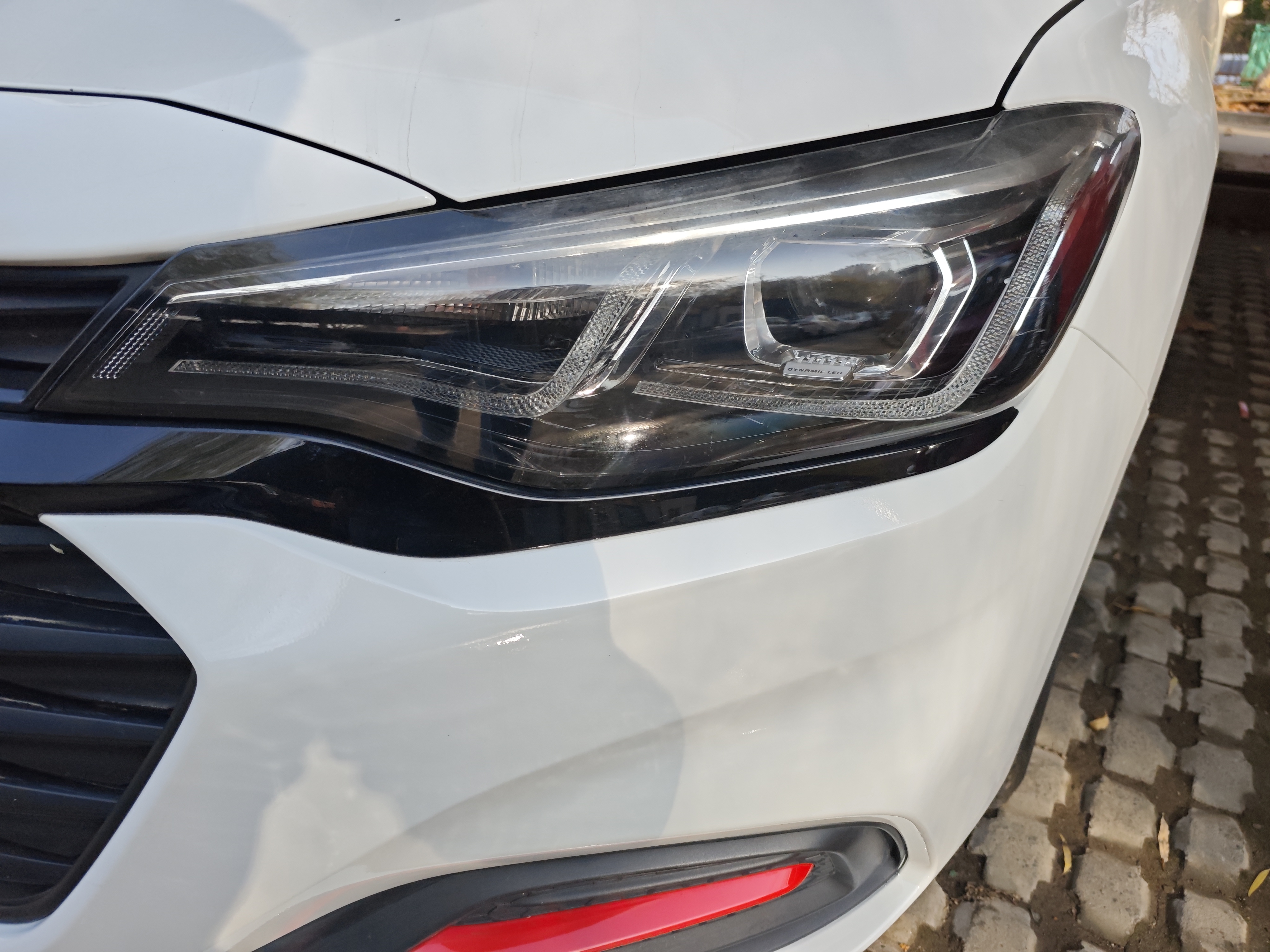



Basic Information

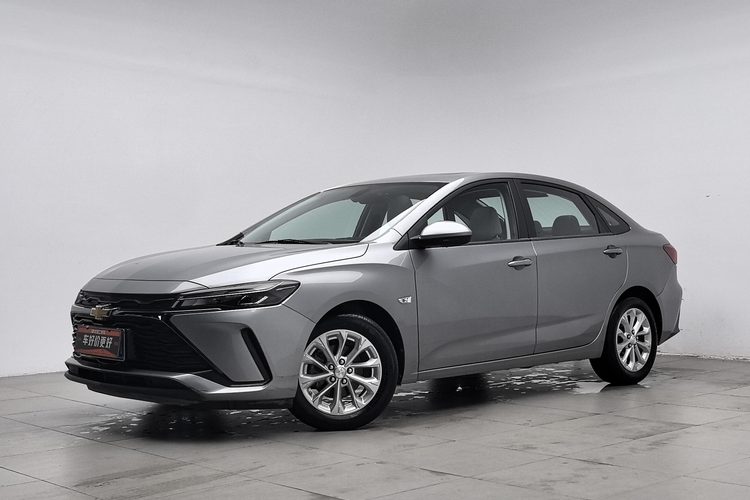
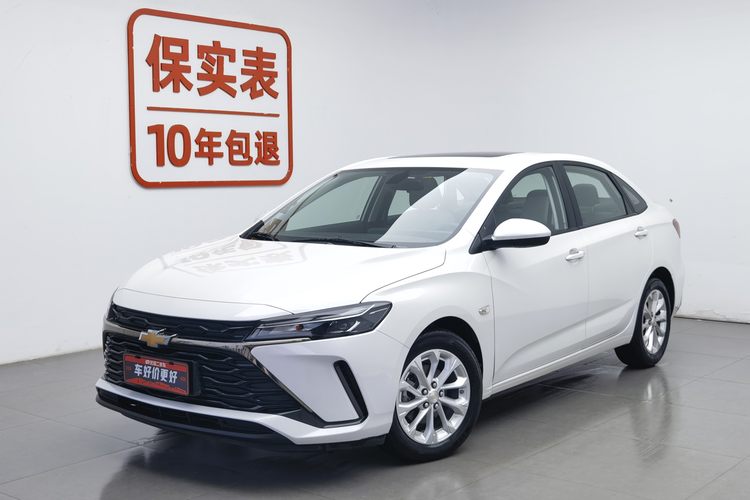
BrandChevrolet
SeriesMonza
Year2019
First Registration2019/08
Mileage5km
Transfer Count-
FuelGasoline
TransmissionDCT
Engine1.0T 125 L3
ColorWhite
Seats-

Configuration Highlights

✓Driver/Passenger Airbags
✓Front/Rear Side Airbags
✓Tire Pressure Monitoring
✓ISOFIX Child Seat Anchors
✓ABS Anti-lock Braking
✓Electronic Brake Distribution
✓Electronic Stability Control
✓Hill Start Assist
✓Multifunction Steering Wheel
✓Seat Material
✓GPS Navigation
✓Low Beam Headlights
✓Daytime Running Lights
✓Auto Headlights
✓Adjustable Headlight Height
✓Power Windows
✓UV/Heat Insulating Glass
✓Climate Control Type
✓Rear Air Vents
✓Start-Stop System

Q&A

More

When calculating the total cost of a used car, what percentage of the car price do you recommend setting aside for "unforeseen local preparation costs"?

Based on practical risk assessment, we strongly recommend setting aside 3% to 5% of the car price as a buffer fund for even the highest-rated used cars, to cover oil changes, new tires, minor shipping scratches, and local inspection labor costs.
Will the type of refrigerant in the vehicle (such as R134a or R1234yf) be indicated on the export documents for environmental customs clearance?

Europe and some developed countries have very strict regulations on greenhouse gases. If required by customs, we will specify the exact refrigerant type and charge amount according to the vehicle's air conditioning compressor nameplate in the remarks section of the packing list and commercial invoice.

When B2B buyers make bulk purchases, can they request to combine the accessory costs and vehicle price on the same commercial invoice to reduce overall tariffs?

No, this is a serious customs violation. Complete vehicles (HS Code 8703) and auto parts (HS Code 8708, etc.) are subject to completely different import tax rates. Combining them on one invoice could lead to the invoice being returned by customs and may expose you to tax fraud accusations at the destination port.