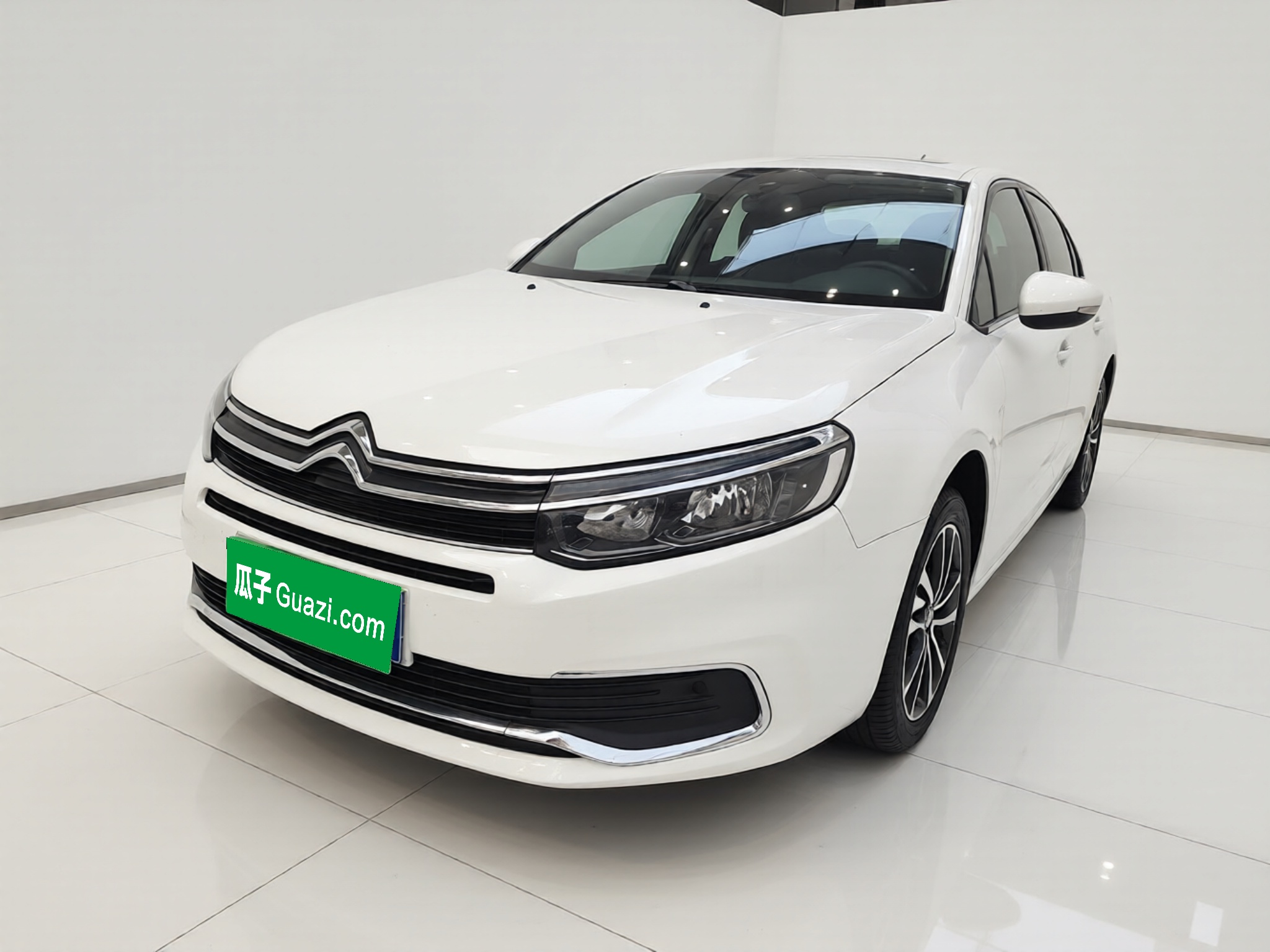
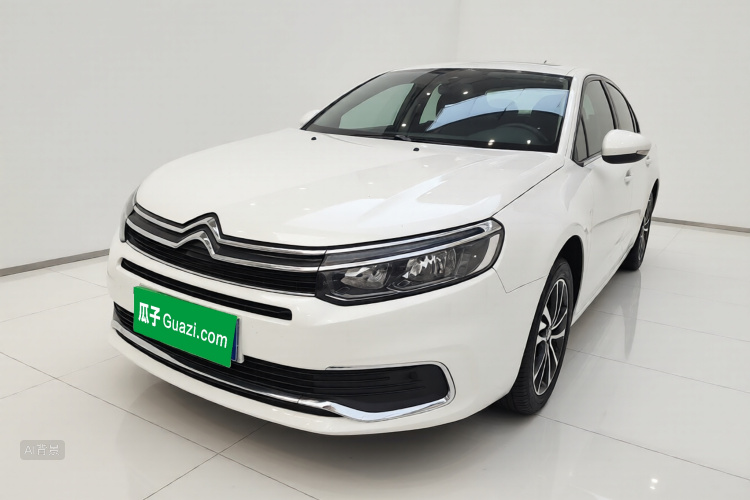
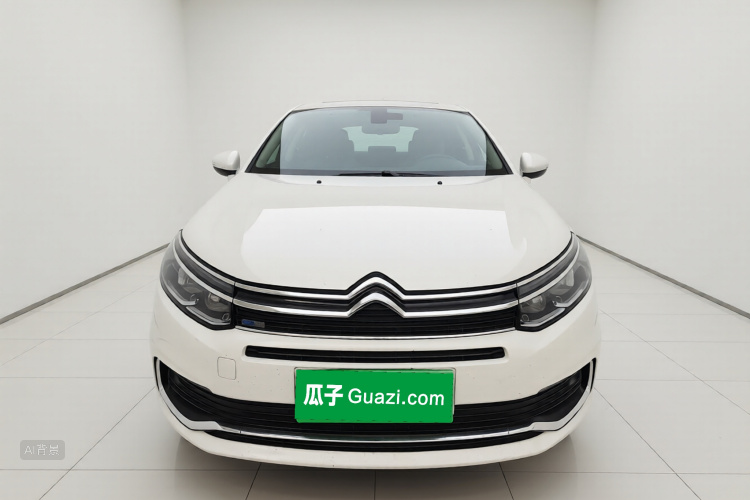
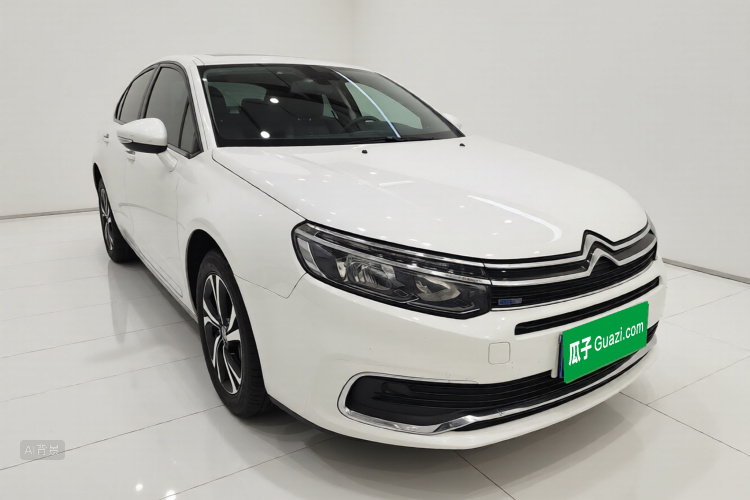




Basic Information

BrandCitroen
SeriesC5
Year2017
First Registration2017/07
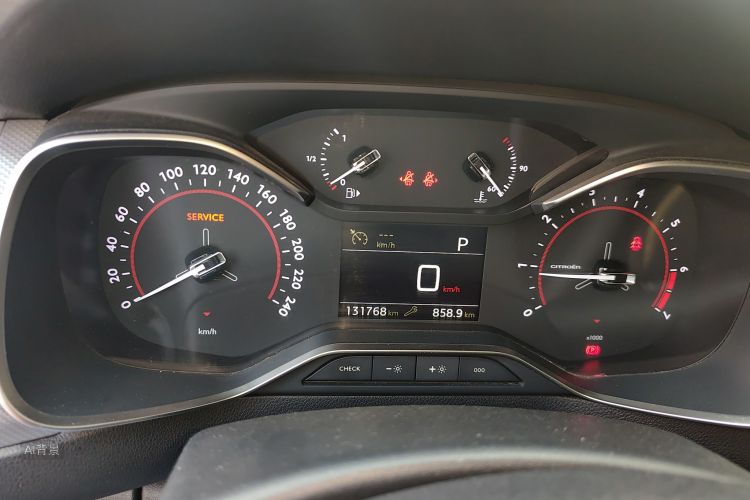
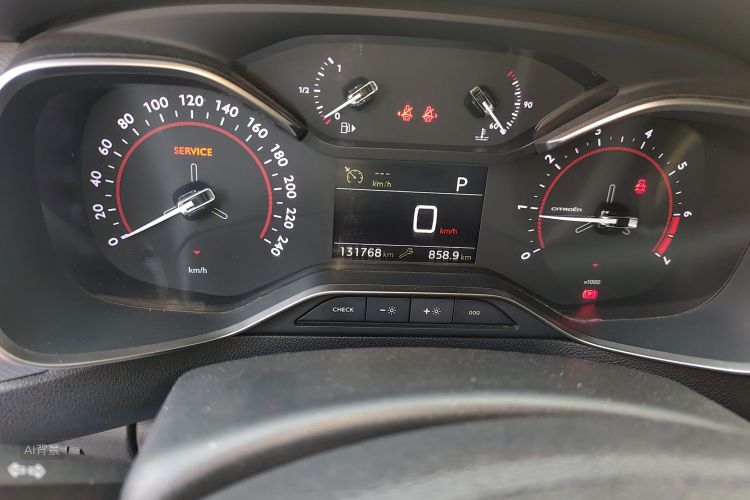
Mileage131,700km
Transfer Count-
FuelGasoline
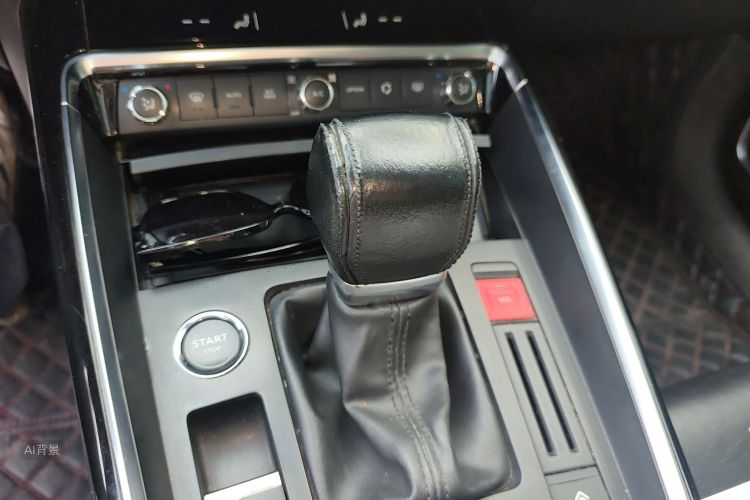
TransmissionManumatic
Engine1.8T 204 L4
ColorWhite
Seats5seats

Condition Description

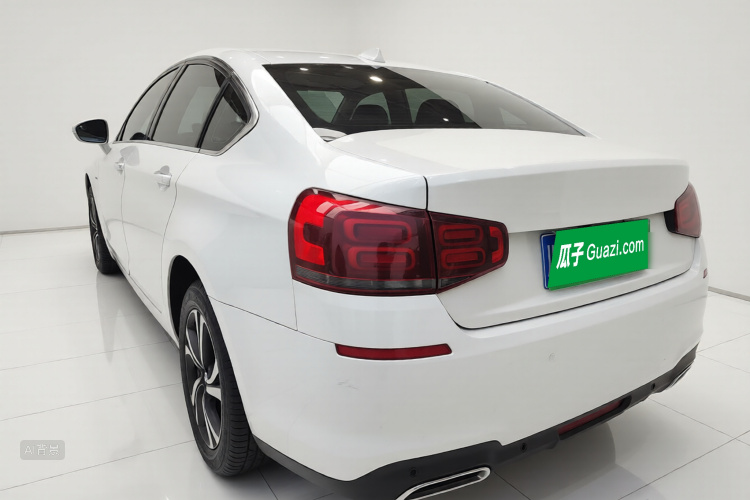
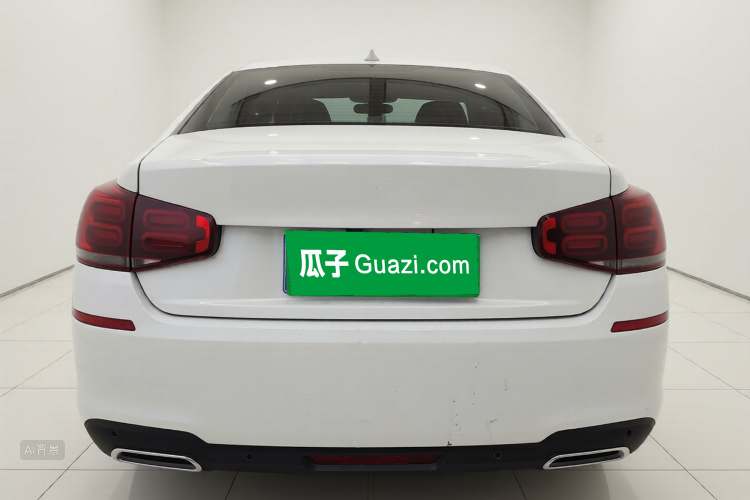
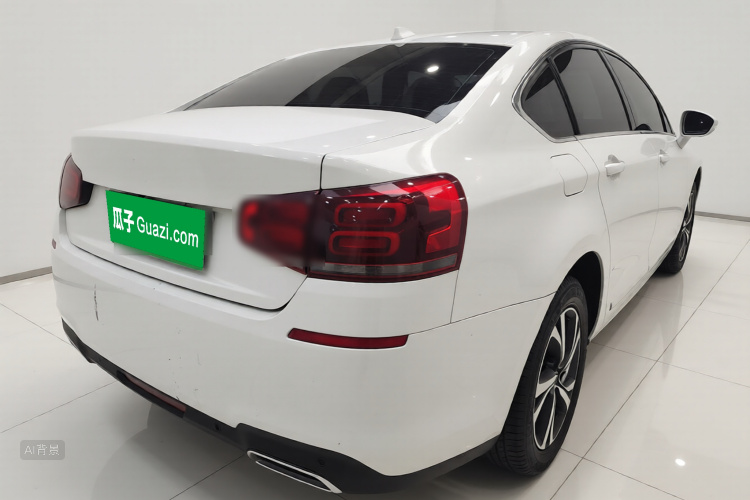
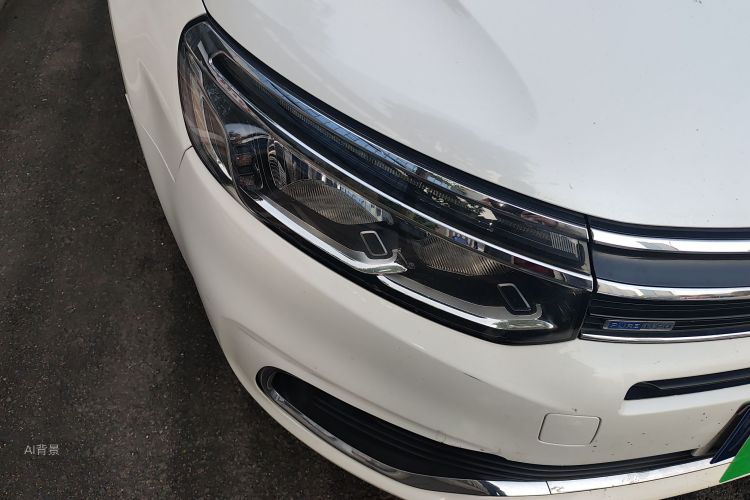
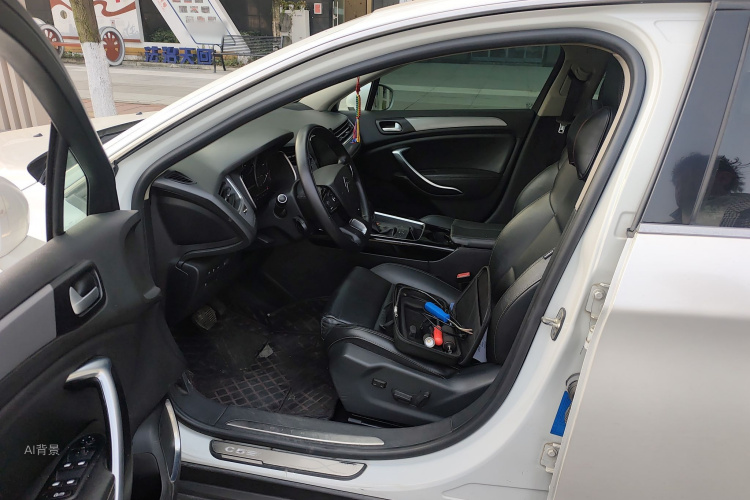
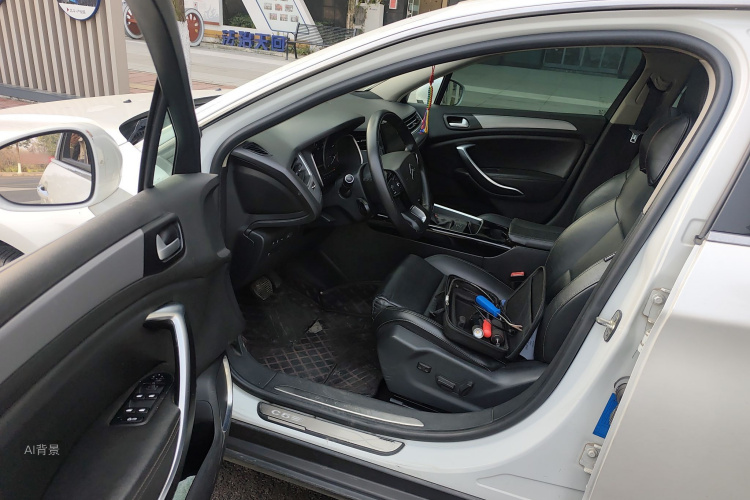
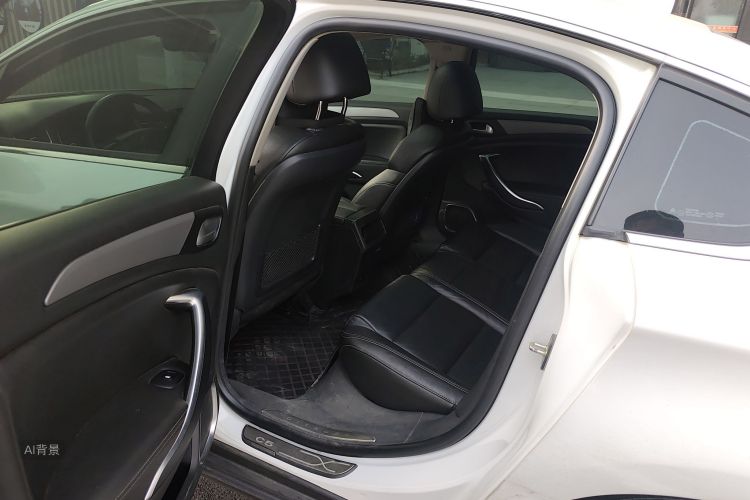
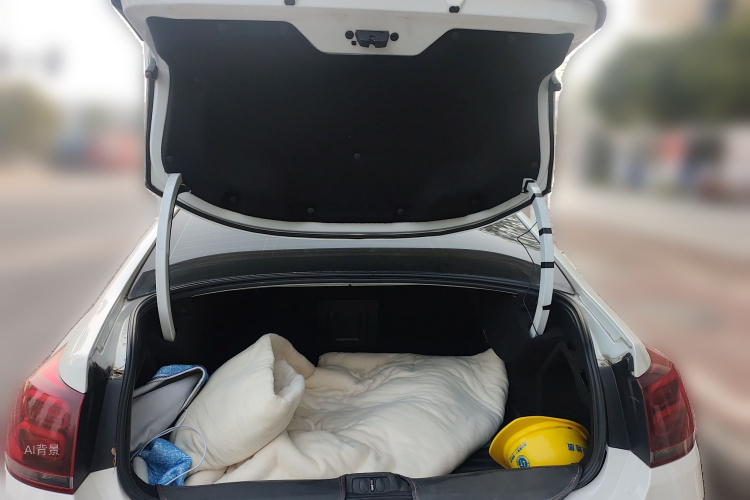
Vehicle condition meets standards; inspection passed; vehicle condition meets standards; 2 claims filed; 0 ownership transfers.

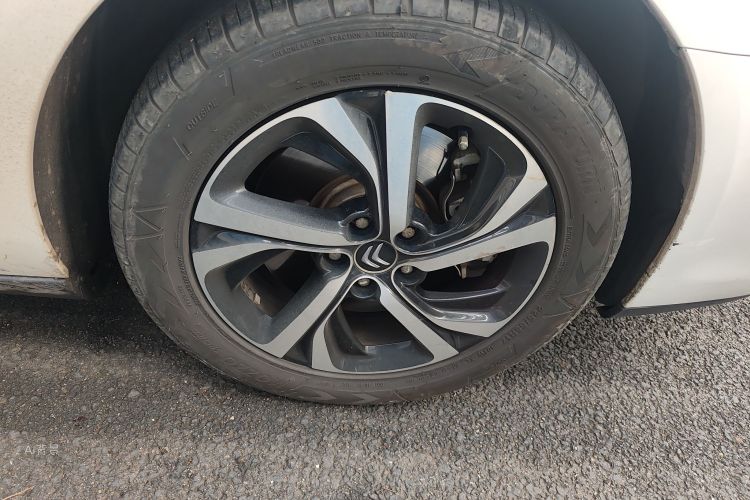
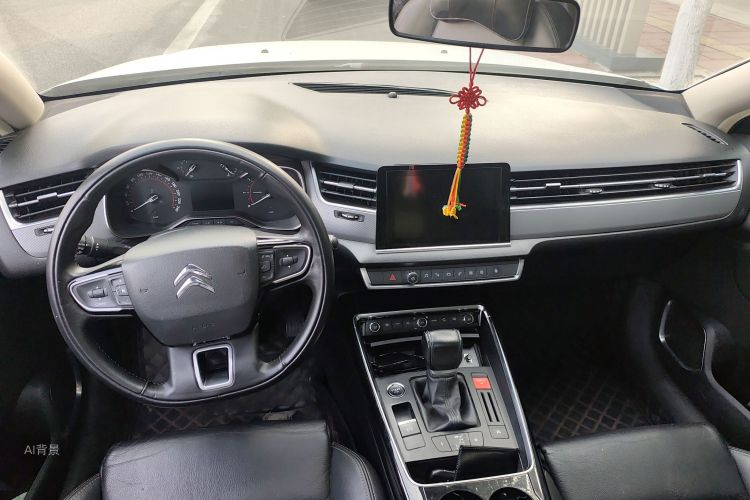
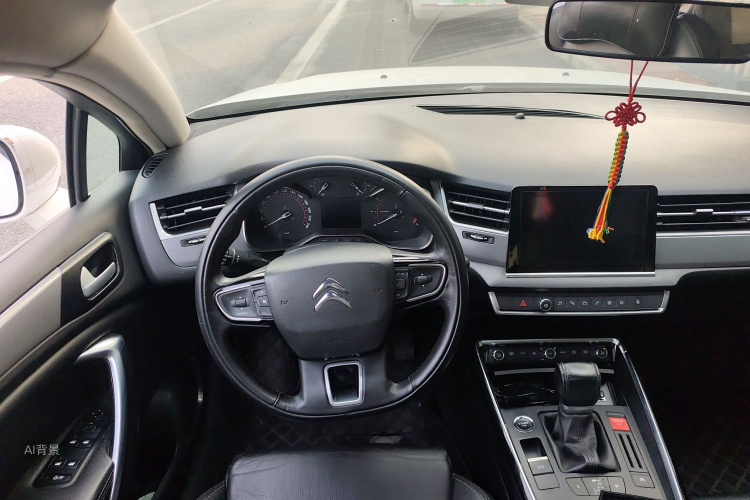
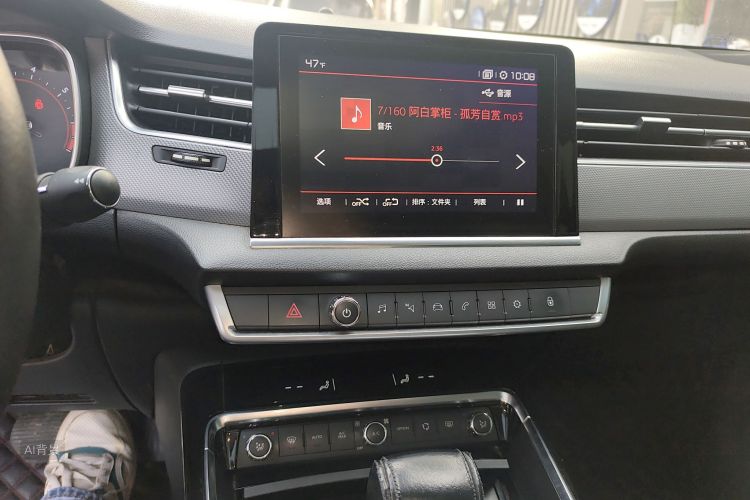
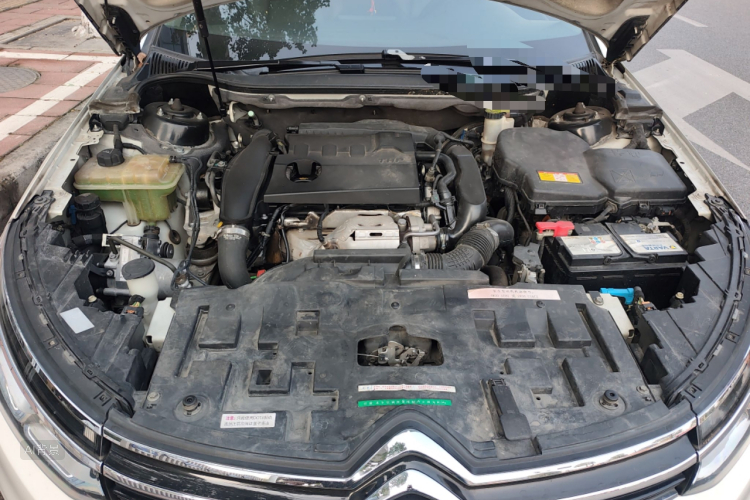
This car is 9 years old, with an average annual mileage of 14,600 kilometers, typical of normal family daily use. It has never been transferred to another owner, making it a good first-hand car. The exterior may have some obvious signs of wear and tear. The interior shows obvious signs of use or dirt. The overall body frame is intact, but there are a few abnormal issues. The powertrain is functioning normally.

Configuration Highlights

✓Smartphone Connectivity
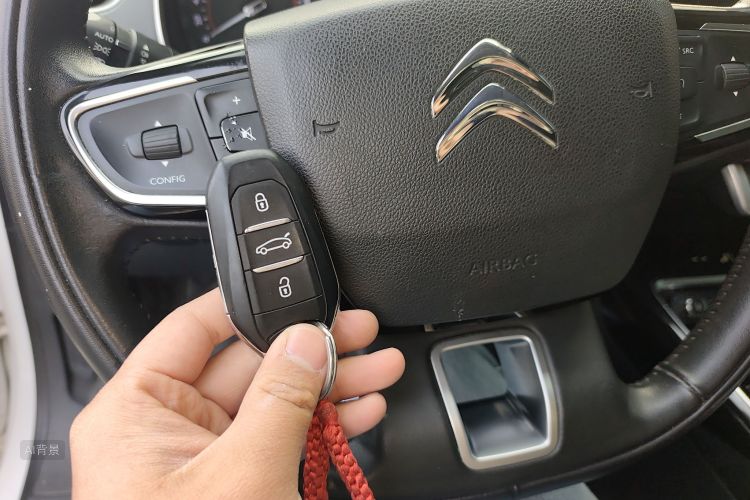
✓Keyless Entry
✓Rain-sensing Wipers
✓Backup Camera
✓Engine Start-Stop
✓Power Seats
✓Auto Headlights
✓Cruise Control
✓Keyless Start
✓Rear Air Vents
✓Tire Pressure Monitoring
✓Heated Mirrors
✓Hill Start Assist
✓Rear Parking Sensors
✓Anti-pinch Windows

Q&A

More

How do I verify the real battery health and range of a used Chinese EV before buying from overseas?

Battery health is the single biggest risk when buying a used Chinese EV remotely. Ask for a battery report showing state of health (SOH) and cell voltage balance from the car's BMS or a diagnostic scan — anything below 85% SOH deserves a price reduction or a pass. Check fast-charge counts and whether the pack has warranty remaining; many Chinese EVs carry 8-year/150,000 km battery warranties that may or may not transfer. Verify real-world range from energy consumption history rather than the dashboard estimate. Also confirm the on-board charger works with your country's voltage, and ask whether the connected app and OTA updates will remain accessible in your region before you pay.

How are import duties on used cars from China calculated, and which HS code applies?

Used cars are classified under HS heading 8703 (motor vehicles for transport of persons), with the last four digits determined by engine type and size. Gasoline cars usually fall in 8703.21–8703.80 depending on displacement; pure EVs fall under 8703.80; hybrids have their own subheadings. The duty amount depends on your country's tariff schedule: 1. Most countries charge duty on the CIF value (car price + freight + insurance), not the FOB price. 2. Many developing markets levy higher duties on used vehicles than new ones, and some add a surcharge based on age — older cars can cost significantly more to clear. 3. After duty, you typically pay VAT/GST on the CIF + duty total, plus port and customs fees. Practical tips: ask your exporter to state the exact HS code on the commercial invoice and confirm it with a local customs broker before shipping. A wrong code can trigger reclassification, penalties, or delays. Also budget for any excise tax tied to engine capacity — in several markets a 2.5L car clears far cheaper than a 3.5L one.

Can the buyer track the GPS location of the vehicle during domestic towing transport to the port?

Internal logistics scheduling uses GPS, but direct access accounts are not open to the public. We implement a "node reporting system": our customer service will proactively send you on-site photos with watermarks at three key points: when the vehicle is loaded onto the trailer, when it arrives at the port for storage, and when customs clearance is completed.

Citroen C5 1.8T 204 L4

雪铁龙C5 2017款 380THP 自动豪华型

EXW: $7,924
Car CodeSWA1616611
Publish Date