






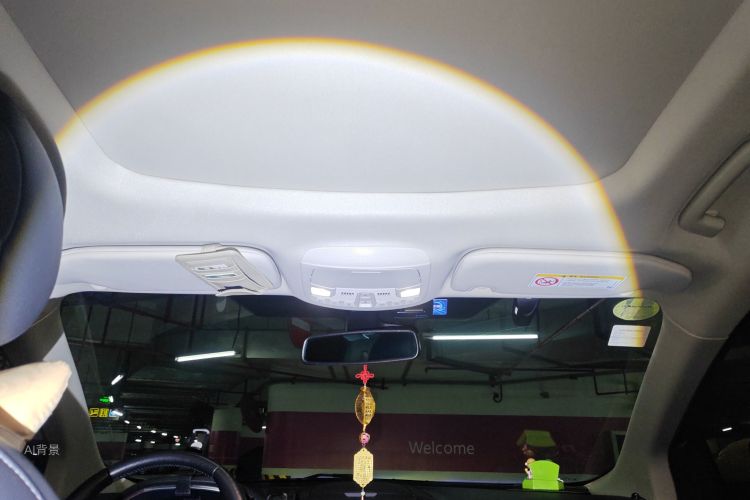
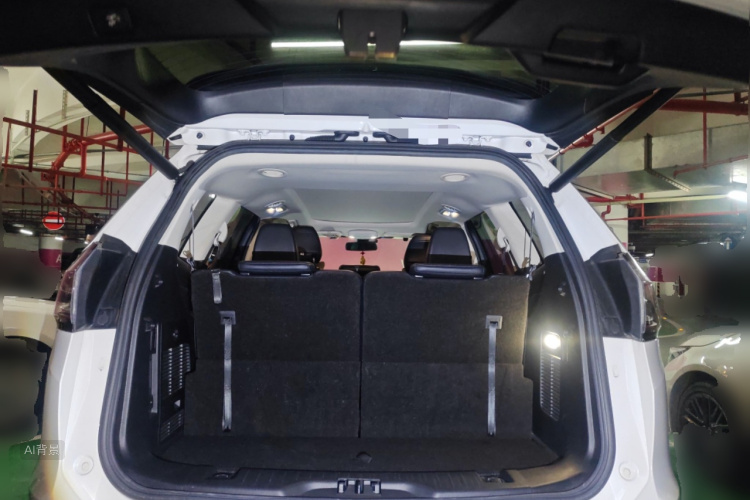
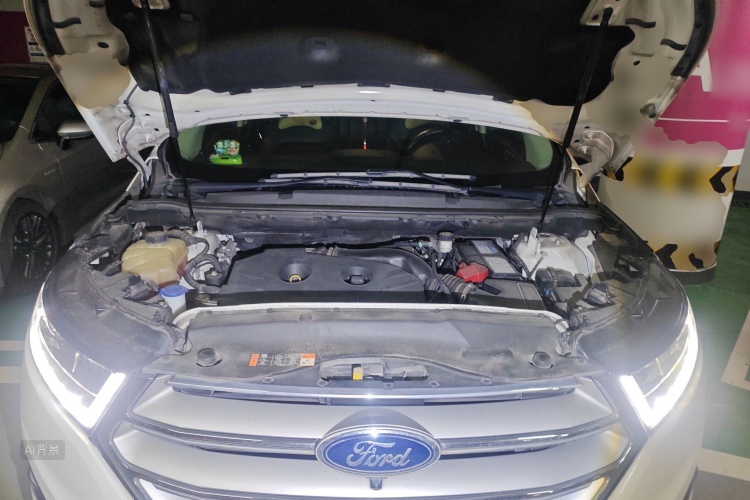



Basic Information

BrandFord
SeriesEdge
Year2018
First Registration2018/07
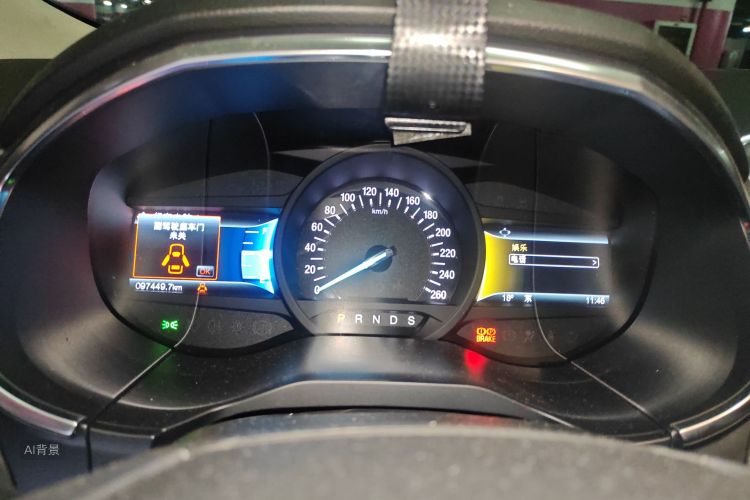
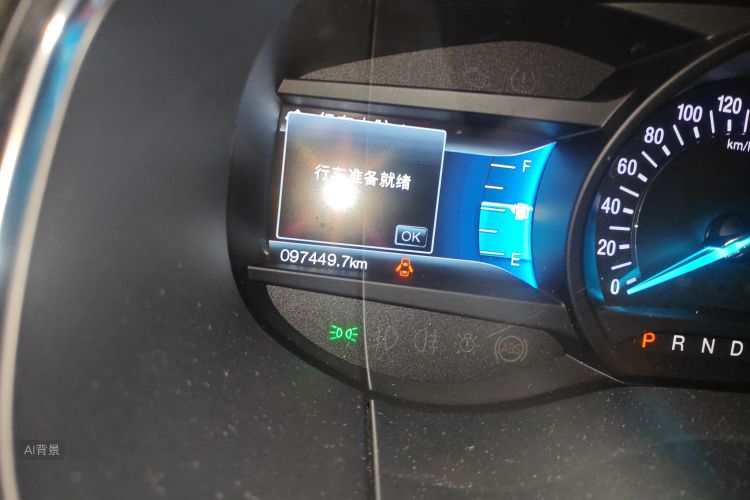
Mileage97,400km
Transfer Count-
FuelGasoline
TransmissionManumatic
Engine2.0T 245 L4
ColorWhite
Seats-

Condition Description

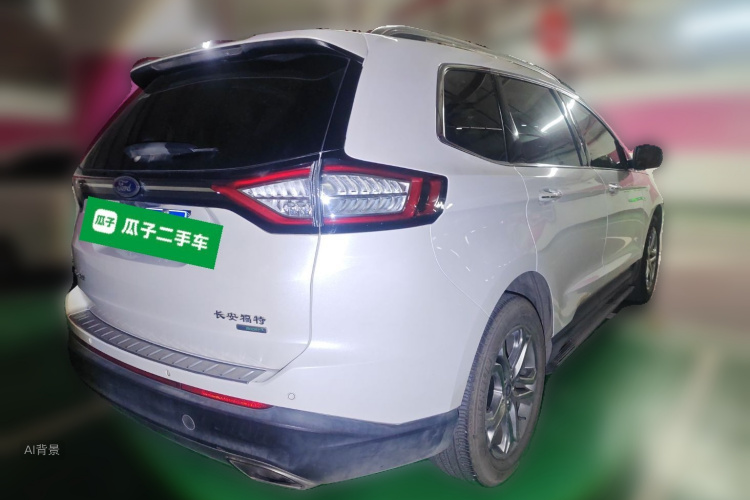
Vehicle in good condition, passed inspection, excellent condition, 1 claim filed, 0 ownership transfers.

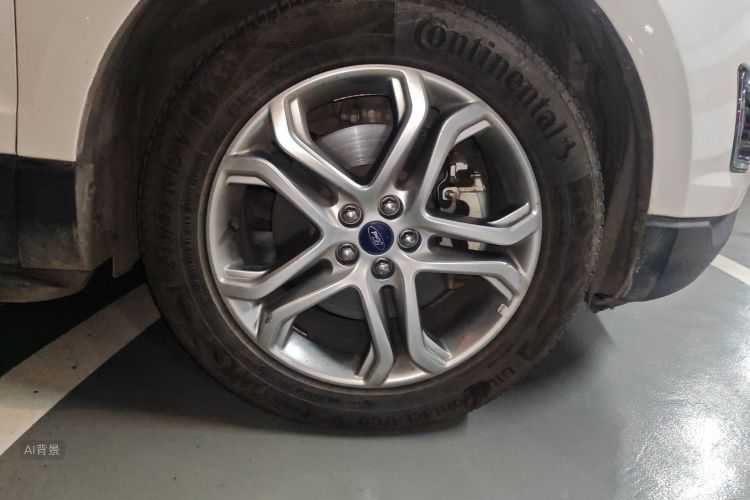
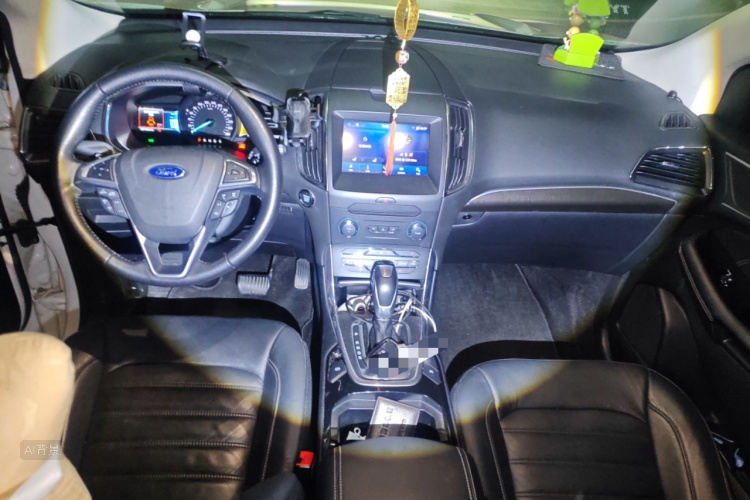
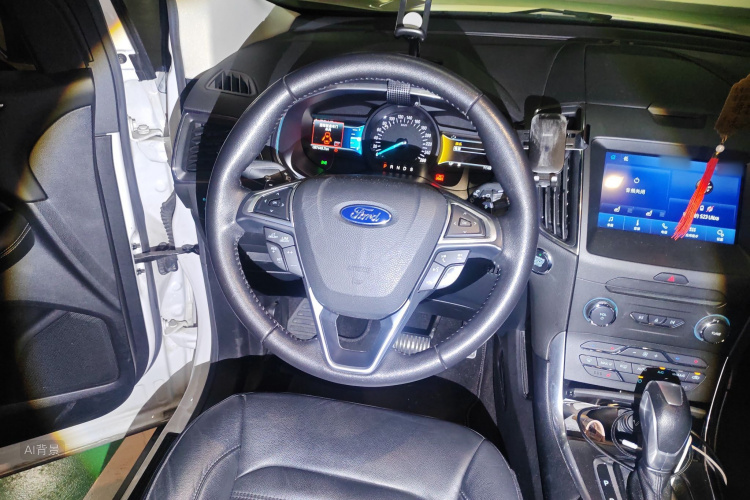
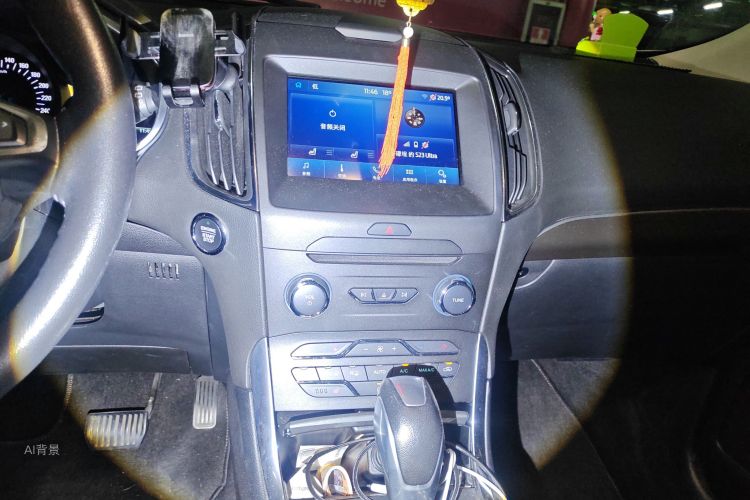
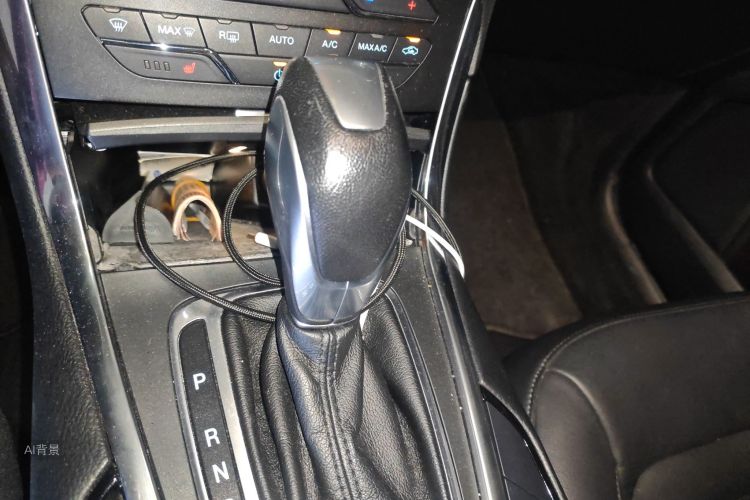
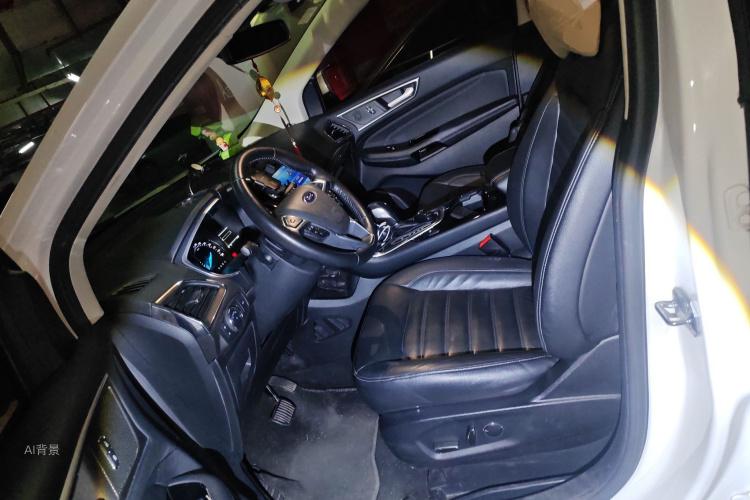
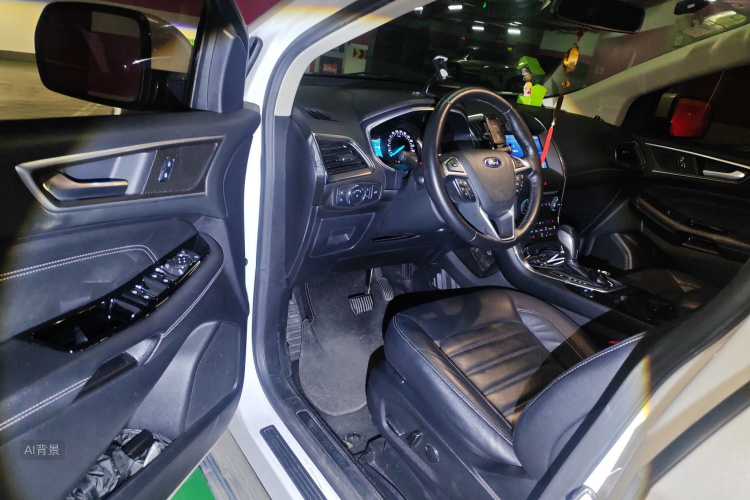
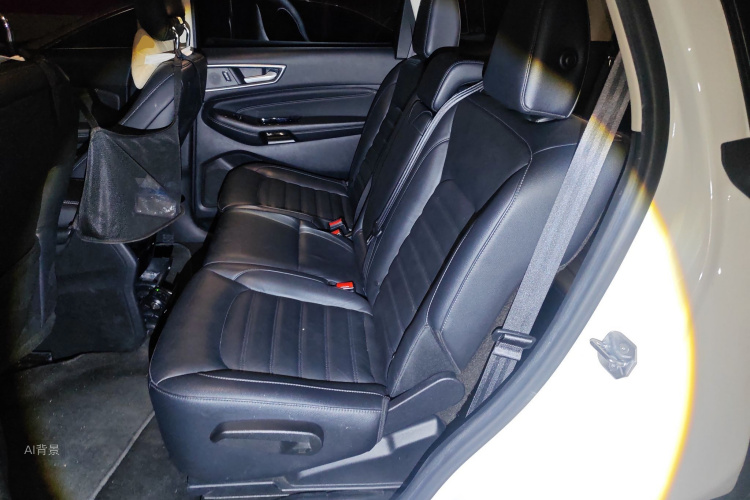
This car is 8 years old, with an average annual mileage of 12,200 kilometers, typical of normal family daily use. It has never been transferred to another owner, making it a good first-hand car. The exterior paint is in good condition, although there may be a few minor marks. The interior is in good condition, with normal signs of use. The overall body frame is intact, but there are a few minor abnormalities. Fluids are normal, and the powertrain is functioning well.

Configuration Highlights

✓Panoramic Sunroof
✓Rear Independent Climate Control
✓Power Trunk
✓Cornering Lights
✓Knee Airbags
✓Ambient Lighting
✓Paddle Shifters
✓Smartphone Connectivity
✓High Beam Assist
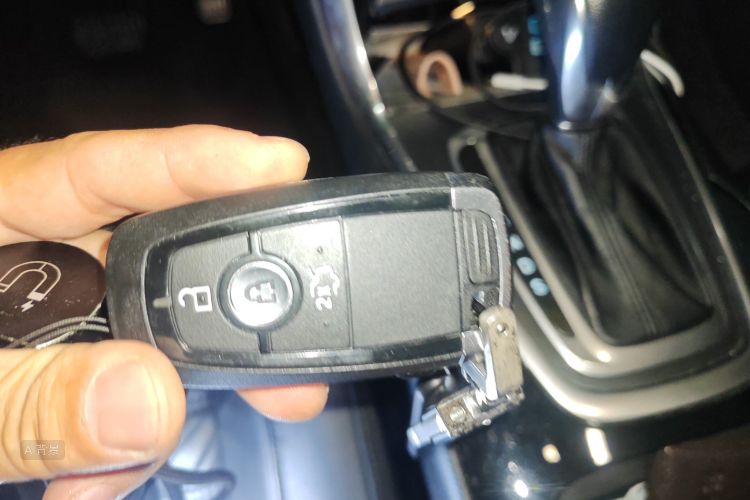
✓Keyless Entry
✓Rain-sensing Wipers
✓Backup Camera
✓High-definition Low Beam
✓Power Folding Mirrors
✓Engine Start-Stop
✓Power Seats
✓Auto Headlights
✓Cruise Control
✓Keyless Start
✓Rear Air Vents
✓Tire Pressure Monitoring
✓Heated Mirrors
✓Hill Start Assist
✓Rear Parking Sensors
✓Anti-pinch Windows

Q&A

More

What insurance should I arrange when shipping a used car from China, and what do Incoterms like FOB and CIF mean for me?

Two separate protections matter: cargo insurance and contractual risk transfer. Cargo insurance: for container or RoRo shipments, buy marine cargo insurance covering total loss and damage, typically 110% of the CIF value (average cost 0.3%–0.8%). Check exclusions — many policies exclude pre-existing damage, so a pre-shipment inspection report is essential to prove the car's condition at loading. Incoterms define who bears risk and cost at each stage: 1. FOB (Free On Board): exporter pays until the car is loaded on the vessel; risk passes to you at that point. You pay ocean freight and insurance. Common and usually cheapest if you have your own freight forwarder. 2. CIF (Cost, Insurance and Freight): exporter pays freight and minimum insurance to your port. Convenient but the insurance coverage is basic — consider topping it up. 3. EXW (Ex Works): you handle everything from the exporter's yard; only choose this if you have a trusted agent in China. Put the agreed Incoterm and port clearly in the contract, and never release final payment before the Bill of Lading is issued.

Why are some vehicle license plate details obscured or removed in the displayed images?

The original Chinese license plates are obscured to protect the previous owner's personal privacy, and also because the plates have been forcibly reclaimed by Chinese traffic management after the vehicle completed the "transfer pending export" registration. This serves as physical proof that the vehicle has legally and compliantly completed the upgrade.

What is a Certificate of Origin and why do I need one when importing a car from China?

A Certificate of Origin (C/O) is an official document stating where the vehicle was manufactured. Customs authorities use it to decide which tariff rates and trade agreements apply to your import. Why it matters: many countries offer preferential tariffs for certain origins. With a valid C/O, such as the ASEAN-China Form E or a GSP Form A, you may pay reduced or zero duty. Without it, you typically pay the standard, higher rate. The certificate must match the vehicle exactly: VIN, make, model and invoice details. It is usually issued by the China Council for the Promotion of International Trade (CCPIT) or customs authorities. Practical tips: request the C/O before shipment, because adding it later is slow; check that your country's customs accepts the specific C/O format; and confirm with your broker whether your vehicle category qualifies for preferential rates. This single document can save you thousands in duty.

Ford Edge 2.0T 245 L4

福特 锐界 2018款 EcoBoost 245 两驱豪锐型 7座 国V

EXW: $12,333
Car CodeSWA1623727
Publish Date