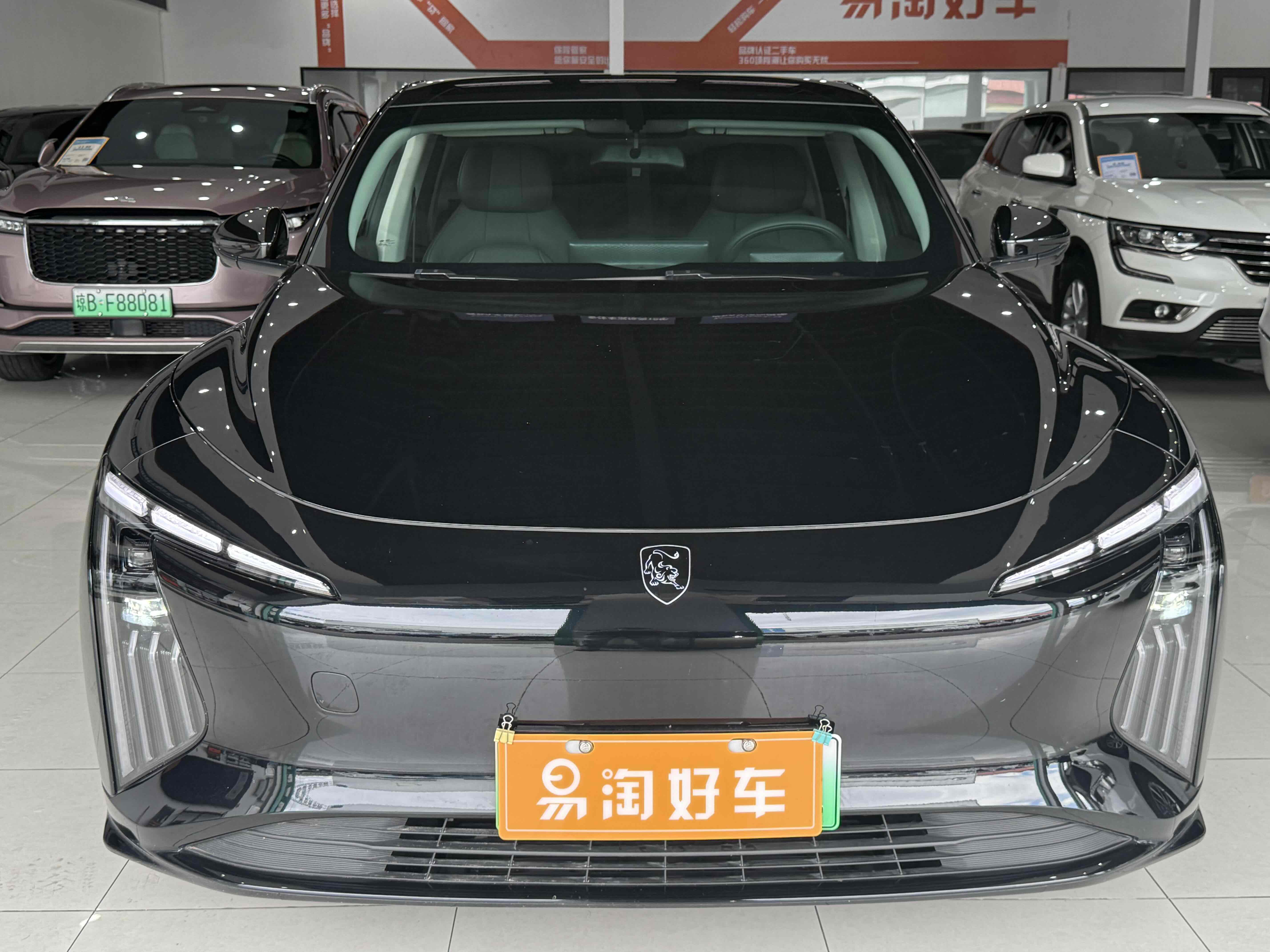
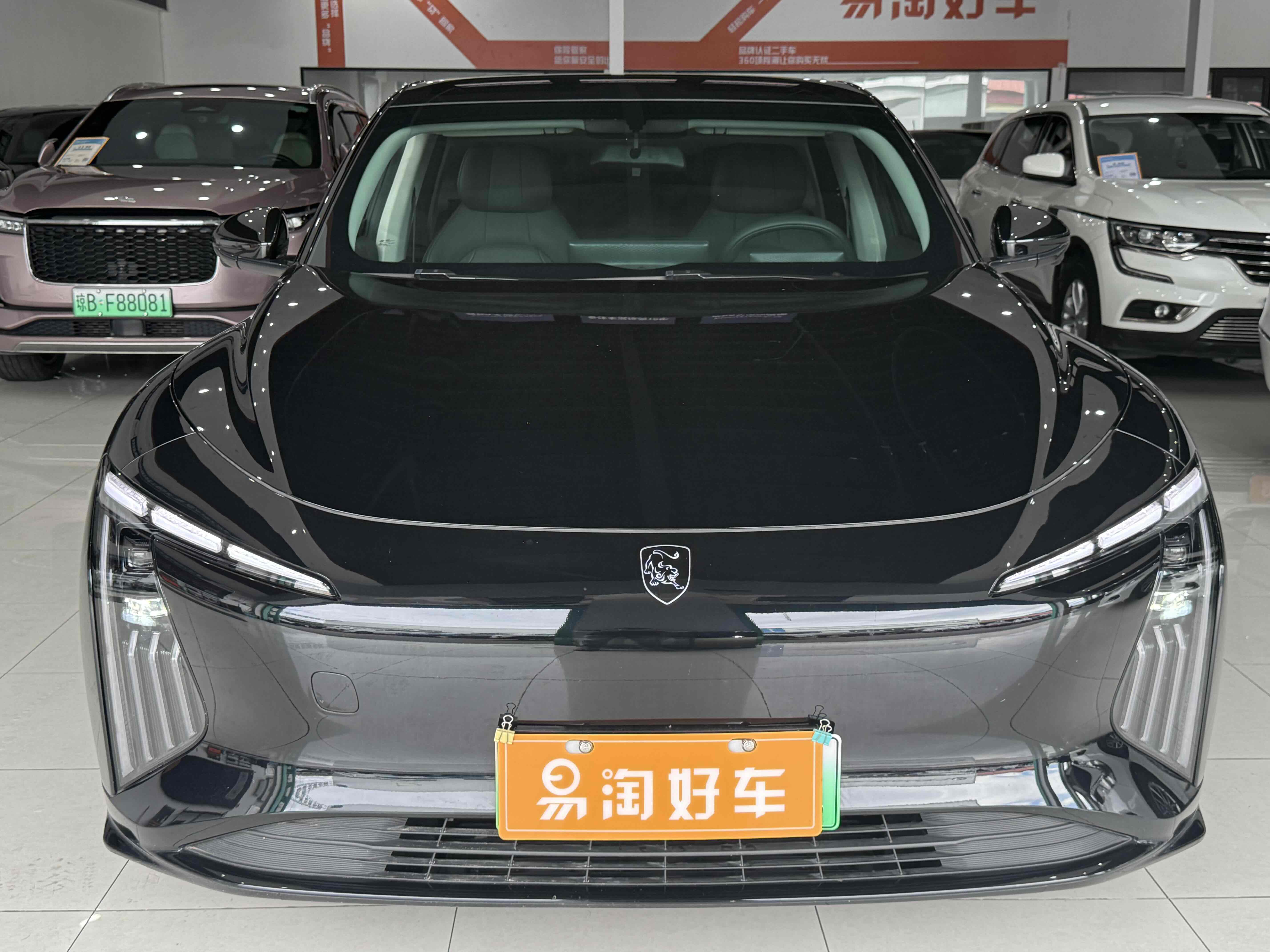
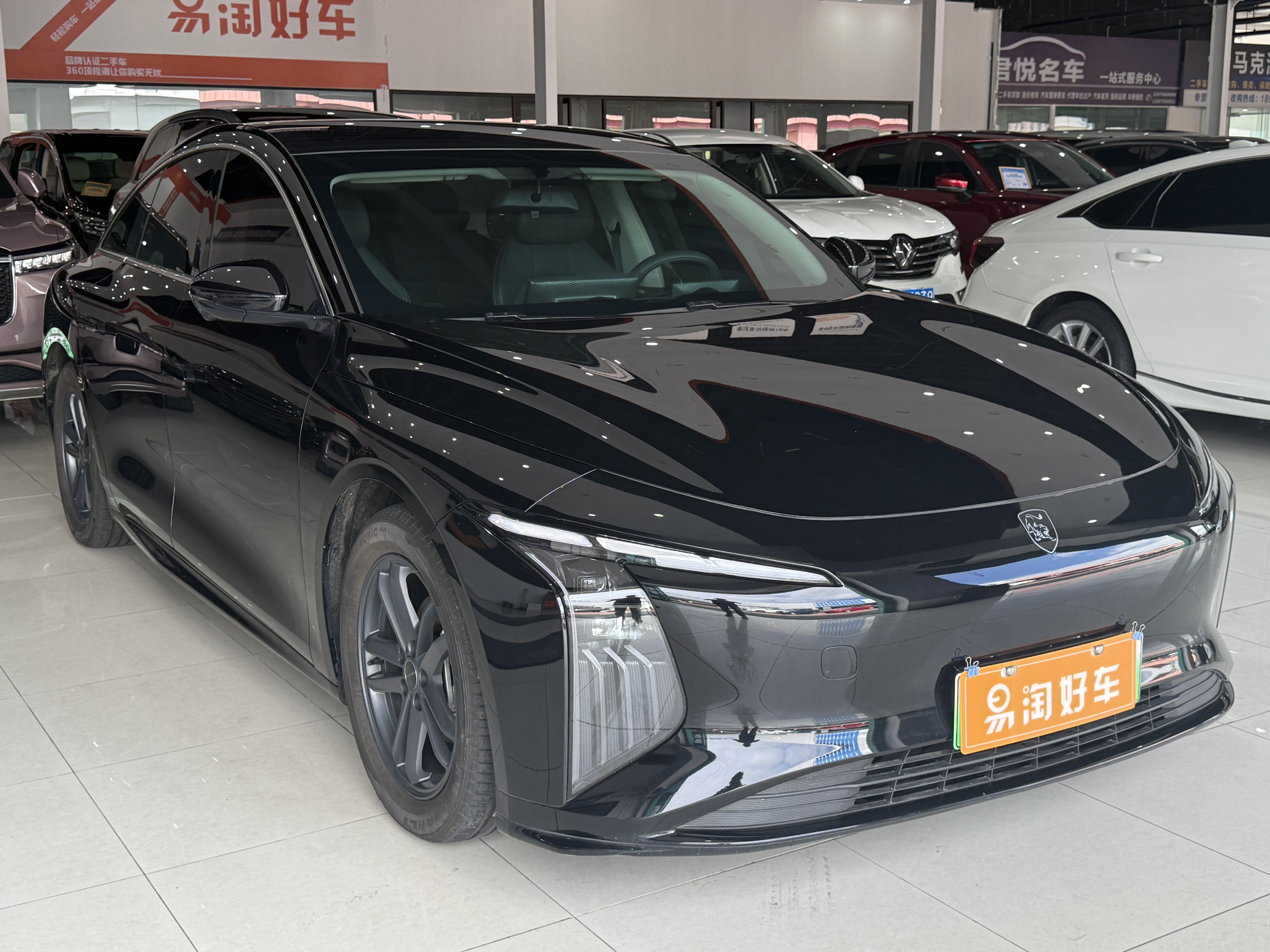
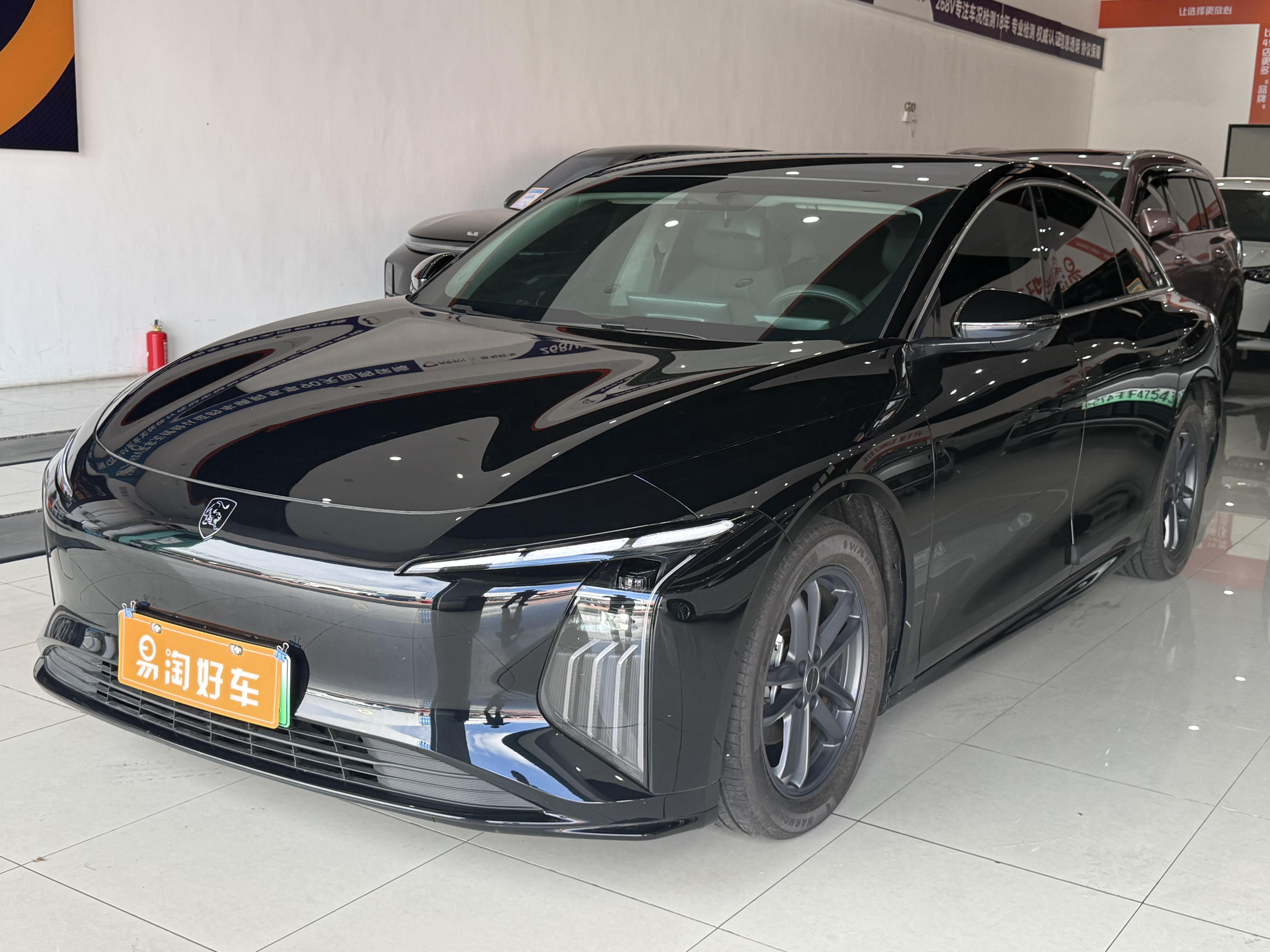
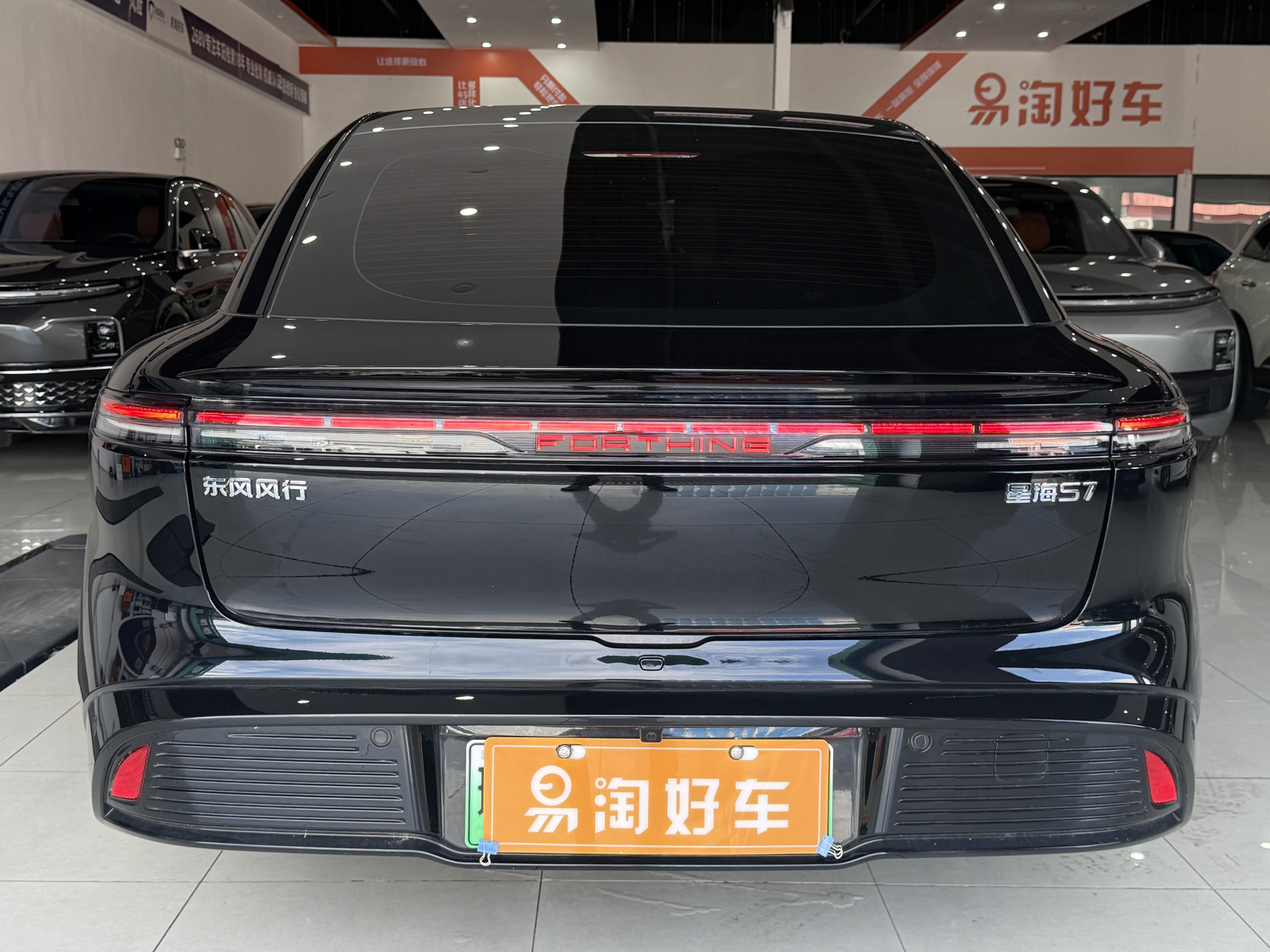
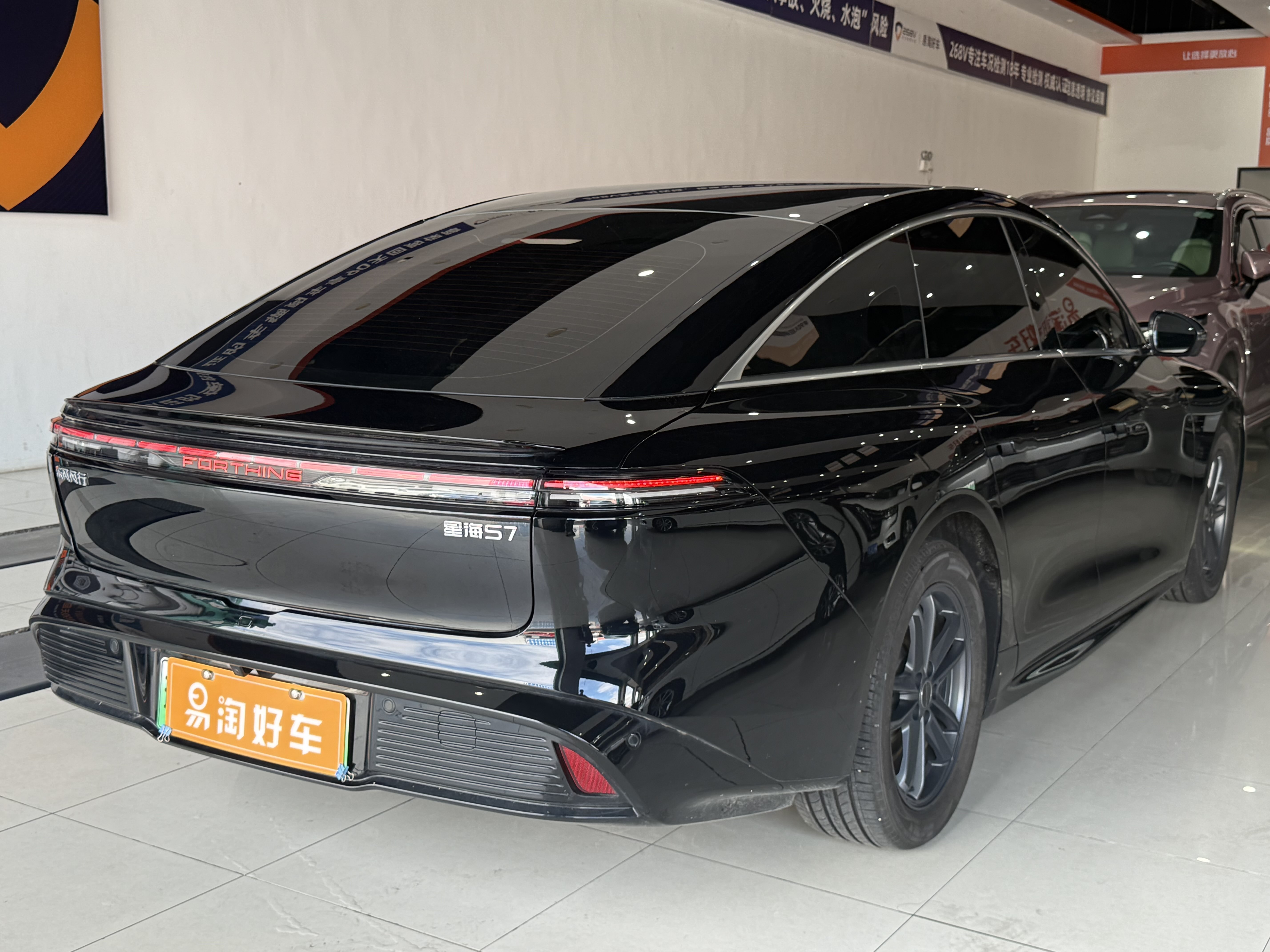
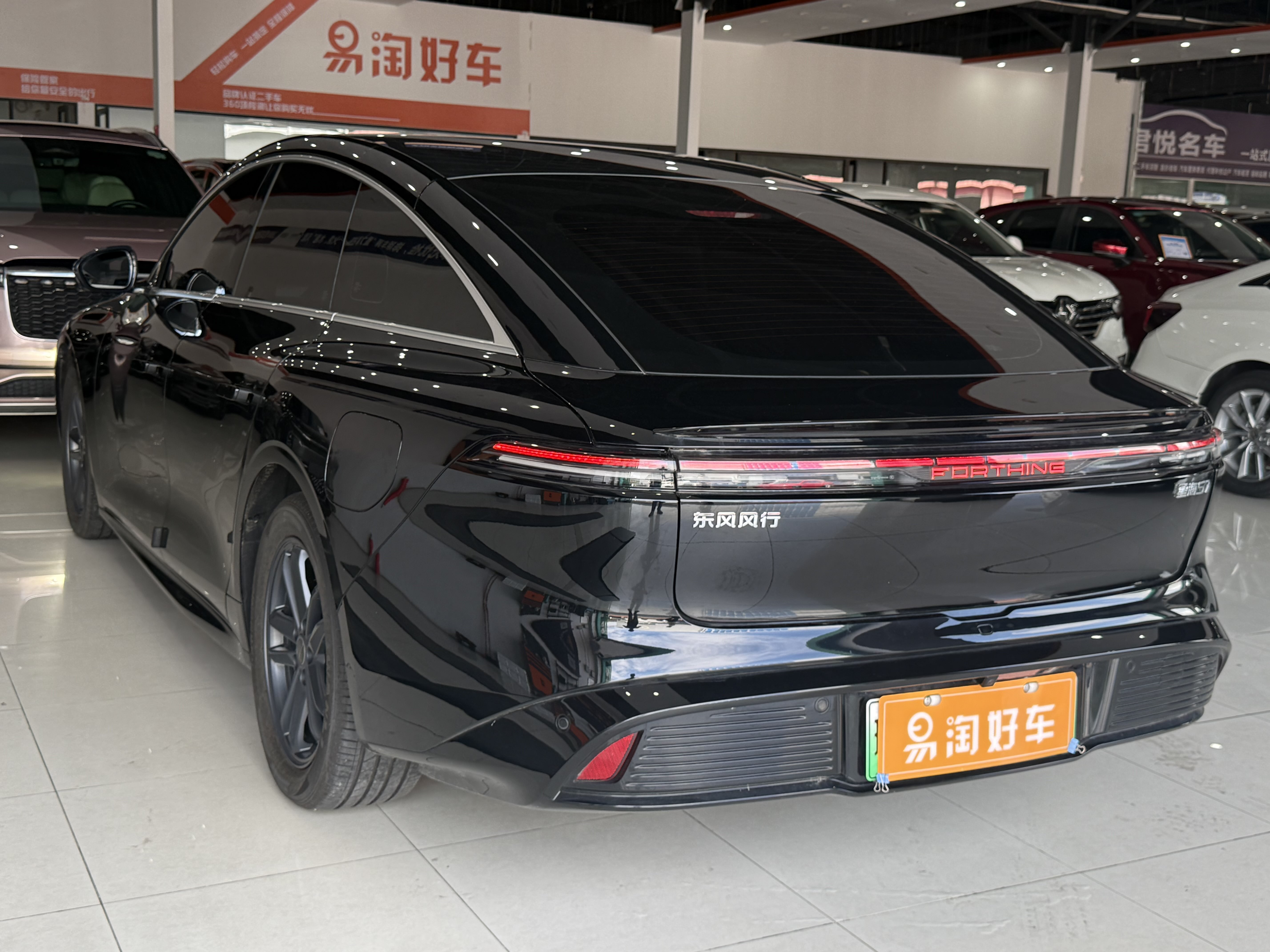
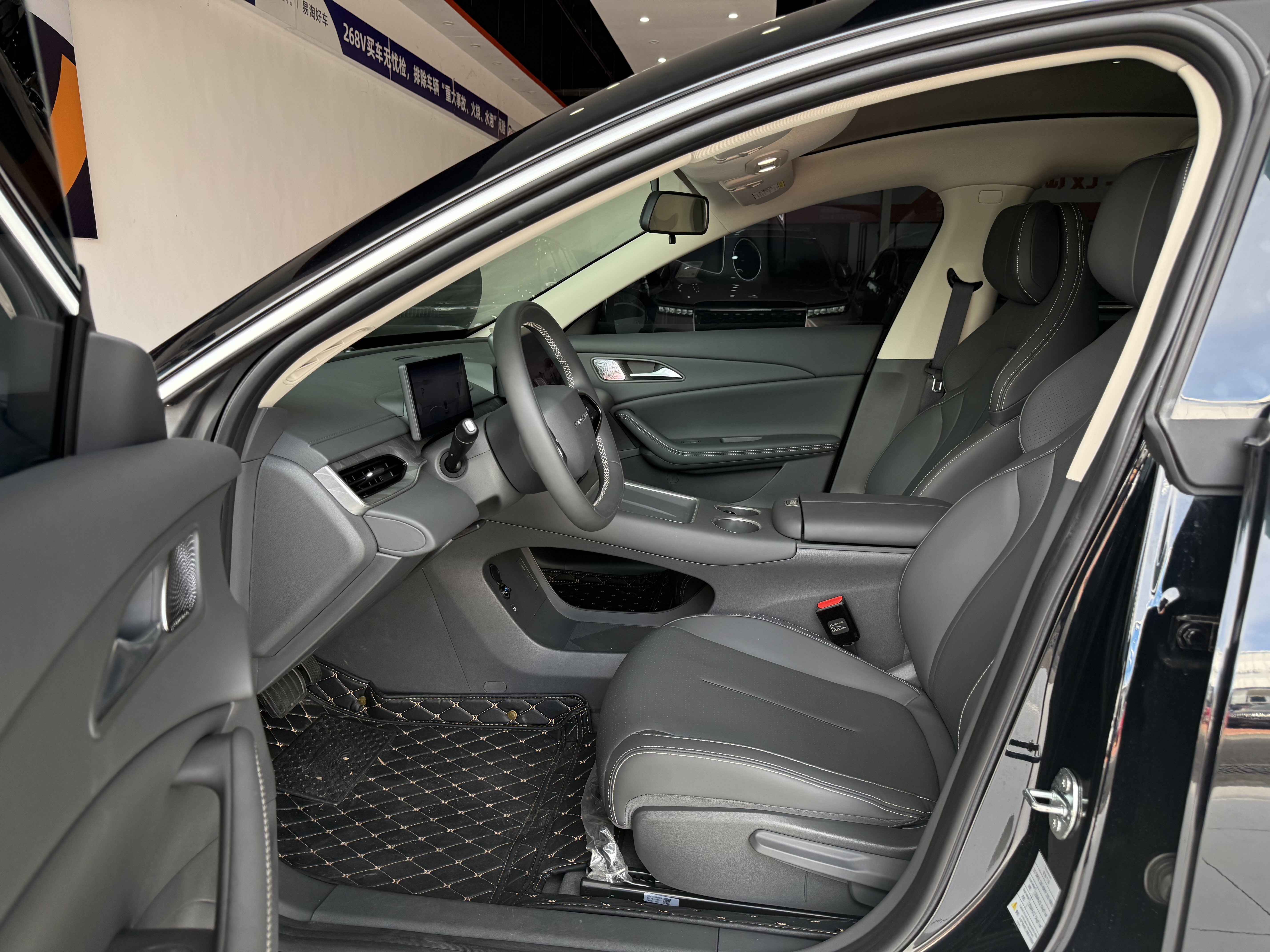
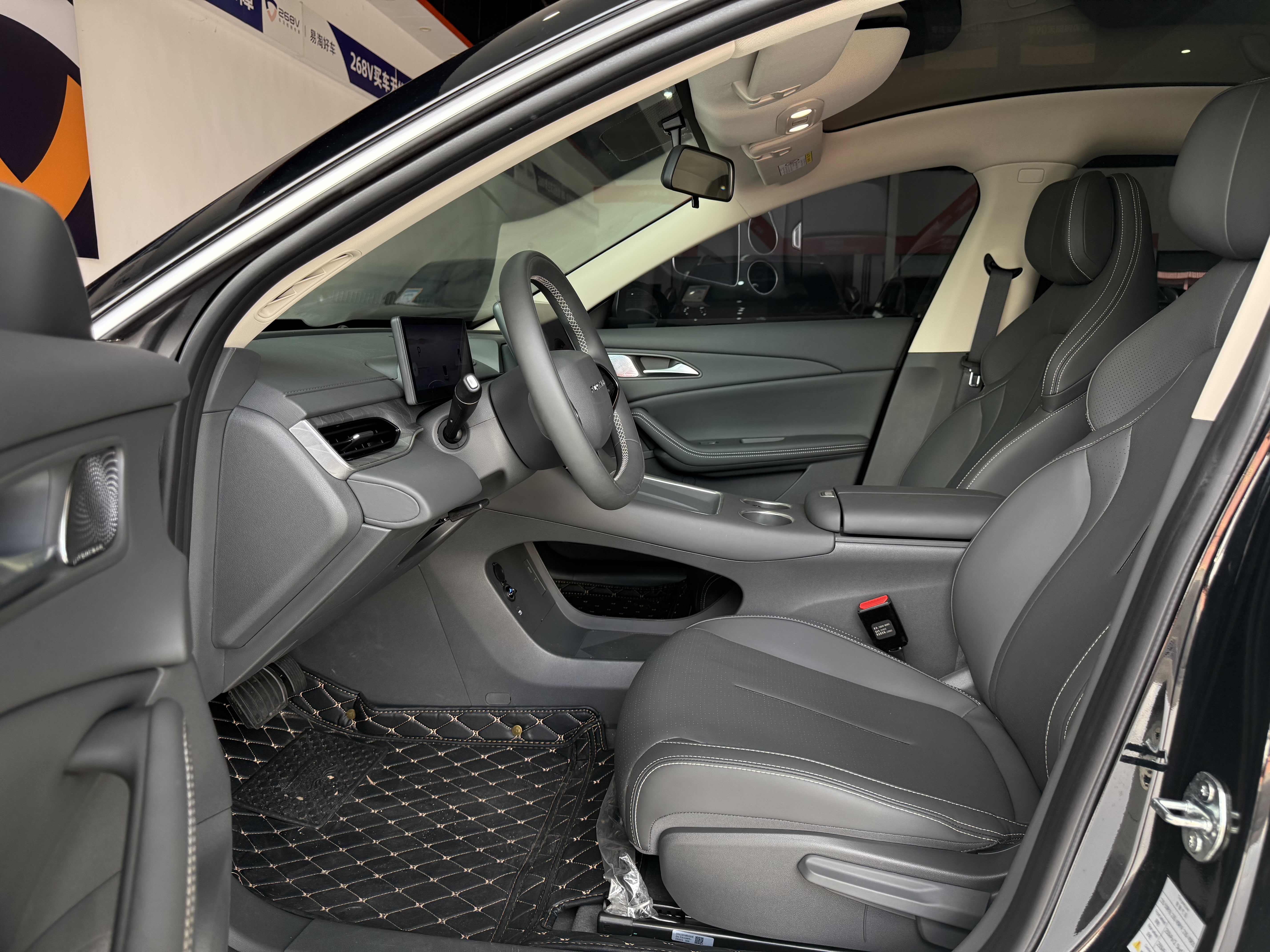
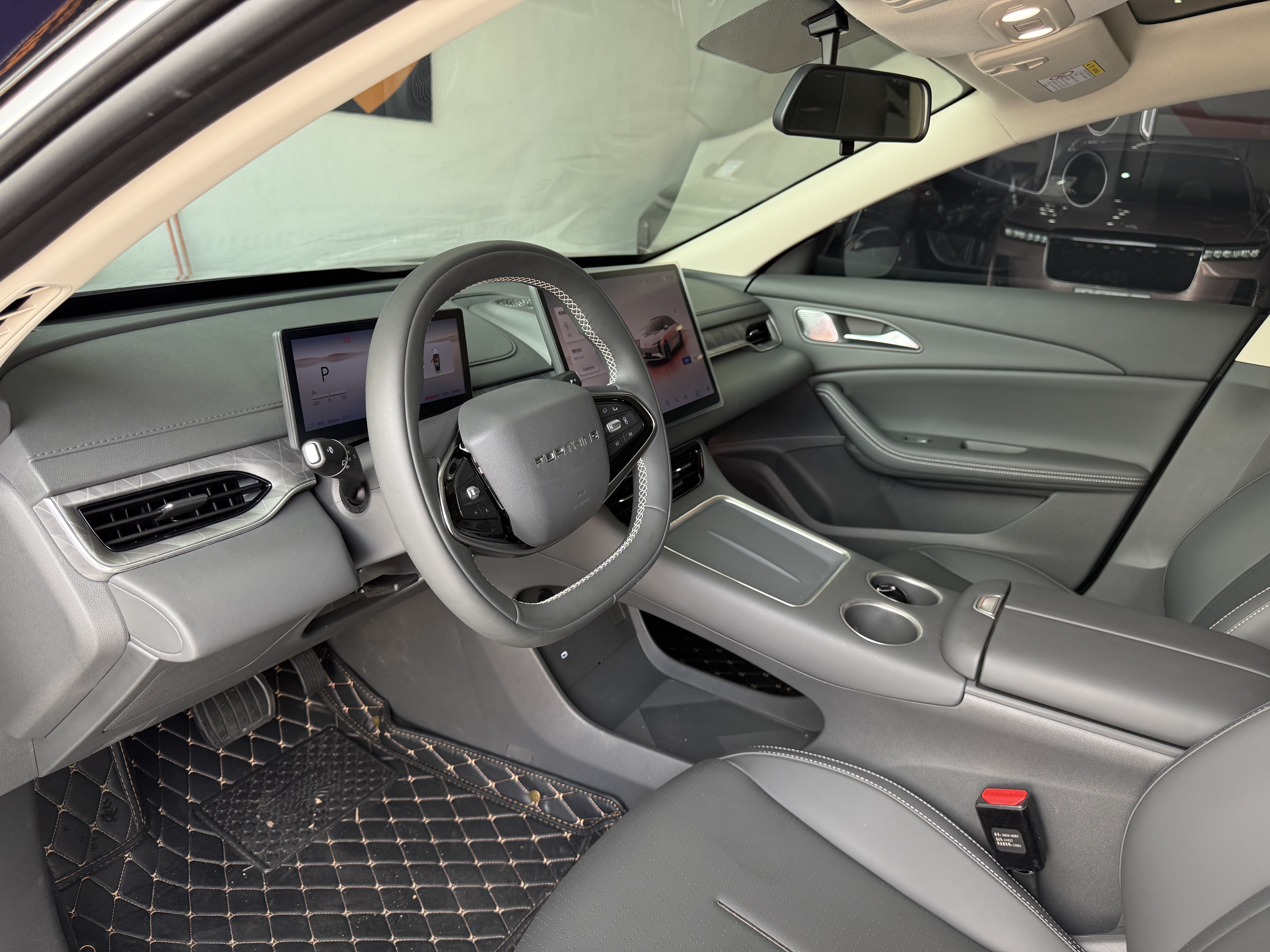
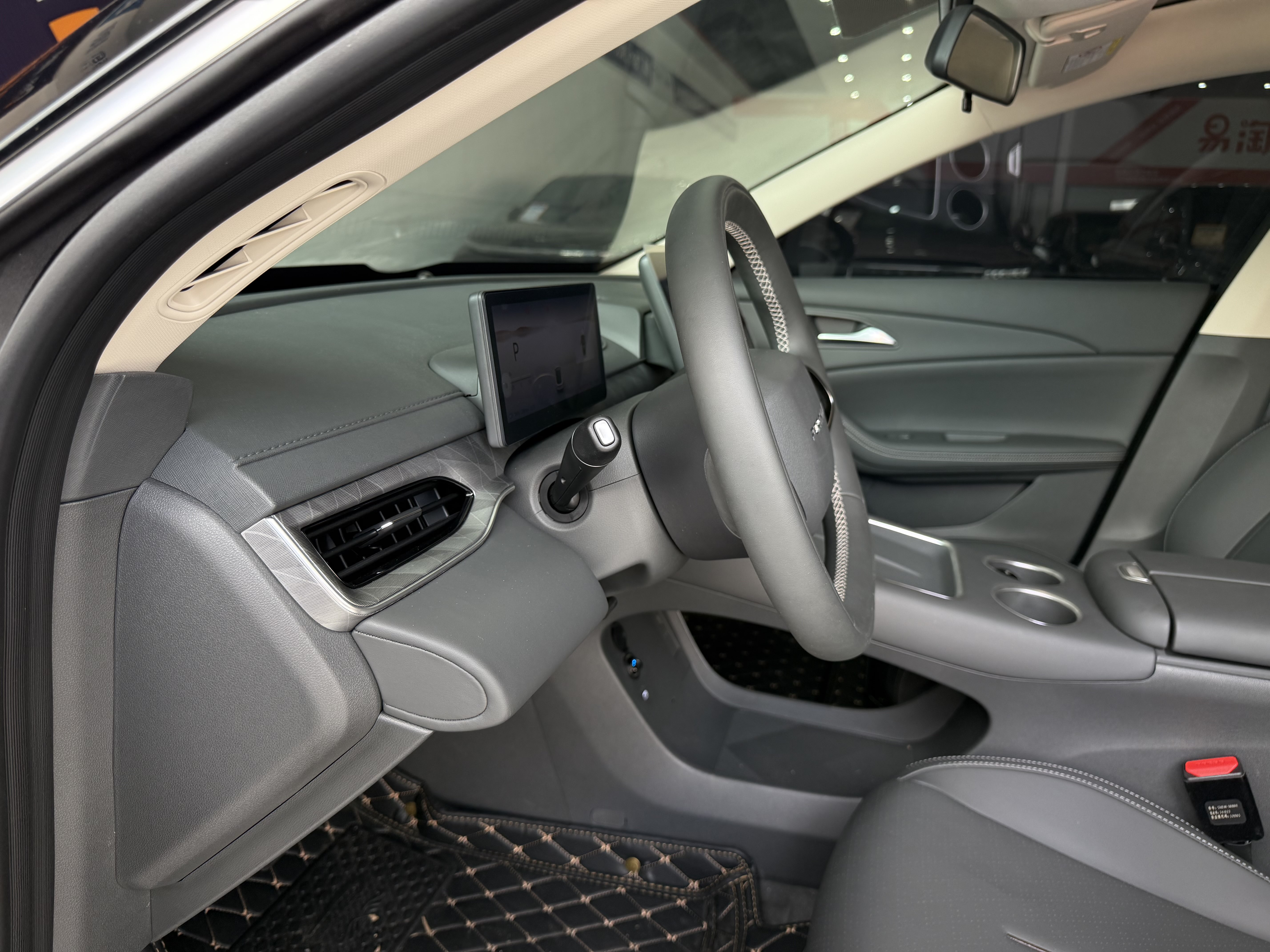
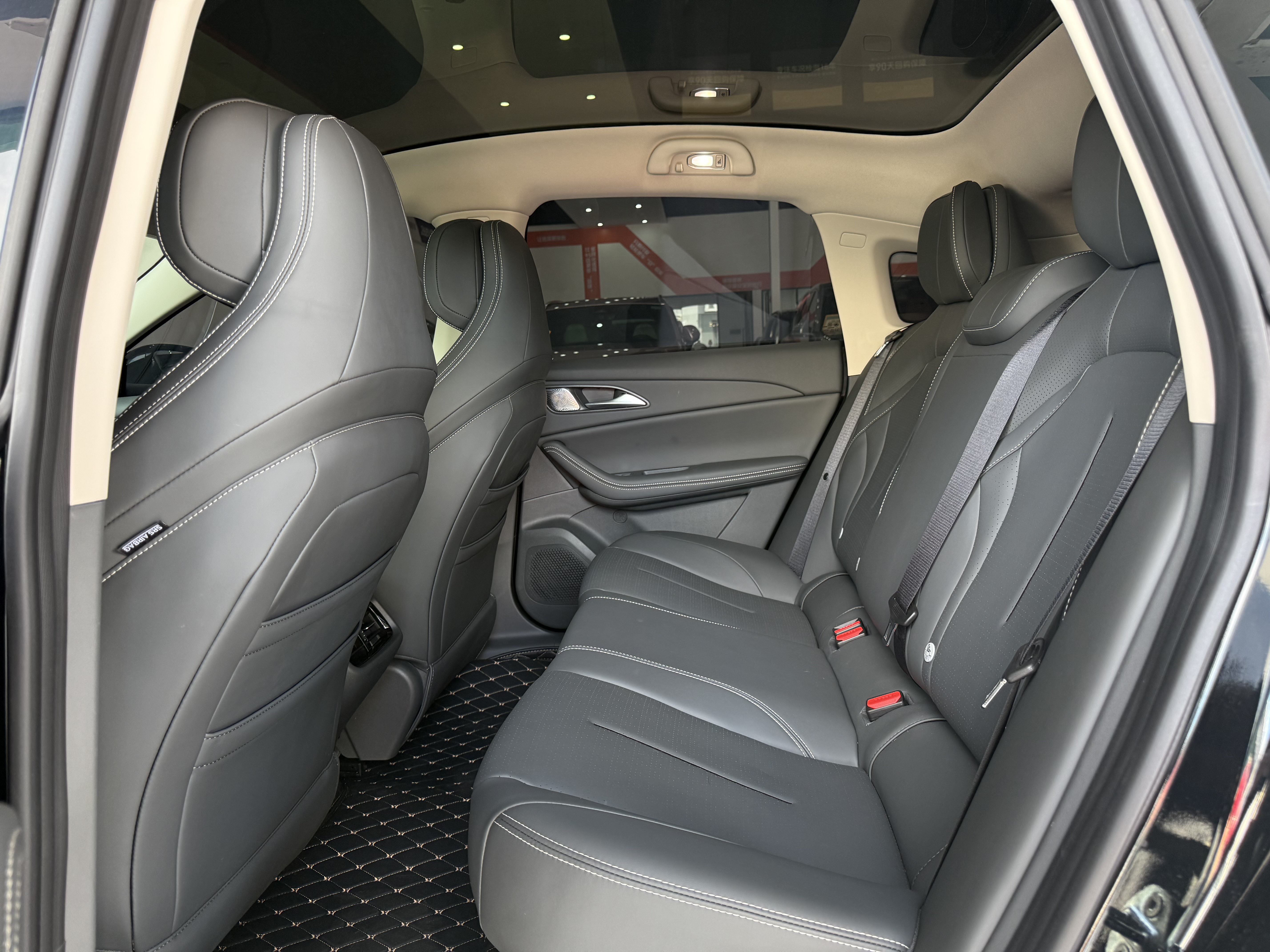
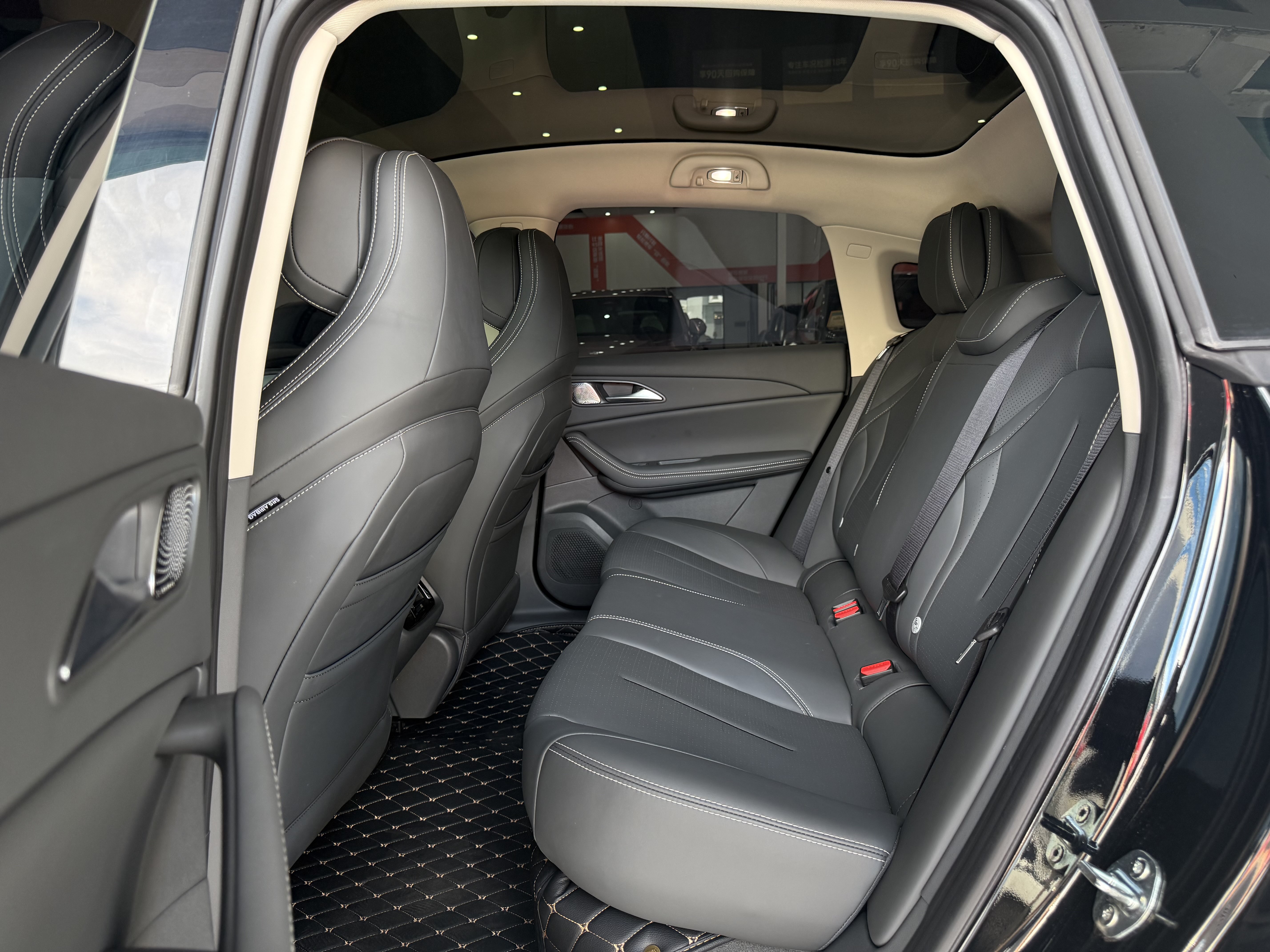
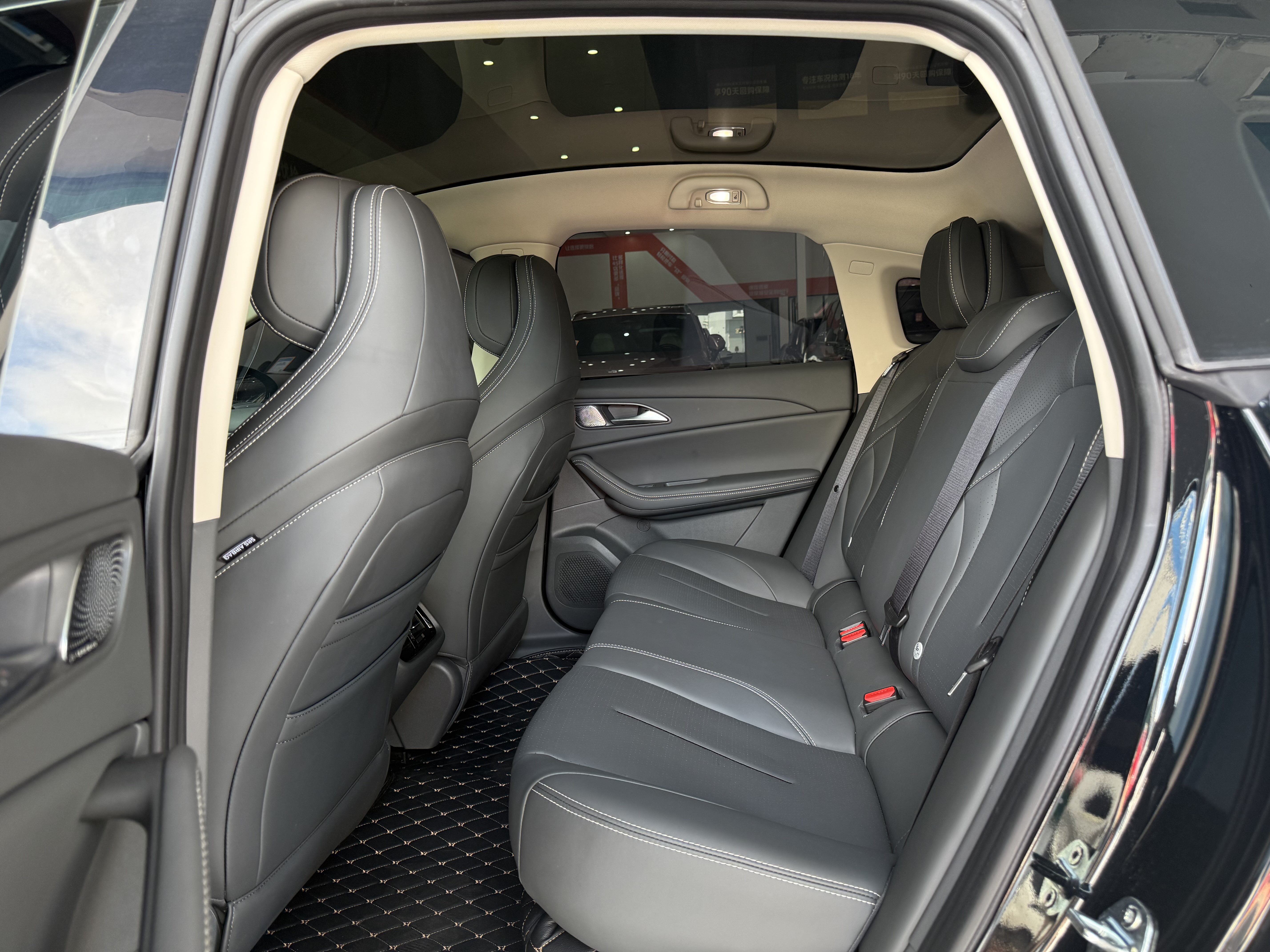
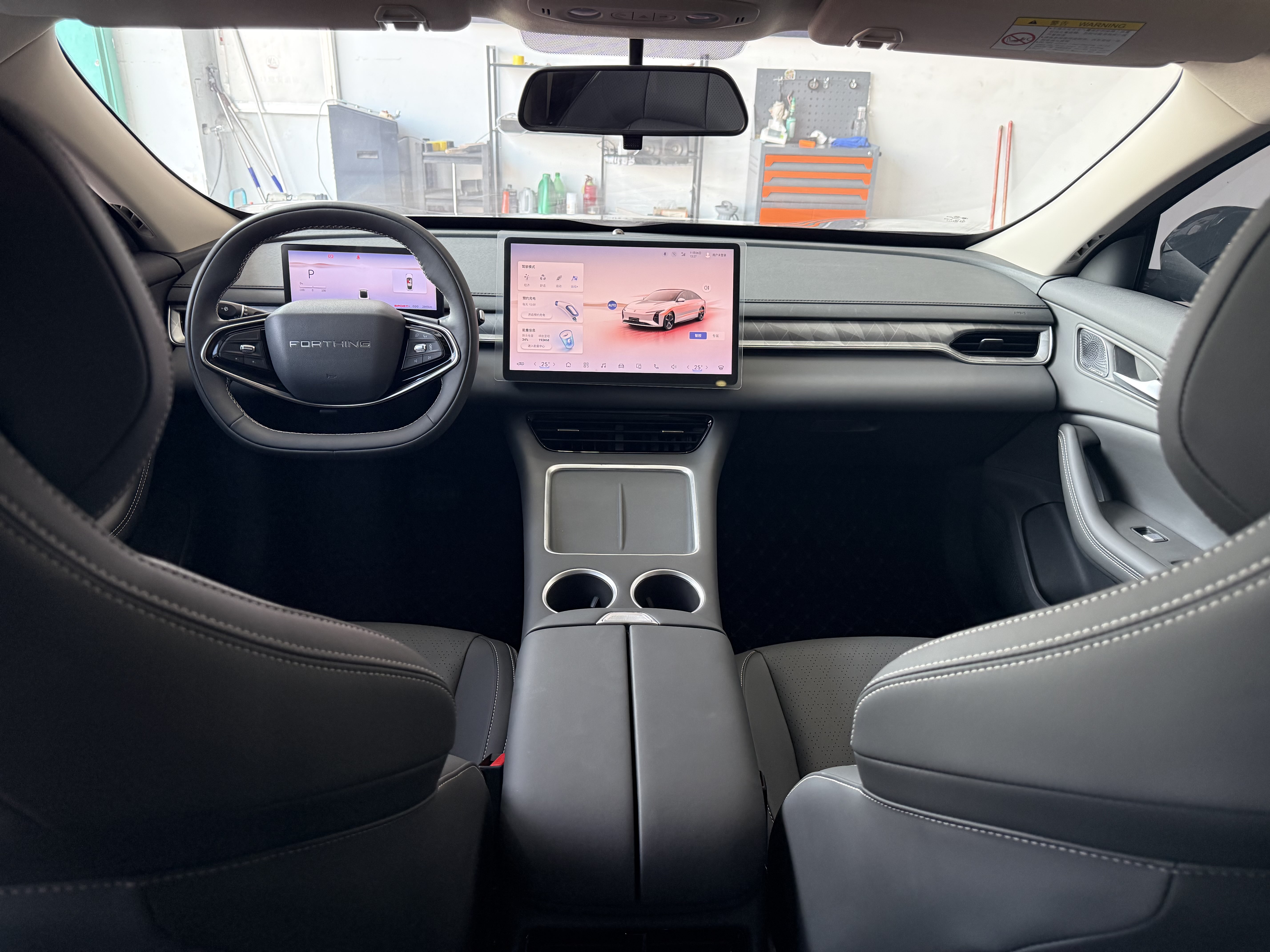
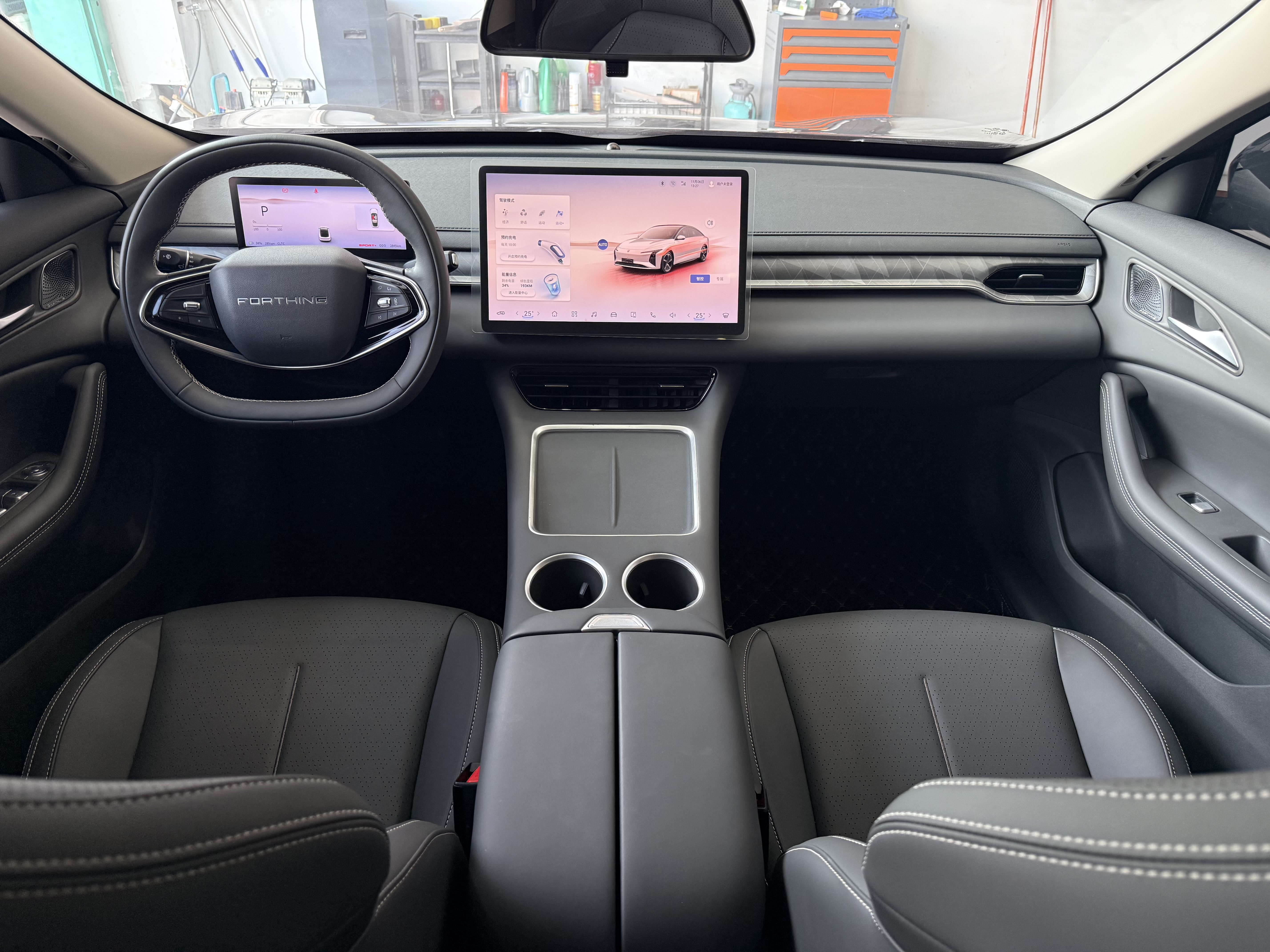
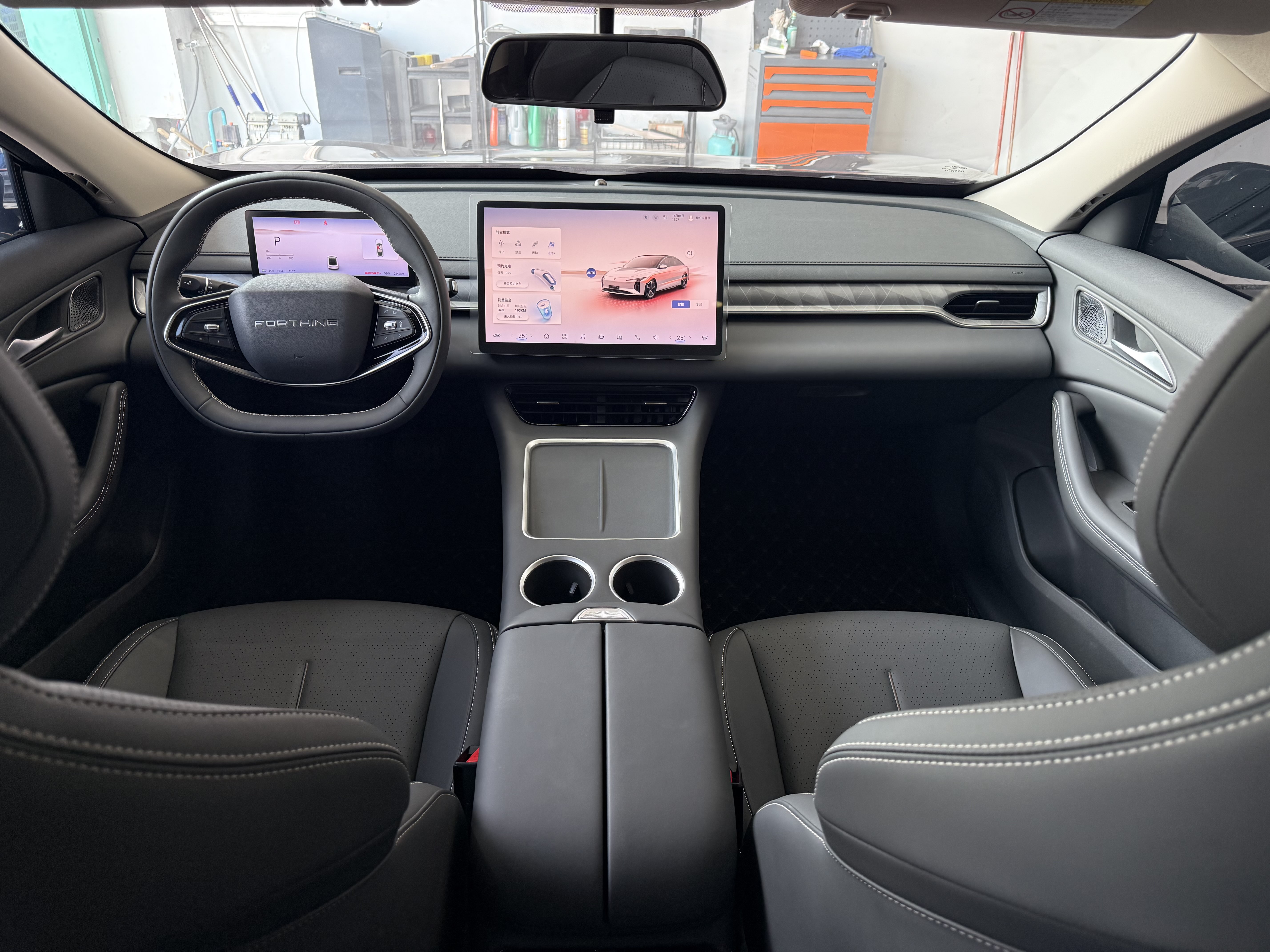
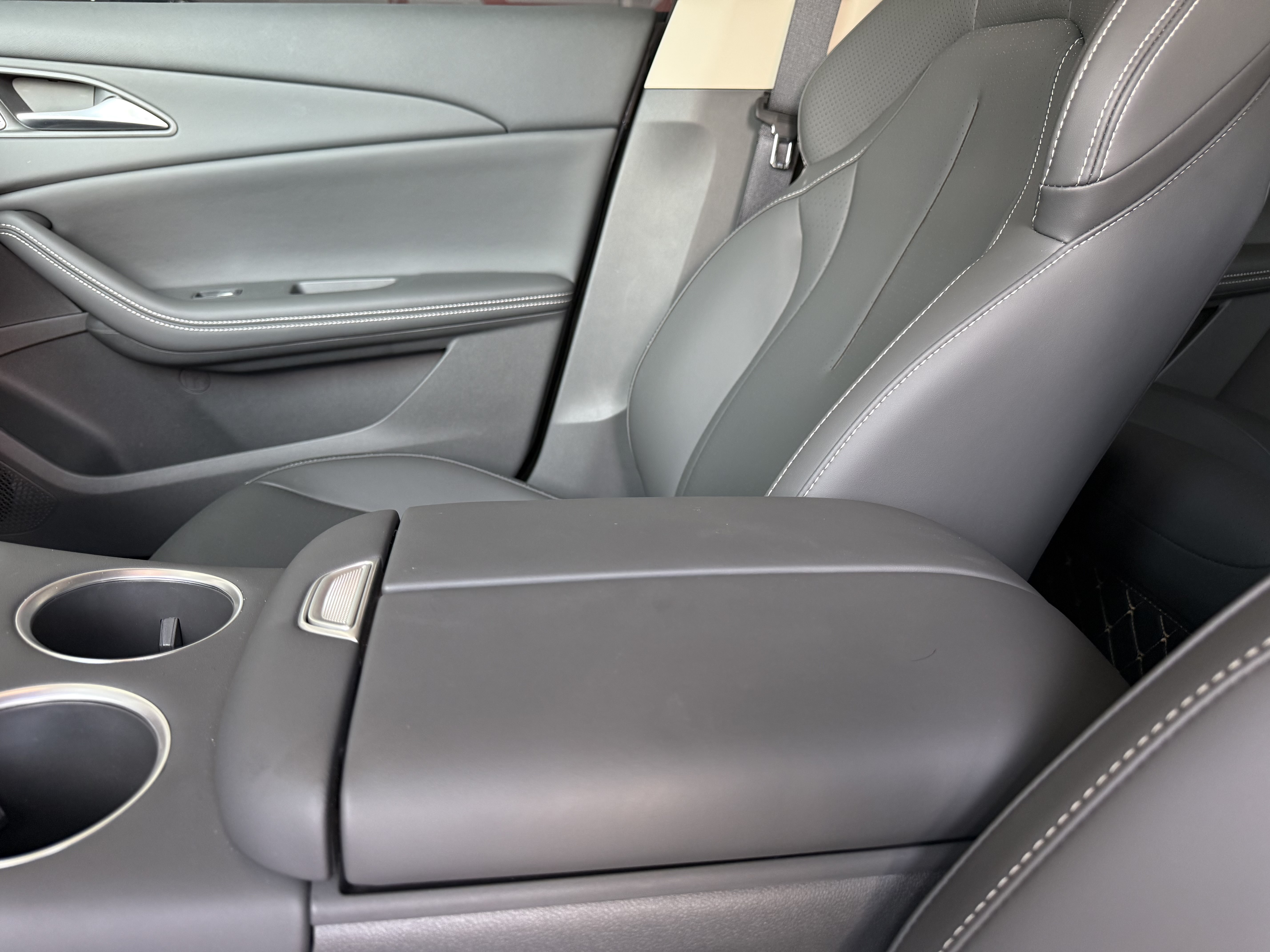
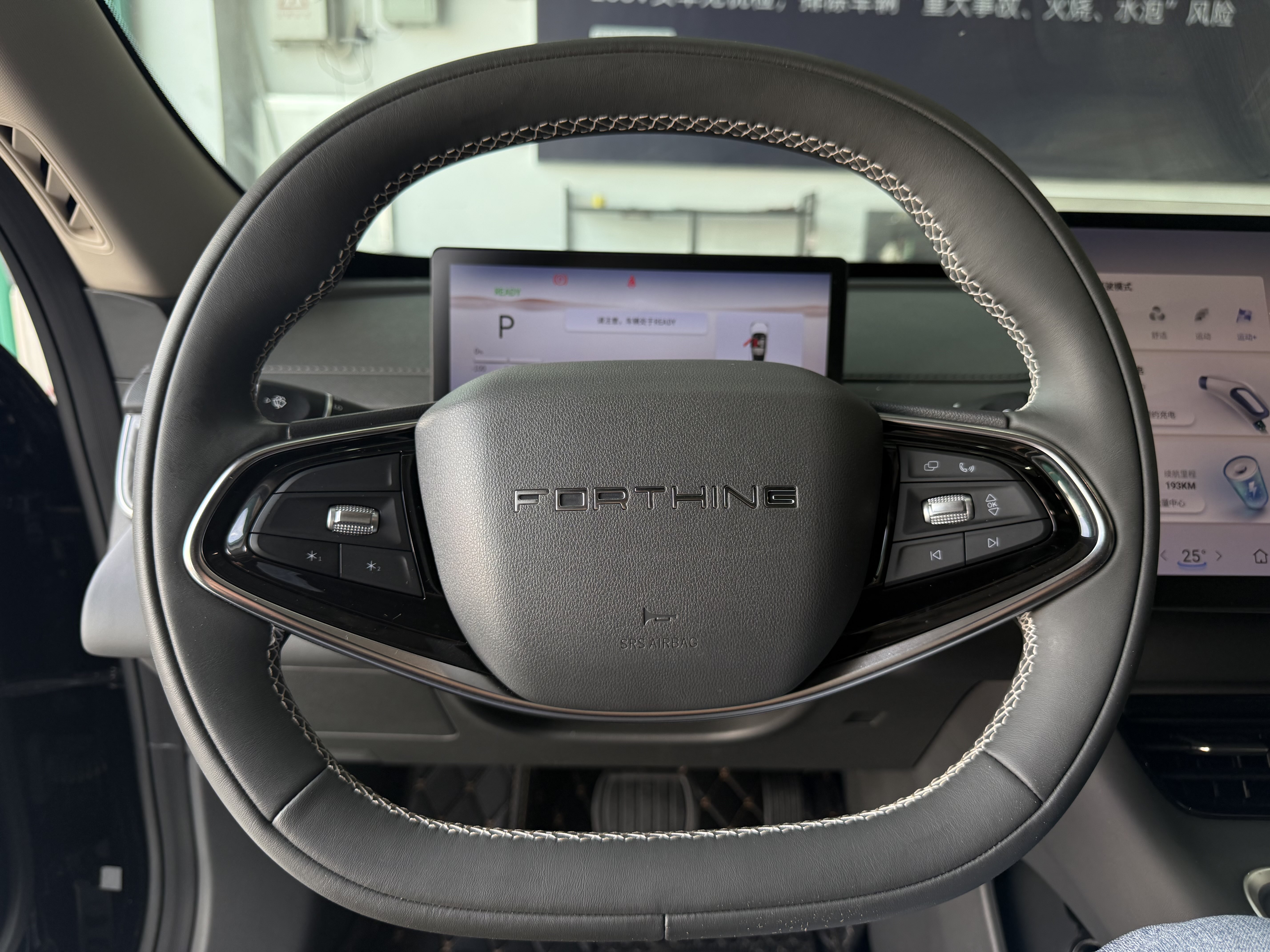
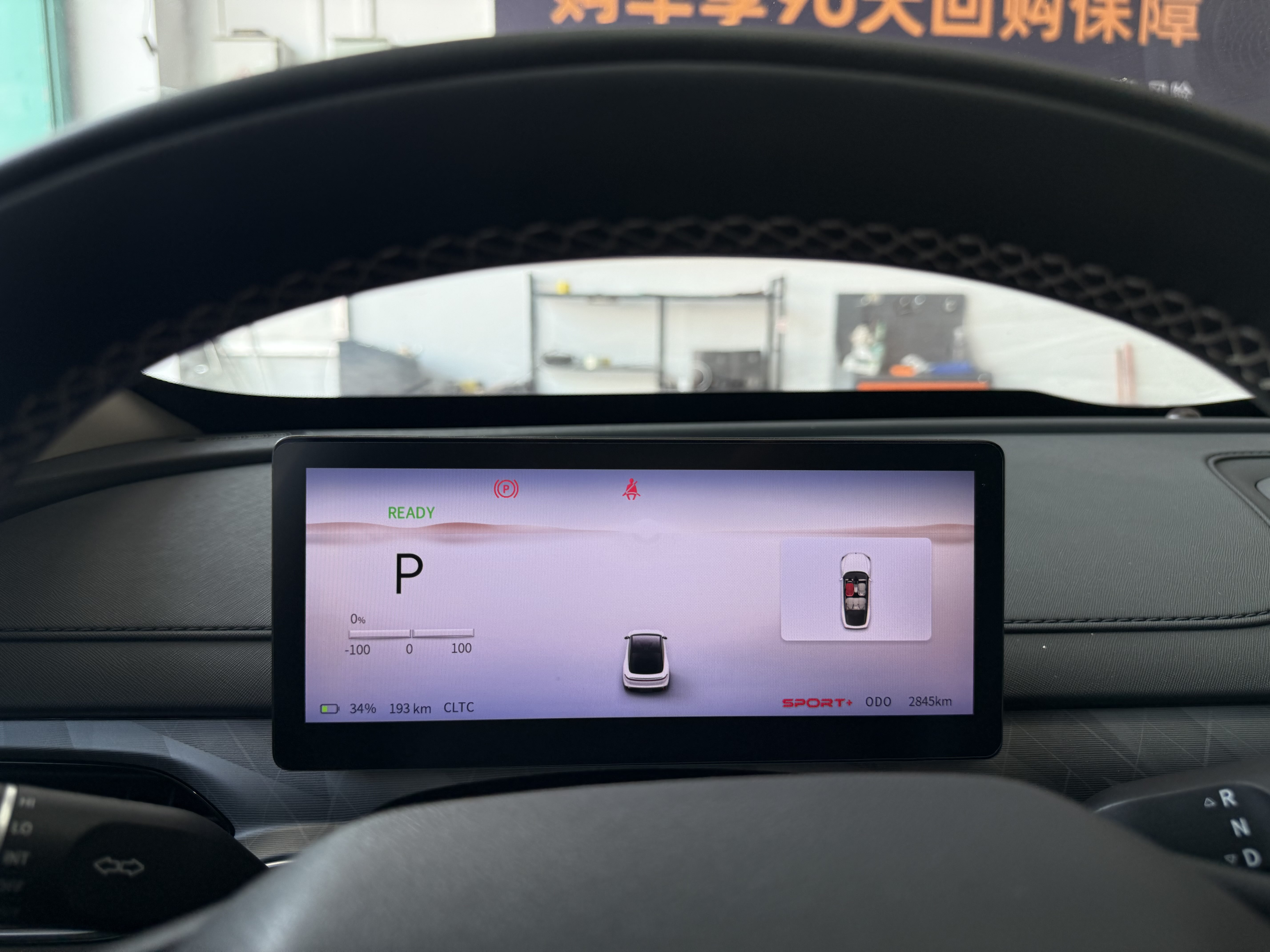



Has the vehicle's VIN (chassis number) been polished or altered?
We will carefully check if the chassis number on the windshield, chassis, and door frame matches.
Original paint
We will carefully check if the chassis number on the windshield, chassis, and door frame matches.
All vehicles on the lift must be inspected. We will provide high-definition close-up photos of the chassis directly below, suspension components, and the mid to rear section of the exhaust. We will honestly show any minor surface rust (a common phenomenon in cast iron); if we find bent longitudinal beams or extensive through-corrosion, the vehicle will be scrapped and not exported.
Parts availability depends on the brand's official presence in your market, but even unsupported brands can be maintained through direct ordering. Check three channels first: the brand's official dealer network (if any), third-party importers who specialize in Chinese auto parts, and generic equivalents. For wear items like brake pads, filters, and wipers, aftermarket suppliers usually stock cross-references by VIN. For model-specific parts — headlights, sensors, control modules — order directly from China. Ask your exporter for the parts catalog by VIN, confirm OEM part numbers, and compare prices. A turbocharger that costs $900 from a local dealer often ships from China for $350 plus $80 freight. Practical tips: bundle multiple parts into one shipment to amortize freight; ask for DDP (delivered duty paid) pricing so customs clearance is handled; and always verify part numbers against your VIN before paying, as Chinese models have running changes mid-year. Keep a small stock of common wear parts — oil filters, air filters, spark plugs — to avoid a 4-6 week wait for routine maintenance.


