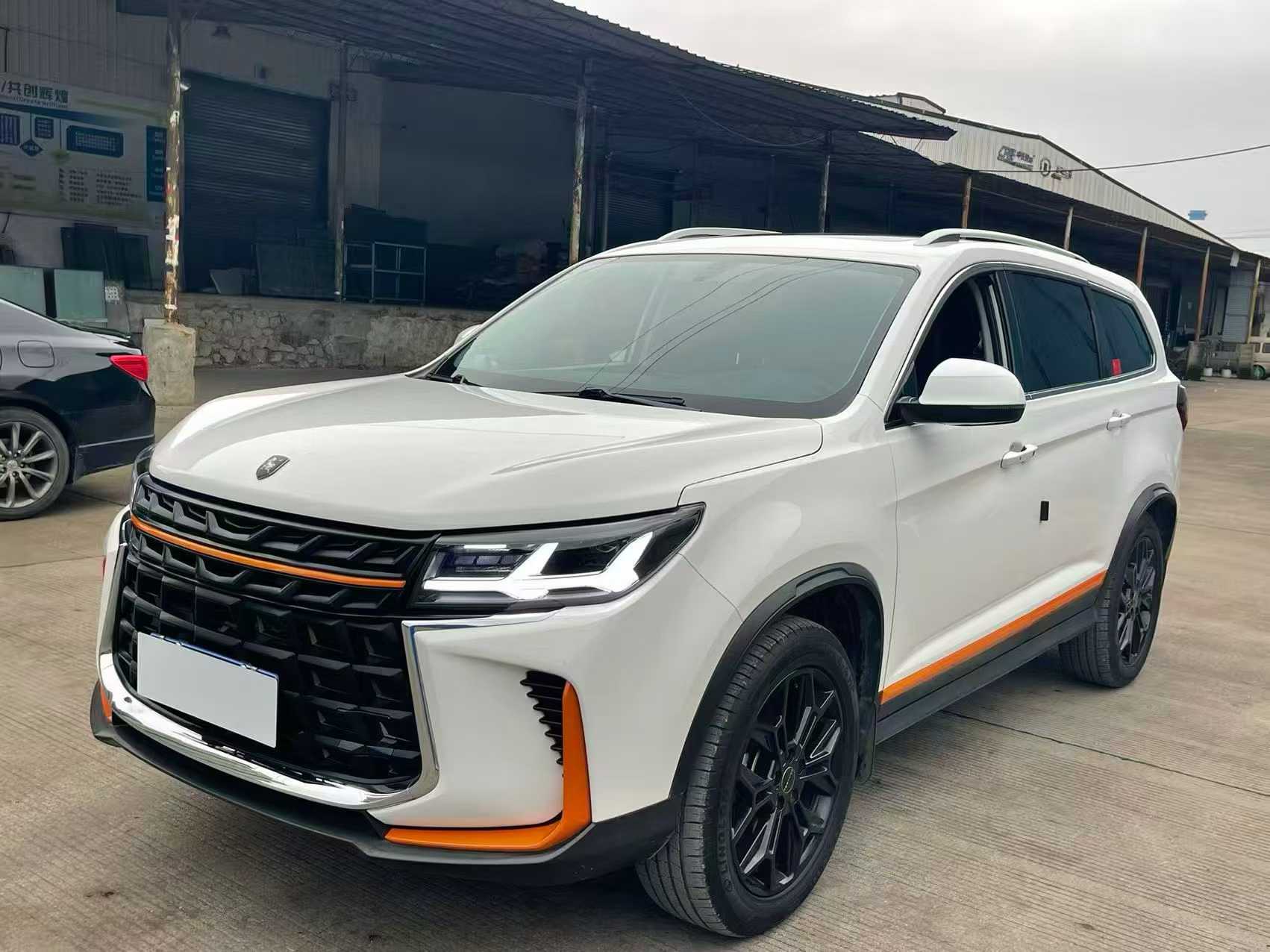
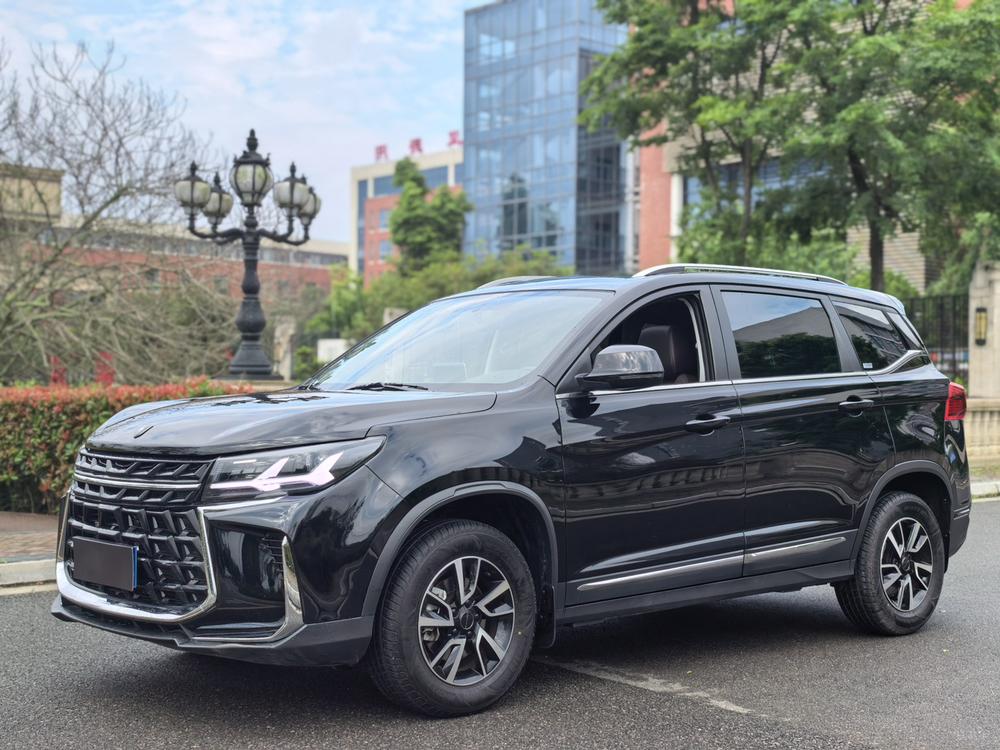
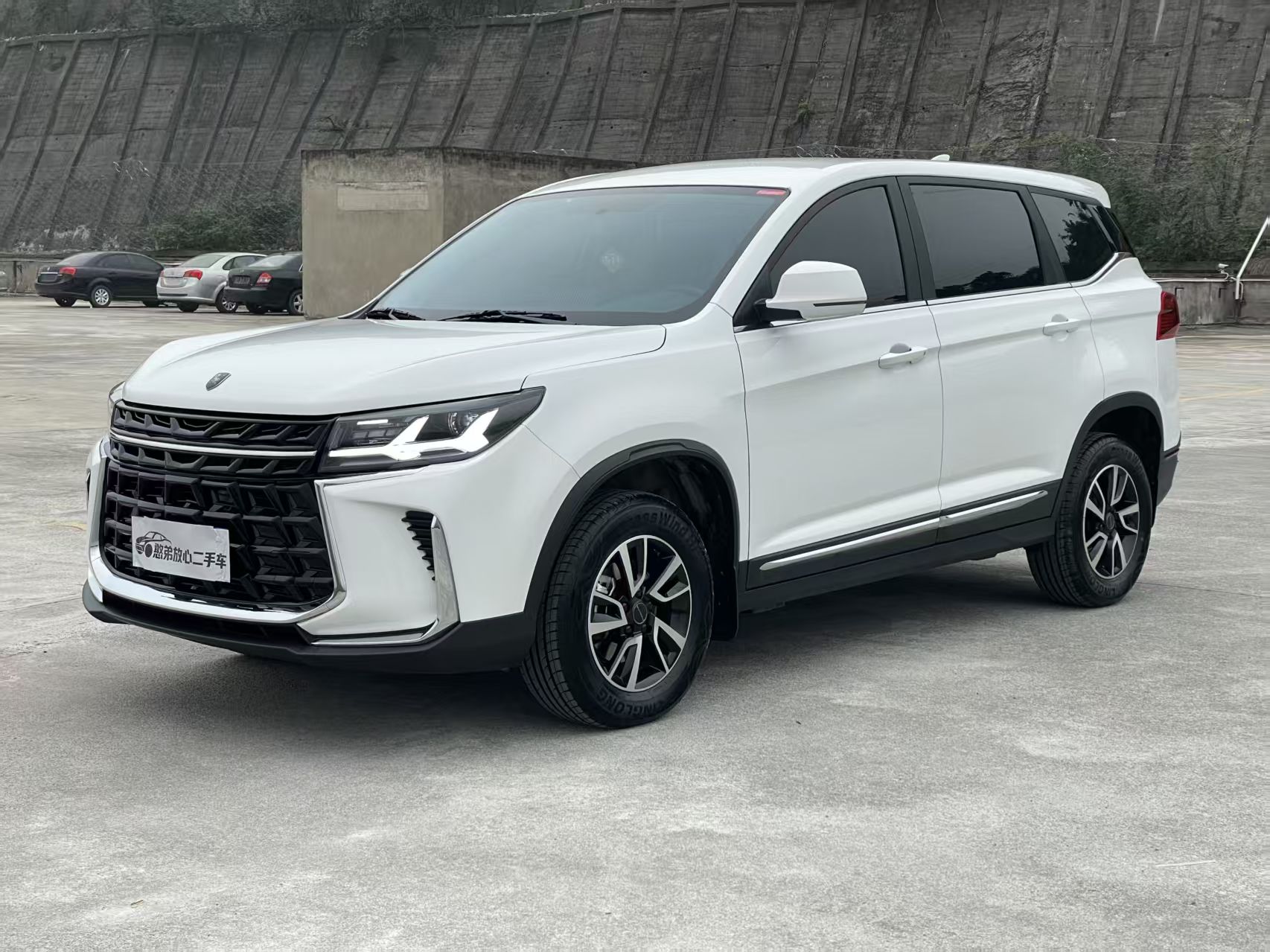
Basic Information

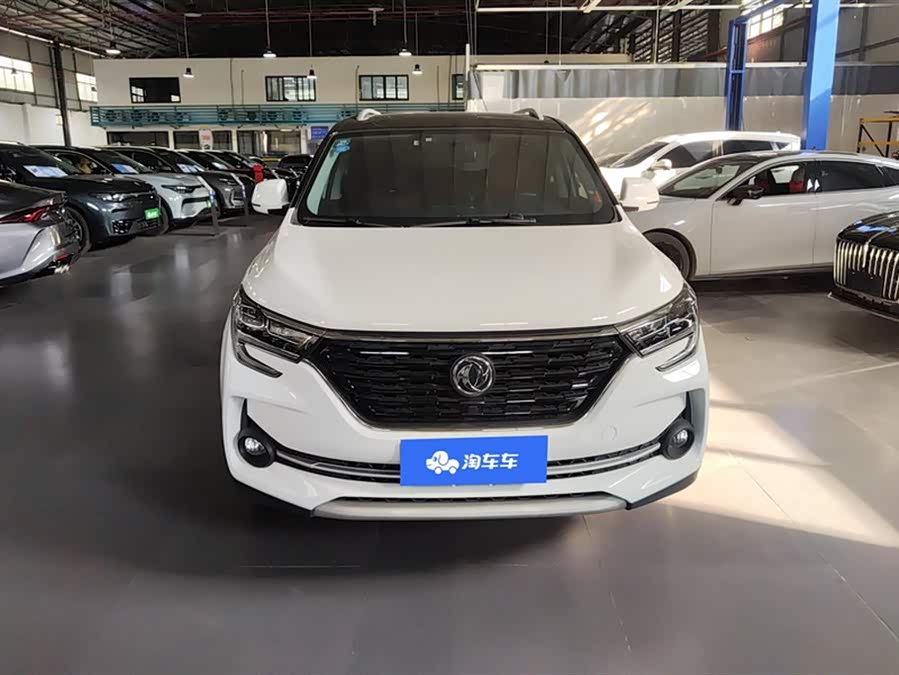
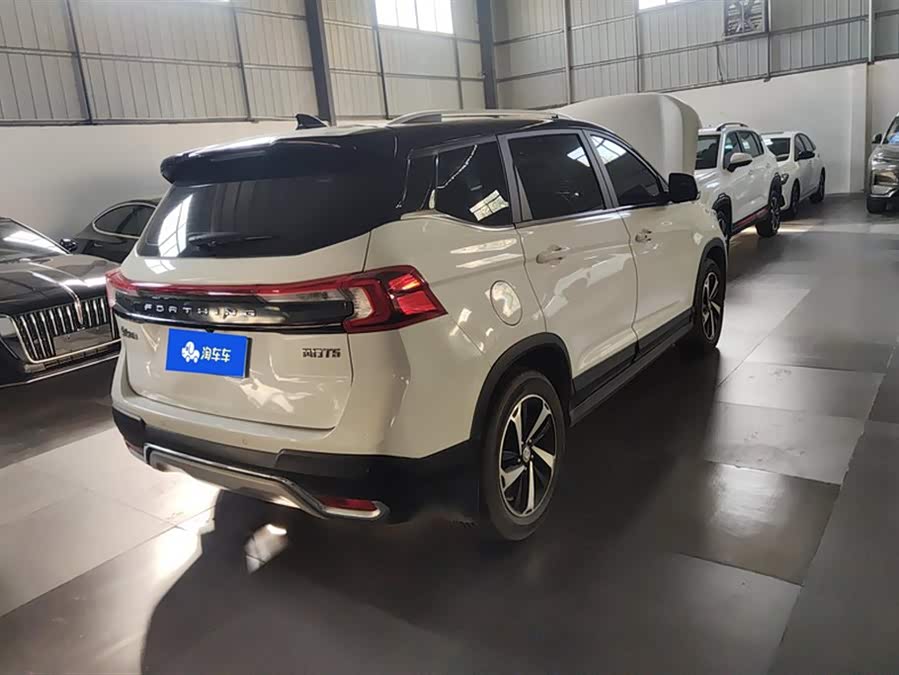
BrandForthing
SeriesT5
Year2019
First Registration2019/11
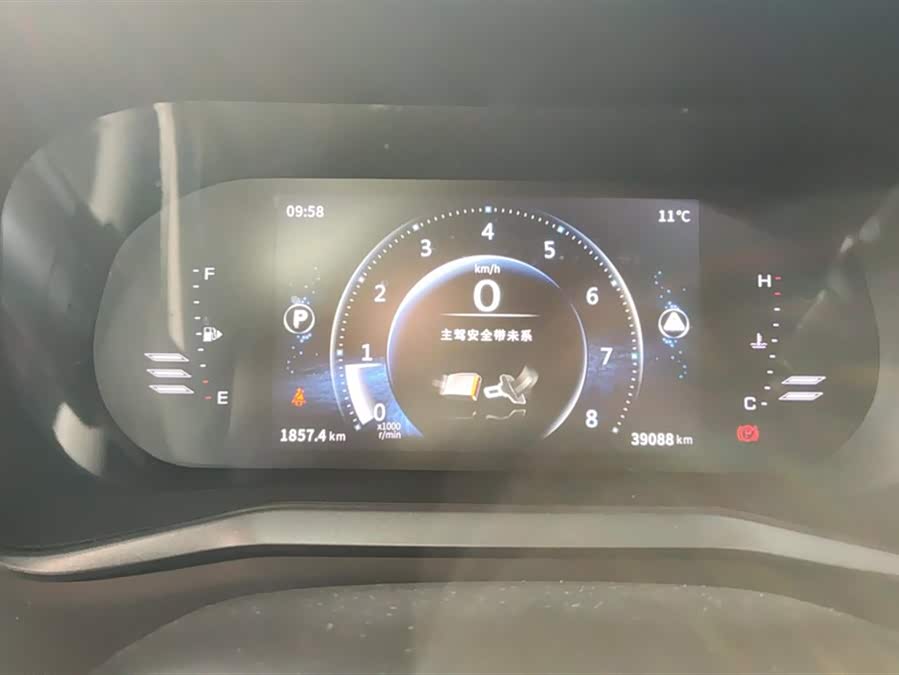
Mileage39,100km
Transfer Count2times
FuelGasoline
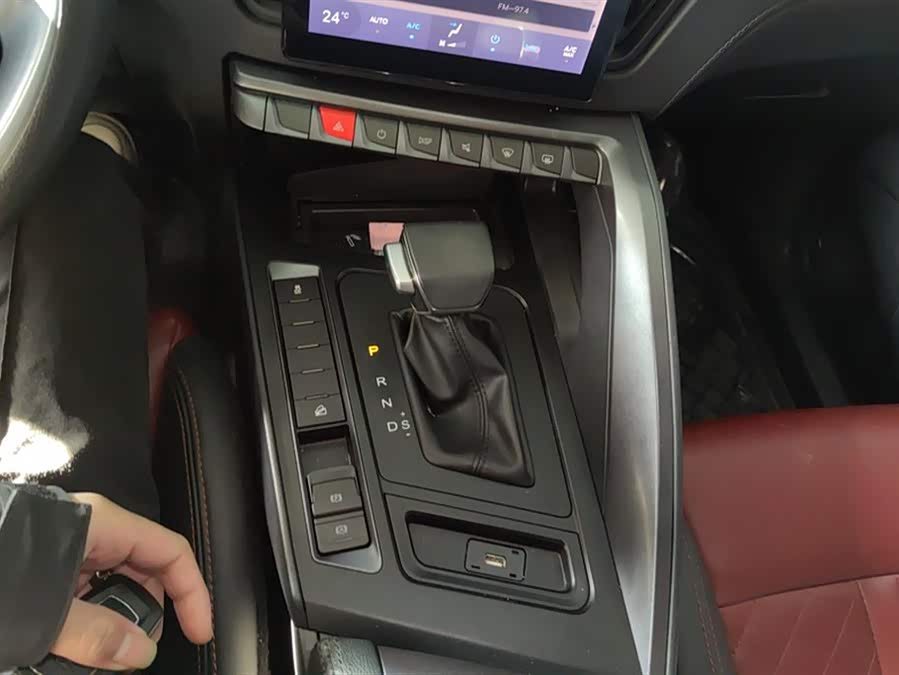
TransmissionManumatic
Engine1.5T 156 L4
ColorWhite
Seats-

Condition Description

very good

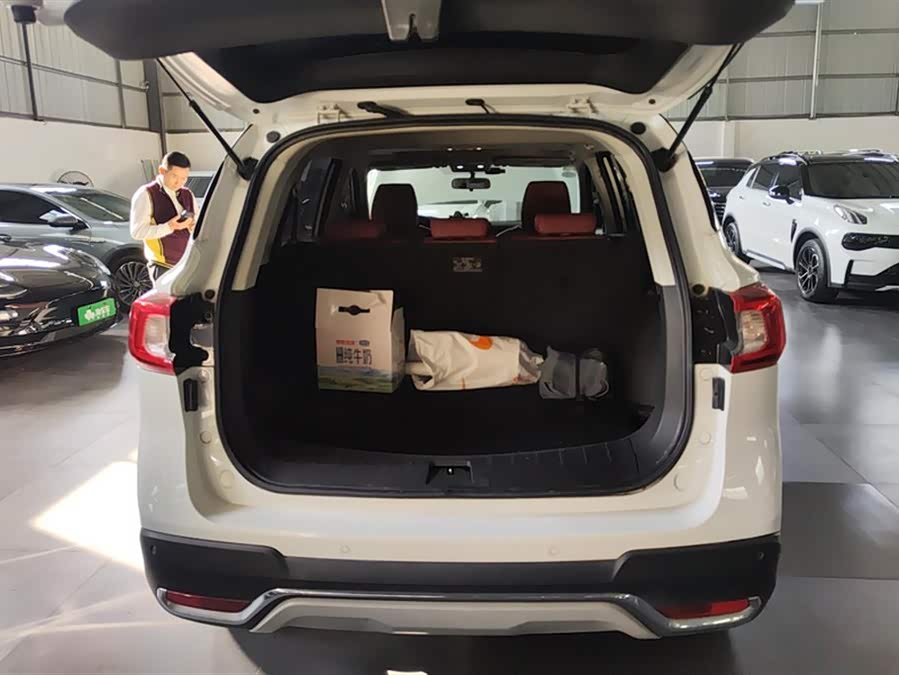
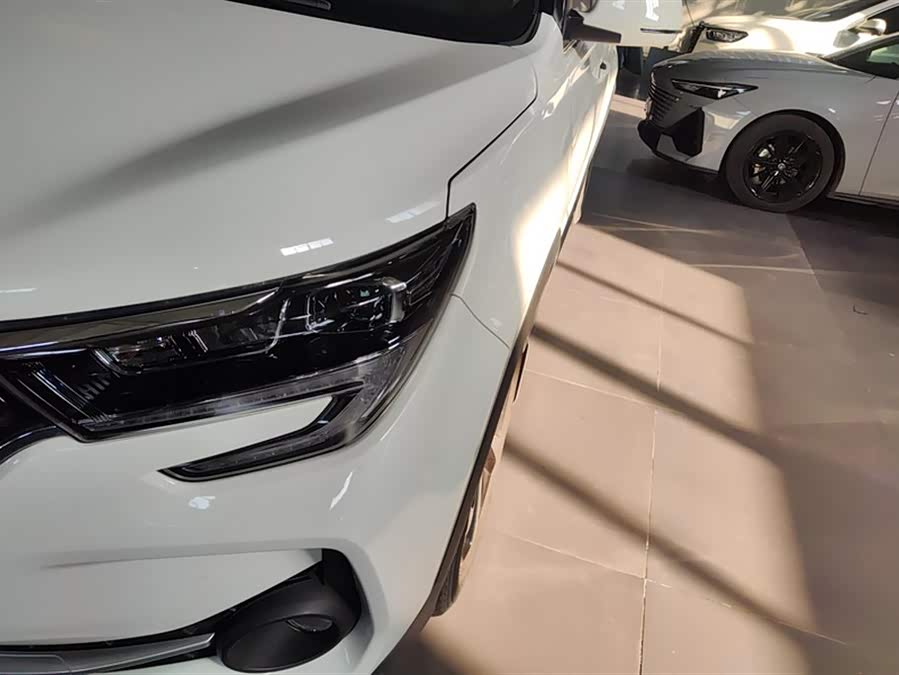
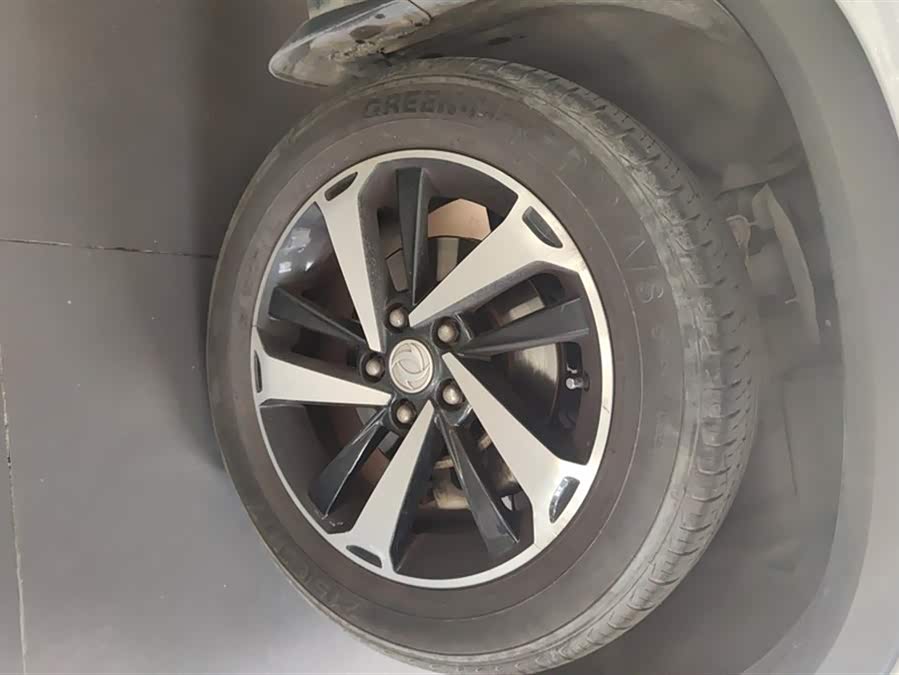
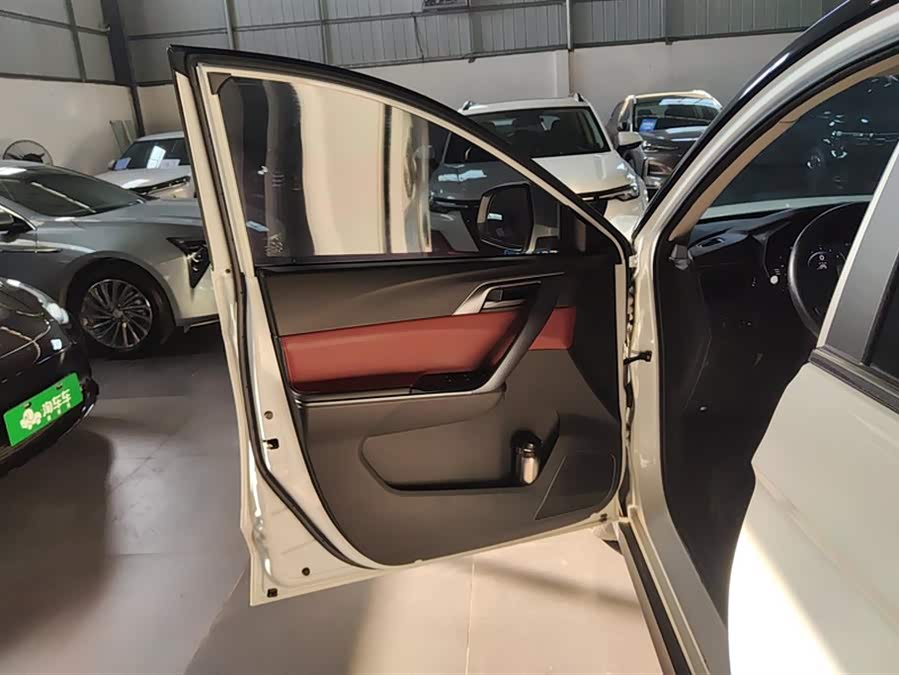
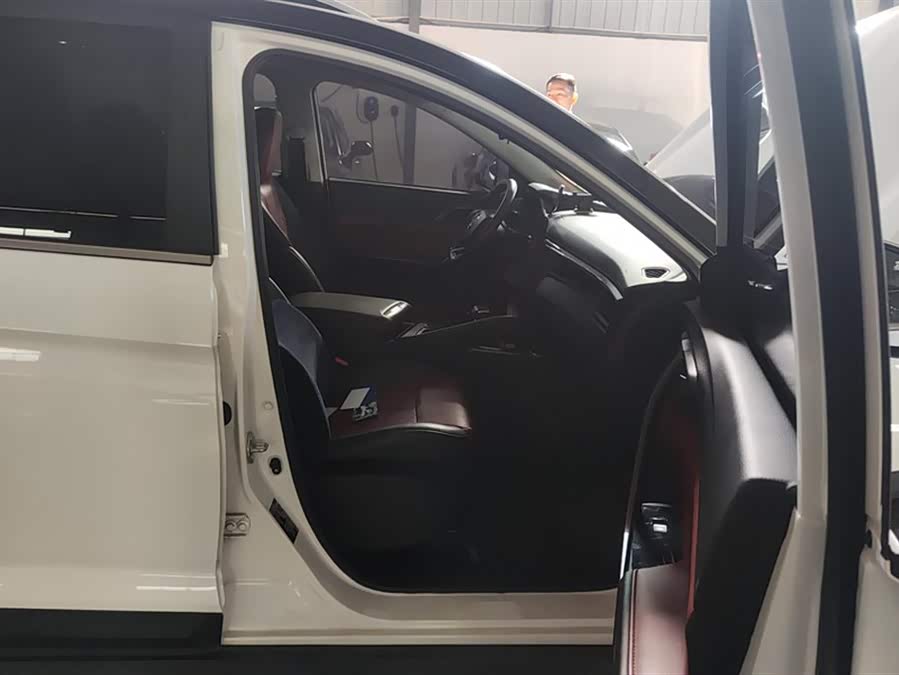
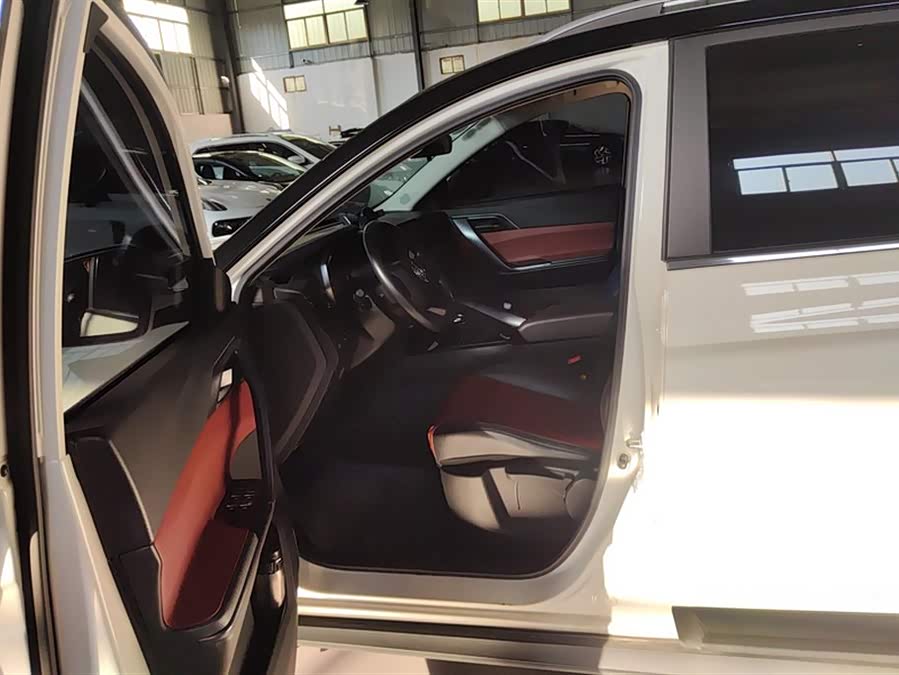
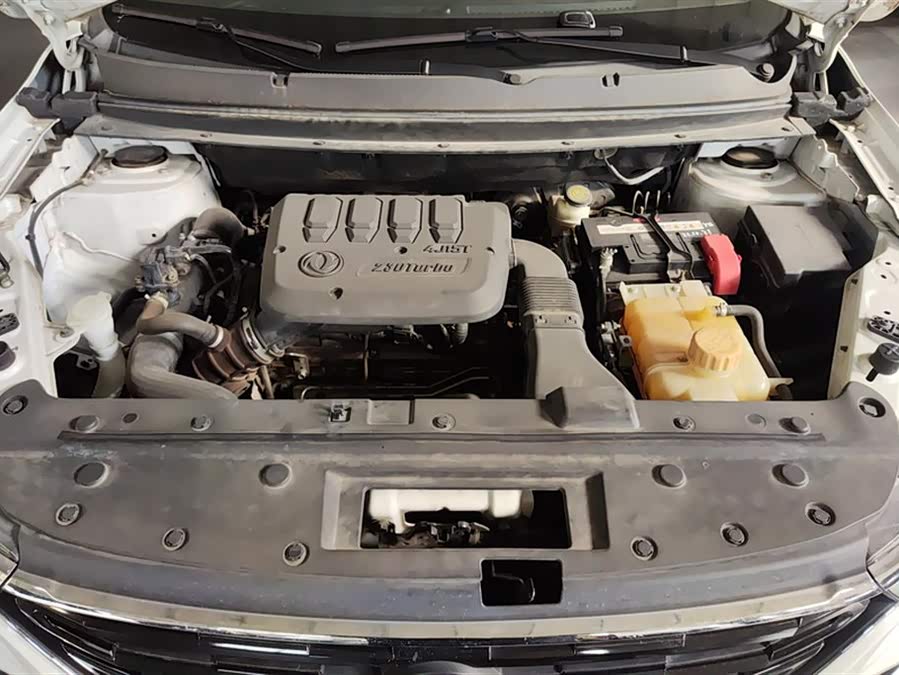
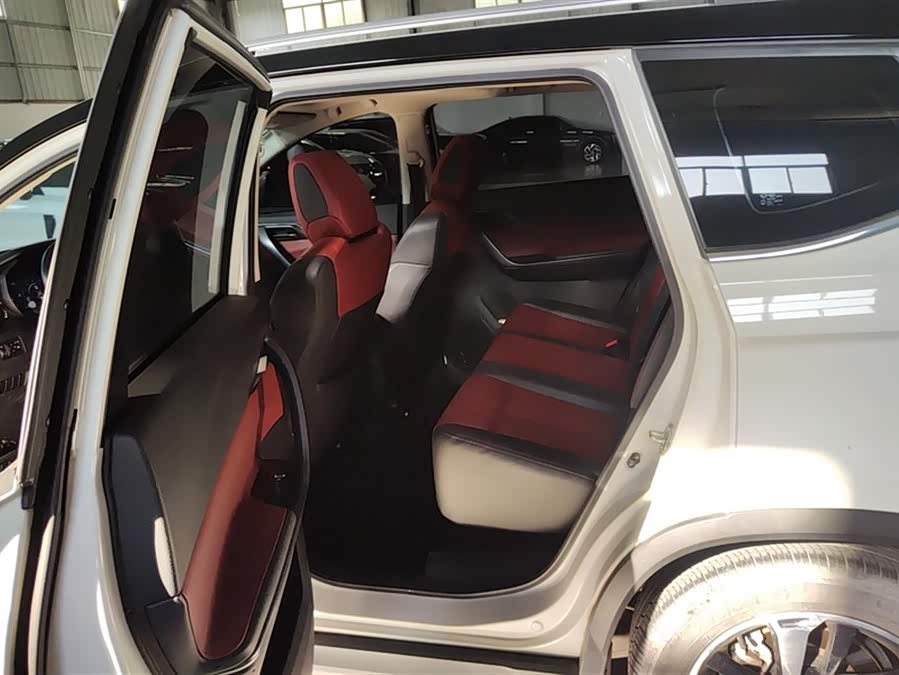
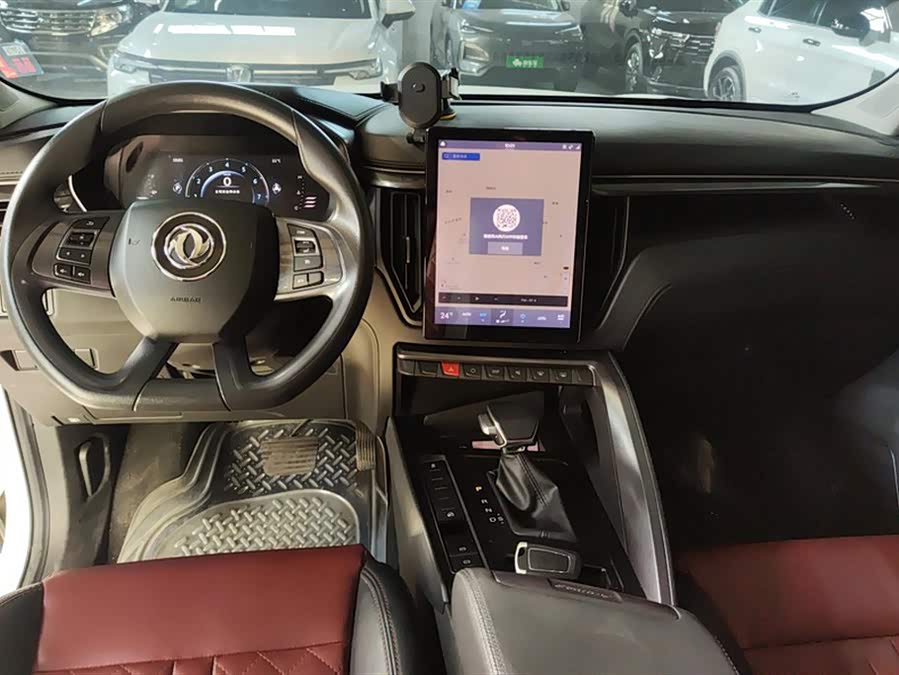
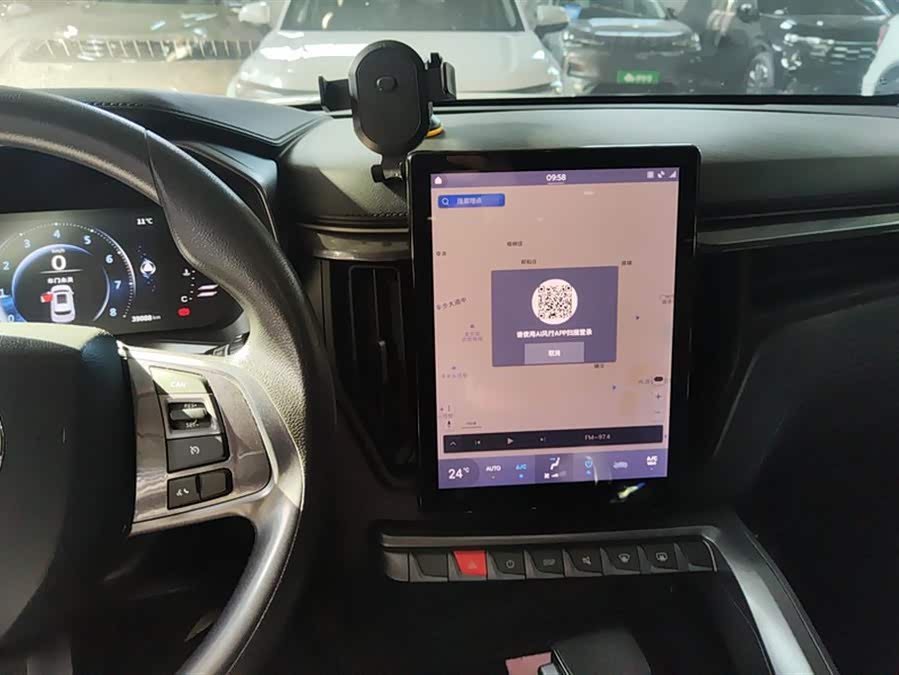
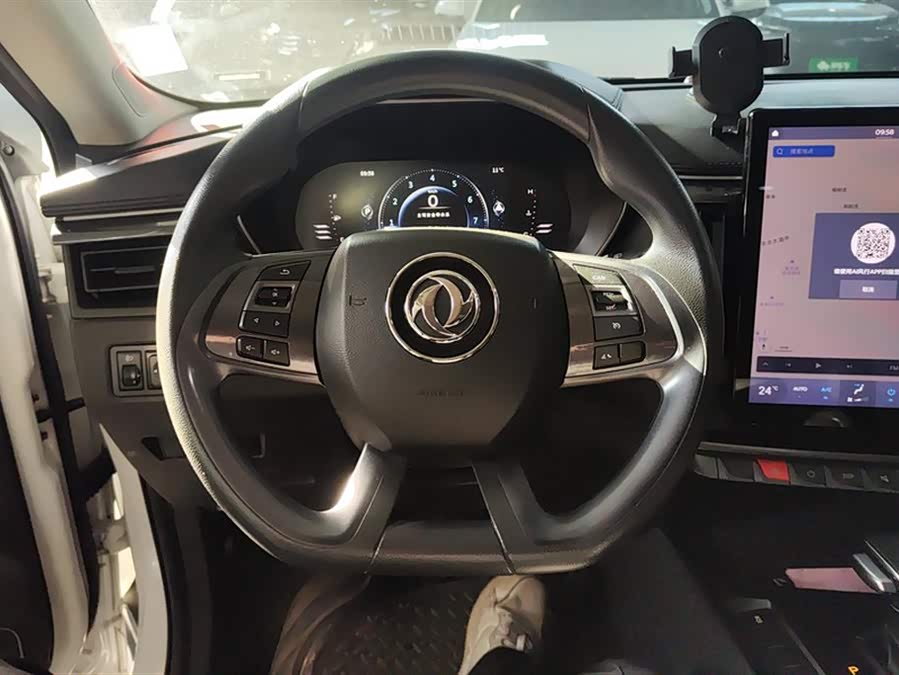
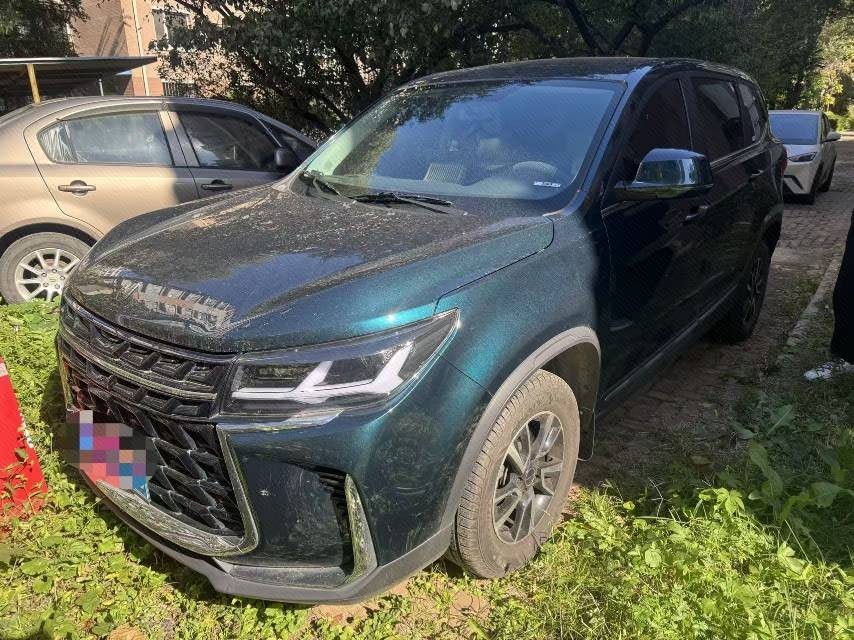
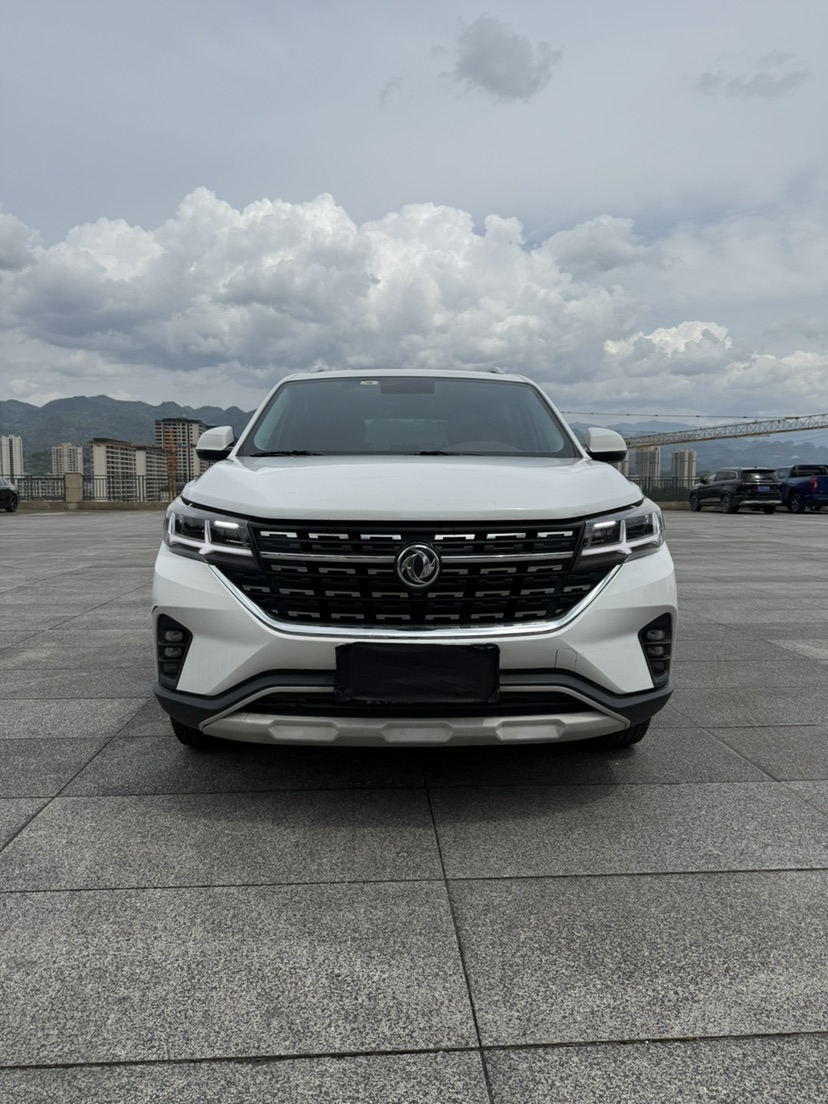
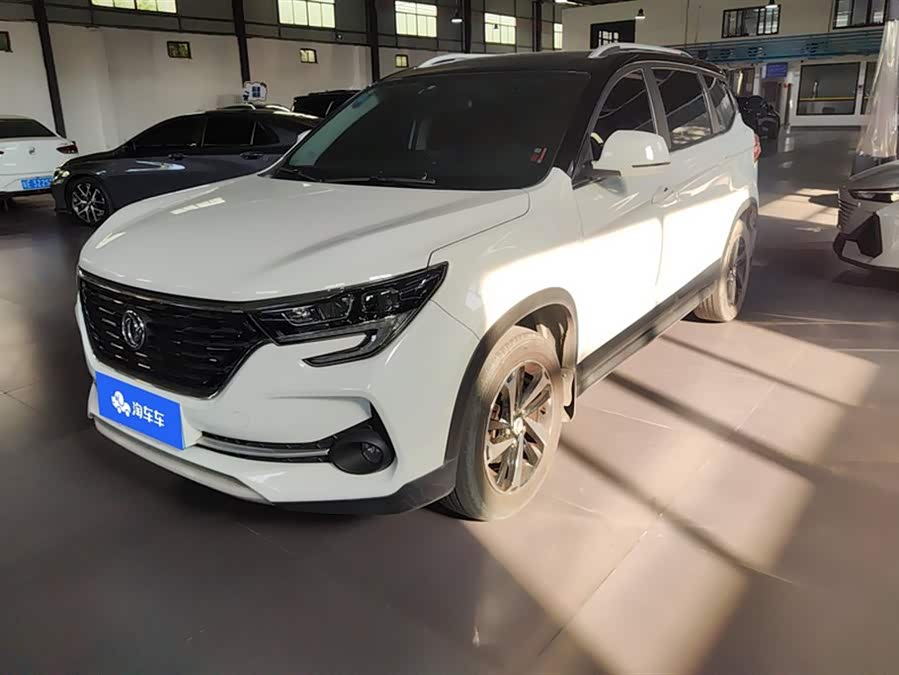
Vehicle Code: 136291708 Vehicle Information: Vehicle Name: Dongfeng Fengxing T5 2020 1.5T Automatic Luxury (National VI Emission Standard) Vehicle Color: White Exterior | Dark Interior Registration Date: 2019-11- Mileage: 39,100 km Annual Inspection Expiry: 2026-1- Compulsory Traffic Insurance Expiry: 2026-1- Purpose: Private Use Vehicle Documents: Vehicle and Vessel Tax, Registration Certificate, Purchase Tax Vehicle Overview: Exterior: Paint in good condition, high curb weight, ensuring aesthetics while improving paint durability; Interior: Interior thoroughly cleaned, removing signs of use and repairing wear. Electrical equipment such as electric controls, audio system, navigation, and air conditioning are ensured to be functioning properly; Performance: Ensures vehicle stability and smooth driving, with a smooth engine operation, stable power transmission from the transmission, and effective braking and suspension; Safety: Vehicle structural components are intact.
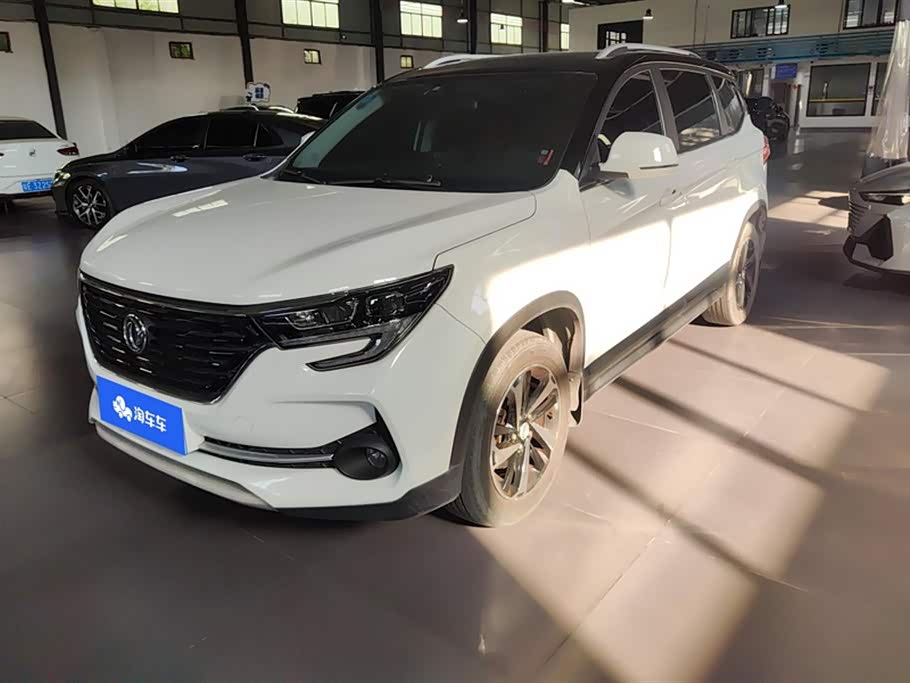
Original factory warranty

Accident & Maintenance Records

Accident Record

🔗 Open Link

Maintenance Record

🔗 Open Link

Document Information

Inspection Expiry Date2026/01
Warranty Expiry Date-
Insurance Expiry Date2026/01

Q&A

More

How is the degree of wear on the interior defined? (e.g., steering wheel, seat patina or cracking)

Interior assessment is divided into three core areas: the driver's high-frequency contact area (steering wheel, gear shift, edge of the driver's seat), central control button area, and rear seats and ceiling. The natural sheen of leather surfaces (patina) is normal; however, any physical damage (such as leather tearing, fabric burn holes, or plastic breakage) will be classified as "structural interior damage" and clearly marked.

Why are the shipping costs for used electric vehicles (EVs) usually higher than for internal combustion engine vehicles (ICEs)?

Pure electric vehicles are classified as Class 9 Dangerous Goods due to their large lithium batteries, leading to strict shipping regulations. Shipping companies have high requirements for the loading position and fire isolation measures for dangerous goods, and some roll-on/roll-off ships refuse to accept used EVs. As a result, EVs often require more expensive special container shipping and incur additional handling fees for hazardous materials.

Will there be a thorough inspection of the aging and damaged wiring harness of older vehicles to prevent spontaneous combustion?

For older vehicles or those used in high temperature and humidity areas, we will focus on opening the hood to check if the insulation of the wiring harness in the high-temperature area of the engine compartment is cracked or brittle, to identify potential short circuit risks that could lead to spontaneous combustion.