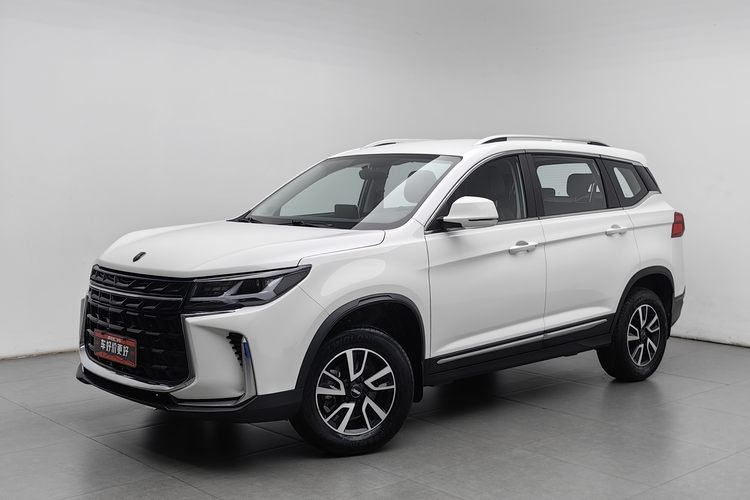
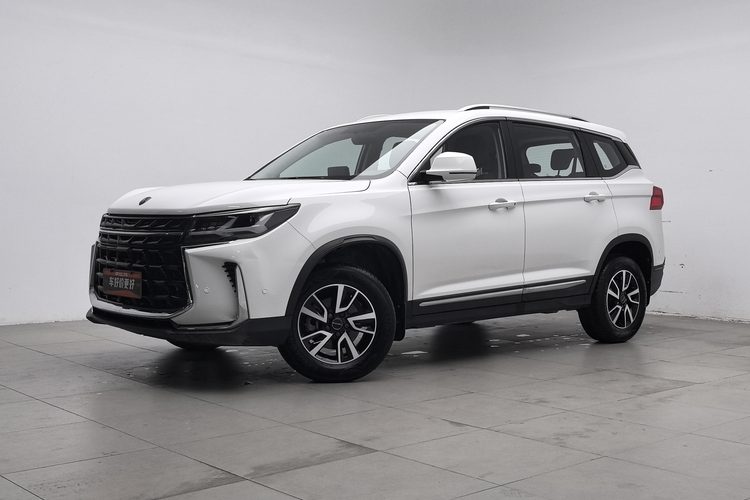
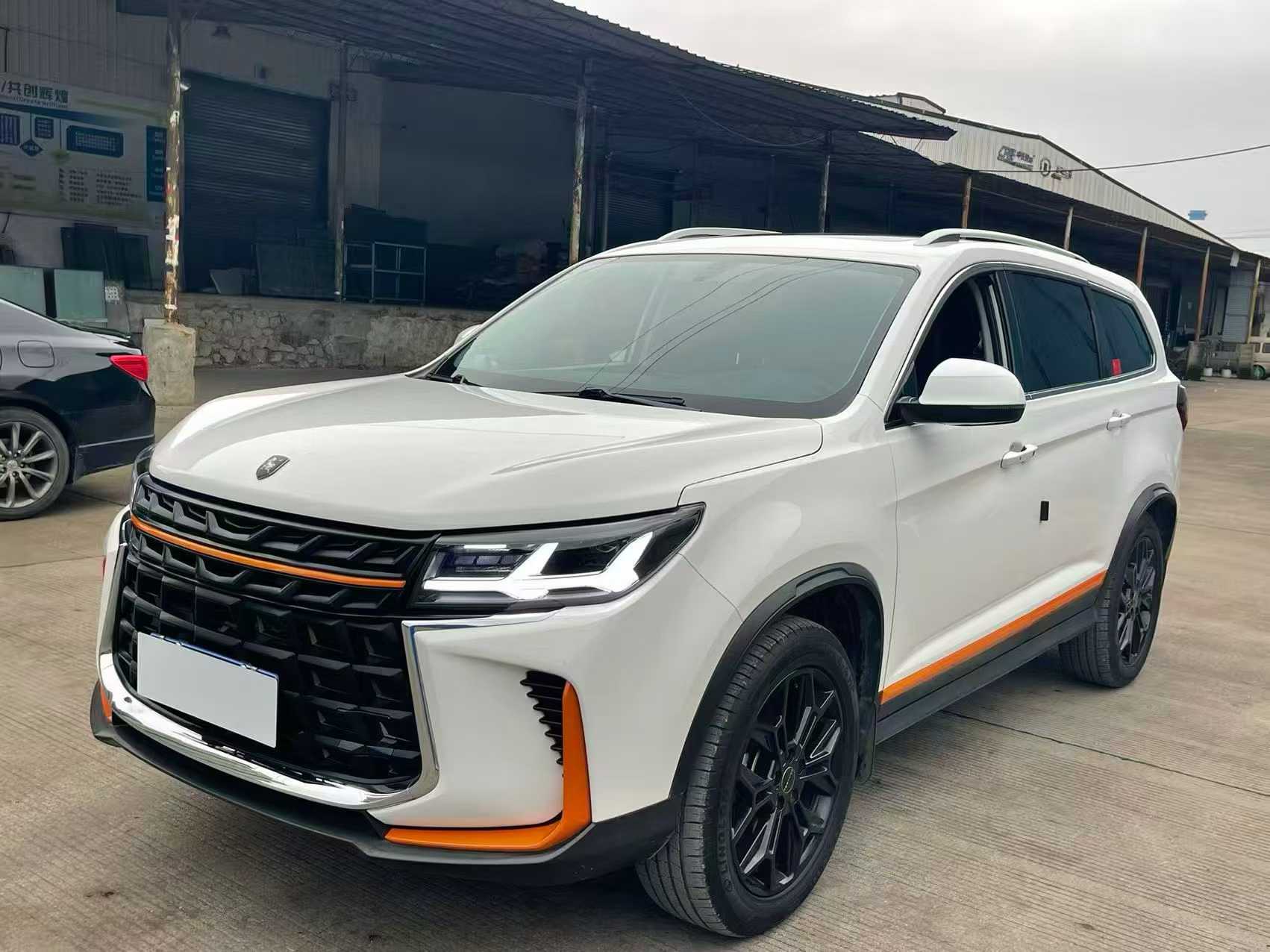
Basic Information

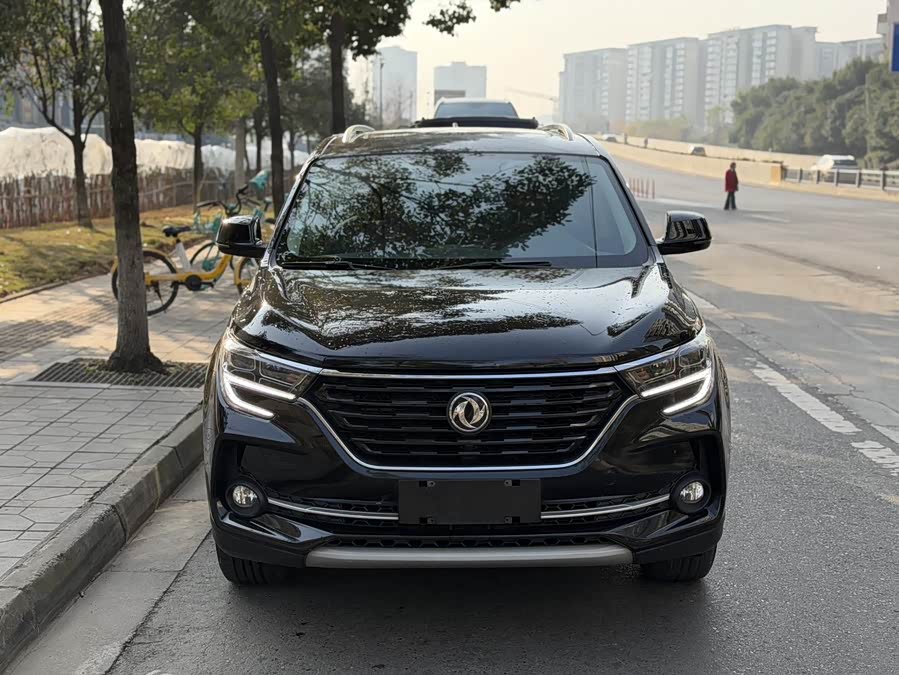
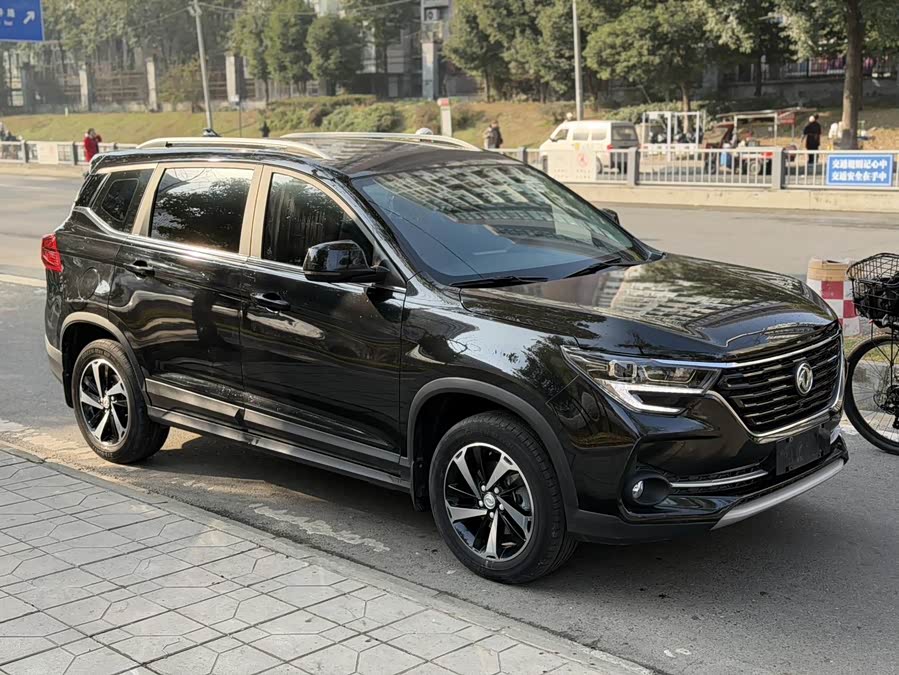
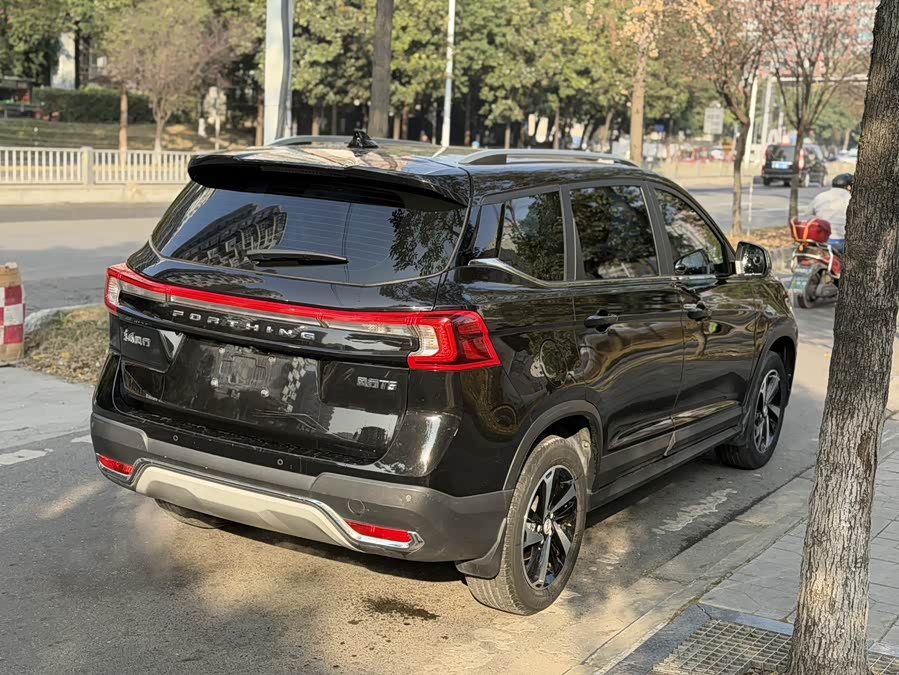
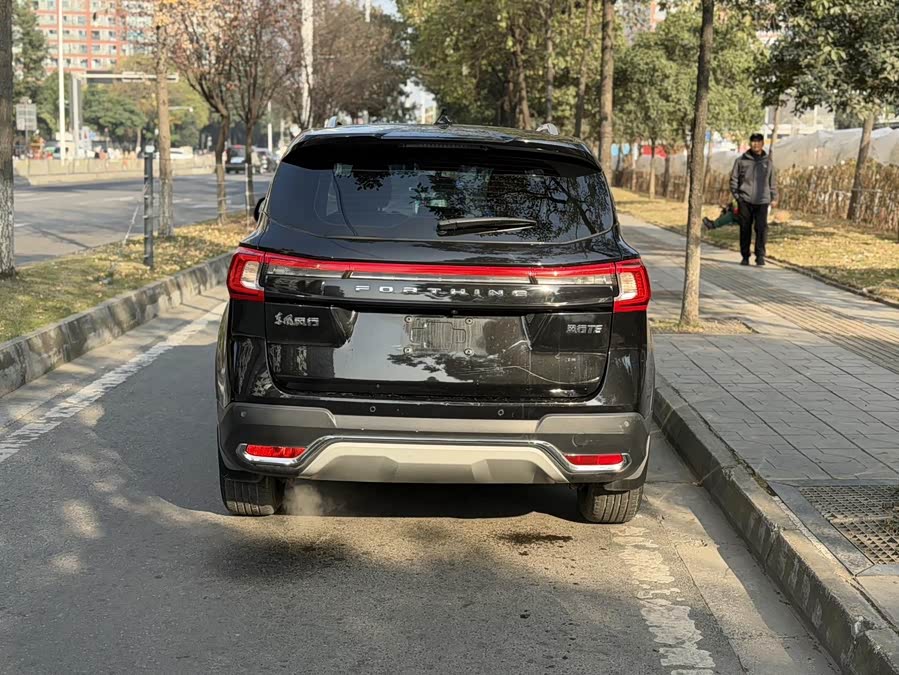
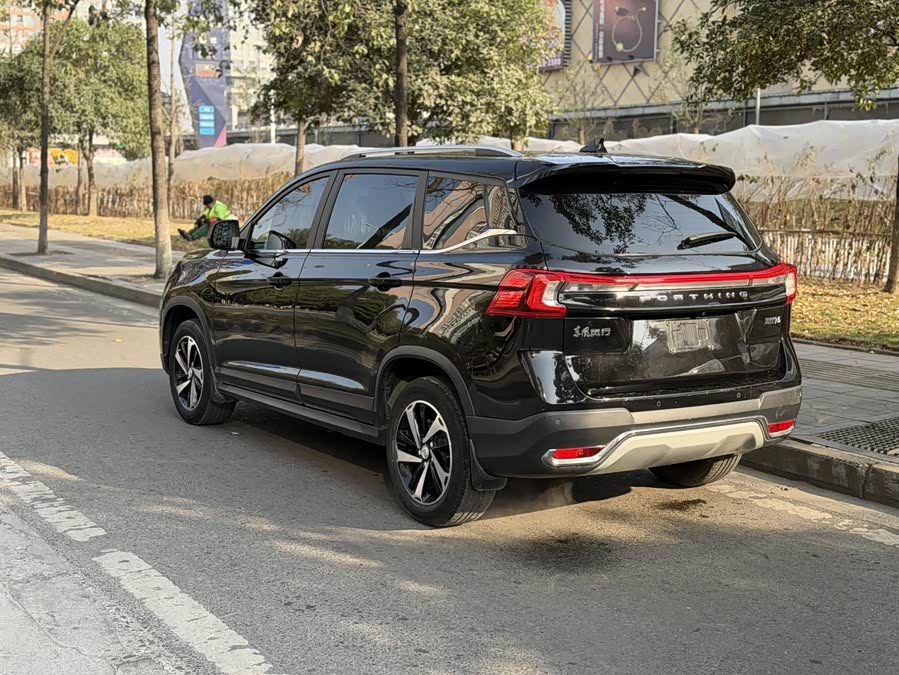
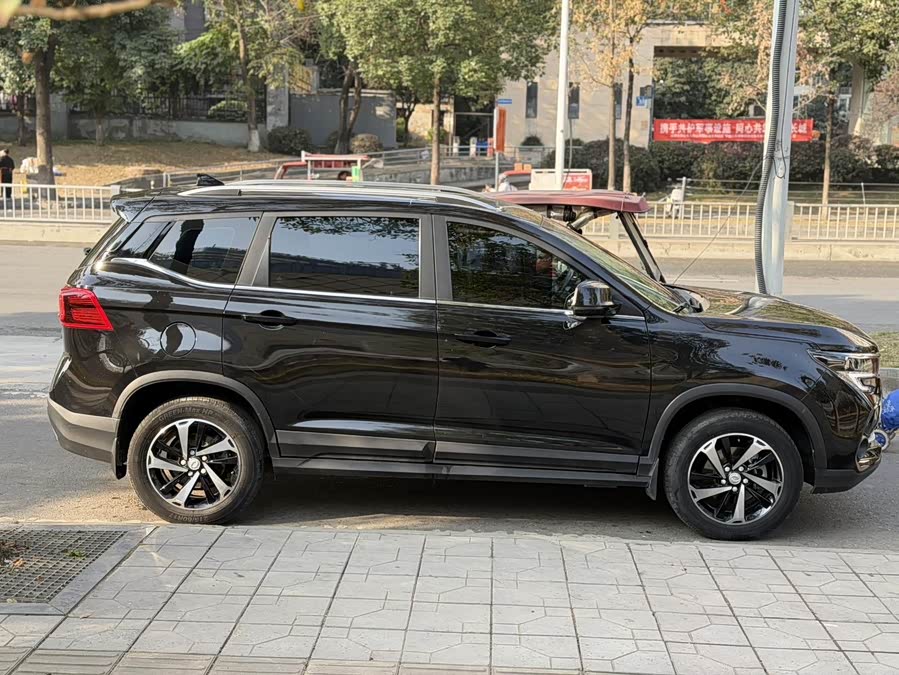
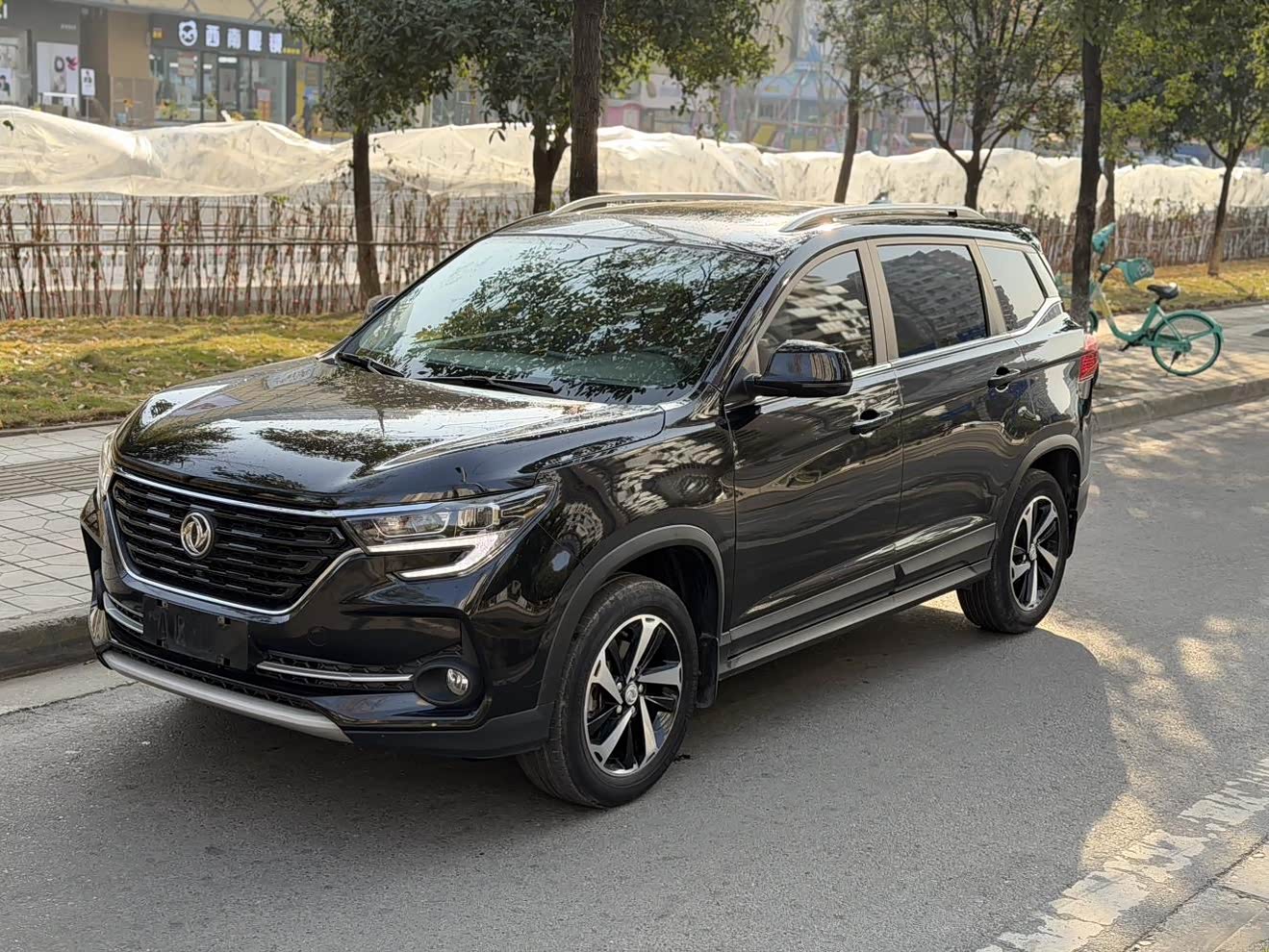
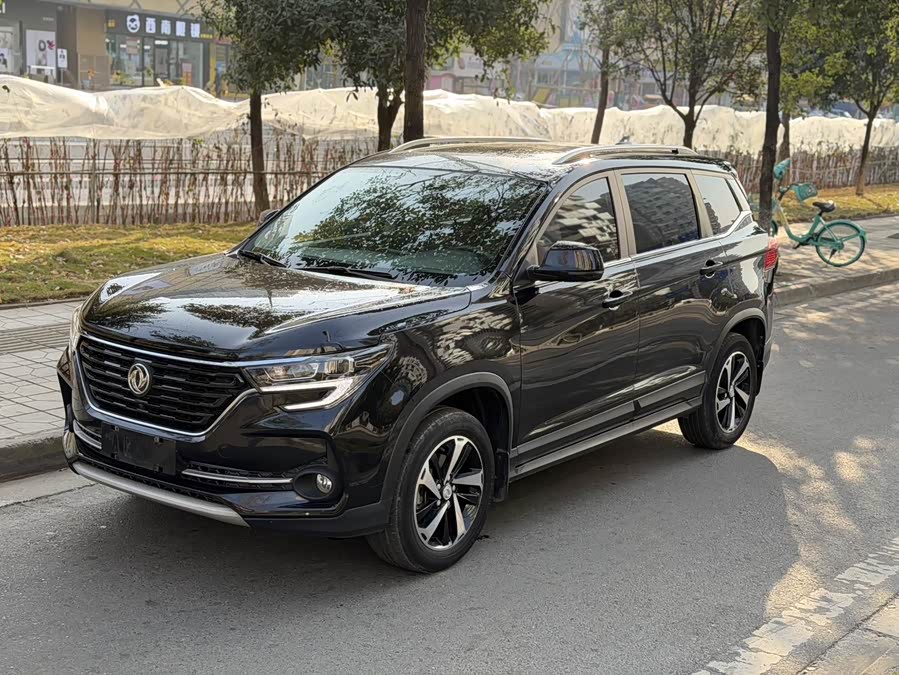
BrandForthing
SeriesT5
Year2020
First Registration2020/04
Mileage32,000km
Transfer Count-
FuelGasoline
TransmissionManumatic
Engine1.5T 156 L4
ColorBlack
Seats-

Condition Description

very good

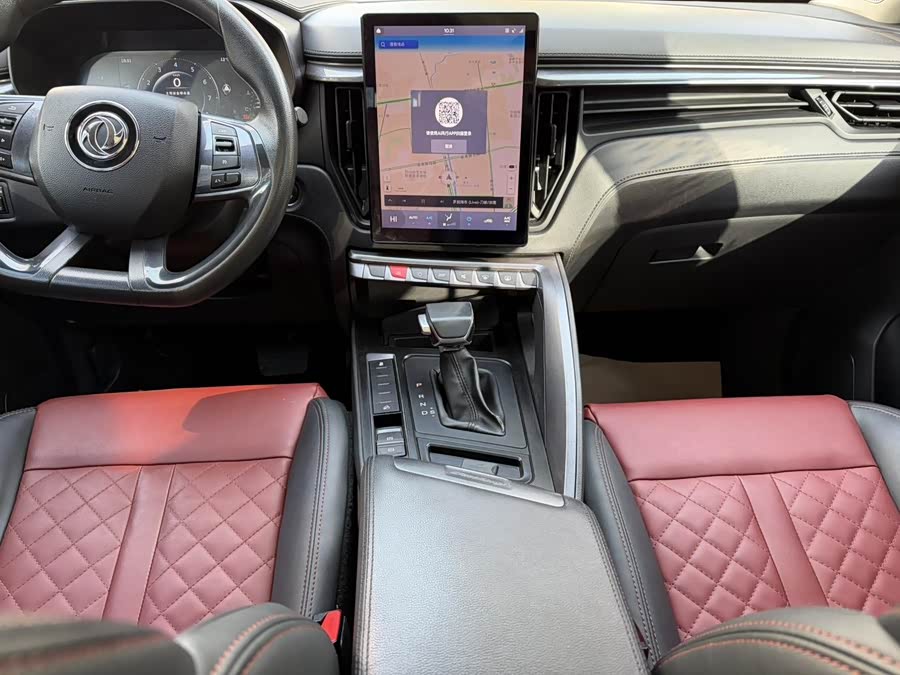
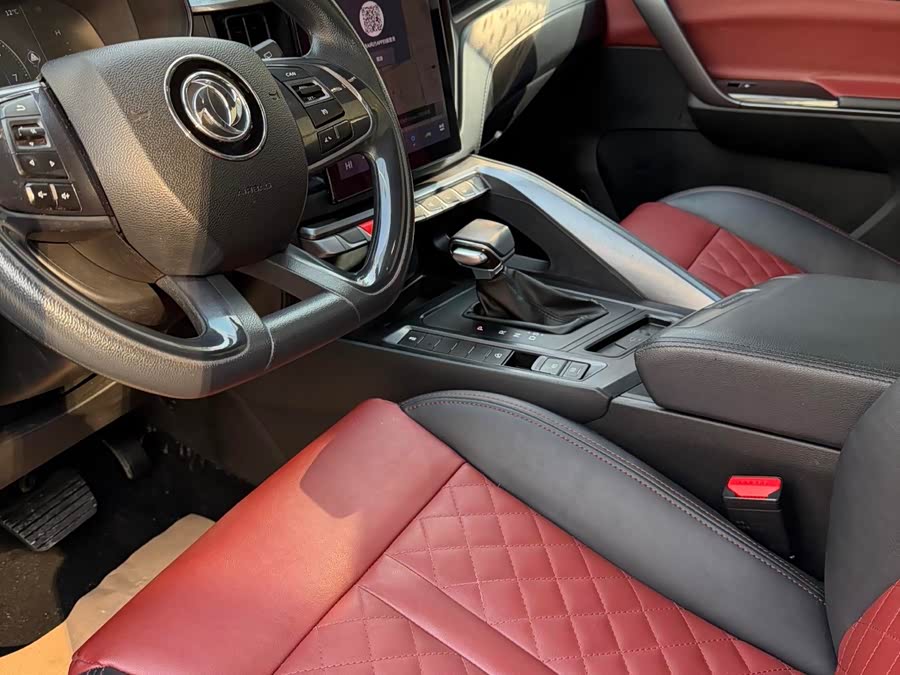
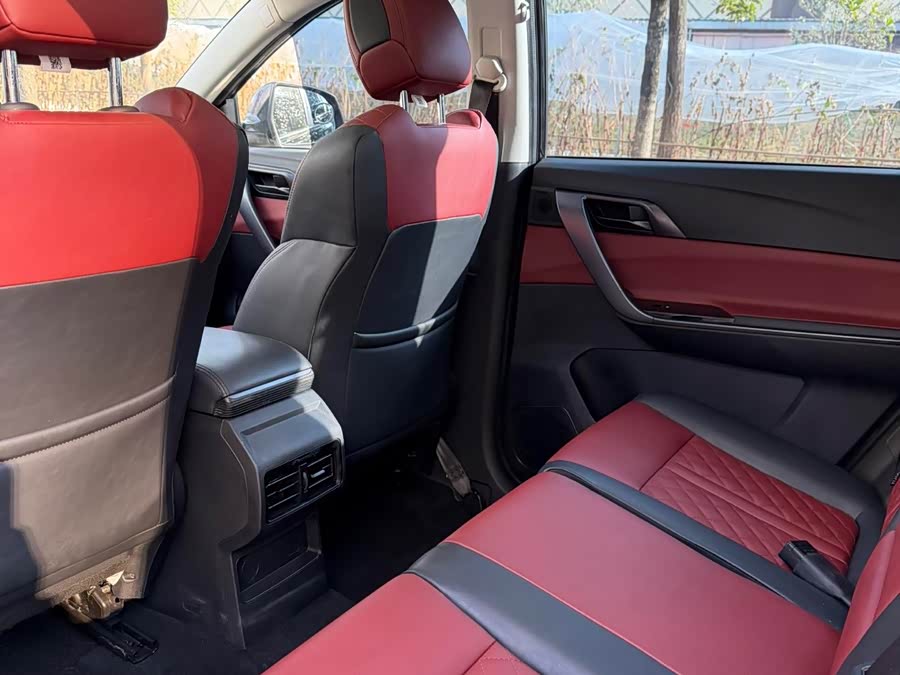
Exterior: Paintwork is well-maintained; body structure shows no signs of repair; no major accidents. Interior: Clean and tidy. Safety indicator lights are normal; airbags and other passive safety features are functioning correctly; vehicle electronics are in good working order; static and dynamic equipment is complete. Driving: Ignition, starting, acceleration, cornering, deceleration, and braking are all smooth; acceleration is rapid, power output is smooth and comfortable, and there is no idling vibration. Overall: Overall vehicle condition is average. The body frame structure shows no deformation or twisting, and there are no signs of fire or water damage. There are signs of repainting, but the overall paintwork is good, ruling out major accidents. Wide field of vision, suitable for beginners; spacious, bright, and well-ventilated interior, suitable for family commuting.
0 transfers
Original factory warranty

Configuration Highlights

✓ISOFIX Child Seat Anchors
✓Auto Hold
✓Keyless Start System
✓Built-in Dashcam
✓Bluetooth/Hands-free
✓Connected Car
✓Cornering Lights
✓PM2.5 Air Filter
✓Rear Air Vents

Accident & Maintenance Records

Accident Record

🔗 Open Link

Maintenance Record

🔗 Open Link

Document Information

Inspection Expiry Date2026/04
Warranty Expiry Date-
Insurance Expiry Date2026/04

Q&A

More

Can the strength of the energy recovery system in electric vehicles be adjusted with physical buttons?

Most models adjust through the central control screen menu, while a few models (like some BYD or MG) retain physical levers or paddles on the center console or steering wheel. We will check if the drag feel when the system engages is linearly normal.

Will you clearly inform if the vehicle was previously a commercial vehicle (ride-hailing, taxi, rental)?

The "usage type" section on the vehicle registration certificate has legal validity. Any vehicle that changes from "commercial" to "non-commercial" has a usage intensity far exceeding that of personal vehicles, and we will label these prominently. Such vehicles are usually cheaper but have more severe mechanical wear.

If the customs of the destination country values the vehicle higher than your commercial invoice amount, leading to a surge in duties, who is responsible?

The customs of the destination country has the right to disregard the commercial invoice and reassess the value based on its internal database (such as the customs valuation red book). Any additional duties incurred are a result of the importing country's policy and are fully borne by the buyer (importer).