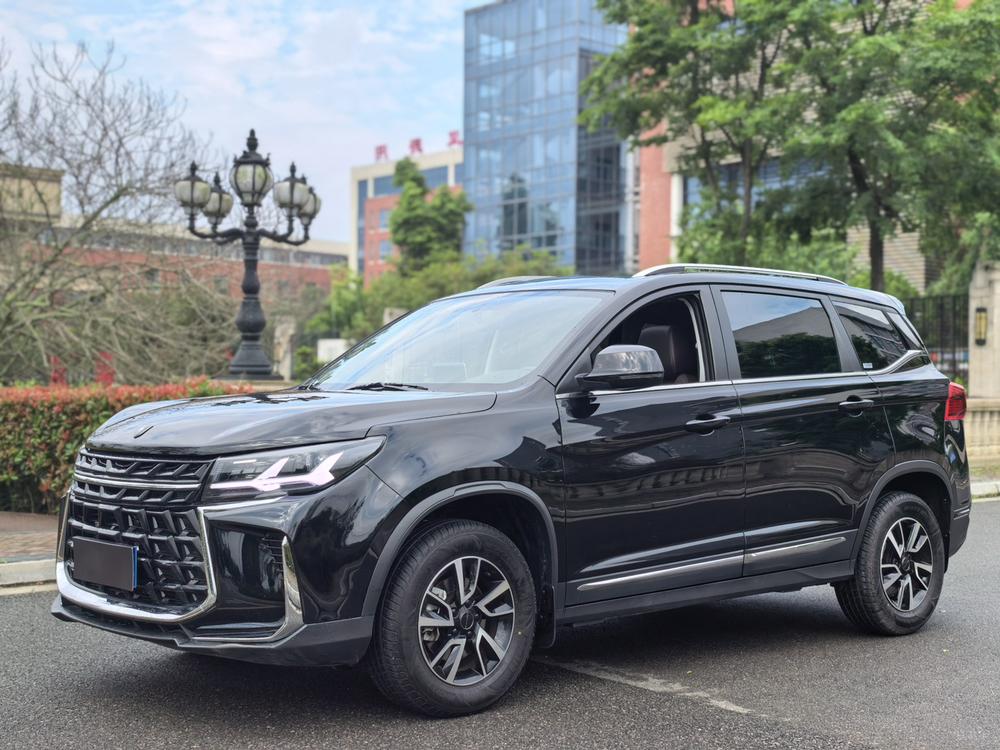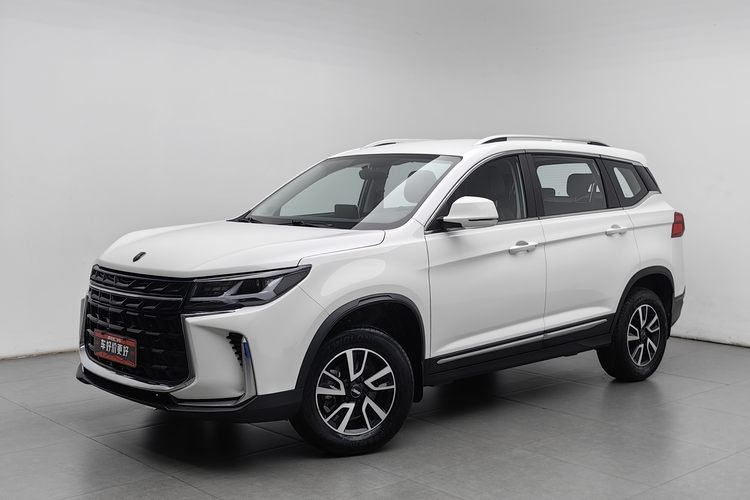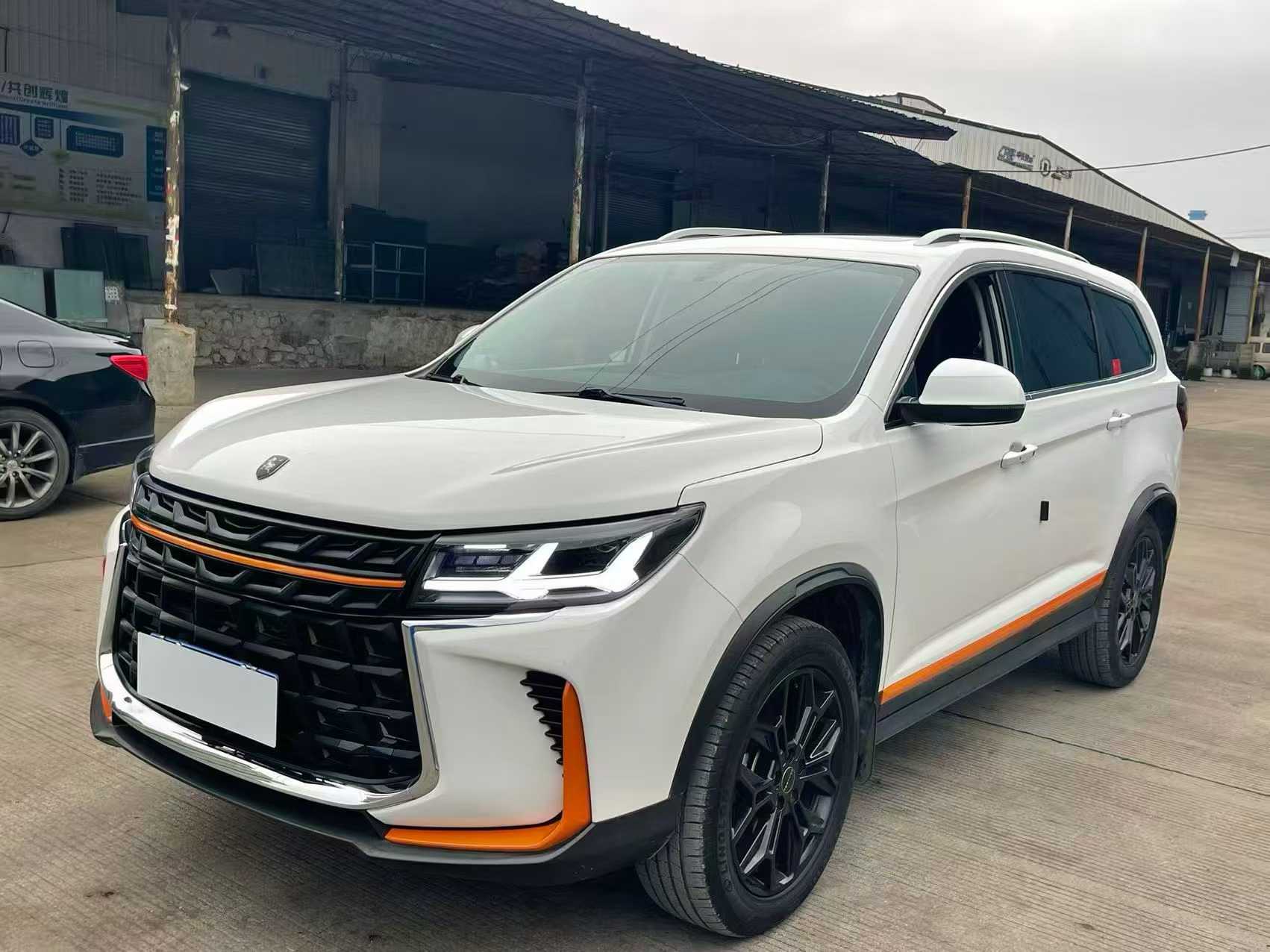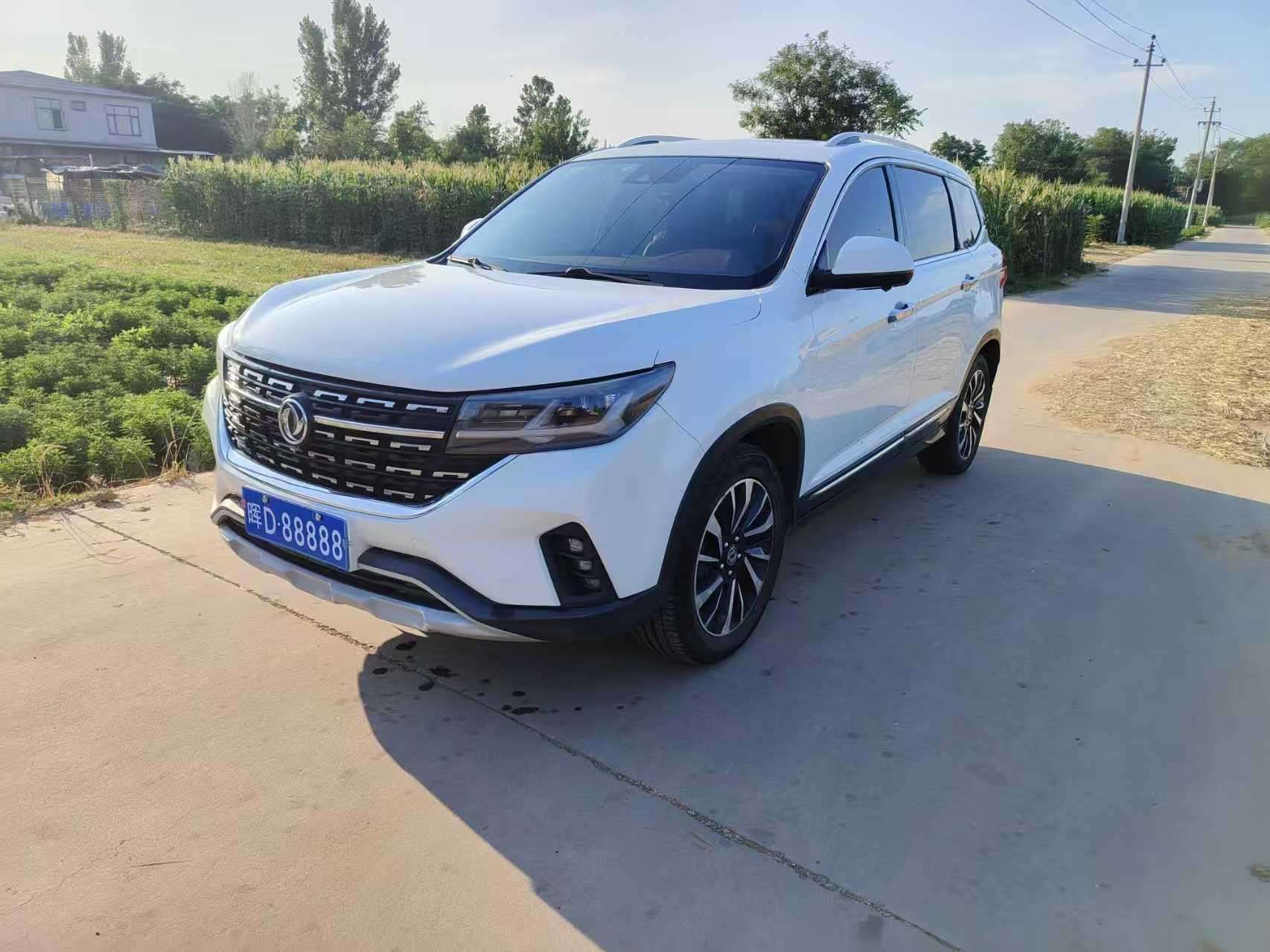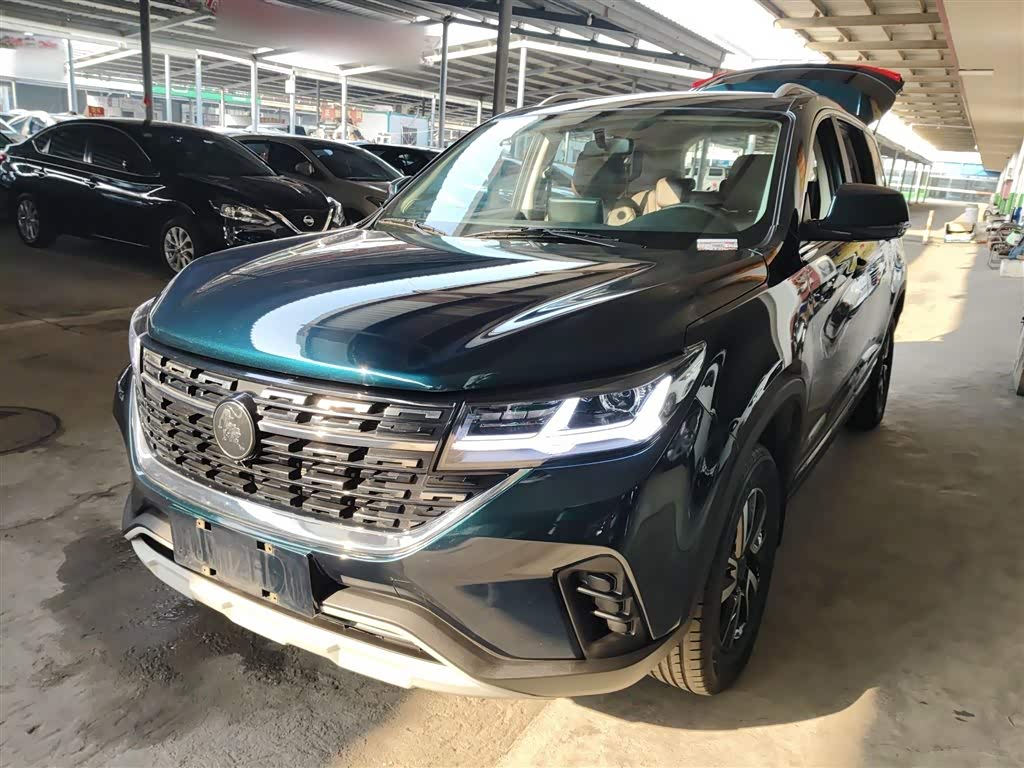
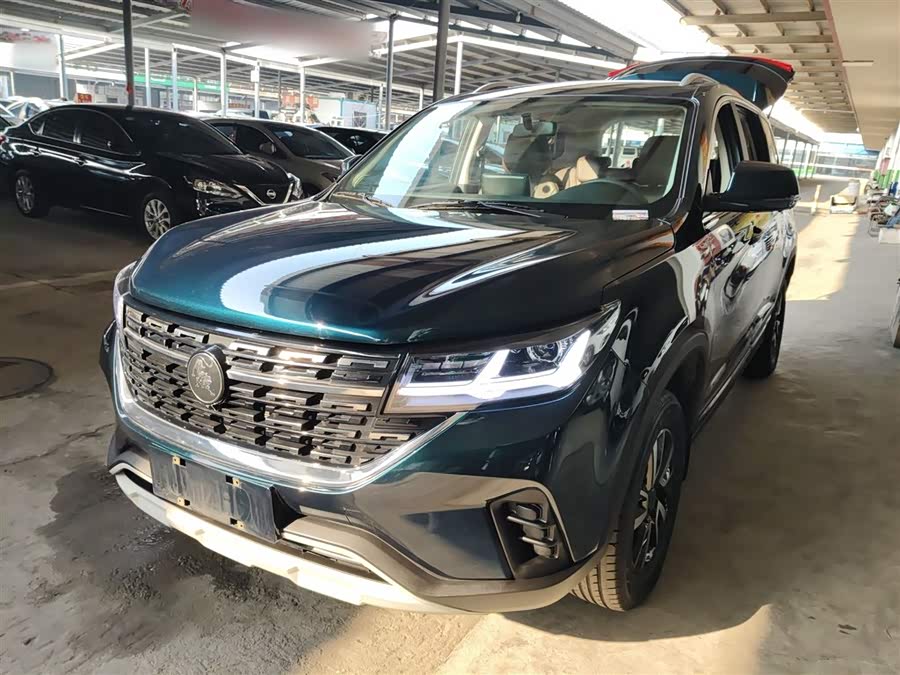
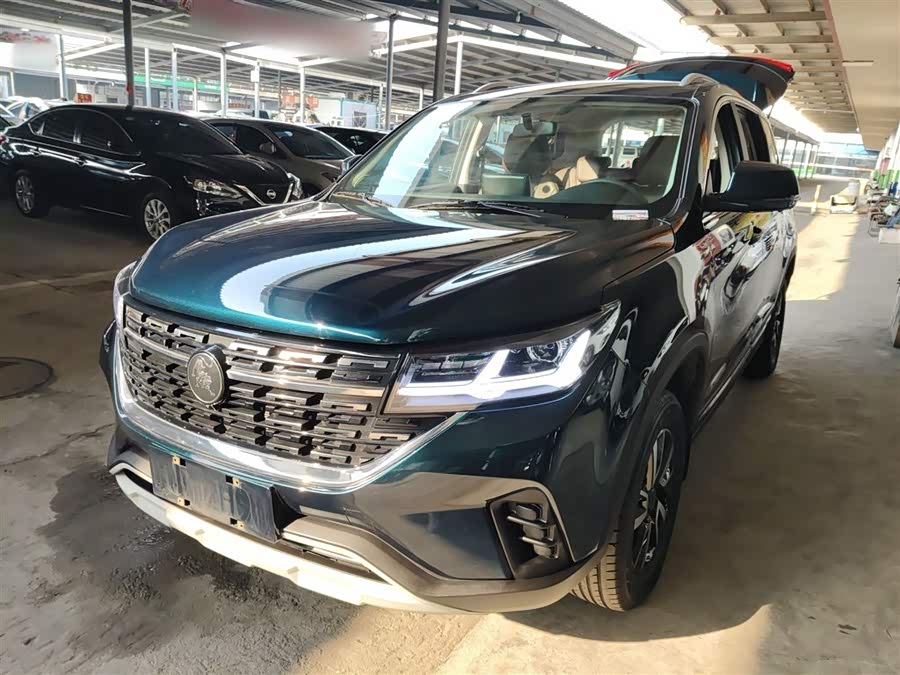
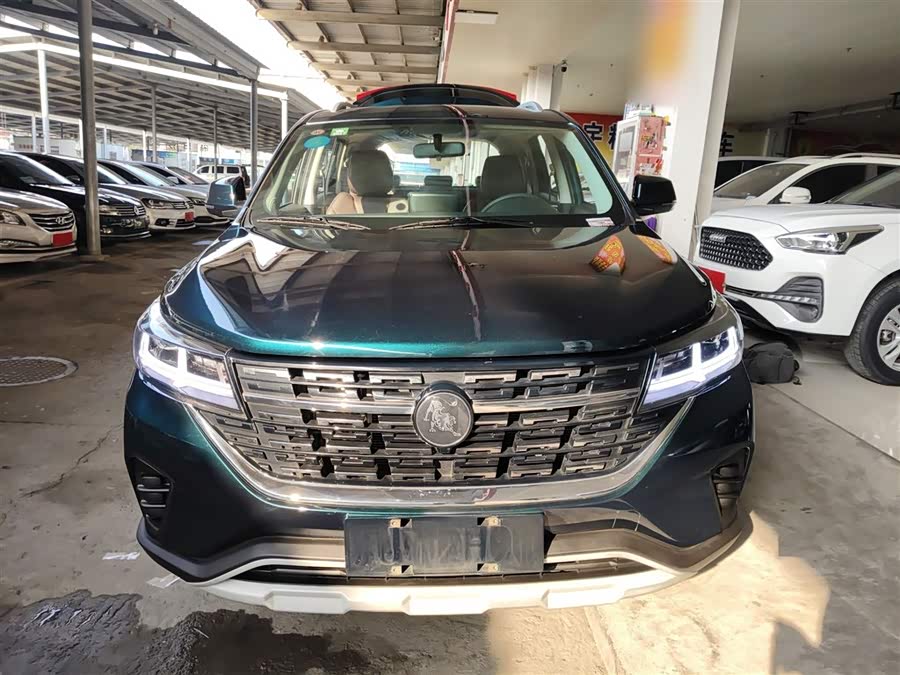
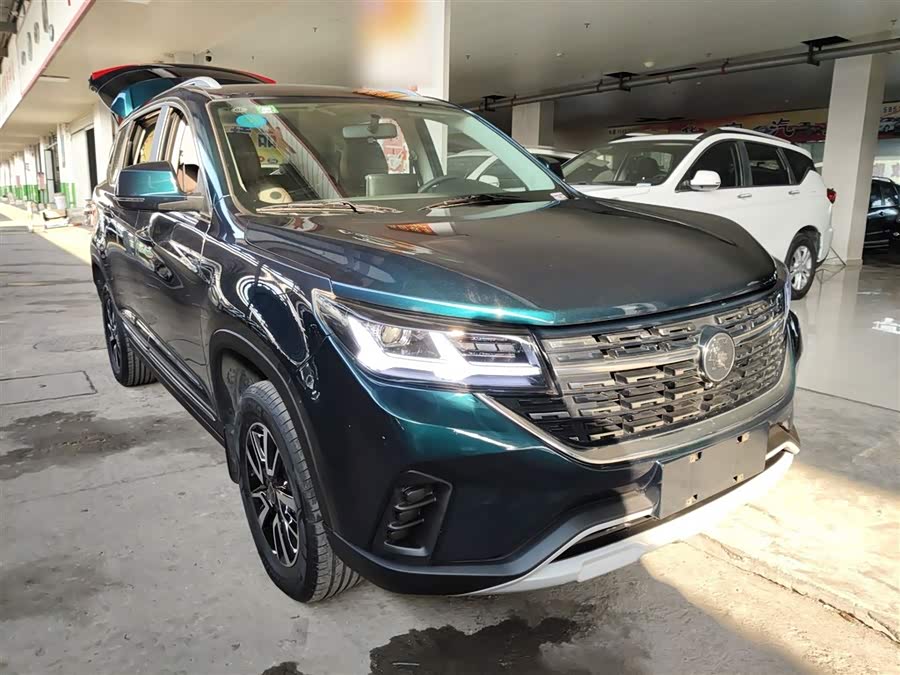
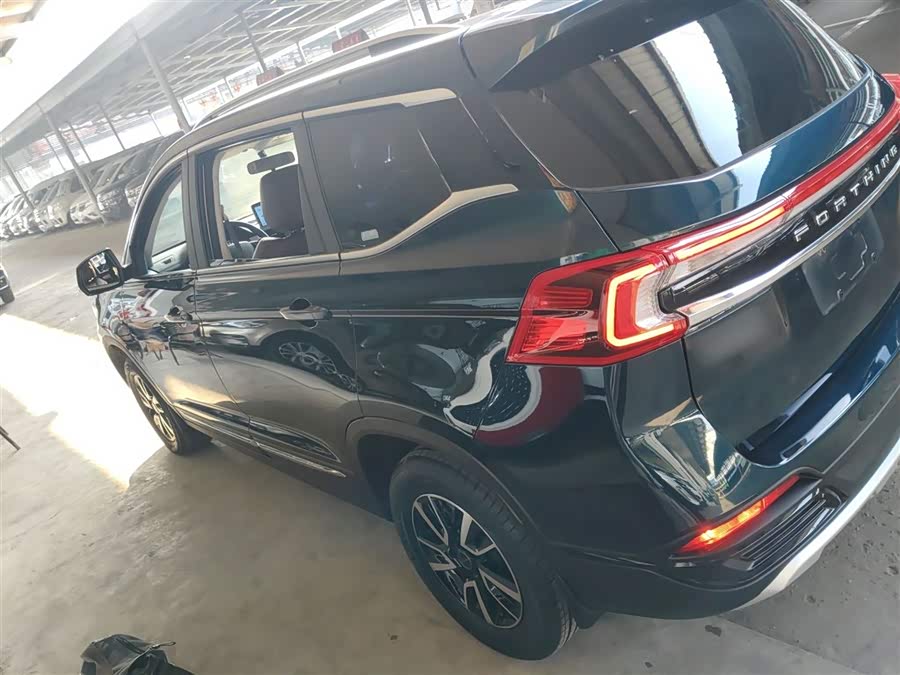
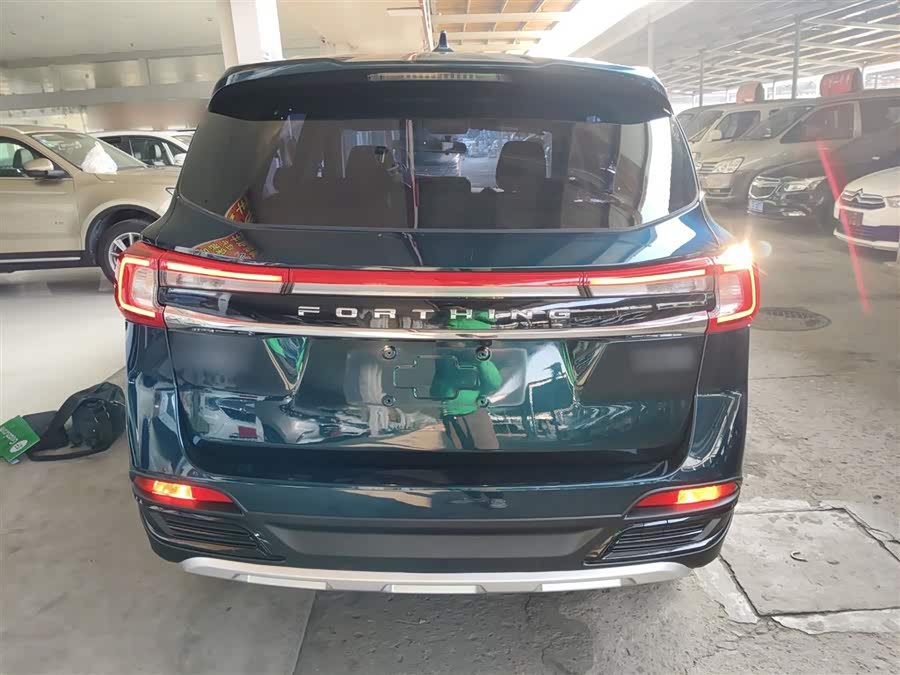
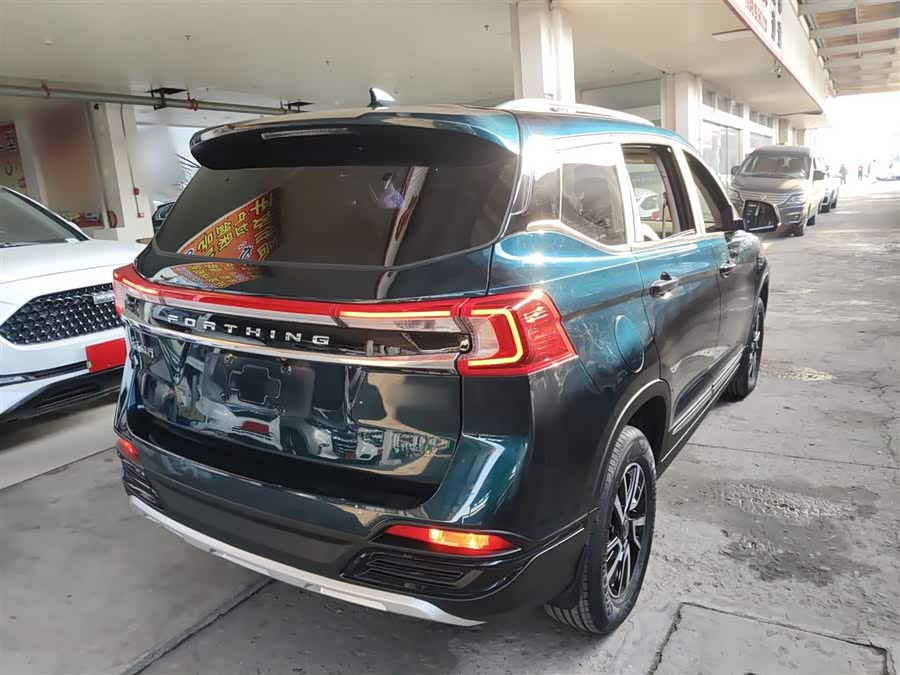
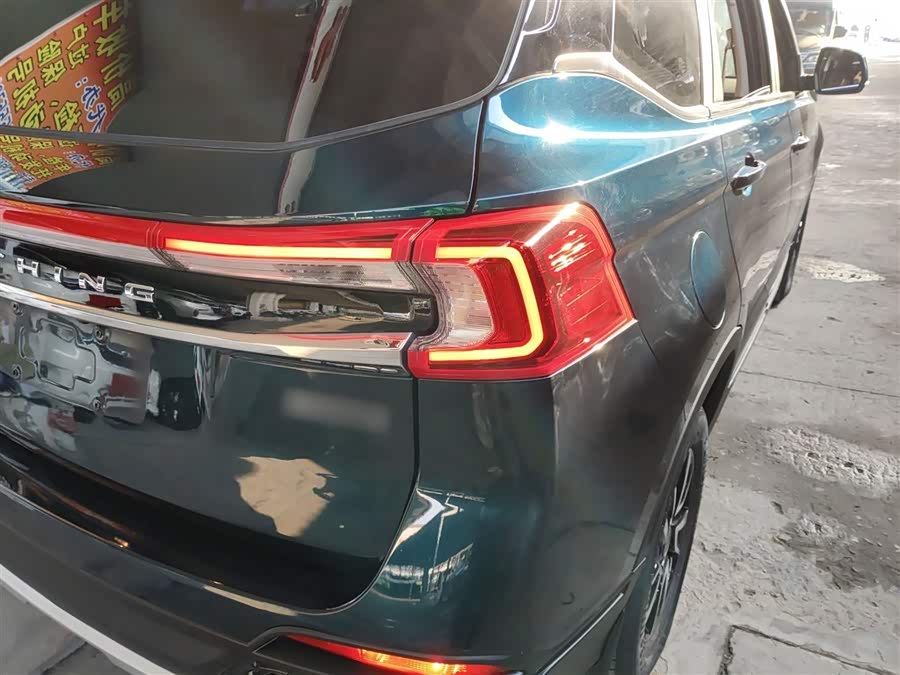
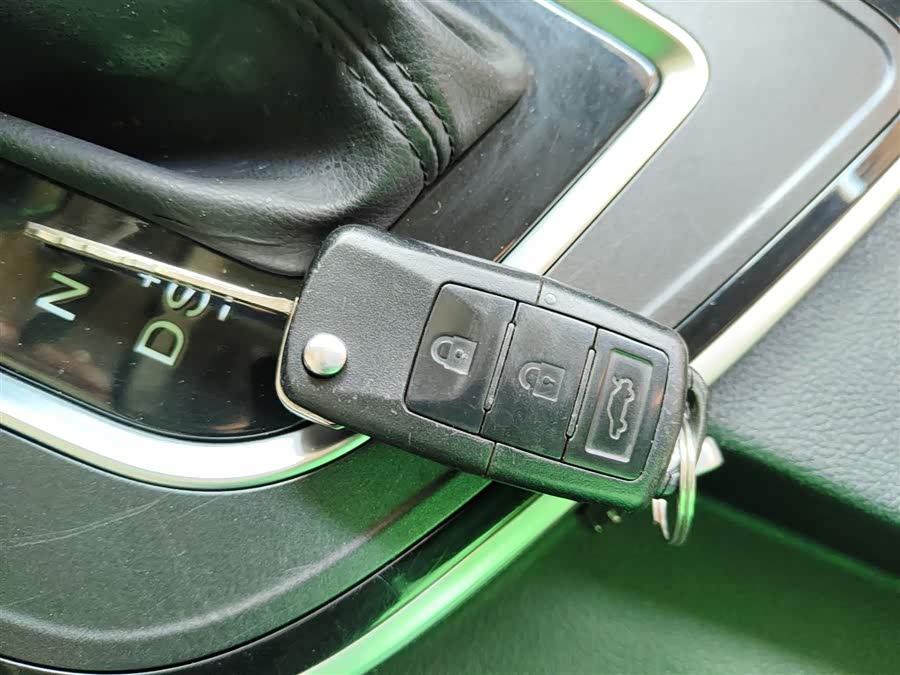
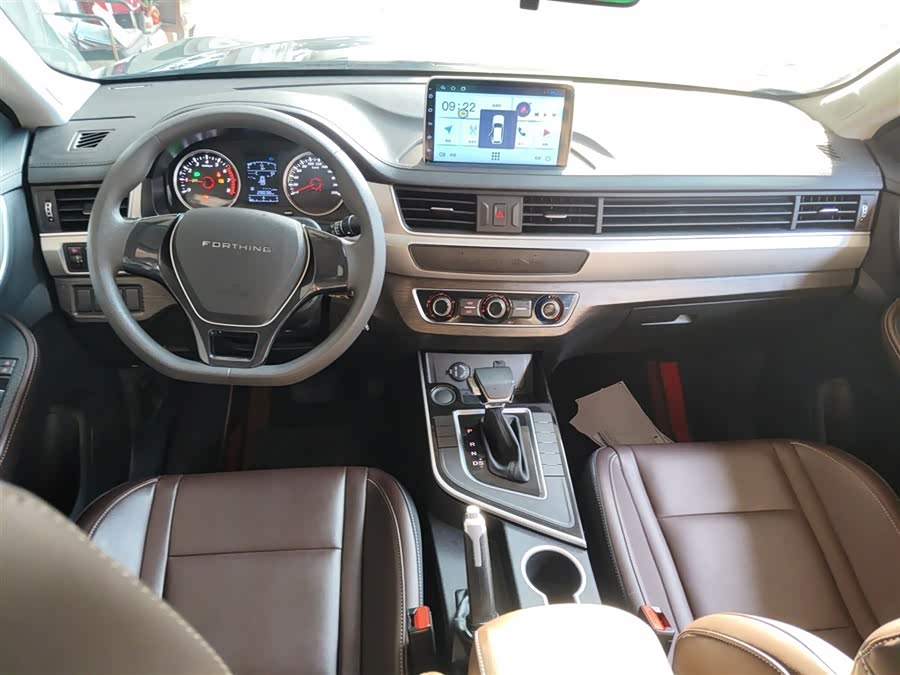
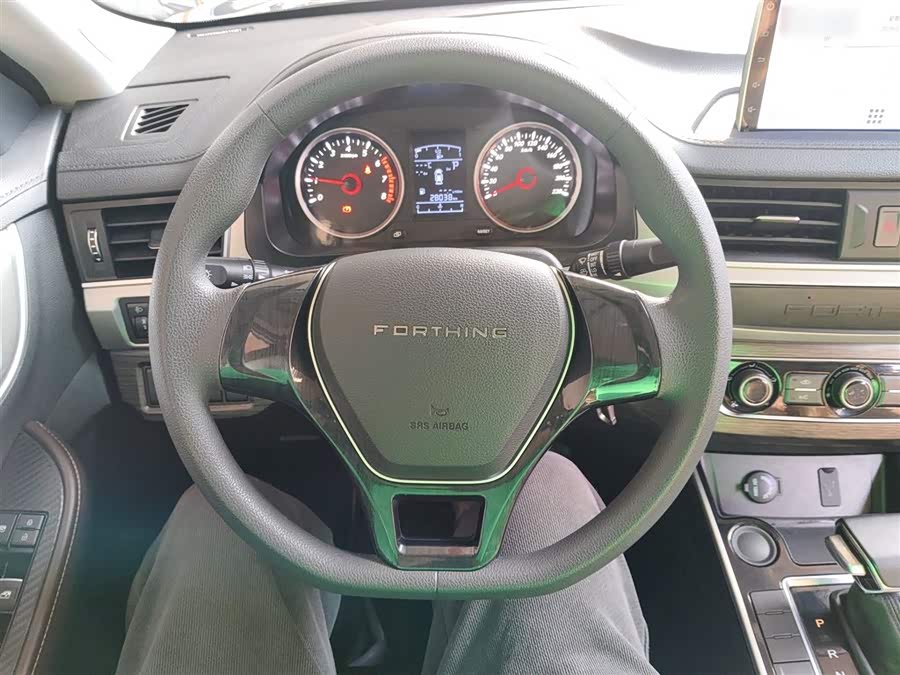
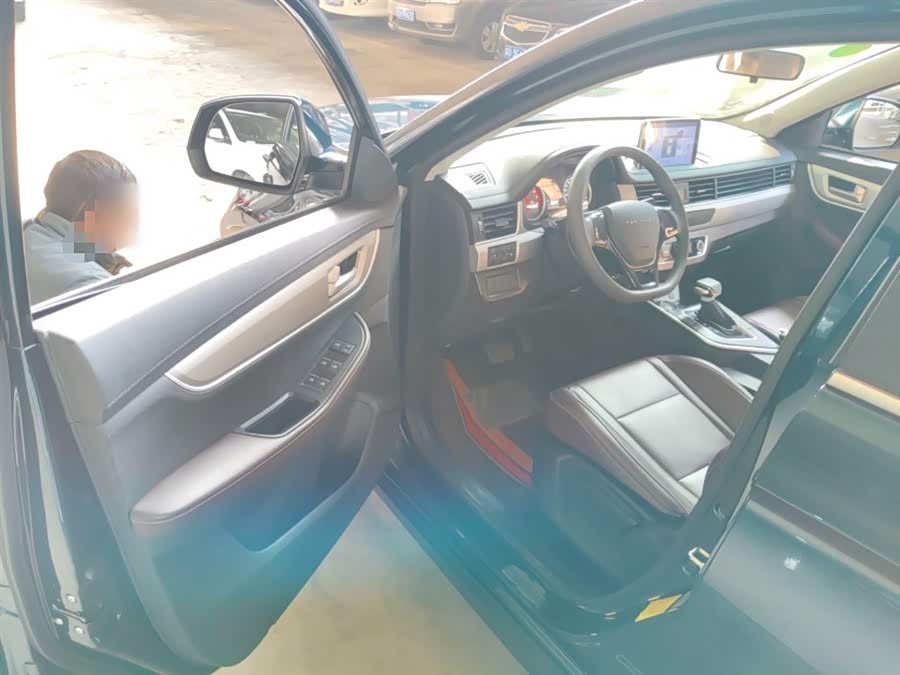
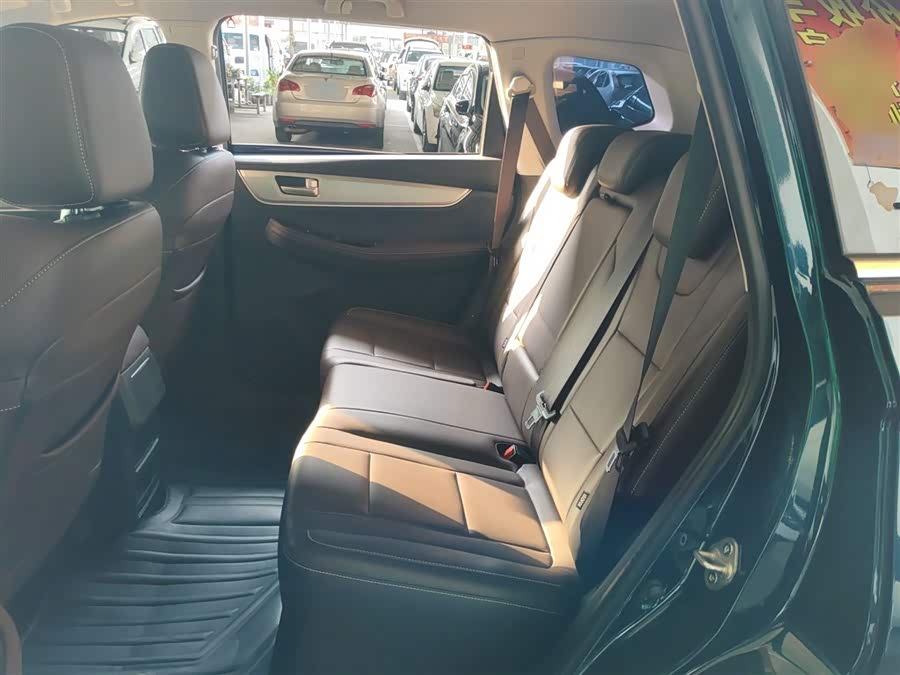
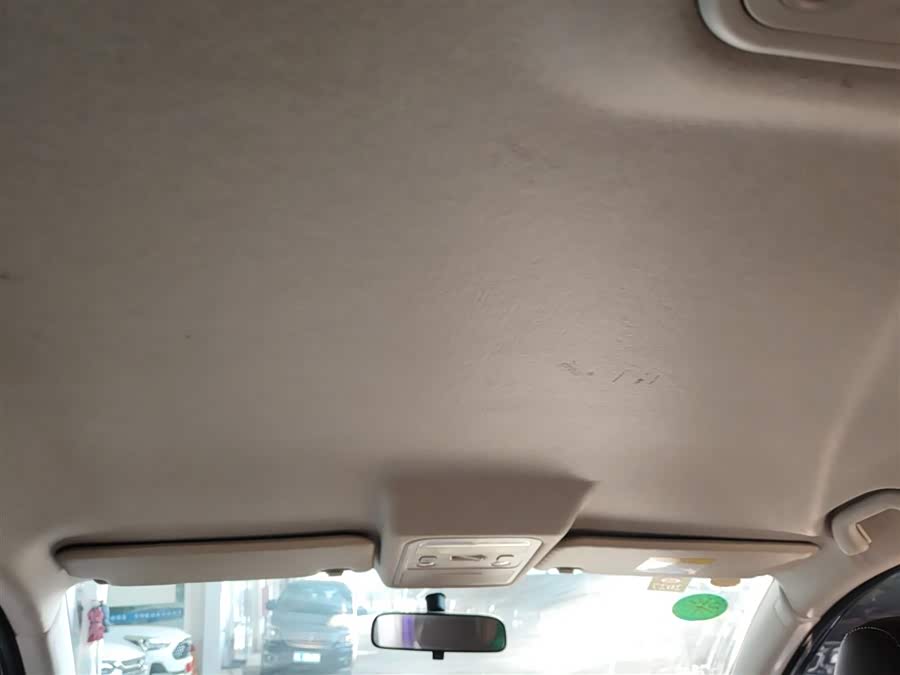
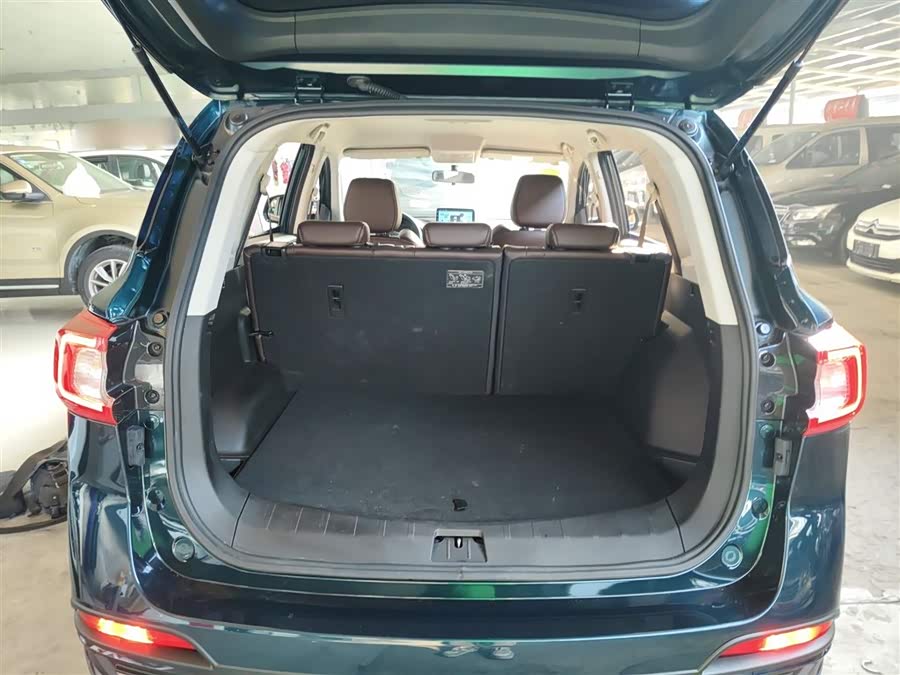
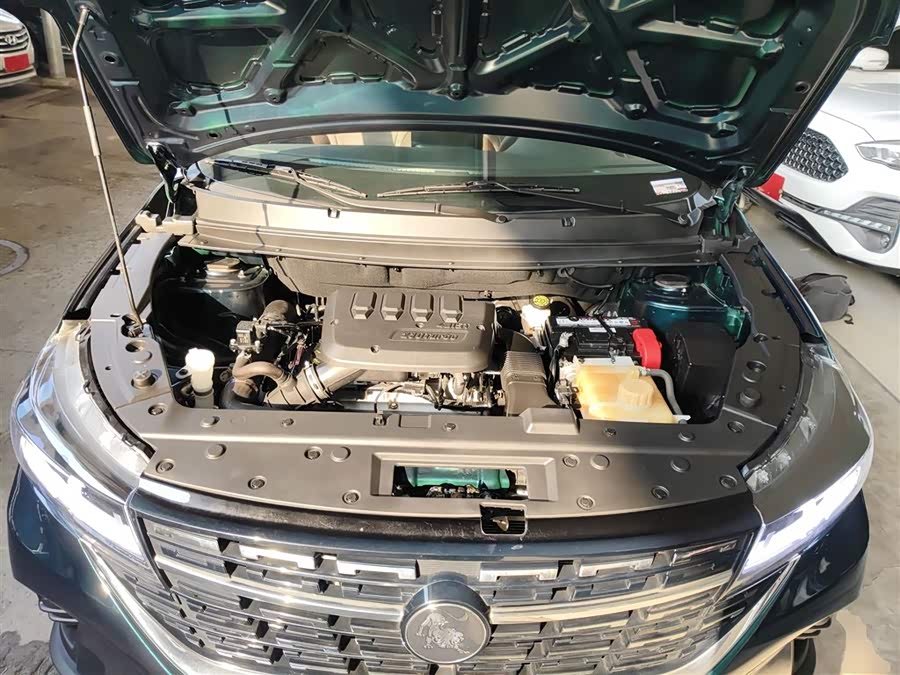
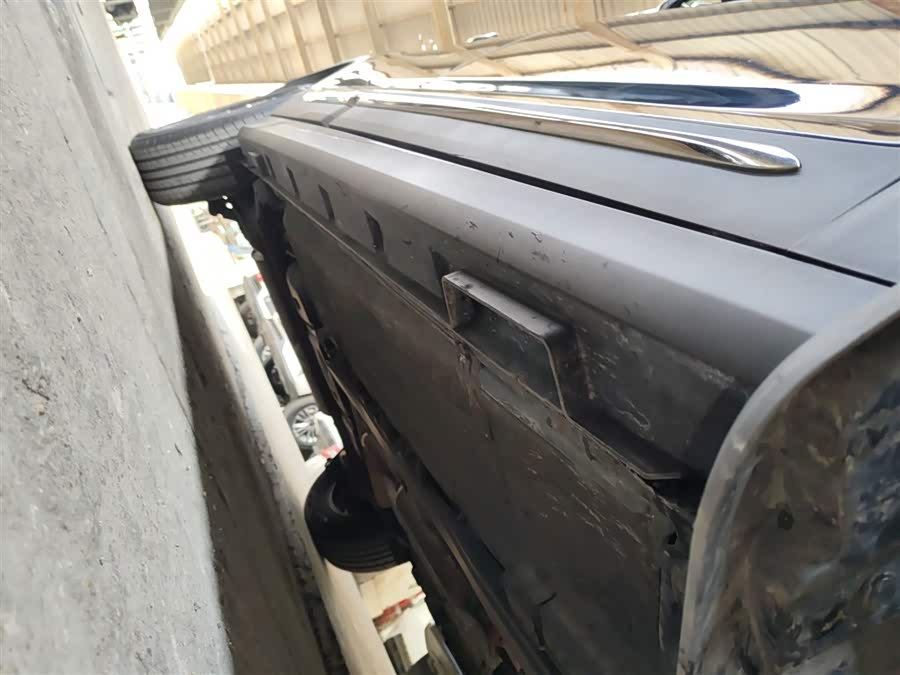
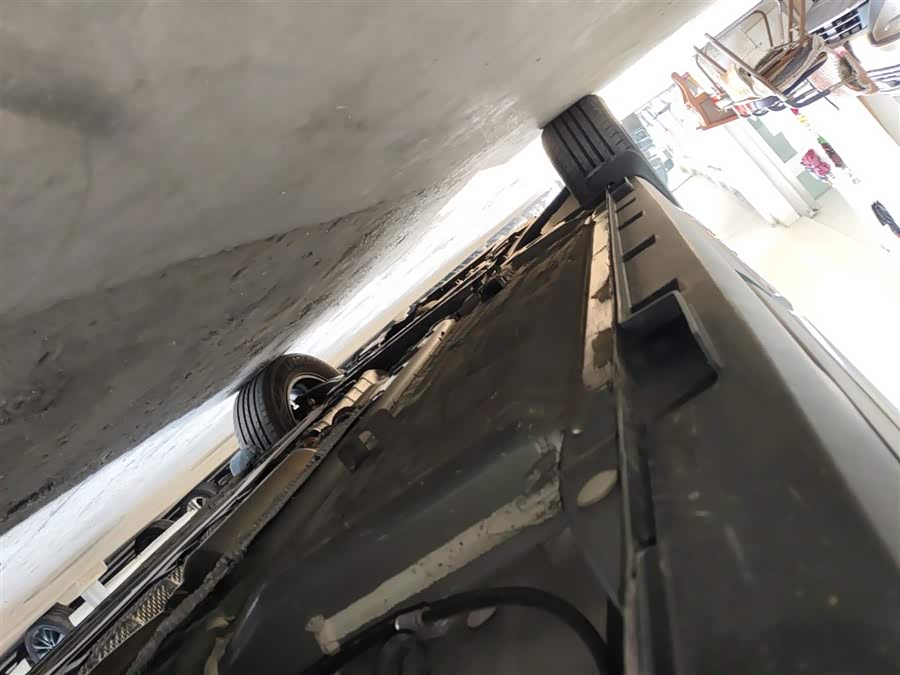
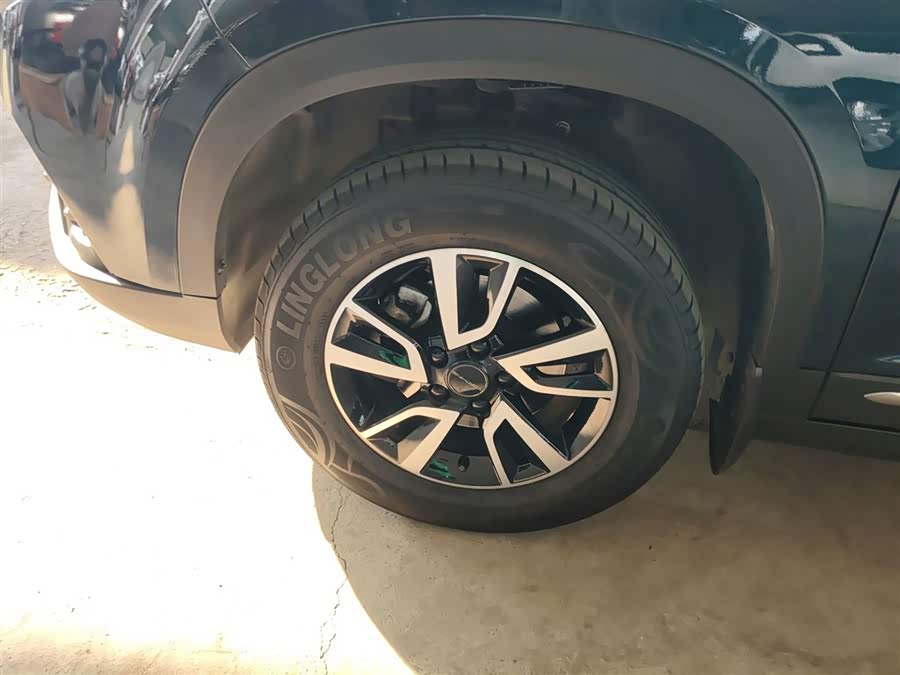
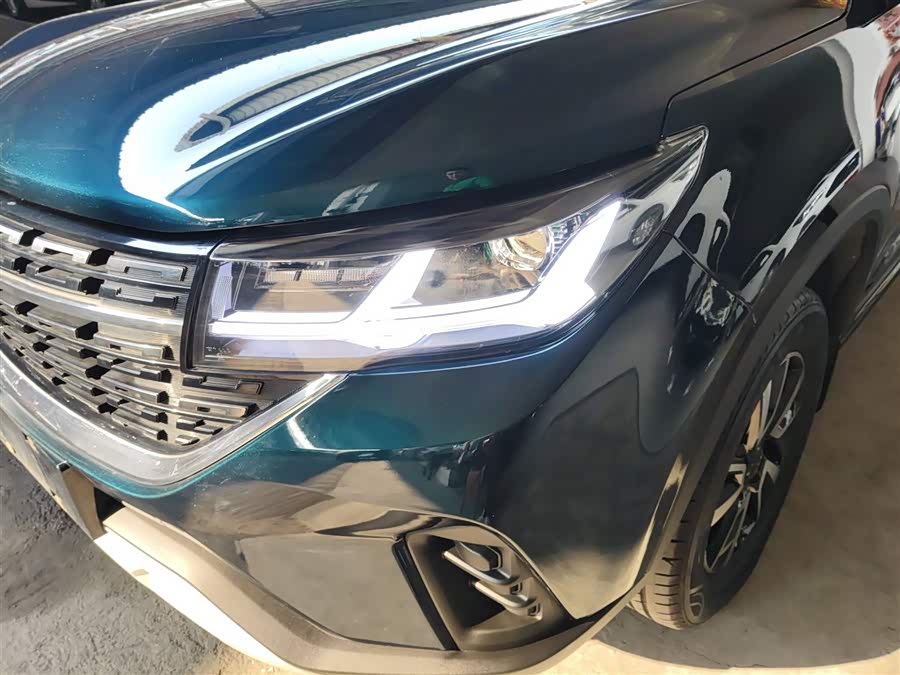
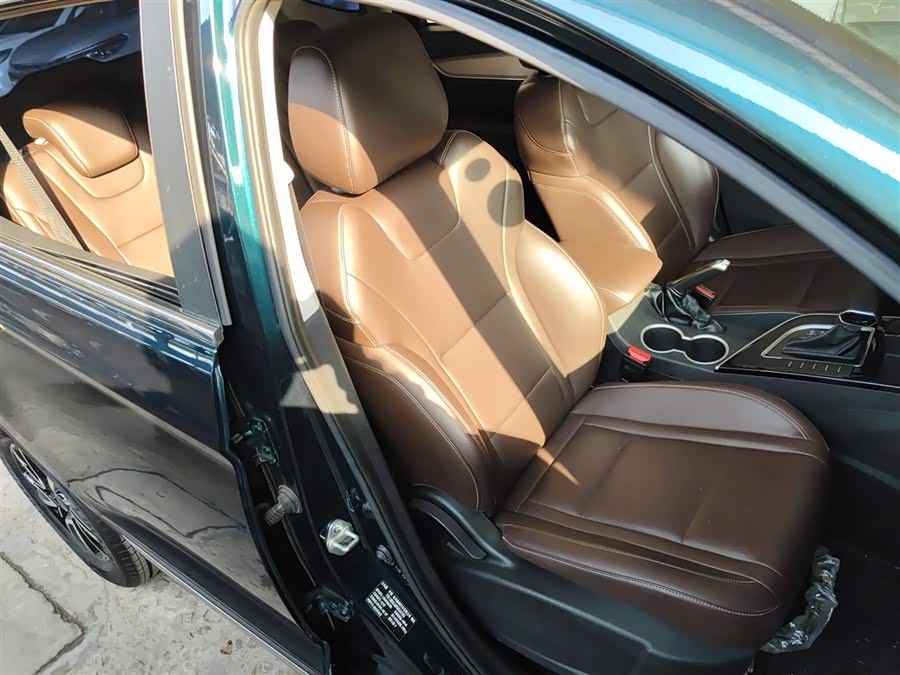
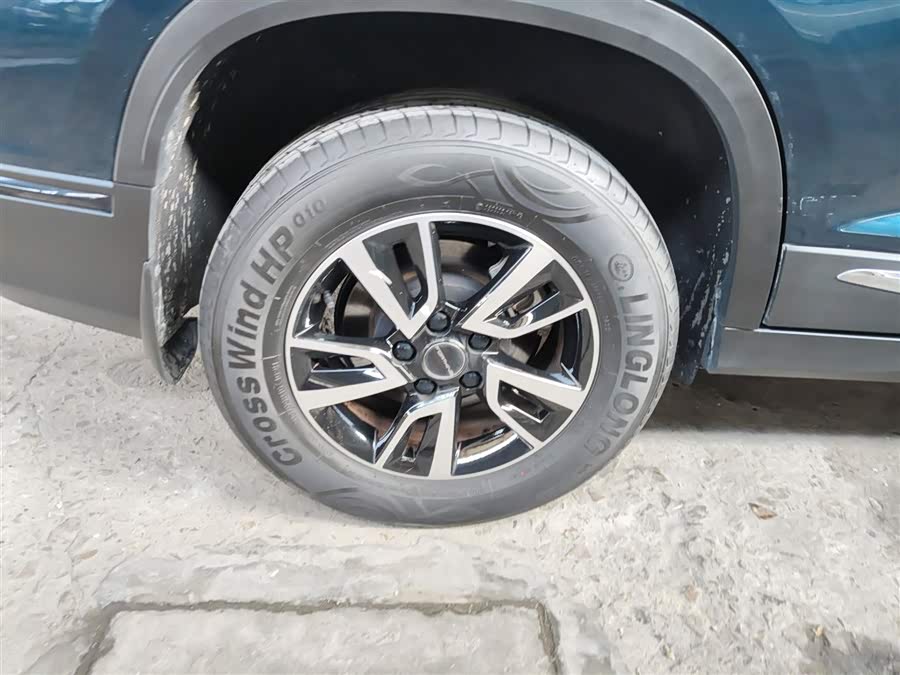
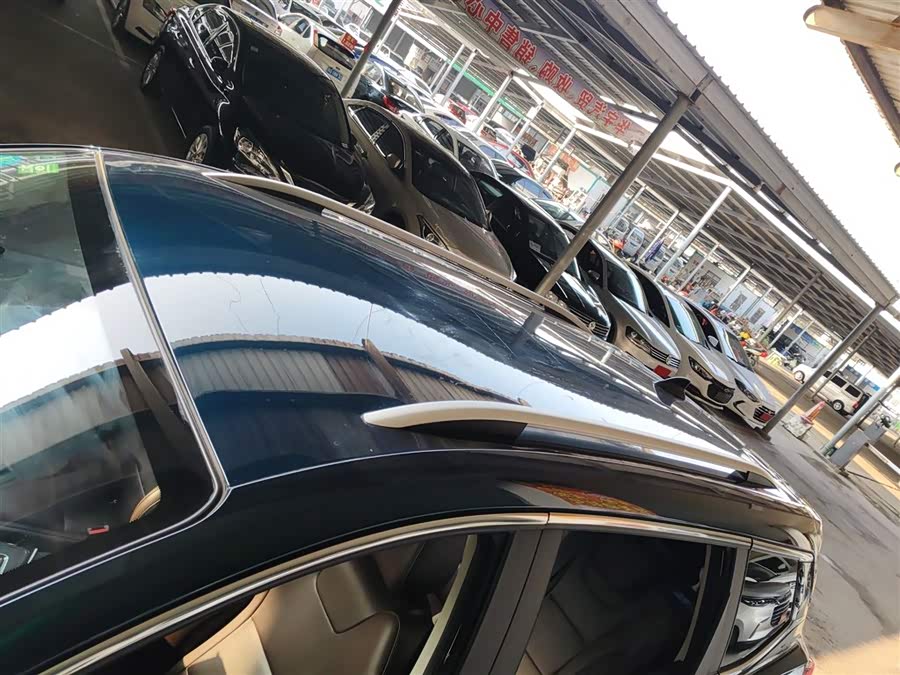
Basic Information

BrandForthing
SeriesT5
Year2023
First Registration2023/07
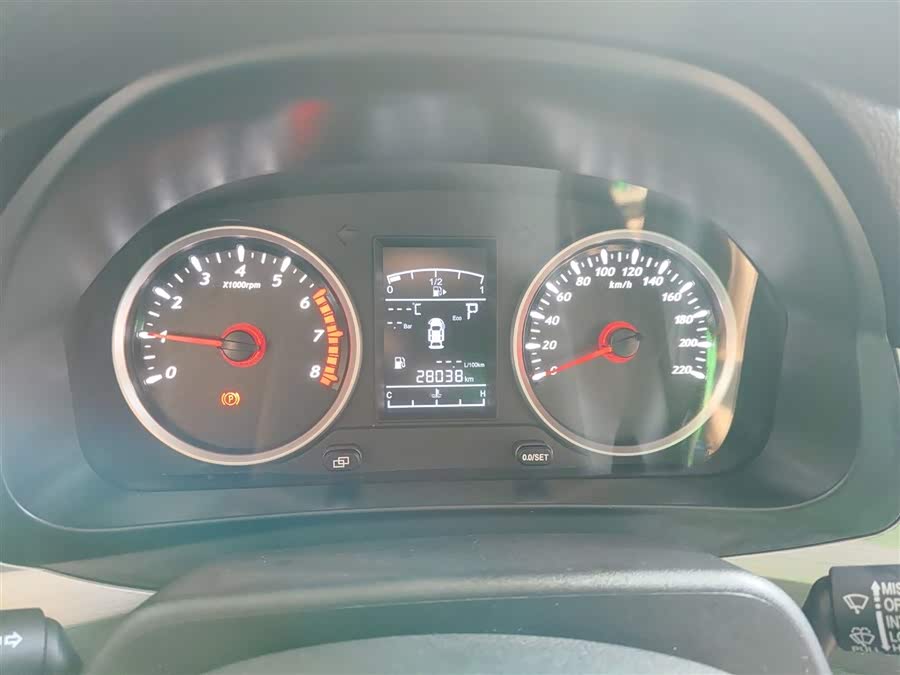
Mileage28,000km
Transfer Count1times
FuelGasoline
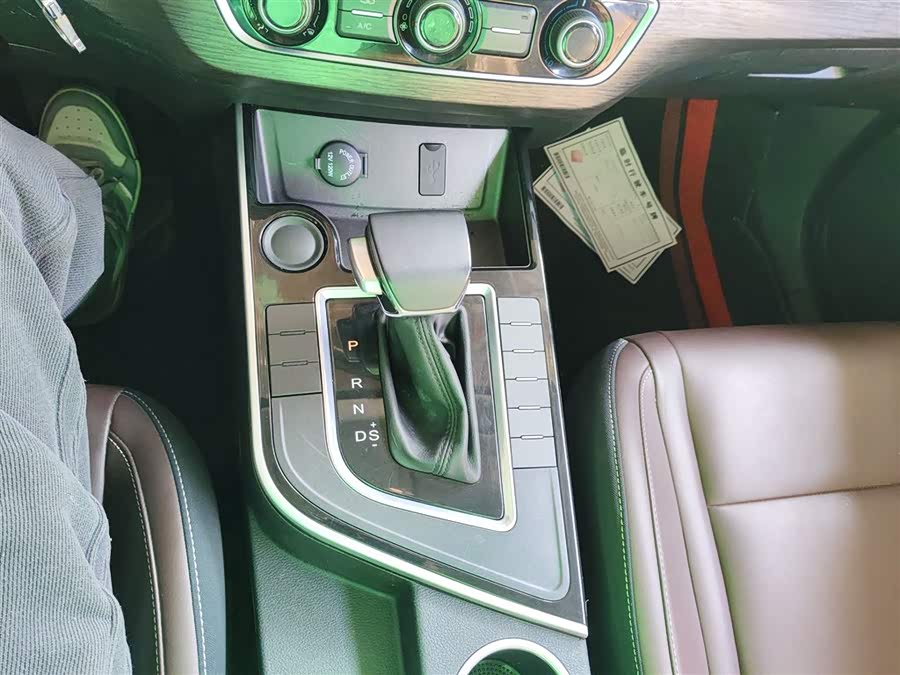
TransmissionManumatic
Engine1.5T 156 L4
ColorGreen
Seats-

Condition Description

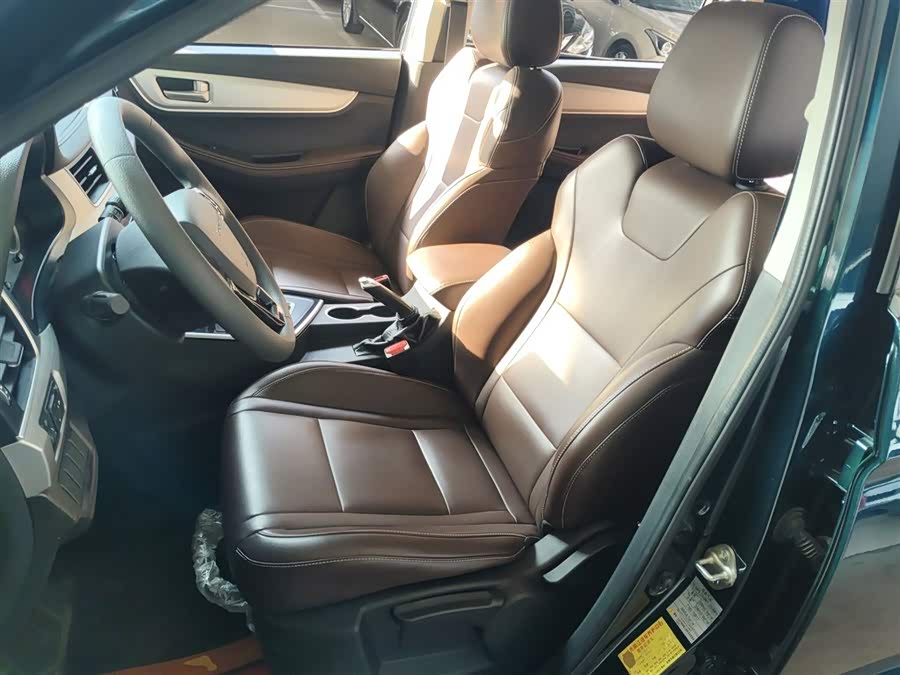
very good

90-day repurchase guarantee

Configuration Highlights

ISOFIX Child Seat Anchors
Power Trunk
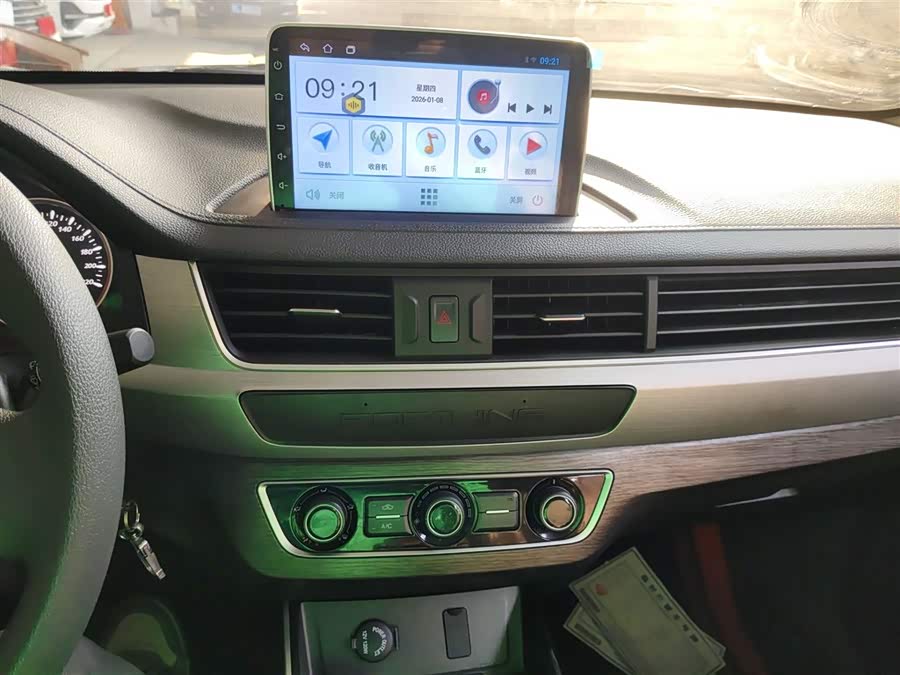
Bluetooth/Hands-free
Cornering Lights
Built-in Dashcam

Accident & Maintenance Records

Maintenance Record

🔗 Open Link

Document Information

Inspection Expiry Date2027/07
Warranty Expiry Date-
Insurance Expiry Date2026/07

Q&A

More

If a car frequently transfers between extremely cold areas (like Northeast China) and extremely hot areas (like Hainan), would you provide special risk warnings?

Absolutely. The extreme temperature fluctuations will significantly accelerate the aging of chassis rubber parts, oil seals, and interior plastics. For vehicles frequently dispatched across such latitudes, we will conduct fatigue resistance checks on chassis rubber parts that are twice as stringent as those for vehicles in temperate regions.

If the destination country requires a "Certificate of Conformity (COC)" for the vehicle, can used cars from China provide the original factory COC?

Vehicles sold domestically in China only have the "Environmental Information List" and the "Vehicle Qualification Certificate," which are not the COC of the European system. We will provide a notarized English translation of the Chinese qualification certificate. If local customs strictly require the original European COC, the vehicle will not be able to clear customs.

For countries with strict anti-dumping laws, do the low-priced used new energy vehicles you export face the risk of being confiscated by customs on the grounds of dumping?

This is a macro policy minefield. Although used cars are rarely classified as dumping, if your single import quantity is too large and the declared price is significantly lower than local similar products, it can easily trigger an investigation by the tax bureau. We strongly recommend B2B buyers to break down shipments into smaller batches and use multiple invoices for customs clearance.