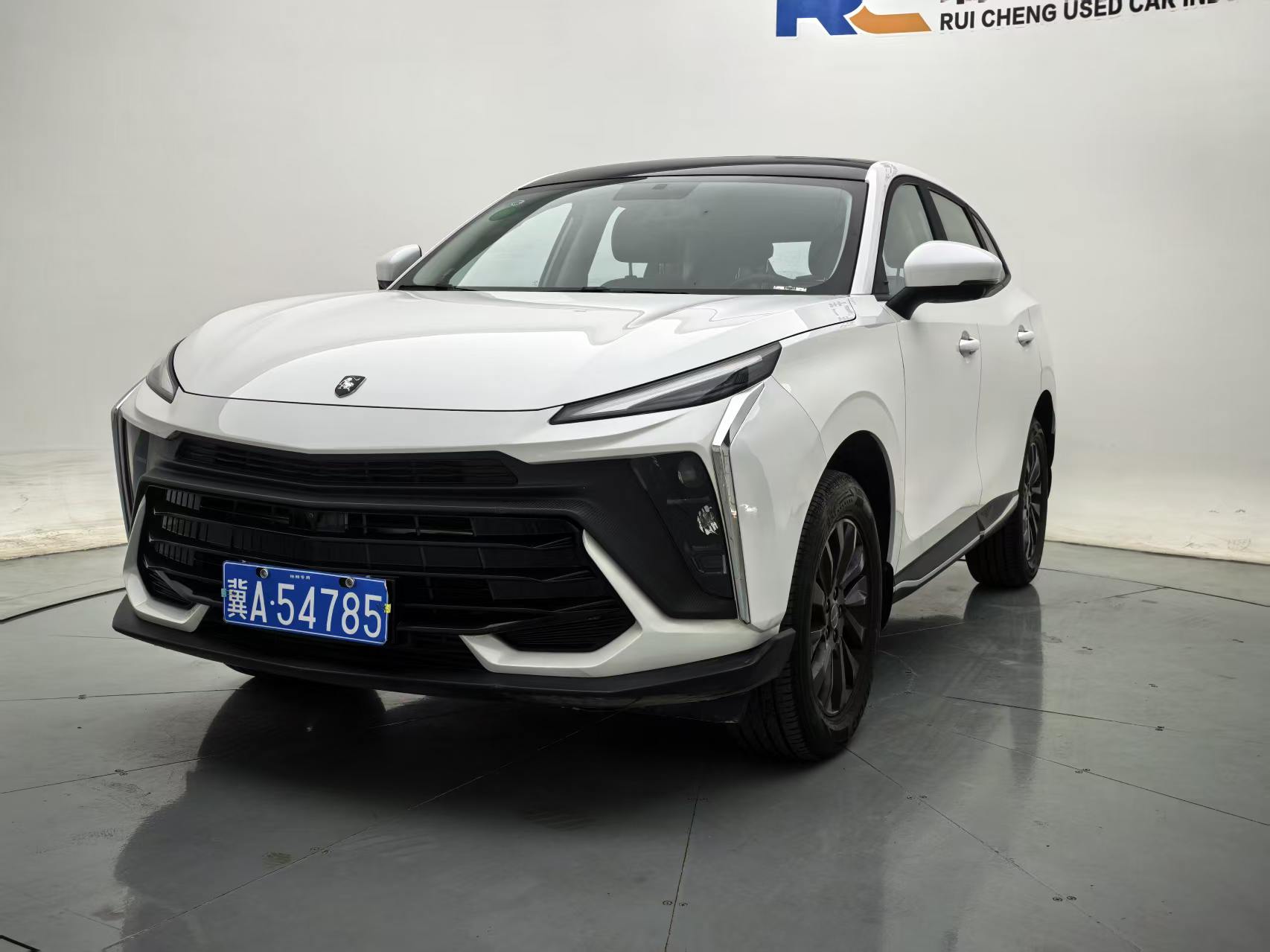
Basic Information

BrandForthing
SeriesT5 EVO
Year2023
First Registration2023/11
Mileage1km
Transfer Count-
FuelGasoline
TransmissionDCT
Engine1.5T 197 L4
ColorGreen
Seats5seats

Configuration Highlights

✓Driver/Passenger Airbags
✓Tire Pressure Monitoring
✓ISOFIX Child Seat Anchors
✓Keyless Start System
✓Keyless Entry System
✓ABS Anti-lock Braking
✓Electronic Brake Distribution
✓Electronic Stability Control
✓Hill Start Assist
✓Auto Hold
✓Hill Descent Control
✓Panoramic Sunroof
✓Roof Rack
✓Multifunction Steering Wheel
✓Seat Material
✓Driver/Passenger Power Seats
✓Rear Cupholders
✓GPS Navigation
✓Low Beam Headlights
✓Daytime Running Lights
✓Auto Headlights
✓Adjustable Headlight Height
✓Power Windows
✓Anti-pinch Windows
✓Climate Control Type
✓Rear Air Vents
✓Lane Departure Warning
✓Active Safety System

Q&A

More

Who is responsible if a vehicle is damaged in a rear-end collision during inland highway transport to a port in China?

Under FOB or CIF terms, all risks before crossing the ship's rail are borne by the seller (us). For minor scratches, we will provide a price discount based on the damage assessment; for serious damage, we will immediately terminate the vehicle delivery, refund the full amount, or replace it with a vehicle of equivalent configuration.
Can the Chinese electric vehicles (EVs) you export use charging interfaces directly overseas?

Chinese standard electric vehicles use the national standard (GB/T) charging interface. If your country uses the European standard (CCS2), American standard (CCS1), or Japanese standard (CHAdeMO), the vehicle cannot be plugged directly into local charging stations. To address this issue, we will recommend or provide high-quality certified adapters (Adapter) with CE/UL safety certification. Please confirm the charging station specifications in your area with our sales personnel before purchasing.

How is payment typically structured when buying a used car from a Chinese exporter, and how do I stay safe?

A typical payment structure looks like this: 1. Deposit: 10-30% after you confirm the car and price, often to reserve the vehicle and start the inspection. 2. Balance: paid after you approve the inspection report, but before or at shipment. A common safeguard is paying against a copy of the bill of lading, with telex release of the original B/L after funds arrive. 3. Never send 100% upfront to a new supplier. Use traceable methods (T/T bank transfer to a corporate account matching the company name, or escrow for first orders) and keep every agreement in writing. 4. Timeline: quote within days, inspection 3-7 days, booking and loading 1-2 weeks, ocean transit 3-6 weeks, customs clearance 3-10 days. Red flags: personal bank accounts, pressure to skip inspection, prices far below market.