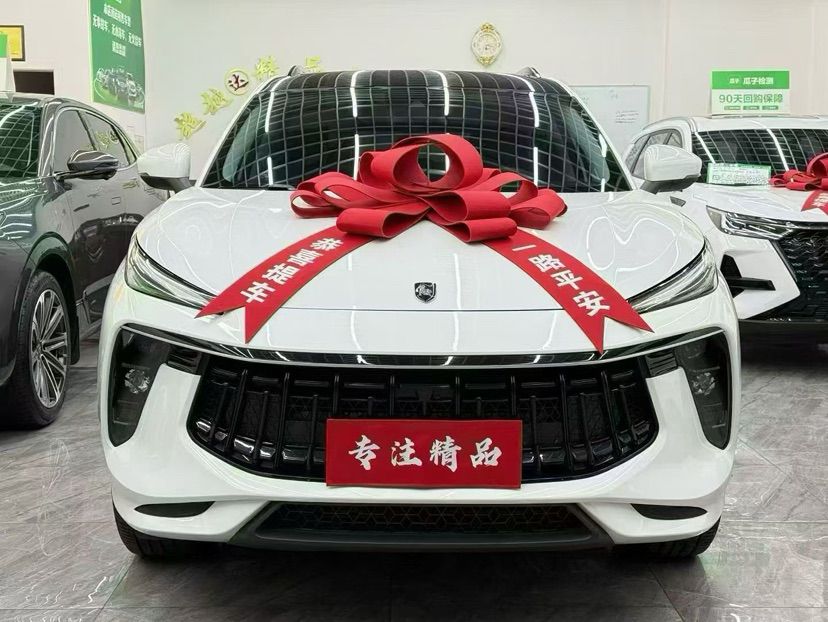
Stock

Basic Information

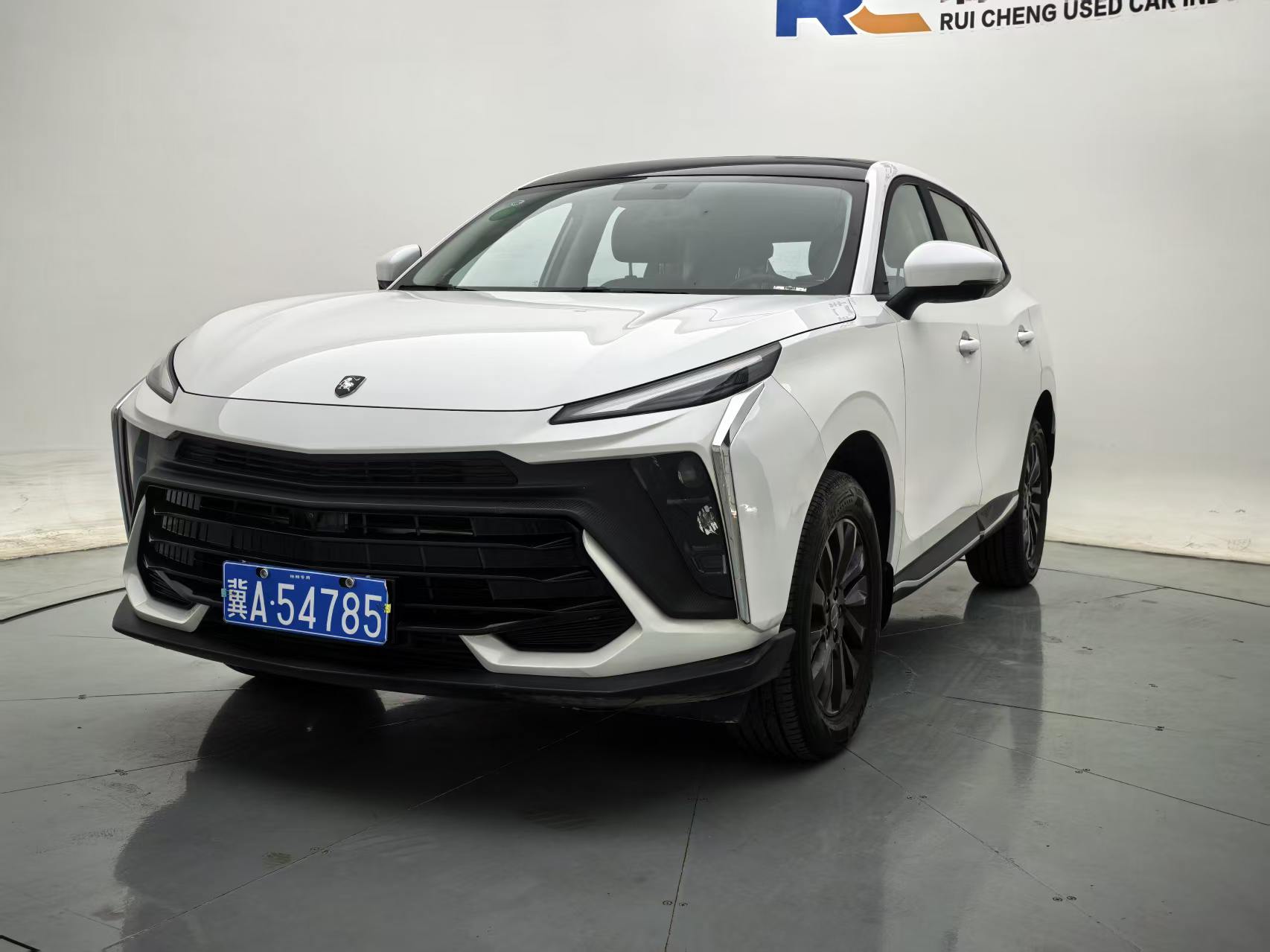
BrandForthing
SeriesT5 EVO
Year2024
First Registration2024/07
Mileage6,000km
Transfer Count1times
FuelGasoline
TransmissionDCT
Engine1.5T 197 L4
ColorWhite
Seats5seats

Condition Description

Original paint, no repaint.

Manufactured February 2024, first registered July 2024. Odometer 6,000 km (actual). Original paint, no repaint. Excellent condition.

燃油车
SUV
自动
维保开放
事故开放
查验开放

Configuration Highlights

✓品牌: 东风风行
✓车系: 风行T5EVO
✓车型: 2023款 1.5TD DCT星耀版
✓车身类型: SUV
✓座位数: 5
✓排量: 1.5T
✓变速箱: 自动
✓能源类型: 燃油车
✓VIN: LMXA14AF1RZ369867
✓搜索关键词: 东风风行风行T5EVO 2023款风行T5EVO1.5TDDCT星耀版

Q&A

More

Is there a specific testing process for the smooth transition between the engine and motor in hybrid (HEV/PHEV) vehicles?

Yes. For hybrid vehicles, technicians will conduct forced switching tests between EV (electric) and HEV (hybrid) modes, focusing on the sensation of clutch engagement and reading the hybrid system's specific fault codes to ensure the complex dual power system operates correctly.

Can the Chinese electric vehicles (EVs) you export use charging interfaces directly overseas?

Chinese standard electric vehicles use the national standard (GB/T) charging interface. If your country uses the European standard (CCS2), American standard (CCS1), or Japanese standard (CHAdeMO), the vehicle cannot be plugged directly into local charging stations. To address this issue, we will recommend or provide high-quality certified adapters (Adapter) with CE/UL safety certification. Please confirm the charging station specifications in your area with our sales personnel before purchasing.

Why are the shipping costs for used electric vehicles (EVs) usually higher than for internal combustion engine vehicles (ICEs)?

Pure electric vehicles are classified as Class 9 Dangerous Goods due to their large lithium batteries, leading to strict shipping regulations. Shipping companies have high requirements for the loading position and fire isolation measures for dangerous goods, and some roll-on/roll-off ships refuse to accept used EVs. As a result, EVs often require more expensive special container shipping and incur additional handling fees for hazardous materials.