



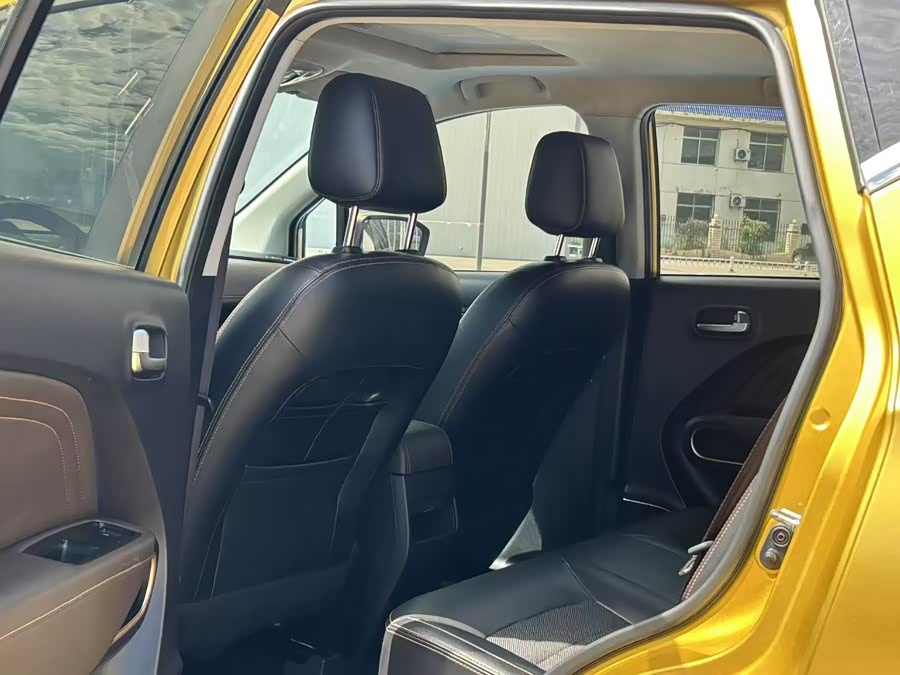
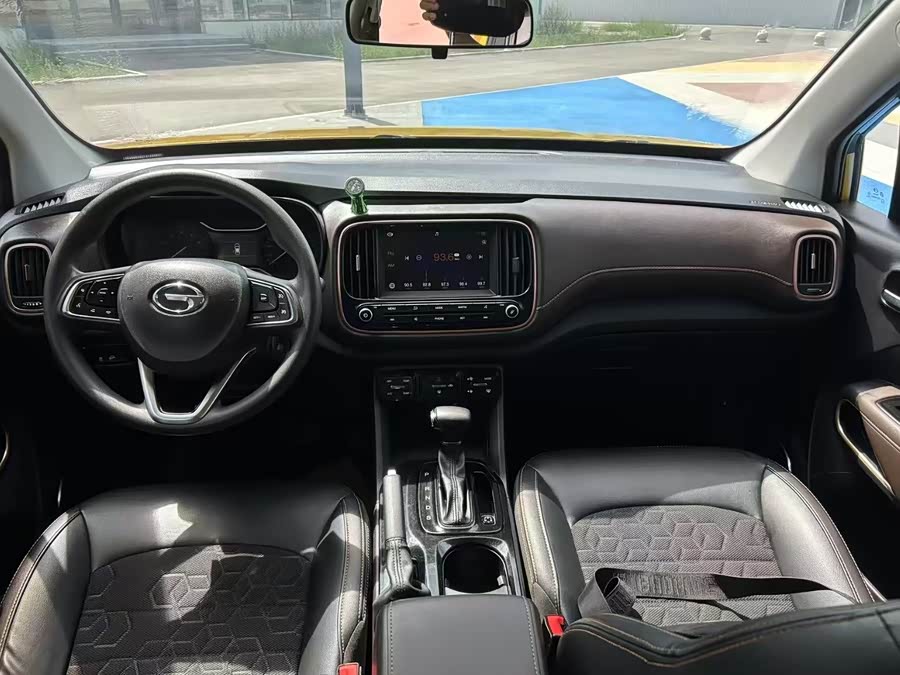
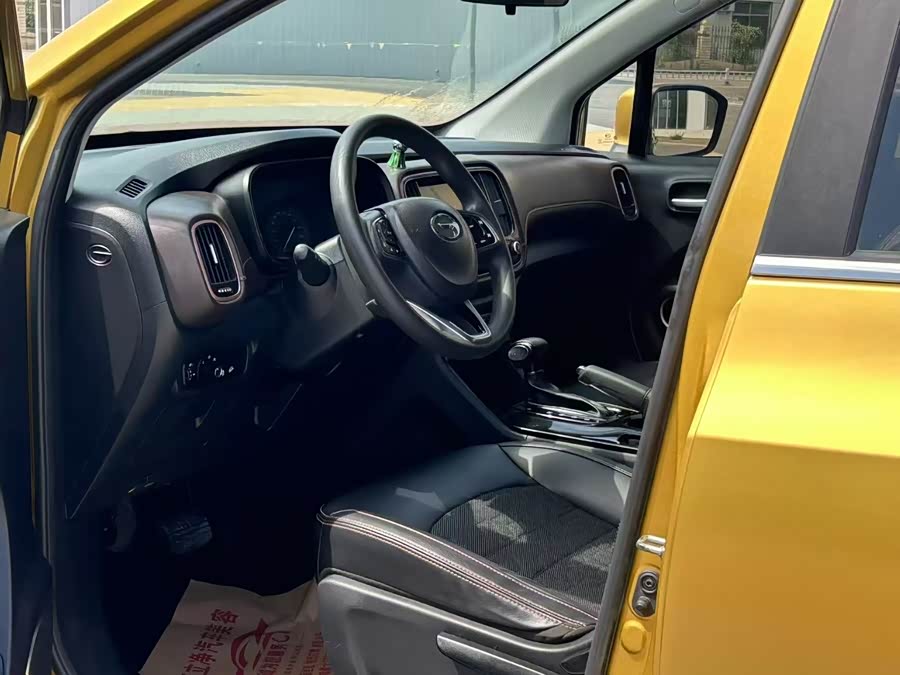






Basic Information

BrandGAC Trumpchi
SeriesGS3
Year2017
First Registration2017/11
Mileage110,000km
Transfer Count2times
FuelGasoline
TransmissionManumatic
Engine1.5L 114 L4
ColorYellow
Seats-

Condition Description

Affordable price, suitable for commuting, practice driving, and family use. I got a 2017 Trumpchi GS3, 1.5L automatic comfort version, with a multi-function steering wheel with cruise control, electric sunroof, leather seats, navigation, reversing camera, radar, LED daytime running lights, excellent condition, and financing available with zero down payment.

Newly added

Configuration Highlights

✓ISOFIX Child Seat Anchors
✓Bluetooth/Hands-free
✓PM2.5 Air Filter

Accident & Maintenance Records

Accident Record

🔗 Open Link

Maintenance Record

🔗 Open Link

Document Information

Inspection Expiry Date2026/11
Warranty Expiry Date-
Insurance Expiry Date2026/11

Q&A

More

How to ensure compliance for countries that strictly prohibit the import of vehicles containing any asbestos (like Australia)?

Chinese passenger cars produced after 2005 have fully transitioned to asbestos-free brake pads, clutch plates, and gaskets. However, for export to countries with strict regulations, buyers must pay for sampling and testing by a NATA-accredited laboratory before shipment, and obtain an asbestos-free certificate.

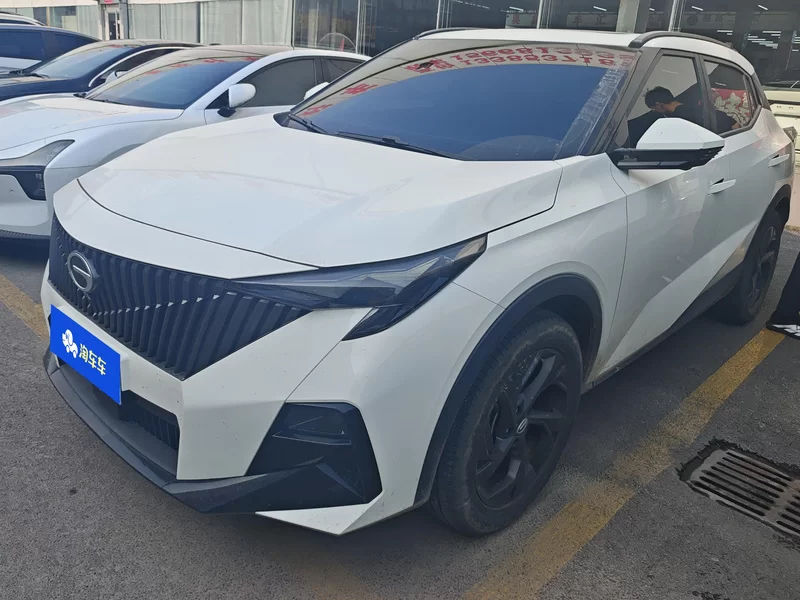
What are the specific thresholds for tiered pricing (Volume Discount) in B2B bulk purchasing?

Our bulk discounts are not simply calculated by the number of units, but by shipping batches. Typically, consolidating enough for a 40-foot container (which can hold 2-3 vehicles, depending on size) can waive some logistics fees; purchasing more than 5 units at once triggers tiered discounts.

When shipping by RoRo vessel, is the "Terminal Handling Charge (THC)" at the destination port prepaid by your freight forwarder or paid by the buyer upon arrival?

Under international practices and our standard CIF/FOB terms, the THC at the port of origin (China) is borne by the seller; all THC and port miscellaneous charges incurred at the destination port during unloading are to be paid by the buyer (consignee) upon local customs clearance and pickup.